Fragments or testimony
Why War? Einstein’s Letter to Freud
Invited to choose a correspondent, Einstein asks Freud how humanity might be freed from war. His letter examines international authority, vested power, and the minority capable of mobilizing collective passions.
- Composition
- 1932
Sources and precision
The range describes composition or formation of the text, distinct from the dates of the editions held.
Confidence A · direct evidence
- Tradition
- Science and scientific thought
- Period
- Contemporary era
- Languages
- English · French
- Extent
- 4 passages · 1,257 words
Before reading
What you will learn
Reconstruct the case for international authority, identify its political obstacles, and distinguish Einstein’s question from Freud’s psychoanalytic answer.
Short summary
Invited to choose a correspondent, Einstein asks Freud how humanity might be freed from war. His letter examines international authority, vested power, and the minority capable of mobilizing collective passions.
Long summary
Einstein begins with law and force: a supranational institution can prevent conflict only if states surrender a real portion of sovereignty. He observes, however, that ruling interests, control of information, and emotional dispositions obstruct this institutional solution.
The letter opens an inquiry rather than closes it. Einstein formulates the political dimensions and asks for a psychological account of aggression. The answer belongs to Freud and should not be projected retrospectively into Einstein’s question.
Inside this work
The table of contents follows the divisions actually carried by the corpus.
Work › Section
Concepts covered
Historical context
The world around the text
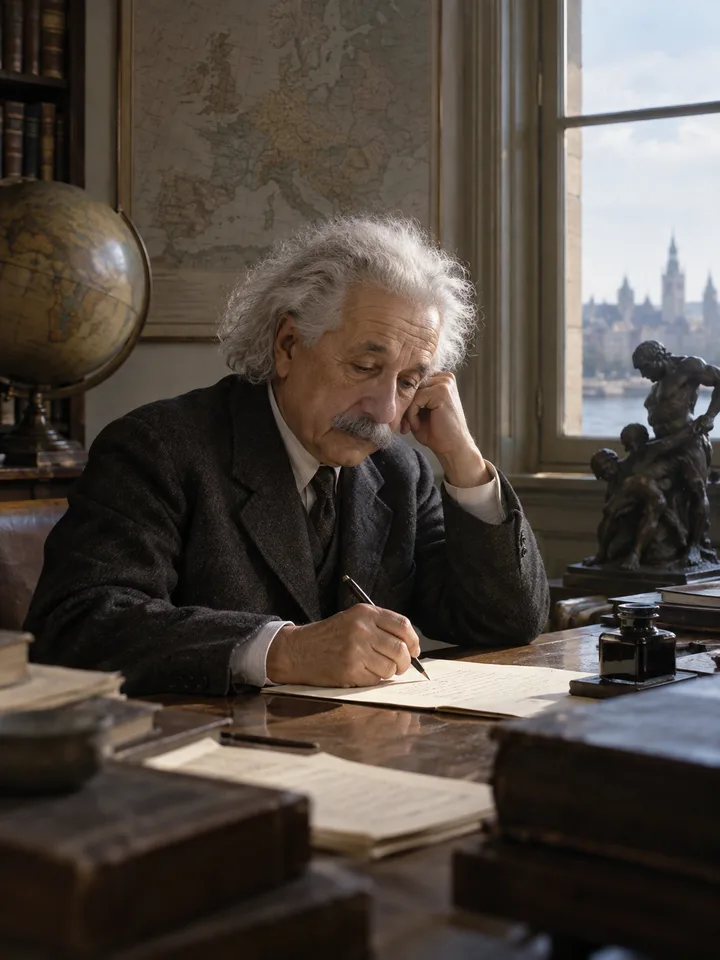
The corpus manifests do not yet establish the precise place and circumstances of composition. The images below document the author’s world or the text’s transmission. They do not claim to show the exact scene of writing.
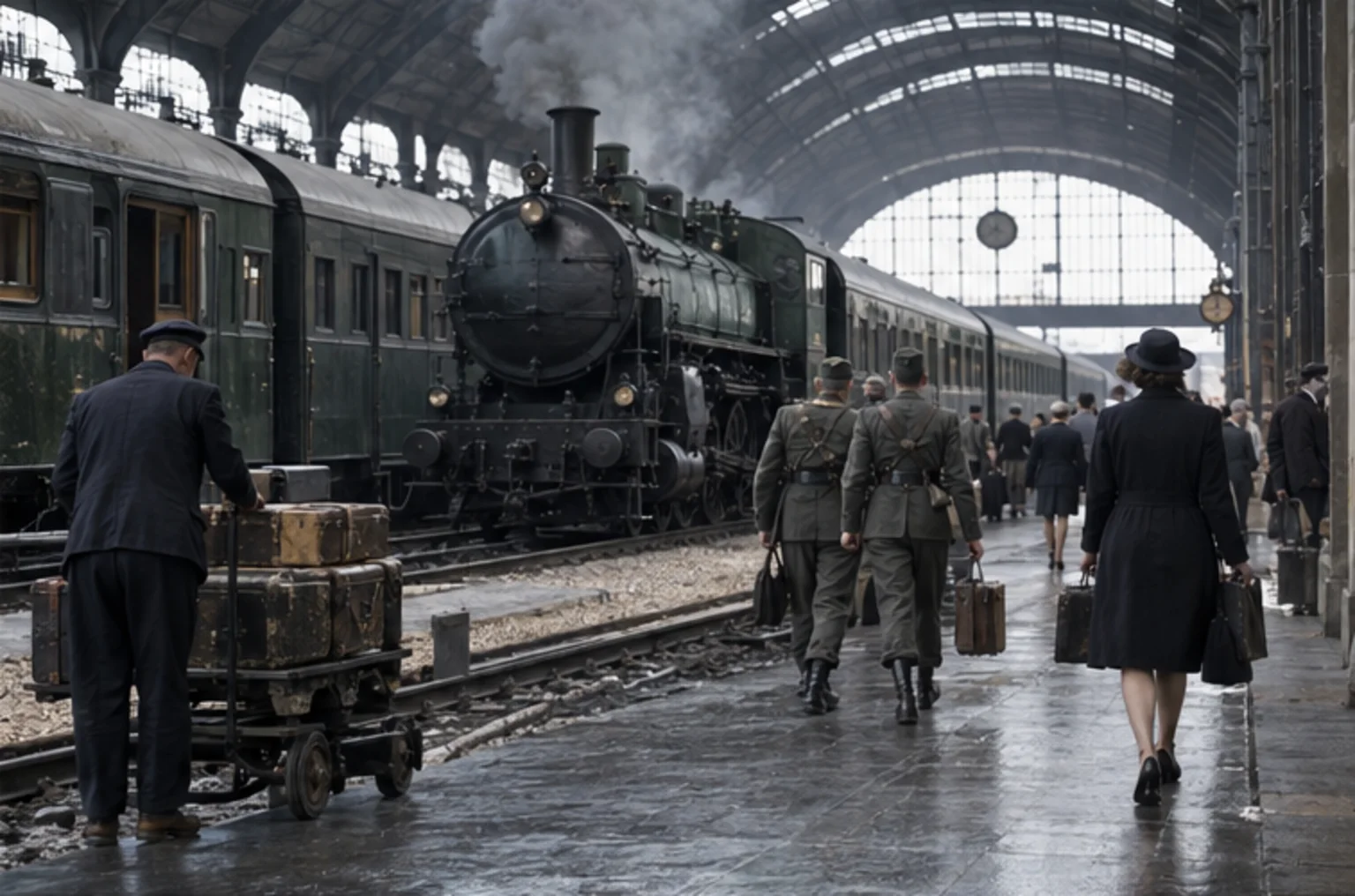
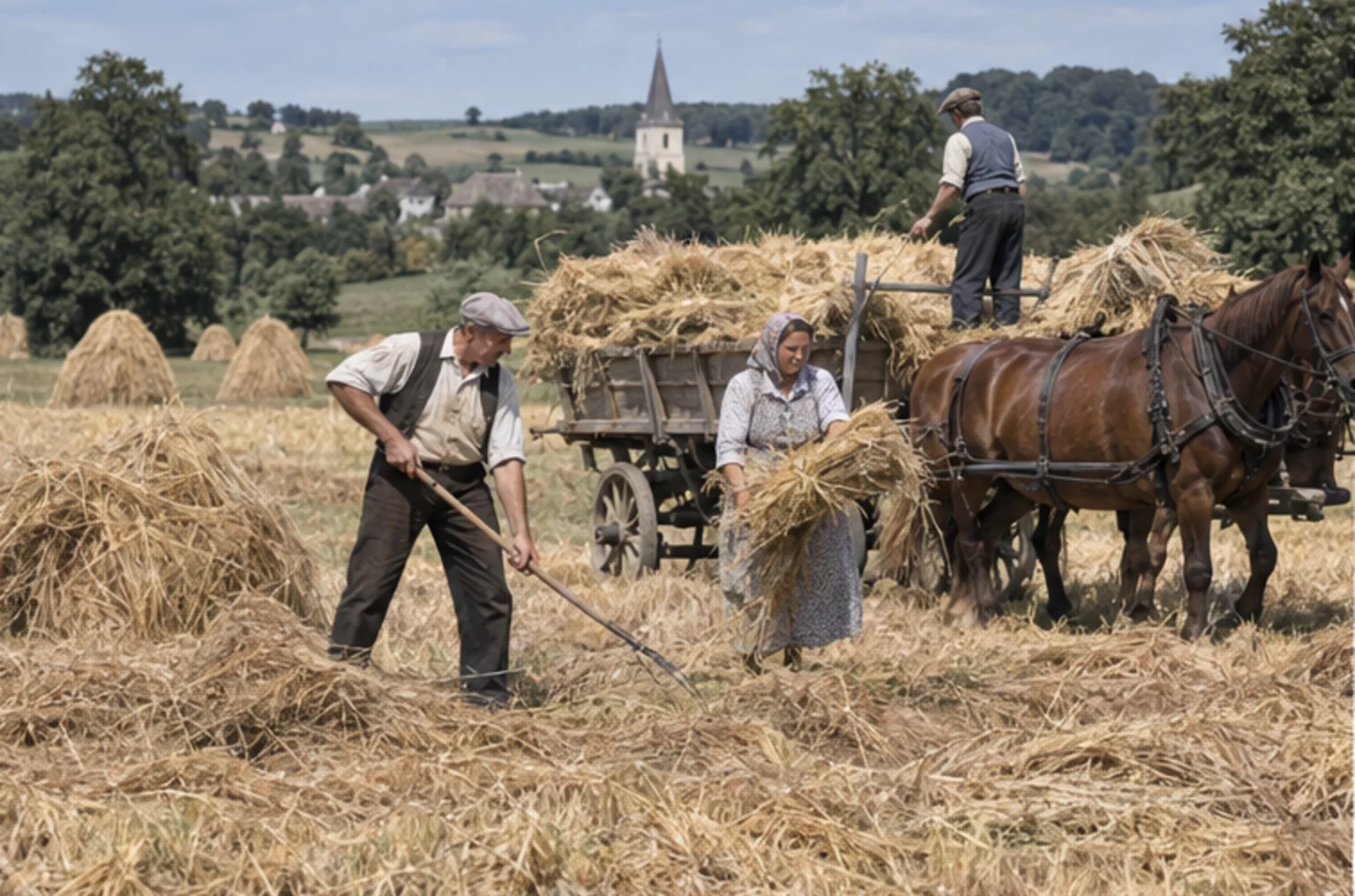
These are modern reconstructions. They situate a documented place, practice, or transmission and are not period documents.
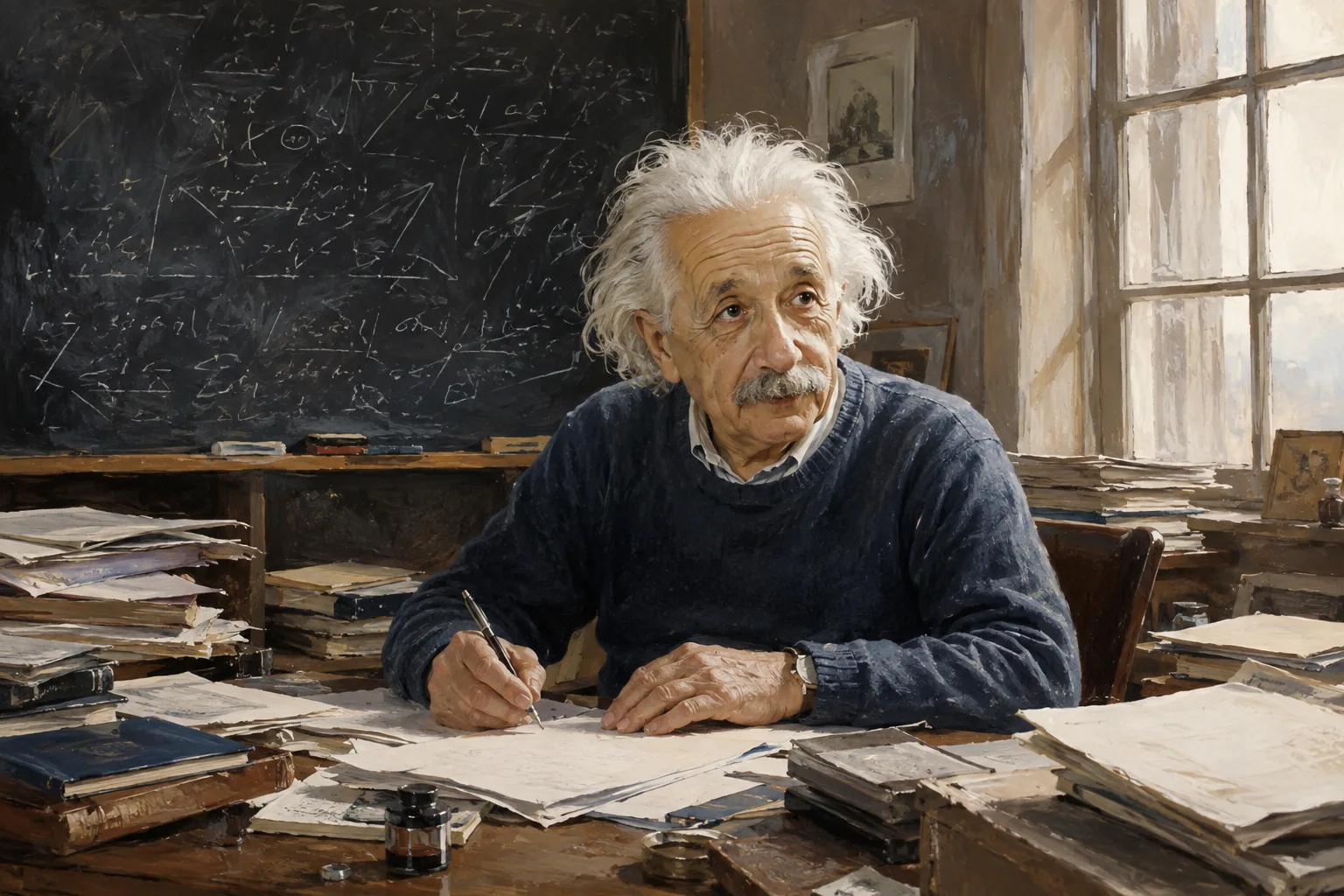


What the world looked like
World of the world wars, 1914-1945


- State of technology
- Electricity, internal combustion, steel, aviation, radio, cinema, and mass production transform civilian life and warfare.
- Science and knowledge
- Relativity, quantum physics, chemistry, psychology, and genetics reshape knowledge within powerful institutions that are sometimes militarized.
- Medicine and care
- X-rays, surgery, transfusion, antisepsis, and early antibiotics save more lives without universal access.
- Transport
- Rail, cars, trams, ocean liners, and aircraft coexist. Armies mechanize mobility rapidly.
- Agriculture and food
- Tractors, fertilizers, and breeding advance; rationing, blockade, and requisition expose fragile supplies.
- Communication
- Telephone, telegraph, radio, newsreels, and newspapers reach mass audiences; propaganda and censorship use the same networks.
- Clothing and fashion
- Suits, shorter dresses, coats, and hats coexist with uniforms and workwear. Shortages simplify cuts and materials.
Editions, translations, and provenance
The following carriers represent the text. They do not create new passage identities.
- Englishcomplete_source_selection
- French AI-generated translation, non-officialCodex gpt-5.6-sol · Non-official working translation · 2026-09-11
Source manifests: einstein.why_war_letter
Reader
Read page by page
Why War? Einstein’s Letter to FreudAlbert Einstein