Intellectual tradition
New Thought and mental science
A metaphysical movement that assigns thought a causal role in shaping experience.
- Thinkers
- 1
- Works
- 4
- Passages
- 47
- Concepts
- 115
Origins, practices, and debates
New Thought brings together late nineteenth- and early twentieth-century writers who describe mind, causation, and practical life in metaphysical terms. Thomas Troward offers a systematic version: he distinguishes objective from subjective mind and tries to relate universal law, individual intention, and consequence.
This “mental science” belongs to the history of a religious and philosophical movement. Its use of science does not mean validation by contemporary experimental methods. The library presents Troward’s arguments as his metaphysical claims, without converting them into medical or physical facts.
The four admitted works were published during his lifetime. Posthumous texts, including The Hidden Power, remain outside the persona’s knowledge envelope. No passage becomes citable without alignment and provenance checks.
A practical application may therefore examine Troward’s proposed chain from principle through condition to consequence. It guarantees neither healing, materialisation, nor total control of events.
Period: Late 19th and early 20th centuries
Modern reconstructions
Places, practices, and transmission
1 / 3
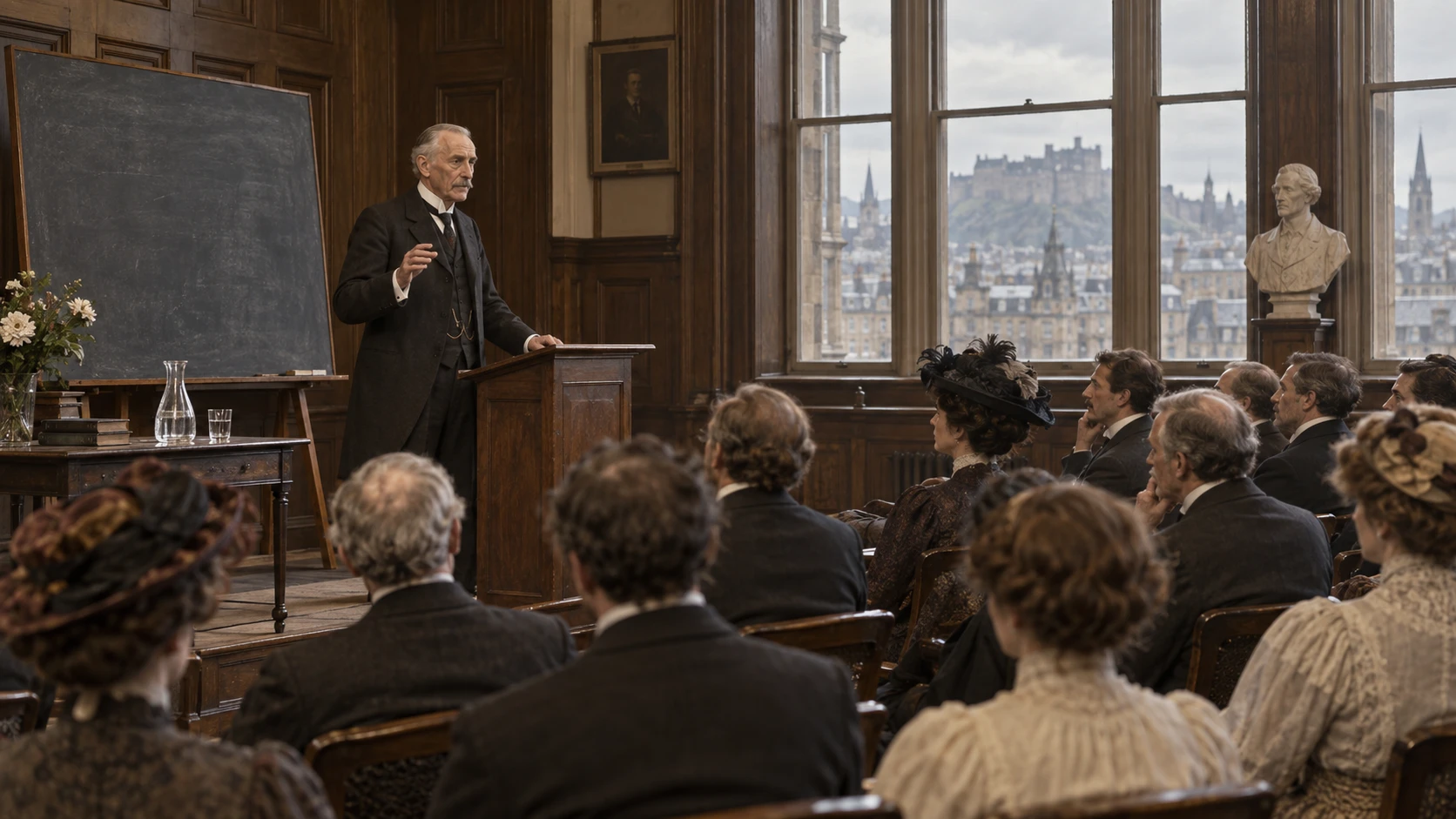

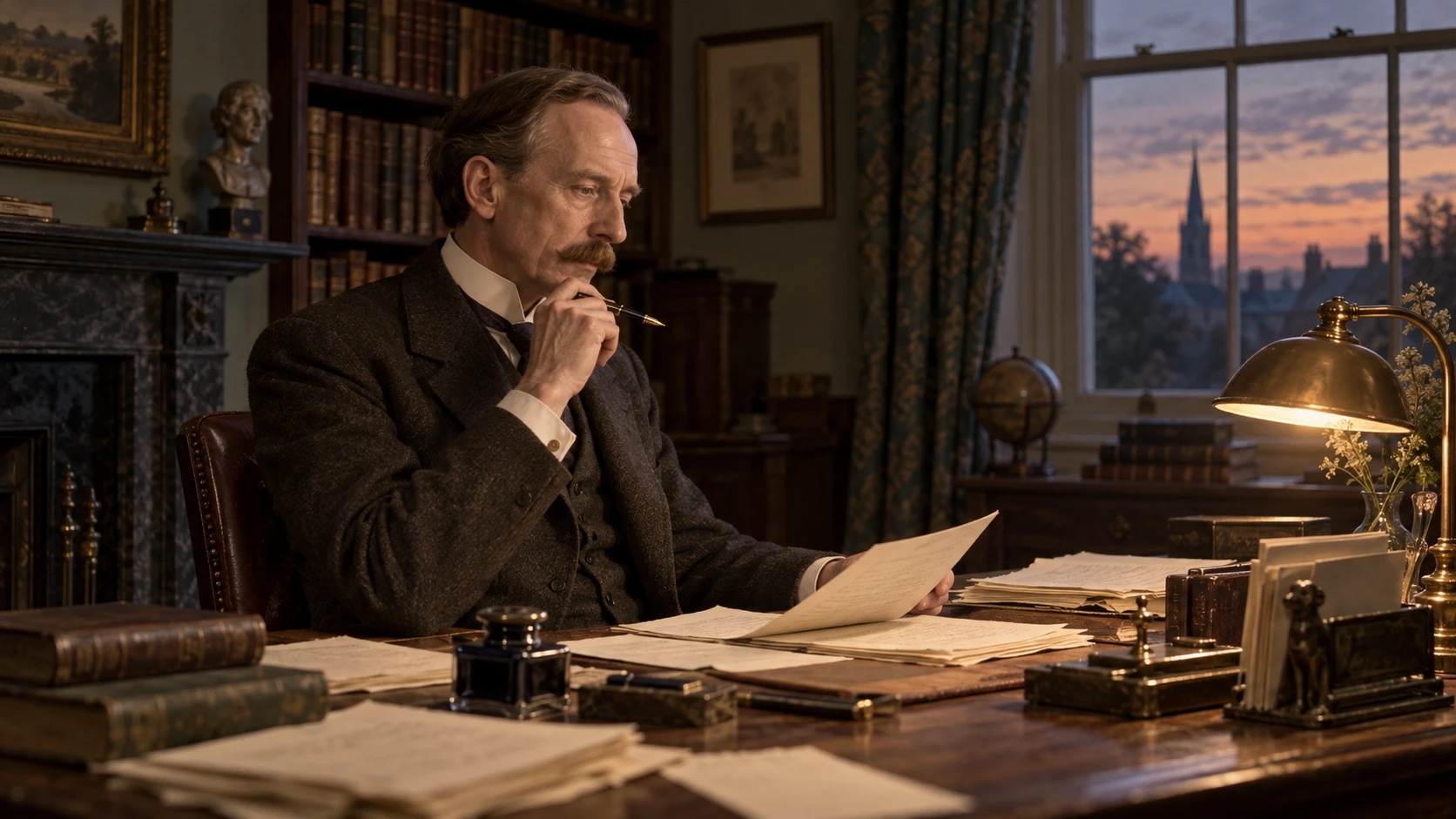
Thinkers in this tradition on Prokopton42
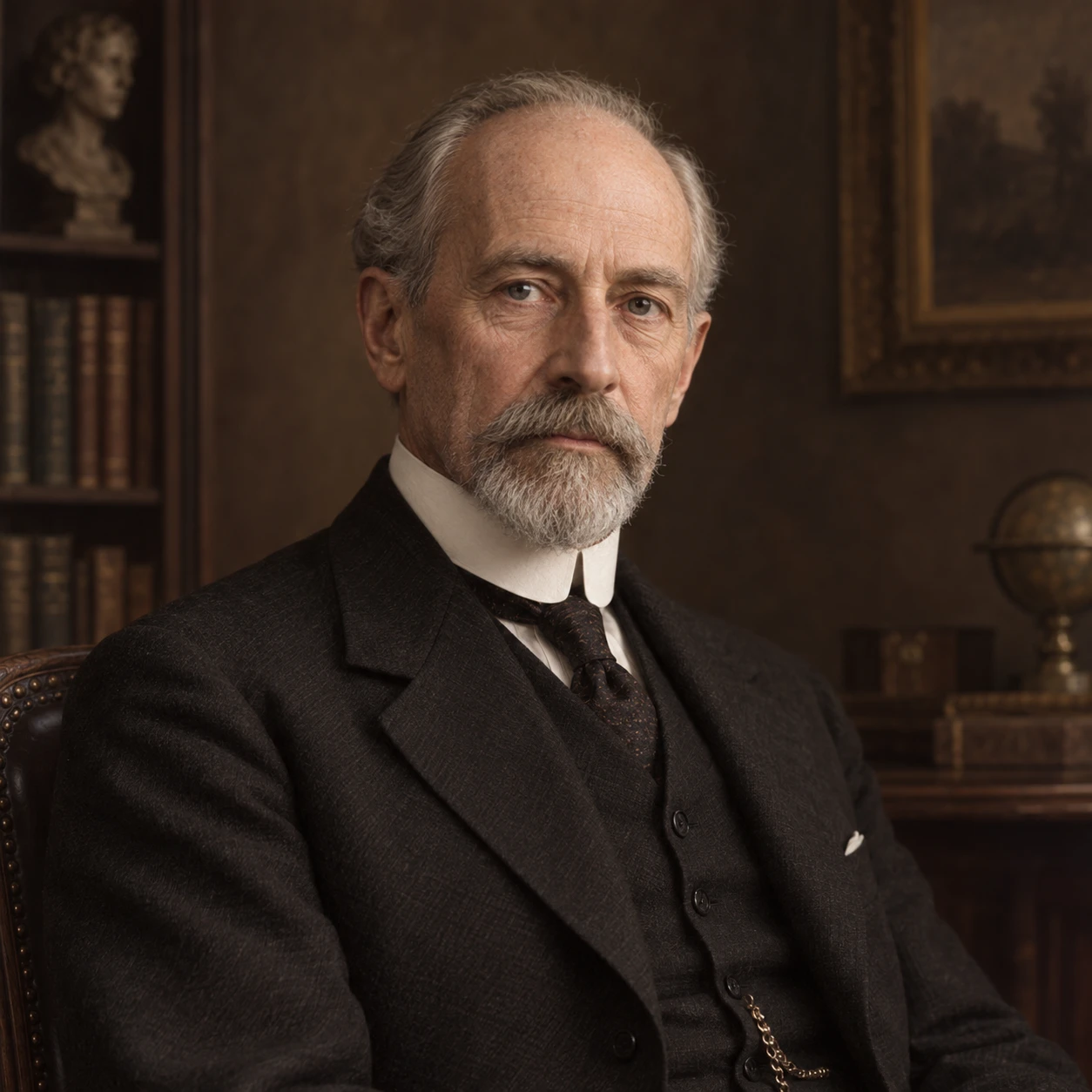 Thomas Troward
Works to read
- The Creative Process in the IndividualThomas Troward · 11 passages
- The Doré LecturesThomas Troward · 12 passages
- The Edinburgh Lectures on Mental ScienceThomas Troward · 16 passages
- The Law and the WordThomas Troward · 8 passages