Work
The Edinburgh Lectures on Mental Science
Sixteen lectures set out Troward’s account of mental action, material conditions, subjective mind and individual agency.
- Composition
- 1904
Sources and precision
The authorial foreword is dated March 1904.
Confidence A · direct evidence
- Tradition
- New Thought and mental science
- Period
- Contemporary era
- Languages
- English · French
- Extent
- 16 passages · 29,893 words
Before reading
What you will learn
Trace Troward’s causal sequence, distinguish his historical vocabulary from modern science, and test where analogy stops short of proof.
Short summary
Sixteen lectures set out Troward’s account of mental action, material conditions, subjective mind and individual agency.
Long summary
The sequence begins by distinguishing spirit and matter, then moves through subjective and objective mind, growth, receptivity, causation, intuition, healing and will. Troward argues from a universal order toward personal application.
These are metaphysical arguments from 1904, not findings of modern psychology or medicine. The edition is admitted as Troward-authored prose; the French layer is a non-official AI translation and remains ineligible for direct quotation.
Inside this work
The table of contents follows the divisions actually carried by the corpus.
Work › Chapter or lecture
- Chapter or lecture I
- Chapter or lecture II
- Chapter or lecture III
- Chapter or lecture IV
- Chapter or lecture V
- Chapter or lecture VI
- Chapter or lecture VII
- Chapter or lecture VIII
- Chapter or lecture IX
- Chapter or lecture X
- Chapter or lecture XI
- Chapter or lecture XII
- Chapter or lecture XIII
- Chapter or lecture XIV
- Chapter or lecture XV
- Chapter or lecture XVI
Concepts covered
Historical context
The world around the text
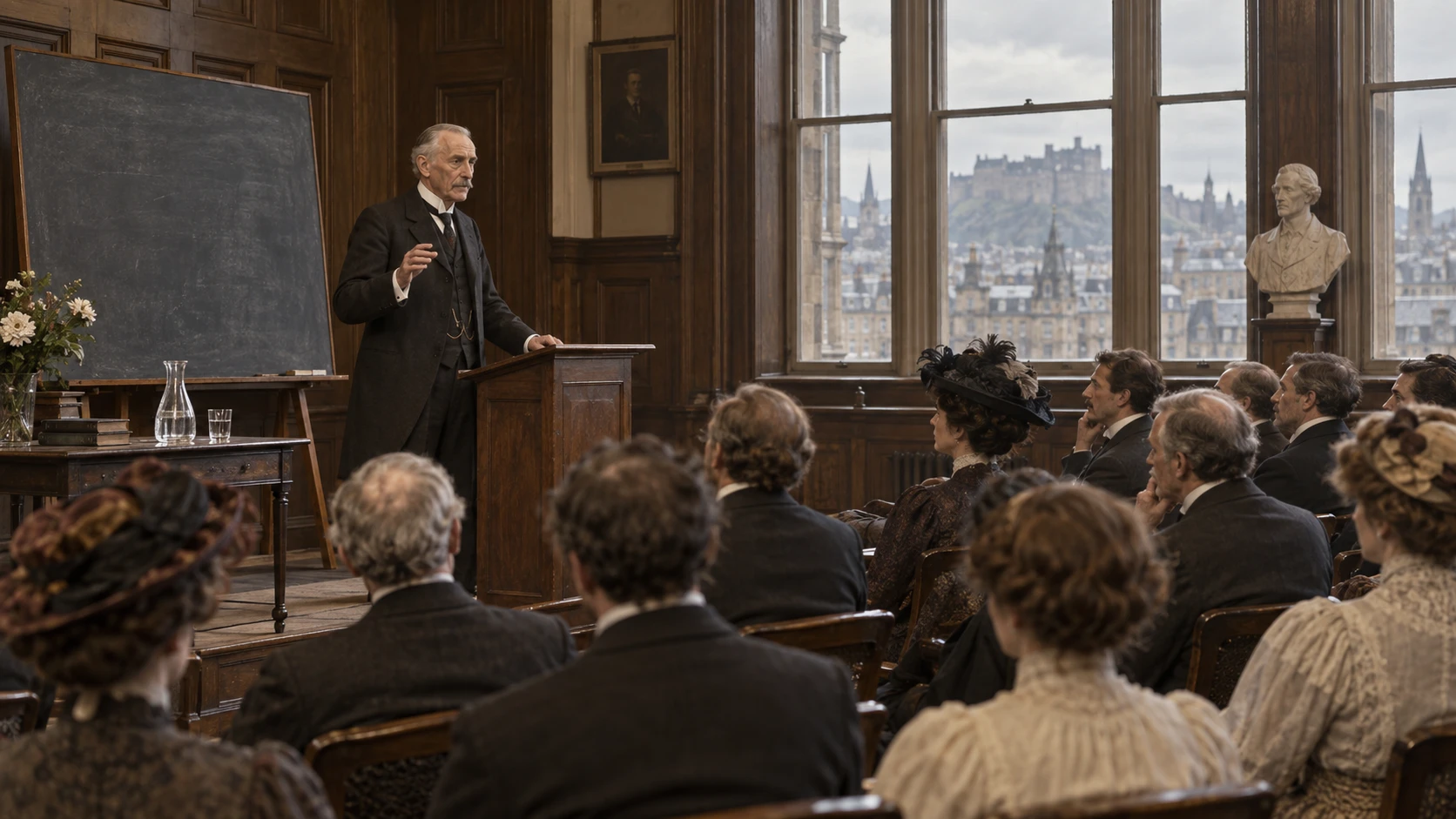
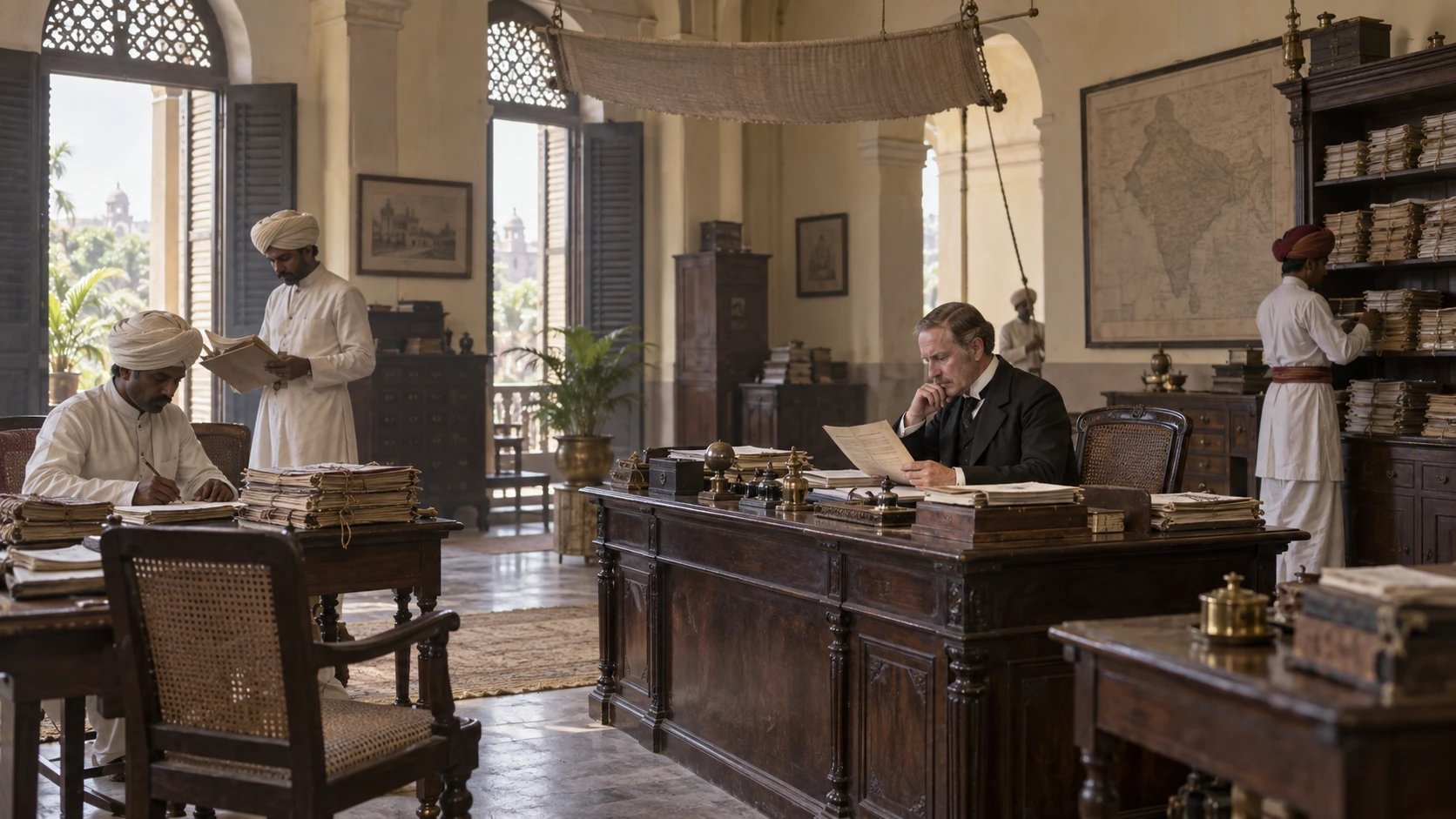
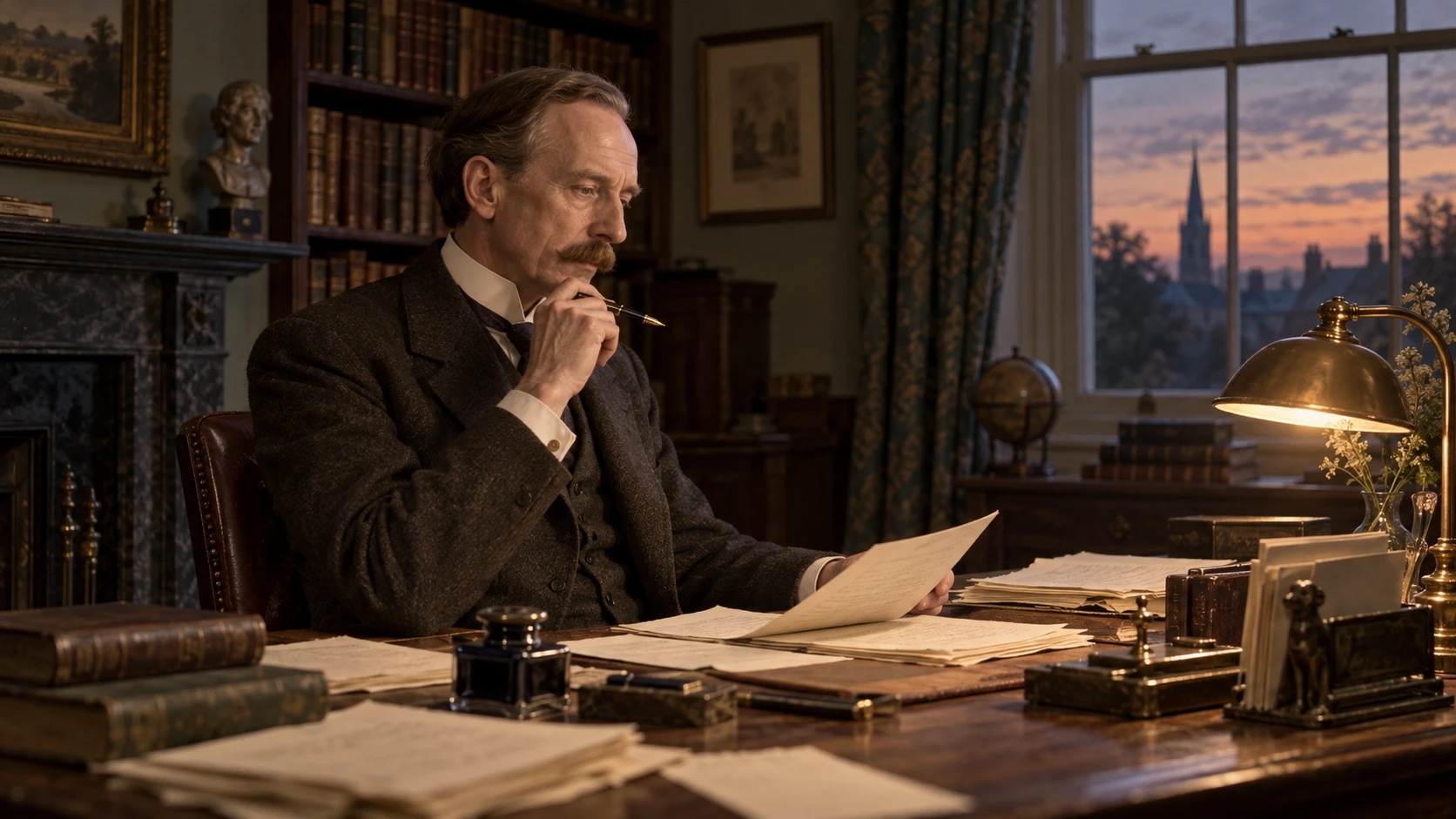
The corpus manifests do not yet establish the precise place and circumstances of composition. The images below document the author’s world or the text’s transmission. They do not claim to show the exact scene of writing.
These are modern reconstructions. They situate a documented place, practice, or transmission and are not period documents.
What the world looked like
Industrial world of the 19th century
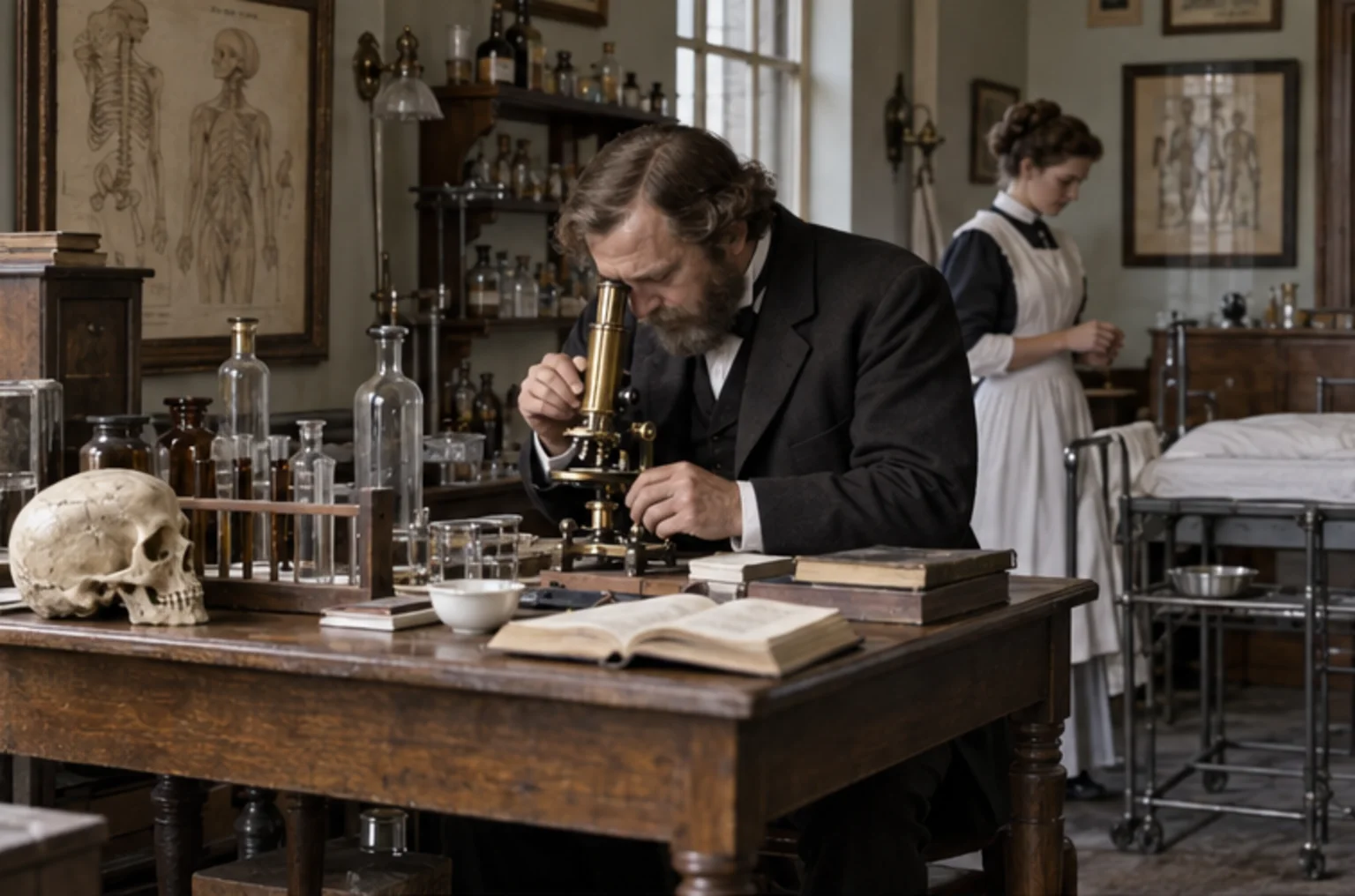
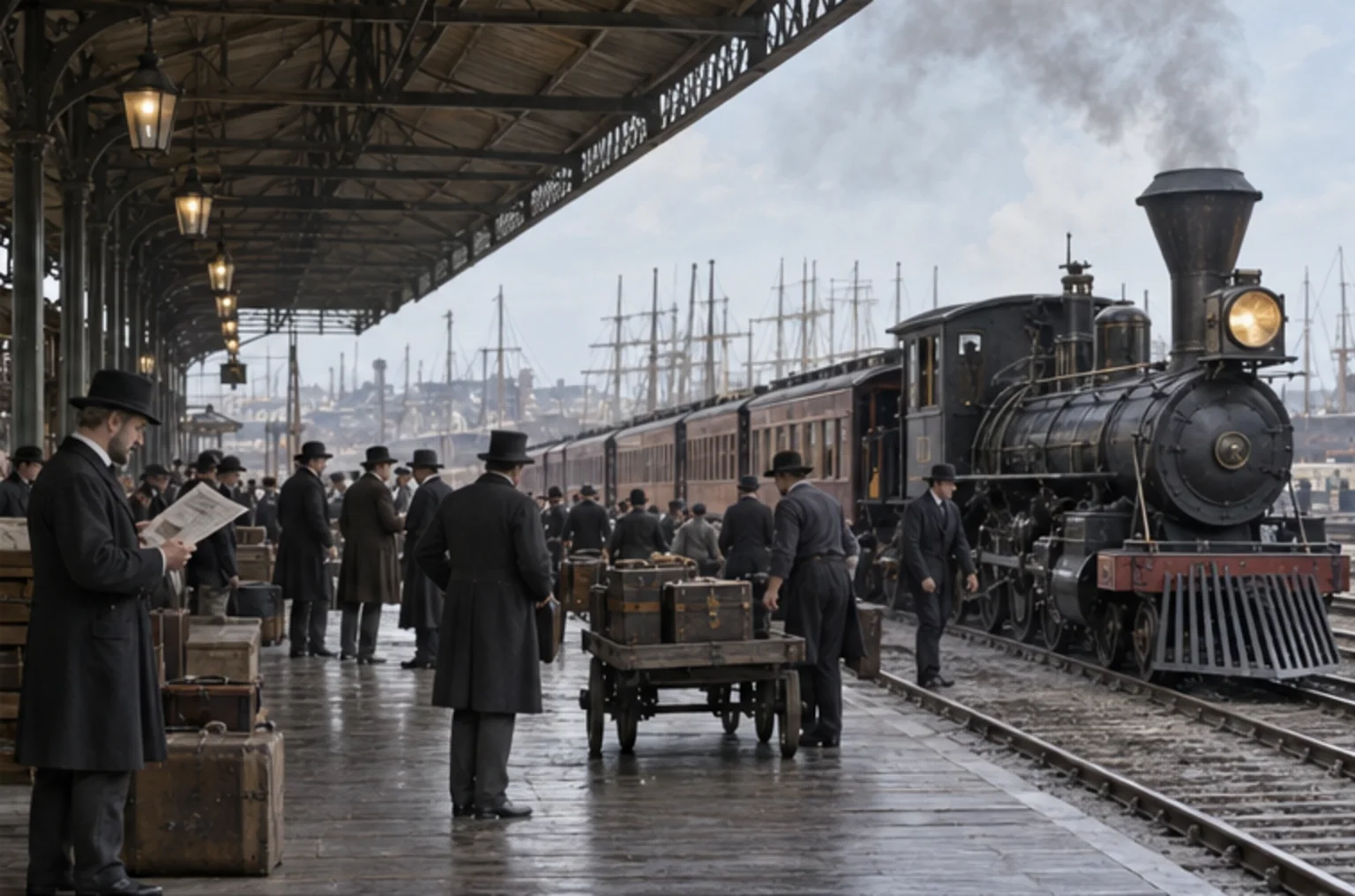
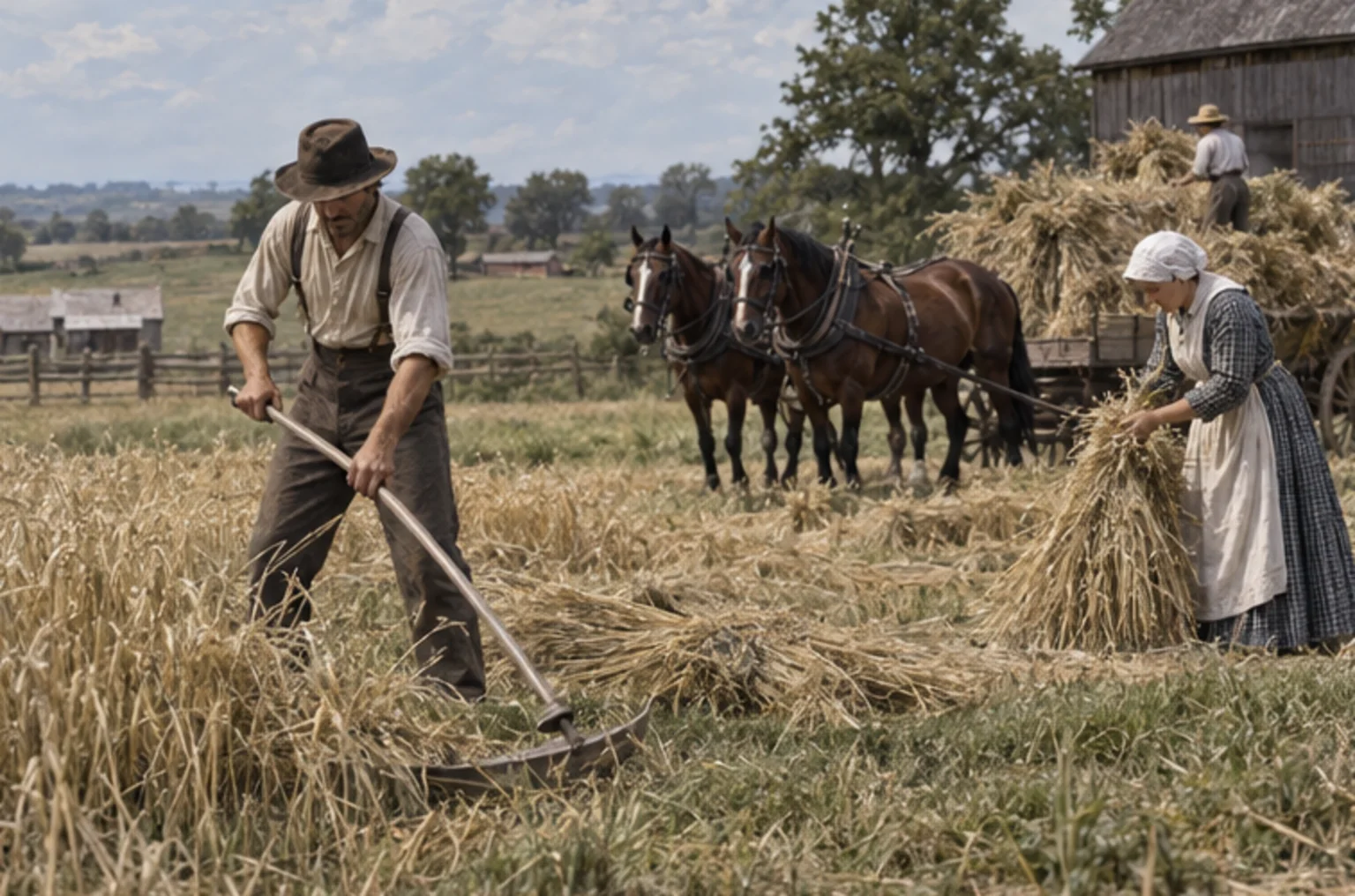
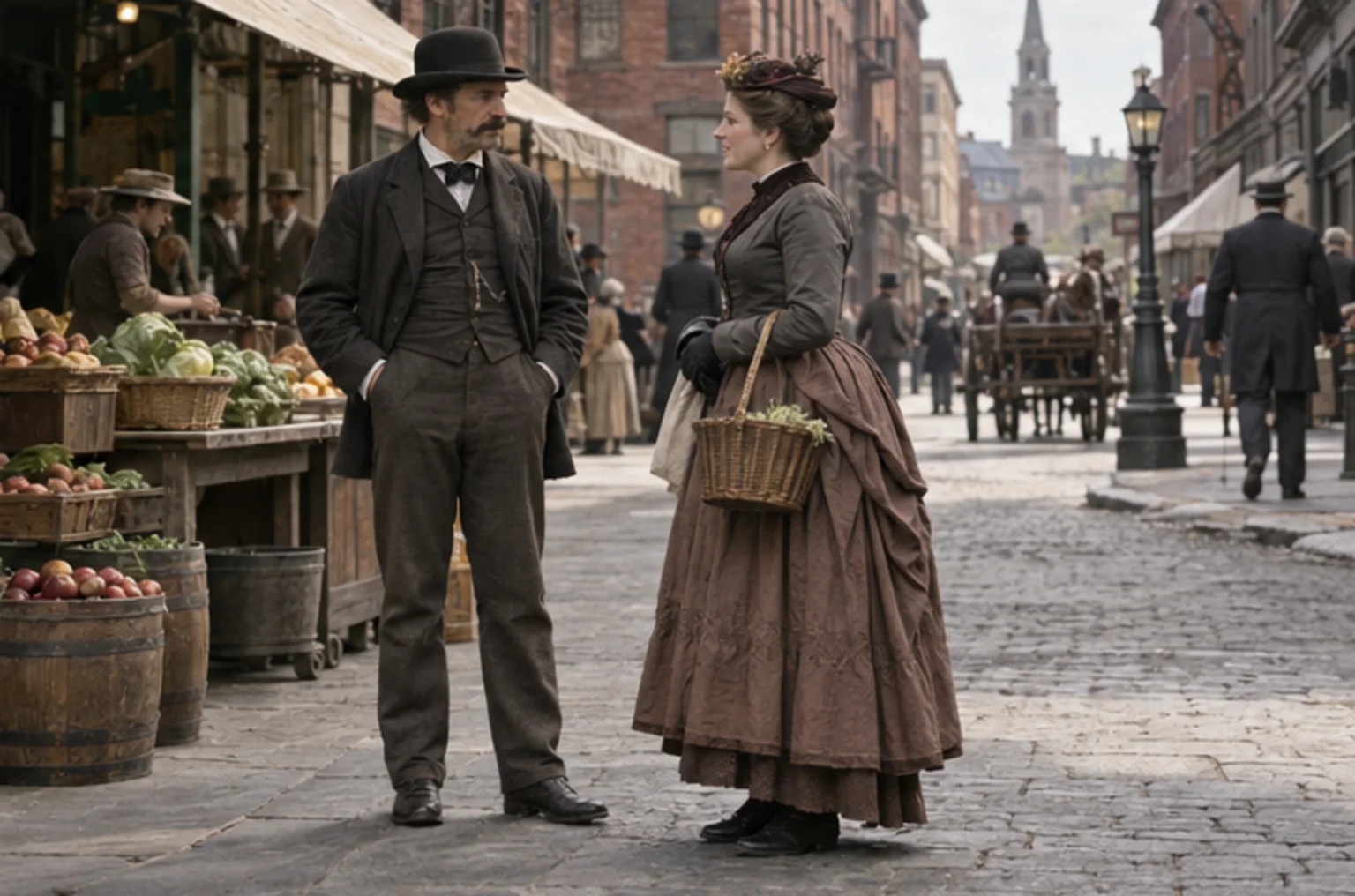
- State of technology
- Steam, coal, factories, steel, machine tools, railways, and telegraphy concentrate unprecedented mechanical power.
- Science and knowledge
- Laboratories, journals, precision instruments, and professional institutions accelerate physics, chemistry, geology, and life science.
- Medicine and care
- Anaesthesia, germ theory, vaccination, and antisepsis gradually transform care, with sharp inequalities of access.
- Transport
- Rail and steamship shrink distances; horses, walking, and carriages remain ordinary in town and country.
- Agriculture and food
- Machinery, fertilizers, breeding, and rail transport expand output and markets without eliminating manual labour or food crises.
- Communication
- Telegraphy, mass newspapers, photography, post, and the emerging telephone speed news and business.
- Clothing and fashion
- Dark suits, shirts, and hats dominate bourgeois menswear; long dresses, corsets, and layers shape women’s fashion, with more functional working clothes.
Editions, translations, and provenance
The following carriers represent the text. They do not create new passage identities.
- English
- French AI-generated translation, non-officialCodex gpt-5.6-sol · Non-official working translation · 2026-09-27
Source manifests: troward.edinburgh_lectures
Reader
Read page by page
The Edinburgh Lectures on Mental ScienceThomas Troward