
Traceable Library

Explore the corpus of thinkers on prokopton42.com

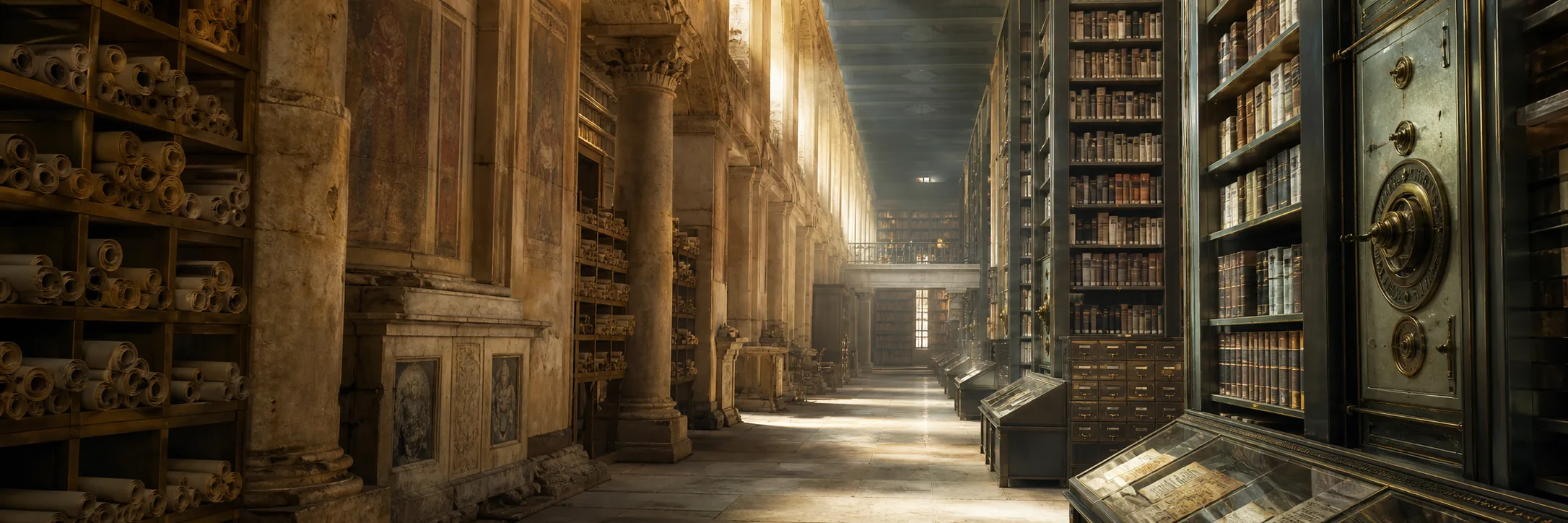
We do not always look for a work, a text, or a passage in the same way. Browse by work as you would in a traditional library, travel through time, follow a semantic concept, or go straight to a precise excerpt. This Library exists to support practice and deeper study by bringing old texts into contact with daily experience and present questions.

Works
305
Authors
94
Passages
89,767
See more statistics
Corpus works
259
Private works
46
Private records
56
Private excerpts
20,006
Text representations
223,819
Editions and translations
849
Languages
17
Works in French and English
259
Multilingual works
259
Tracked concepts
9
Estimated sentences
1,456,557
Words
27,541,029

A representation is one language version of a canonical passage. Private excerpts come from source files. Sentence count is estimated from punctuation.

By work10
Psychology and psychoanalysis

Works

Books, collections and works from the Private collection share this shelf. Each card keeps its editions and sources.

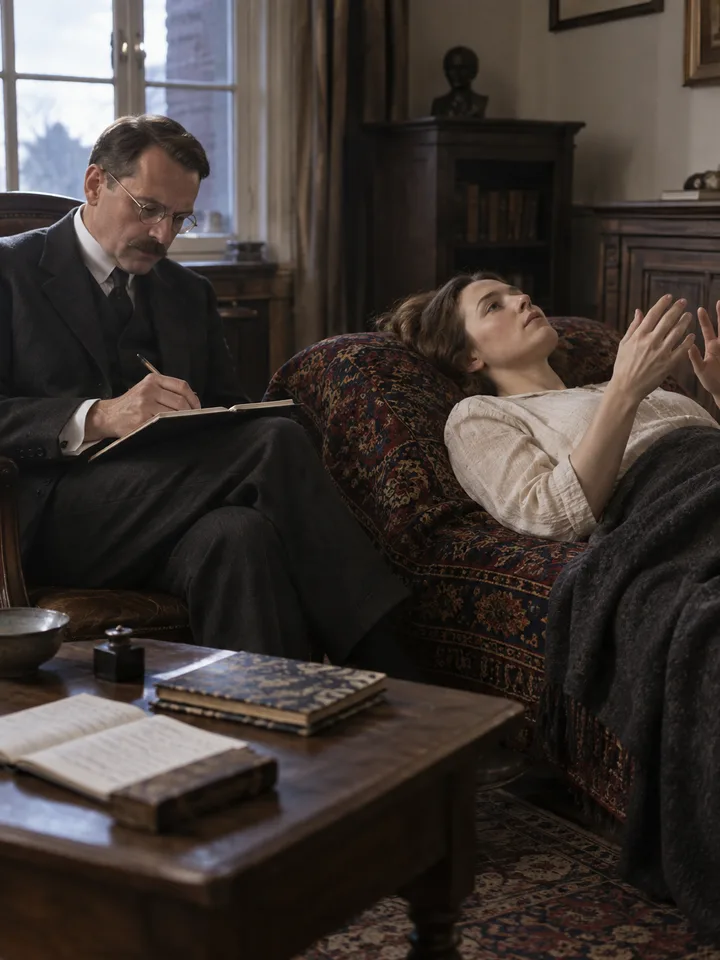
Photorealistic editorial illustration of Beyond the Pleasure Principle in the Prokopton42.com Library Beyond the Pleasure PrincipleSigmund Freud

Work

Beyond the Pleasure Principle

Faced with painful repetitions that pleasure-seeking does not explain, Freud advances new hypotheses about repetition compulsion and drives. The text shows a theory risking a step beyond its evidence.

What you will learn
Composition
1920
Editions / translations
Dates to be documented
Languages
German · English · French
Extent
60 passages · 18,851 words
Photorealistic editorial illustration of Collected Papers on Analytical Psychology in the Prokopton42.com Library Collected Papers on Analytical PsychologyCarl Gustav Jung

Work

Collected Papers on Analytical Psychology

These essays by the early Jung trace the emergence of analytical psychology through word association, complexes, dreams, and the therapeutic relationship. Their collection shows a field in formation, still near Freud yet already developing its own distinctions.

What you will learn
Composition
collected papers, c. 1902-1916
Editions / translations
Dates to be documented
Languages
English · French
Extent
508 passages · 156,362 words
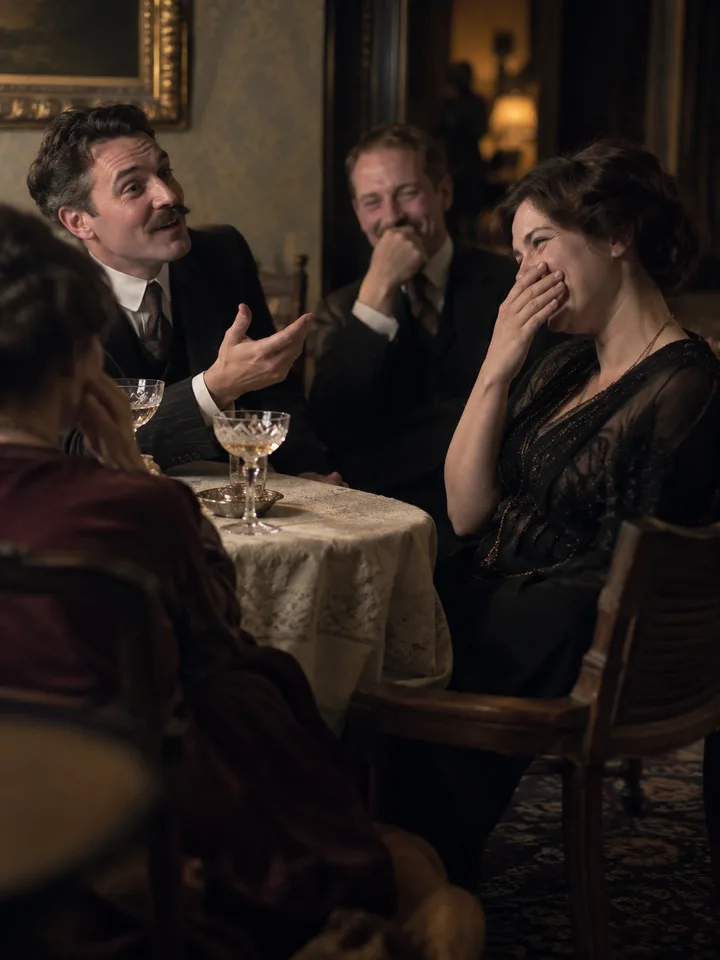
Photorealistic editorial illustration of Jokes and Their Relation to the Unconscious in the Prokopton42.com Library Jokes and Their Relation to the UnconsciousSigmund Freud

Work

Jokes and Their Relation to the Unconscious

Freud analyzes how condensation, double meaning, displacement, and savings in inhibition give a joke its form and pleasure. Verbal technique and the joke’s social tendency must be examined together.

What you will learn
Composition
1905
Editions / translations
Dates to be documented
Languages
German · English · French
Extent
224 passages · 81,188 words
Photorealistic editorial illustration of Psychological Types in the Prokopton42.com Library Psychological TypesCarl Gustav Jung

Work

Psychological Types

Jung develops introverted and extraverted orientations together with four psychological functions: thinking, feeling, sensation, and intuition. The book places this typology within a broad history of conflicts among ways of evaluating the world.

What you will learn
Composition
1913-1921; published in 1921
Editions / translations
Dates to be documented
Languages
German · English · French
Extent
527 passages · 183,662 words
Photorealistic editorial illustration of Psychology of the Unconscious: Transformations and Symbols of the Libido in the Prokopton42.com Library Psychology of the Unconscious: Transformations and Symbols of the LibidoCarl Gustav Jung

Work

Psychology of the Unconscious: Transformations and Symbols of the Libido

Using fantasy material published by another writer, Jung compares myth, religion, and poetic imagery to broaden libido beyond sexuality. The work marks a decisive stage in his theoretical break with Freud.

What you will learn
Composition
1911-1912; later revisions
Editions / translations
Dates to be documented
Languages
English · French
Extent
357 passages · 115,916 words
Photorealistic editorial illustration of The Interpretation of Dreams in the Prokopton42.com Library The Interpretation of DreamsSigmund Freud

Work

The Interpretation of Dreams

Freud treats the dream as a constructed psychical formation, not a message decoded through fixed symbols. He follows condensation, displacement, censorship, and wish-fulfilment from the manifest account toward hypothetical latent thoughts.

What you will learn
Composition
principal composition, 1898-1899; publication dated 1900
Editions / translations
Dates to be documented
Languages
German · English · French
Extent
630 passages · 225,891 words
Photorealistic editorial illustration of The Psychopathology of Everyday Life in the Prokopton42.com Library The Psychopathology of Everyday LifeSigmund Freud

Work

The Psychopathology of Everyday Life

Forgotten names, slips, misreadings, and bungled actions become motivated psychical events for Freud. Inquiry concerns their conditions and compromises without assuming that one explanation fits every error.

What you will learn
Composition
articles from 1901; first book edition, 1904
Editions / translations
Dates to be documented
Languages
German · English · French
Extent
84 passages · 35,729 words
Photorealistic editorial illustration of The Theory of Psychoanalysis in the Prokopton42.com Library The Theory of PsychoanalysisCarl Gustav Jung

Work

The Theory of Psychoanalysis

In these lectures, Jung presents the achievements of psychoanalysis and then defines disagreements with Freud over libido, neurosis, and the functions of the unconscious. The text captures a doctrinal separation as it is being formulated.

What you will learn
Composition
1913 lectures
Editions / translations
Dates to be documented
Languages
English · French
Extent
164 passages · 49,326 words
Photorealistic editorial illustration of Three Essays on the Theory of Sexuality in the Prokopton42.com Library Three Essays on the Theory of SexualitySigmund Freud

Work

Three Essays on the Theory of Sexuality

Freud reconstructs sexual development as a history of partial drives, changing objects, and successive organizations. The text belongs to a dated clinical theory whose terminology and generalizations require critical context.

What you will learn
Composition
1905
Editions / translations
Dates to be documented
Languages
German · English · French
Extent
109 passages · 35,693 words
Photorealistic editorial illustration of Totem and Taboo in the Prokopton42.com Library Totem and TabooSigmund Freud

Work

Totem and Taboo

Freud brings psychoanalysis, the anthropology of his period, and stories of social origins together to consider prohibition, ambivalence, and guilt. His generalizations about peoples and prehistory are speculative and historically dated.

What you will learn
Composition
articles, 1912-1913; book edition, 1913
Editions / translations
Dates to be documented
Languages
German · English · French
Extent
180 passages · 61,033 words

Before reading

What you will learn

Open the full record