Fragments or testimony
Letter to Menoeceus
Epicurus links happiness to a sober examination of desires, death, and choice. The pleasure at stake is stability freed from needless fear, not a race toward excess.
- Composition
- late 4th or early 3rd century BCE
Sources and precision
The range describes composition or formation of the text, distinct from the dates of the editions held.
Confidence C · probable range
- Tradition
- Epicureanism
- Period
- Antiquity
- Languages
- Ancient Greek · English · French
- Extent
- 1 passage · 1,933 words
Before reading
What you will learn
Classify desires, reconstruct the argument about death, and understand how prudence, pleasure, and freedom from disturbance fit together.
Short summary
Epicurus links happiness to a sober examination of desires, death, and choice. The pleasure at stake is stability freed from needless fear, not a race toward excess.
Long summary
The letter invites philosophy at every age, then separates death from sensation to disarm fear. It classifies desires, distinguishes necessary pleasures from future costs, and makes prudence the capacity to choose a stable life.
Its concise style joins arguments with memorable formulas. The hedonism presented does not identify goodness with immediate intensity; it measures pleasure and pain by their consequences for freedom from disturbance and self-sufficiency.
Inside this work
The table of contents follows the divisions actually carried by the corpus.
Work › Reference
Concepts covered
Historical context
The world around the text
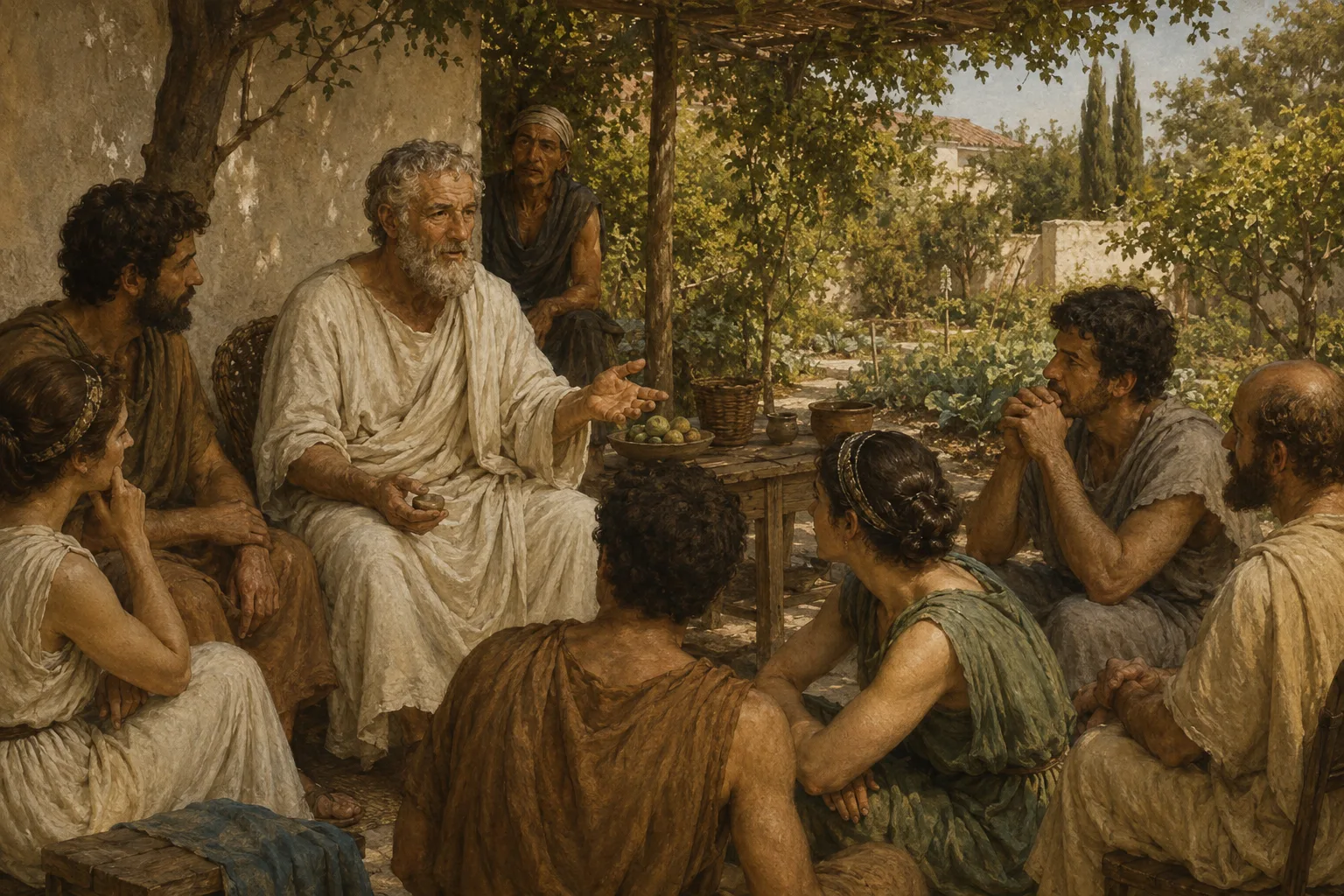
The letter belongs to the Hellenistic world formed after Alexander’s conquests. In Athens, Epicurus’ Garden offers a community of study and friendship at a distance from traditional civic ambition. Its brevity answers the need for memorable principles that can guide choices.
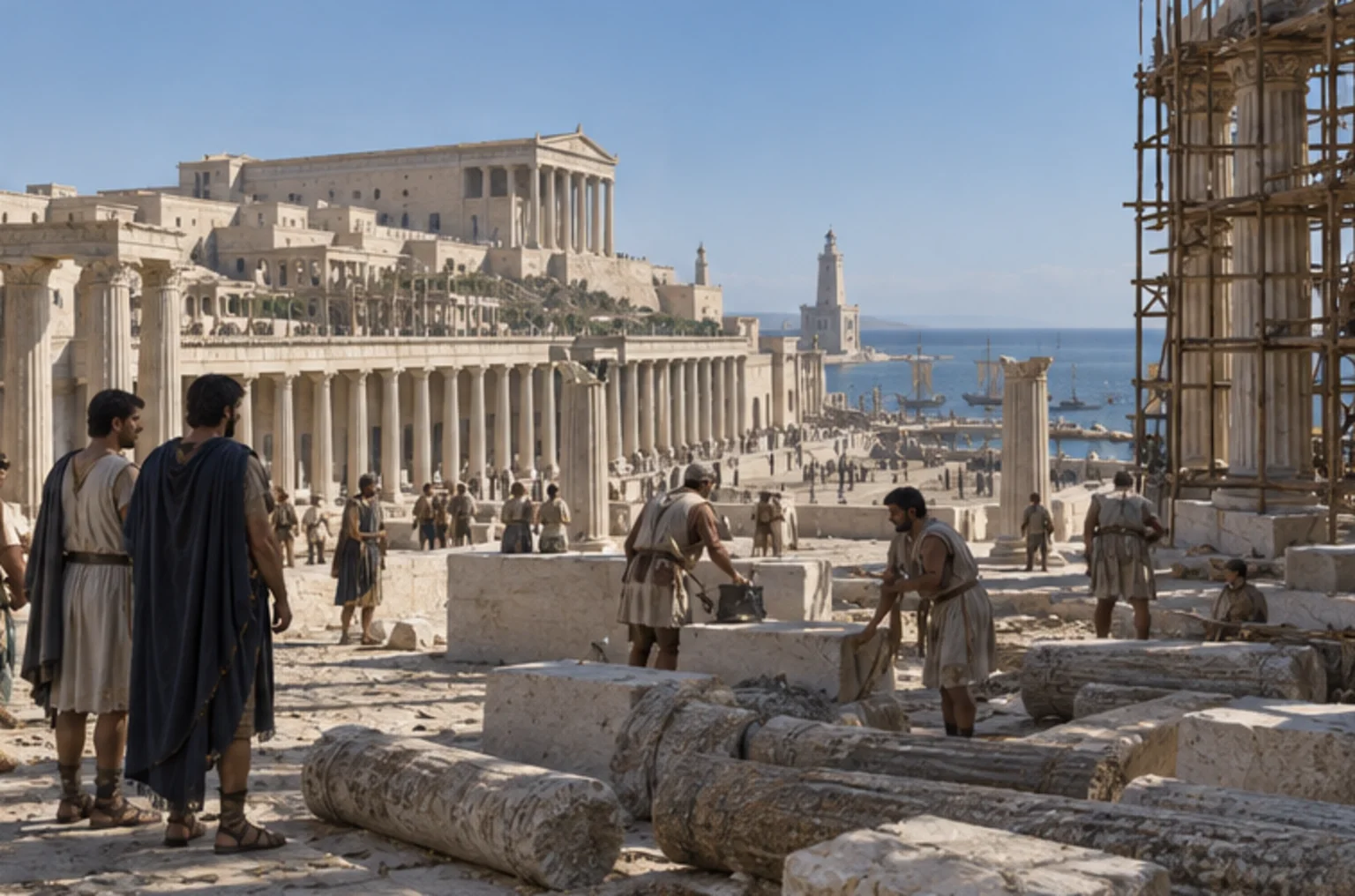
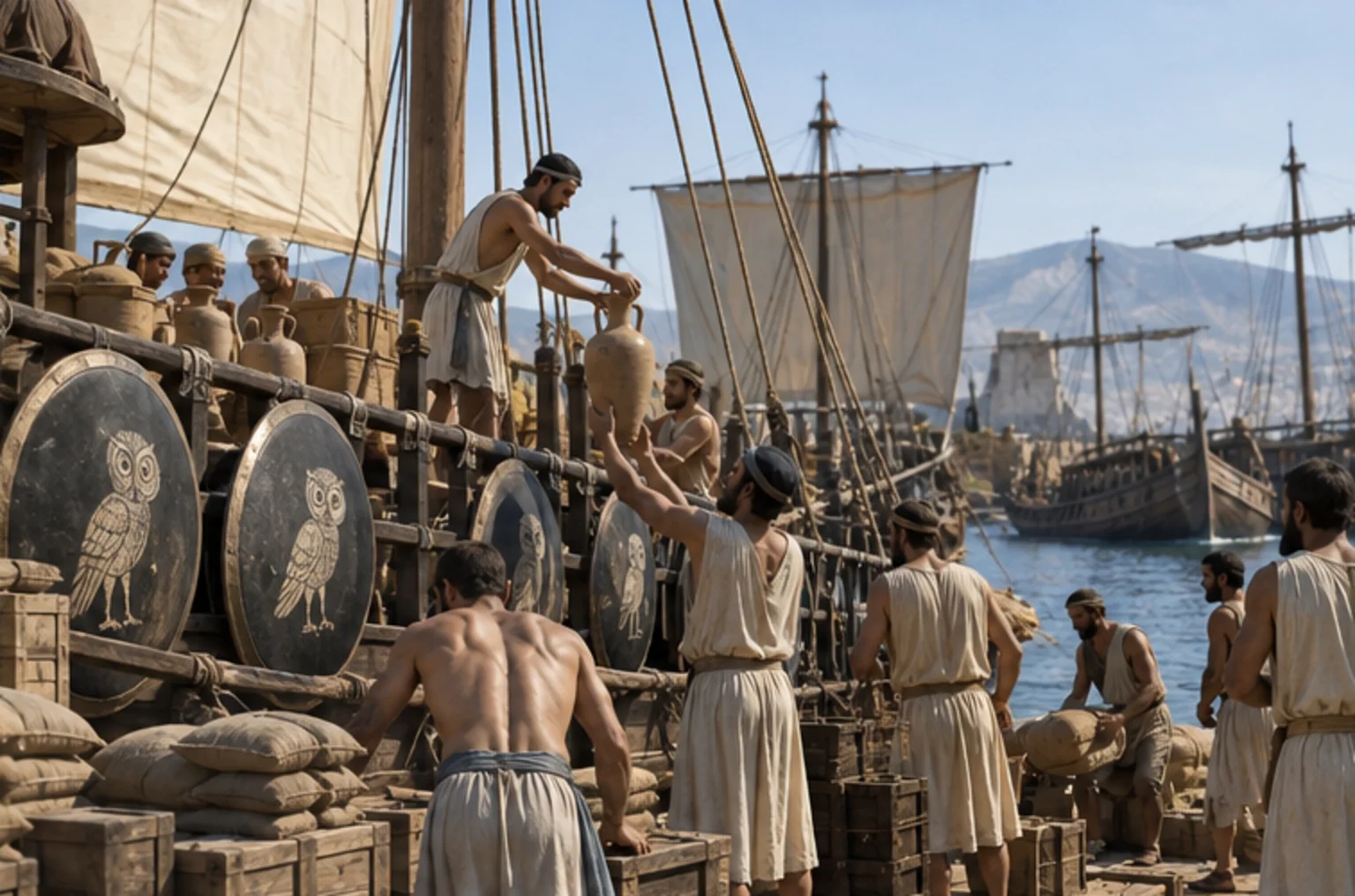
These are modern reconstructions. They situate a documented place, practice, or transmission and are not period documents.
What the world looked like
Hellenistic Mediterranean, 4th-3rd centuries BCE
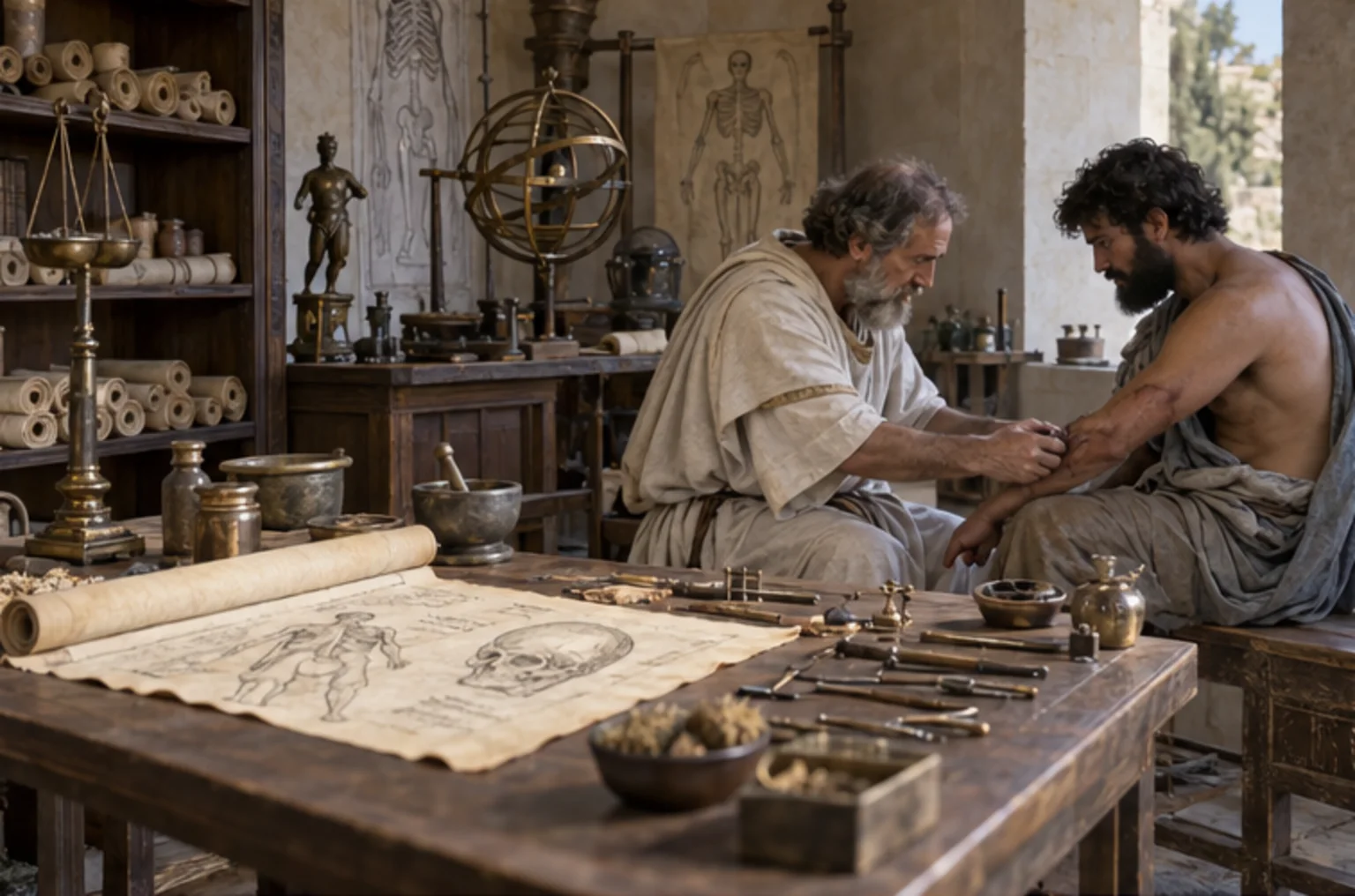
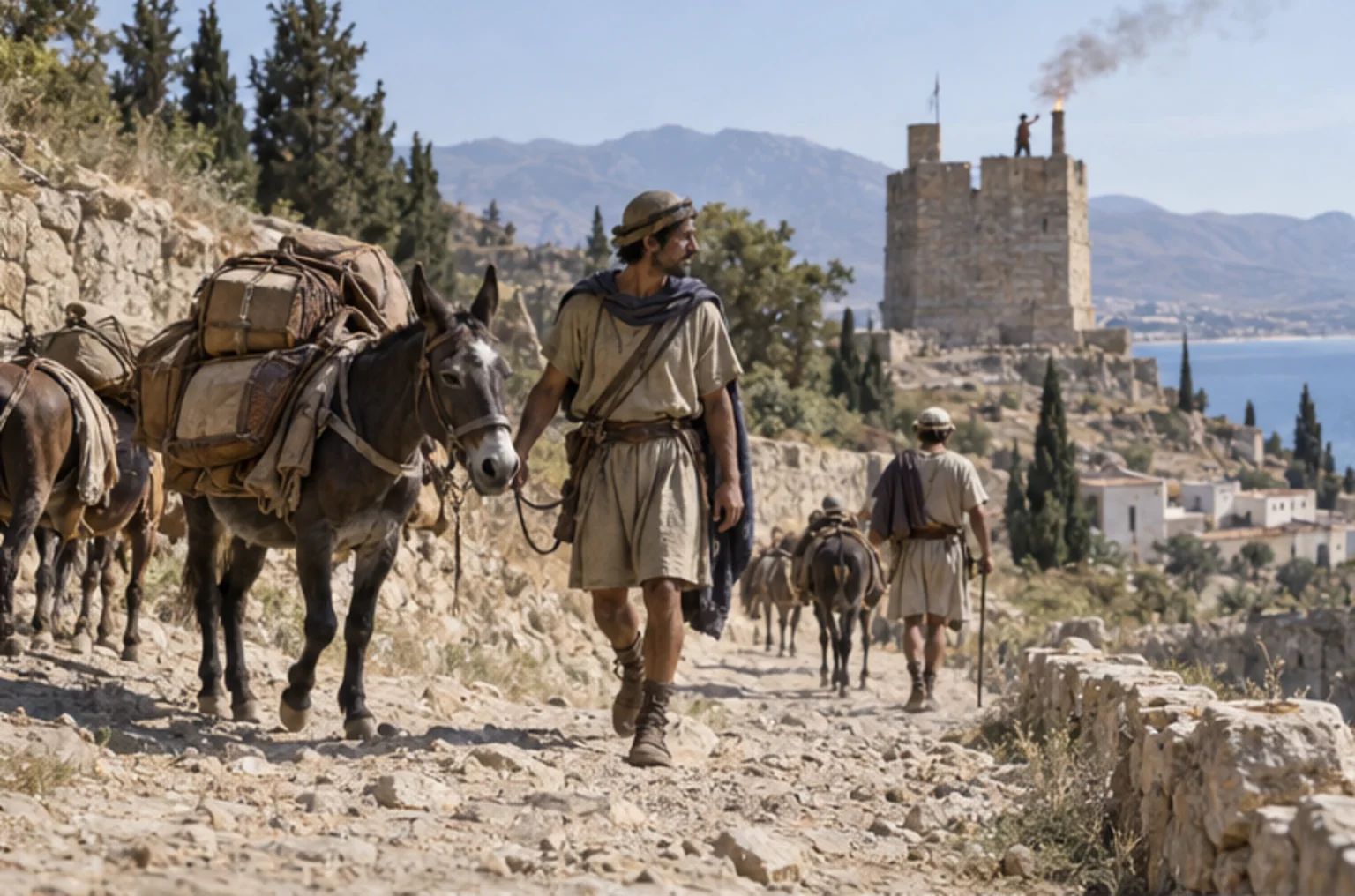
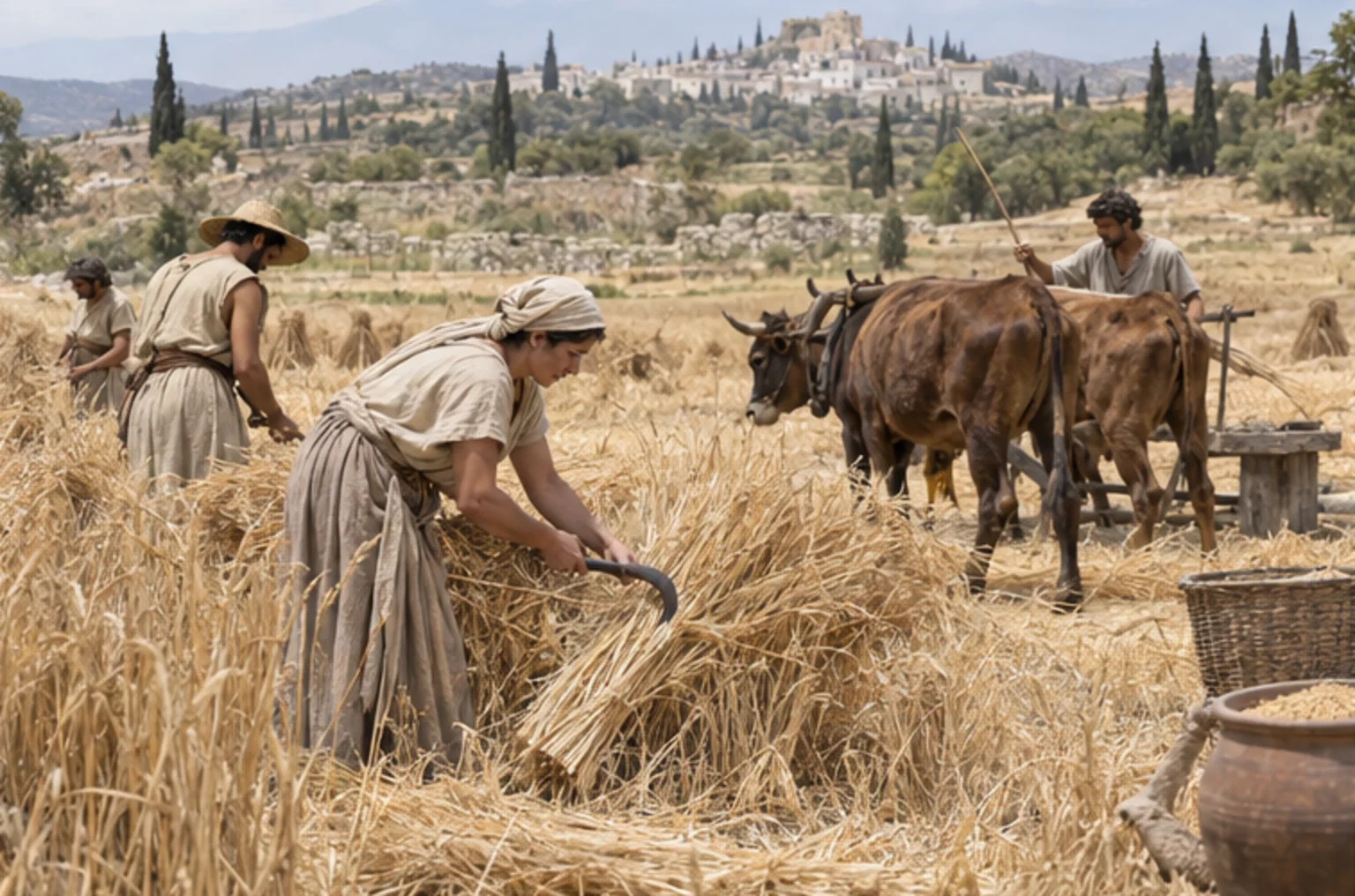
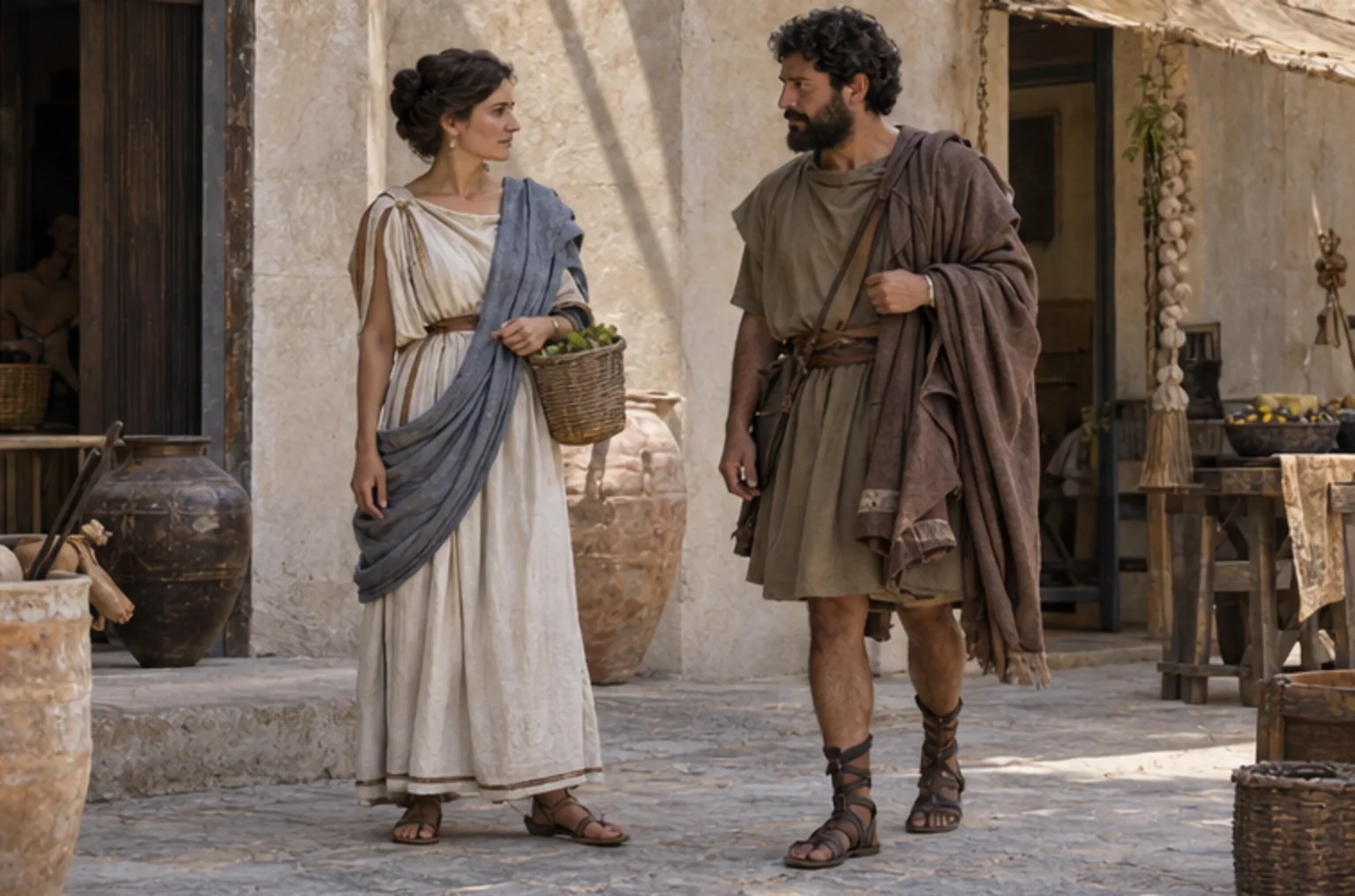
- State of technology
- Siege engines, pulleys, presses, mills, and large ships extend mechanical capacity, still limited by muscle, water, and wind.
- Science and knowledge
- Scholarly centres develop geometry, mechanics, astronomy, and geography. Manuscripts are hand-copied and instruments remain scarce.
- Medicine and care
- Physicians, herbalists, and midwives use plant remedies and limited surgery; infection and pain remain poorly controlled.
- Transport
- Roads, caravans, and Mediterranean shipping move soldiers, merchants, and ideas across very long distances.
- Agriculture and food
- Grain, wine, oil, pulses, and livestock supply cities and armies through storage, estates, and maritime trade.
- Communication
- Royal couriers, inscriptions, and manuscript rolls connect multilingual kingdoms. Public reading and memory remain decisive.
- Clothing and fashion
- Draped tunics and cloaks predominate; dyed cloth, jewellery, and hairstyles distinguish gender, occupation, city, and wealth.
Editions, translations, and provenance
The following carriers represent the text. They do not create new passage identities.
- Ancient Greekoriginal
- Englishhistorical_translation
- Frenchhistorical_translation
Source manifests: epicurus.letter_to_menoeceus
Reader
Read page by page
Letter to MenoeceusEpicurus