Intellectual tradition
Epicureanism
A search for stable pleasure through modest desires, friendship, and freedom from fear.
- Thinkers
- 1
- Works
- 6
- Passages
- 152
- Concepts
- 96
Origins, practices, and debates
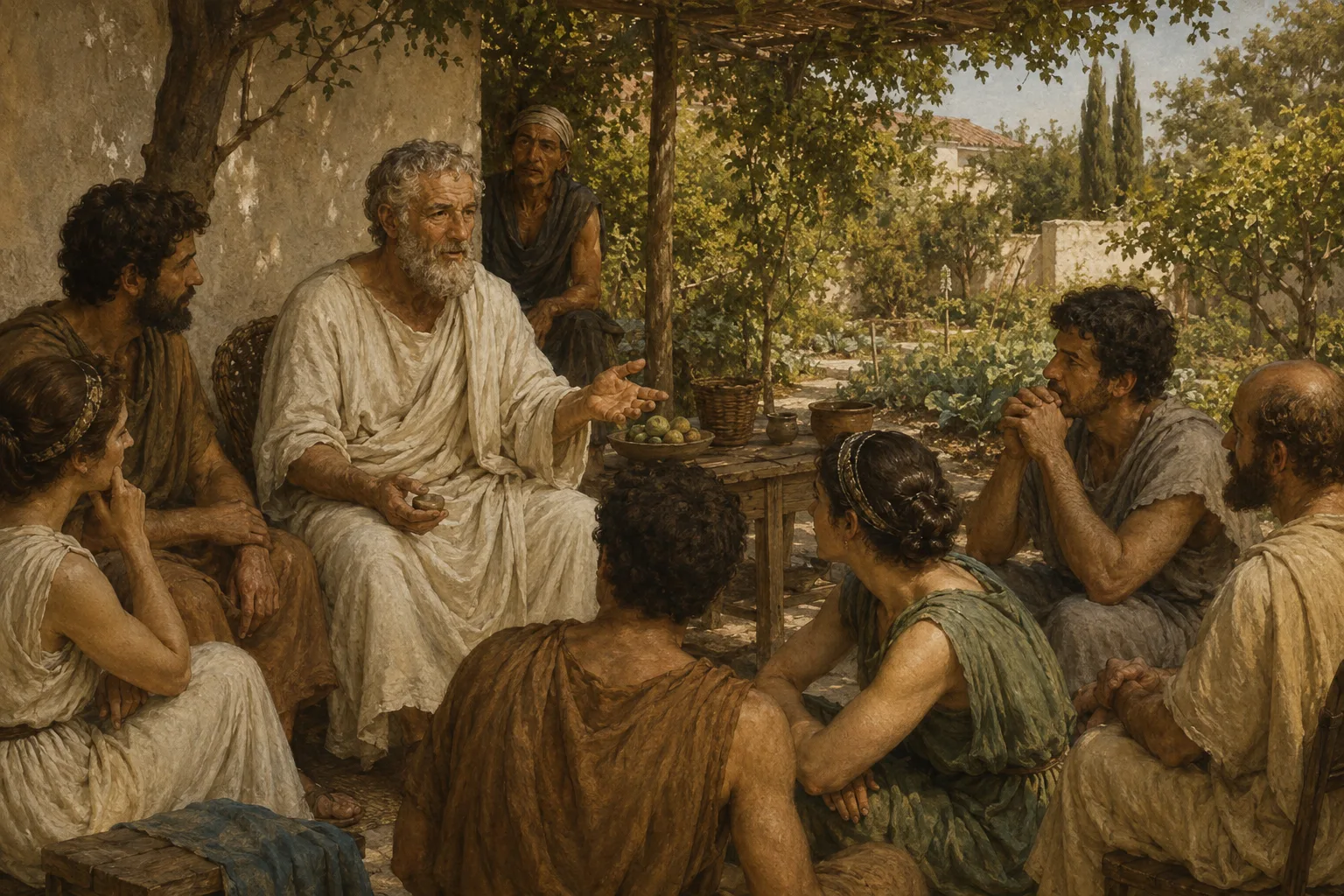
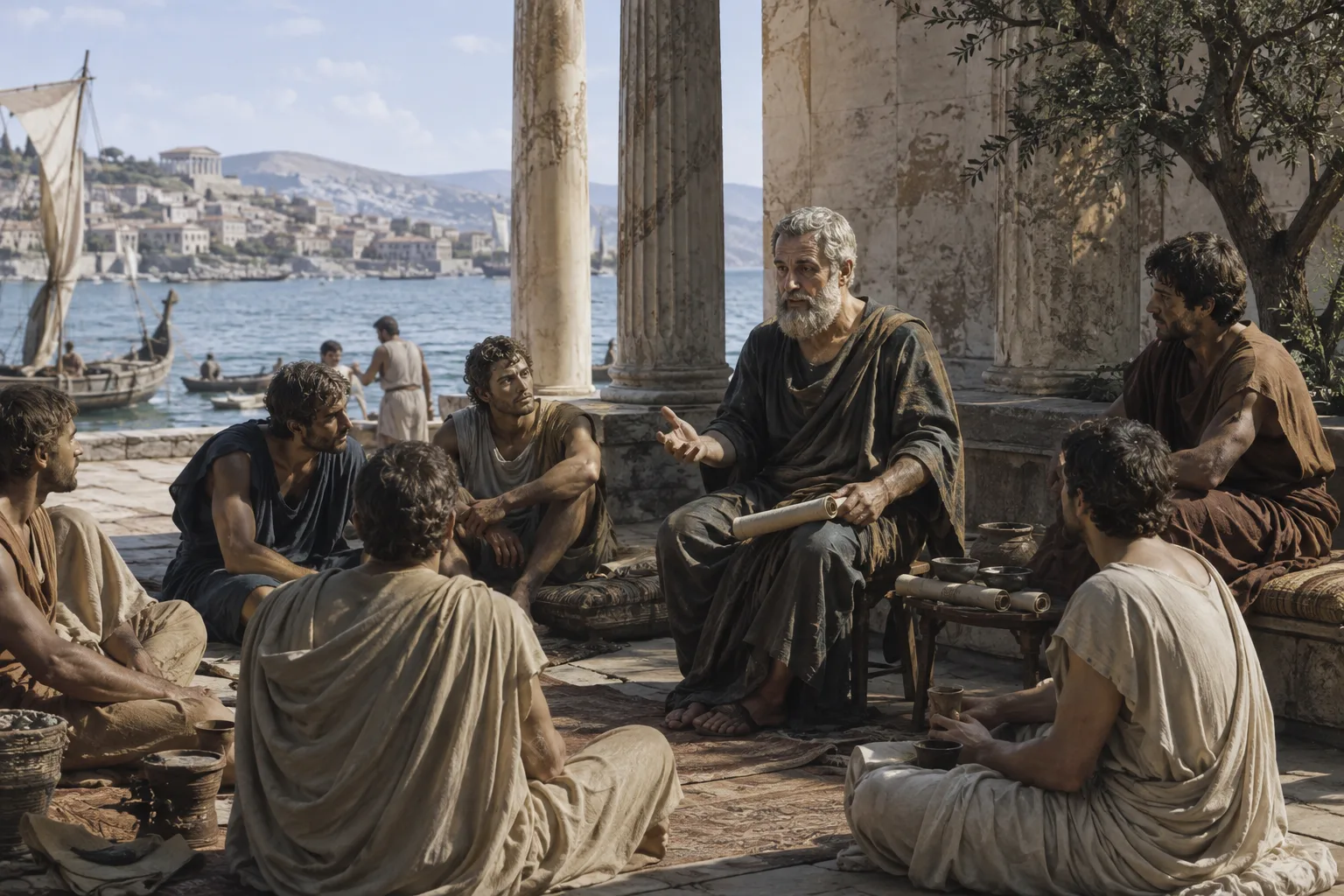
Epicurus founded the Garden in Athens in the late fourth century BCE. He made pleasure the end of a happy life without turning it into a chase for sensations. Happiness seeks freedom from bodily pain and mental disturbance. A simple meal, friends, and security matter more than an appetite that keeps renewing itself.
The method begins by sorting desires. Some are natural and necessary; others are not necessary; fame or limitless wealth can make us dependent on what escapes us. Prudence may even choose an immediate pain to avoid a greater one. Virtue is indispensable to a pleasant life, but it is not, as it is for the Stoics, the sole good constituting happiness.
An atomist account of nature takes the terror out of thunder and death. Epicurus does not abolish the gods: he denies that they punish human beings or govern events. Death ends sensation, so fearing an experience after death imagines something that will not occur. This differs both from Stoic rational providence and from a relationship with a personal God in monotheistic traditions.
The surviving letters and maxims sketch a practice of sufficiency. The Epicurean does not try to own everything; they try not to need everything.
Period: Since the 4th century BCE
Modern reconstructions
Places, practices, and transmission
1 / 3

Thinkers in this tradition on Prokopton42
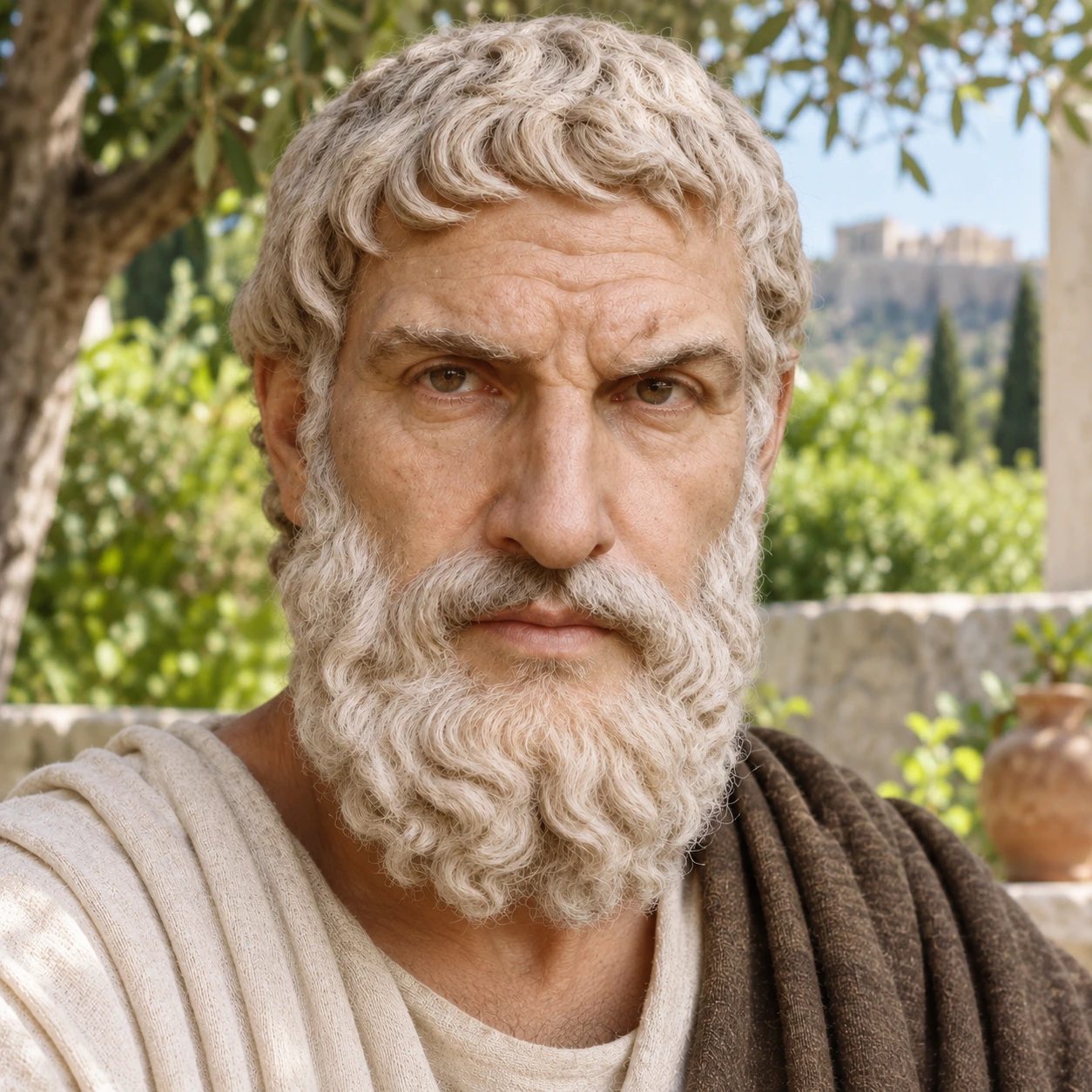 Epicurus
Works to read
- Letter to HerodotusEpicurus · 1 passages
- Letter to MenoeceusEpicurus · 1 passages
- Letter to PythoclesEpicurus · 1 passages
- Principal DoctrinesEpicurus · 40 passages
- Surviving Fragments of EpicurusEpicurus · 48 passages
- Vatican SayingsEpicurus · 61 passages