Traceable Library

Explore the corpus of thinkers on prokopton42.com

We do not always look for a work, a text, or a passage in the same way. Browse by work as you would in a traditional library, travel through time, follow a semantic concept, or go straight to a precise excerpt. This Library exists to support practice and deeper study by bringing old texts into contact with daily experience and present questions.

Works
305
Authors
94
Passages
89,767
See more statistics
Corpus works
259
Private works
46
Private records
56
Private excerpts
20,006
Text representations
223,819
Editions and translations
849
Languages
17
Works in French and English
259
Multilingual works
259
Tracked concepts
9
Estimated sentences
1,456,557
Words
27,541,029

A representation is one language version of a canonical passage. Private excerpts come from source files. Sentence count is estimated from punctuation.

By work169
Antiquity

Works

Books, collections and works from the Private collection share this shelf. Each card keeps its editions and sources.

Photorealistic editorial illustration of Academica in the Prokopton42.com Library AcademicaCicero

Work

Academica

In the surviving fragments of the Academica, Cicero stages the conflict between dogmatic certainty and sceptical inquiry. He asks what criterion can identify a true impression and how action remains possible when secure knowledge is disputed.

What you will learn
Composition
45 BCE
Editions / translations
Dates to be documented
Languages
Latin · English · French
Extent
69 passages · 215,055 words
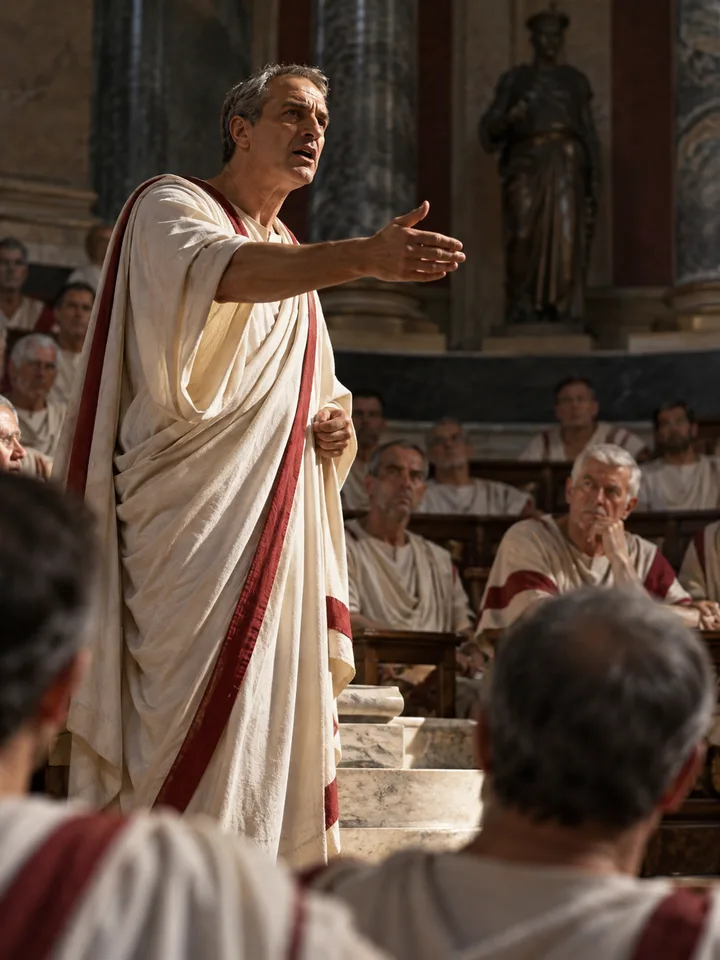
Photorealistic editorial illustration of Against the Ethicists, Book XI of Against the Learned in the Prokopton42.com Library Against the Ethicists, Book XI of Against the LearnedSextus Empiricus

Work

Against the Ethicists, Book XI of Against the Learned

In Book XI, Sextus confronts doctrines of good, evil, and the art of living with disagreements among peoples and philosophers. Suspension removes the claimed self-evidence of natural values that conflict prevents from being established.

What you will learn
Composition
c. 180-220 CE
Editions / translations
Dates to be documented
Languages
Ancient Greek · English · French
Extent
257 passages · 16,268 words
Photorealistic editorial illustration of Against the Logicians, Books VII-VIII of Against the Learned in the Prokopton42.com Library Against the Logicians, Books VII-VIII of Against the LearnedSextus Empiricus

Work

Against the Logicians, Books VII-VIII of Against the Learned

In the books devoted to logicians, Sextus confronts theories of the criterion of truth, signs, demonstration, and propositions. Rival doctrines undermine one another until Pyrrhonian suspension becomes possible.

What you will learn
Composition
c. 180-220 CE
Editions / translations
Dates to be documented
Languages
Ancient Greek · English · French
Extent
927 passages · 63,717 words
Photorealistic editorial illustration of Against the Physicists, Books IX-X of Against the Learned in the Prokopton42.com Library Against the Physicists, Books IX-X of Against the LearnedSextus Empiricus

Work

Against the Physicists, Books IX-X of Against the Learned

Sextus tests physicists’ claims about gods, causes, wholes and parts, place, time, motion, and number. Each concept encounters competing definitions and incompatible consequences.

What you will learn
Composition
c. 180-220 CE
Editions / translations
Dates to be documented
Languages
Ancient Greek · English · French
Extent
791 passages · 51,318 words
Photorealistic editorial illustration of Against the Professors, Books I-VI of Against the Learned in the Prokopton42.com Library Against the Professors, Books I-VI of Against the LearnedSextus Empiricus

Work

Against the Professors, Books I-VI of Against the Learned

The first six books of Against the Learned examine grammar, rhetoric, geometry, arithmetic, astrology, and music. Sextus targets these disciplines’ theoretical claims while sometimes distinguishing useful practices from disputed dogmatic foundations.

What you will learn
Composition
c. 180-220 CE
Editions / translations
Dates to be documented
Languages
Ancient Greek · English · French
Extent
757 passages · 50,554 words
Photorealistic editorial illustration of Alexander in the Prokopton42.com Library AlexanderPlutarch

Work

Alexander

Alexander observes character in action and tests moral rules against concrete situations.

What you will learn
Composition
late 1st to early 2nd century CE; internal order uncertain
Editions / translations
Dates to be documented
Languages
Ancient Greek · English · French
Extent
377 passages · 30,354 words
Photorealistic editorial illustration of Ancient Biographical Testimonia on Musonius Rufus in the Prokopton42.com Library Ancient Biographical Testimonia on Musonius RufusMusonius Rufus

Fragments or testimony

Ancient Biographical Testimonia on Musonius Rufus

This dossier gathers ancient accounts of Musonius Rufus’ life, exiles, teaching, and reputation. The witnesses present the philosopher through other authors’ perspectives; they form neither autobiography nor a work written by him.

What you will learn
Composition
testimonies from the 1st to 3rd centuries CE
Editions / translations
Dates to be documented
Languages
Multilingual · English · French
Extent
4 passages · 1,034 words
Photorealistic editorial illustration of Ancient testimonia on Carneades in the Prokopton42.com Library Ancient testimonia on CarneadesCarneades

Fragments or testimony

Ancient testimonia on Carneades

One hundred carrier passages follow Carneades from criticism of certain apprehension to probable judgment without inventing a book for him.

What you will learn
Composition
carriers from the 1st century BCE to the 3rd century CE; testimonia on Carneades
Editions / translations
Dates to be documented
Languages
Ancient Greek · Latin · French · English
Extent
100 passages · 35,730 words
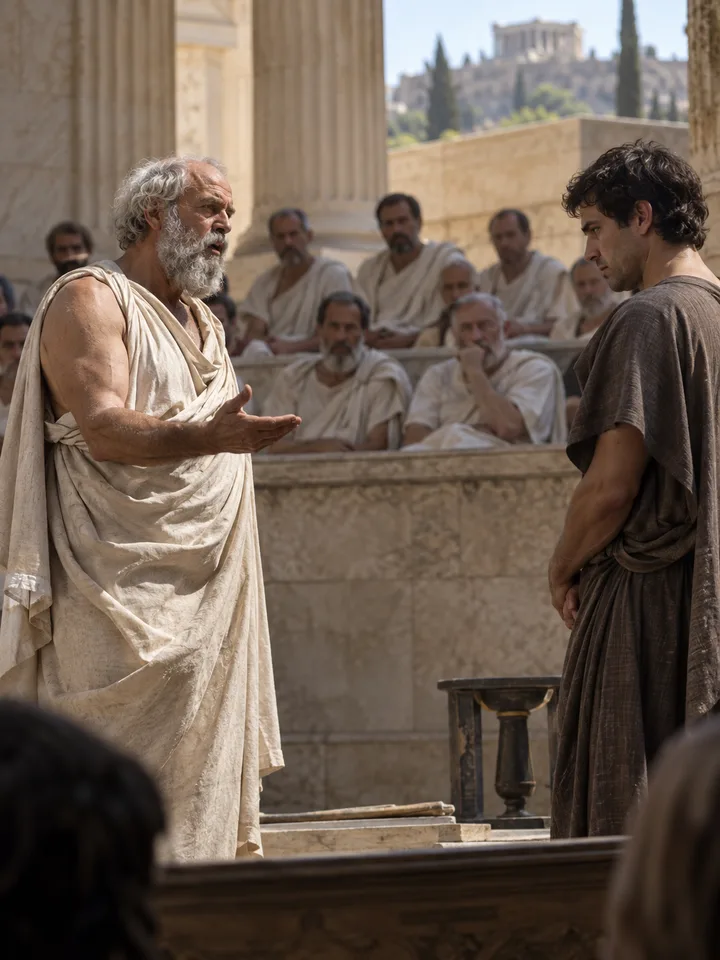
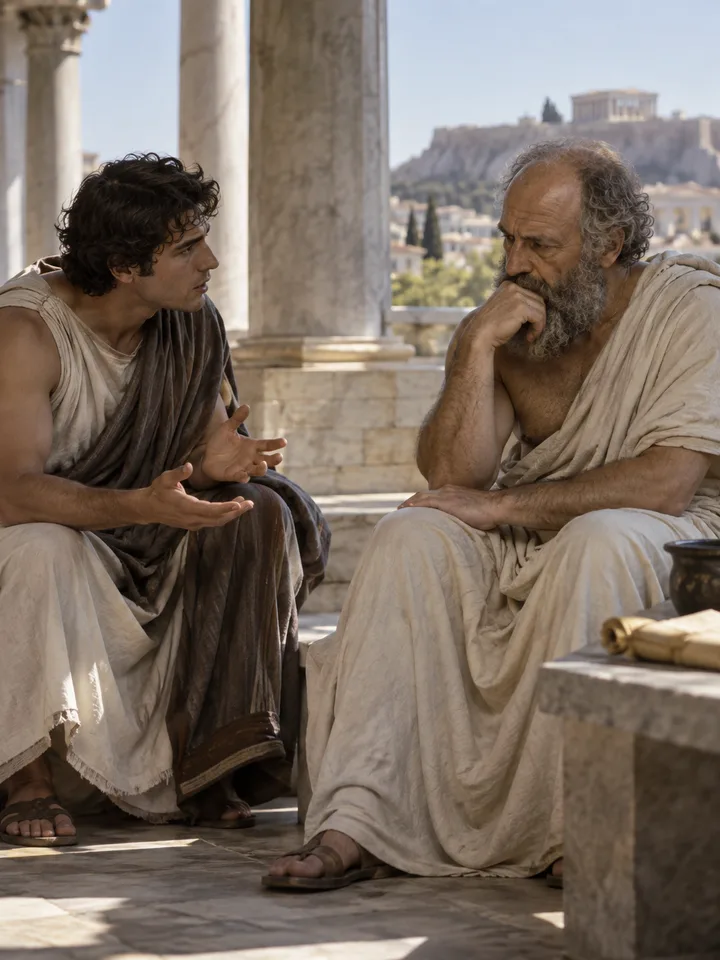
Photorealistic editorial illustration of Apology of Socrates in the Prokopton42.com Library Apology of SocratesPlato

Work

Apology of Socrates

Socrates defends himself before an Athenian jury against charges of impiety and corrupting the young. Plato composes a courtroom speech in which philosophical examination, divine mission, and refusal to flatter the audience put an entire life at stake.

What you will learn
Composition
c. 399-390 BCE
Editions / translations
Dates to be documented
Languages
Ancient Greek · English · French
Extent
26 passages · 11,771 words
Photorealistic editorial illustration of Aṅguttara Nikāya: Numerical Discourses in the Prokopton42.com Library Aṅguttara Nikāya: Numerical DiscoursesSiddhartha Gautama / Buddha

Work

Aṅguttara Nikāya: Numerical Discourses

The Aṅguttara Nikāya arranges teachings attributed to the Buddha in ascending numbered sets, from one item to eleven. Its mnemonic structure brings together conduct, mental training, communal life, and stages of awakening.

What you will learn
Composition
oral strata, late 5th to 3rd centuries BCE; later Pali organization
Editions / translations
Dates to be documented
Languages
English · French · Pali
Extent
1,408 passages · 443,916 words
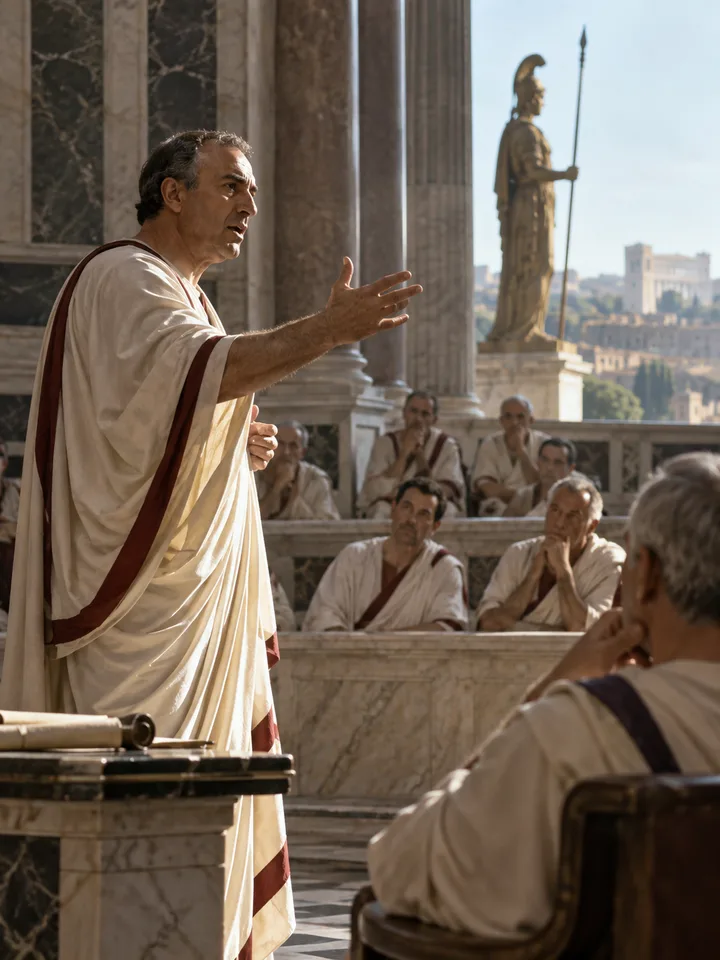
Photorealistic editorial illustration of Brutus, or On Eminent Orators in the Prokopton42.com Library Brutus, or On Eminent OratorsCicero

Work

Brutus, or On Eminent Orators

Cicero traces the history of Roman eloquence through the speakers who shaped it. The dialogue combines criticism, portraiture, and an anxious reflection on public speech at a moment when the Republic is losing its freedom.

What you will learn
Composition
46 BCE
Editions / translations
Dates to be documented
Languages
Latin · English · French
Extent
334 passages · 79,995 words
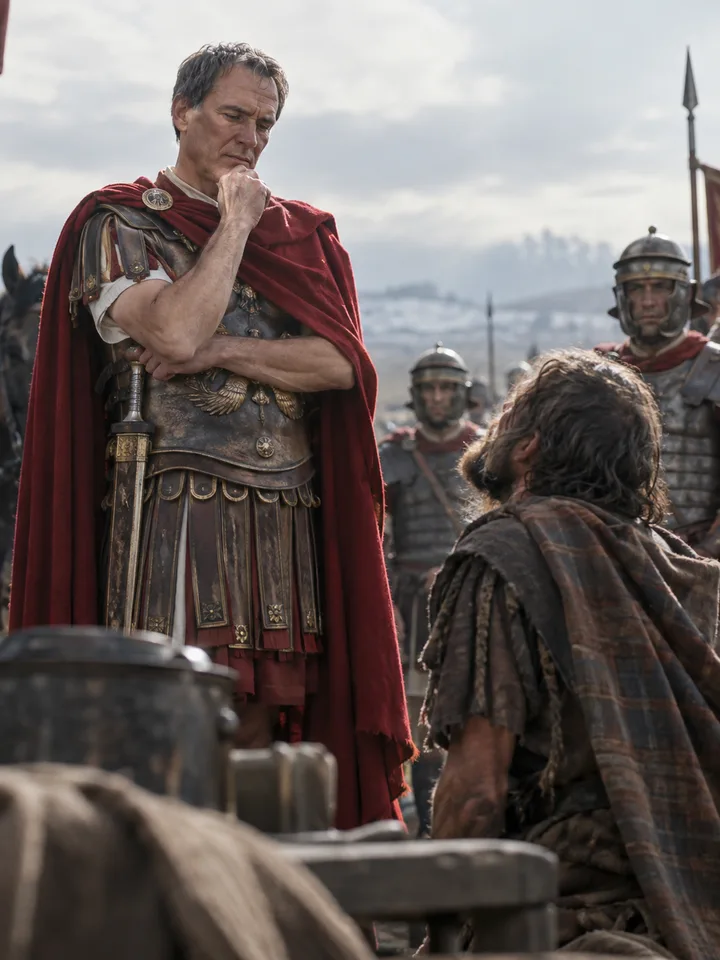
Photorealistic editorial illustration of Caesar in the Prokopton42.com Library CaesarPlutarch

Work

Caesar

Caesar observes character in action and tests moral rules against concrete situations.

What you will learn
Composition
late 1st to early 2nd century CE; internal order uncertain
Editions / translations
Dates to be documented
Languages
Ancient Greek · English · French
Extent
288 passages · 23,818 words
Photorealistic editorial illustration of Catilinarian Orations in the Prokopton42.com Library Catilinarian OrationsCicero

Work

Catilinarian Orations

Delivered during Catiline’s conspiracy, these four speeches accuse, mobilize, and justify the actions of the consul Cicero. They show eloquence turning a political threat into a public narrative of the Republic’s rescue.

What you will learn
Composition
63 BCE
Editions / translations
Dates to be documented
Languages
Latin · English · French
Extent
115 passages · 22,400 words
Photorealistic editorial illustration of Cato the Younger in the Prokopton42.com Library Cato the YoungerPlutarch

Work

Cato the Younger

Cato the Younger observes character in action and tests moral rules against concrete situations.

What you will learn
Composition
late 1st to early 2nd century CE; internal order uncertain
Editions / translations
Dates to be documented
Languages
Ancient Greek · English · French
Extent
318 passages · 25,464 words
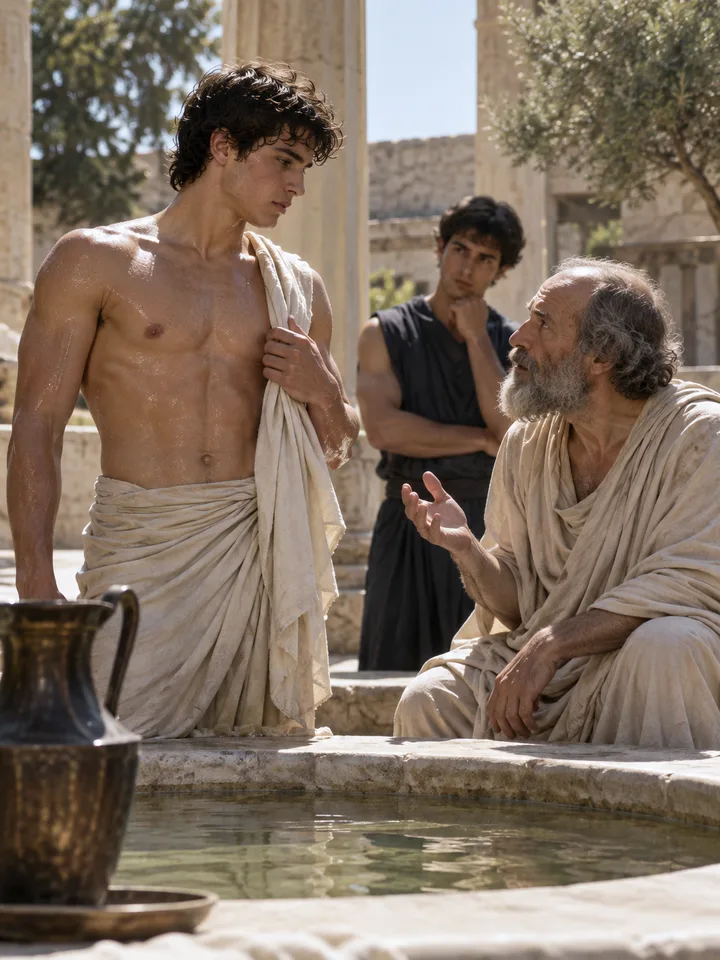
Photorealistic editorial illustration of Charmides in the Prokopton42.com Library CharmidesPlato

Work

Charmides

Returning from military service, Socrates meets Charmides and Critias and asks what temperance is. Quietness, modesty, doing one’s own work, and self-knowledge are proposed in turn and put to the test.

What you will learn
Composition
c. 399-380 BCE
Editions / translations
Dates to be documented
Languages
Ancient Greek · English · French
Extent
24 passages · 11,134 words
Photorealistic editorial illustration of Clitophon in the Prokopton42.com Library ClitophonPlato

Work

Clitophon

Clitophon praises the force of Socrates’ exhortations but faults him for not showing how to practise justice once desire for virtue has awakened. This very short dialogue turns praise into a challenge to Socratic pedagogy’s effectiveness.

What you will learn
Composition
4th century BCE; disputed attribution
Editions / translations
Dates to be documented
Languages
Ancient Greek · English · French
Extent
5 passages · 2,472 words
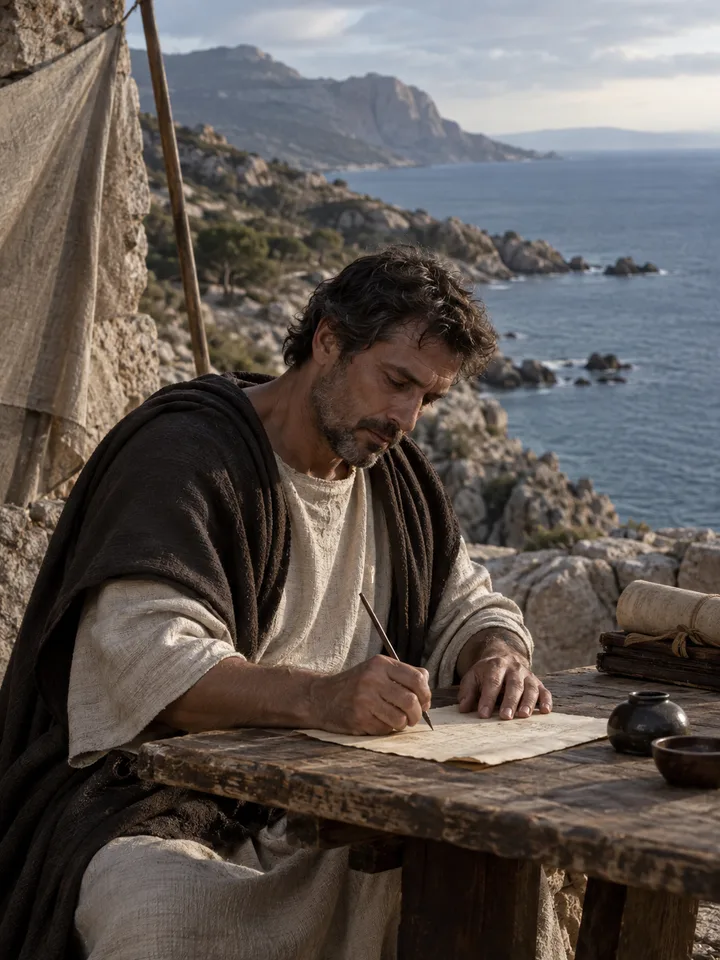
Photorealistic editorial illustration of Consolation to Helvia, His Mother in the Prokopton42.com Library Consolation to Helvia, His MotherSeneca

Work

Consolation to Helvia, His Mother

From exile in Corsica, Seneca consoles his mother Helvia for his absence. He turns displacement, loss of status, and family concern into an exercise in self-sufficiency, study, and the wise person’s belonging to the whole world.

What you will learn
Composition
c. 42-43 CE
Editions / translations
Dates to be documented
Languages
Latin · English · French
Extent
20 passages · 11,358 words
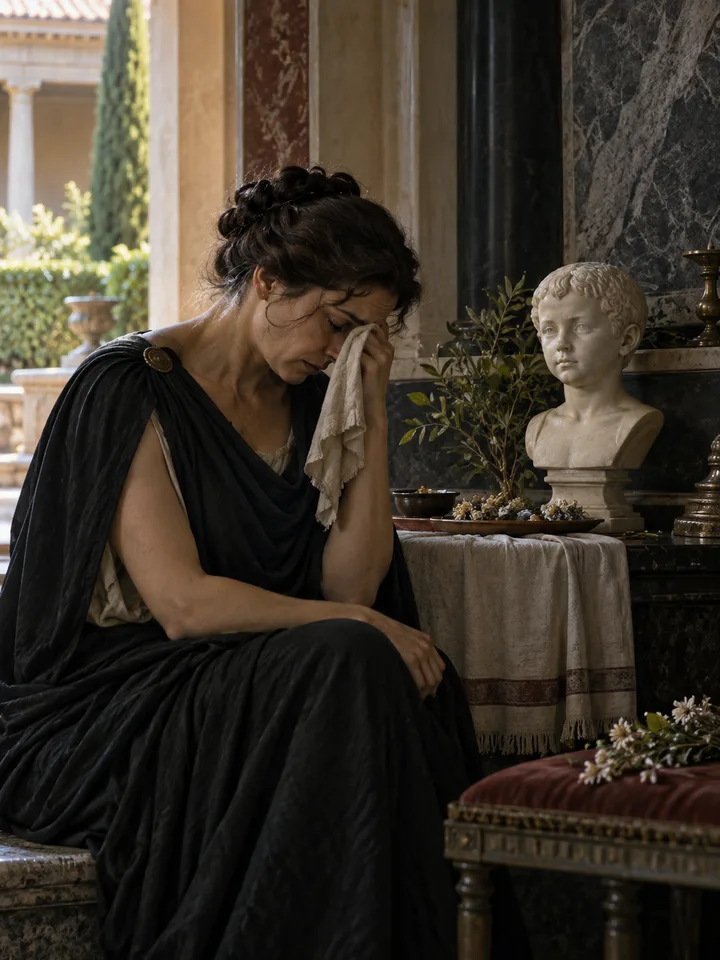
Photorealistic editorial illustration of Consolation to Marcia in the Prokopton42.com Library Consolation to MarciaSeneca

Work

Consolation to Marcia

Seneca addresses Marcia, long overwhelmed by the death of her son. He contrasts models of mourning, recalls the vulnerability of every life, and seeks a memory that honours the dead without indefinitely sustaining the wound.

What you will learn
Composition
c. 39-40 CE
Editions / translations
Dates to be documented
Languages
Latin · English · French
Extent
26 passages · 14,991 words

Before reading

What you will learn

Open the full record