Intellectual tradition
Socratic and Platonic thought
A dialogical tradition testing definition, justice, knowledge, and the care of the soul.
- Thinkers
- 3
- Works
- 70
- Passages
- 4,262
- Concepts
- 149
Origins, practices, and debates
Socrates left no writings. His practice of questioning reaches us mainly through Plato, whose dialogues turn philosophical inquiry into a living scene. An answer is proposed, tested, corrected, and sometimes left unresolved.
Platonism is therefore neither one fixed doctrine nor merely a theory of Forms. It investigates the difference between opinion and knowledge, the conditions of a just city, desire, education, and the soul’s relation to reality. Its heirs produced readings that can conflict, and the corpus should keep those differences visible.
Period: Since the 5th century BCE
Modern reconstructions
Places, practices, and transmission
1 / 4
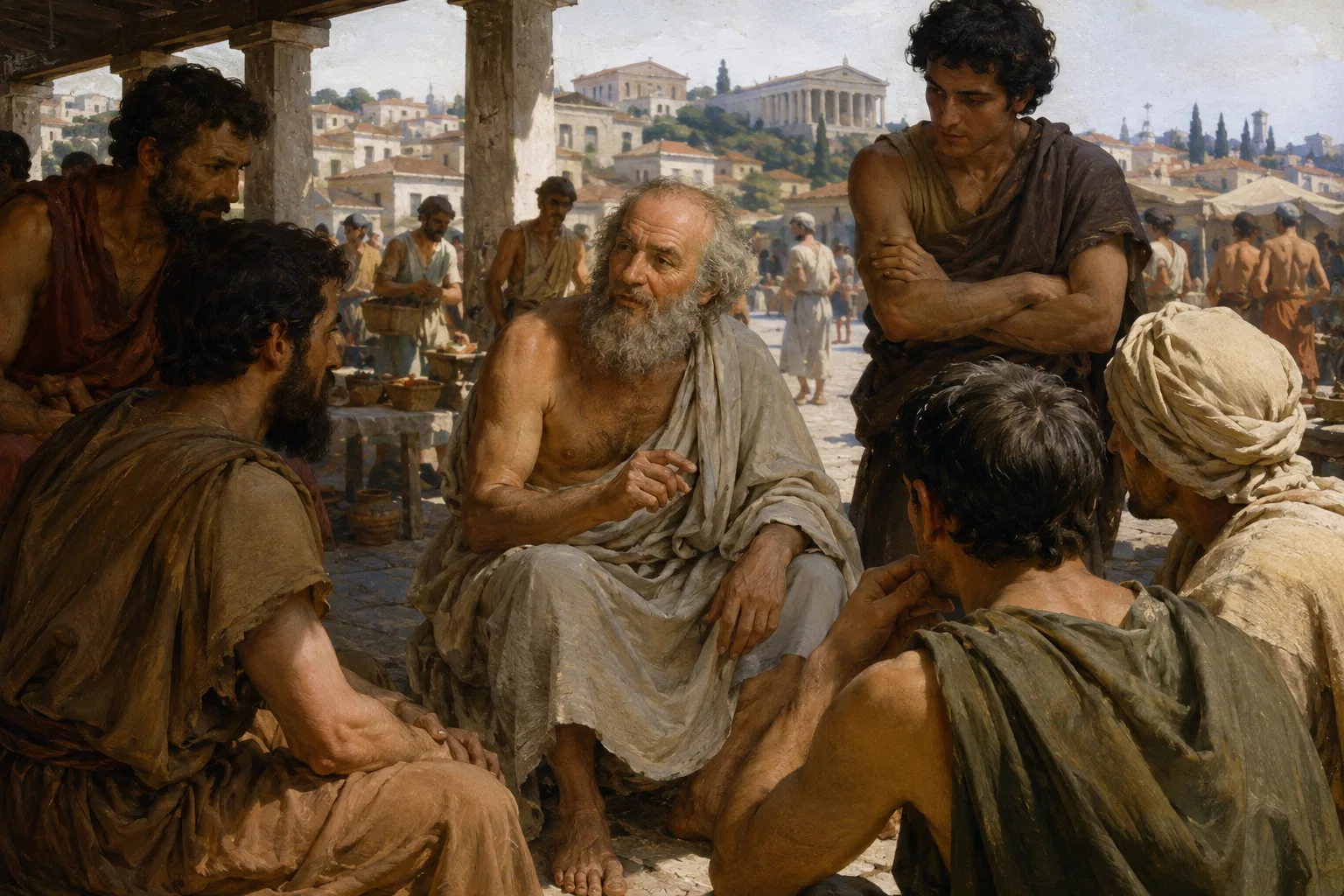
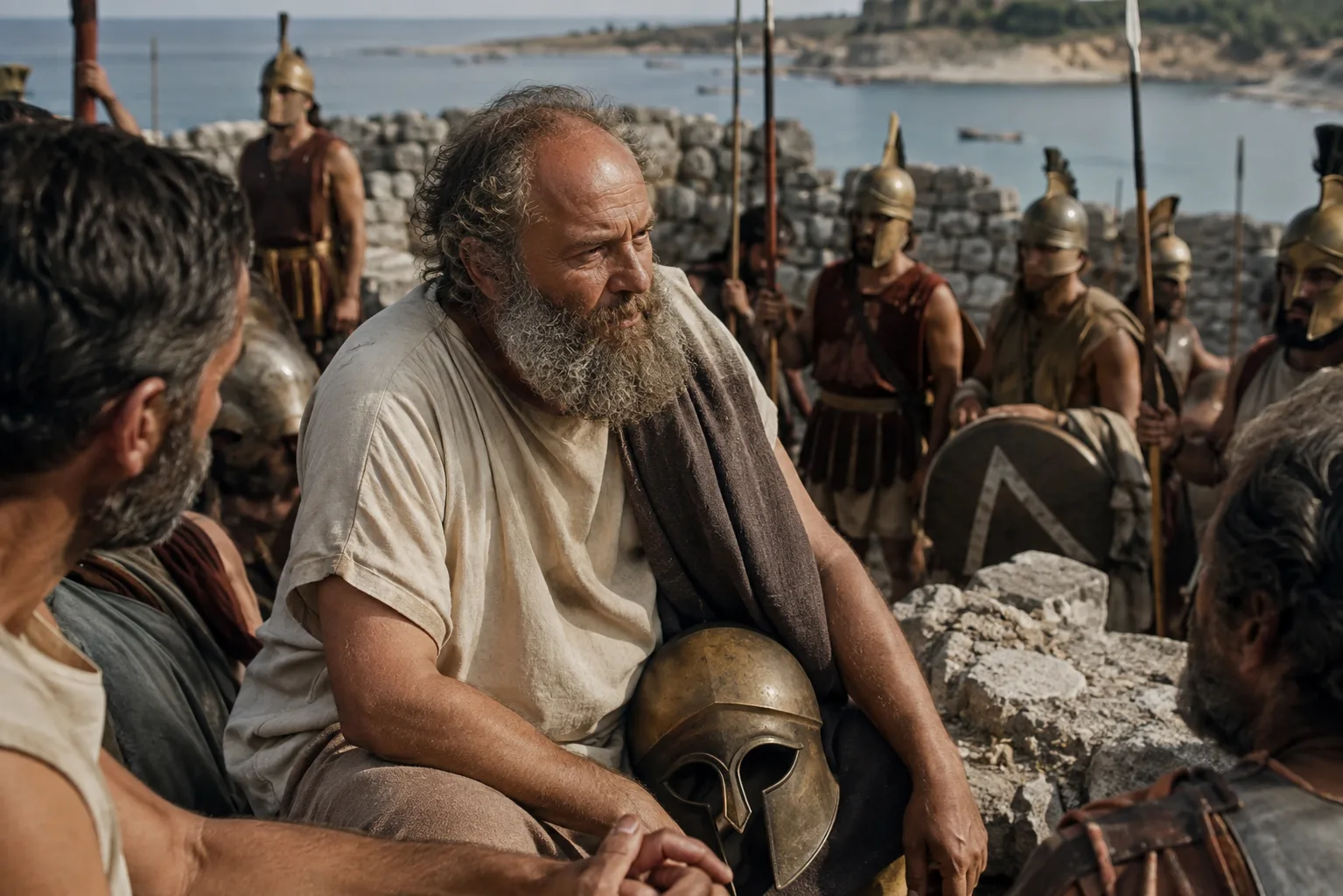

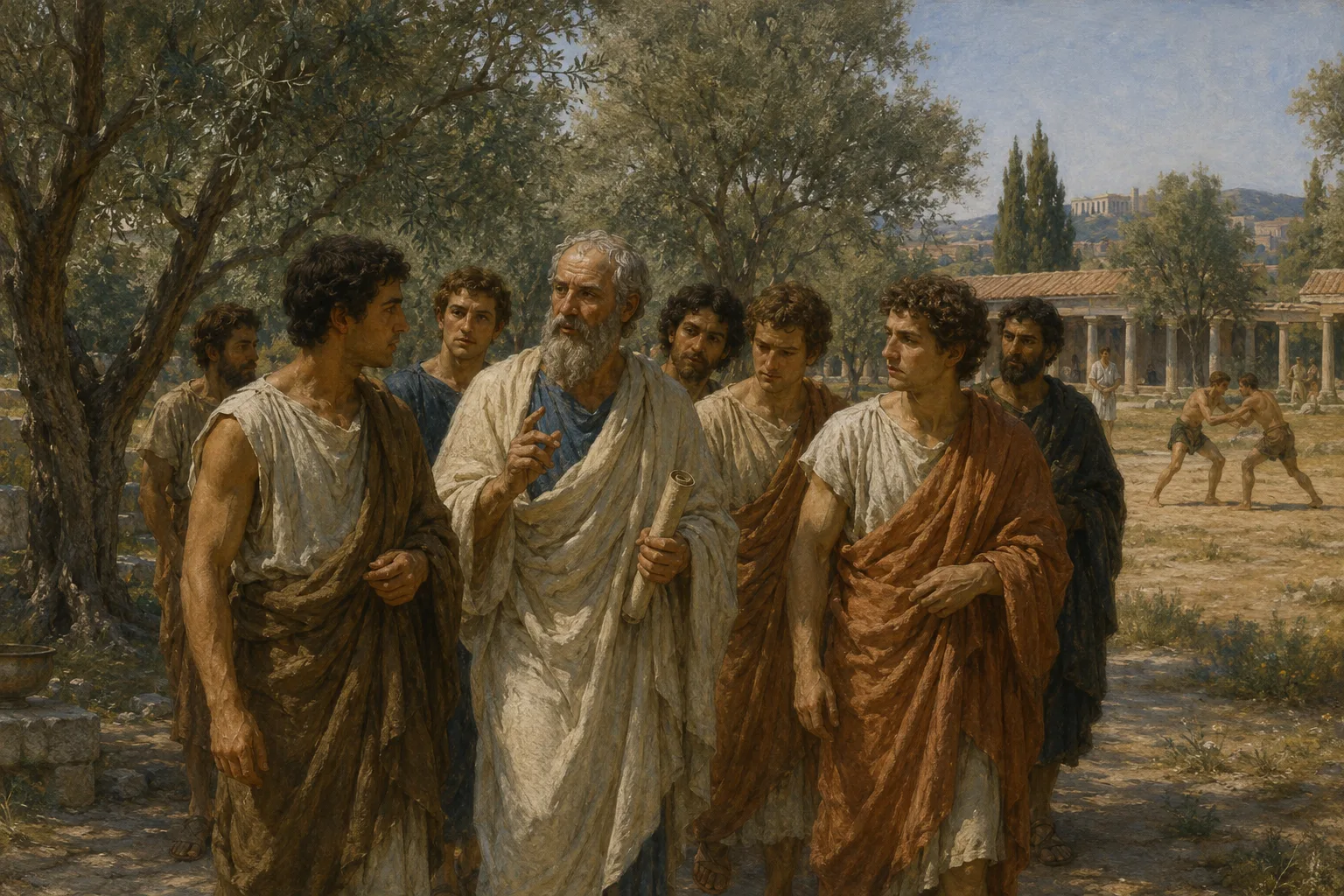
Thinkers in this tradition on Prokopton42
 Socrates
 Plato
Plato Plutarch
Works to read
- First AlcibiadesPlato · 33 passages
- Second Alcibiades, a Pseudo-Platonic DialoguePlato · 14 passages
- Apology of SocratesPlato · 26 passages
- CharmidesPlato · 24 passages
- ClitophonPlato · 5 passages
- CratylusPlato · 58 passages
- CritiasPlato · 16 passages
- CritoPlato · 12 passages
- Epinomis, an Ancient Appendix to the LawsPlato · 20 passages
- Letters Attributed to PlatoPlato · 55 passages
- EuthydemusPlato · 37 passages
- EuthyphroPlato · 15 passages
- GorgiasPlato · 81 passages
- Hipparchus, a Pseudo-Platonic DialoguePlato · 8 passages
- Hippias MajorPlato · 24 passages
- Hippias MinorPlato · 14 passages
- IonPlato · 13 passages
- LachesPlato · 24 passages
- LawsPlato · 327 passages
- Rival Lovers, a Pseudo-Platonic DialoguePlato · 8 passages
- LysisPlato · 21 passages
- MenexenusPlato · 16 passages
- MenoPlato · 31 passages
- Minos, a Pseudo-Platonic DialoguePlato · 9 passages
- ParmenidesPlato · 41 passages
- PhaedoPlato · 62 passages
- PhaedrusPlato · 53 passages
- PhilebusPlato · 57 passages
- ProtagorasPlato · 54 passages
- RepublicPlato · 278 passages