Work
Phaedrus
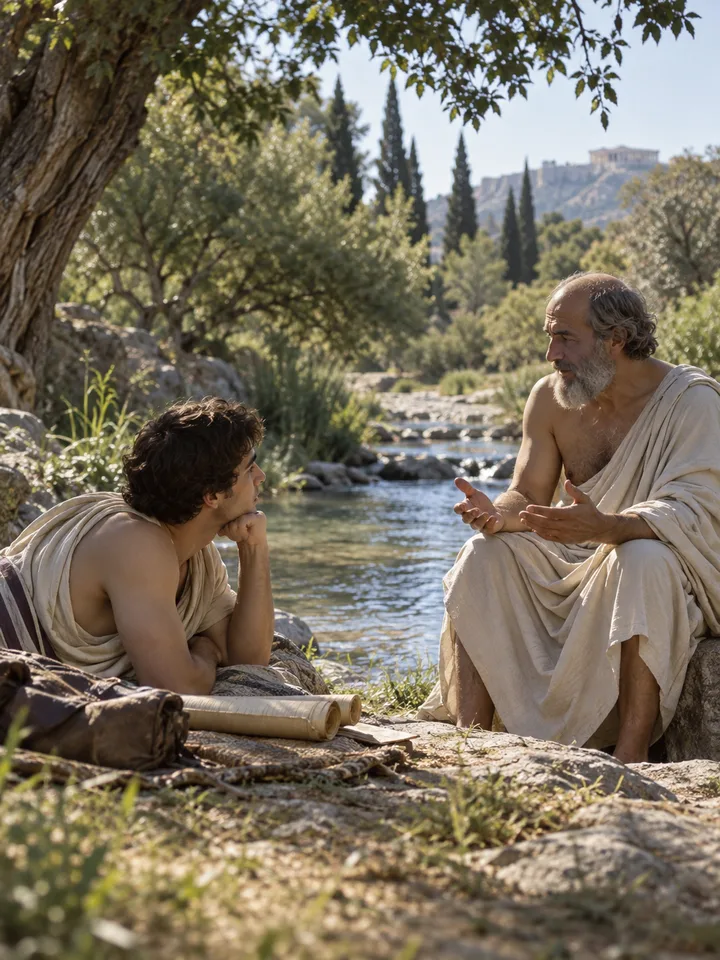
Beside the Ilissus, Socrates and Phaedrus move from rival speeches on love to inquiry into soul, rhetoric, and writing. Inspired madness and the myth of the winged chariot connect desire, memory, and knowledge.
- Composition
- c. 370-360 BCE
Sources and precision
The internal chronology remains disputed. This range is a qualified reference point, not a certain year.
Confidence C · probable range
- Tradition
- Socratic and Platonic thought
- Period
- Antiquity
- Languages
- Ancient Greek · English · French
- Extent
- 53 passages · 23,263 words
Before reading
What you will learn
Compare the three speeches on love, interpret the winged chariot, and connect dialectic, knowledge of soul, and criticism of writing.
Short summary
Beside the Ilissus, Socrates and Phaedrus move from rival speeches on love to inquiry into soul, rhetoric, and writing. Inspired madness and the myth of the winged chariot connect desire, memory, and knowledge.
Long summary
Socrates first answers a speech attributed to Lysias with criticism of the lover, then recants in a palinode presenting philosophical love as recollection of intelligible beauty. The soul’s motion appears through a charioteer and two horses.
The final section requires a good speaker to divide subjects and know kinds of soul. The myth of Theuth criticizes writing unable to answer questions. Yet that criticism occurs in a written dialogue, making the text an examination of its own medium.
Inside this work
The table of contents follows the divisions actually carried by the corpus.
Work › Stephanus page
- Passage 227
- Passage 228
- Passage 229
- Passage 230
- Passage 231
- Passage 232
- Passage 233
- Passage 234
- Passage 235
- Passage 236
- Passage 237
- Passage 238
- Passage 239
- Passage 240
- Passage 241
- Passage 242
- Passage 243
- Passage 244
- Passage 245
- Passage 246
- Passage 247
- Passage 248
- Passage 249
- Passage 250
- Passage 251
- Passage 252
- Passage 253
- Passage 254
- Passage 255
- Passage 256
- Passage 257
- Passage 258
- Passage 259
- Passage 260
- Passage 261
- Passage 262
- Passage 263
- Passage 264
- Passage 265
- Passage 266
- Passage 267
- Passage 268
- Passage 269
- Passage 270
- Passage 271
- Passage 272
- Passage 273
- Passage 274
- Passage 275
- Passage 276
- Passage 277
- Passage 278
- Passage 279
Concepts covered
Historical context
The world around the text
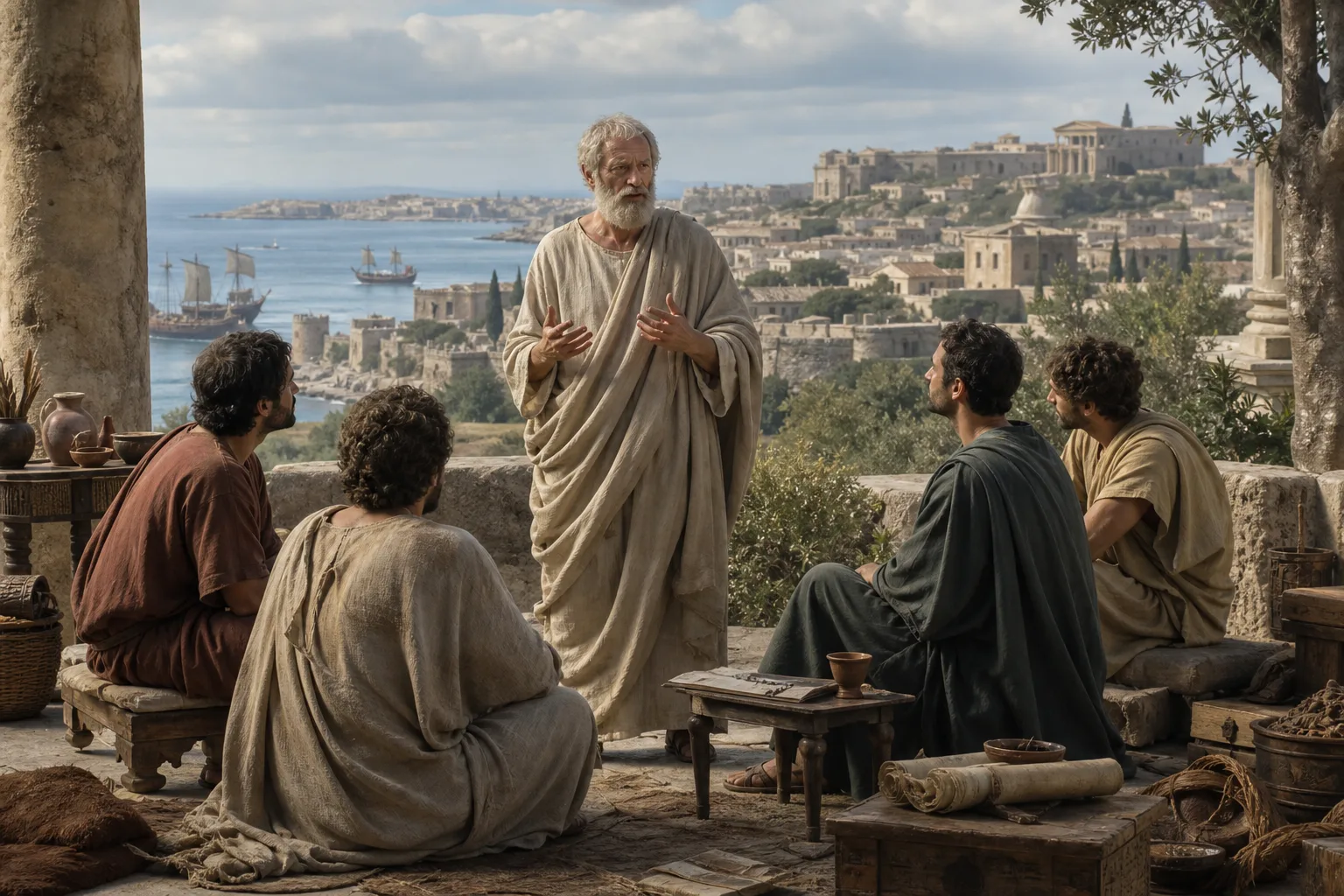
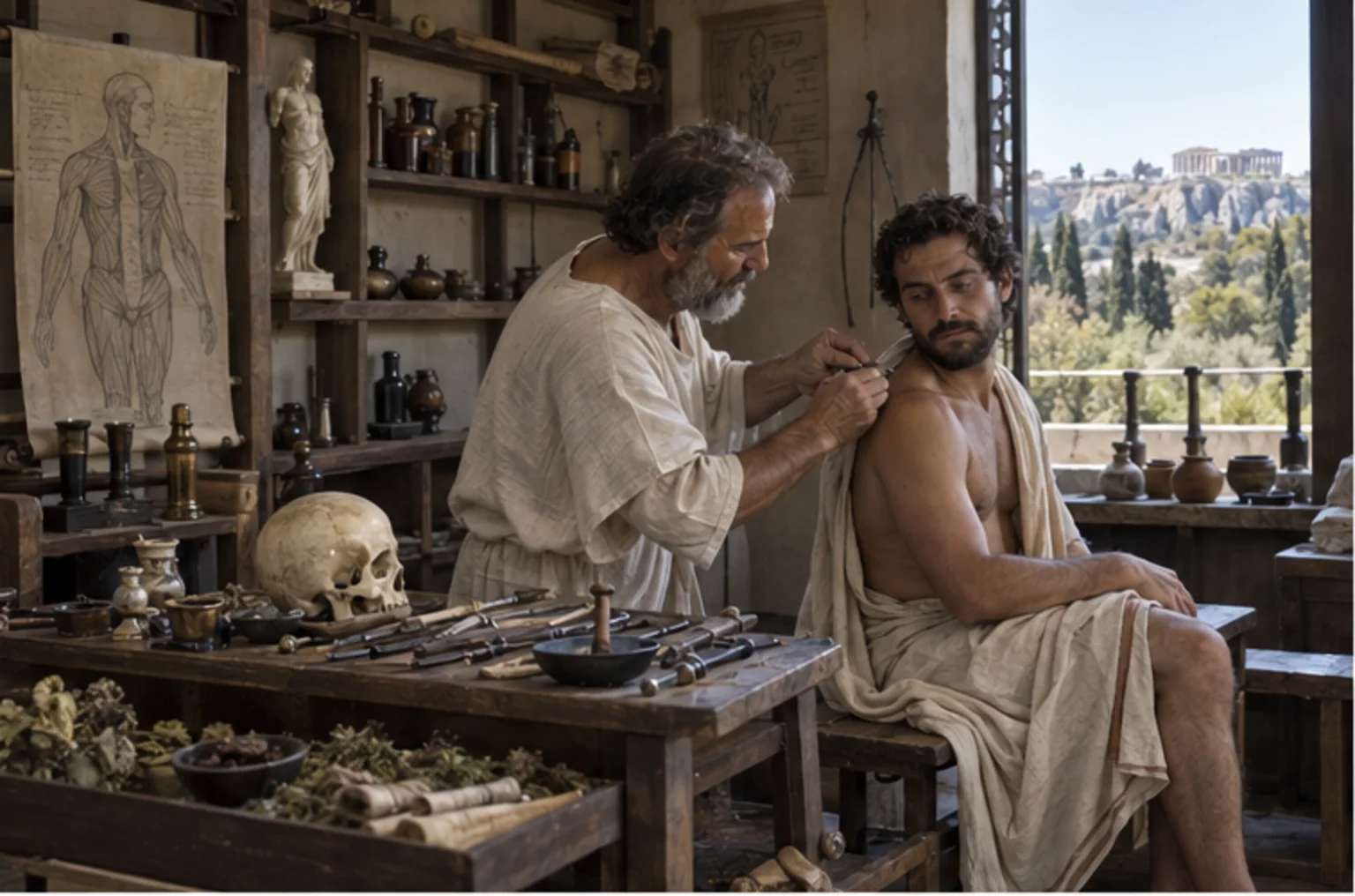
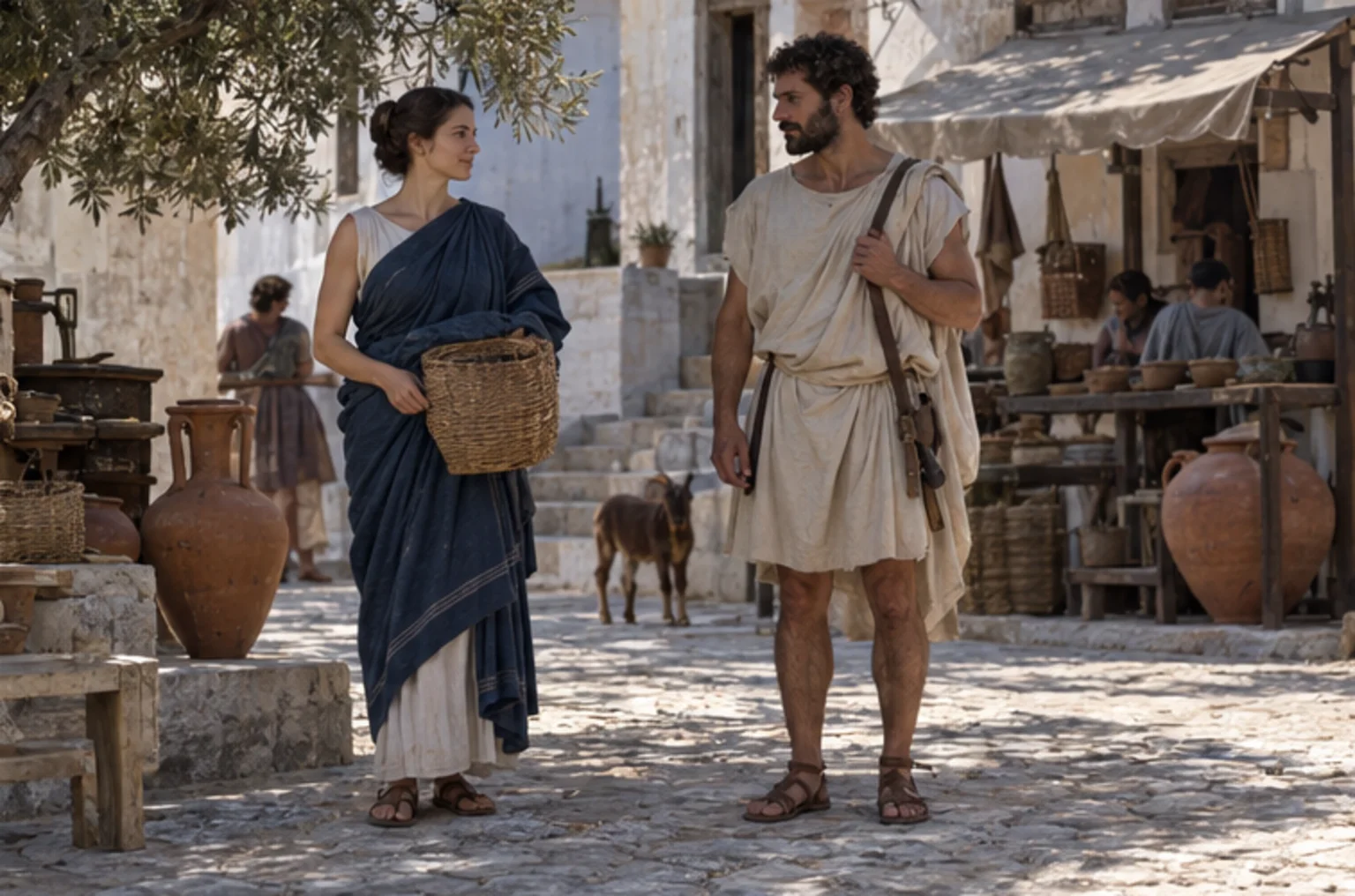
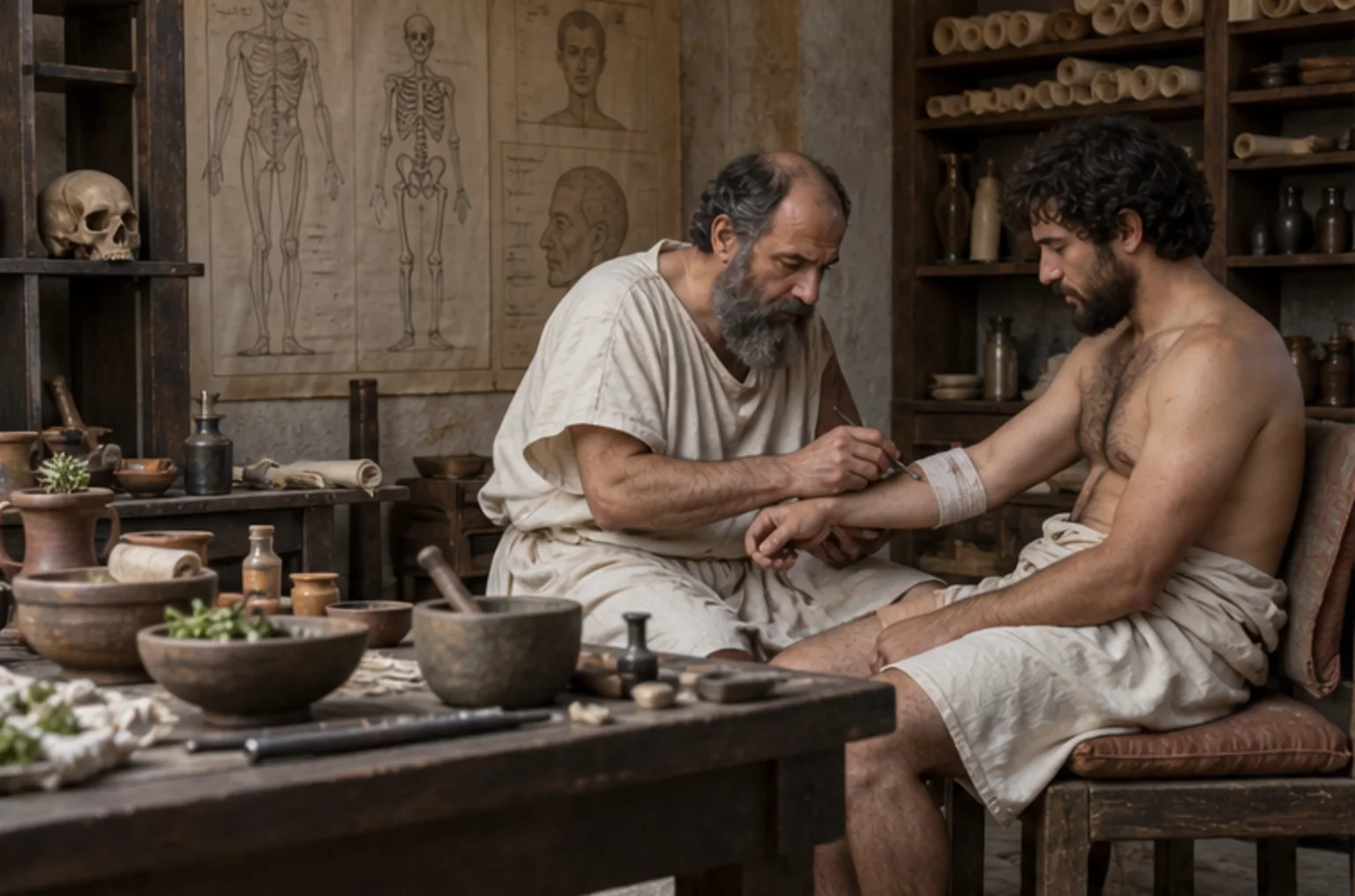
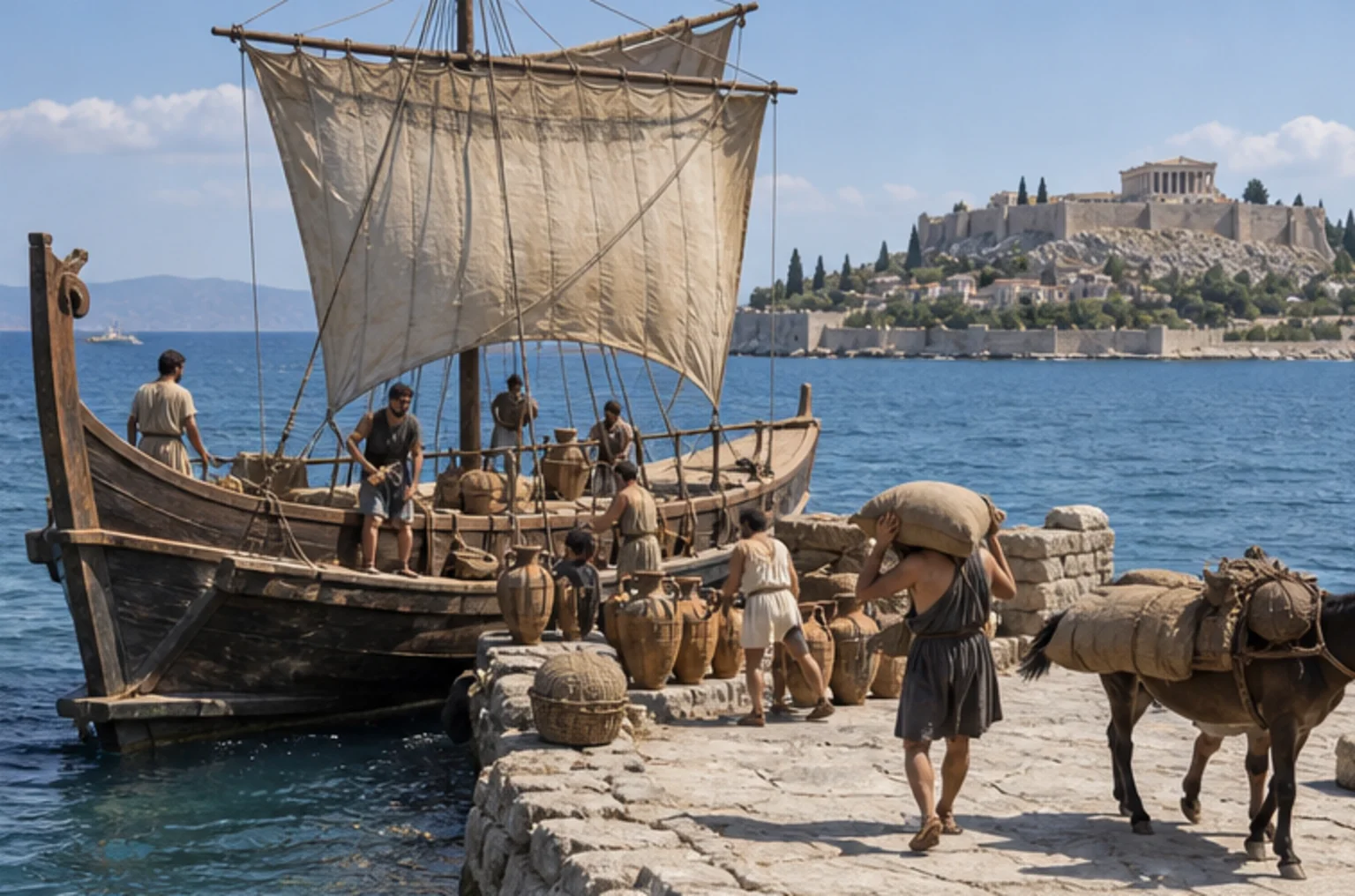
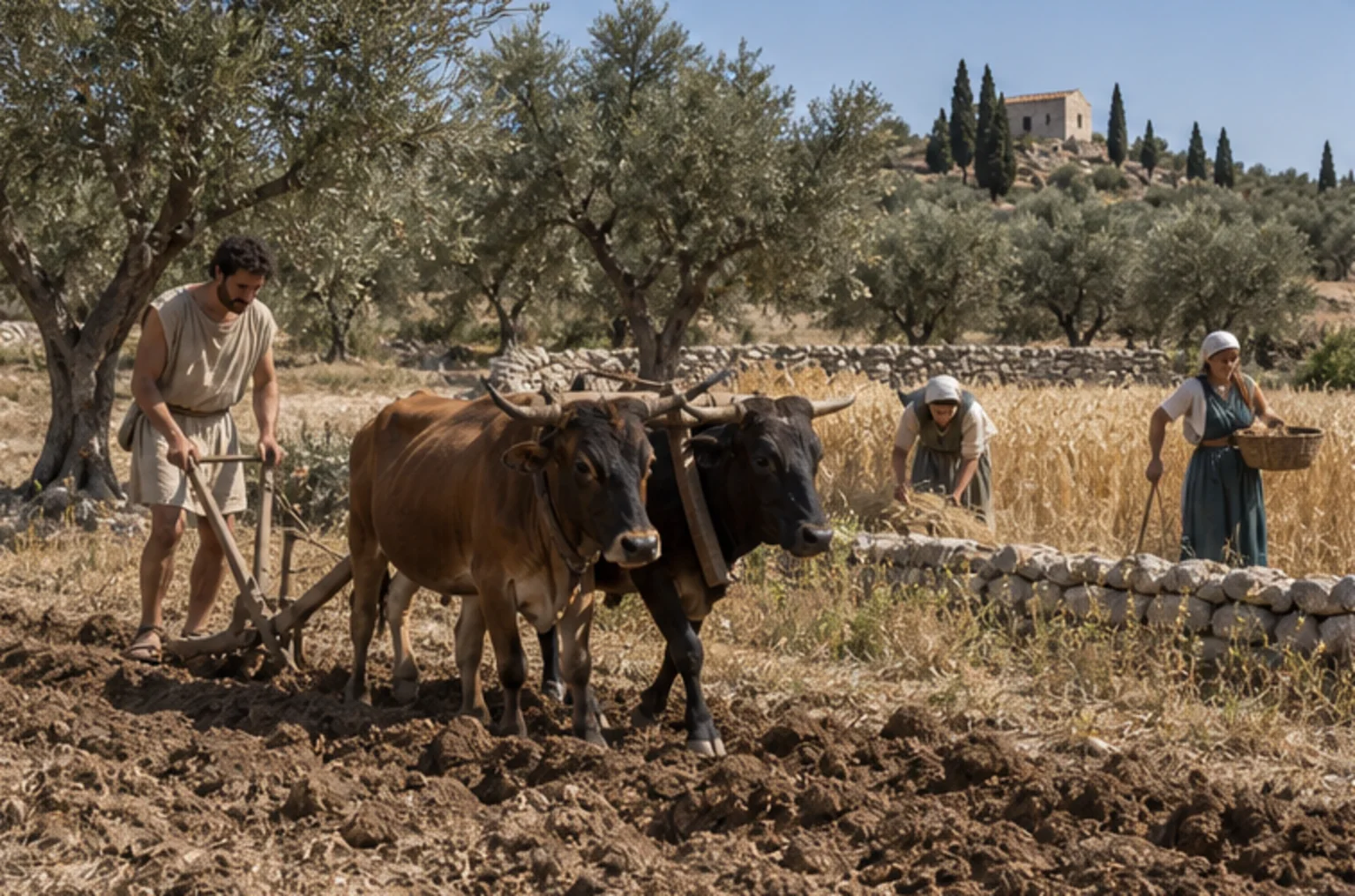
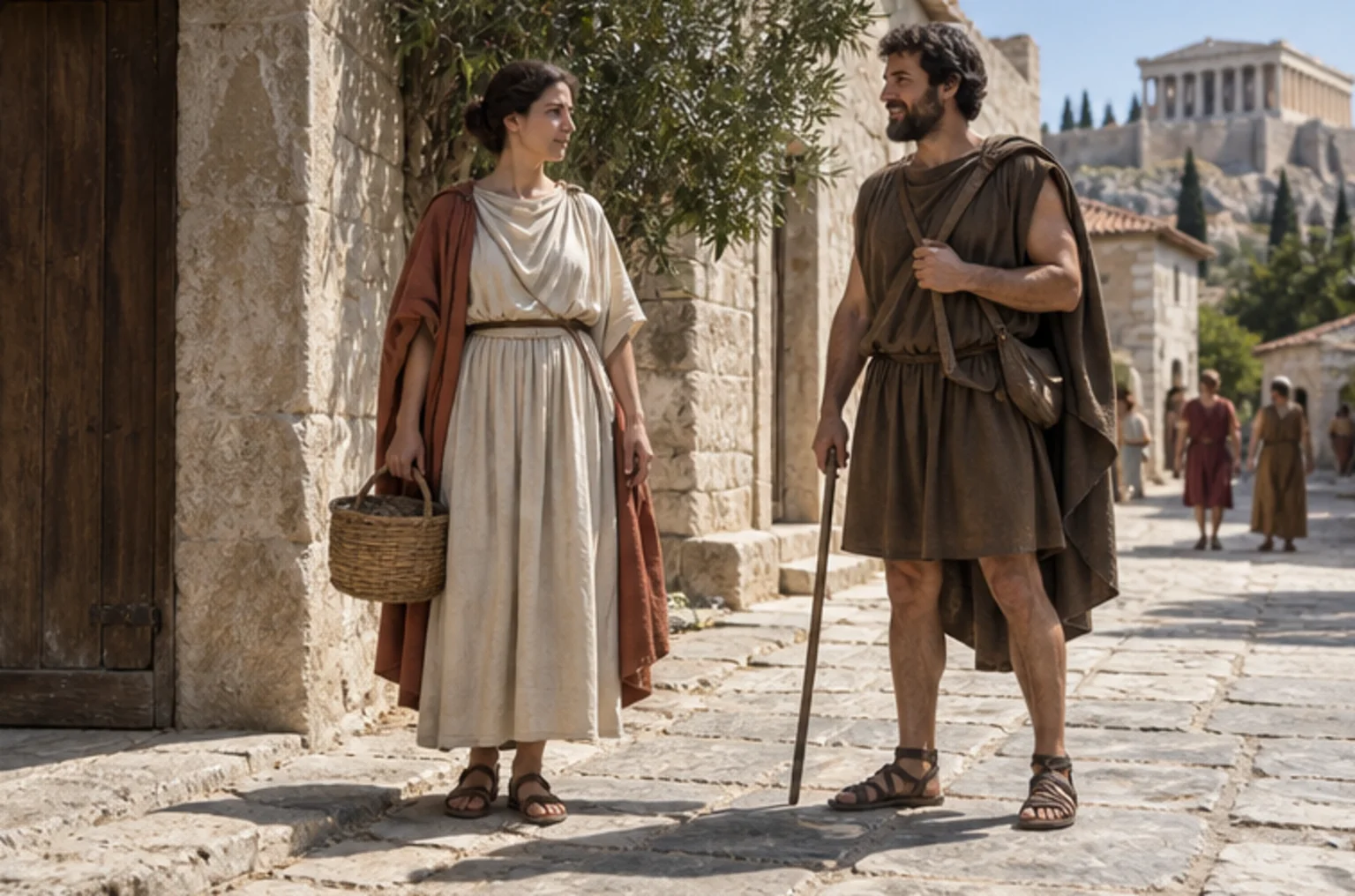
The corpus manifests do not yet establish the precise place and circumstances of composition. The images below document the author’s world or the text’s transmission. They do not claim to show the exact scene of writing.
These are modern reconstructions. They situate a documented place, practice, or transmission and are not period documents.
What the world looked like
Classical Greek world, 5th century BCE
- State of technology
- Bronze, iron, pottery, simple cranes, and shipbuilding sustain cities. Power still comes mainly from people, animals, wind, and water.
- Science and knowledge
- Geometry, astronomy, inquiry into nature, and rational argument advance without modern measuring instruments or standardized experiments.
- Medicine and care
- Practitioners observe symptoms, diet, and seasons; healing sanctuaries and ritual treatment also remain common.
- Transport
- Walking and animals dominate on land. Sailing ships and triremes connect islands, ports, and colonies.
- Agriculture and food
- Small farms, grain, vines, olives, goats, and sheep shape the diet; harvests remain vulnerable to weather and war.
- Communication
- Public speech, messengers, and handwritten letters carry news. Theatre, the civic square, and the banquet are major social media.
- Clothing and fashion
- Women and men drape wool or linen as chitons, peploi, and cloaks. Garments are pinned, belted, and shaped by status rather than tailored like modern clothes.
Editions, translations, and provenance
The following carriers represent the text. They do not create new passage identities.
- Ancient Greekoriginal
- Englishhistorical_translation
- French AI-generated translation, non-officialCodex gpt-5.6-sol · Non-official working translation · 2026-09-11
- Frenchhistorical_translation
- English AI-generated translation, non-officialCodex gpt-5.6-sol · Non-official working translation · 2026-09-11
Source manifests: plato.phaedrus, plato.phaedrus_fr_carrier
Reader
Read page by page
PhaedrusPlato