Work
Apology of Socrates
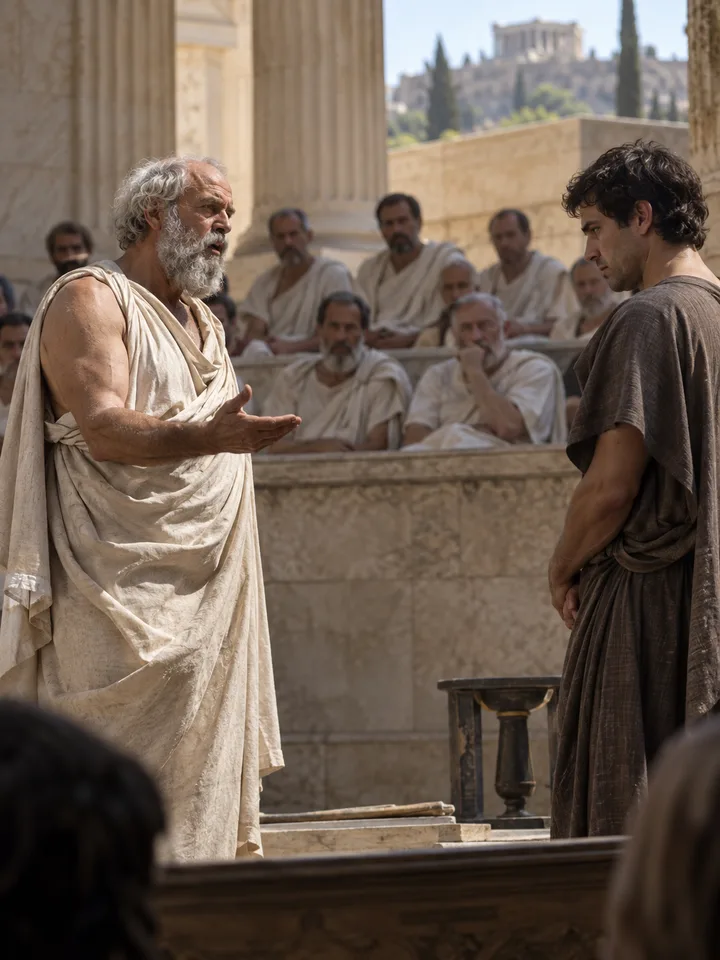
Socrates defends himself before an Athenian jury against charges of impiety and corrupting the young. Plato composes a courtroom speech in which philosophical examination, divine mission, and refusal to flatter the audience put an entire life at stake.
- Composition
- c. 399-390 BCE
Sources and precision
The internal chronology remains disputed. This range is a qualified reference point, not a certain year.
Confidence C · probable range
- Tradition
- Socratic and Platonic thought
- Period
- Antiquity
- Languages
- Ancient Greek · English · French
- Extent
- 26 passages · 11,771 words
Before reading
What you will learn
Reconstruct the charges and Socrates’ reply, follow his questioning of Meletus, and distinguish staged Socratic speech from courtroom transcript.
Short summary
Socrates defends himself before an Athenian jury against charges of impiety and corrupting the young. Plato composes a courtroom speech in which philosophical examination, divine mission, and refusal to flatter the audience put an entire life at stake.
Long summary
Socrates distinguishes old accusers from present charges, questions Meletus, and explains how the Delphic oracle led him to test claims to wisdom. He prefers continuing that task to saving his life through conduct he considers unjust.
The defence follows the trial through the proposed penalty and words after the verdict. It is not a secure transcript: Plato constructs the figure of Socrates. Arguments belong to the speaking character while the dialogue’s literary project also requires study.
Inside this work
The table of contents follows the divisions actually carried by the corpus.
Work › Stephanus page
Concepts covered
Historical context
The world around the text
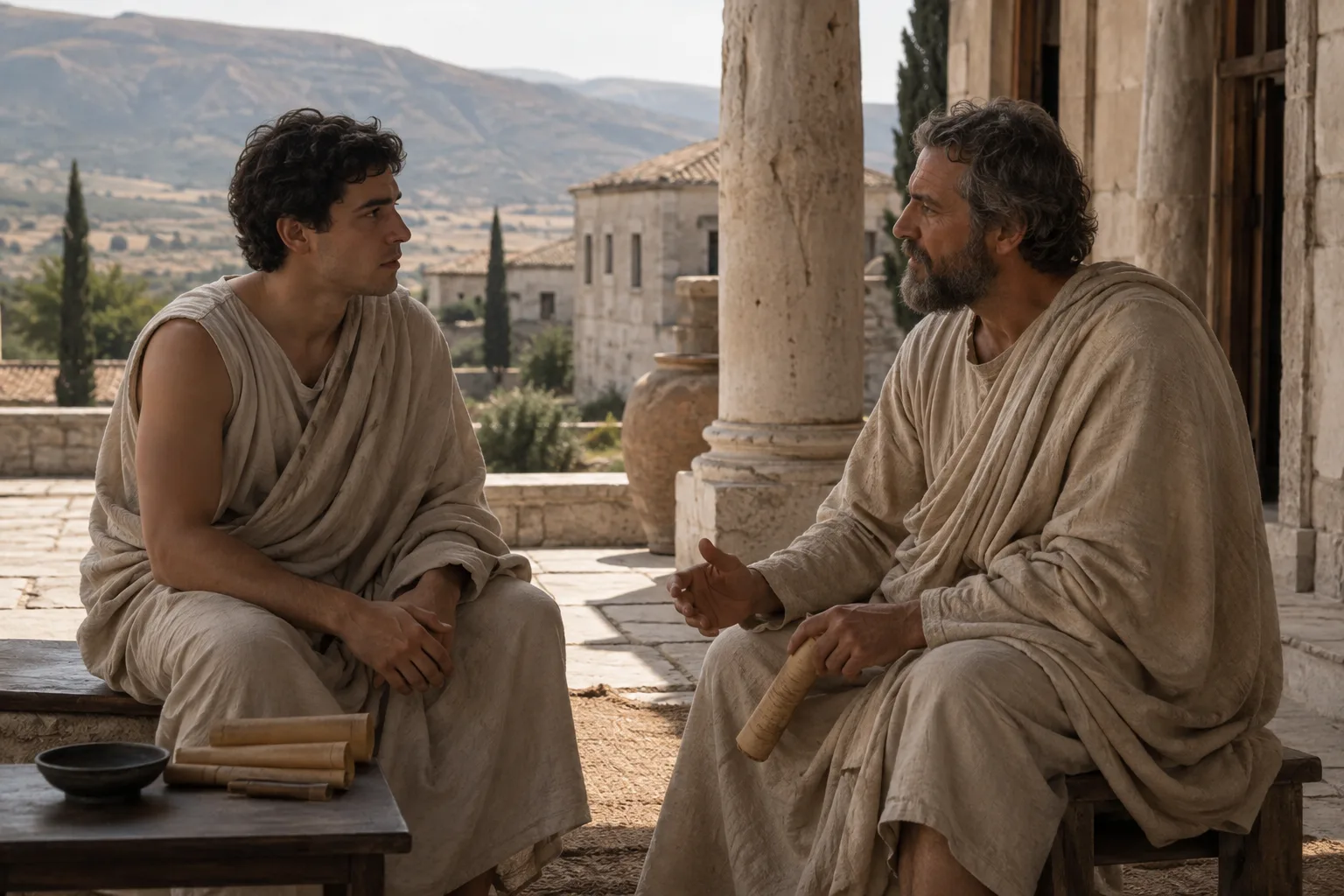
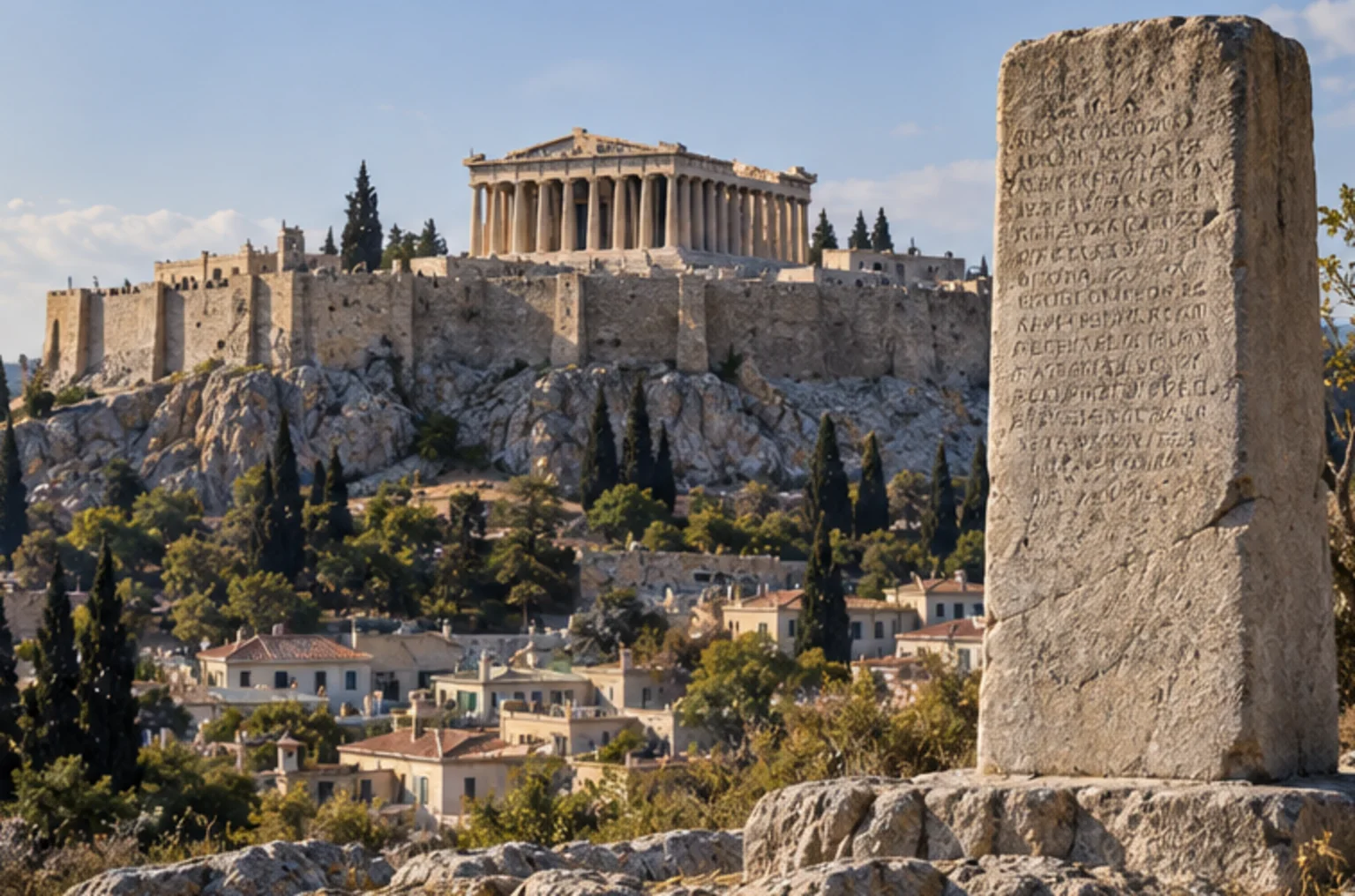
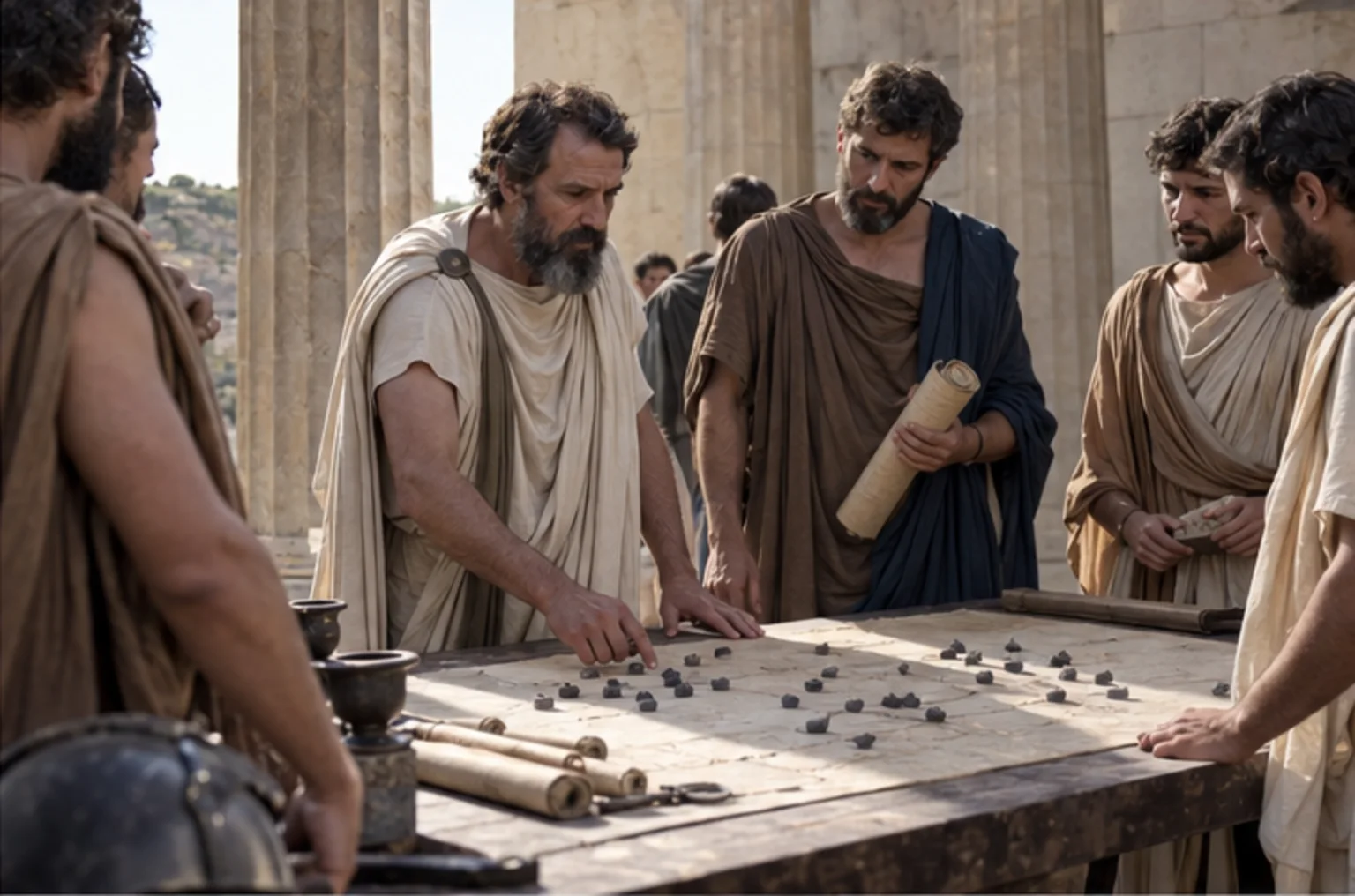
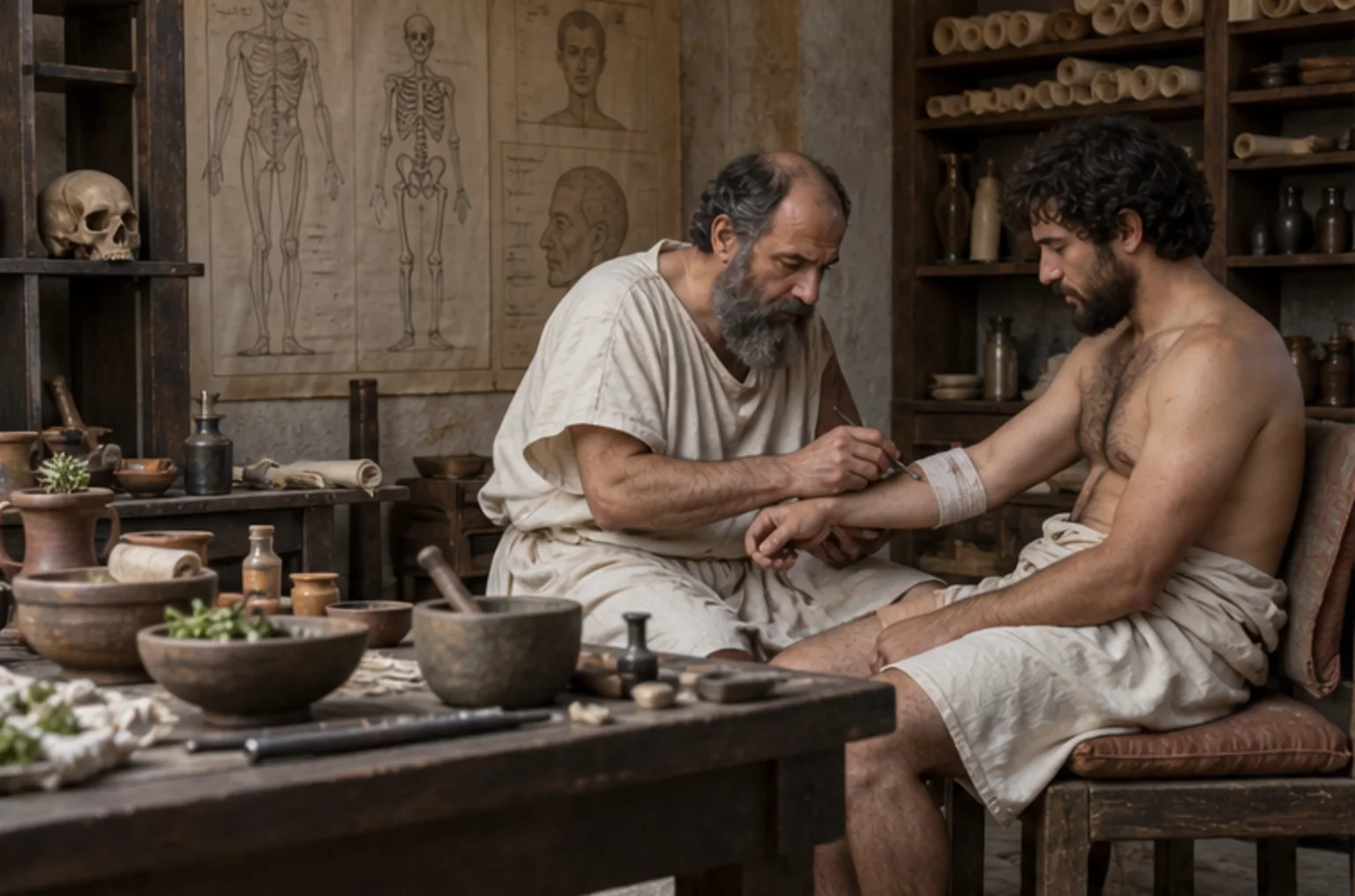
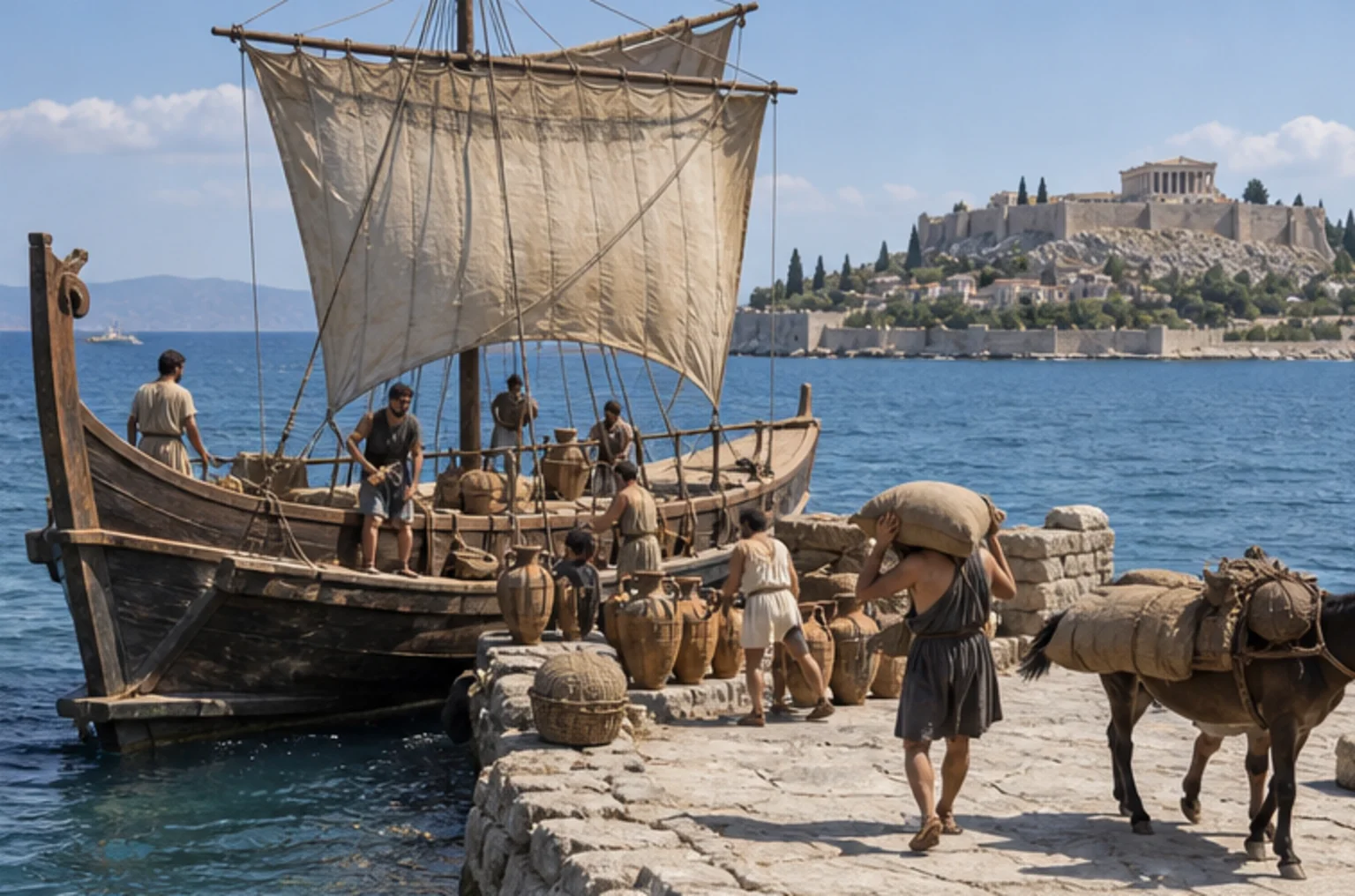
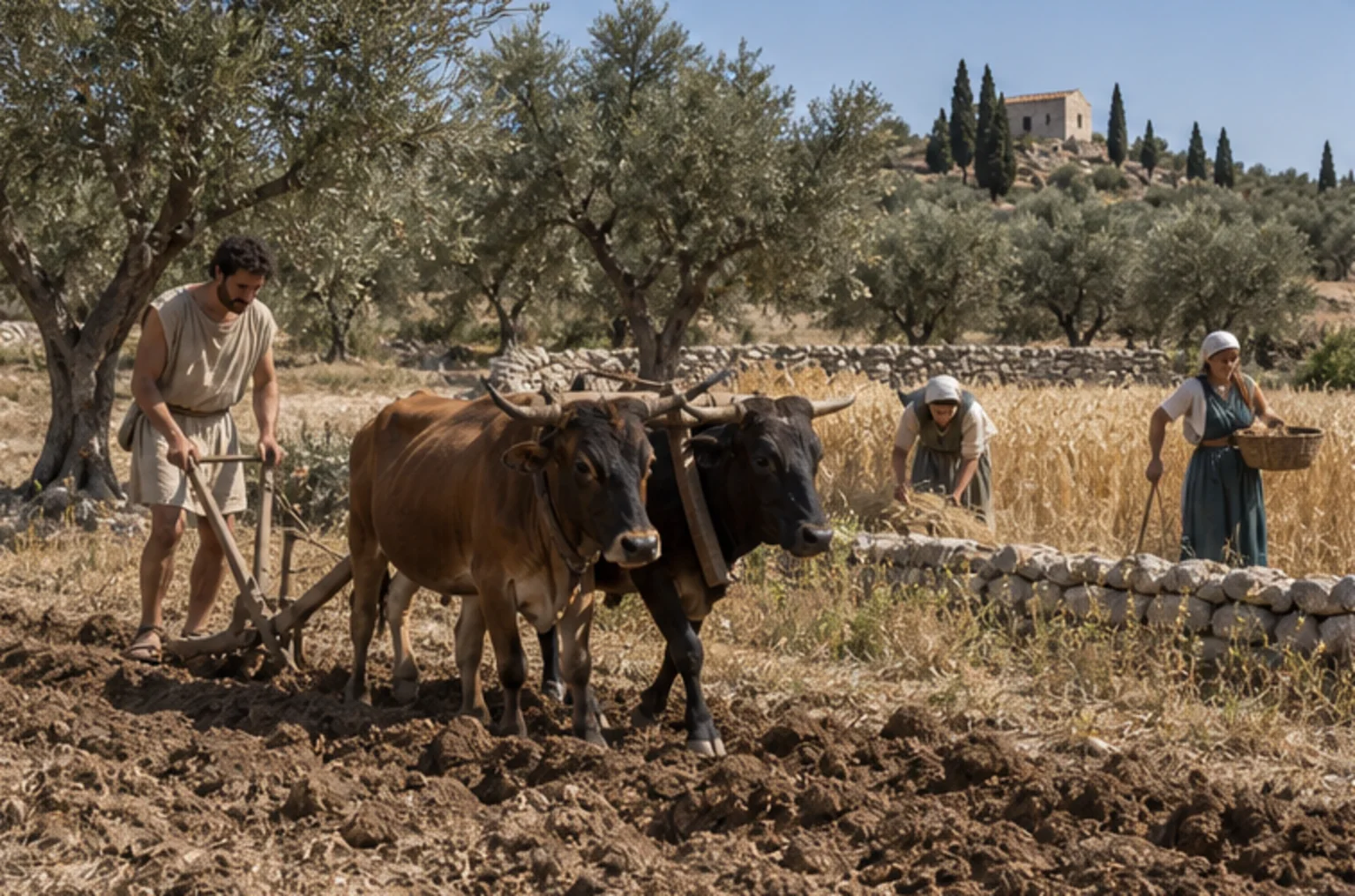
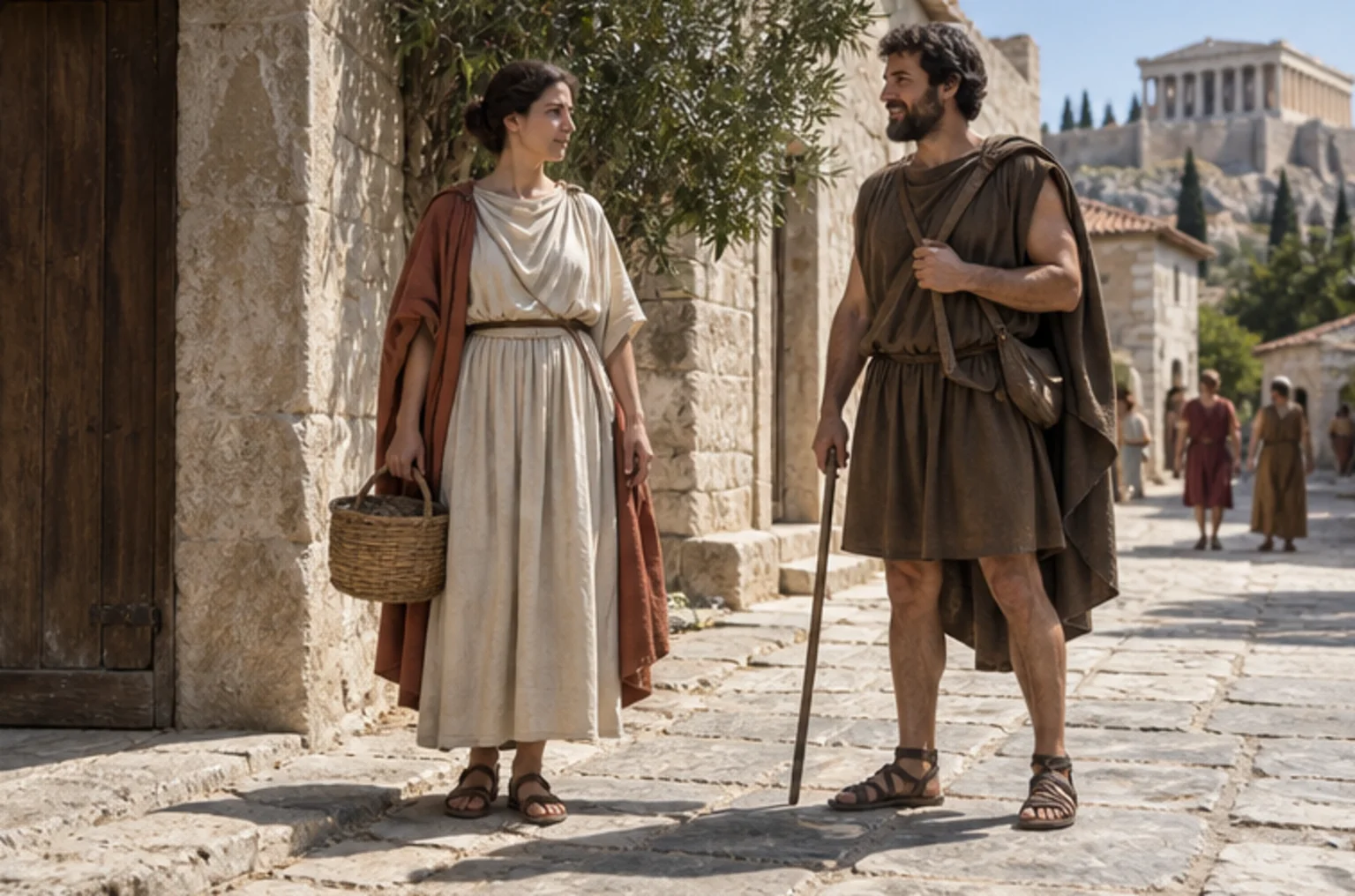
The corpus manifests do not yet establish the precise place and circumstances of composition. The images below document the author’s world or the text’s transmission. They do not claim to show the exact scene of writing.
These are modern reconstructions. They situate a documented place, practice, or transmission and are not period documents.
What the world looked like
Classical Greek world, 5th century BCE
- State of technology
- Bronze, iron, pottery, simple cranes, and shipbuilding sustain cities. Power still comes mainly from people, animals, wind, and water.
- Science and knowledge
- Geometry, astronomy, inquiry into nature, and rational argument advance without modern measuring instruments or standardized experiments.
- Medicine and care
- Practitioners observe symptoms, diet, and seasons; healing sanctuaries and ritual treatment also remain common.
- Transport
- Walking and animals dominate on land. Sailing ships and triremes connect islands, ports, and colonies.
- Agriculture and food
- Small farms, grain, vines, olives, goats, and sheep shape the diet; harvests remain vulnerable to weather and war.
- Communication
- Public speech, messengers, and handwritten letters carry news. Theatre, the civic square, and the banquet are major social media.
- Clothing and fashion
- Women and men drape wool or linen as chitons, peploi, and cloaks. Garments are pinned, belted, and shaped by status rather than tailored like modern clothes.
Editions, translations, and provenance
The following carriers represent the text. They do not create new passage identities.
- Ancient Greekoriginal
- Englishhistorical_translation
- French AI-generated translation, non-officialCodex gpt-5.6-sol · Non-official working translation · 2026-09-11
- Frenchhistorical_translation
- English AI-generated translation, non-officialCodex gpt-5.6-sol · Non-official working translation · 2026-09-11
Source manifests: plato.apology, plato.apology_fr_carrier
Reader
Read page by page
Apology of SocratesPlato