Traceable Library

Explore the corpus of thinkers on prokopton42.com

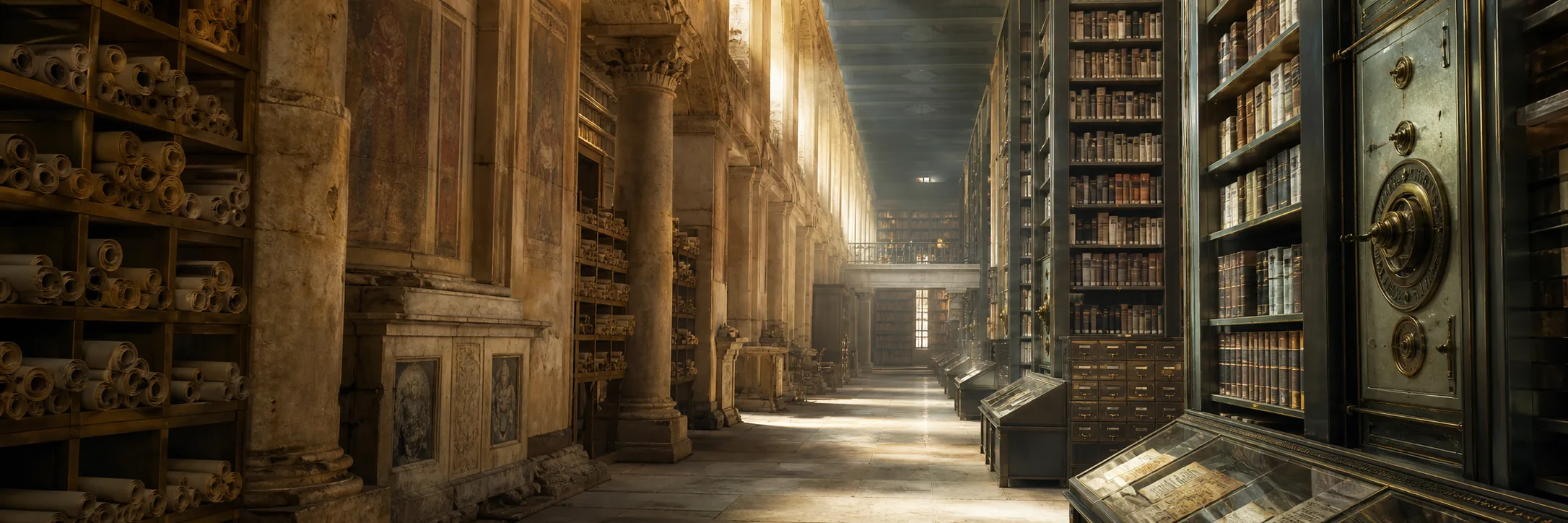
We do not always look for a work, a text, or a passage in the same way. Browse by work as you would in a traditional library, travel through time, follow a semantic concept, or go straight to a precise excerpt. This Library exists to support practice and deeper study by bringing old texts into contact with daily experience and present questions.

Works
305
Authors
94
Passages
89,767
See more statistics
Corpus works
259
Private works
46
Private records
56
Private excerpts
20,006
Text representations
223,819
Editions and translations
849
Languages
17
Works in French and English
259
Multilingual works
259
Tracked concepts
9
Estimated sentences
1,456,557
Words
27,541,029

A representation is one language version of a canonical passage. Private excerpts come from source files. Sentence count is estimated from punctuation.

By work14
Seneca

Works

Books, collections and works from the Private collection share this shelf. Each card keeps its editions and sources.

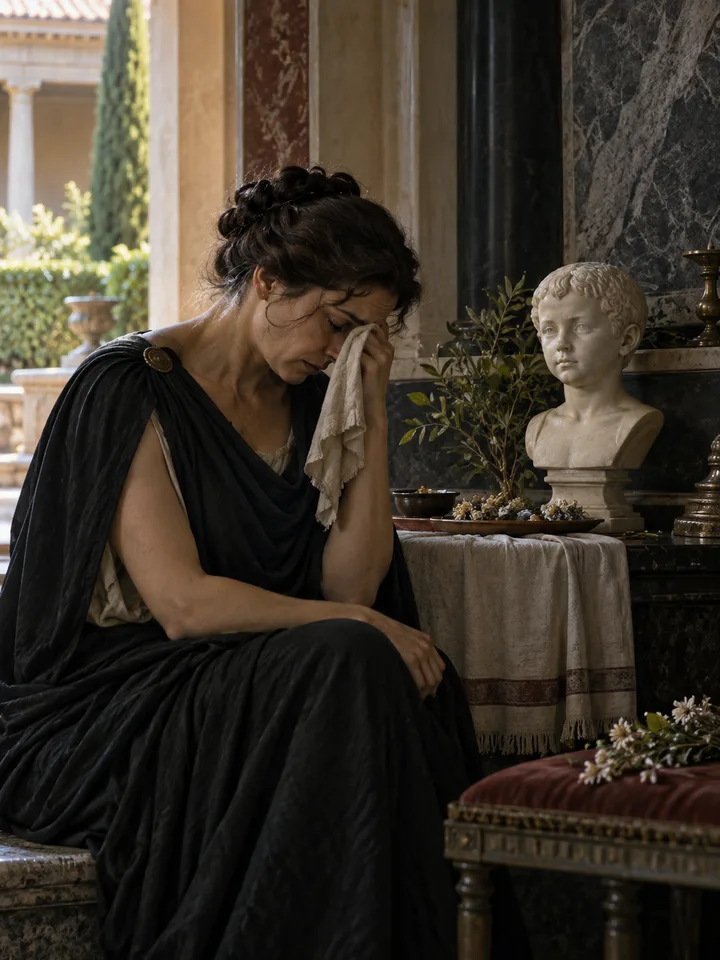
Photorealistic editorial illustration of Consolation to Helvia, His Mother in the Prokopton42.com Library Consolation to Helvia, His MotherSeneca

Work

Consolation to Helvia, His Mother

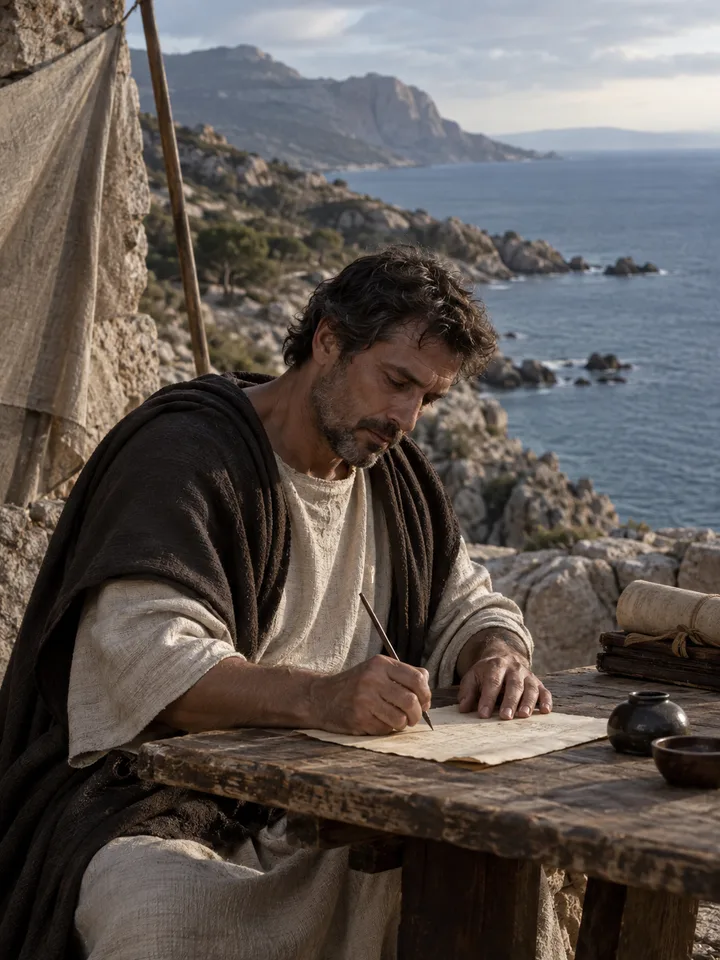
From exile in Corsica, Seneca consoles his mother Helvia for his absence. He turns displacement, loss of status, and family concern into an exercise in self-sufficiency, study, and the wise person’s belonging to the whole world.

What you will learn
Composition
c. 42-43 CE
Editions / translations
Dates to be documented
Languages
Latin · English · French
Extent
20 passages · 11,358 words
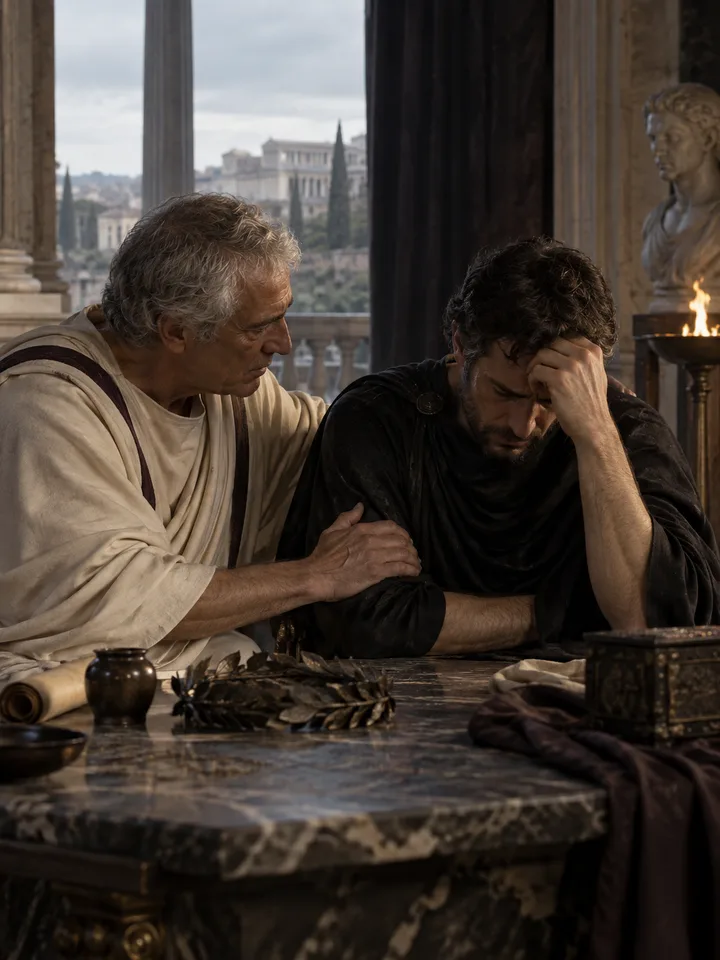
Photorealistic editorial illustration of Consolation to Marcia in the Prokopton42.com Library Consolation to MarciaSeneca

Work

Consolation to Marcia

Seneca addresses Marcia, long overwhelmed by the death of her son. He contrasts models of mourning, recalls the vulnerability of every life, and seeks a memory that honours the dead without indefinitely sustaining the wound.

What you will learn
Composition
c. 39-40 CE
Editions / translations
Dates to be documented
Languages
Latin · English · French
Extent
26 passages · 14,991 words
Photorealistic editorial illustration of Consolation to Polybius in the Prokopton42.com Library Consolation to PolybiusSeneca

Work

Consolation to Polybius

Seneca consoles Polybius after his brother’s death while indirectly seeking Emperor Claudius’ clemency. Reflection on grief and courtly praise mingle in a text where the exile also seeks conditions for his return.

What you will learn
Composition
c. 43-44 CE
Editions / translations
Dates to be documented
Languages
Latin · English · French
Extent
18 passages · 9,564 words
Photorealistic editorial illustration of Moral Letters to Lucilius in the Prokopton42.com Library Moral Letters to LuciliusSeneca

Fragments or testimony

Moral Letters to Lucilius

Seneca turns the letter into a moral workshop: ordinary situations become tests of judgement, time, and freedom. Lucilius is both addressee and partner in a course of practice the reader is invited to continue.

What you will learn
Composition
c. 62-65 CE
Editions / translations
Dates to be documented
Languages
Latin · French · English
Extent
2,141 passages · 209,173 words
Photorealistic editorial illustration of Natural Questions in the Prokopton42.com Library Natural QuestionsSeneca

Work

Natural Questions

Seneca investigates lightning, thunder, waters, winds, earthquakes, comets, and atmospheric phenomena. Physical explanations alternate with moral exhortation: observing the heavens should reduce superstition and place human ambition on a cosmic scale.

What you will learn
Composition
c. 62-64 CE
Editions / translations
Dates to be documented
Languages
Latin · French · English
Extent
201 passages · 76,681 words
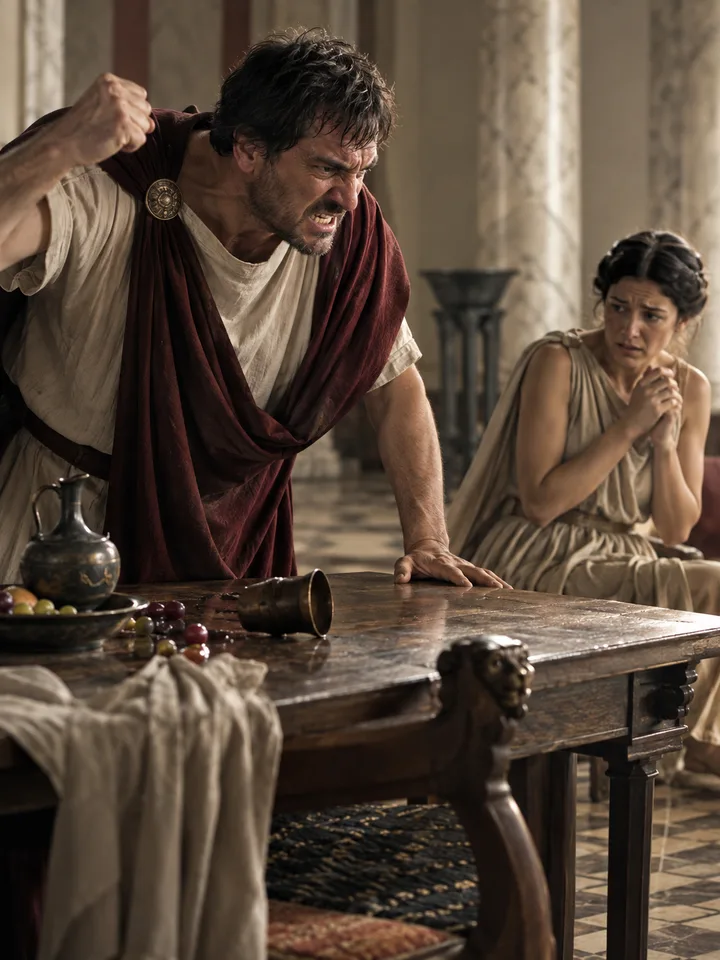
Photorealistic editorial illustration of On Anger in the Prokopton42.com Library On AngerSeneca

Work

On Anger

Seneca analyzes anger as a desire to punish a perceived wrong and denies that it is useful energy for virtue. The treatise examines its causes, political and domestic damage, and exercises for preventing or slowing its onset.

What you will learn
Composition
c. 41-52 CE
Editions / translations
Dates to be documented
Languages
Latin · English · French
Extent
100 passages · 40,088 words
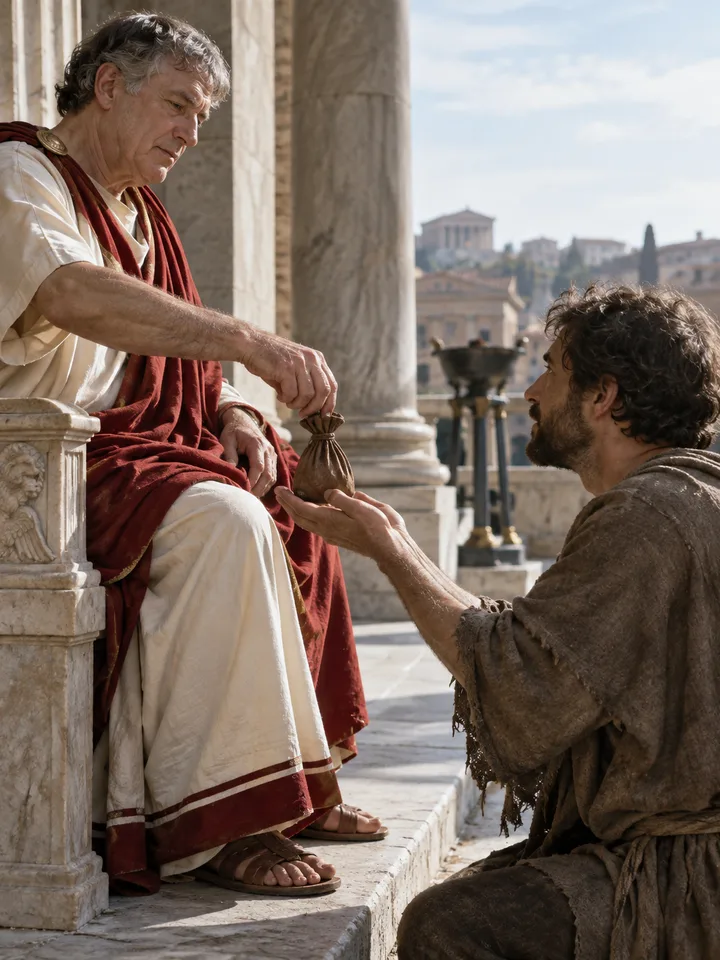
Photorealistic editorial illustration of On Benefits in the Prokopton42.com Library On BenefitsSeneca

Work

On Benefits

Seneca examines the art of giving, receiving, and returning a benefit in a society structured by obligation. Intention, gratitude, debt, and freedom distinguish moral exchange from commercial calculation and humiliating power.

What you will learn
Composition
c. 56-64 CE
Editions / translations
Dates to be documented
Languages
Latin · English · French
Extent
228 passages · 81,267 words
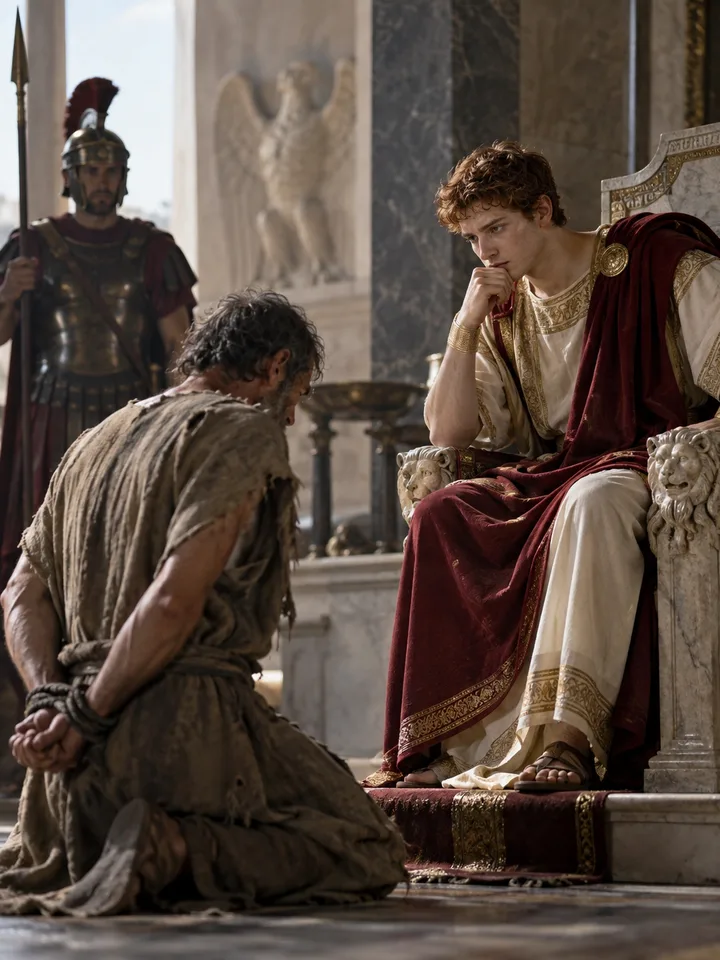
Photorealistic editorial illustration of On Clemency in the Prokopton42.com Library On ClemencySeneca

Work

On Clemency

Addressed to the young Nero, the treatise presents clemency as rational governance of the power to punish. Seneca constructs a mirror for princes in which imperial authority differs from cruelty, weakness, and undiscriminating pardon.

What you will learn
Composition
55-56 CE
Editions / translations
Dates to be documented
Languages
Latin · English · French
Extent
33 passages · 14,902 words
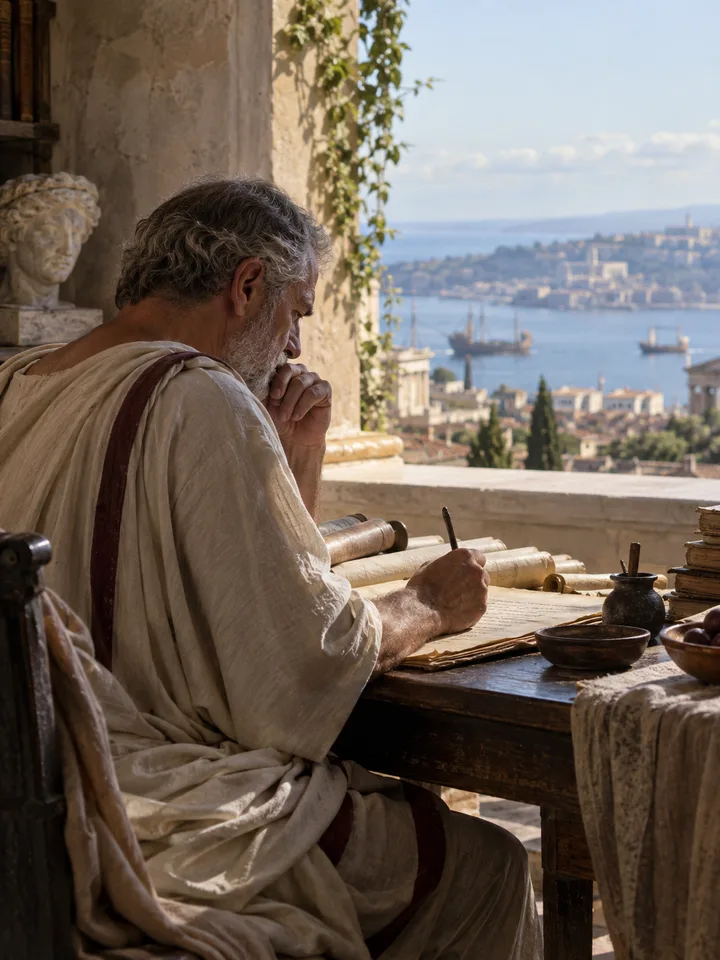
Photorealistic editorial illustration of On Leisure in the Prokopton42.com Library On LeisureSeneca

Work

On Leisure

In this incompletely preserved dialogue, Seneca asks when withdrawal from public life can remain faithful to Stoic duty. Study, contemplation, and teaching become ways of serving a human community wider than the present state.

What you will learn
Composition
c. 62 CE
Editions / translations
Dates to be documented
Languages
Latin · English · French
Extent
8 passages · 3,414 words
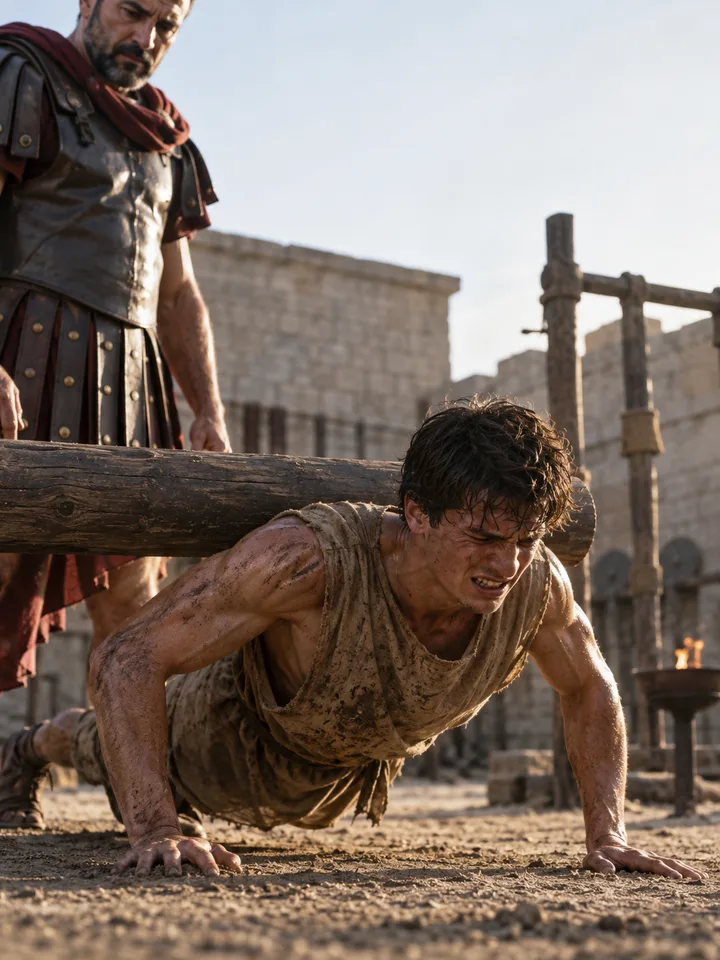
Photorealistic editorial illustration of On Providence in the Prokopton42.com Library On ProvidenceSeneca

Work

On Providence

Seneca answers Lucilius’ question why good people suffer misfortune if providence governs the world. Trial, training, and the distinction between moral goods and external circumstances compose his Stoic response.

What you will learn
Composition
50s or early 60s CE
Editions / translations
Dates to be documented
Languages
Latin · English · French
Extent
6 passages · 7,167 words
Photorealistic editorial illustration of On the Firmness of the Wise Person in the Prokopton42.com Library On the Firmness of the Wise PersonSeneca

Work

On the Firmness of the Wise Person

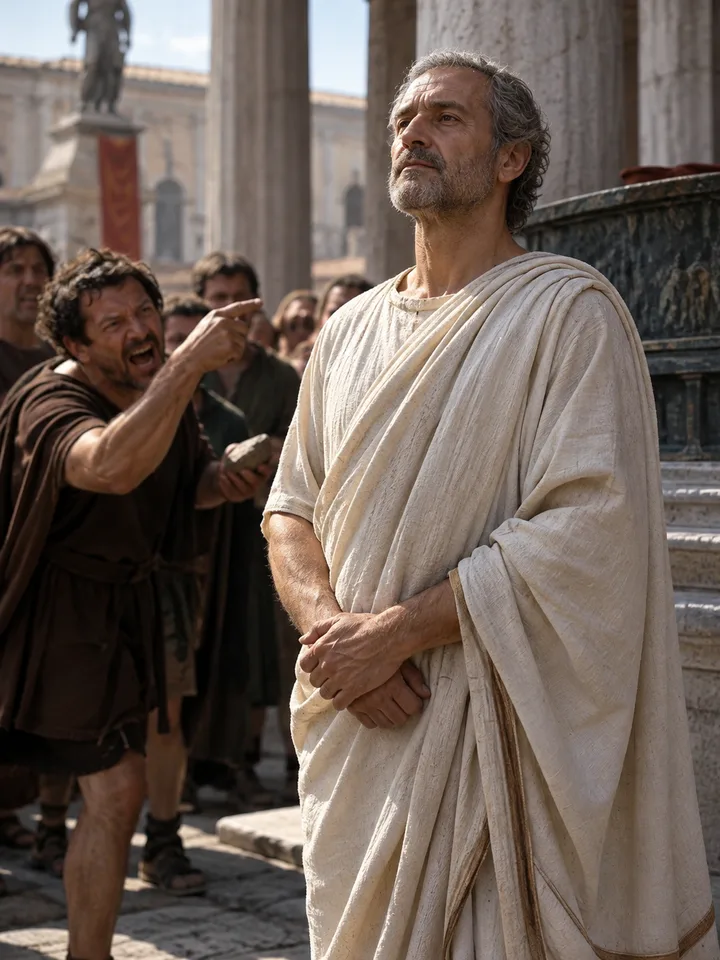
In an exchange with Serenus, Seneca defends the Stoic paradox that the wise person can suffer neither moral injury nor true insult. External attacks reach property, body, or reputation but not a virtue independent of them.

What you will learn
Composition
50s or early 60s CE
Editions / translations
Dates to be documented
Languages
Latin · English · French
Extent
19 passages · 8,903 words
Photorealistic editorial illustration of On the Happy Life in the Prokopton42.com Library On the Happy LifeSeneca

Work

On the Happy Life

Seneca defines happiness as rational agreement with nature and rejects turning it into pursuit of pleasure. The essay also answers critics who oppose his wealth and proximity to power to the austere demands he professes.

What you will learn
Composition
c. 58 CE
Editions / translations
Dates to be documented
Languages
Latin · English · French
Extent
28 passages · 12,779 words
Photorealistic editorial illustration of On the Shortness of Life in the Prokopton42.com Library On the Shortness of LifeSeneca

Work

On the Shortness of Life

Seneca argues that life is not too short but is dissipated through ambition, business, and availability to other people’s demands. Addressed to Paulinus, the essay contrasts the preoccupied person with one who reclaims time through philosophy.

What you will learn
Composition
c. 49 CE
Editions / translations
Dates to be documented
Languages
Latin · English · French
Extent
20 passages · 11,072 words
Photorealistic editorial illustration of On Tranquillity of Mind in the Prokopton42.com Library On Tranquillity of MindSeneca

Work

On Tranquillity of Mind

Serenus describes an instability making him alternate among ambition, simplicity, engagement, and retreat. Seneca’s reply seeks practical steadiness: choose fitting work, limit agitation, and retain flexibility able to face reversals.

What you will learn
Composition
c. 55-62 CE
Editions / translations
Dates to be documented
Languages
Latin · English · French
Extent
17 passages · 13,372 words

Before reading

What you will learn

Open the full record