Work
On the Shortness of Life
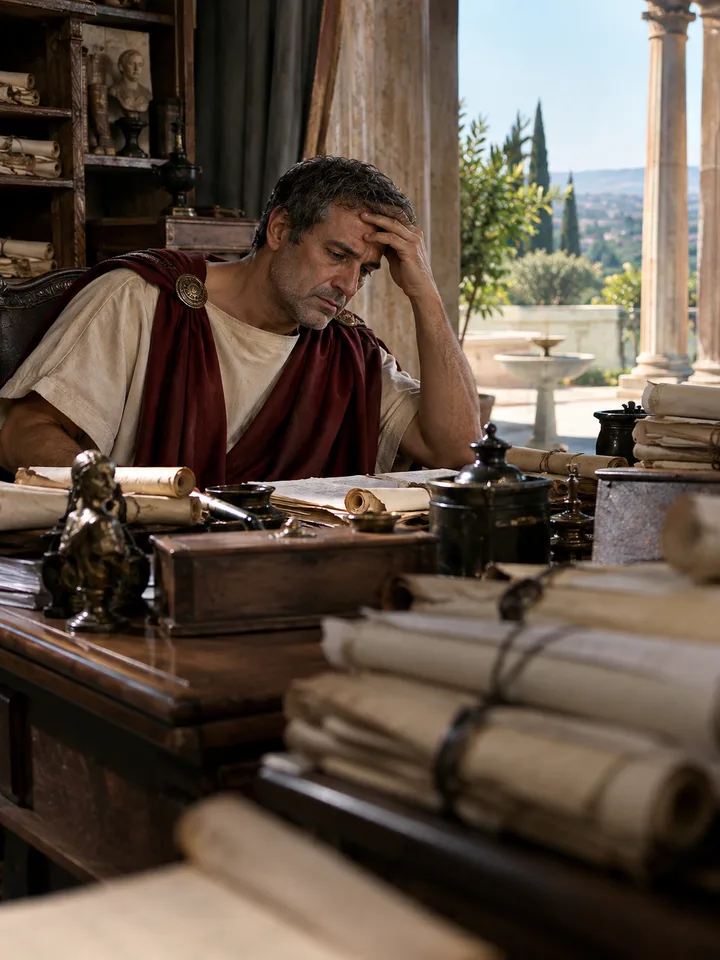
Seneca argues that life is not too short but is dissipated through ambition, business, and availability to other people’s demands. Addressed to Paulinus, the essay contrasts the preoccupied person with one who reclaims time through philosophy.
Before reading
What you will learn
Identify forms of wasted time, distinguish philosophical leisure from inactivity, and confront the argument with Seneca’s social position.
Short summary
Seneca argues that life is not too short but is dissipated through ambition, business, and availability to other people’s demands. Addressed to Paulinus, the essay contrasts the preoccupied person with one who reclaims time through philosophy.
Long summary
The preoccupied may accumulate offices, pleasures, or clients without ever being present to their own lives. Seneca describes anticipation of the future, neglect of the past, and a present surrendered to others’ schedules, then urges Paulinus to leave consuming administration.
Philosophical leisure is not mere rest: it gives access to conversation with authors and deliberate use of each day. Yet the advice comes from a man involved in power and wealth, a biographical contradiction relevant to the text without being fully resolved by it.
Inside this work
The table of contents follows the divisions actually carried by the corpus.
Work › Chapter
Concepts covered
Historical context
The world around the text
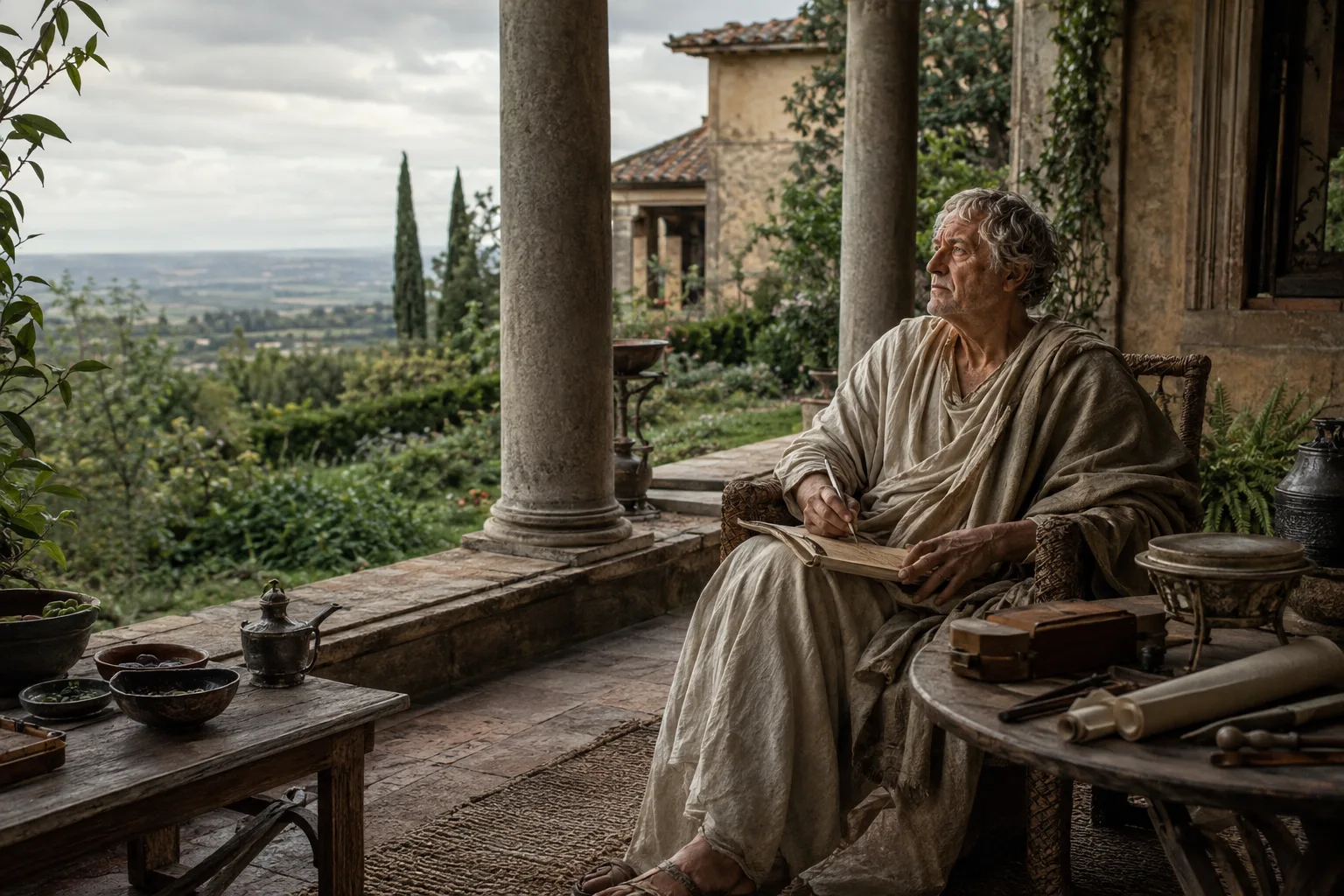
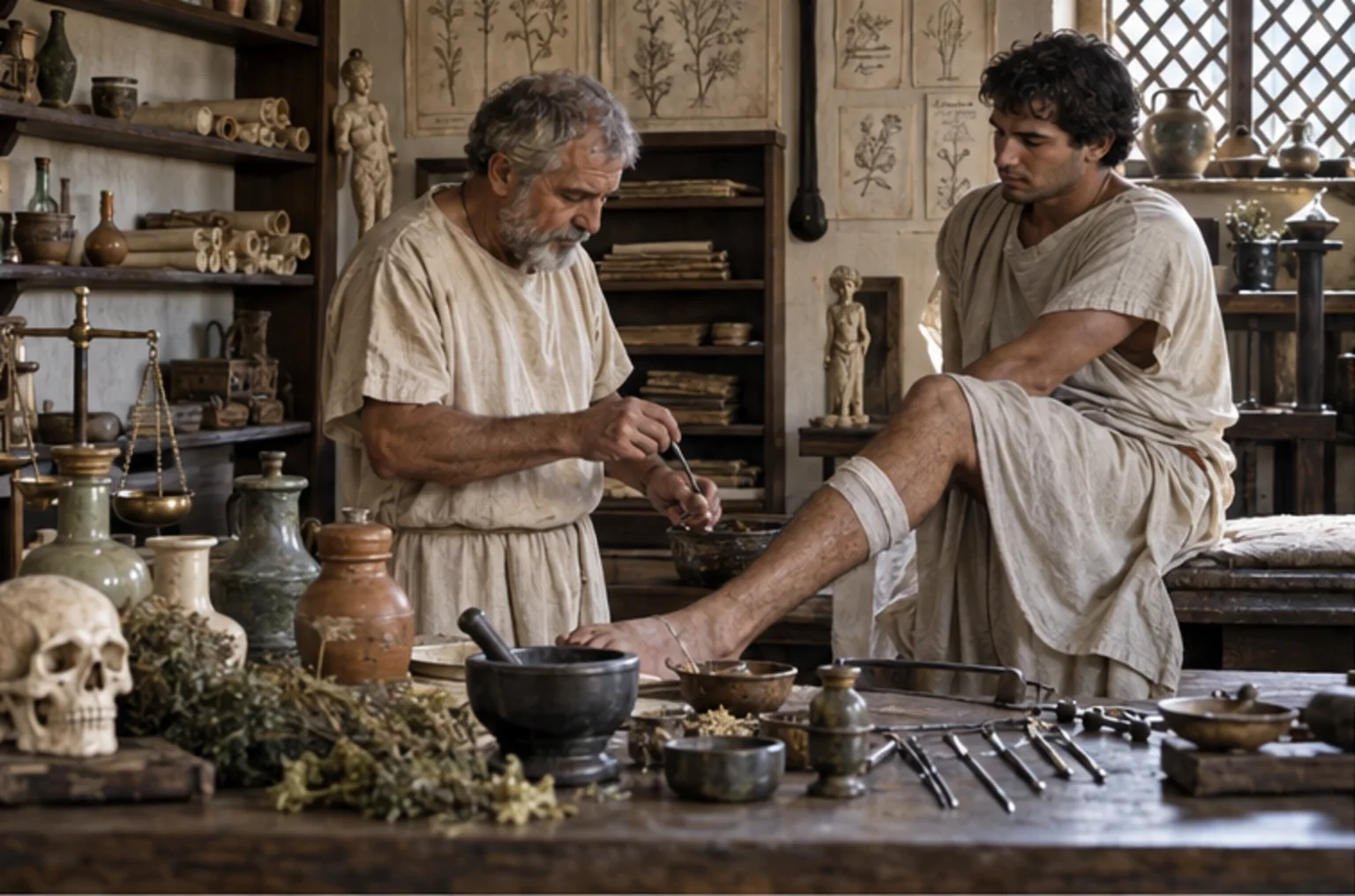
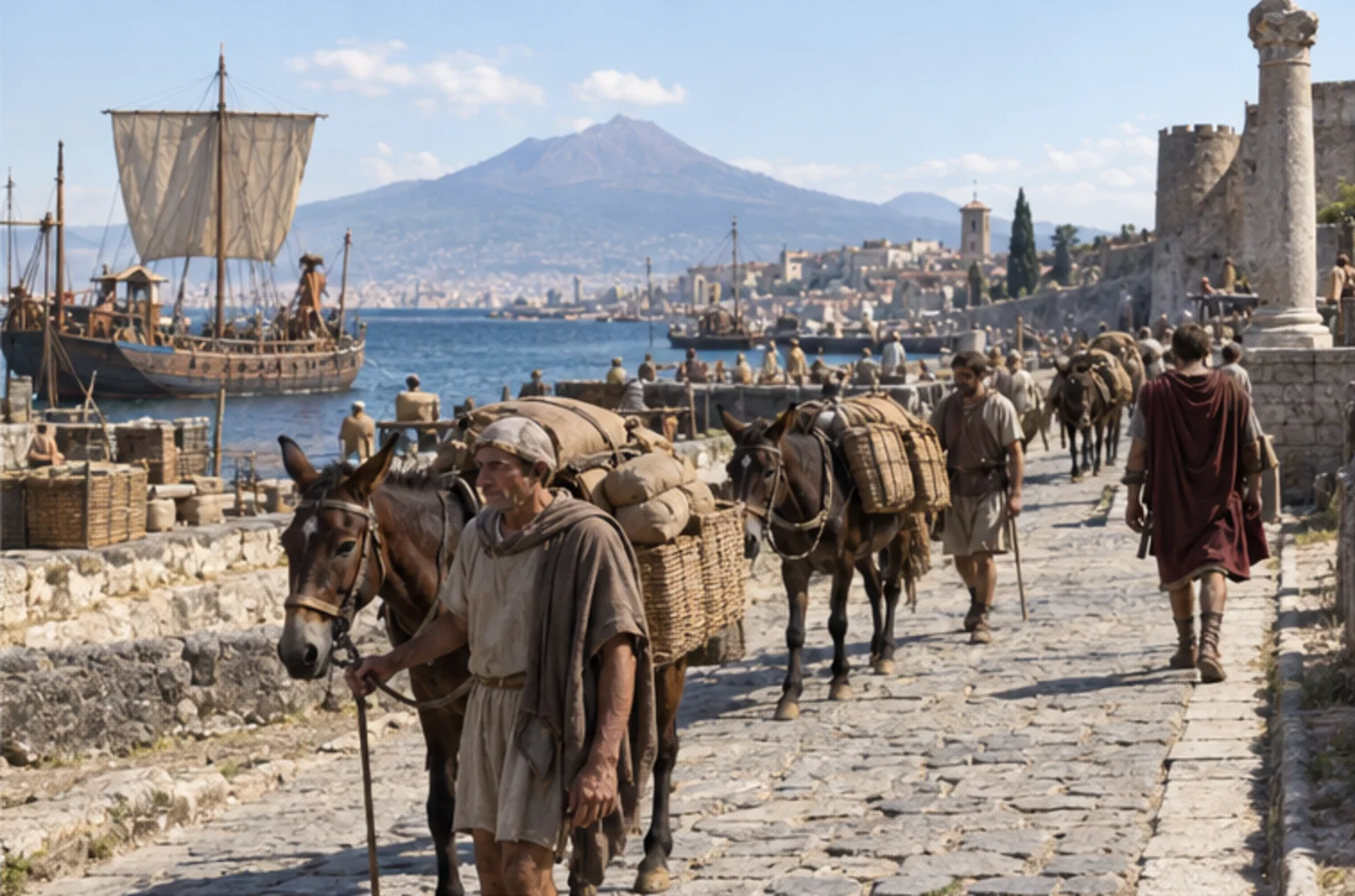
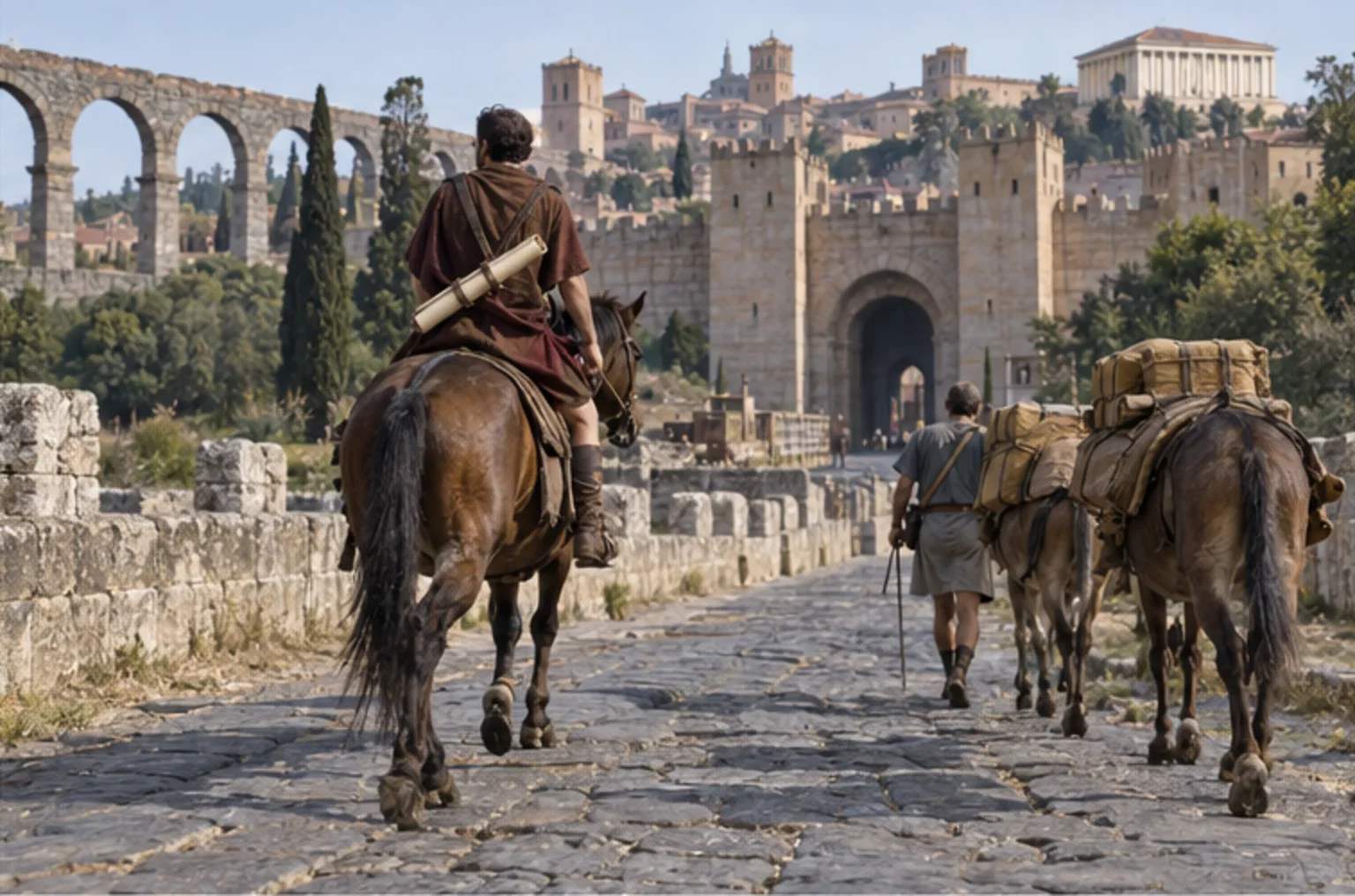
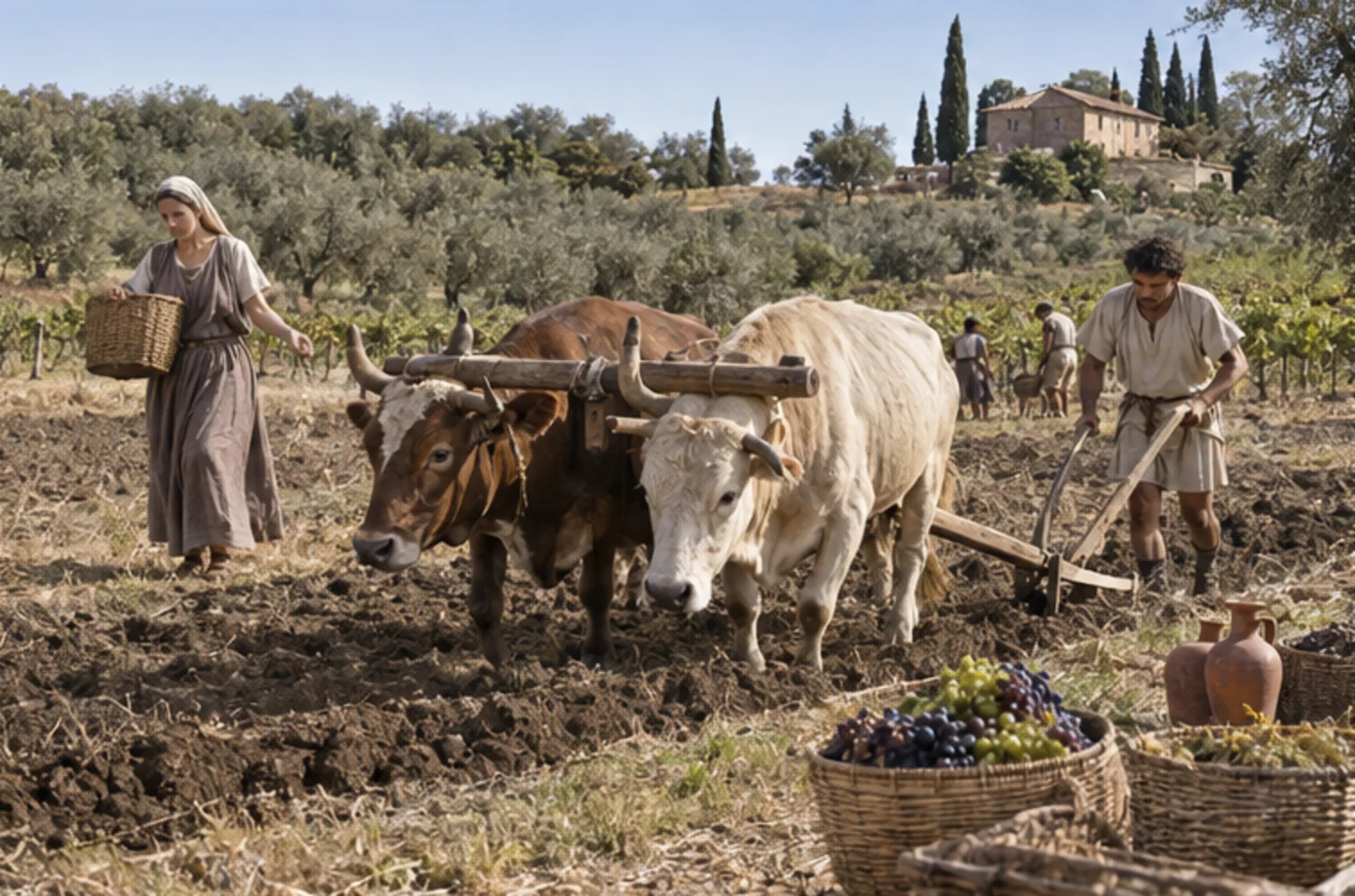
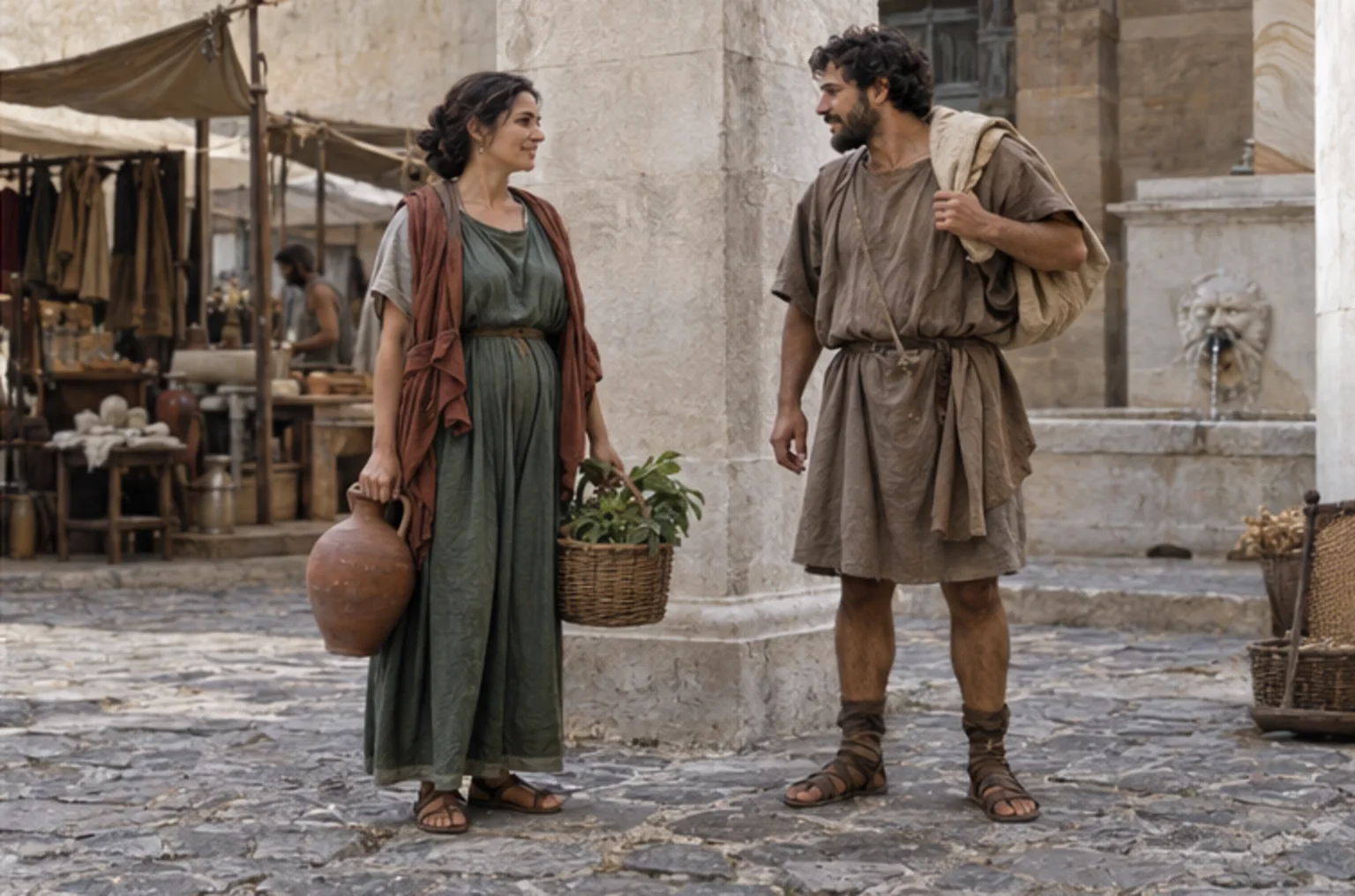
The corpus manifests do not yet establish the precise place and circumstances of composition. The images below document the author’s world or the text’s transmission. They do not claim to show the exact scene of writing.
These are modern reconstructions. They situate a documented place, practice, or transmission and are not period documents.
What the world looked like
Roman world, 1st century BCE to 3rd century CE
- State of technology
- Paved roads, aqueducts, concrete, glassware, mills, and hypocaust heating equip some cities, but energy comes mainly from bodies, animals, water, and wood.
- Science and knowledge
- Astronomy, geometry, natural history, and engineering compile Greek, Egyptian, and Roman knowledge. Measurement exists without a modern laboratory.
- Medicine and care
- Physicians, midwives, baths, plants, and rudimentary surgery can help; reliable anaesthesia, antisepsis, and antibiotics do not exist.
- Transport
- On foot, horseback, cart, or ship, road and sea networks connect the Empire. Travel remains slow, costly, and risky.
- Agriculture and food
- Grain, vines, olives, pulses, and livestock supply cities and armies; estates, slavery, and tenancy organize part of the labour.
- Communication
- Imperial couriers, letters on papyrus or tablets, inscriptions, and oral proclamations spread information. Everything is copied by hand.
- Clothing and fashion
- Tunics and cloaks are common to both sexes; the stola, toga, footwear, colours, and jewellery mark citizenship, office, wealth, and origin.
Editions, translations, and provenance
The following carriers represent the text. They do not create new passage identities.
- Latinoriginal
- EnglishAubrey Stewart
- FrenchJoseph Baillard
Source manifests: seneca.de_brevitate_vitae
Reader
Read page by page
On the Shortness of LifeSeneca