Symbolic illustration of On the Happy Life in the Prokopton42.com Library

Work

On the Happy Life

Seneca defines happiness as rational agreement with nature and rejects turning it into pursuit of pleasure. The essay also answers critics who oppose his wealth and proximity to power to the austere demands he professes.

Composition
c. 58 CE
Sources and precision

The internal chronology remains disputed. This range is a qualified reference point, not a certain year.

Confidence C · probable range

Tradition
Stoicism
Period
Antiquity
Languages
Latin · English · French
Extent
28 passages · 12,779 words

Before reading

What you will learn

Distinguish pleasure from the highest good, analyze Stoic use of wealth, and assess Seneca’s answer to the charge of inconsistency.

Short summary

Seneca defines happiness as rational agreement with nature and rejects turning it into pursuit of pleasure. The essay also answers critics who oppose his wealth and proximity to power to the austere demands he professes.

Long summary

The text first asks which guide to follow because majority opinion often reproduces error. Virtue, inner freedom, and governed use of external advantages are then opposed to a life subject to sensation.

Seneca admits he is not wise and defends the right to indicate a standard not yet fulfilled. The philosopher may possess wealth without being possessed by it. This distinction carries the dialogue’s tension among moral progress, personal justification, and visible consistency.

Inside this work

The table of contents follows the divisions actually carried by the corpus.

Work › Chapter

  1. Chapter 1
  2. Chapter 2
  3. Chapter 3
  4. Chapter 4
  5. Chapter 5
  6. Chapter 6
  7. Chapter 7
  8. Chapter 8
  9. Chapter 9
  10. Chapter 10
  11. Chapter 11
  12. Chapter 12
  13. Chapter 13
  14. Chapter 14
  15. Chapter 15
  16. Chapter 16
  17. Chapter 17
  18. Chapter 18
  19. Chapter 19
  20. Chapter 20
  21. Chapter 21
  22. Chapter 22
  23. Chapter 23
  24. Chapter 24
  25. Chapter 25
  26. Chapter 26
  27. Chapter 27
  28. Chapter 28

Concepts covered

Historical context

The world around the text

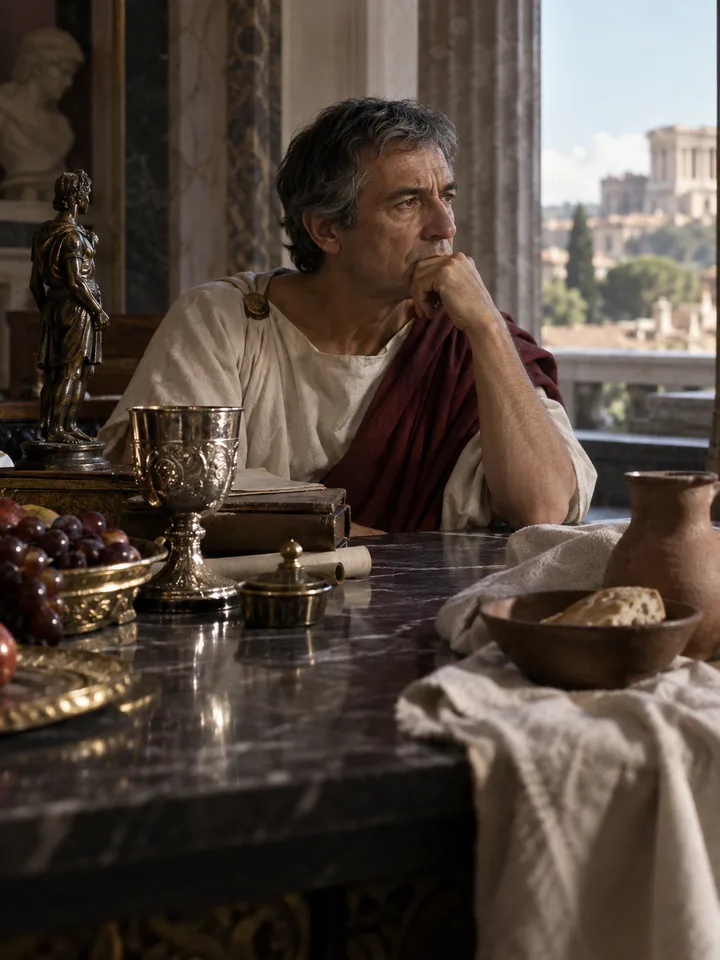
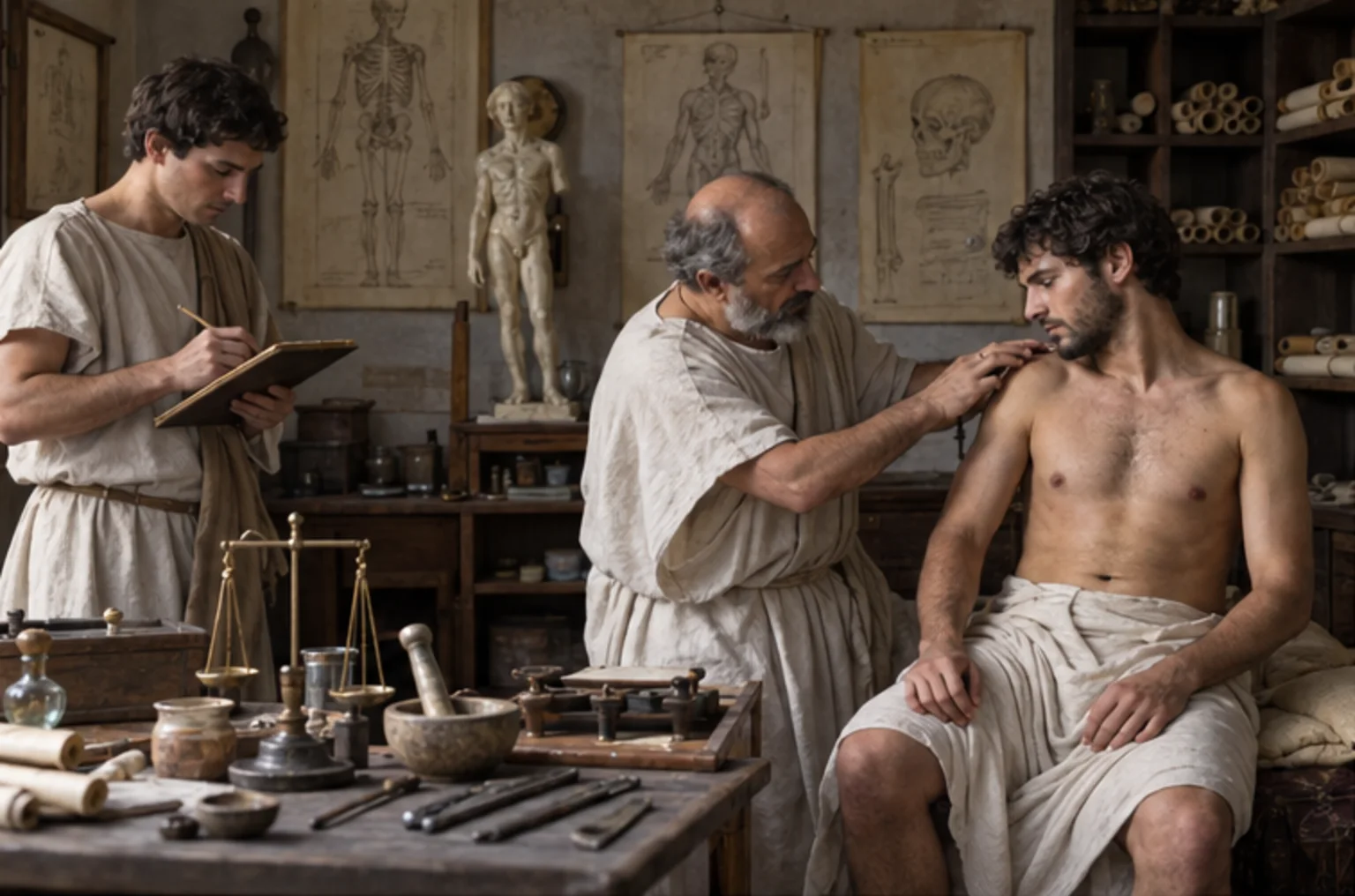
The corpus manifests do not yet establish the precise place and circumstances of composition. The images below document the author’s world or the text’s transmission. They do not claim to show the exact scene of writing.

These are modern reconstructions. They situate a documented place, practice, or transmission and are not period documents.
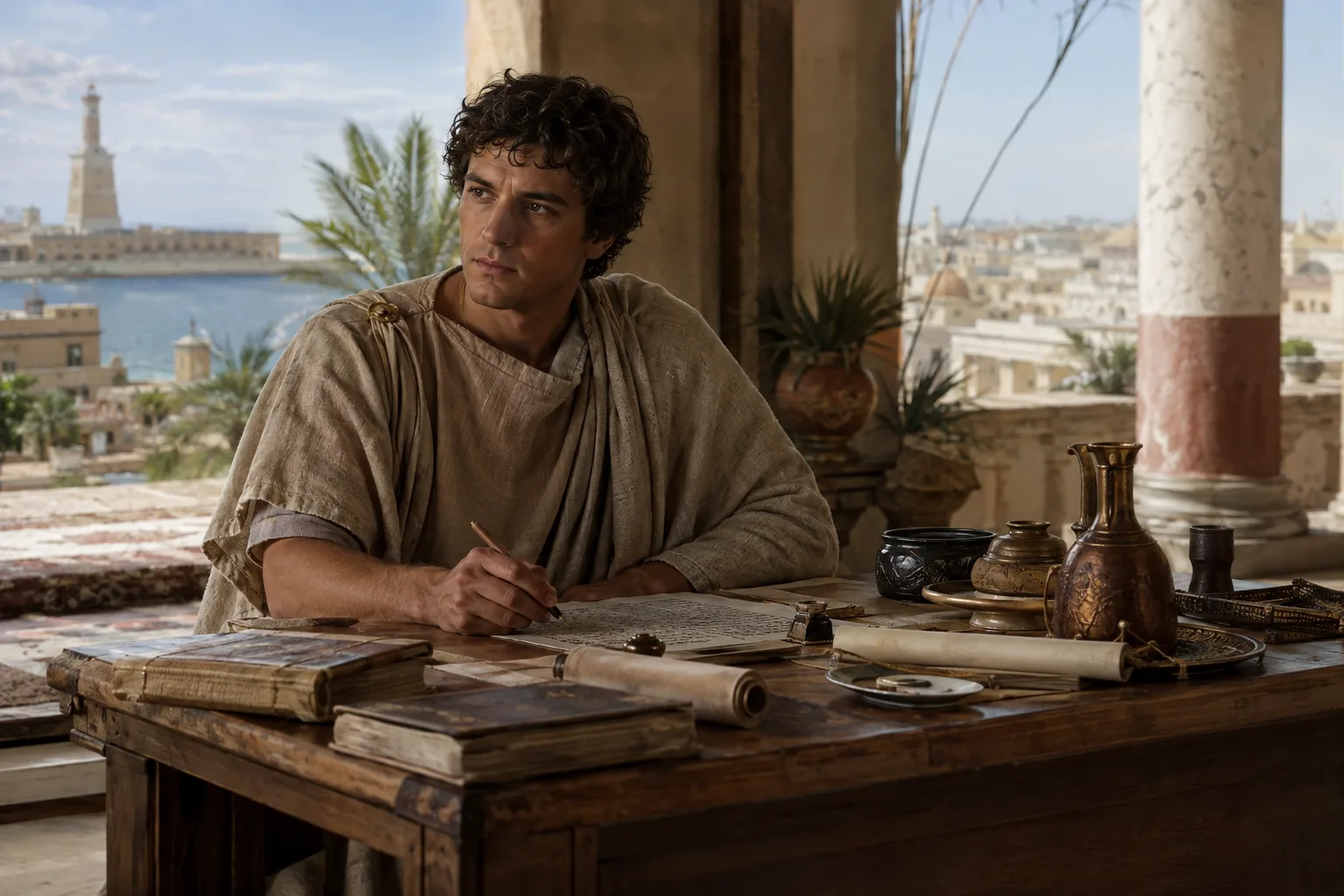
Modern reconstruction of Alexandria / Egypt for On the Happy Life on Prokopton42.com
Alexandria / EgyptExtended stay in Egypt for health and family connections. The generated scene uses Alexandria / Egypt and young adulthood as its documented anchors.Stanford Encyclopedia of Philosophy: Seneca
Modern reconstruction of Material world: technology, science, and care, 79 CE for On the Happy Life on Prokopton42.com
Material world: technology, science, and care, 79 CEVesuvius buries Pompeii and Herculaneum, preserving an abrupt cross-section of Roman life. The image situates On the Happy Life without claiming to show its scene of composition.
Modern reconstruction of Material world: agriculture and food, 54 CE for On the Happy Life on Prokopton42.com
Material world: agriculture and food, 54 CENero becomes emperor. Seneca serves as tutor and, for a time, political adviser. The image situates On the Happy Life without claiming to show its scene of composition.

What the world looked like

Roman world, 1st century BCE to 3rd century CE
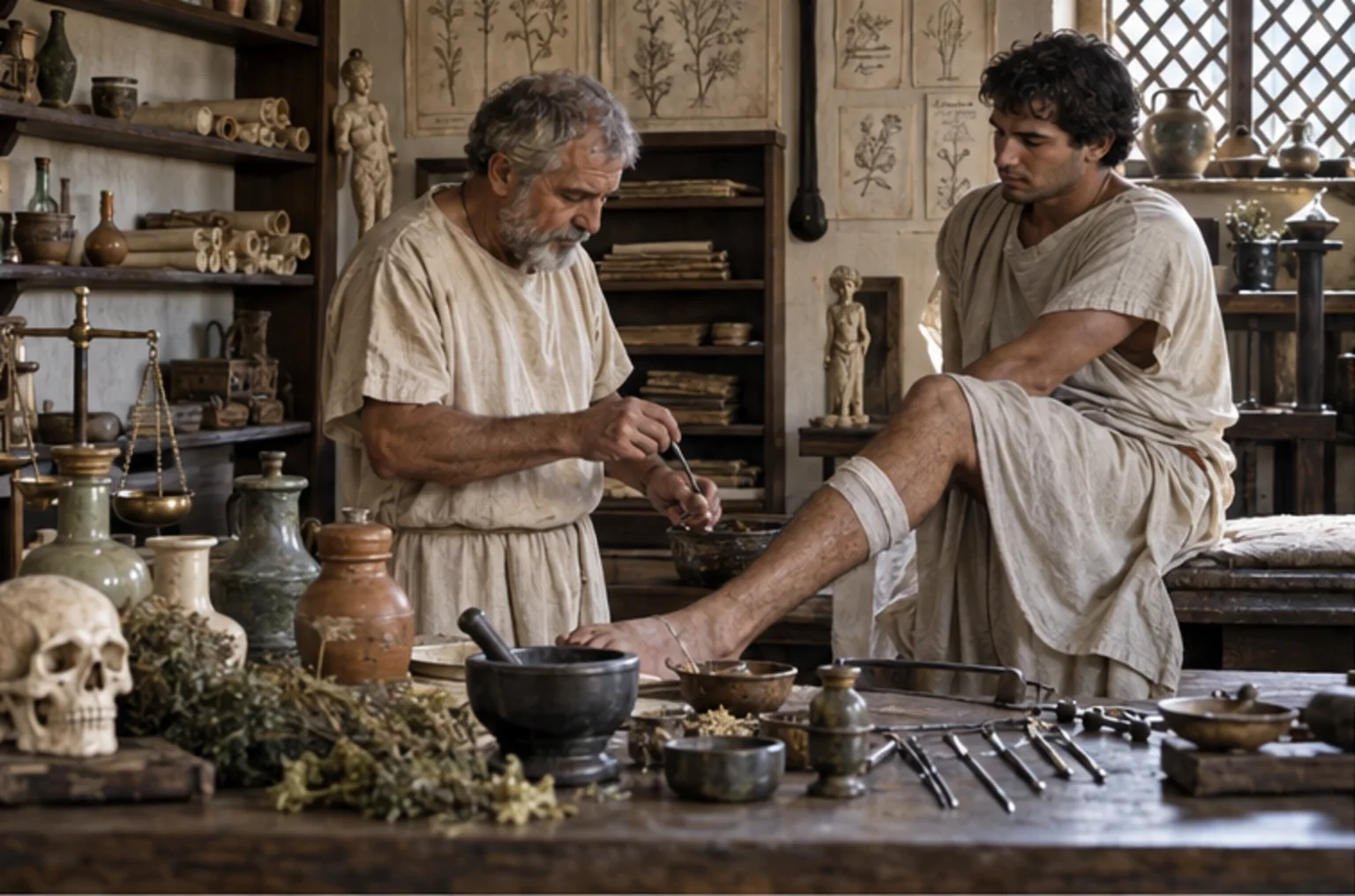
Modern reconstruction of the material world around On the Happy Life: Technology, science, and care
Technology, science, and carePaved roads, aqueducts, concrete, glassware, mills, and hypocaust heating equip some cities, but energy comes mainly from bodies, animals, water, and wood. Astronomy, geometry, natural history, and engineering compile Greek, Egyptian, and Roman knowledge. Measurement exists without a modern laboratory. Physicians, midwives, baths, plants, and rudimentary surgery can help; reliable anaesthesia, antisepsis, and antibiotics do not exist.
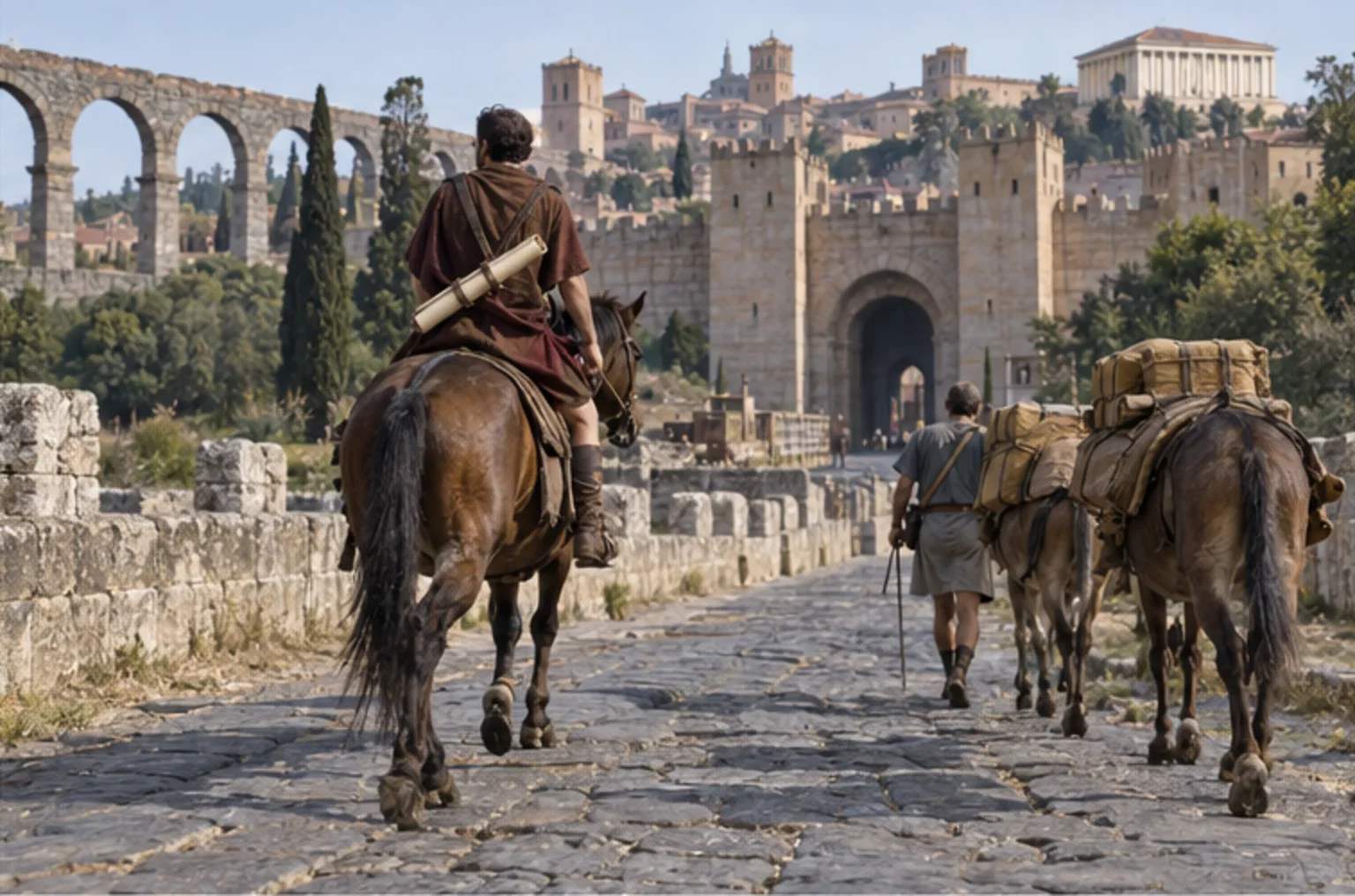
Modern reconstruction of the material world around On the Happy Life: Travel and communication
Travel and communicationOn foot, horseback, cart, or ship, road and sea networks connect the Empire. Travel remains slow, costly, and risky. Imperial couriers, letters on papyrus or tablets, inscriptions, and oral proclamations spread information. Everything is copied by hand.
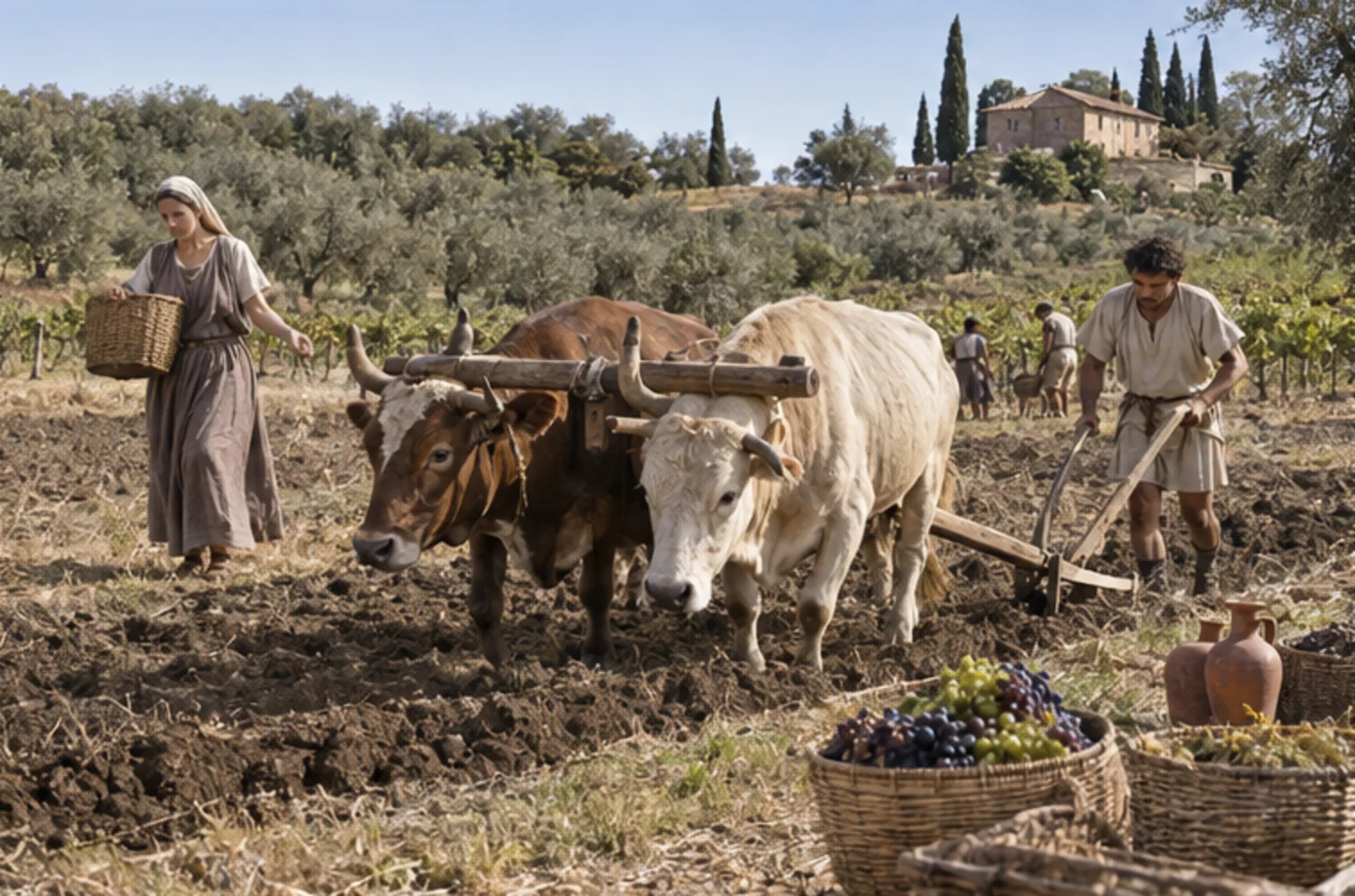
Modern reconstruction of the material world around On the Happy Life: Farming and food
Farming and foodGrain, vines, olives, pulses, and livestock supply cities and armies; estates, slavery, and tenancy organize part of the labour.
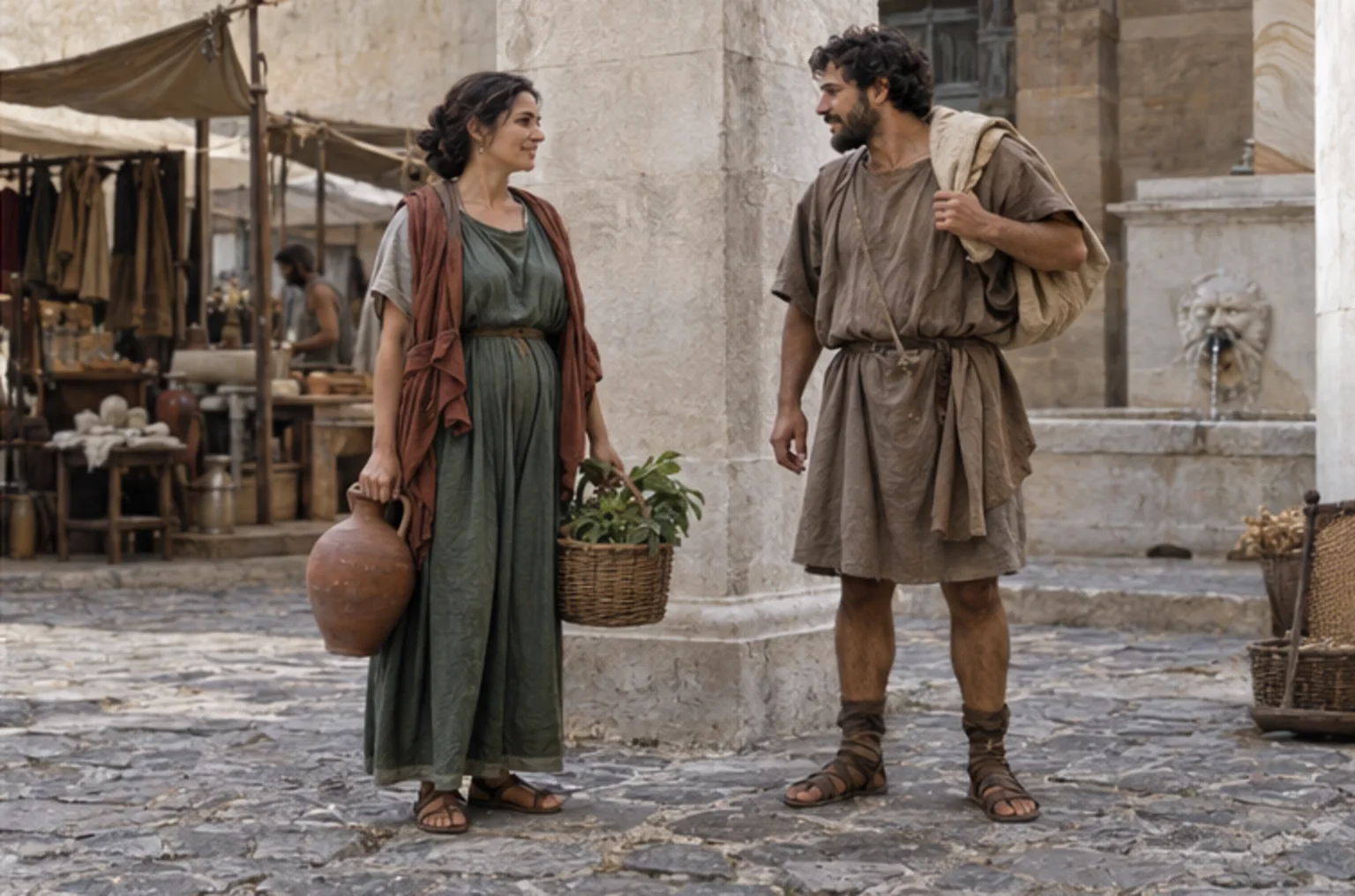
Modern reconstruction of the material world around On the Happy Life: Clothing, women and men
Clothing, women and menTunics and cloaks are common to both sexes; the stola, toga, footwear, colours, and jewellery mark citizenship, office, wealth, and origin.
State of technology
Paved roads, aqueducts, concrete, glassware, mills, and hypocaust heating equip some cities, but energy comes mainly from bodies, animals, water, and wood.
Science and knowledge
Astronomy, geometry, natural history, and engineering compile Greek, Egyptian, and Roman knowledge. Measurement exists without a modern laboratory.
Medicine and care
Physicians, midwives, baths, plants, and rudimentary surgery can help; reliable anaesthesia, antisepsis, and antibiotics do not exist.
Transport
On foot, horseback, cart, or ship, road and sea networks connect the Empire. Travel remains slow, costly, and risky.
Agriculture and food
Grain, vines, olives, pulses, and livestock supply cities and armies; estates, slavery, and tenancy organize part of the labour.
Communication
Imperial couriers, letters on papyrus or tablets, inscriptions, and oral proclamations spread information. Everything is copied by hand.
Clothing and fashion
Tunics and cloaks are common to both sexes; the stola, toga, footwear, colours, and jewellery mark citizenship, office, wealth, and origin.

Editions, translations, and provenance

The following carriers represent the text. They do not create new passage identities.

  • Latinoriginal
  • EnglishAubrey Stewart
  • FrenchJoseph Baillard

Source manifests: seneca.de_vita_beata

Reader

Read page by page

On the Happy LifeSeneca

Before reading

What you will learn

Open the full record