Work
On the Firmness of the Wise Person
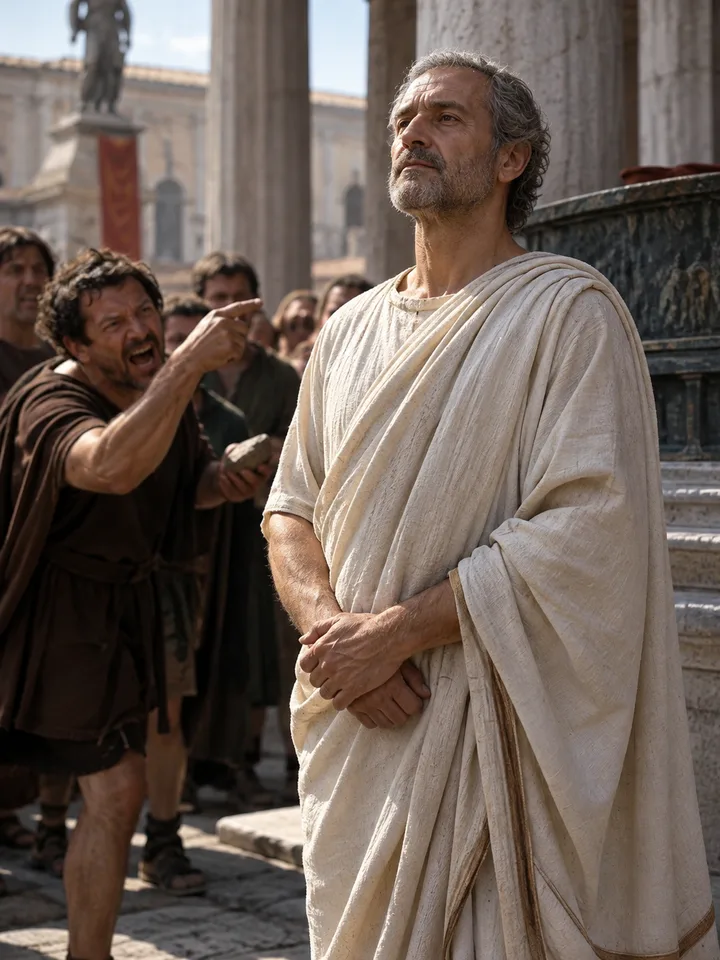
In an exchange with Serenus, Seneca defends the Stoic paradox that the wise person can suffer neither moral injury nor true insult. External attacks reach property, body, or reputation but not a virtue independent of them.
Before reading
What you will learn
Distinguish moral harm, pain, and insult, understand the Stoic definition of goods, and test the social reach of the wise person’s invulnerability.
Short summary
In an exchange with Serenus, Seneca defends the Stoic paradox that the wise person can suffer neither moral injury nor true insult. External attacks reach property, body, or reputation but not a virtue independent of them.
Long summary
The text distinguishes injury intending harm from insult seeking humiliation. Examples of philosophers, military comparisons, and definitions of goods sustain the image of a moral citadel inaccessible to fortune.
Such invulnerability does not describe physical insensibility or absence of an initial reaction. It depends on a strict definition of harm as loss of virtue. The thesis gains coherence through that definition but requires attention to what it excludes from social experience of humiliation.
Inside this work
The table of contents follows the divisions actually carried by the corpus.
Work › Chapter
Concepts covered
Historical context
The world around the text
The corpus manifests do not yet establish the precise place and circumstances of composition. The images below document the author’s world or the text’s transmission. They do not claim to show the exact scene of writing.
These are modern reconstructions. They situate a documented place, practice, or transmission and are not period documents.
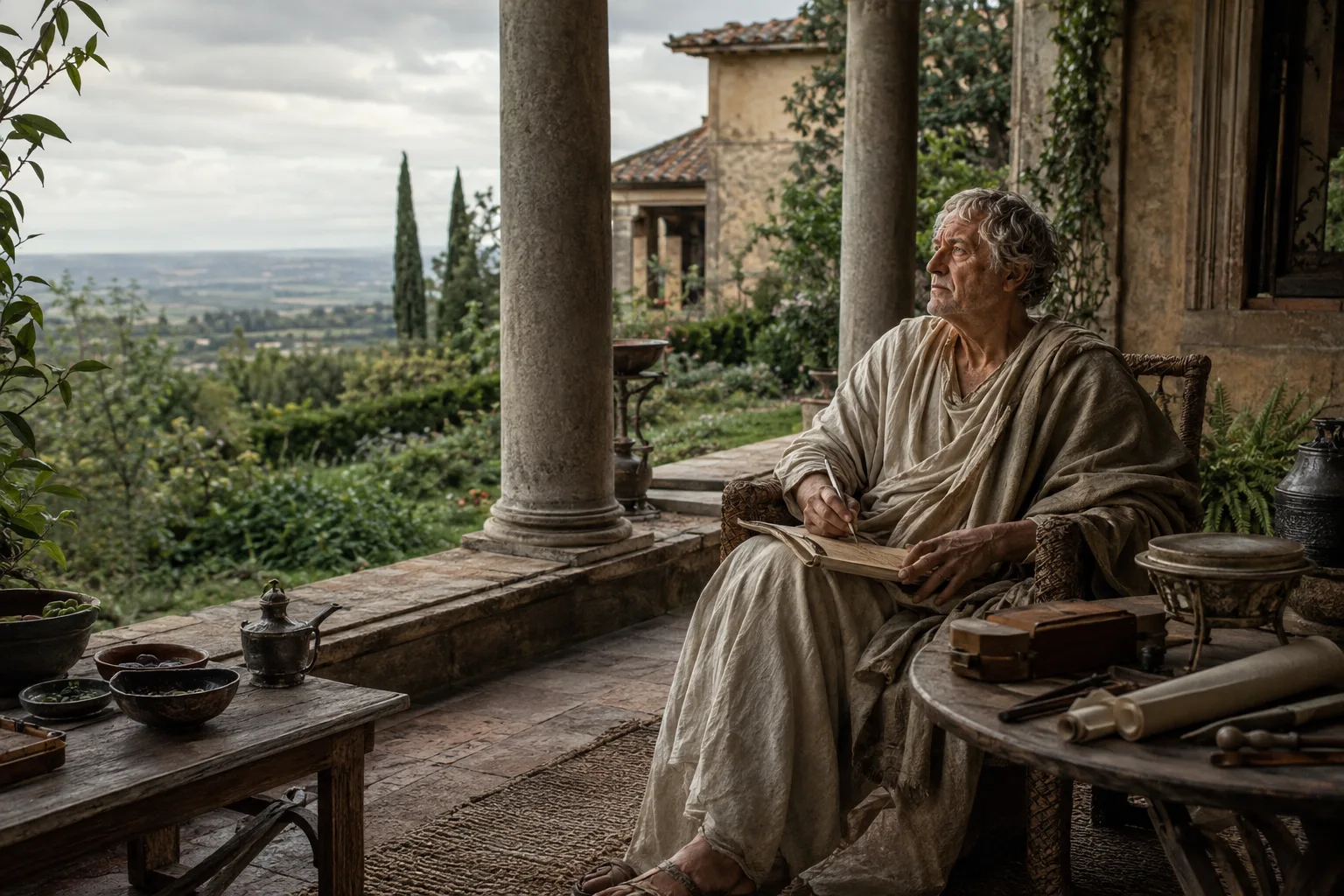
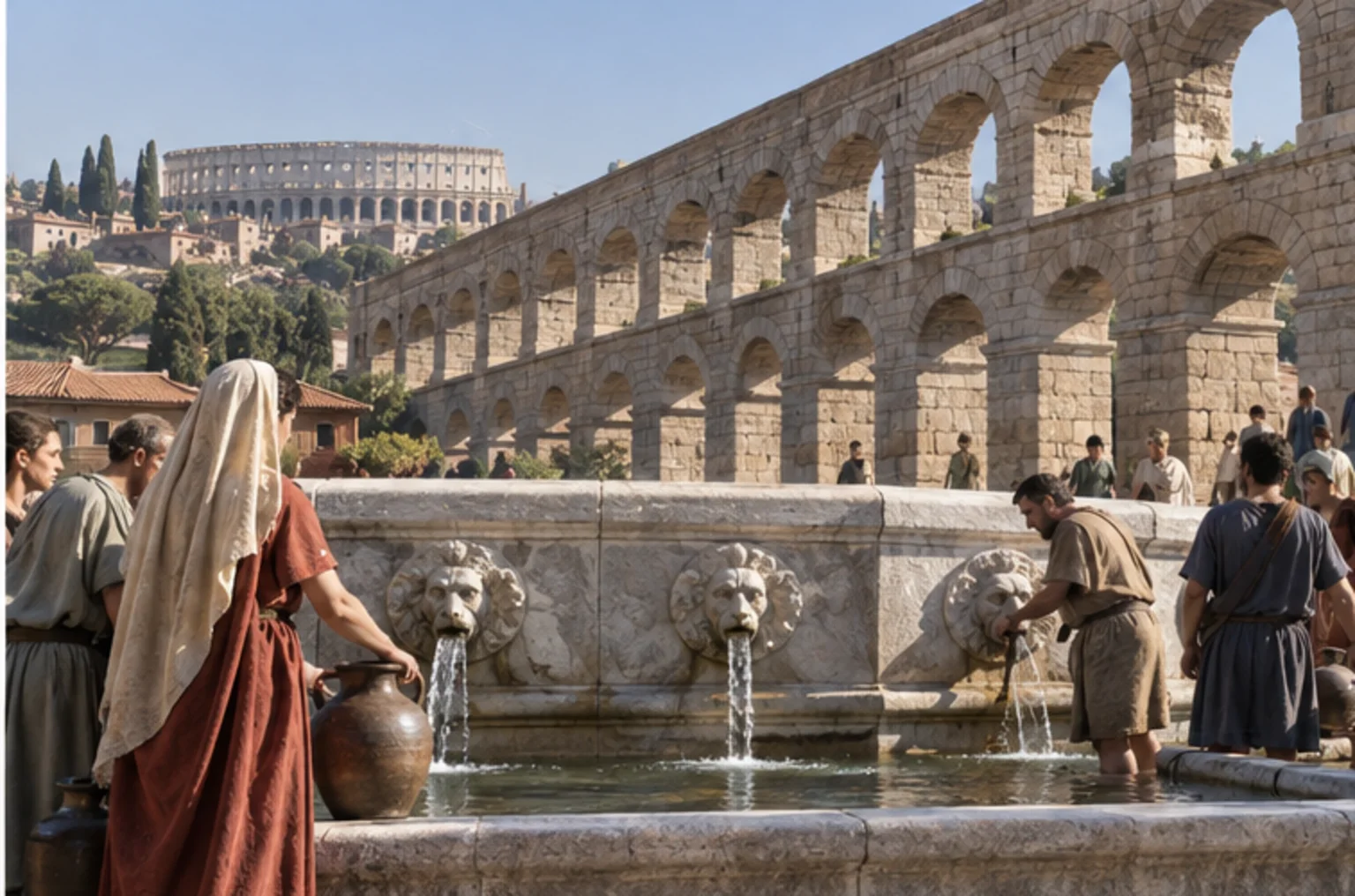
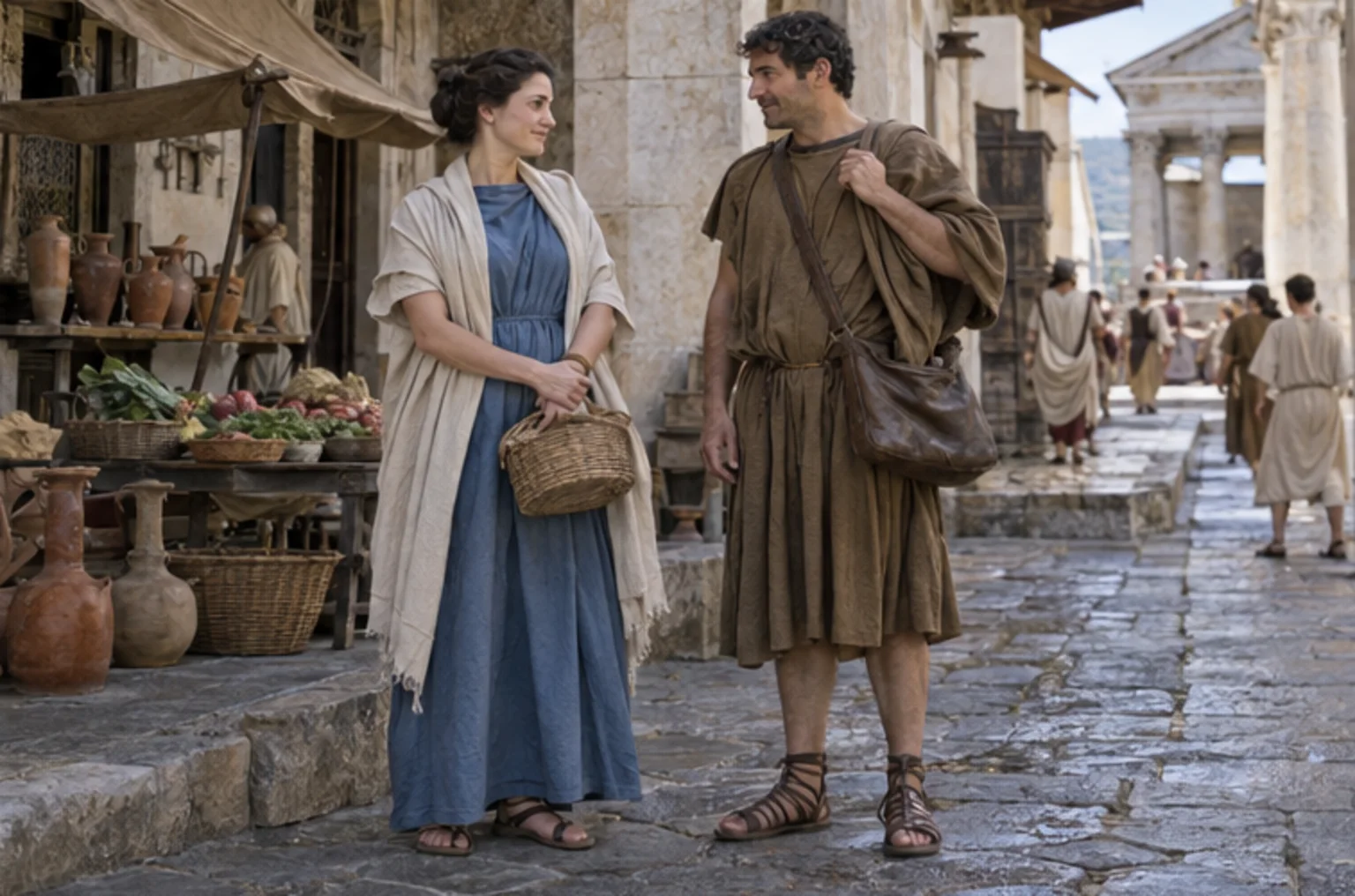
What the world looked like
Roman world, 1st century BCE to 3rd century CE
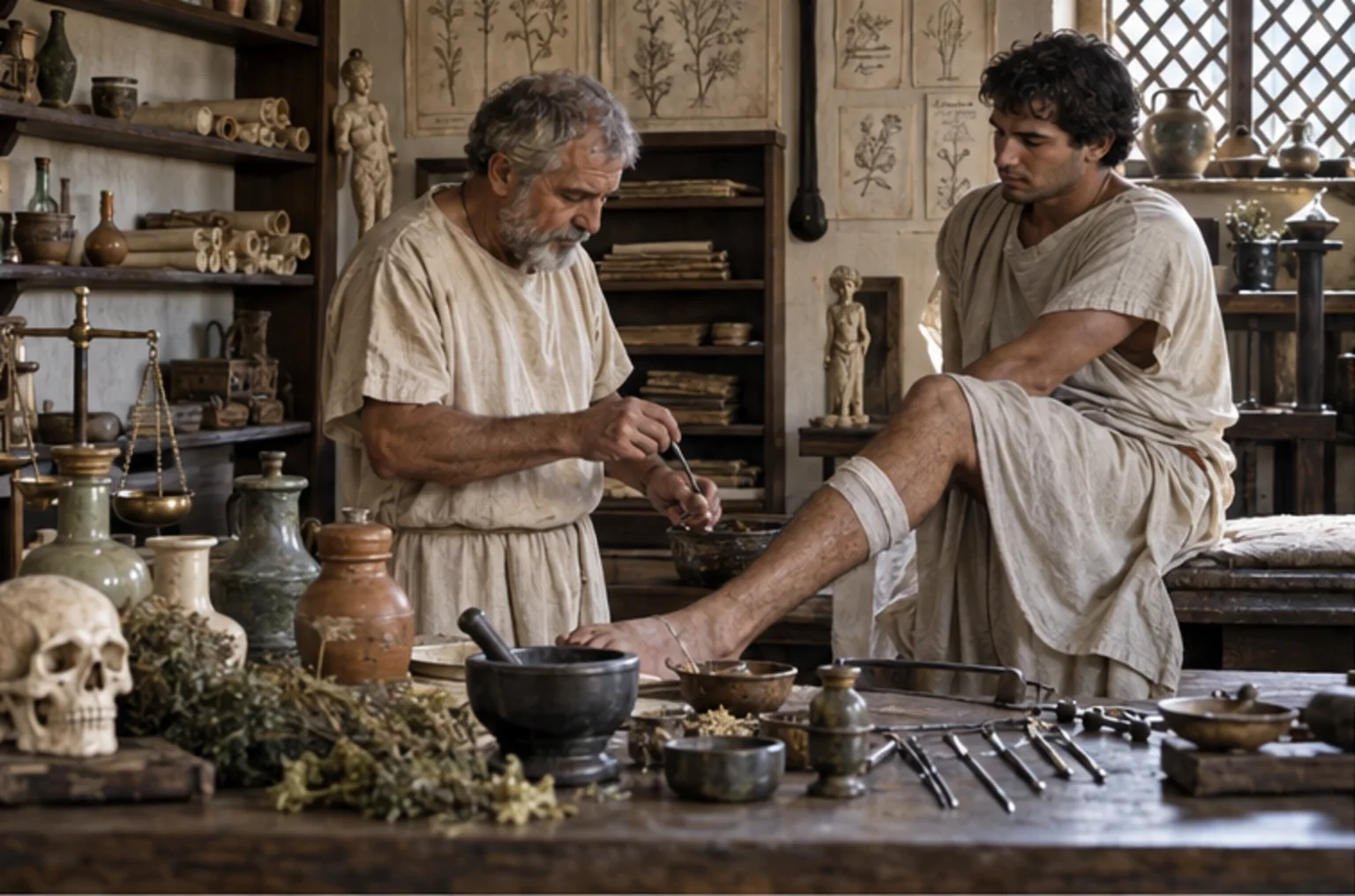
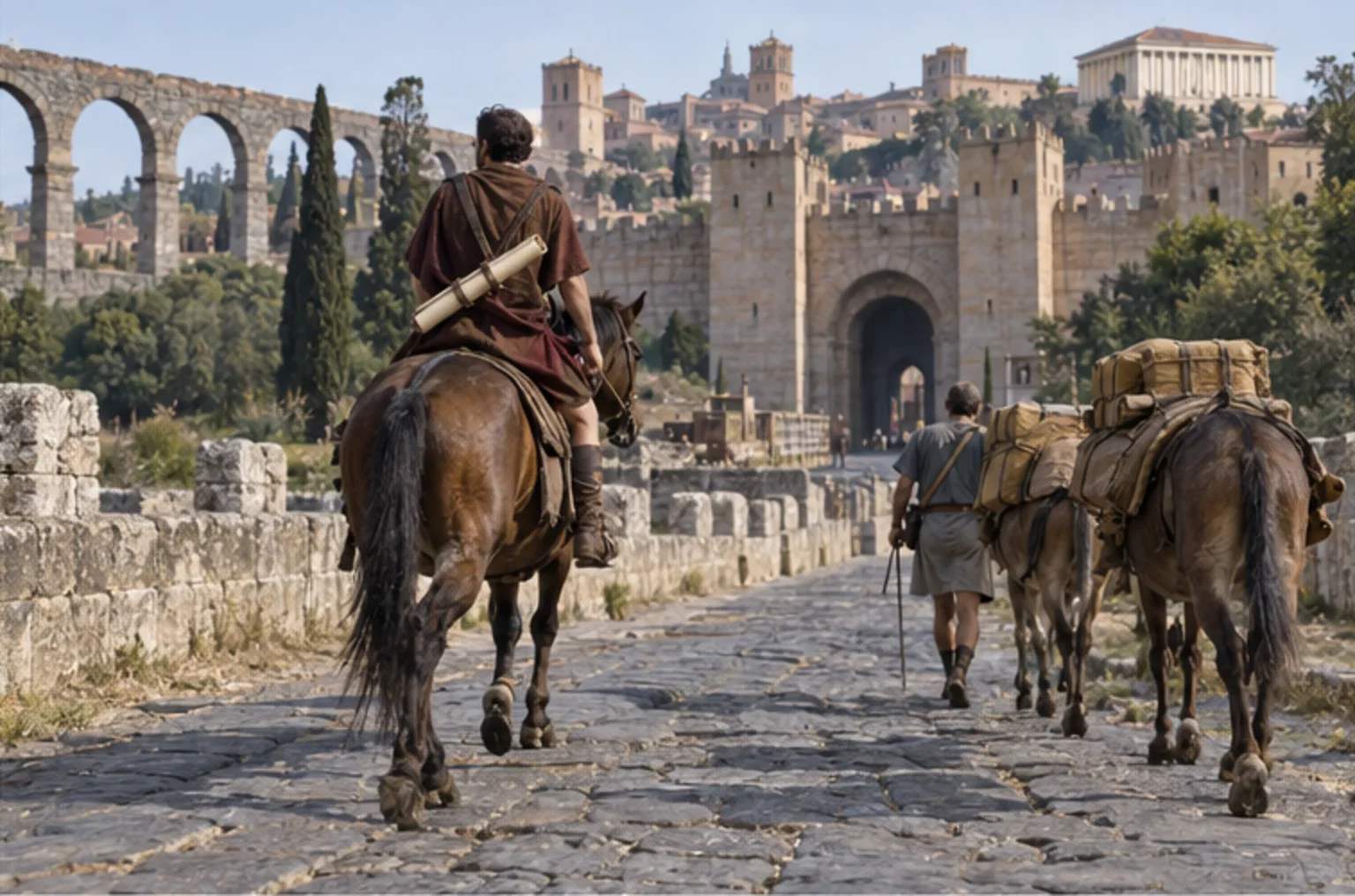
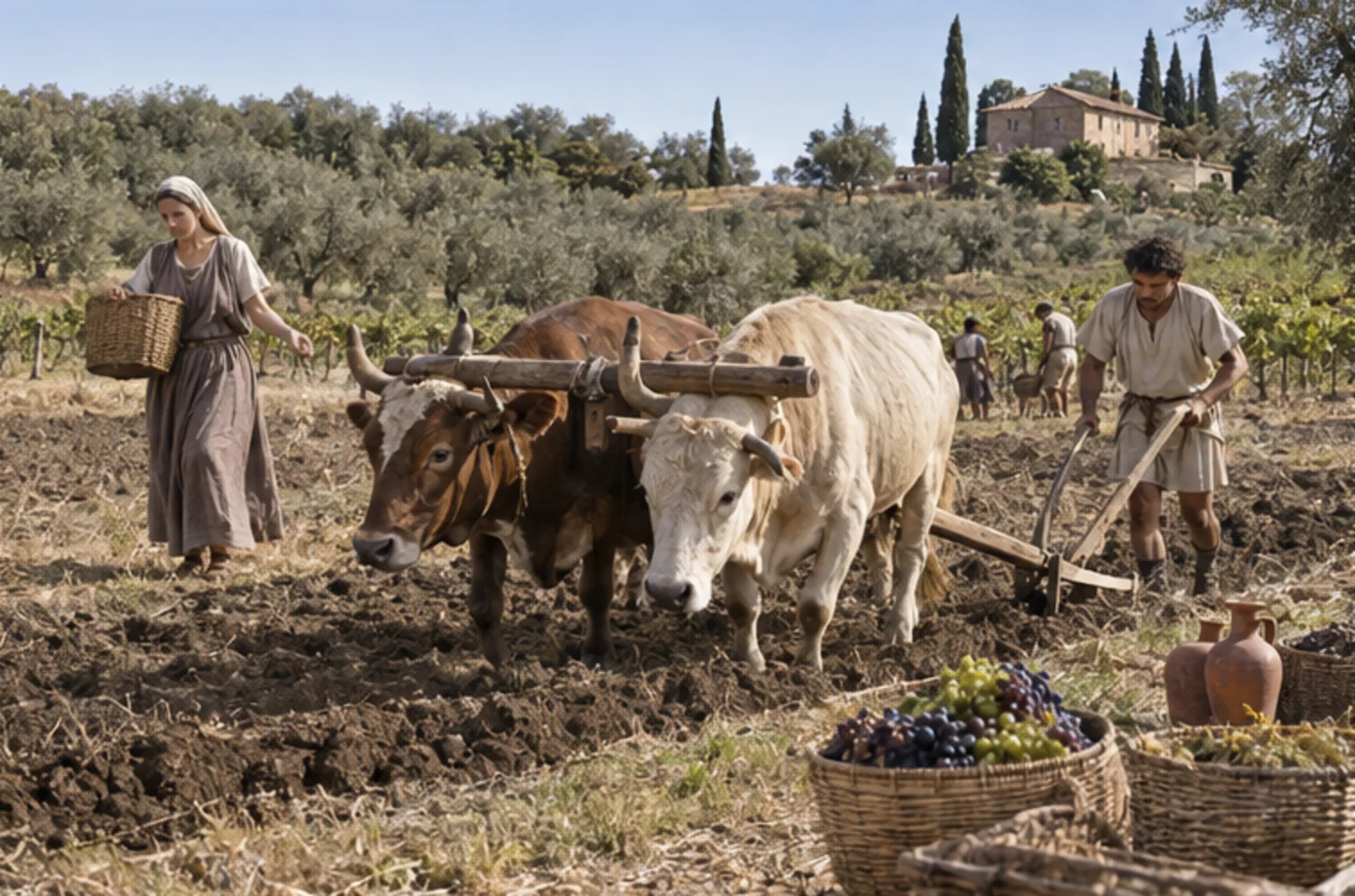
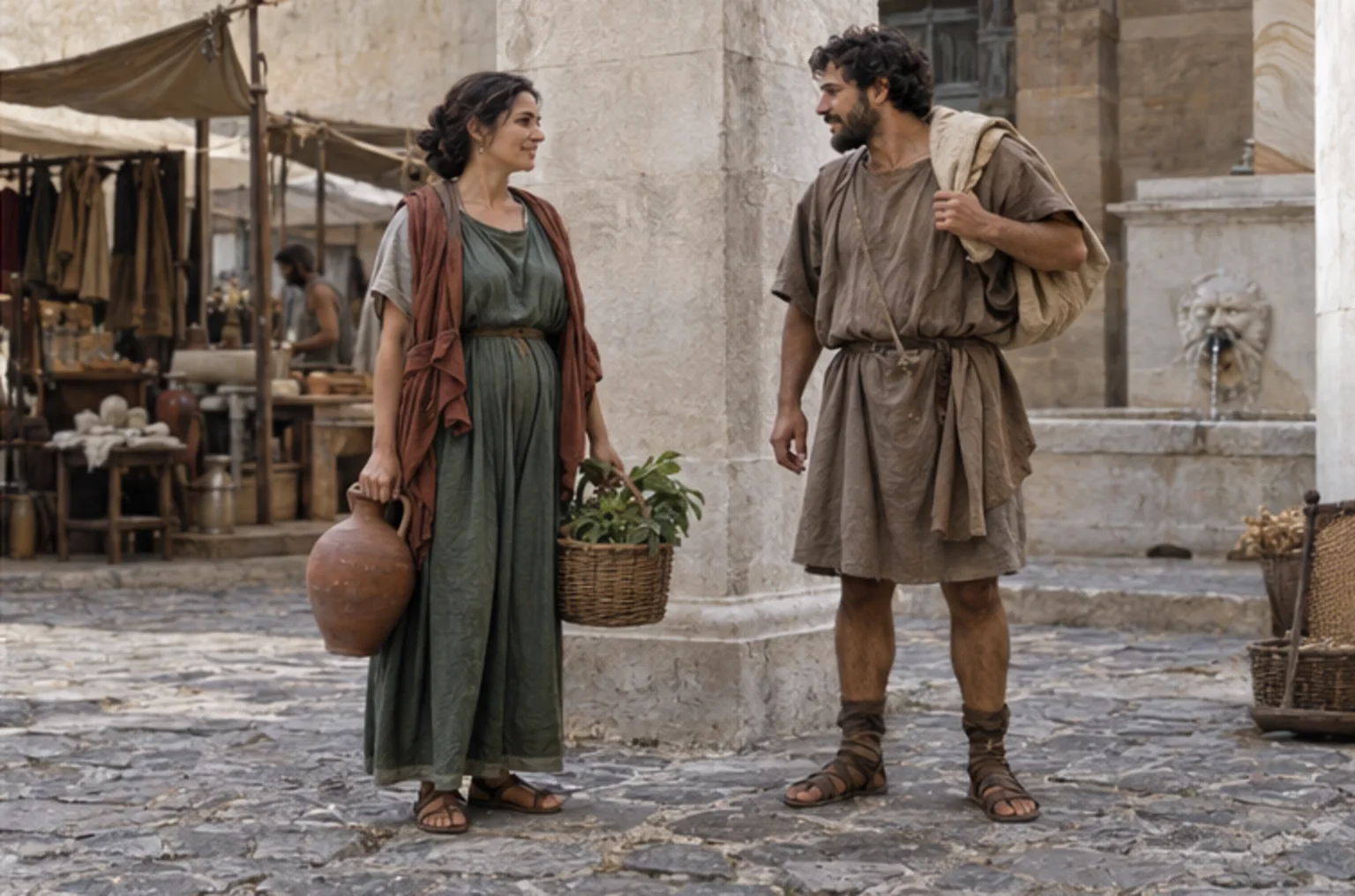
- State of technology
- Paved roads, aqueducts, concrete, glassware, mills, and hypocaust heating equip some cities, but energy comes mainly from bodies, animals, water, and wood.
- Science and knowledge
- Astronomy, geometry, natural history, and engineering compile Greek, Egyptian, and Roman knowledge. Measurement exists without a modern laboratory.
- Medicine and care
- Physicians, midwives, baths, plants, and rudimentary surgery can help; reliable anaesthesia, antisepsis, and antibiotics do not exist.
- Transport
- On foot, horseback, cart, or ship, road and sea networks connect the Empire. Travel remains slow, costly, and risky.
- Agriculture and food
- Grain, vines, olives, pulses, and livestock supply cities and armies; estates, slavery, and tenancy organize part of the labour.
- Communication
- Imperial couriers, letters on papyrus or tablets, inscriptions, and oral proclamations spread information. Everything is copied by hand.
- Clothing and fashion
- Tunics and cloaks are common to both sexes; the stola, toga, footwear, colours, and jewellery mark citizenship, office, wealth, and origin.
Editions, translations, and provenance
The following carriers represent the text. They do not create new passage identities.
- Latinoriginal
- EnglishAubrey Stewart
- FrenchJoseph Baillard
Source manifests: seneca.de_constantia_sapientis
Reader
Read page by page
On the Firmness of the Wise PersonSeneca