Gospel collection
The Four Gospels
Matthew, Mark, Luke, and John narrate Jesus’ activity and teaching, the conflicts leading to his death, and the resurrection proclaimed by his followers. Read together, they reveal a shared outline and four distinct literary and theological portraits.
- Composition
- c. 65-100 CE, depending on the Gospel
Sources and precision
The range describes formation of the collection. Individual units may have different dates.
Confidence C · probable range
- Tradition
- Christianity
- Period
- Antiquity
- Languages
- English · French · Latin
- Extent
- 89 passages · 83,949 words
Before reading
What you will learn
Compare the narrative choices of the four Gospels, notice agreements and divergences, then distinguish reported sayings of Jesus from the way each tradition organizes and interprets his story.
Short summary
Matthew, Mark, Luke, and John narrate Jesus’ activity and teaching, the conflicts leading to his death, and the resurrection proclaimed by his followers. Read together, they reveal a shared outline and four distinct literary and theological portraits.
Long summary
The canonical Gospels follow a recognizable outline: Jesus’ public activity, teaching, encounters, controversies, journey to Jerusalem, Passion, and proclaimed resurrection. Matthew, Mark, and Luke share many episodes; John adopts a more distinct composition and language.
Comparison reveals choices of pace, order, and theological emphasis. A parable, healing, or saying may move or change form, while some episodes occur in only one account. These differences are not details to smooth away: they show how each tradition transmits and interprets the figure of Jesus for its audience.
Inside this work
The table of contents follows the divisions actually carried by the corpus.
Work › Biblical book › Chapter › Verse
Matthew28 passages
Mark16 passages
Luke24 passages
Concepts covered
Historical context
The world around the text
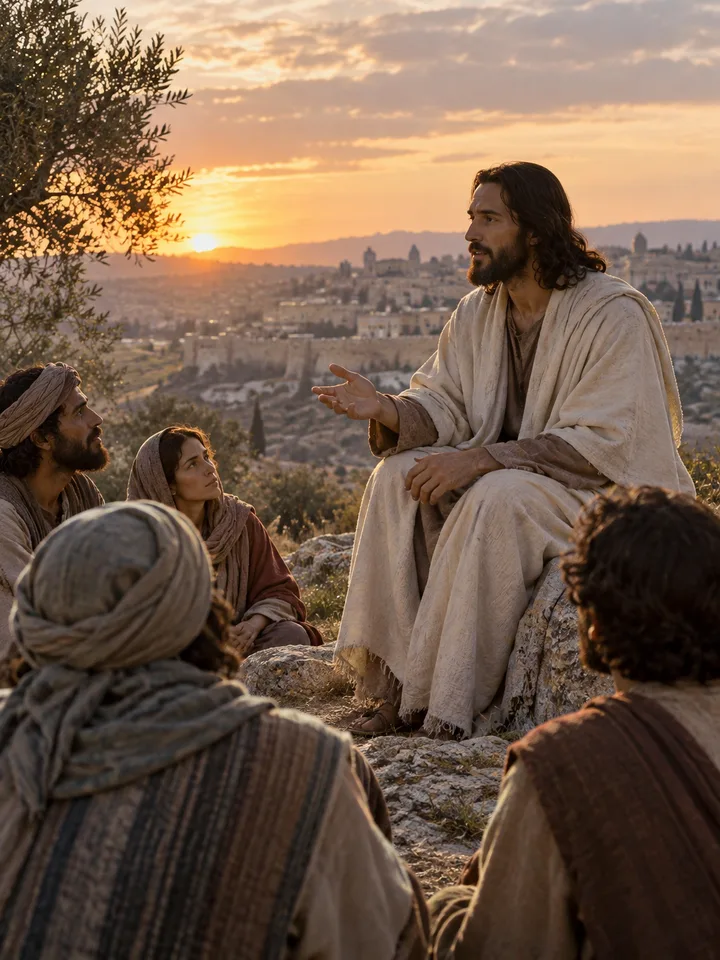
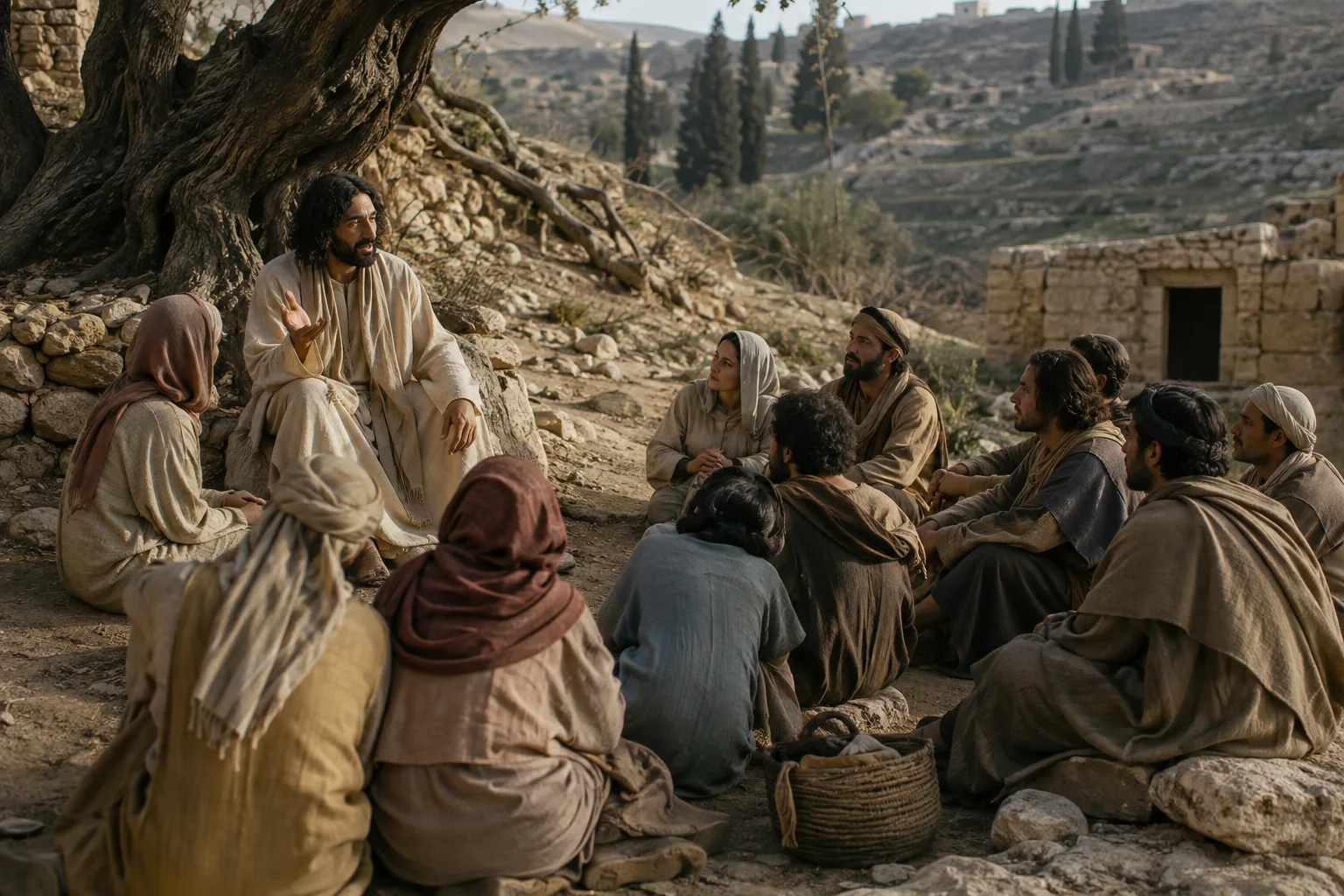
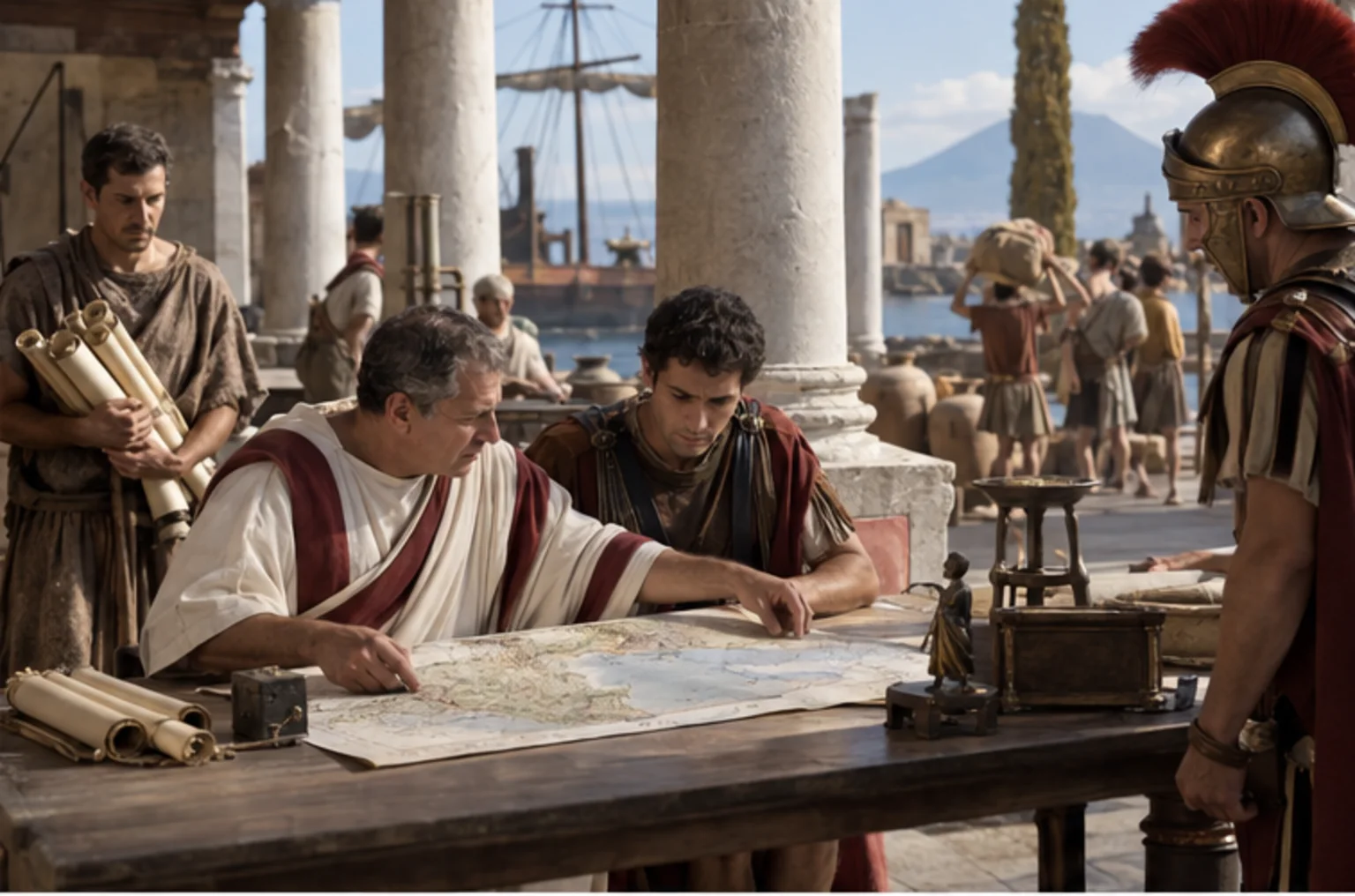
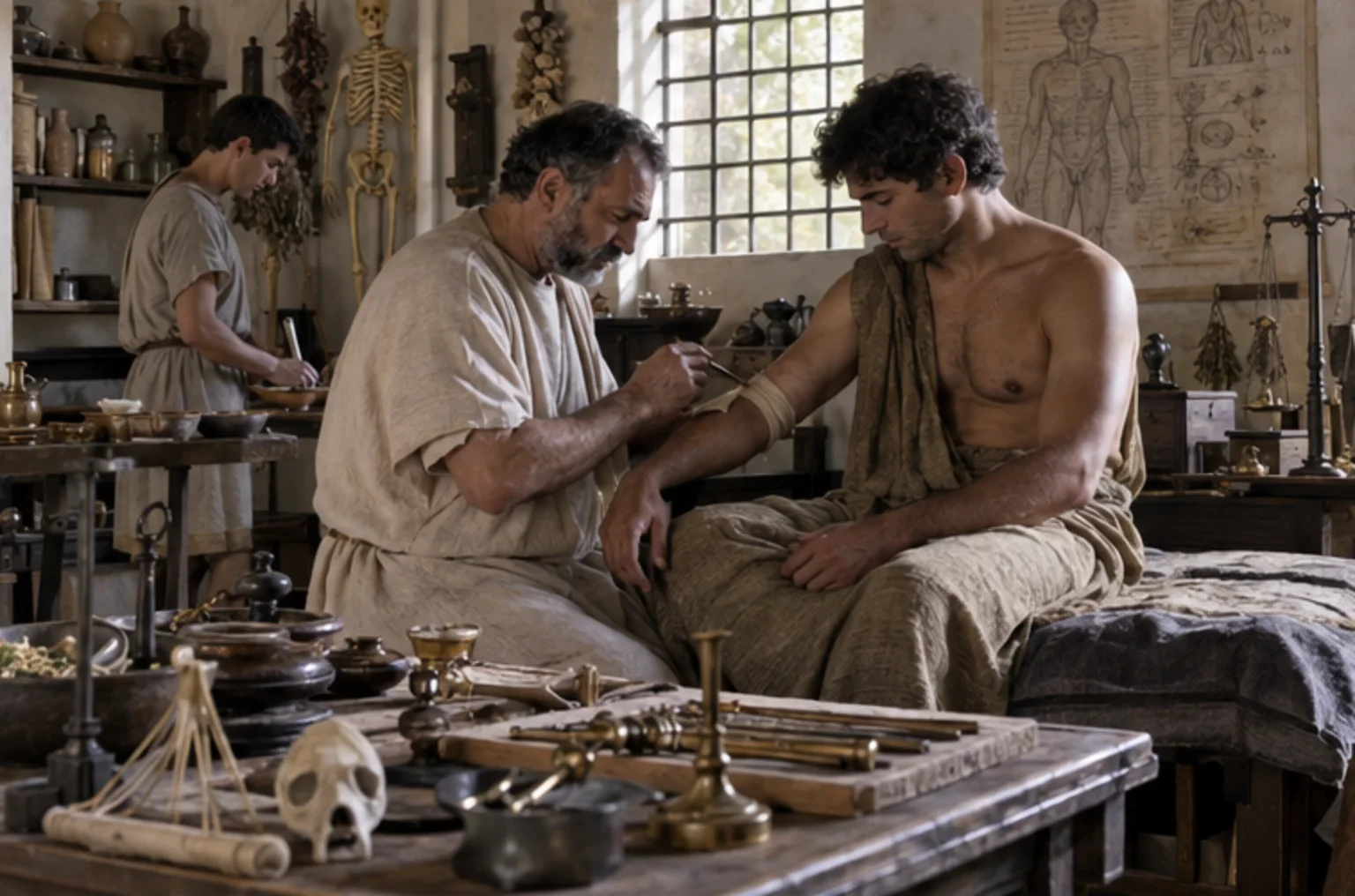
The Gospels take shape in the first century within a Jewish world under Roman rule, across Galilee, Judaea, and communities of the eastern Mediterranean. The destruction of the Temple in 70 CE, oral circulation of stories, and the needs of distinct communities help explain their differences. The images situate this shared setting without claiming to show the exact composition scene of any one text.
These are modern reconstructions. They situate a documented place, practice, or transmission and are not period documents.
What the world looked like
Roman world, 1st century BCE to 3rd century CE
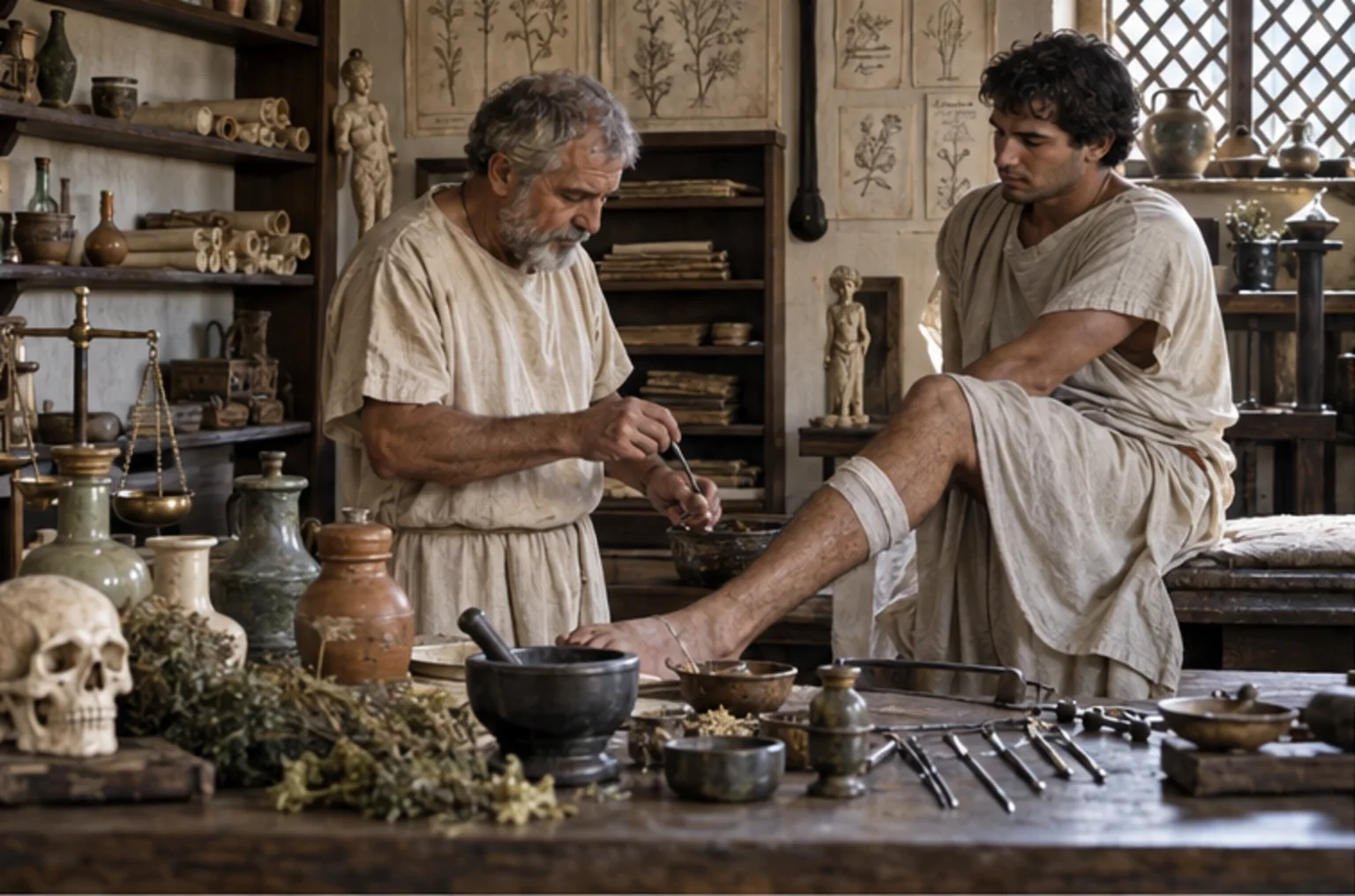
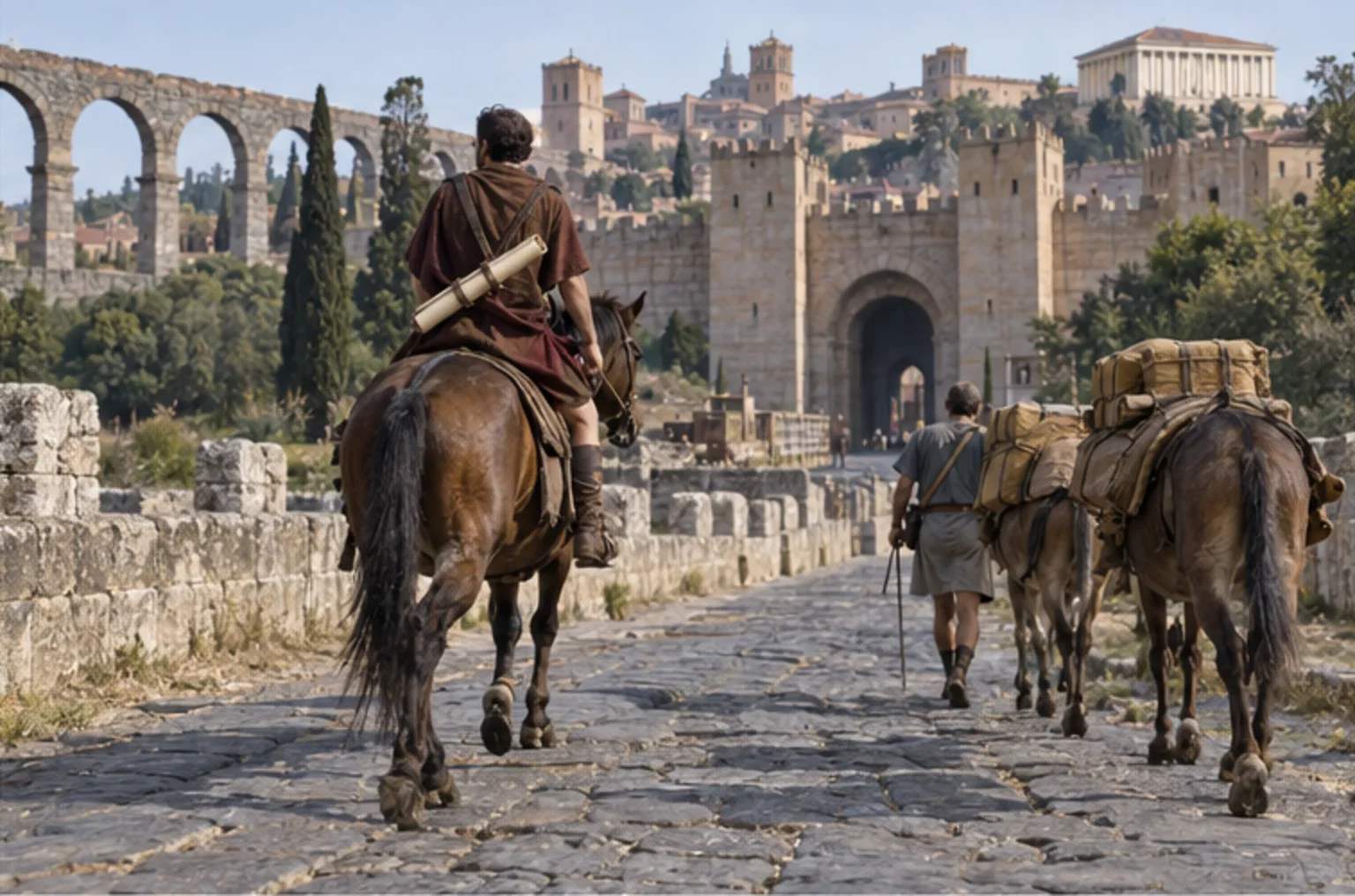
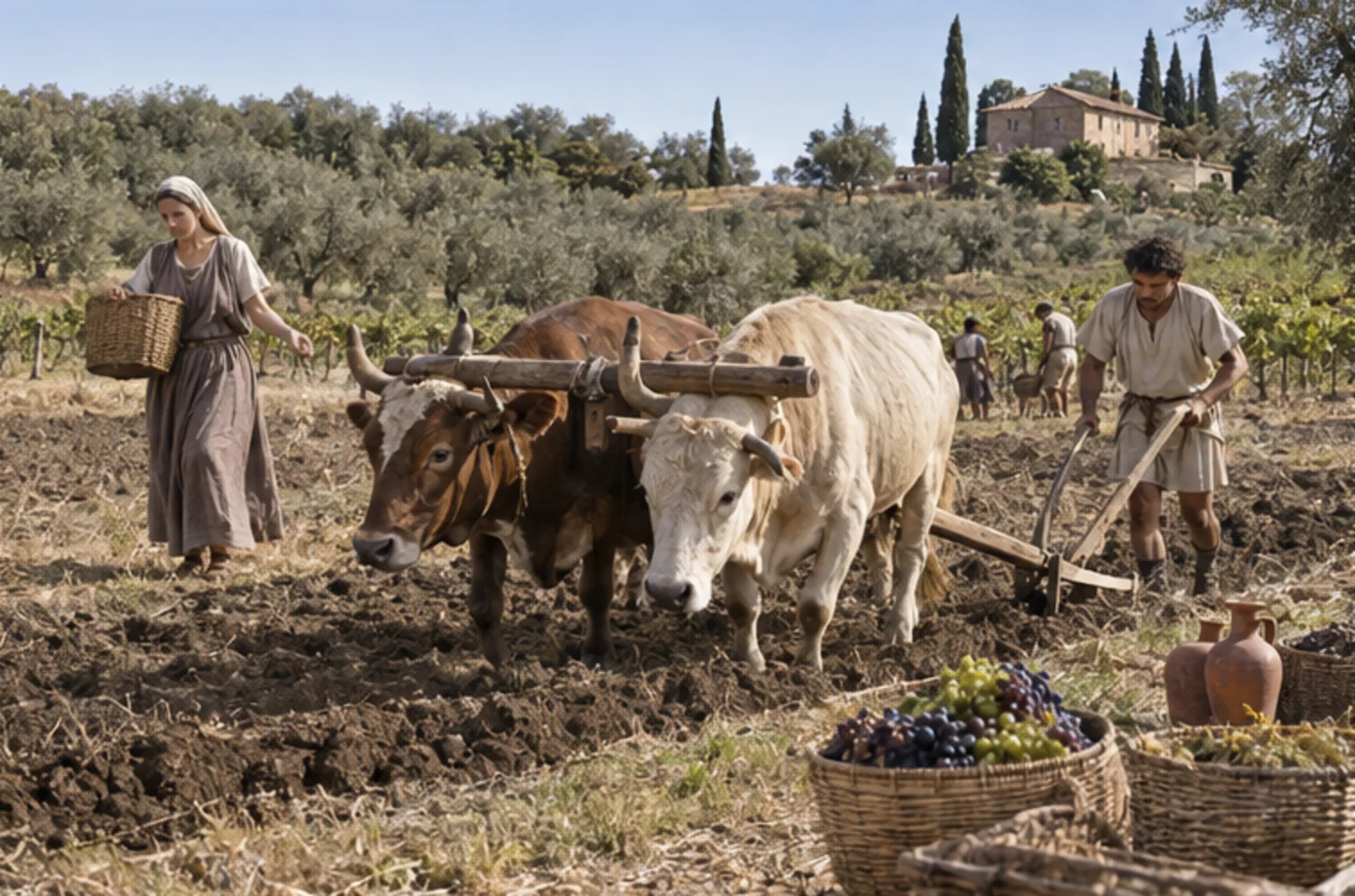
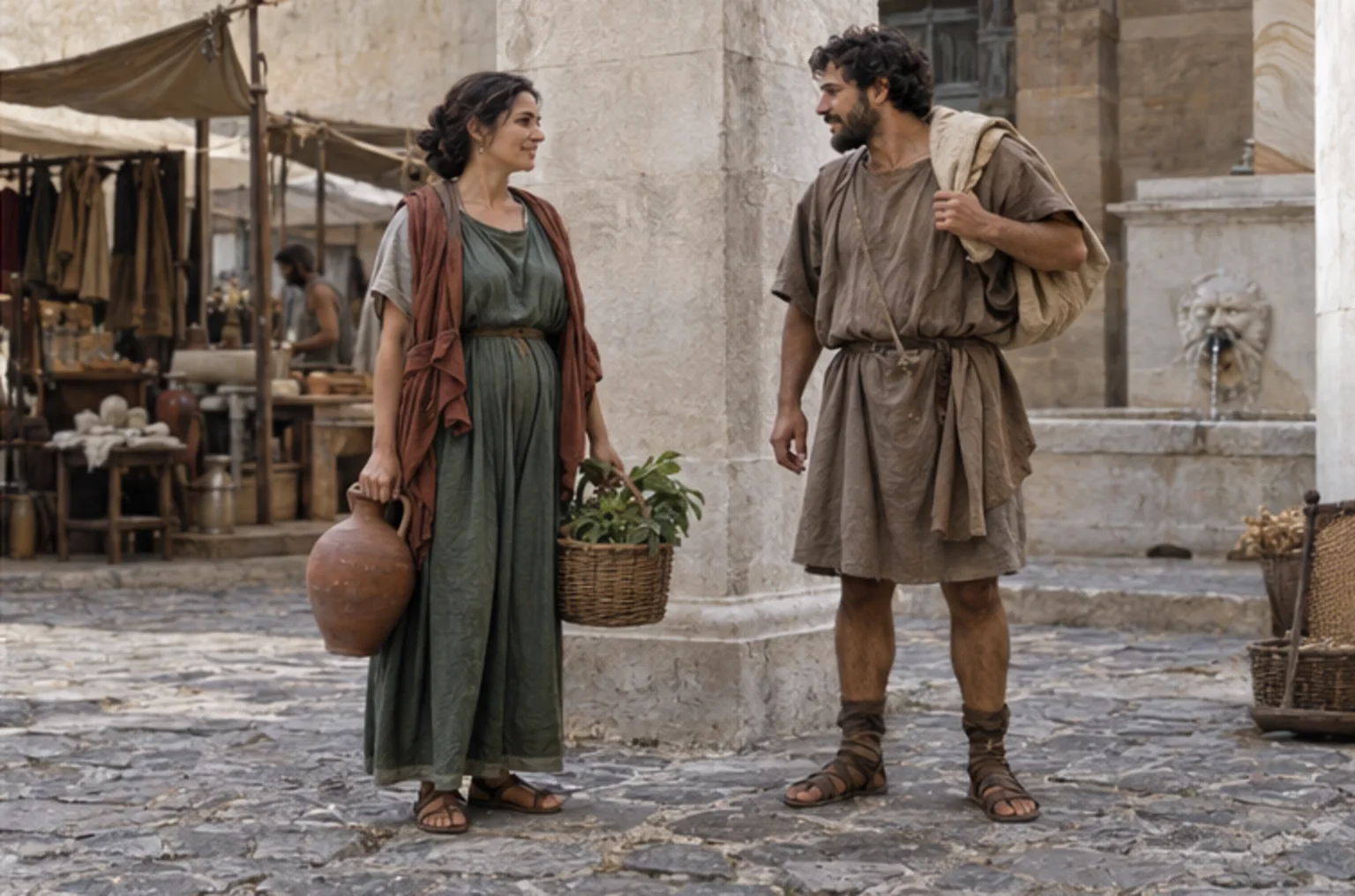
- State of technology
- Paved roads, aqueducts, concrete, glassware, mills, and hypocaust heating equip some cities, but energy comes mainly from bodies, animals, water, and wood.
- Science and knowledge
- Astronomy, geometry, natural history, and engineering compile Greek, Egyptian, and Roman knowledge. Measurement exists without a modern laboratory.
- Medicine and care
- Physicians, midwives, baths, plants, and rudimentary surgery can help; reliable anaesthesia, antisepsis, and antibiotics do not exist.
- Transport
- On foot, horseback, cart, or ship, road and sea networks connect the Empire. Travel remains slow, costly, and risky.
- Agriculture and food
- Grain, vines, olives, pulses, and livestock supply cities and armies; estates, slavery, and tenancy organize part of the labour.
- Communication
- Imperial couriers, letters on papyrus or tablets, inscriptions, and oral proclamations spread information. Everything is copied by hand.
- Clothing and fashion
- Tunics and cloaks are common to both sexes; the stola, toga, footwear, colours, and jewellery mark citizenship, office, wealth, and origin.
Editions, translations, and provenance
The following carriers represent the text. They do not create new passage identities.
- EnglishWorld English Bible editorial project · World English Bible, Catholic book order (2020) · 2020
- FrenchFraternite de Tiberiade · Sainte Bible neo-Crampon Libre (2022) · 2022
- LatinBiblia Vulgata Clementina (1598), Migne witness (1880) · 1880
Source manifests: jesus.matthew, jesus.mark, jesus.luke, jesus.john
Reader
Read page by page
The Four GospelsGospel traditions