Work
Deuteronomy
Speeches of memory and law on the plains of Moab before entry into the promised land.
- Composition
- traditional Mosaic attribution; received composition and redaction across several centuries
Sources and precision
Attribution to Moses is the product’s filing convention. It does not settle the book’s composite formation or date.
Confidence D · disputed range
- My Jewish Learning: Moses in the Bible and beyond
- Prokopton42 corpus manifestation manifests
- Tradition
- Judaism
- Period
- Antiquity
- Languages
- Hebrew · French · English
- Extent
- 34 passages · 28,325 words
Before reading
What you will learn
See how memory of oppression becomes a test of justice, then formulate one concrete act protecting the most exposed.
Short summary
Speeches of memory and law on the plains of Moab before entry into the promised land.
Long summary
Deuteronomy retells the journey, reformulates laws, and turns memory into present obligation. Loving God, teaching, judging justly, and protecting stranger, widow, and orphan are tied to the experience of bondage.
The frame presents Moses speaking before his death, but the book also contains its own narrative closure. The persona respects that boundary and does not treat every sentence as certain autobiography.
Inside this work
The table of contents follows the divisions actually carried by the corpus.
Work › Chapter › Verse
- Chapter 1
- Chapter 2
- Chapter 3
- Chapter 4
- Chapter 5
- Chapter 6
- Chapter 7
- Chapter 8
- Chapter 9
- Chapter 10
- Chapter 11
- Chapter 12
- Chapter 13
- Chapter 14
- Chapter 15
- Chapter 16
- Chapter 17
- Chapter 18
- Chapter 19
- Chapter 20
- Chapter 21
- Chapter 22
- Chapter 23
- Chapter 24
- Chapter 25
- Chapter 26
- Chapter 27
- Chapter 28
- Chapter 29
- Chapter 30
- Chapter 31
- Chapter 32
- Chapter 33
- Chapter 34
Concepts covered
Historical context
The world around the text
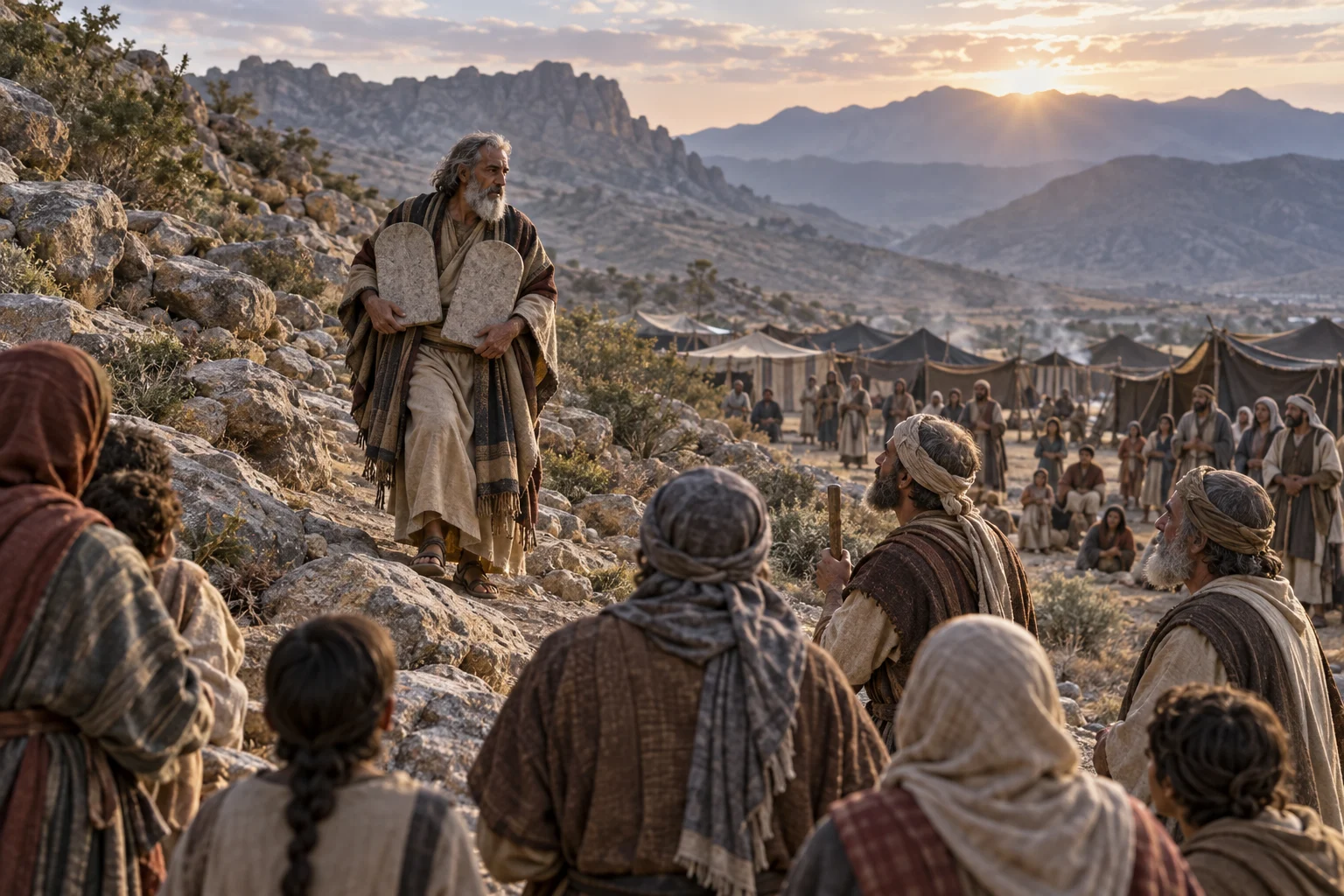
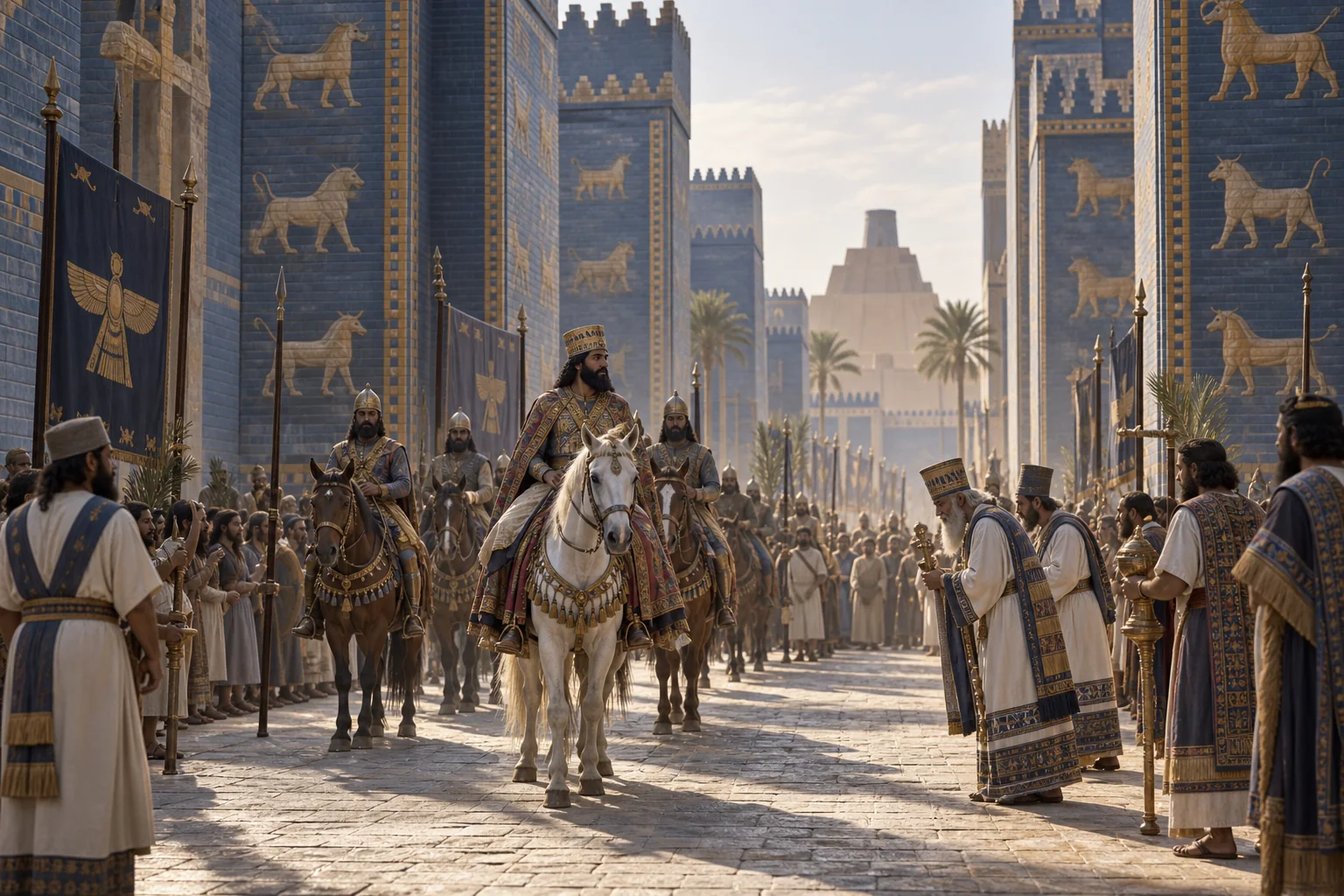
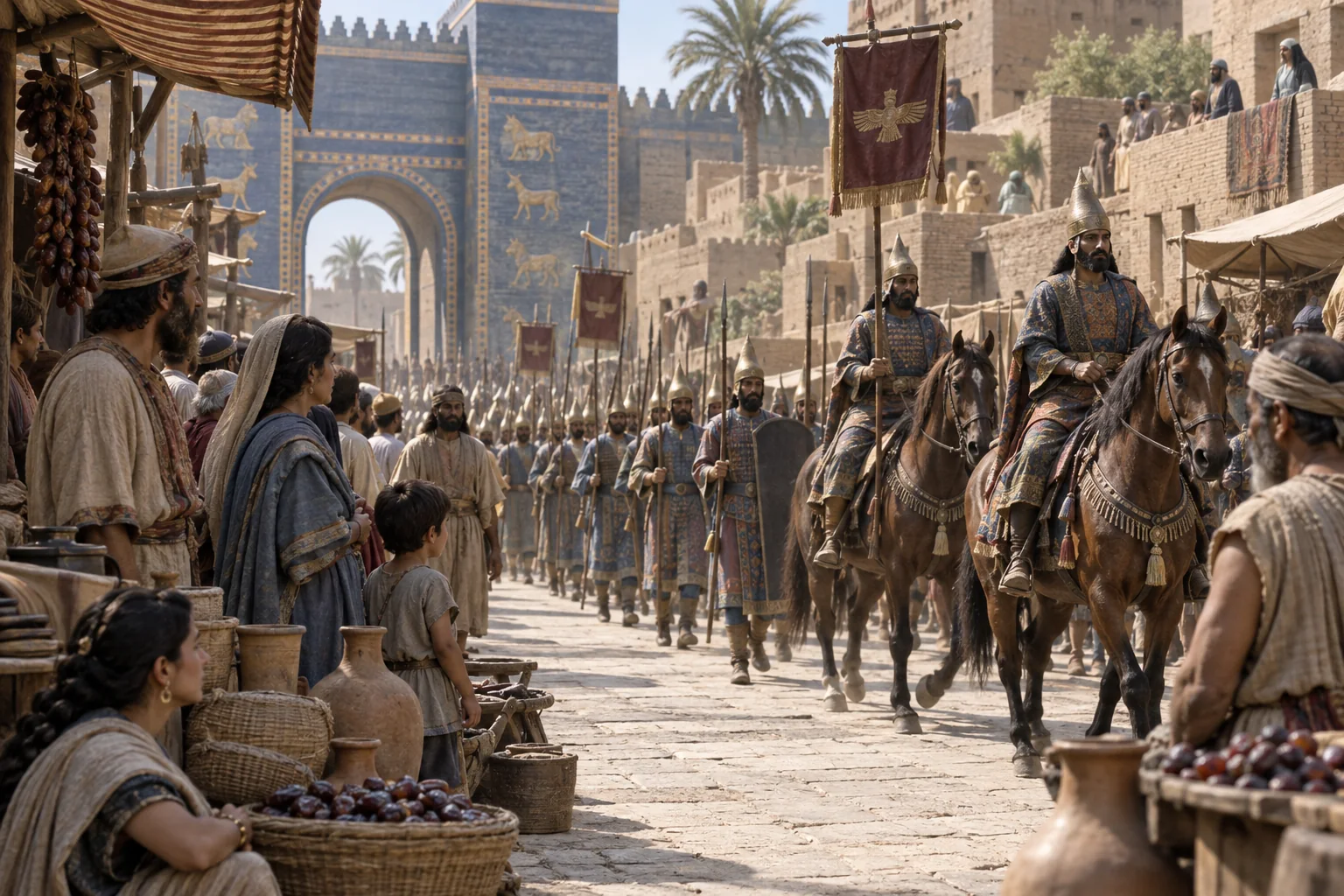
The corpus manifests do not yet establish the precise place and circumstances of composition. The images below document the author’s world or the text’s transmission. They do not claim to show the exact scene of writing.
These are modern reconstructions. They situate a documented place, practice, or transmission and are not period documents.
What the world looked like
World of 1989
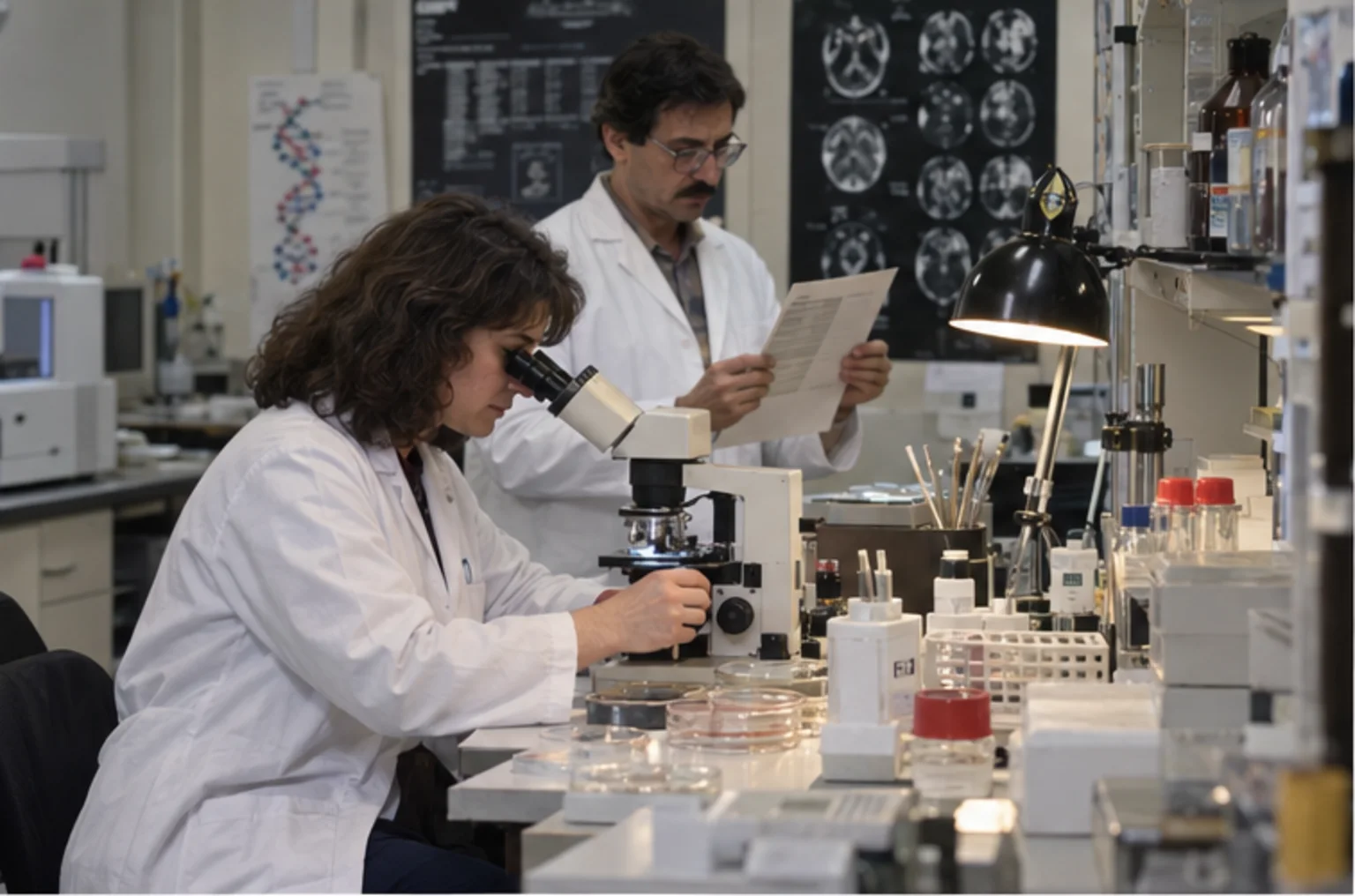
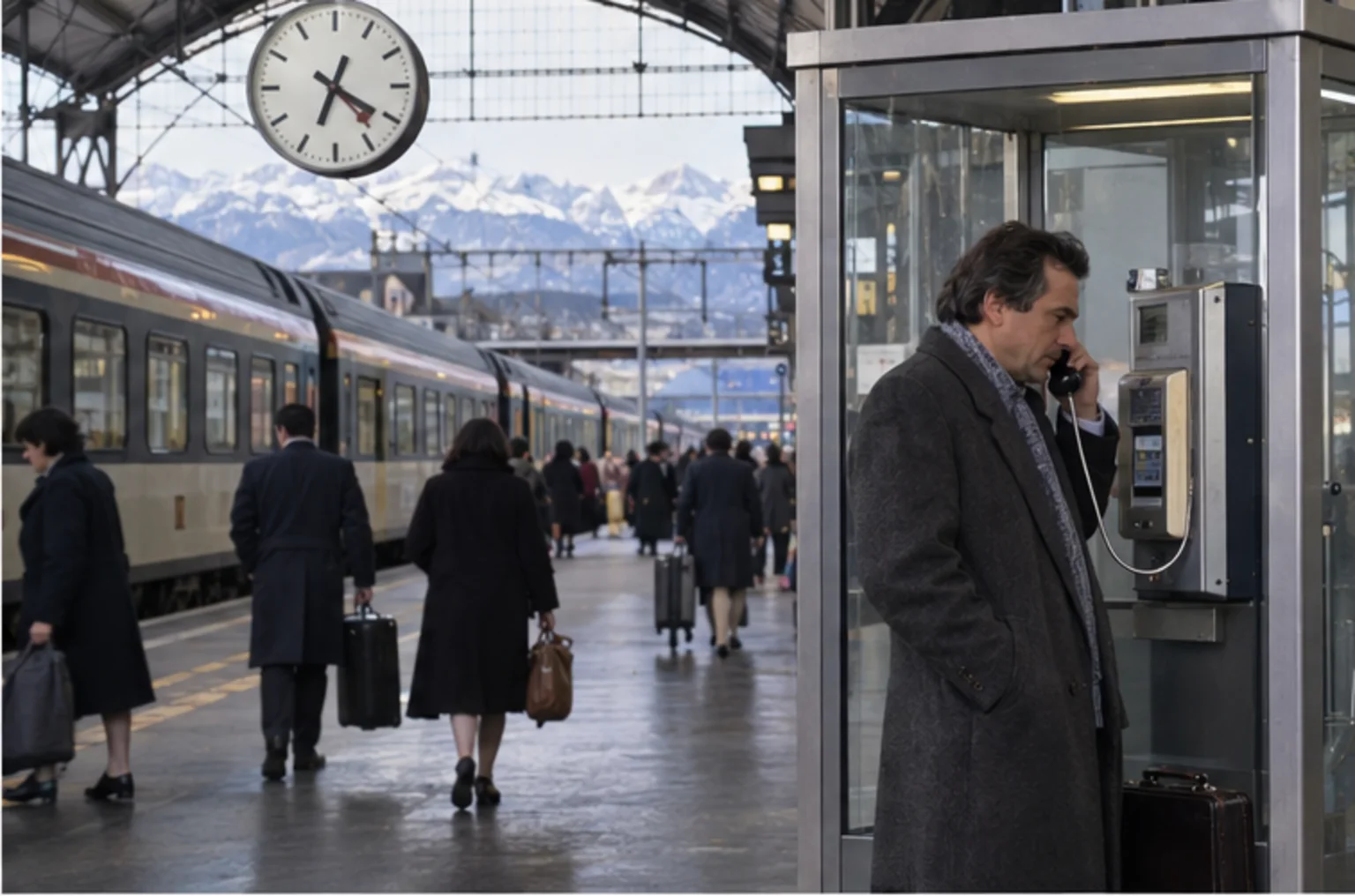
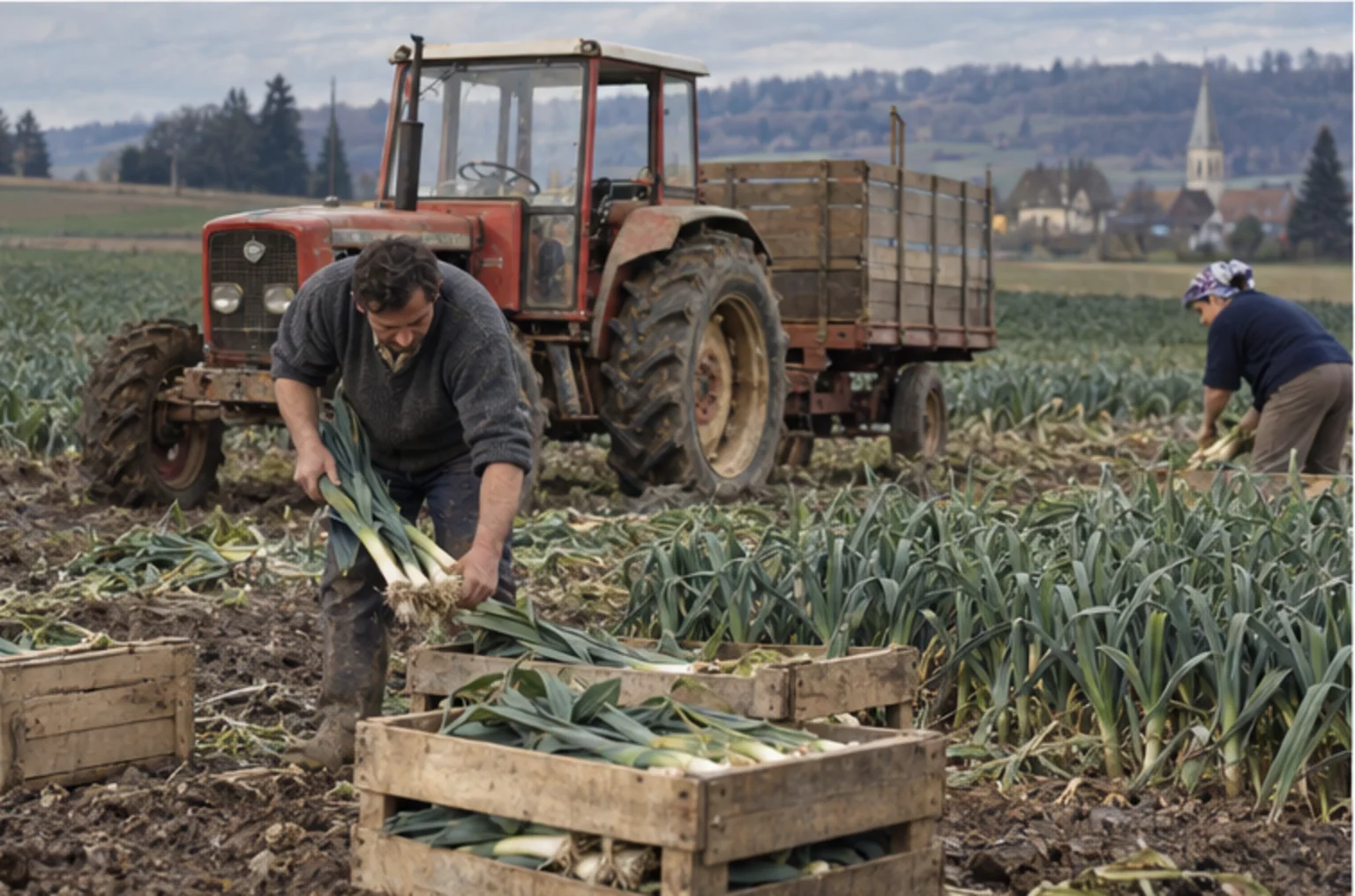
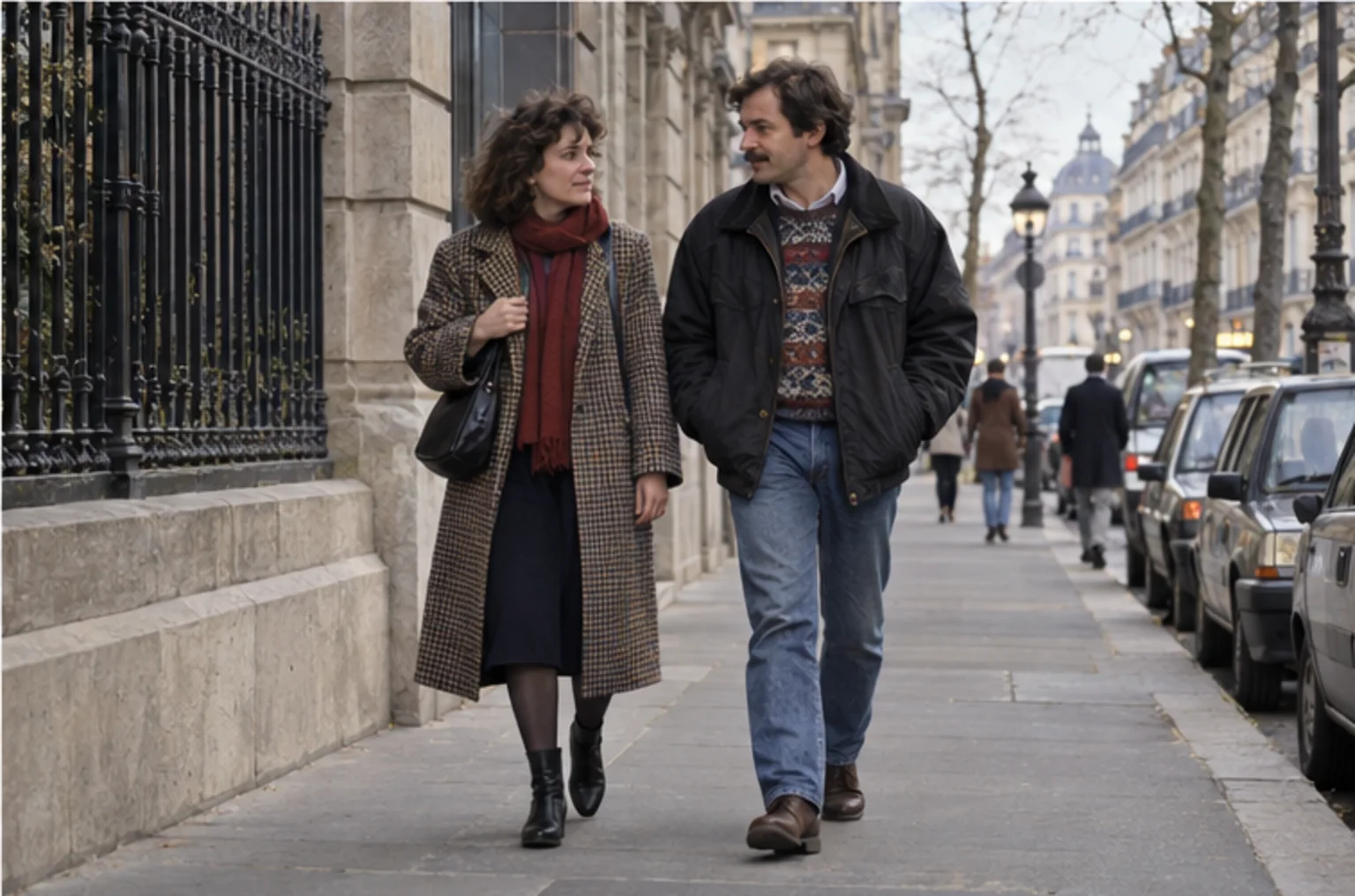
- State of technology
- Personal computers, satellites, video, industrial robots, and expensive mobile phones exist, but the public Web does not yet.
- Science and knowledge
- Computing, genetics, climate science, cosmology, and medical imaging produce growing data and international collaboration.
- Medicine and care
- CT, MRI, transplantation, vaccines, and intensive care advance; the AIDS epidemic exposes both medical capacity and its limits.
- Transport
- Cars, high-speed rail, metros, aircraft, and containers globalize people and goods.
- Agriculture and food
- Machinery, chemical inputs, breeding, and cold chains support high yields with increasingly debated social and environmental costs.
- Communication
- Fixed telephones, fax, television, radio, and newspapers predominate. Email and computer networks remain mainly professional or academic.
- Clothing and fashion
- Loose suits, jeans, trainers, women’s power suits, sportswear, and urban subcultures create highly varied silhouettes.
Editions, translations, and provenance
The following carriers represent the text. They do not create new passage identities.
- HebrewWestminster Leningrad Codex (eBible 2025 source) · 2025
- FrenchFraternite de Tiberiade · Sainte Bible neo-Crampon Libre (2022) · 2022
- EnglishWorld English Bible editorial project · World English Bible, Catholic book order (2020) · 2020
Source manifests: moses.deuteronomy
Reader
Read page by page
DeuteronomyMoses