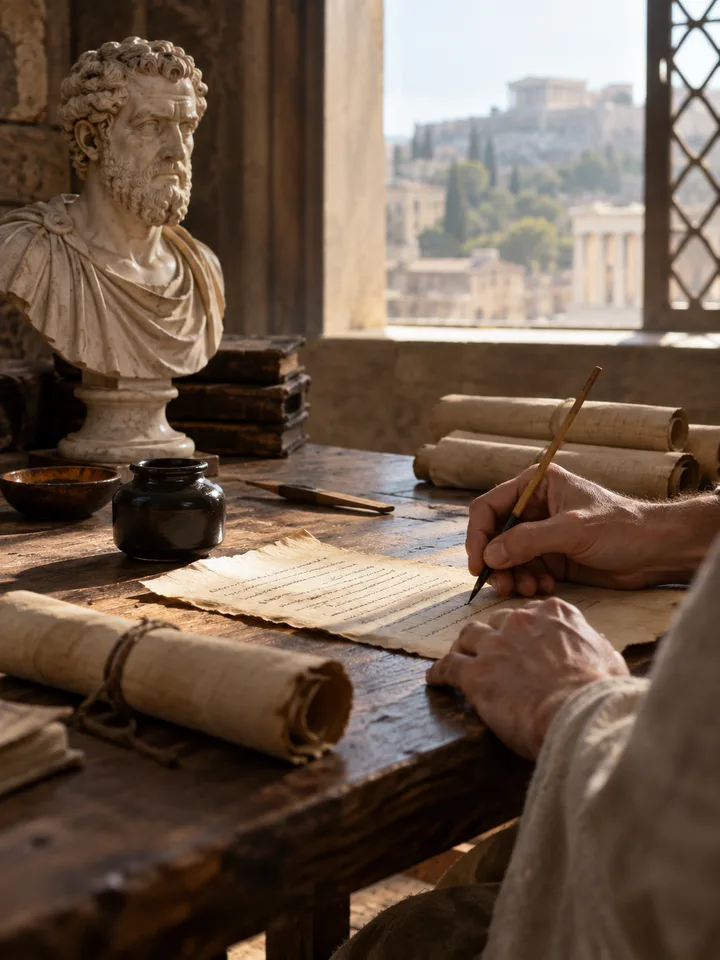
Fragments or testimony
Spurious Letters Attributed to Musonius Rufus
These letters circulate under Musonius Rufus’ name without being accepted as his authentic writings. They imitate a Stoic authority of counsel and document the philosopher’s reception rather than his personal correspondence.
- Composition
- Late Antiquity or Byzantine period, date uncertain
Sources and precision
The internal chronology remains disputed. This range is a qualified reference point, not a certain year.
Confidence E · highly uncertain dating
- Prokopton42 corpus manifestation manifests
- Tradition
- Stoicism
- Period
- Antiquity
- Languages
- Ancient Greek · English · French
- Extent
- 5 passages · 1,777 words
Before reading
What you will learn
Distinguish doctrinal compatibility from authenticity, reject biographical use of a spurious text, and analyze authority produced through Musonius’ name.
Short summary
These letters circulate under Musonius Rufus’ name without being accepted as his authentic writings. They imitate a Stoic authority of counsel and document the philosopher’s reception rather than his personal correspondence.
Long summary
Epistolary fiction gives exhortation an addressee, circumstance, and teacherly voice. Themes compatible with Musonius’ Stoicism may appear, but doctrinal resemblance cannot establish author, date, or event.
Spurious status changes the text’s use. A letter cannot serve as direct evidence for a historical relationship or Musonius’ wording. It can instead show how his name was used to authorize later moral counsel.
Inside this work
The table of contents follows the divisions actually carried by the corpus.
Work › Reference
Concepts covered
Historical context
The world around the text
The corpus manifests do not yet establish the precise place and circumstances of composition. The images below document the author’s world or the text’s transmission. They do not claim to show the exact scene of writing.
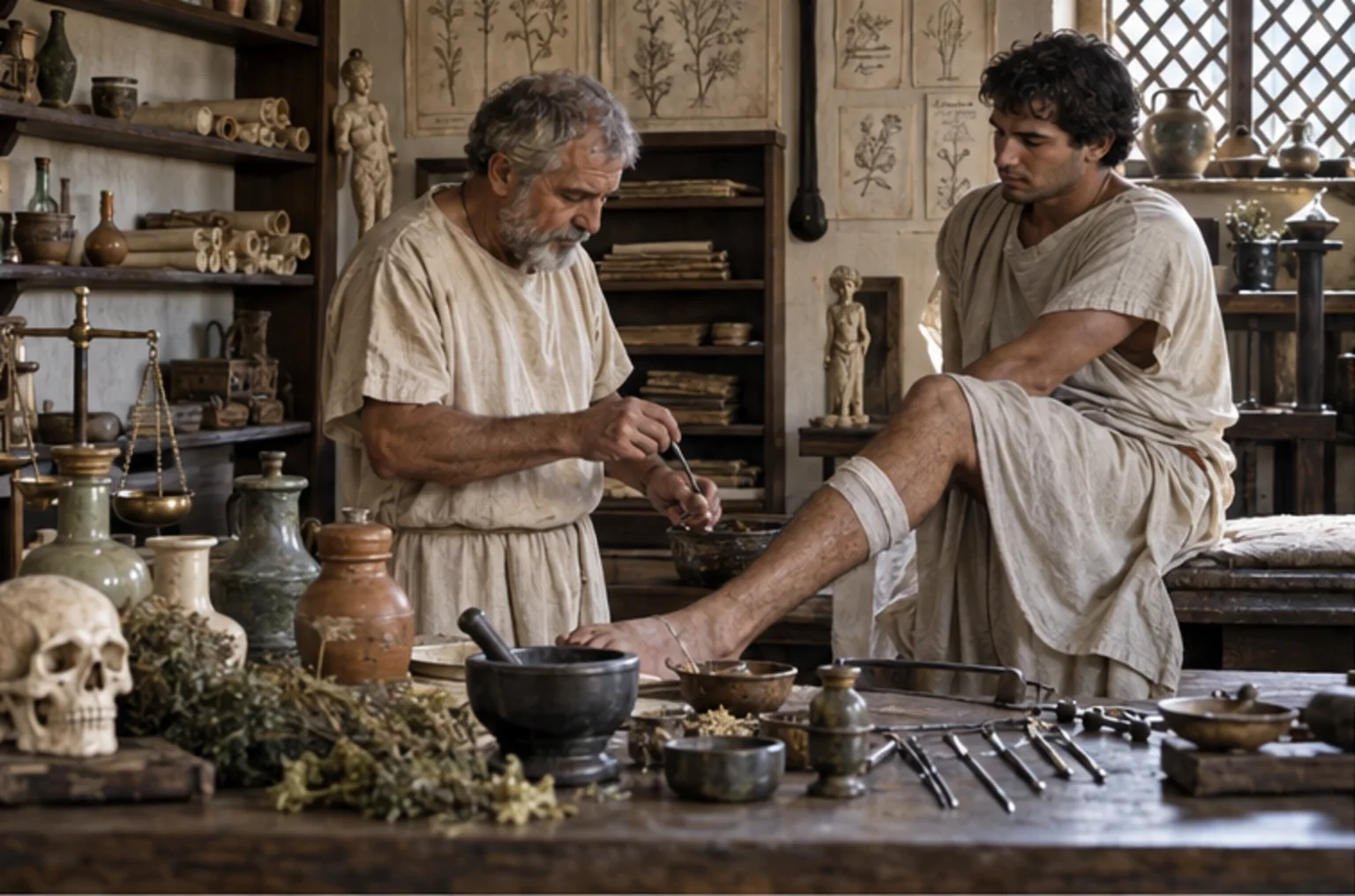
These are modern reconstructions. They situate a documented place, practice, or transmission and are not period documents.
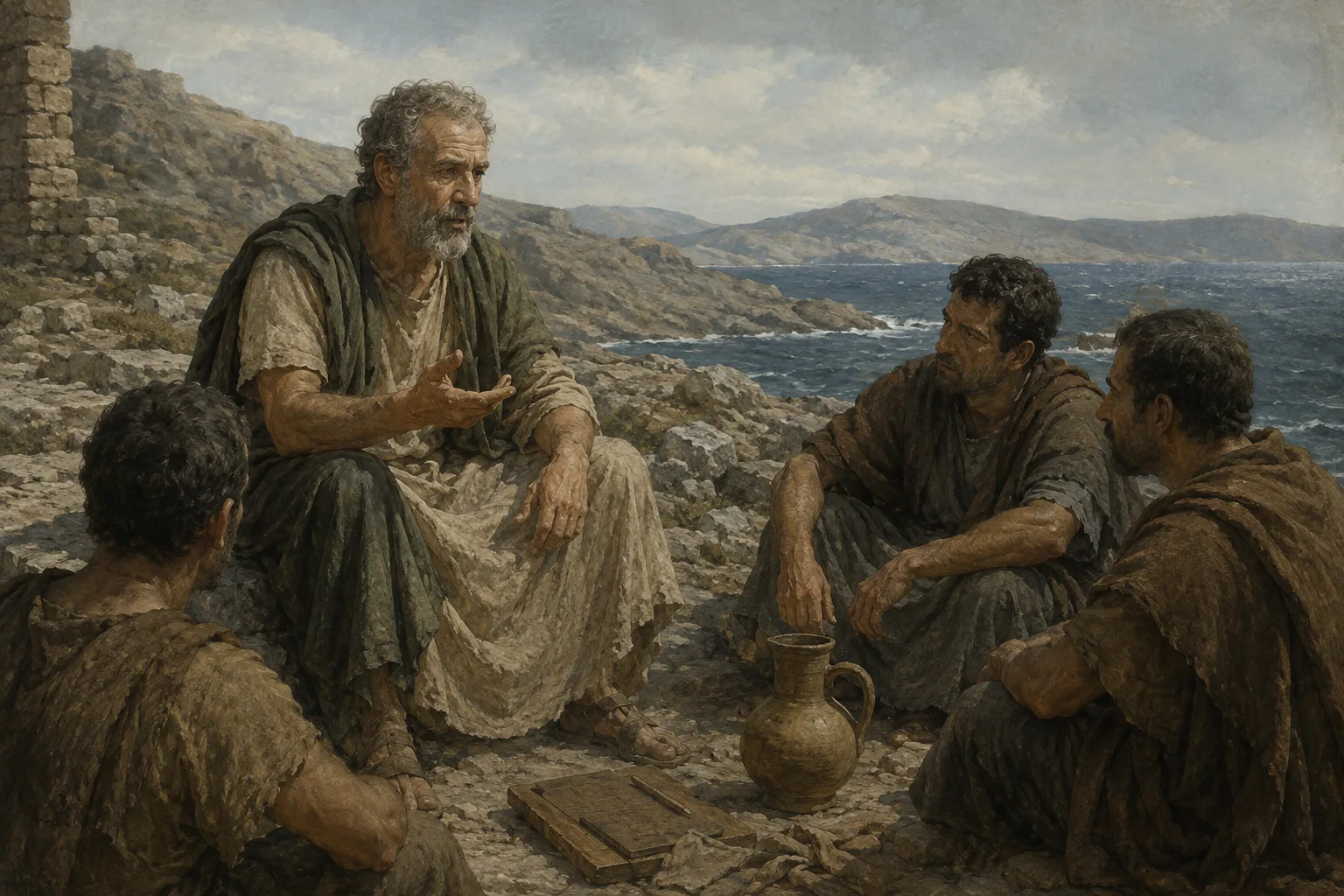

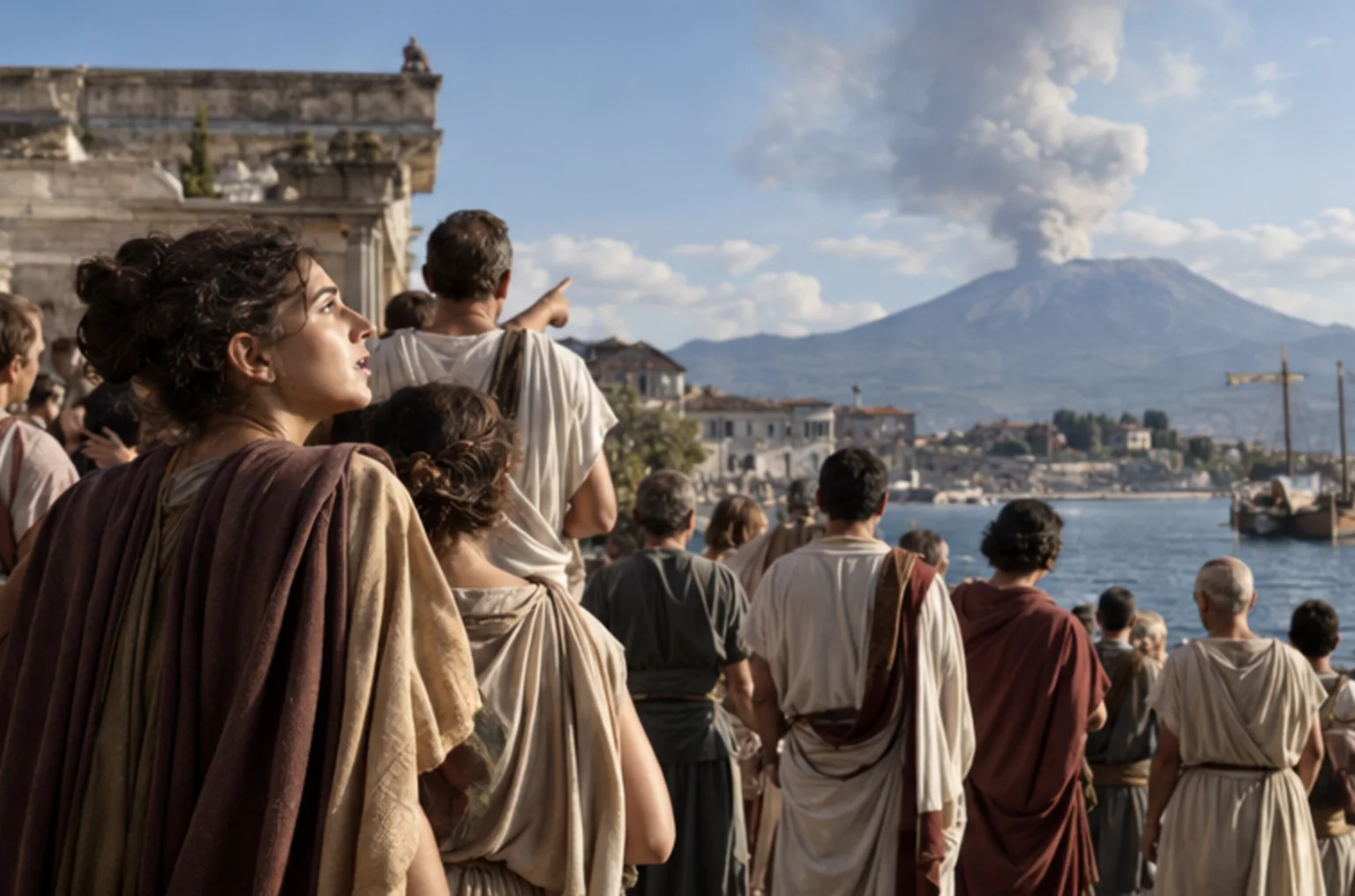
What the world looked like
Roman world, 1st century BCE to 3rd century CE
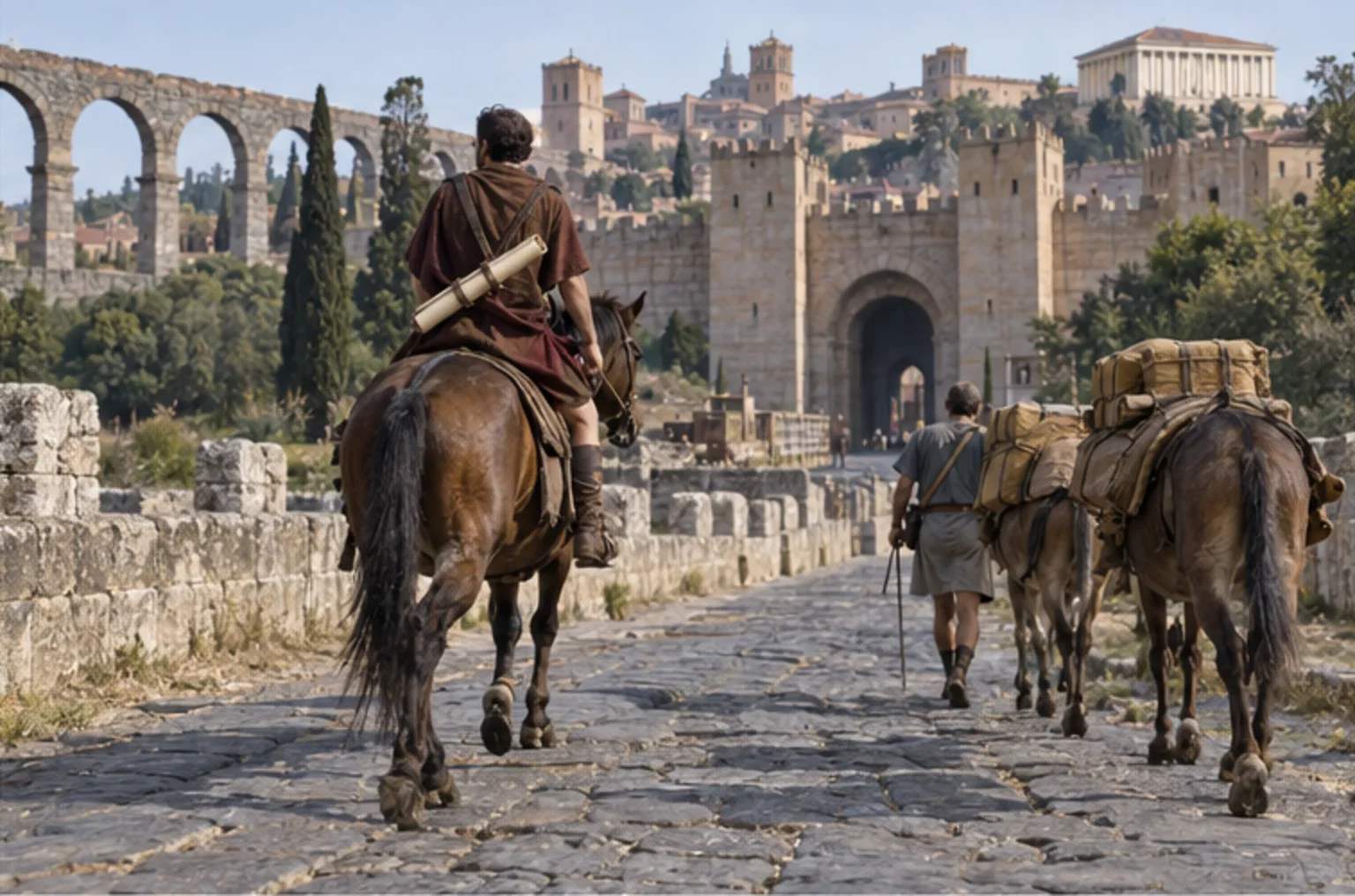
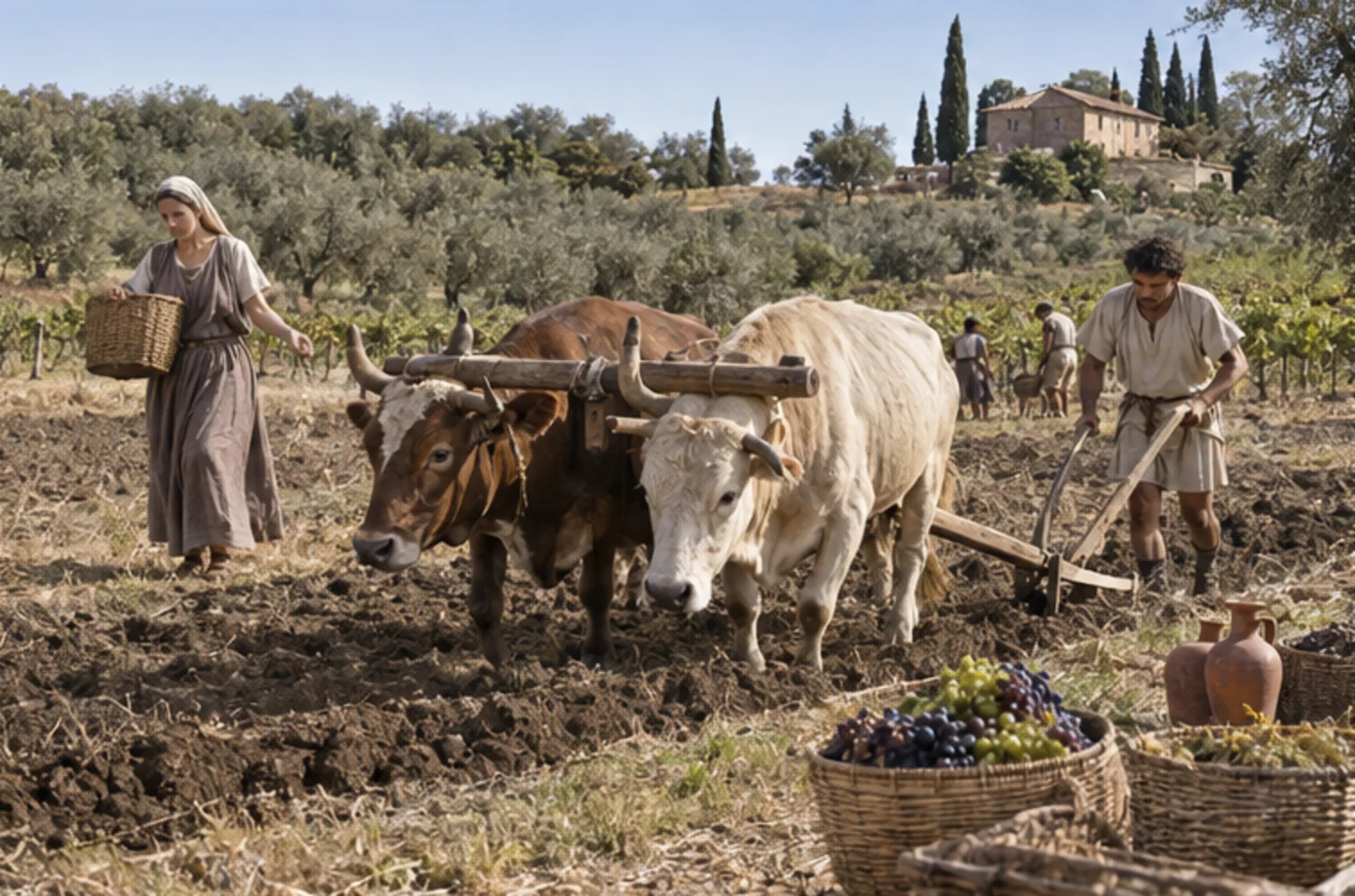
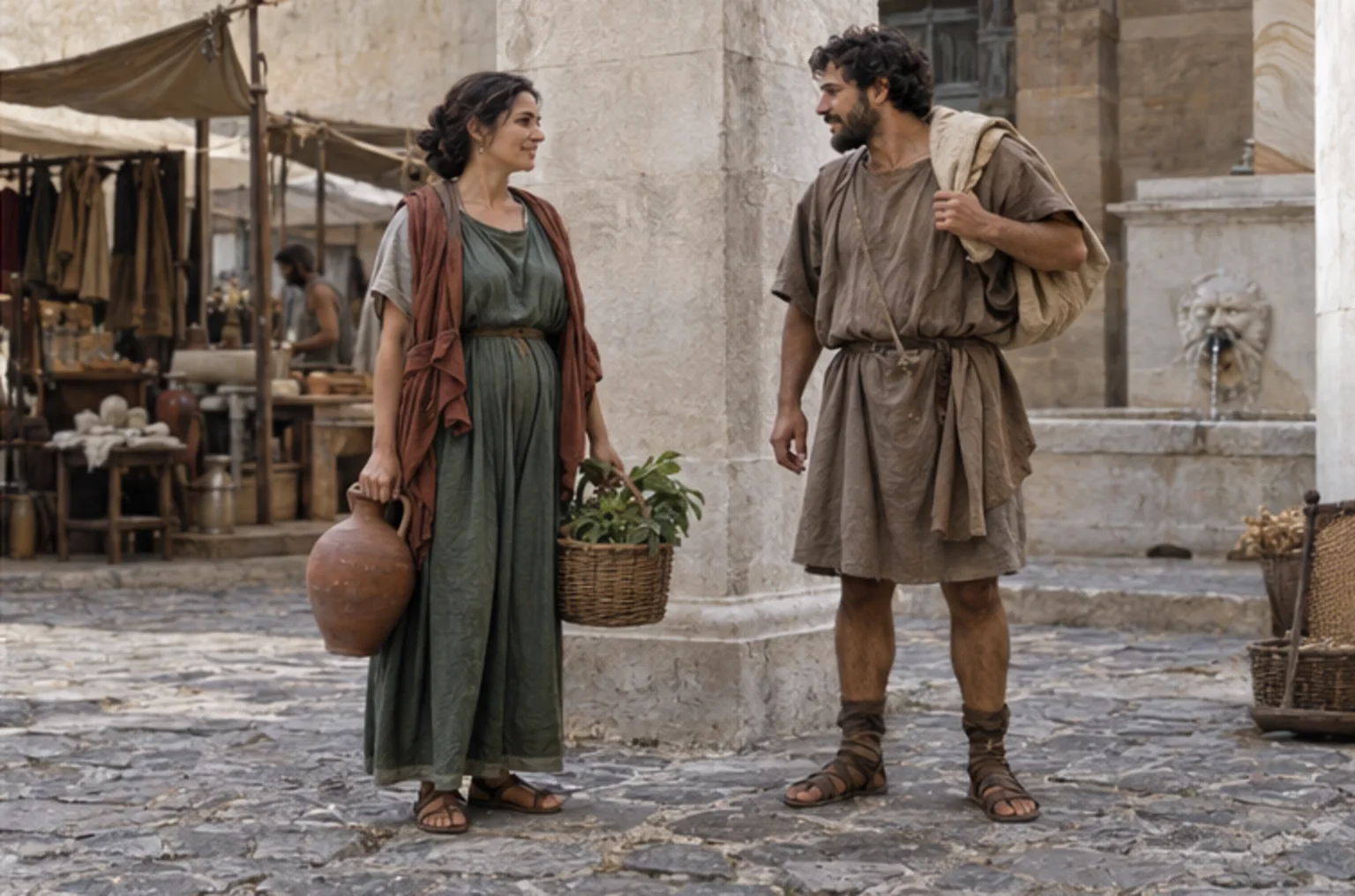
- State of technology
- Paved roads, aqueducts, concrete, glassware, mills, and hypocaust heating equip some cities, but energy comes mainly from bodies, animals, water, and wood.
- Science and knowledge
- Astronomy, geometry, natural history, and engineering compile Greek, Egyptian, and Roman knowledge. Measurement exists without a modern laboratory.
- Medicine and care
- Physicians, midwives, baths, plants, and rudimentary surgery can help; reliable anaesthesia, antisepsis, and antibiotics do not exist.
- Transport
- On foot, horseback, cart, or ship, road and sea networks connect the Empire. Travel remains slow, costly, and risky.
- Agriculture and food
- Grain, vines, olives, pulses, and livestock supply cities and armies; estates, slavery, and tenancy organize part of the labour.
- Communication
- Imperial couriers, letters on papyrus or tablets, inscriptions, and oral proclamations spread information. Everything is copied by hand.
- Clothing and fashion
- Tunics and cloaks are common to both sexes; the stola, toga, footwear, colours, and jewellery mark citizenship, office, wealth, and origin.
Editions, translations, and provenance
The following carriers represent the text. They do not create new passage identities.
- Ancient Greekoriginal
- English AI-generated translation, non-officialCodex gpt-5.6-sol · Non-official working translation · 2026-09-11
- French AI-generated translation, non-officialCodex gpt-5.6-sol · Non-official working translation · 2026-09-11
Source manifests: musonius_rufus.spurious_letters
Reader
Read page by page
Spurious Letters Attributed to Musonius RufusMusonius Rufus