Work
Sunzi Bingfa, The Art of War
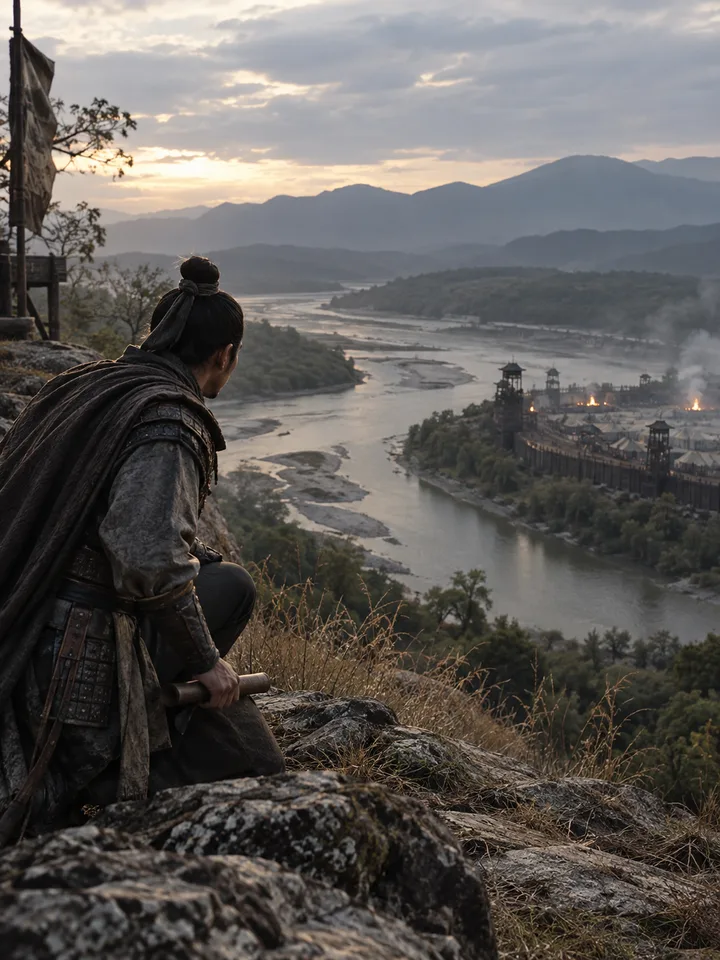
Sunzi treats war as a problem of intelligence, cost, terrain, command, and configuration. Combat is not glorified: the strategist changes conditions to secure an outcome while limiting duration, destruction, and uncertainty.
- Composition
- layered composition, Warring States period, 5th-3rd centuries BCE
Sources and precision
The range describes formation of the collection. Individual units may have different dates.
Confidence D · disputed range
- Prokopton42 corpus manifestation manifests
- Tradition
- Early Chinese thought
- Period
- Antiquity
- Languages
- Classical Chinese · English · French
- Extent
- 13 passages · 10,828 words
Before reading
What you will learn
Assess intelligence, terrain, and cost before engagement, understand strategic potential, and distinguish an ancient military text from metaphorical reuse.
Short summary
Sunzi treats war as a problem of intelligence, cost, terrain, command, and configuration. Combat is not glorified: the strategist changes conditions to secure an outcome while limiting duration, destruction, and uncertainty.
Long summary
The chapters analyze preliminary calculation, logistics, direct and indirect forces, vulnerabilities, army movement, terrain, fire, and espionage. Images of water and strategic potential describe action adapting to an opponent’s configuration rather than applying a fixed recipe.
The text has a layered composition history and Sunzi functions as traditional attribution. Its maxims belong to ancient warfare. Later transfer into politics or business should not erase the violence, population, and material costs of war.
Inside this work
The table of contents follows the divisions actually carried by the corpus.
Work › Received chapter
Concepts covered
Historical context
The world around the text
Sunzi takes shape across the long period of military rivalry leading into the Warring States. Armies grow larger, while information and logistics become more decisive. The treatise answers this change by making the calculation of conditions a priority before engagement.
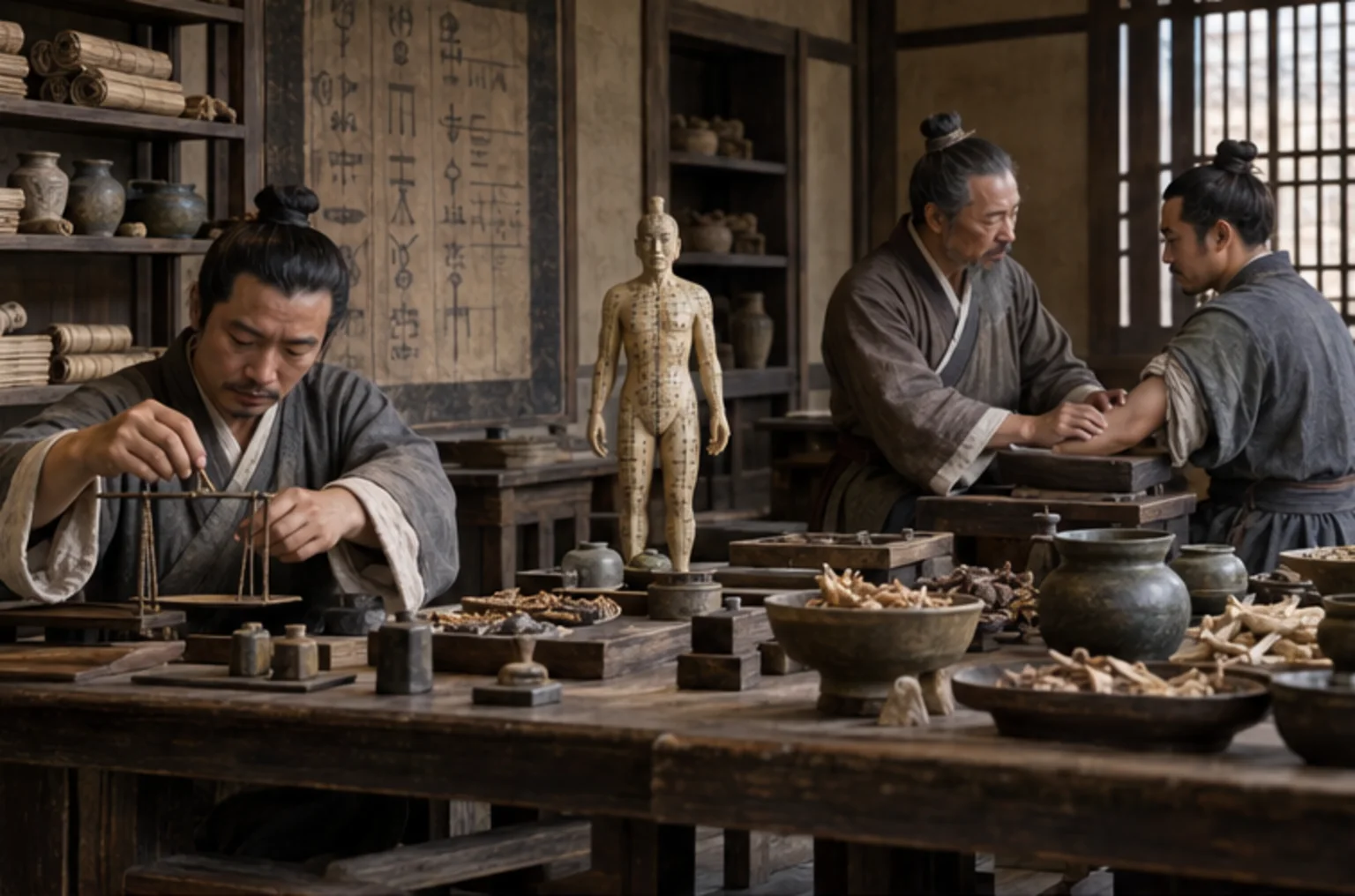
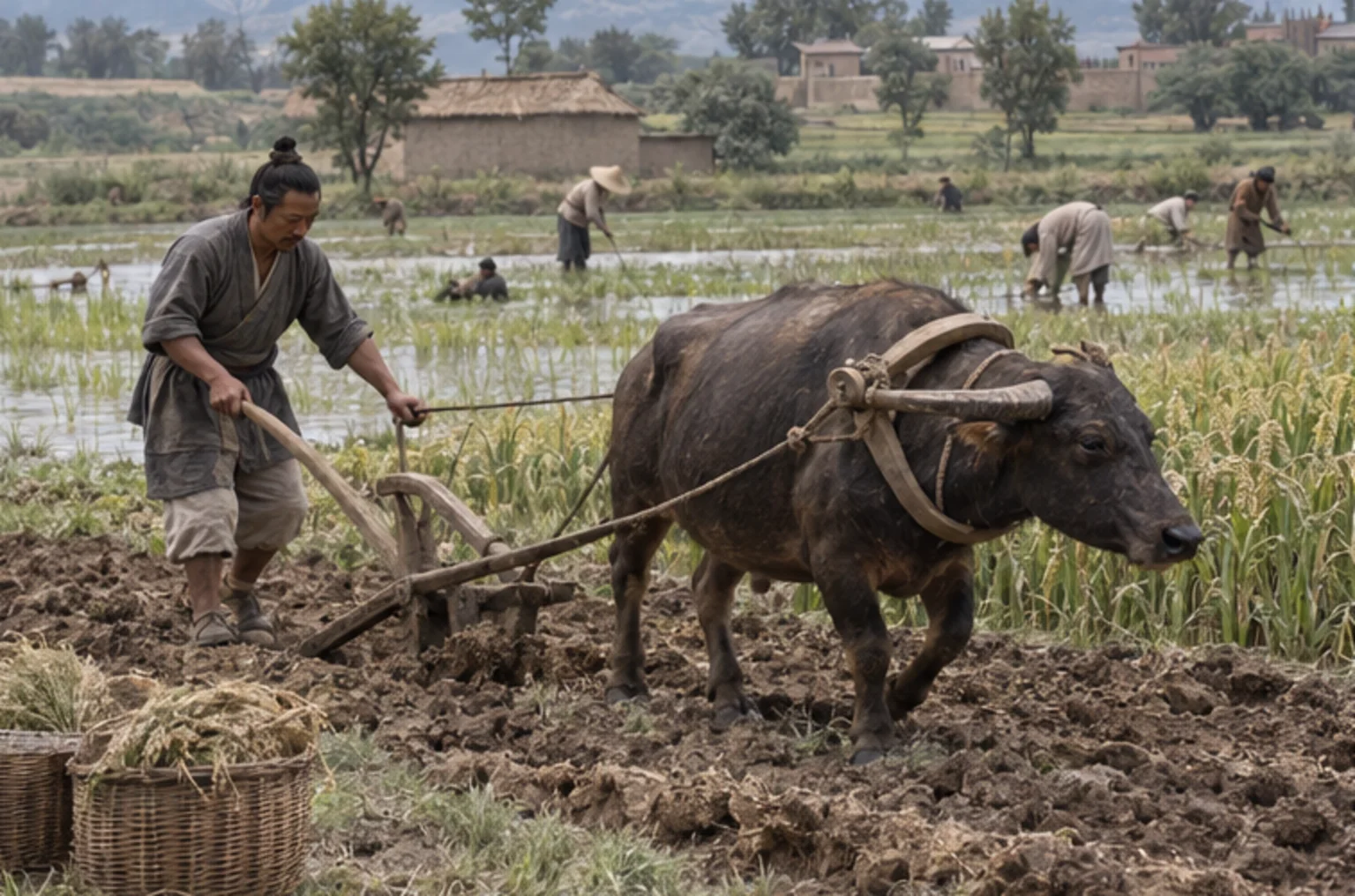
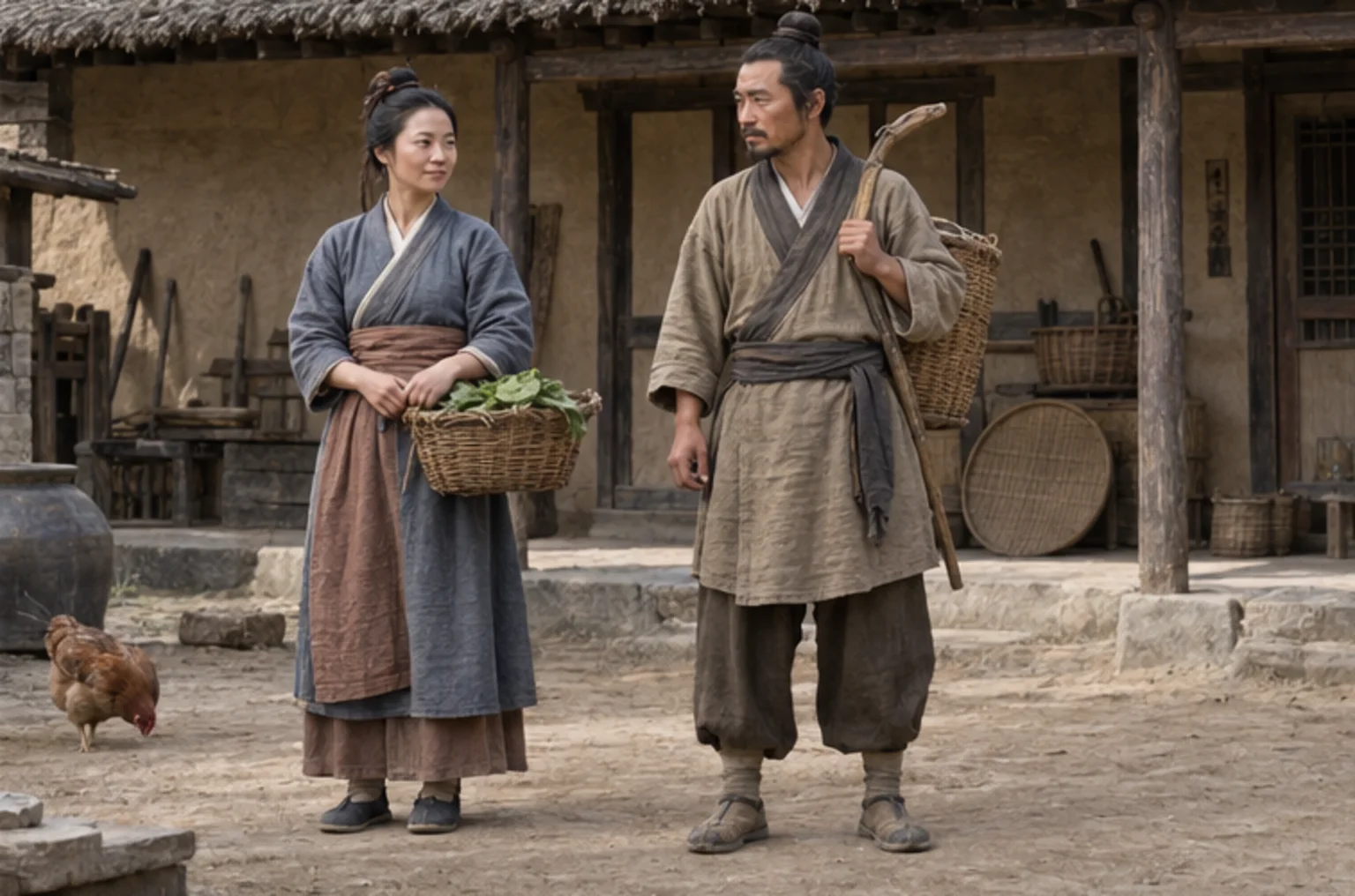
These are modern reconstructions. They situate a documented place, practice, or transmission and are not period documents.
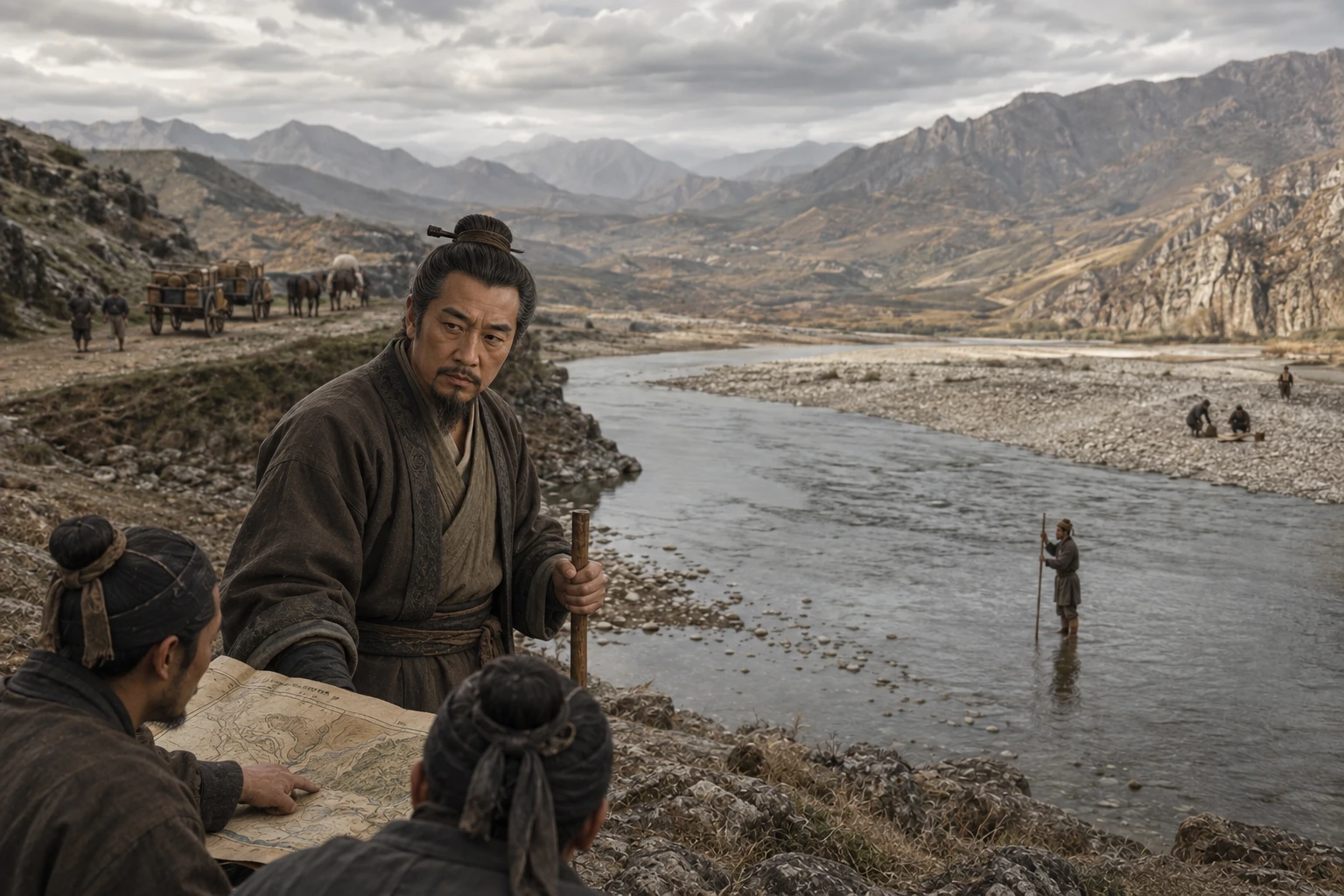
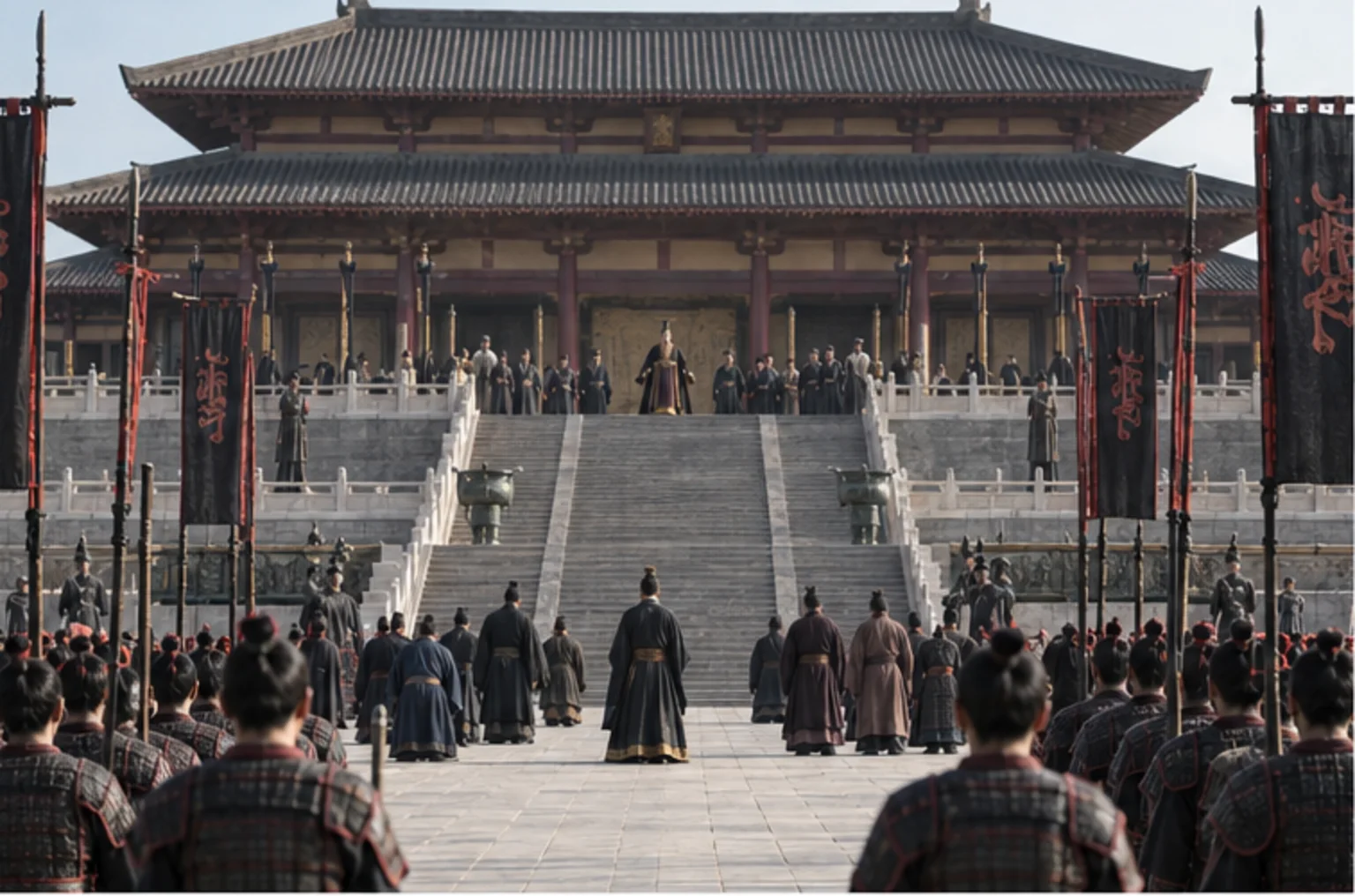
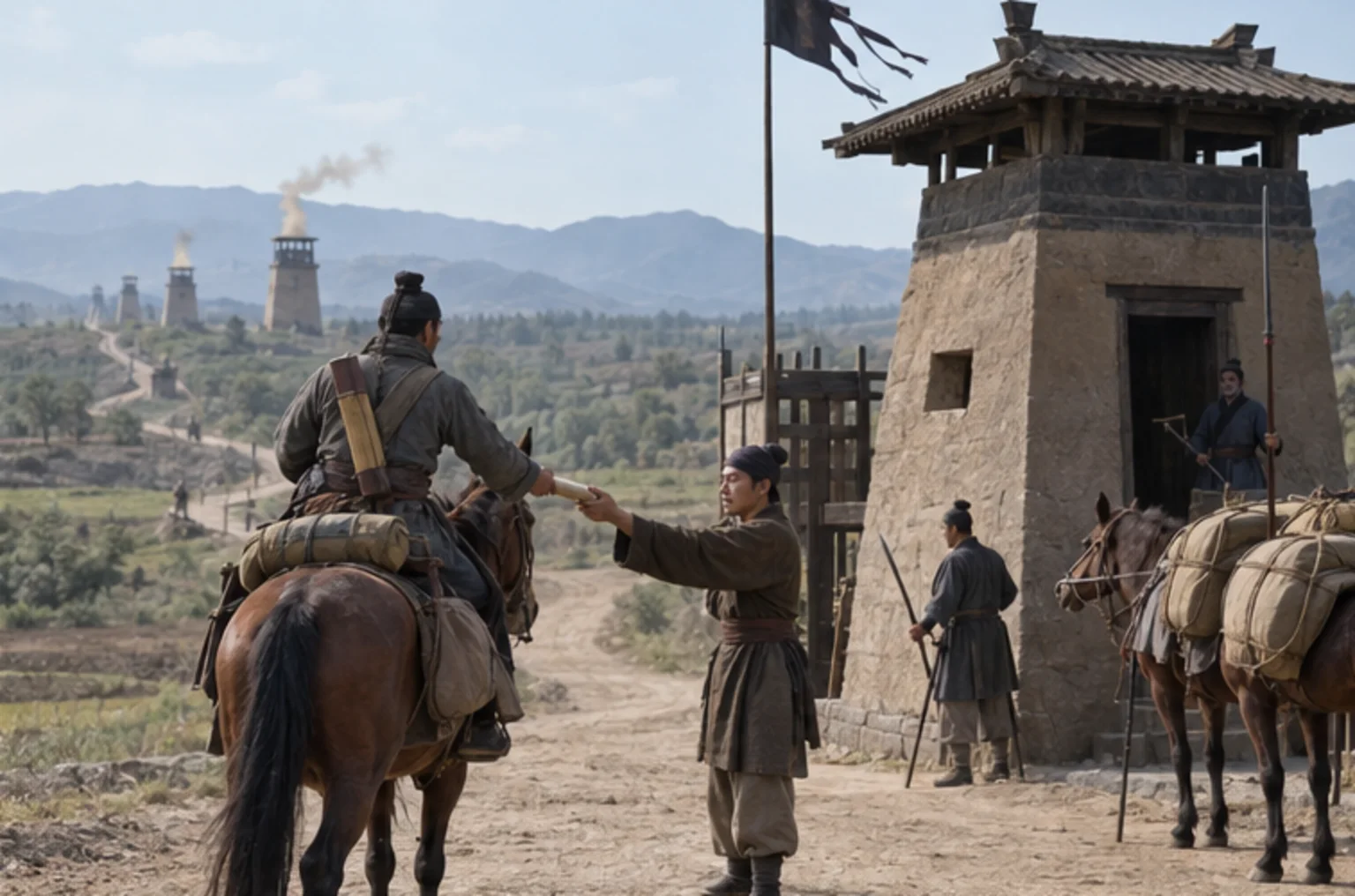
What the world looked like
Eastern Zhou and Qin China
- State of technology
- Cast iron, crossbows, roads, canals, and standardization let states mobilize people and resources on a large scale.
- Science and knowledge
- Calendars, court astronomy, administrative mathematics, and agricultural observation produce precise knowledge tied to government.
- Medicine and care
- Herbs, diet, cautery, and traditions of breath coexist. Diagnosis relies on observation without microbiology.
- Transport
- Walking, chariots, carts, cavalry, and river craft use networks that rulers seek to standardize.
- Agriculture and food
- Millet, rice, wheat, livestock, and irrigation feed rural populations subject to taxes and labour service.
- Communication
- Messengers, bells, drums, bamboo-slip documents, and administrative scripts carry orders and texts.
- Clothing and fashion
- Cross-collared robes, tunics, trousers for some riders, hairstyles, and ornaments vary by rank, gender, and region.
Editions, translations, and provenance
The following carriers represent the text. They do not create new passage identities.
- Classical Chinesereceived_original
- Englishhistorical_translation · 1910
- Frenchhistorical_translation · 1772
Source manifests: sunzi.sunzi_bingfa
Reader
Read page by page
Sunzi Bingfa, The Art of WarSun Tzu