Traceable Library

Explore the corpus of thinkers on prokopton42.com

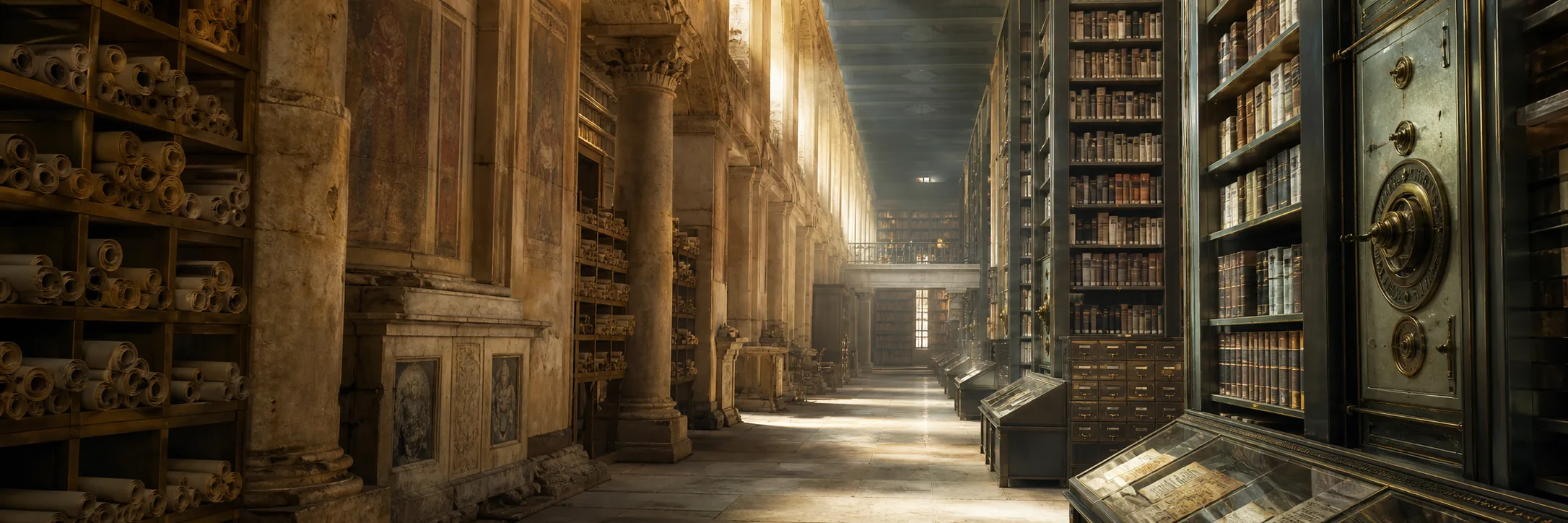
We do not always look for a work, a text, or a passage in the same way. Browse by work as you would in a traditional library, travel through time, follow a semantic concept, or go straight to a precise excerpt. This Library exists to support practice and deeper study by bringing old texts into contact with daily experience and present questions.

Works
305
Authors
94
Passages
89,767
See more statistics
Corpus works
259
Private works
46
Private records
56
Private excerpts
20,006
Text representations
223,819
Editions and translations
849
Languages
17
Works in French and English
259
Multilingual works
259
Tracked concepts
9
Estimated sentences
1,456,557
Words
27,541,029

A representation is one language version of a canonical passage. Private excerpts come from source files. Sentence count is estimated from punctuation.

By work44
Terrain and position

Works

Books, collections and works from the Private collection share this shelf. Each card keeps its editions and sources.

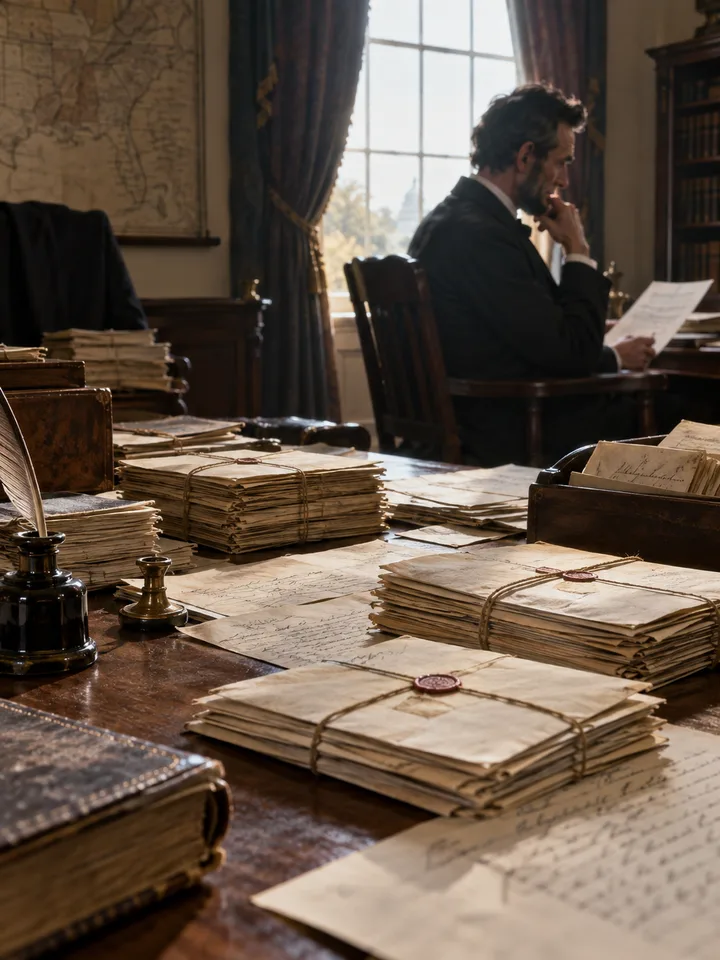
Photorealistic editorial illustration of Abraham Lincoln Papers: Incoming and Contextual Documents in the Prokopton42.com Library Abraham Lincoln Papers: Incoming and Contextual DocumentsCorrespondents and archival record

Work

Abraham Lincoln Papers: Incoming and Contextual Documents

Incoming letters, petitions, and administrative records preserve the voices of people who petitioned, informed, or challenged Lincoln. The archive reveals the pressures of a wartime presidency without attributing his correspondents’ words to the president.

What you will learn
Composition
1833-1916
Editions / translations
2026
Languages
English · French
Extent
19,210 passages · 7,989,852 words

Photorealistic editorial illustration of Aṅguttara Nikāya: Numerical Discourses in the Prokopton42.com Library Aṅguttara Nikāya: Numerical DiscoursesSiddhartha Gautama / Buddha

Work

Aṅguttara Nikāya: Numerical Discourses

The Aṅguttara Nikāya arranges teachings attributed to the Buddha in ascending numbered sets, from one item to eleven. Its mnemonic structure brings together conduct, mental training, communal life, and stages of awakening.

What you will learn
Composition
oral strata, late 5th to 3rd centuries BCE; later Pali organization
Editions / translations
Dates to be documented
Languages
English · French · Pali
Extent
1,408 passages · 443,916 words
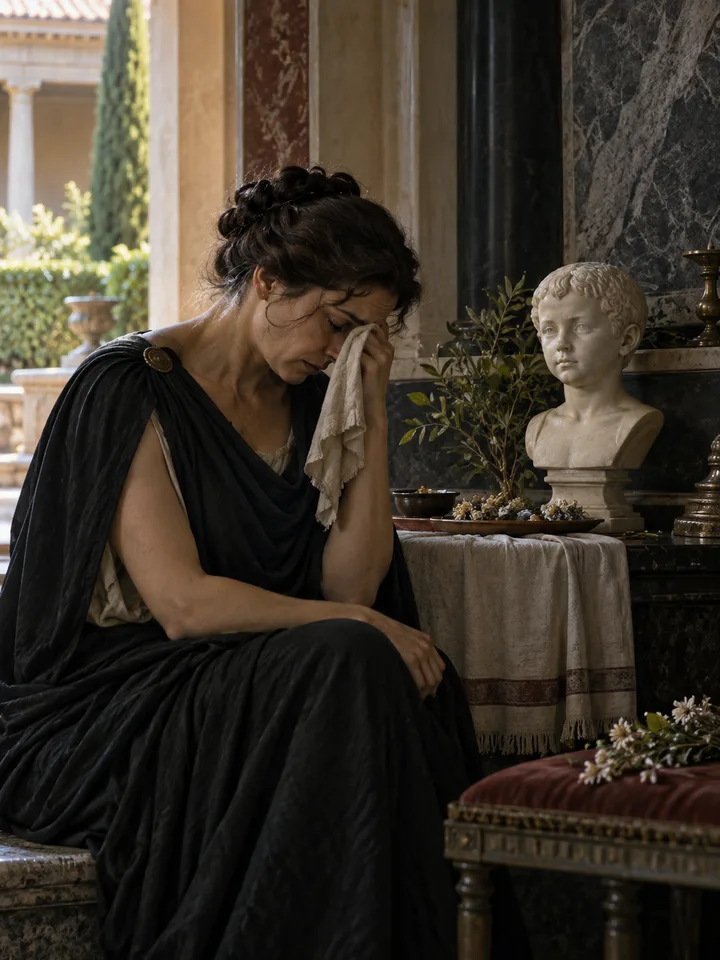
Photorealistic editorial illustration of Consolation to Marcia in the Prokopton42.com Library Consolation to MarciaSeneca

Work

Consolation to Marcia

Seneca addresses Marcia, long overwhelmed by the death of her son. He contrasts models of mourning, recalls the vulnerability of every life, and seeks a memory that honours the dead without indefinitely sustaining the wound.

What you will learn
Composition
c. 39-40 CE
Editions / translations
Dates to be documented
Languages
Latin · English · French
Extent
26 passages · 14,991 words
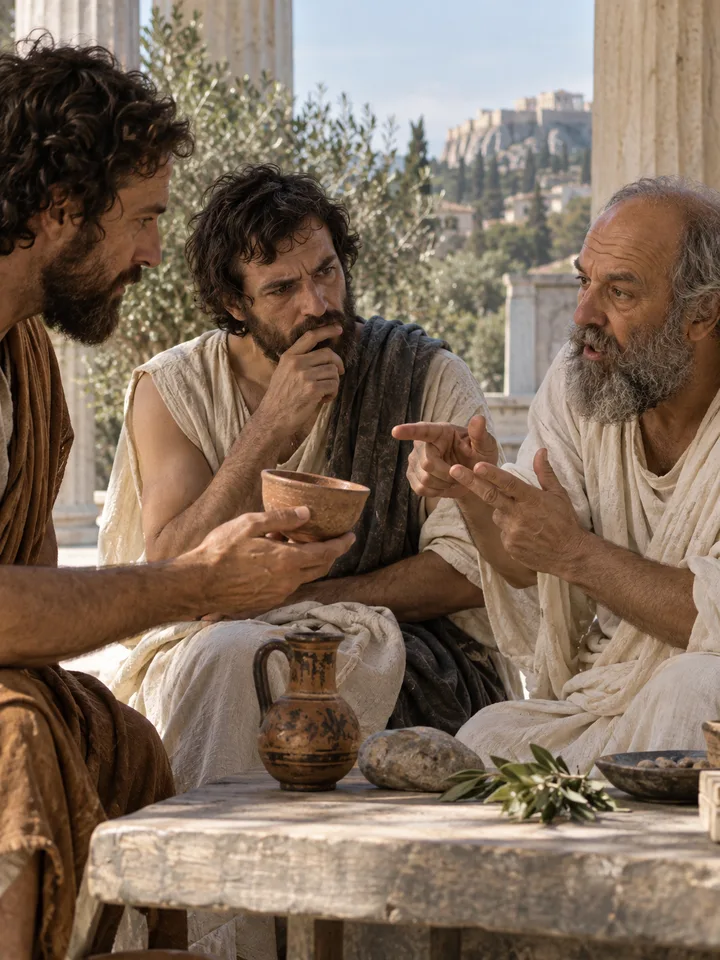
Photorealistic editorial illustration of Cratylus in the Prokopton42.com Library CratylusPlato

Work

Cratylus

Hermogenes, Cratylus, and Socrates debate the correctness of names: does it arise from convention or natural fit with things? Proliferating etymologies eventually move inquiry from language toward knowledge of reality.

What you will learn
Composition
c. 390-360 BCE
Editions / translations
Dates to be documented
Languages
Ancient Greek · English · French
Extent
58 passages · 24,169 words
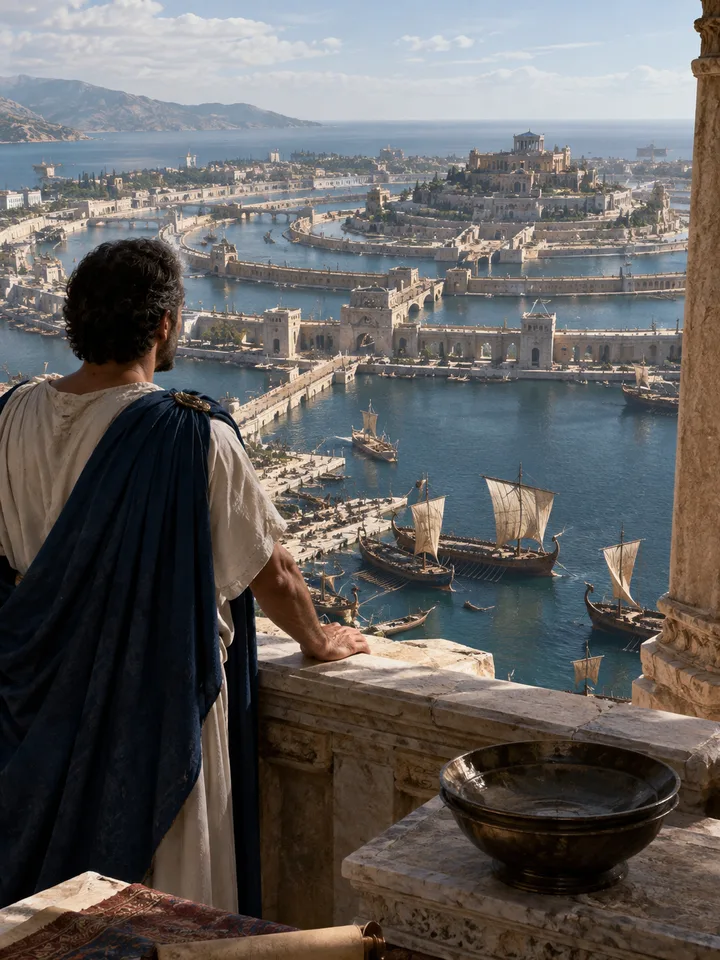
Photorealistic editorial illustration of Critias in the Prokopton42.com Library CritiasPlato

Work

Critias

Critias tells of ancient Athens and Atlantis, an island power whose initial order decays into desire for domination. The narrative continues the Timaeus but breaks off before the announced war and provides no completed conclusion.

What you will learn
Composition
c. 360-347 BCE
Editions / translations
Dates to be documented
Languages
Ancient Greek · English · French
Extent
16 passages · 7,257 words
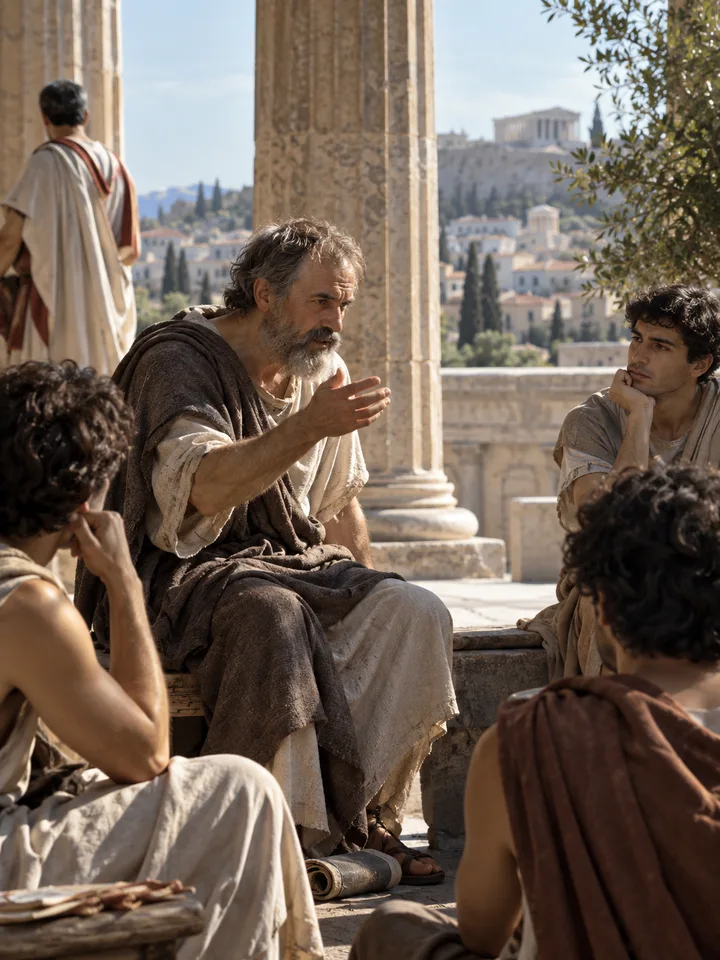
Photorealistic editorial illustration of Discourses of Epictetus, Recorded by Arrian in the Prokopton42.com Library Discourses of Epictetus, Recorded by ArrianEpictetus

Work

Discourses of Epictetus, Recorded by Arrian

Arrian transmits Epictetus’ oral teaching as lively exchanges with students. The teacher confronts their ambitions, fears, and inconsistencies with a central demand: govern assent, desire, and action rather than claim command over events.

What you will learn
Composition
teaching recorded by Arrian, c. 108-125 CE
Editions / translations
Dates to be documented
Languages
Ancient Greek · English · French
Extent
95 passages · 118,661 words
Photorealistic editorial illustration of Dīgha Nikāya: Collection of Long Discourses in the Prokopton42.com Library Dīgha Nikāya: Collection of Long DiscoursesSiddhartha Gautama / Buddha

Work

Dīgha Nikāya: Collection of Long Discourses

The Dīgha Nikāya contains extended teachings in which the Buddha and his interlocutors examine ritual, rival doctrines, ethics, meditation, and human destiny. Several narratives also portray the Buddhist community and preserve memories of the teacher’s final days.

What you will learn
Composition
oral strata, late 5th to 3rd centuries BCE; later Pali organization
Editions / translations
Dates to be documented
Languages
English · Pali · French
Extent
34 passages · 188,836 words
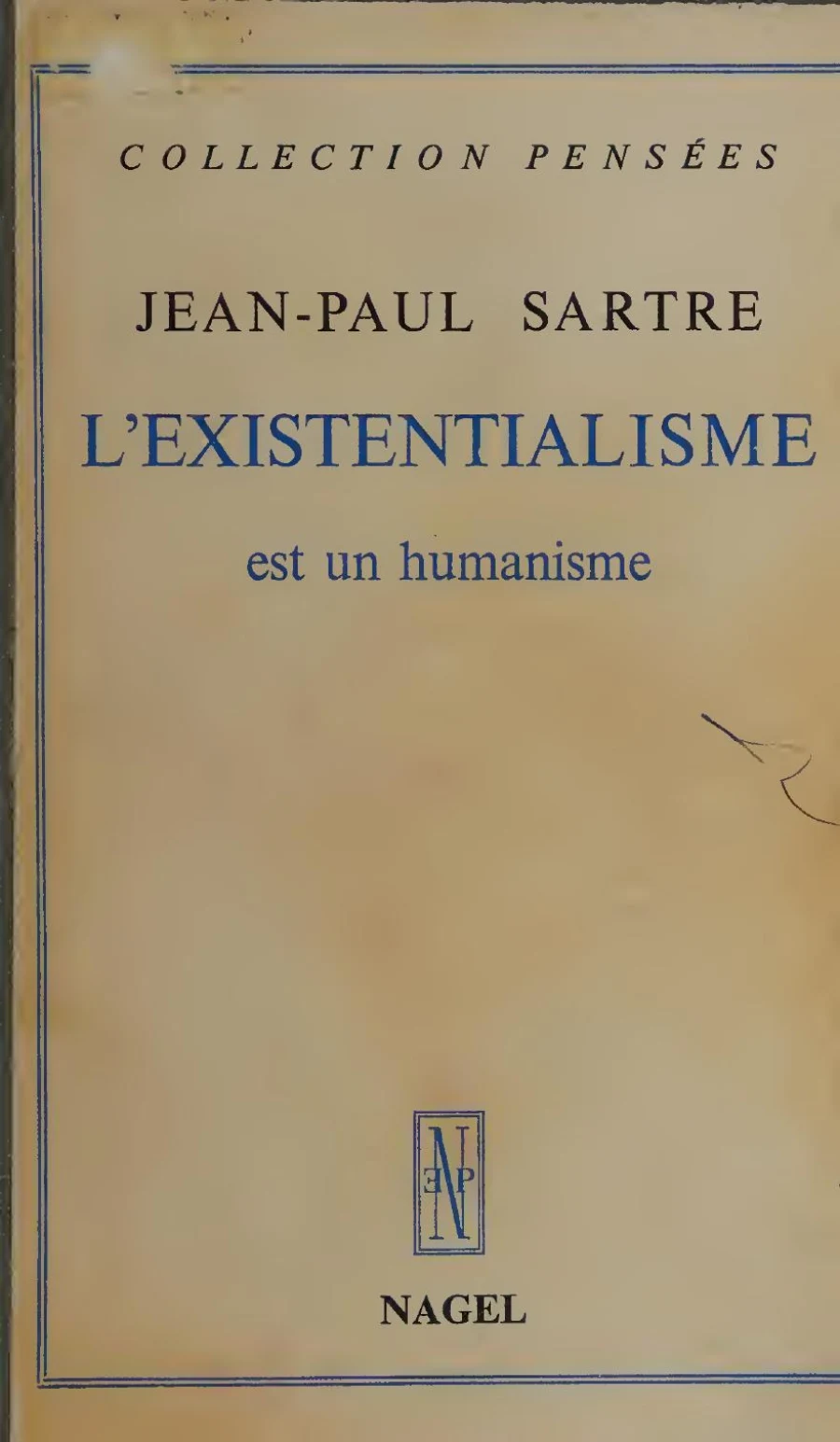
Photorealistic editorial illustration of Existentialism Is a Humanism in the Prokopton42.com Library Existentialism Is a HumanismJean-Paul Sartre

Work

Existentialism Is a Humanism

Sartre defends existentialism against quietism and despair: a person defines themselves through acts, within a situation they did not wholly choose.

What you will learn
Composition
October 1945 lecture; 1966 Nagel manifestation
Editions / translations
1966
Languages
French · English
Extent
20 passages · 11,542 words
Photorealistic editorial illustration of Geometry and Experience, French Translation in the Prokopton42.com Library Geometry and Experience, French TranslationAlbert Einstein

Work

Geometry and Experience, French Translation

Einstein asks how axiomatic geometry, valid by deduction, can describe physical bodies and measurements. This French translation clarifies the difference between a formal system, practical geometry, and the choice of a framework for relativity.

What you will learn
Composition
1921 lecture
Editions / translations
Dates to be documented
Languages
French · English
Extent
18 passages · 4,856 words
Photorealistic editorial illustration of Hipparchus, a Pseudo-Platonic Dialogue in the Prokopton42.com Library Hipparchus, a Pseudo-Platonic DialoguePlato

Work

Hipparchus, a Pseudo-Platonic Dialogue

Socrates and an unnamed interlocutor ask what it means to love gain. By arguing that no one truly desires what is judged worthless, the dialogue moves a moral accusation toward the problem of error about goodness.

What you will learn
Composition
4th-3rd centuries BCE; pseudo-Platonic attribution
Editions / translations
Dates to be documented
Languages
Ancient Greek · English · French
Extent
8 passages · 3,301 words
Photorealistic editorial illustration of Interview on The Philosopher on Call in the Prokopton42.com Library Interview on The Philosopher on CallRaphaël Enthoven

Work

Interview on The Philosopher on Call

Twenty-nine answers attributed to Raphaël Enthoven examine the media philosopher, ordinary objects, radio work, and the risk of confusing a thing with its label.

What you will learn
Composition
interview published 30 April 2011
Editions / translations
Dates to be documented
Languages
French · English
Extent
29 passages · 7,725 words
Photorealistic editorial illustration of Laches in the Prokopton42.com Library LachesPlato

Work

Laches

Two fathers consult Nicias and Laches about military education for their sons; Socrates returns the decision to a definition of courage. Endurance, knowledge of dangers, and battlefield conduct are tested without a final answer.

What you will learn
Composition
c. 399-380 BCE
Editions / translations
Dates to be documented
Languages
Ancient Greek · English · French
Extent
24 passages · 11,014 words
Photorealistic editorial illustration of Laws in the Prokopton42.com Library LawsPlato

Work

Laws

An Athenian, a Cretan, and a Spartan design institutions for a new city. Without Socrates, the dialogue examines legislation, education, worship, property, family, and punishment, asking how law can form citizens rather than merely constrain them.

What you will learn
Composition
c. 360-347 BCE; late work left unfinished
Editions / translations
Dates to be documented
Languages
Ancient Greek · English · French
Extent
327 passages · 148,152 words
Photorealistic editorial illustration of Letter to Pythocles in the Prokopton42.com Library Letter to PythoclesEpicurus

Fragments or testimony

Letter to Pythocles

The Letter to Pythocles offers several possible natural explanations for celestial and meteorological phenomena. Epicurus does not always seek one cause; he aims to exclude threatening divine stories when several mechanisms remain compatible with experience.

What you will learn
Composition
late 4th or early 3rd century BCE
Editions / translations
Dates to be documented
Languages
Ancient Greek · English · French
Extent
1 passage · 4,286 words
Photorealistic editorial illustration of Lucullus, Book Two of the Academica in the Prokopton42.com Library Lucullus, Book Two of the AcademicaCicero

Work

Lucullus, Book Two of the Academica

The Lucullus pits a defence of certain knowledge against Cicero’s sceptical reply. At the centre stands the cognitive impression: can it bear a mark that guarantees truth and therefore warrants assent?

What you will learn
Composition
45 BCE
Editions / translations
Dates to be documented
Languages
Latin · English · French
Extent
148 passages · 25,042 words
Photorealistic editorial illustration of Majjhima Nikāya: Collection of Middle-Length Discourses in the Prokopton42.com Library Majjhima Nikāya: Collection of Middle-Length DiscoursesSiddhartha Gautama / Buddha

Work

Majjhima Nikāya: Collection of Middle-Length Discourses

The Majjhima Nikāya tests Buddhist teaching in concrete encounters: debates with ascetics, counsel to disciples, analyses of experience, and meditation instructions. Its variety moves from dramatic dialogue to methodical examination of mind.

What you will learn
Composition
oral strata, late 5th to 3rd centuries BCE; later Pali organization
Editions / translations
Dates to be documented
Languages
English · French · Pali
Extent
152 passages · 312,220 words
Photorealistic editorial illustration of Meditations in the Prokopton42.com Library MeditationsMarcus Aurelius

Work

Meditations

Marcus Aurelius records private reminders for governing judgement, desire, and action under the pressure of power. The text repeatedly sets life’s brevity against the duty to act justly.

What you will learn
Composition
c. 170-180 CE
Editions / translations
1876 · 1889 · 1902
Languages
Ancient Greek · French · English
Extent
487 passages · 45,694 words
Photorealistic editorial illustration of Moral Letters to Lucilius in the Prokopton42.com Library Moral Letters to LuciliusSeneca

Fragments or testimony

Moral Letters to Lucilius

Seneca turns the letter into a moral workshop: ordinary situations become tests of judgement, time, and freedom. Lucilius is both addressee and partner in a course of practice the reader is invited to continue.

What you will learn
Composition
c. 62-65 CE
Editions / translations
Dates to be documented
Languages
Latin · French · English
Extent
2,141 passages · 209,173 words

Before reading

What you will learn

Open the full record