Work
Dīgha Nikāya: Collection of Long Discourses
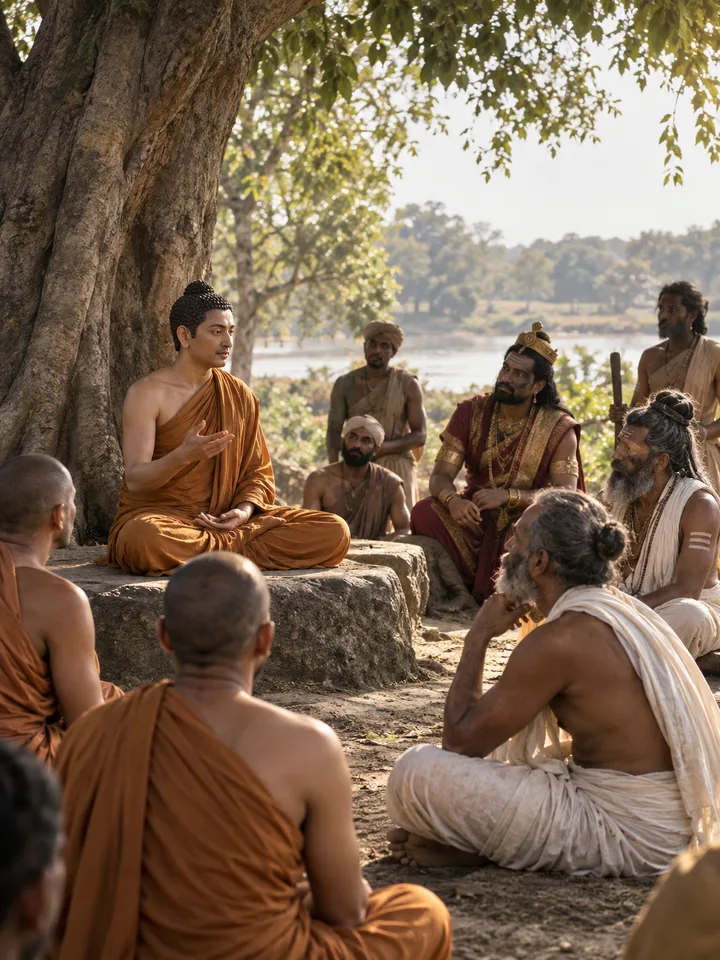
The Dīgha Nikāya contains extended teachings in which the Buddha and his interlocutors examine ritual, rival doctrines, ethics, meditation, and human destiny. Several narratives also portray the Buddhist community and preserve memories of the teacher’s final days.
- Composition
- oral strata, late 5th to 3rd centuries BCE; later Pali organization
Sources and precision
The range describes formation of the collection. Individual units may have different dates.
Confidence D · disputed range
- Tradition
- Buddhism
- Period
- Antiquity
- Languages
- English · Pali · French
- Extent
- 34 passages · 188,836 words
Before reading
What you will learn
Compare doctrines placed in debate, follow the sequence from conduct through meditation to knowledge, and distinguish narrative setting, controversy, and communal memory.
Short summary
The Dīgha Nikāya contains extended teachings in which the Buddha and his interlocutors examine ritual, rival doctrines, ethics, meditation, and human destiny. Several narratives also portray the Buddhist community and preserve memories of the teacher’s final days.
Long summary
Their length lets these discourses develop narrative settings, doctrinal classifications, and progressive refutations. Brahmins, ascetics, rulers, and disciples defend practices or ask what makes a life fruitful; responses connect conduct, concentration, and discernment.
The collection combines controversy, cosmology, communal instruction, and memorial narrative. Such diversity prevents it from becoming a uniform treatise. Instead, it shows a tradition positioning its teaching among the religious and political institutions of ancient India.
Inside this work
The table of contents follows the divisions actually carried by the corpus.
Work › Canonical text
Concepts covered
Historical context
The world around the text
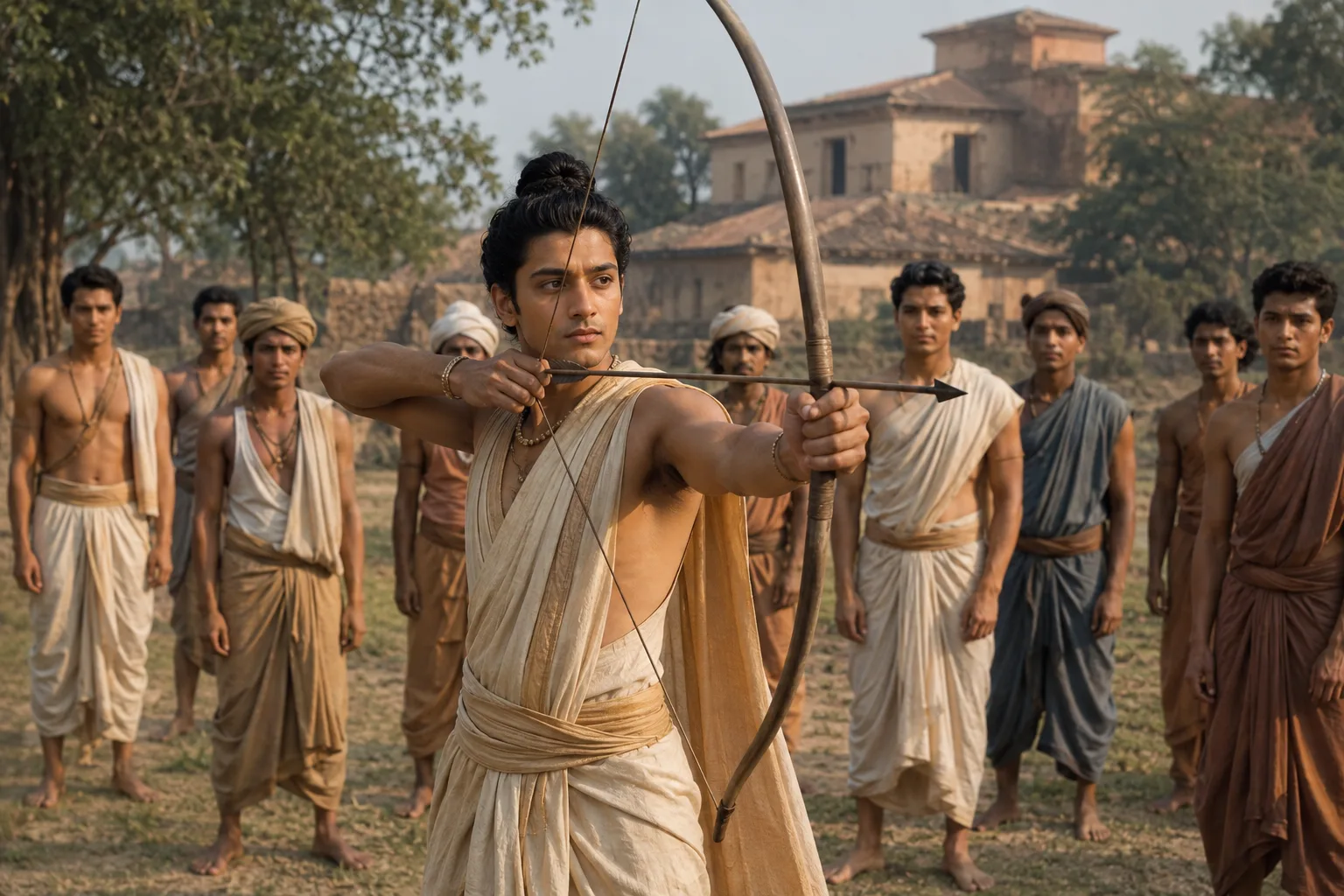
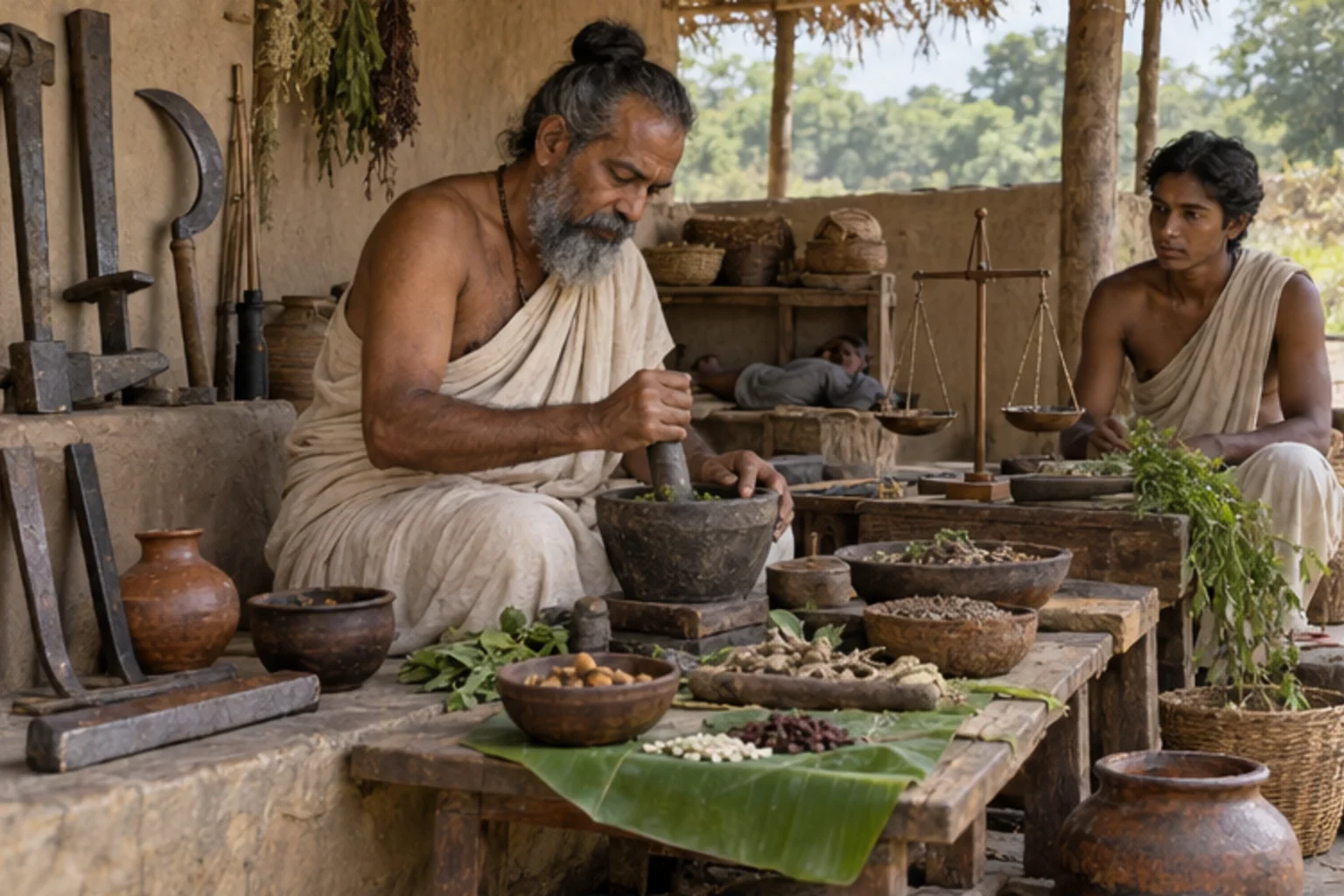
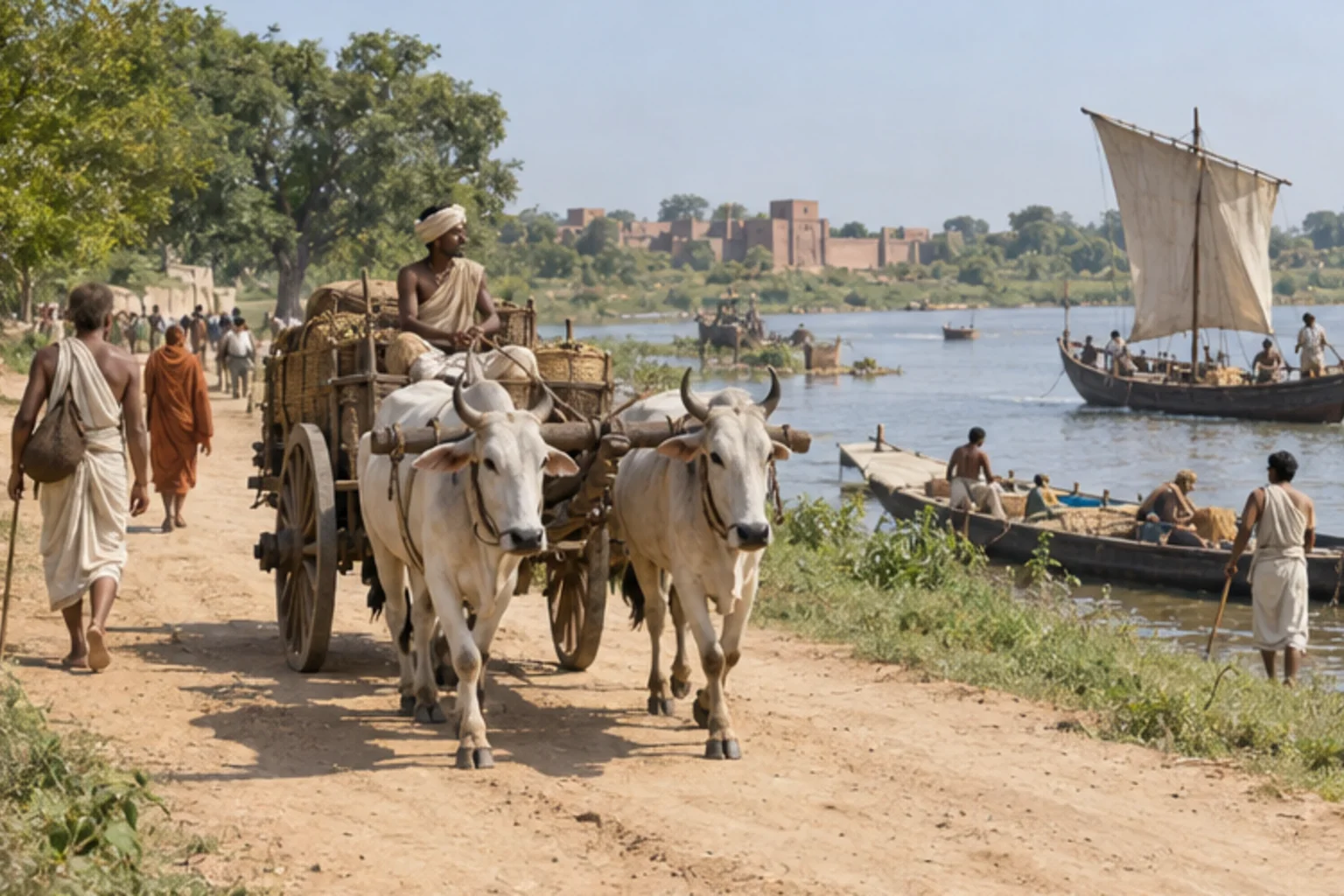
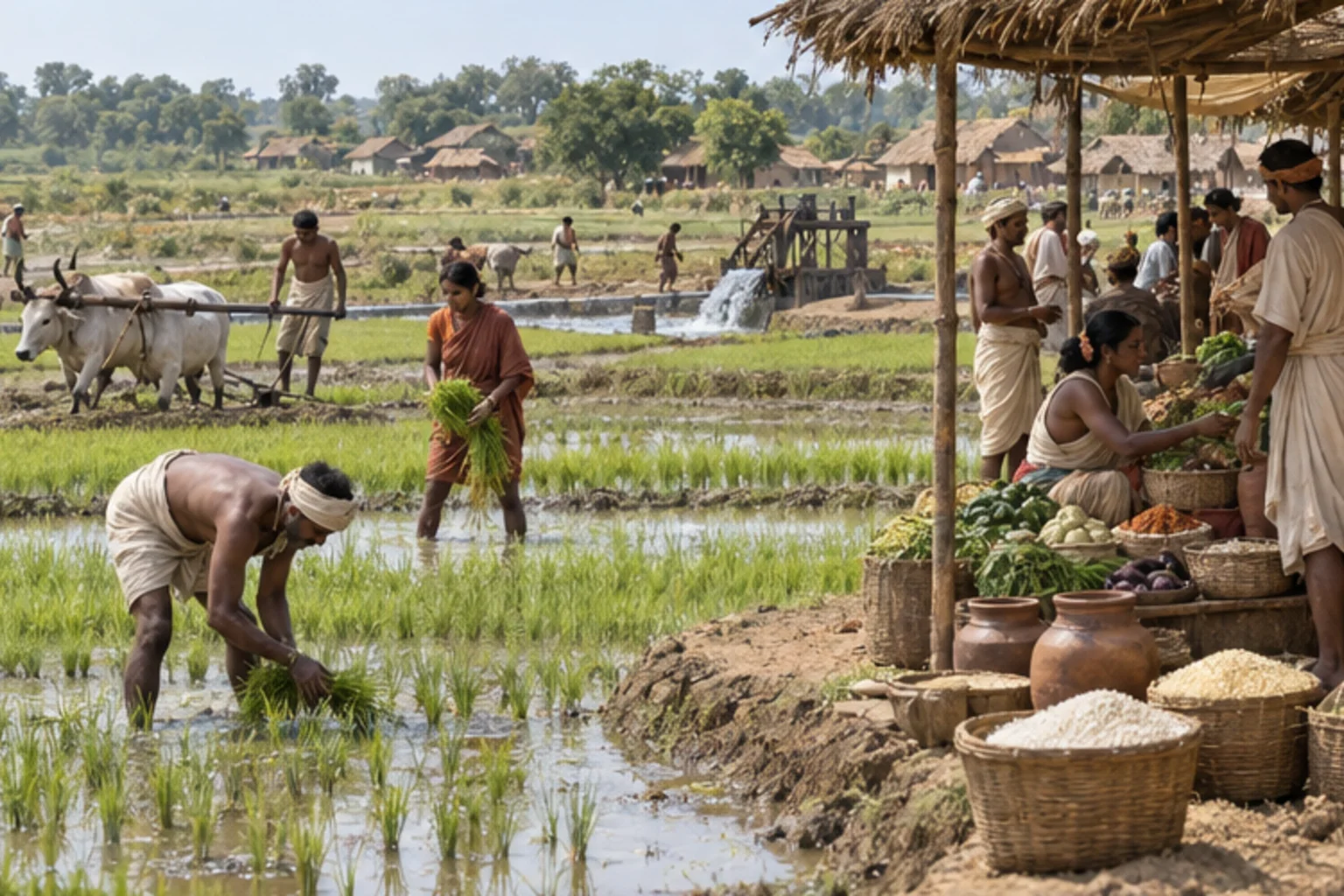
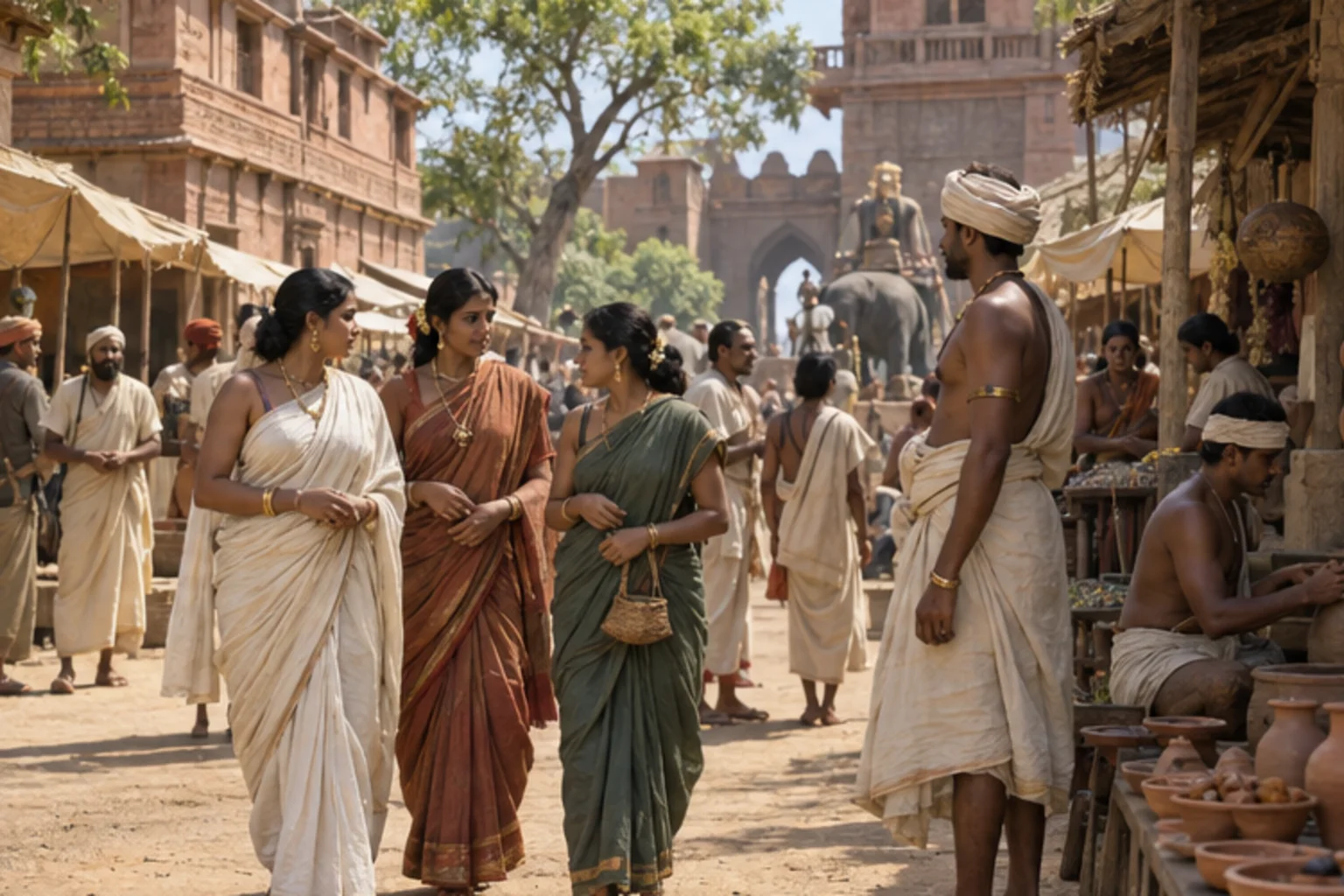
The corpus manifests do not yet establish the precise place and circumstances of composition. The images below document the author’s world or the text’s transmission. They do not claim to show the exact scene of writing.
These are modern reconstructions. They situate a documented place, practice, or transmission and are not period documents.
What the world looked like
Northern India, 5th-4th centuries BCE
- State of technology
- Iron tools, pottery, carpentry, weaving, and water works support towns, villages, and trade routes.
- Science and knowledge
- Calendars, calculation, observation of the sky, grammar, and debates on nature circulate in scholarly and religious settings that remain chiefly oral.
- Medicine and care
- Plants, diets, massage, cautery, and surgical procedures form traditions of care without germ theory.
- Transport
- Walking, chariots, ox carts, horses, and river craft connect kingdoms, markets, and itinerant communities.
- Agriculture and food
- Rice, millet, barley, pulses, livestock, and irrigation feed dense regions through largely manual labour.
- Communication
- Oral teaching, recitation, messengers, and early regional uses of writing carry doctrines and decisions.
- Clothing and fashion
- Women and men wear draped cotton or wool cloth, belts, shawls, and ornaments whose form varies by region and status.
Editions, translations, and provenance
The following carriers represent the text. They do not create new passage identities.
- Englishpublished_canonical_carrier
- Palipublished_canonical_carrier
- French AI-generated translation, non-officialCodex gpt-5.6-sol · Non-official working translation · 2026-09-11
Source manifests: buddha.digha_nikaya
Reader
Read page by page
Dīgha Nikāya: Collection of Long DiscoursesSiddhartha Gautama / Buddha