Work
Discourses of Epictetus, Recorded by Arrian
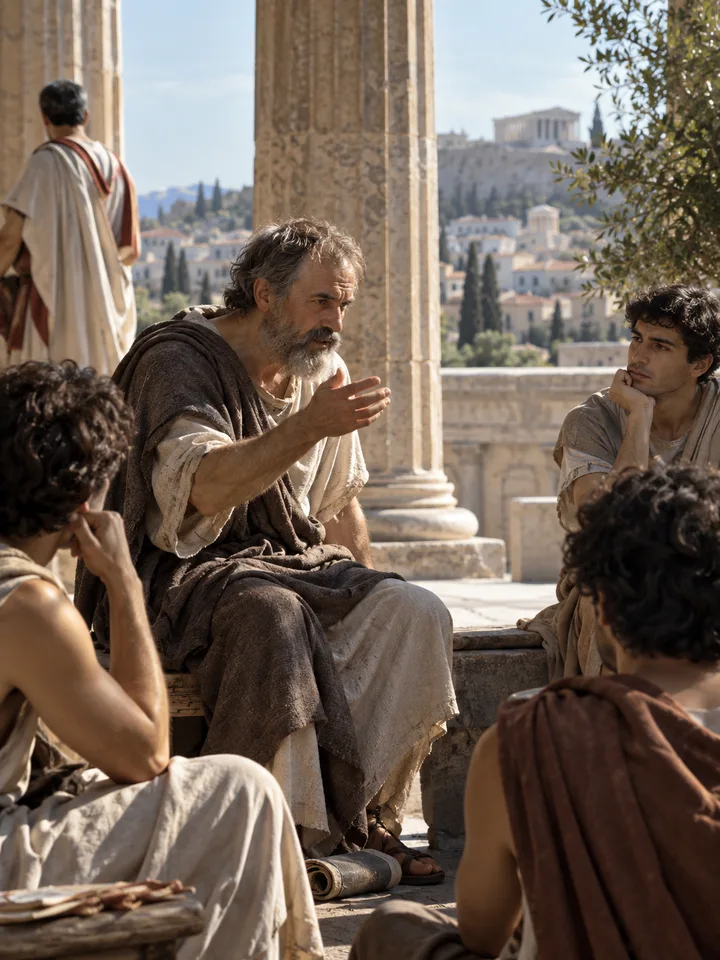
Arrian transmits Epictetus’ oral teaching as lively exchanges with students. The teacher confronts their ambitions, fears, and inconsistencies with a central demand: govern assent, desire, and action rather than claim command over events.
- Composition
- teaching recorded by Arrian, c. 108-125 CE
Sources and precision
The range describes composition or formation of the text, distinct from the dates of the editions held.
Confidence C · probable range
- Tradition
- Stoicism
- Period
- Antiquity
- Languages
- Ancient Greek · English · French
- Extent
- 95 passages · 118,661 words
Before reading
What you will learn
Distinguish event from assent, follow Epictetus’ interrogative pedagogy, connect freedom with social role, and identify Arrian’s literary mediation.
Short summary
Arrian transmits Epictetus’ oral teaching as lively exchanges with students. The teacher confronts their ambitions, fears, and inconsistencies with a central demand: govern assent, desire, and action rather than claim command over events.
Long summary
The Discourses begin from concrete situations, a magistrate’s visit, departure, illness, family conflict, or school exercise, then question the judgement making them fearful. Epictetus uses social roles, rational kinship, and providence to define freedom compatible with external constraint.
The abrupt tone, staged objections, and repetitions belong to oral pedagogy. Arrian is writer and mediator, not a recording device. The text provides access to Epictetus’ teaching without erasing its literary composition.
Inside this work
The table of contents follows the divisions actually carried by the corpus.
Work › Book › Chapter
Book 130 passages
Book 226 passages
Book 326 passages
Concepts covered
Historical context
The world around the text
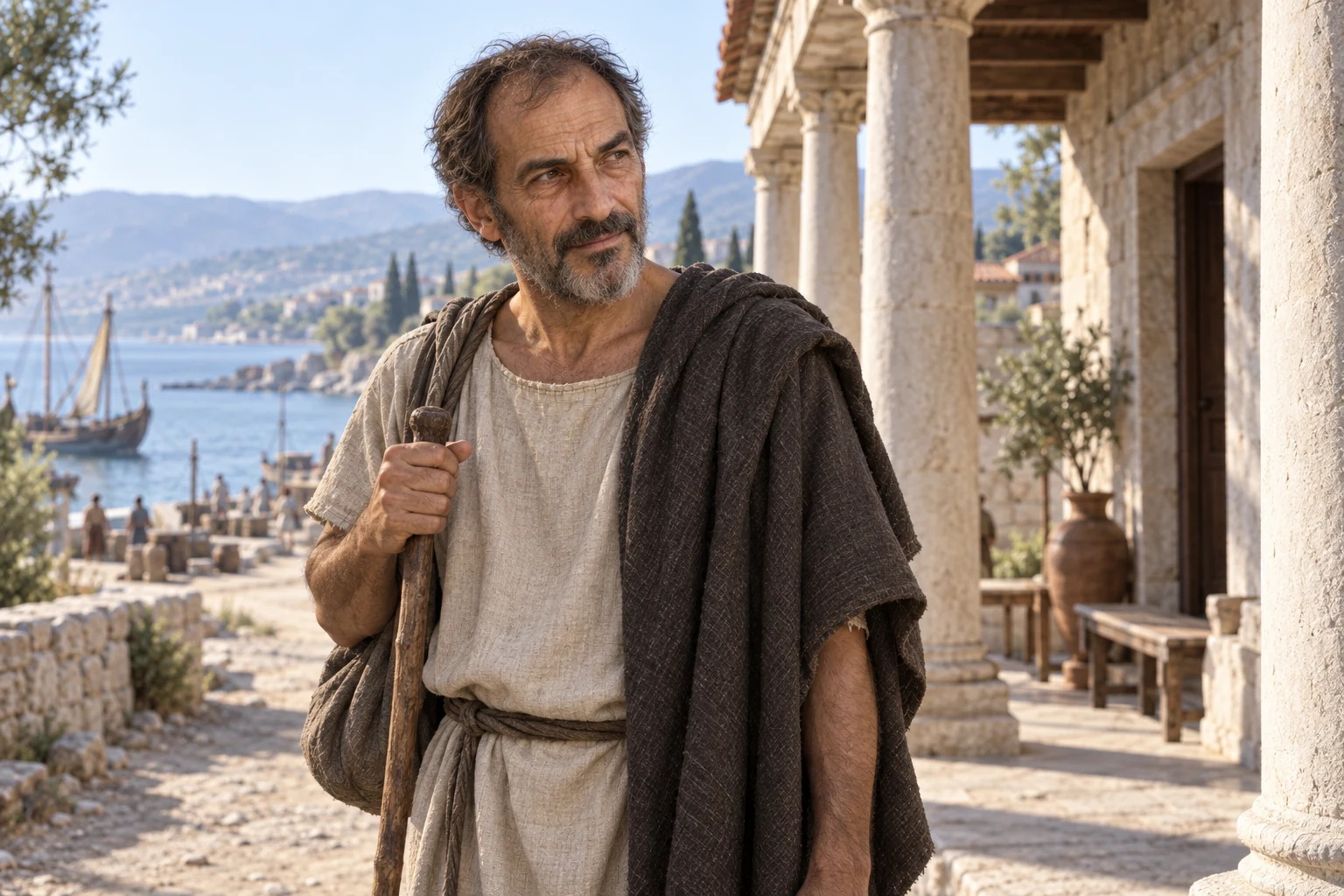
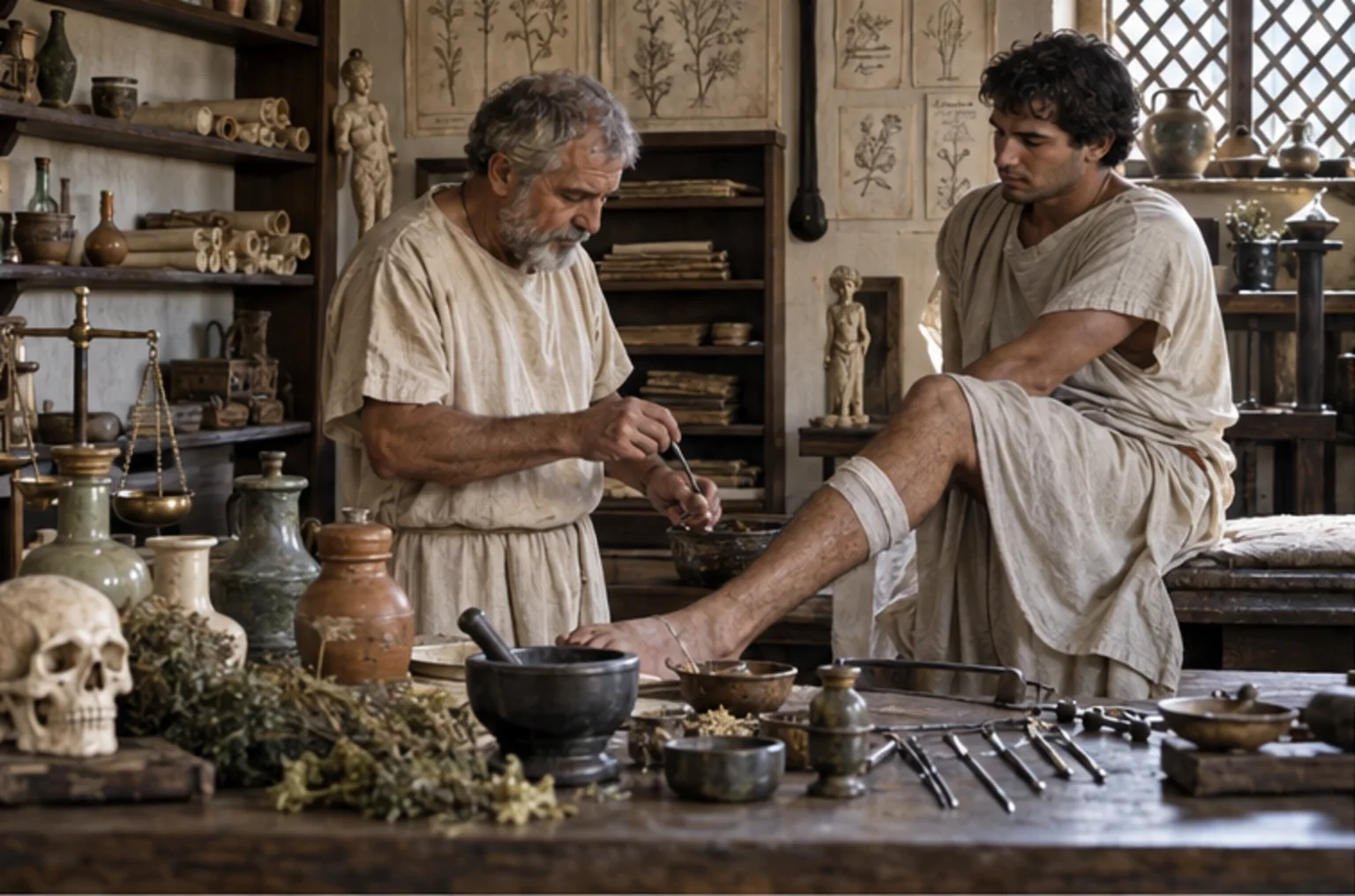
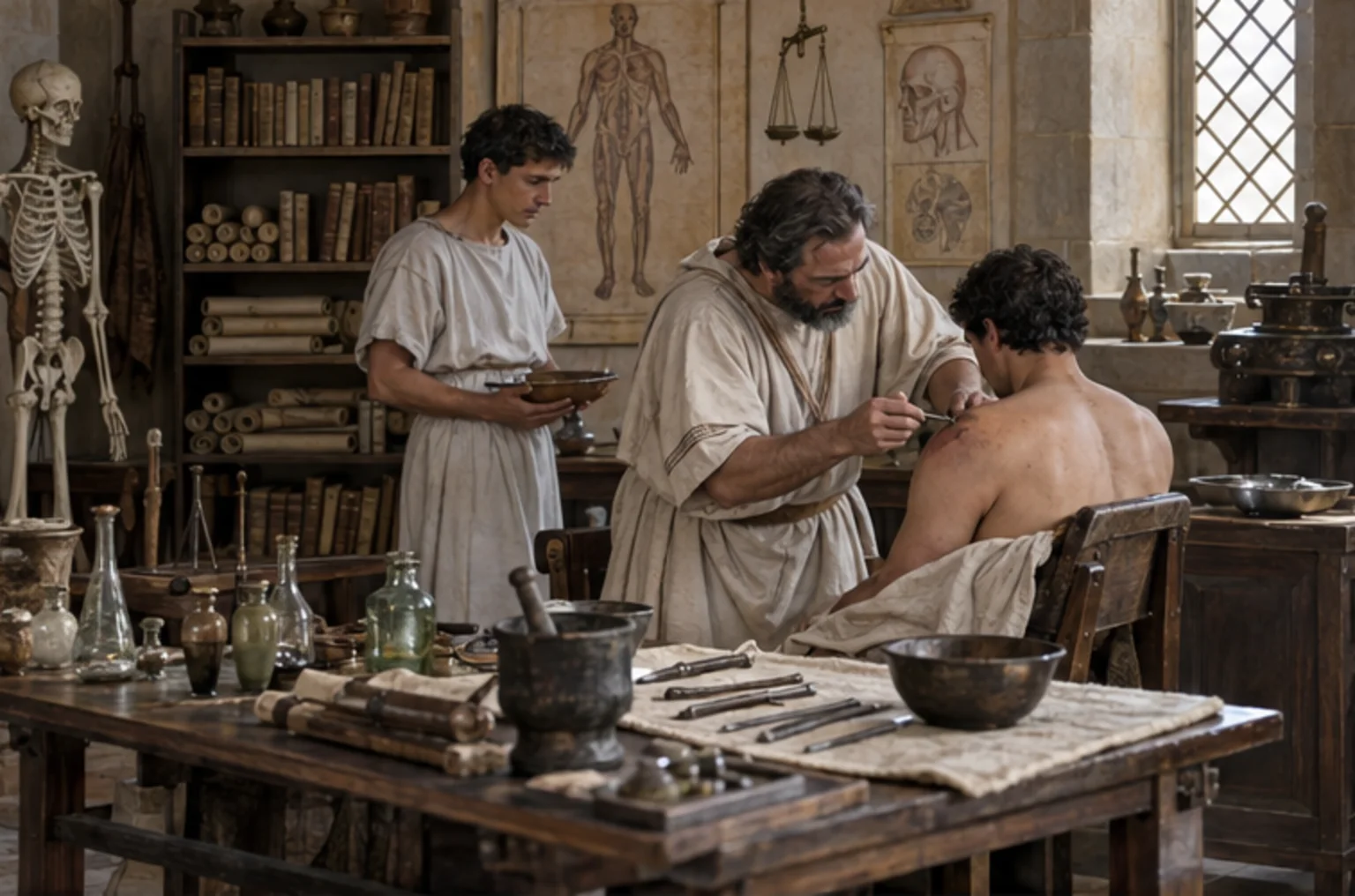
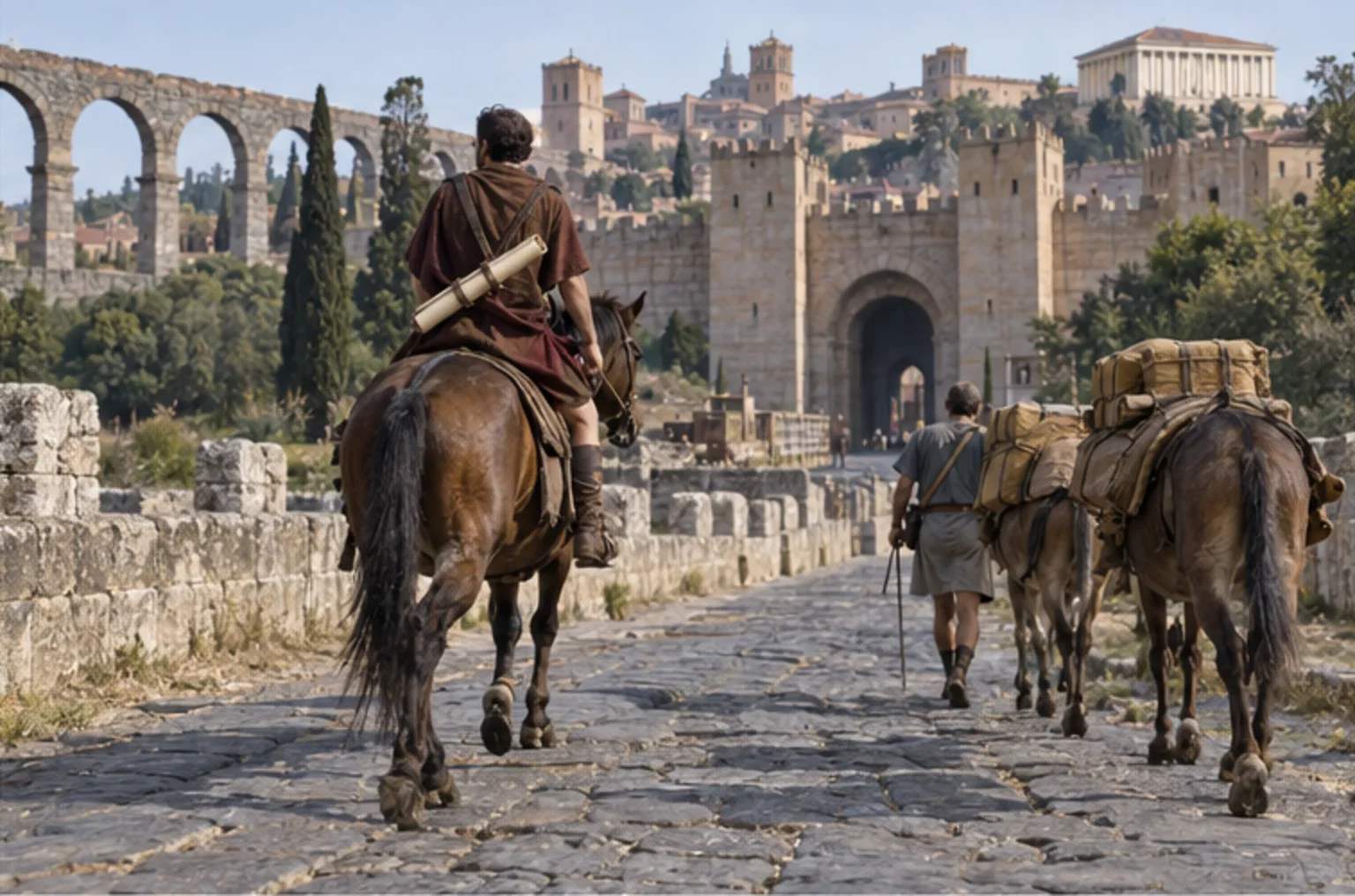
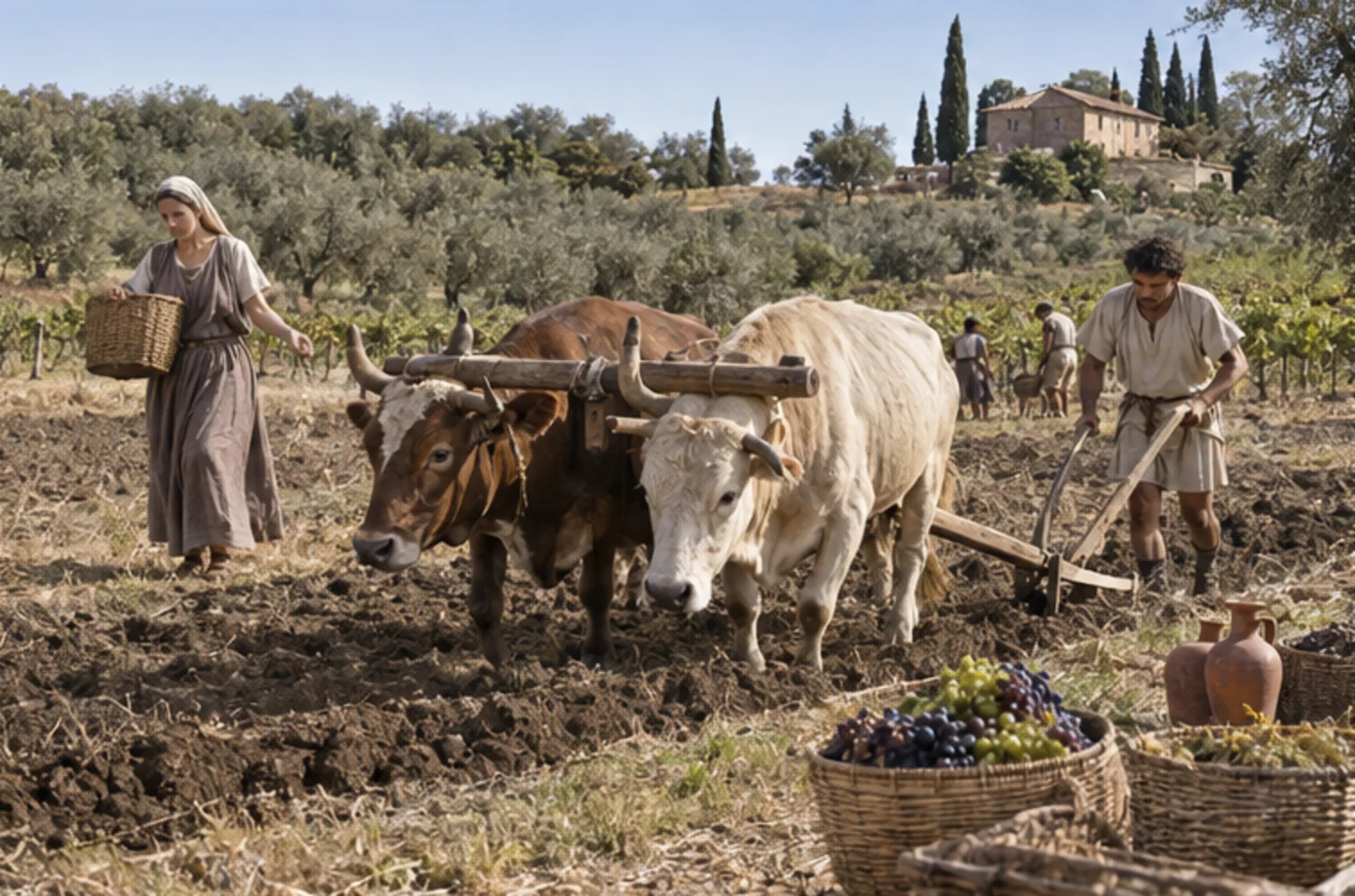
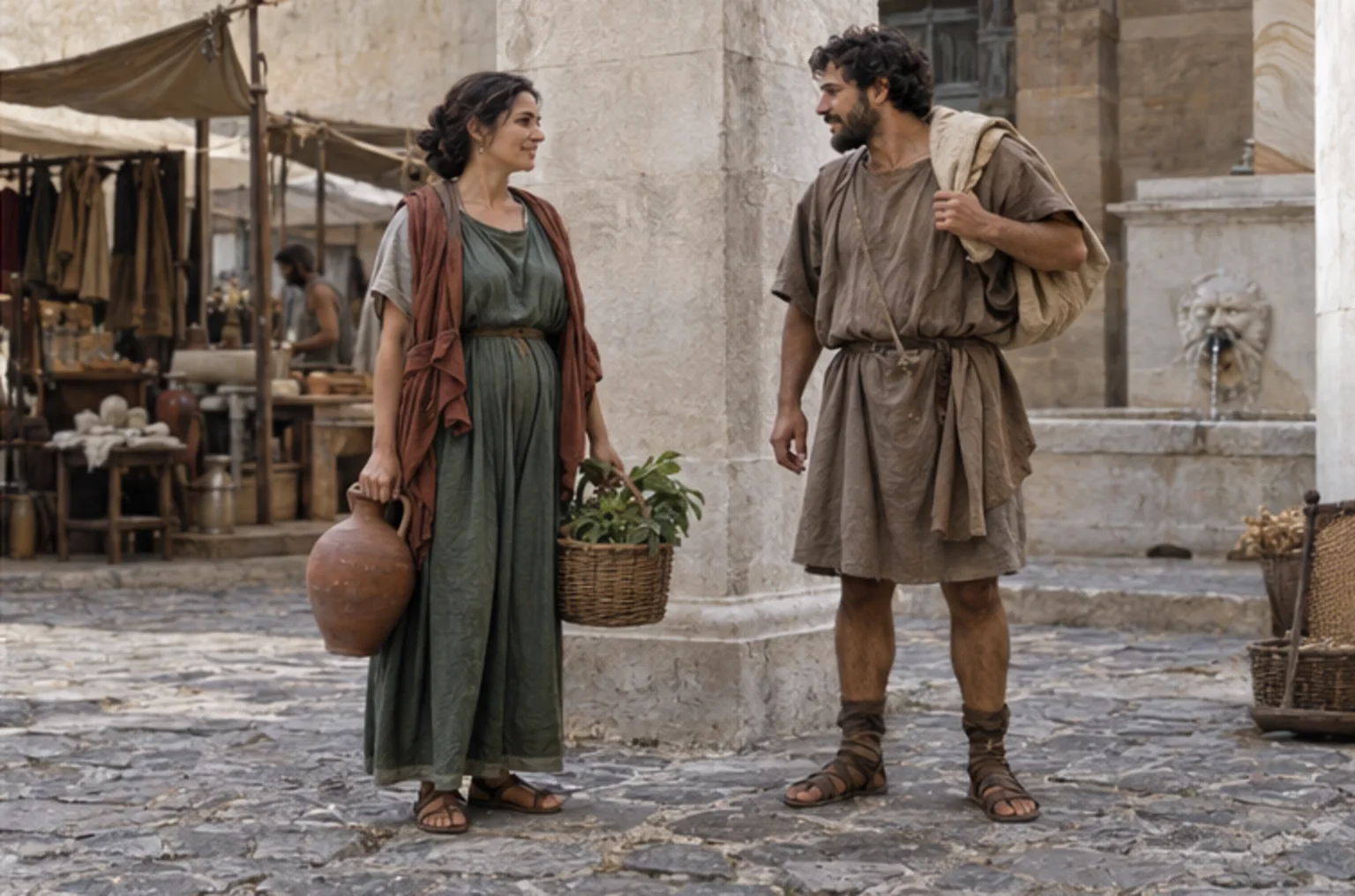
The corpus manifests do not yet establish the precise place and circumstances of composition. The images below document the author’s world or the text’s transmission. They do not claim to show the exact scene of writing.
These are modern reconstructions. They situate a documented place, practice, or transmission and are not period documents.
What the world looked like
Roman world, 1st century BCE to 3rd century CE
- State of technology
- Paved roads, aqueducts, concrete, glassware, mills, and hypocaust heating equip some cities, but energy comes mainly from bodies, animals, water, and wood.
- Science and knowledge
- Astronomy, geometry, natural history, and engineering compile Greek, Egyptian, and Roman knowledge. Measurement exists without a modern laboratory.
- Medicine and care
- Physicians, midwives, baths, plants, and rudimentary surgery can help; reliable anaesthesia, antisepsis, and antibiotics do not exist.
- Transport
- On foot, horseback, cart, or ship, road and sea networks connect the Empire. Travel remains slow, costly, and risky.
- Agriculture and food
- Grain, vines, olives, pulses, and livestock supply cities and armies; estates, slavery, and tenancy organize part of the labour.
- Communication
- Imperial couriers, letters on papyrus or tablets, inscriptions, and oral proclamations spread information. Everything is copied by hand.
- Clothing and fashion
- Tunics and cloaks are common to both sexes; the stola, toga, footwear, colours, and jewellery mark citizenship, office, wealth, and origin.
Editions, translations, and provenance
The following carriers represent the text. They do not create new passage identities.
- Ancient Greekoriginal_carrier
- Englishhistorical_translation
- Frenchhistorical_translation
Source manifests: epictetus.discourses
Reader
Read page by page
Discourses of Epictetus, Recorded by ArrianEpictetus