Work
Fundamental Ideas and Problems of the Theory of Relativity, Nobel Lecture
Einstein retraces the problems leading from Lorentz transformations to special relativity and then to a theory of gravitation based on spacetime geometry. The lecture emphasizes physical principles rather than only the result recognized by the prize.
- Composition
- 11 July 1923
Sources and precision
The range describes composition or formation of the text, distinct from the dates of the editions held.
Confidence A · direct evidence
- Tradition
- Science and scientific thought
- Period
- Contemporary era
- Languages
- English · French
- Extent
- 14 passages · 3,579 words
Before reading
What you will learn
Trace the move from special relativity to geometric gravitation, understand the equivalence principle, and distinguish theoretical reconstruction from discovery history.
Short summary
Einstein retraces the problems leading from Lorentz transformations to special relativity and then to a theory of gravitation based on spacetime geometry. The lecture emphasizes physical principles rather than only the result recognized by the prize.
Long summary
The lecture begins from tension between classical mechanics and electrodynamics, reformulates space and time through measurement, and introduces the equivalence of acceleration and gravitation. Equations appear as responses to precise conceptual constraints.
The account is retrospective without being a complete history of discovery. Einstein orders stages according to the logic of his theory and marks remaining problems. This pedagogical reconstruction should be distinguished from the collective circumstances of research.
Inside this work
The table of contents follows the divisions actually carried by the corpus.
Work › Section
Concepts covered
Historical context
The world around the text
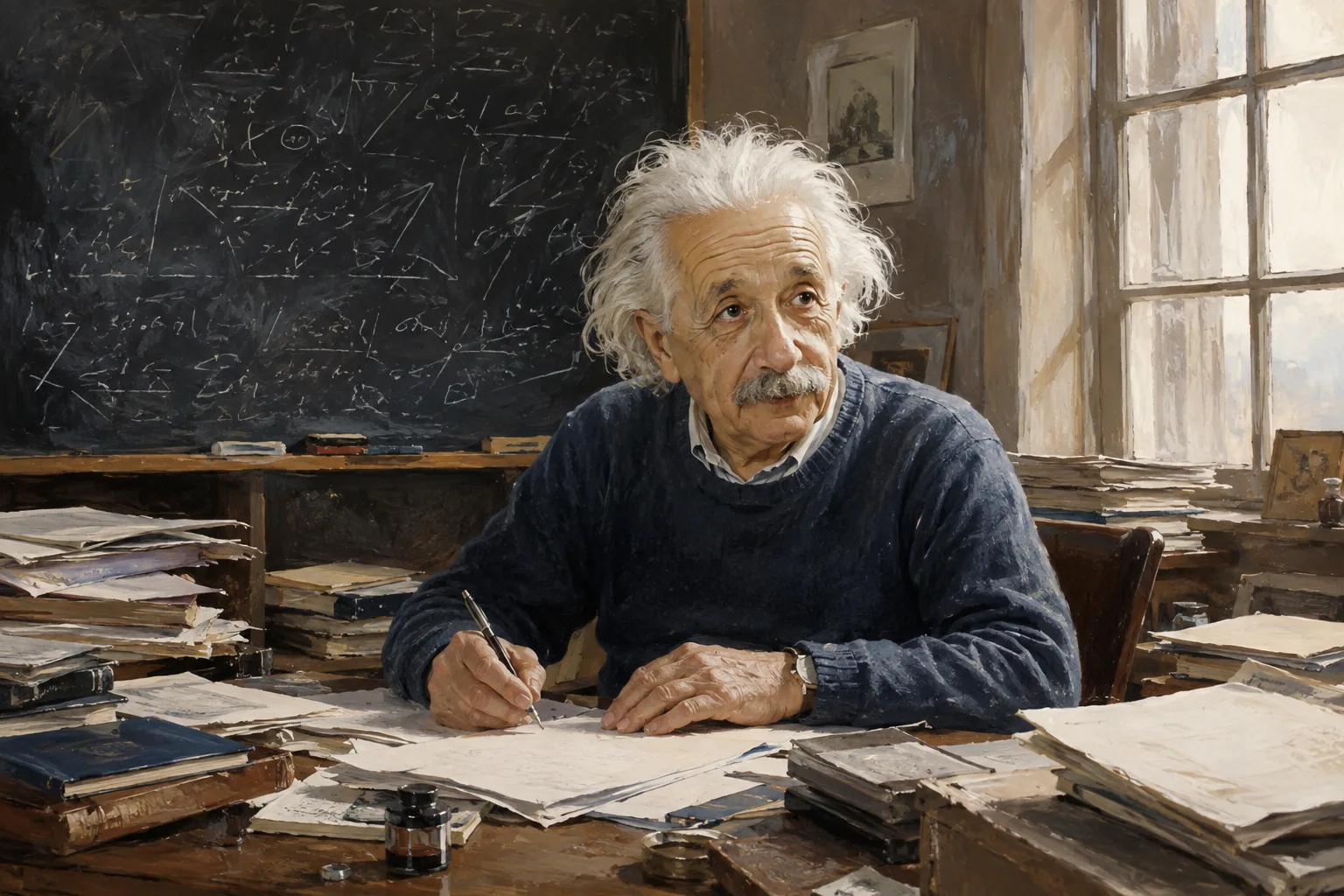
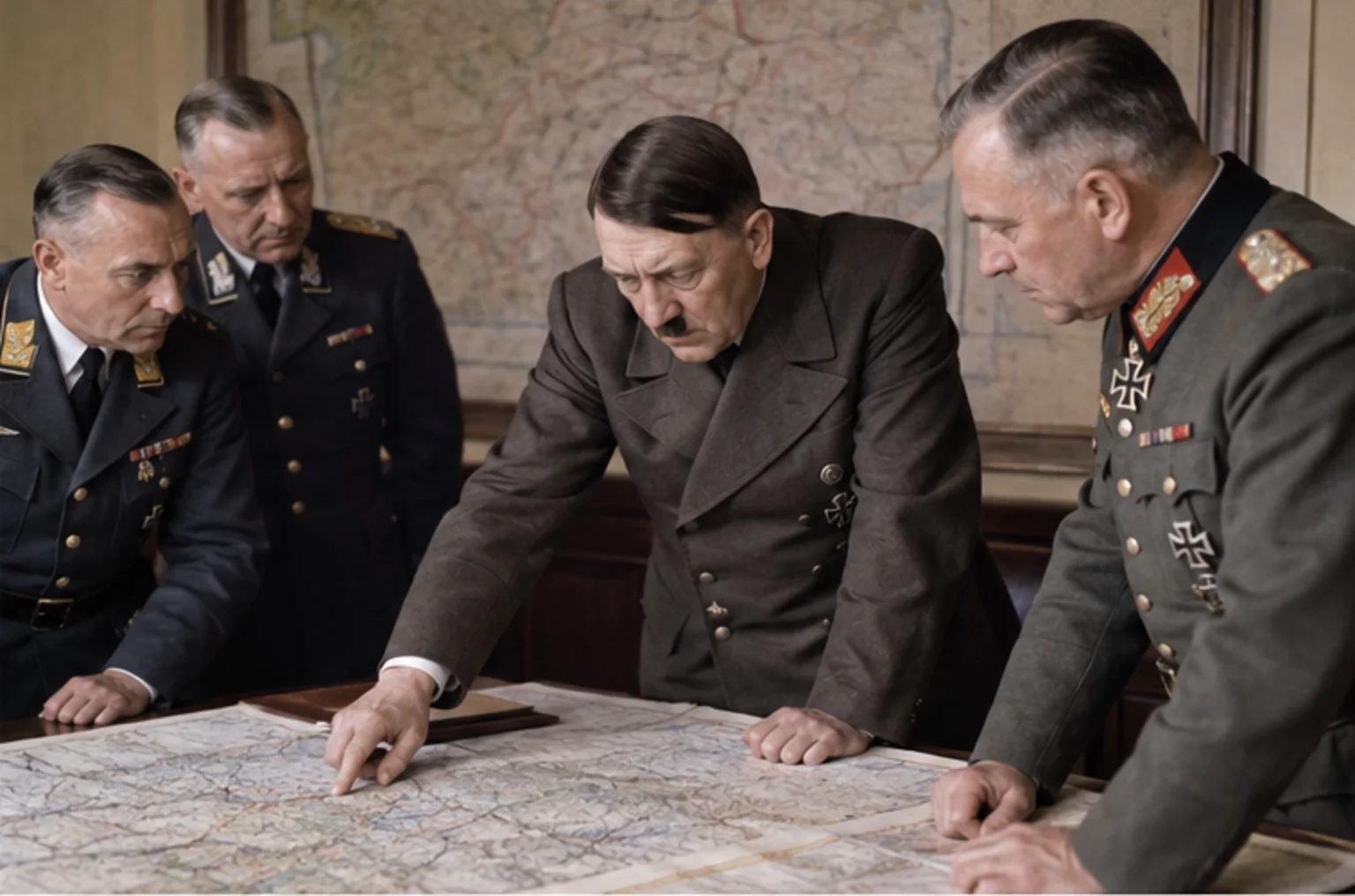
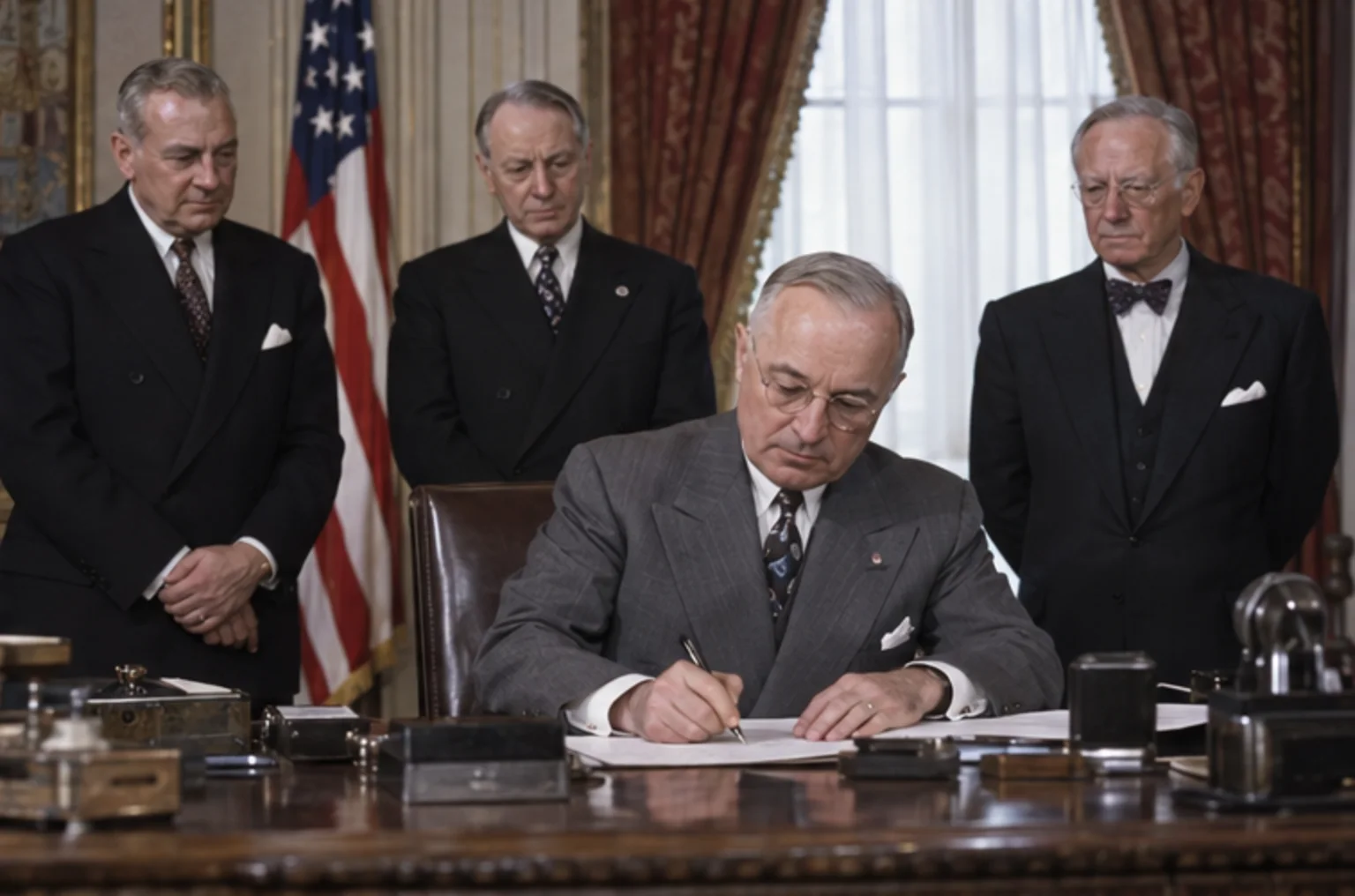
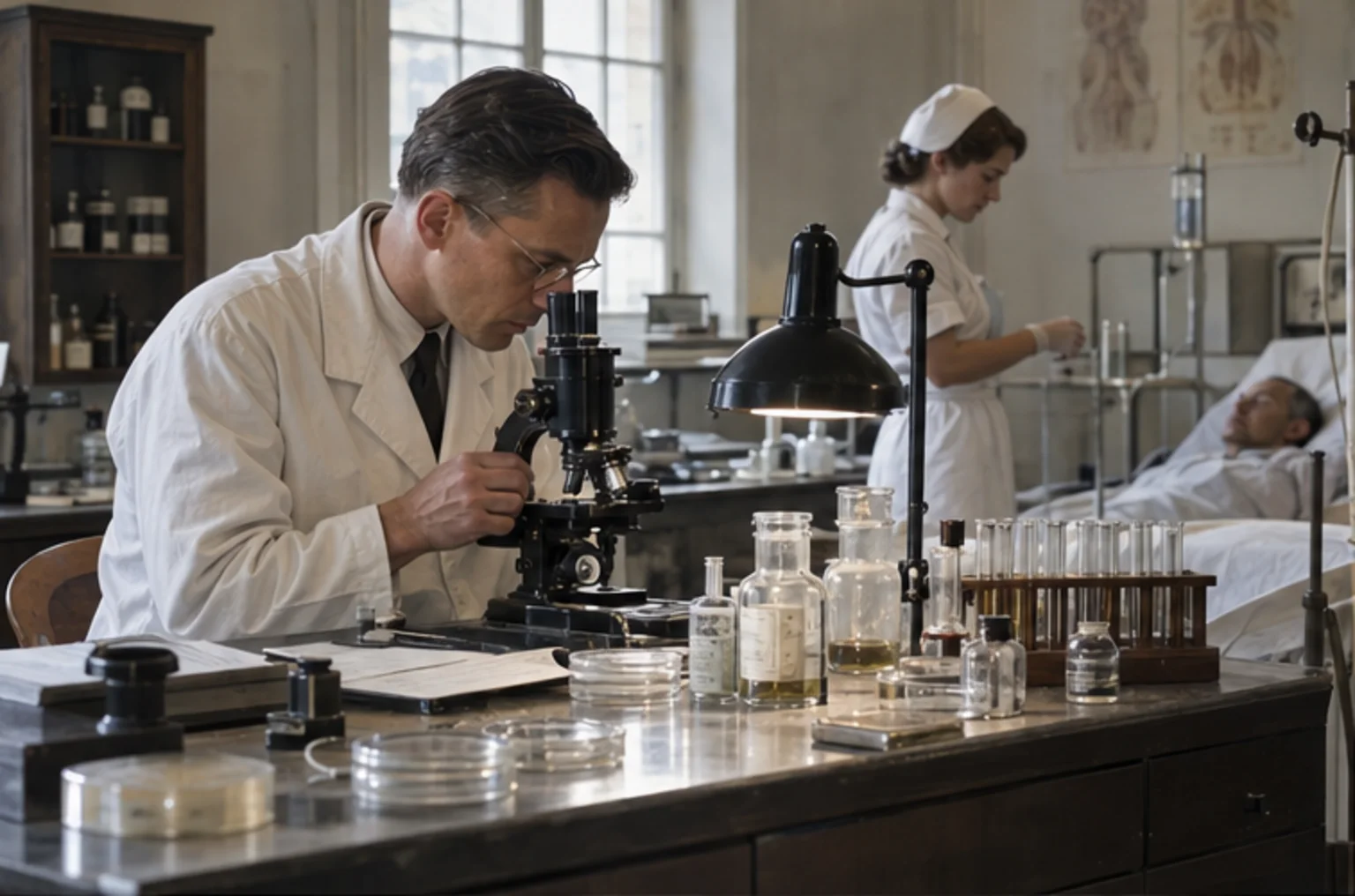
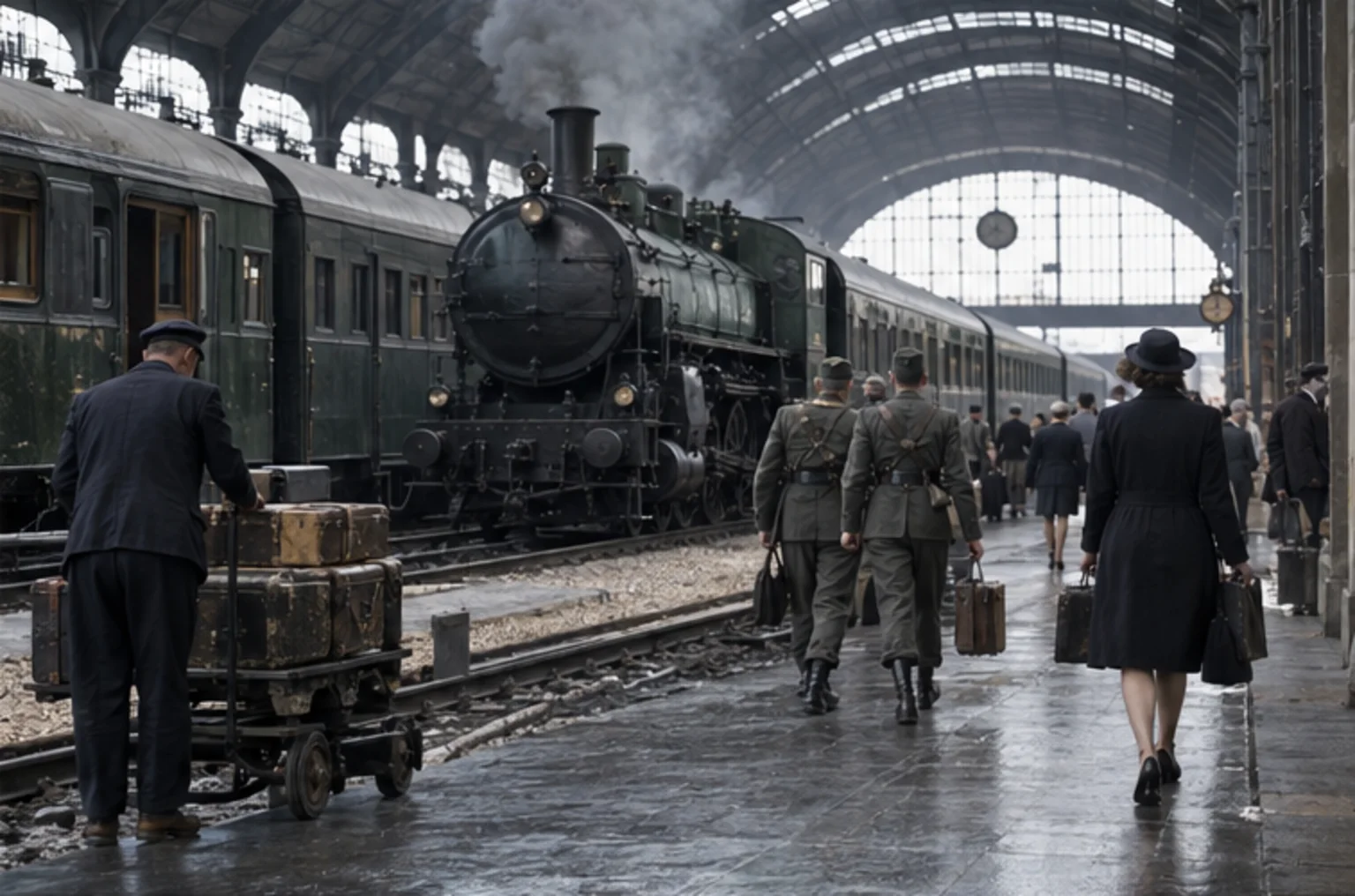
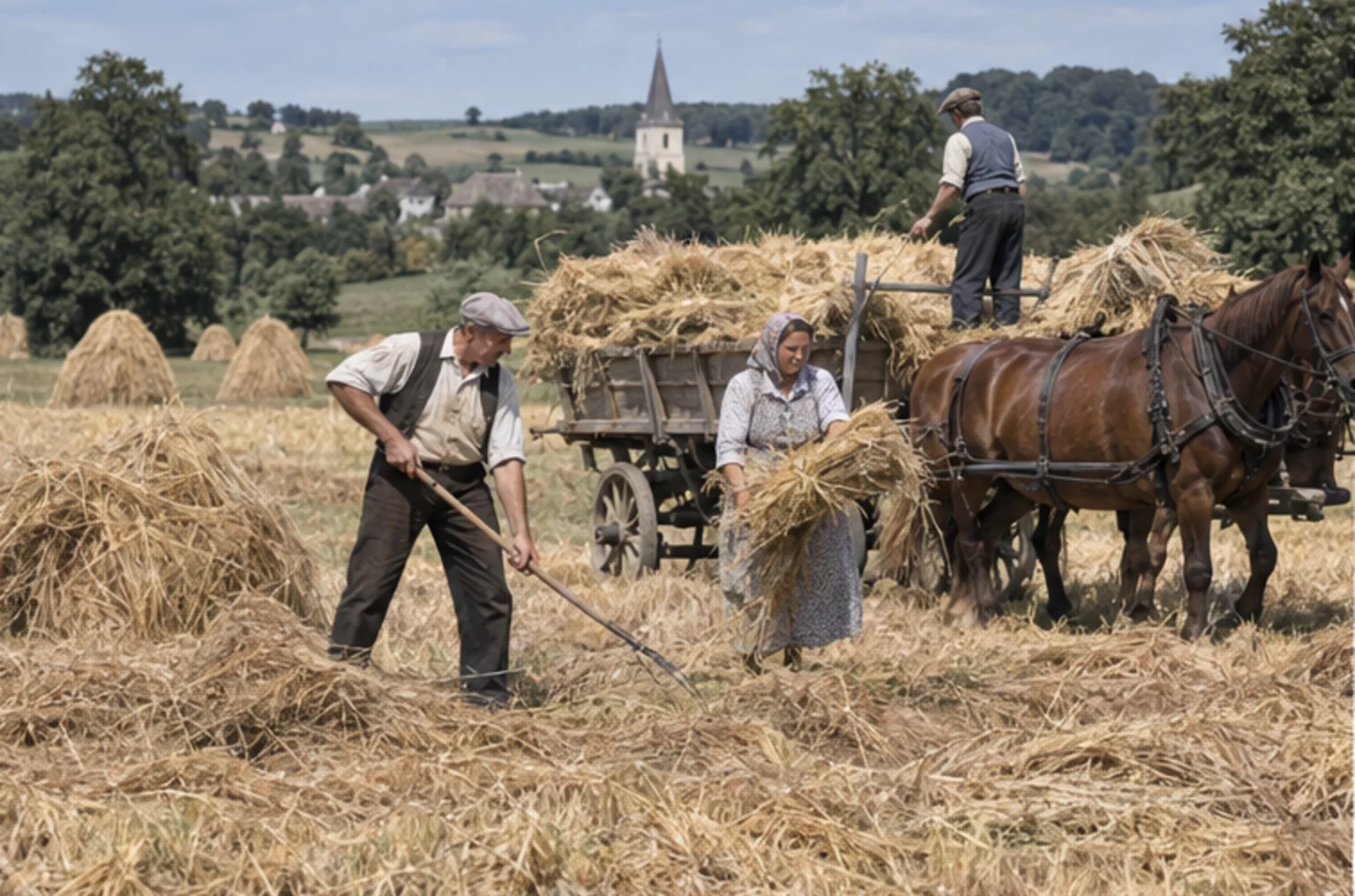
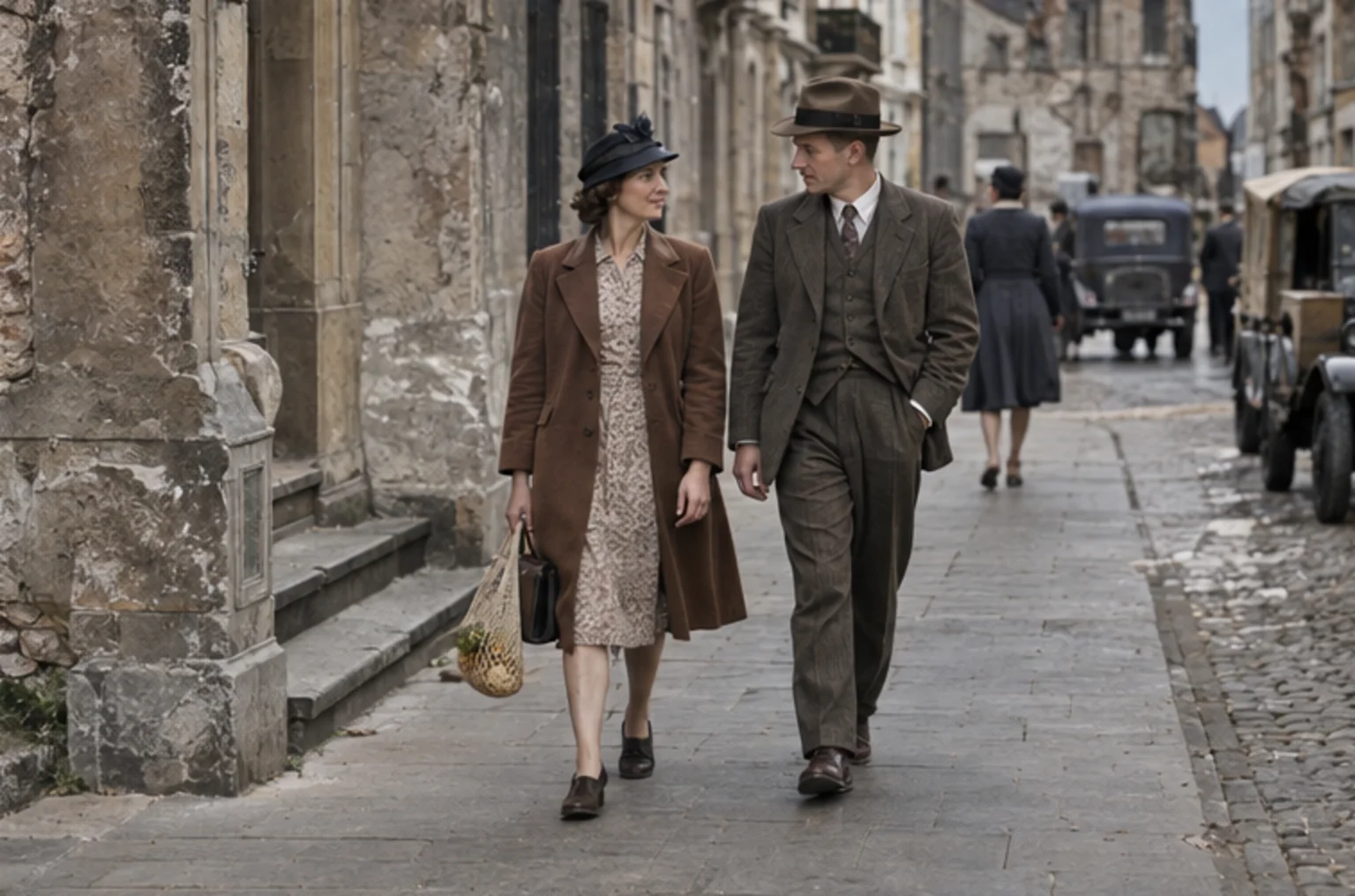
The corpus manifests do not yet establish the precise place and circumstances of composition. The images below document the author’s world or the text’s transmission. They do not claim to show the exact scene of writing.
These are modern reconstructions. They situate a documented place, practice, or transmission and are not period documents.
What the world looked like
World of the world wars, 1914-1945
- State of technology
- Electricity, internal combustion, steel, aviation, radio, cinema, and mass production transform civilian life and warfare.
- Science and knowledge
- Relativity, quantum physics, chemistry, psychology, and genetics reshape knowledge within powerful institutions that are sometimes militarized.
- Medicine and care
- X-rays, surgery, transfusion, antisepsis, and early antibiotics save more lives without universal access.
- Transport
- Rail, cars, trams, ocean liners, and aircraft coexist. Armies mechanize mobility rapidly.
- Agriculture and food
- Tractors, fertilizers, and breeding advance; rationing, blockade, and requisition expose fragile supplies.
- Communication
- Telephone, telegraph, radio, newsreels, and newspapers reach mass audiences; propaganda and censorship use the same networks.
- Clothing and fashion
- Suits, shorter dresses, coats, and hats coexist with uniforms and workwear. Shortages simplify cuts and materials.
Editions, translations, and provenance
The following carriers represent the text. They do not create new passage identities.
- Englishcomplete_source_selection
- French AI-generated translation, non-officialCodex gpt-5.6-sol · Non-official working translation · 2026-09-11
Source manifests: einstein.nobel_lecture
Reader
Read page by page
Fundamental Ideas and Problems of the Theory of Relativity, Nobel LectureAlbert Einstein