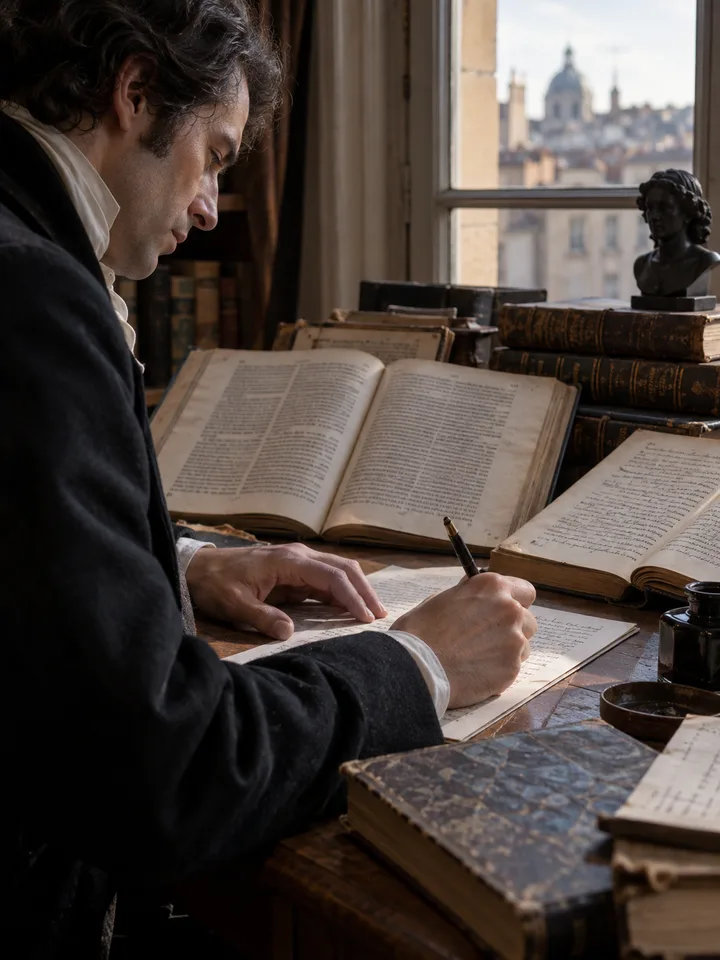
Work
Treatise on the Emendation of the Intellect, Émile Saisset’s French Translation
Émile Saisset translates into French Spinoza’s unfinished inquiry into method, truth, and the highest good. A narrative of intellectual conversion leads toward classification of knowledge and discipline of the adequate idea.
- Composition
- c. 1661, unfinished
Sources and precision
The range describes composition or formation of the text, distinct from the dates of the editions held.
Confidence C · probable range
- Tradition
- Modern and contemporary philosophy
- Period
- Modern era
- Languages
- French · English
- Extent
- 46 passages · 15,989 words
Before reading
What you will learn
Follow the prologue’s conversion into method, distinguish four kinds of knowledge, and observe how Saisset’s vocabulary transmits the concepts.
Short summary
Émile Saisset translates into French Spinoza’s unfinished inquiry into method, truth, and the highest good. A narrative of intellectual conversion leads toward classification of knowledge and discipline of the adequate idea.
Long summary
Spinoza asks which good deserves to order a life and concludes that human perfection should be sought with others rather than possessed alone. He then analyzes perceptions based on testimony, indeterminate experience, inference, and knowledge of essence.
Saisset’s version belongs to the French reception of Spinoza. Its vocabulary can draw the text toward later philosophical categories and should be compared with Latin or other translations. The point of interruption remains that of the transmitted work; the translator does not resolve it.
Inside this work
The table of contents follows the divisions actually carried by the corpus.
Work › Section
- Section section-0001
- Section section-0002
- Section section-0003
- Section section-0004
- Section section-0005
- Section section-0006
- Section section-0007
- Section section-0008
- Section section-0009
- Section section-0010
- Section section-0011
- Section section-0012
- Section section-0013
- Section section-0014
- Section section-0015
- Section section-0016
- Section section-0017
- Section section-0018
- Section section-0019
- Section section-0020
- Section section-0021
- Section section-0022
- Section section-0023
- Section section-0024
- Section section-0025
- Section section-0026
- Section section-0027
- Section section-0028
- Section section-0029
- Section section-0030
- Section section-0031
- Section section-0032
- Section section-0033
- Section section-0034
- Section section-0035
- Section section-0036
- Section section-0037
- Section section-0038
- Section section-0039
- Section section-0040
- Section section-0041
- Section section-0042
- Section section-0043
- Section section-0044
- Section section-0045
- Section section-0046
Concepts covered
Historical context
The world around the text
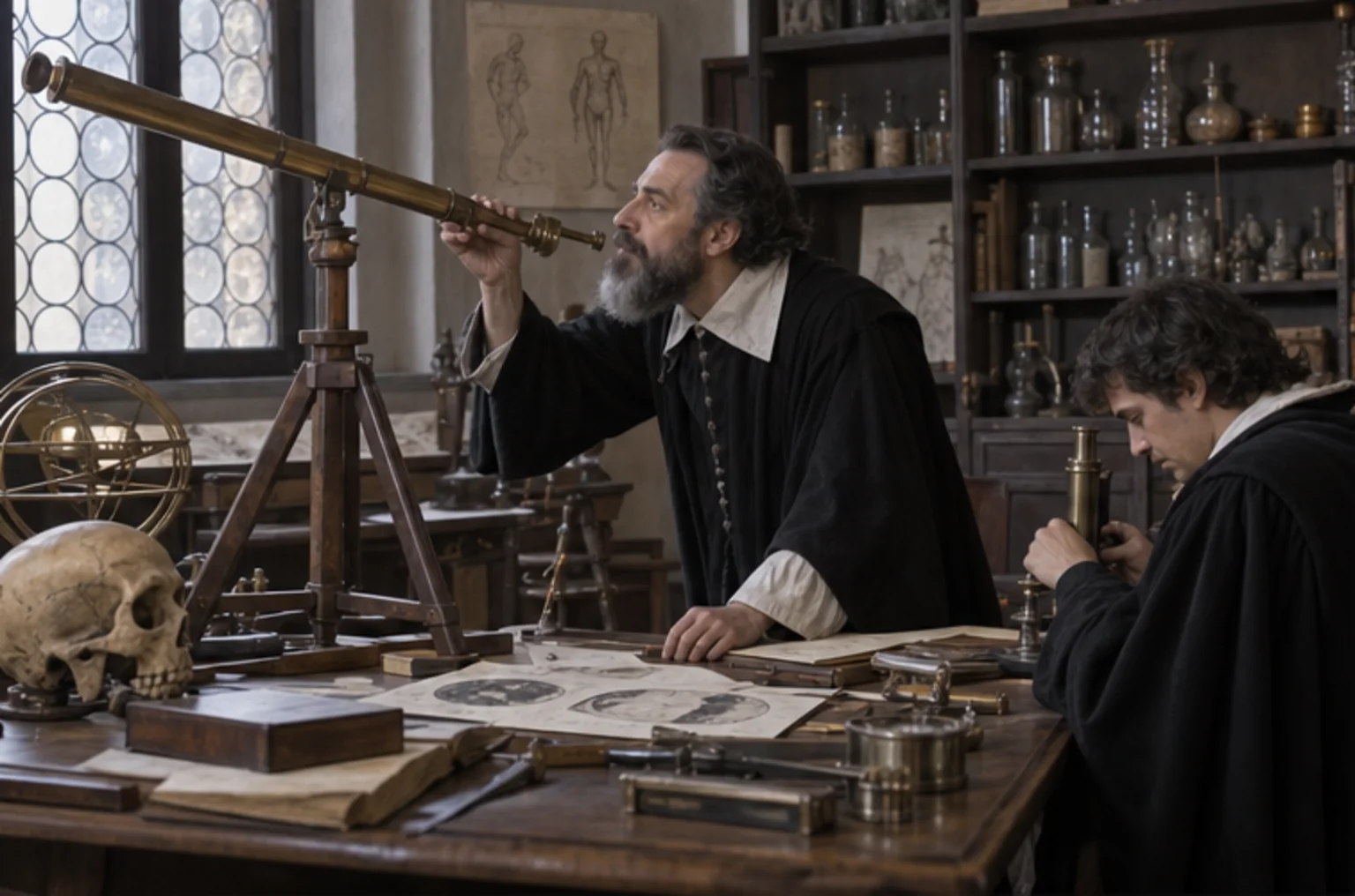
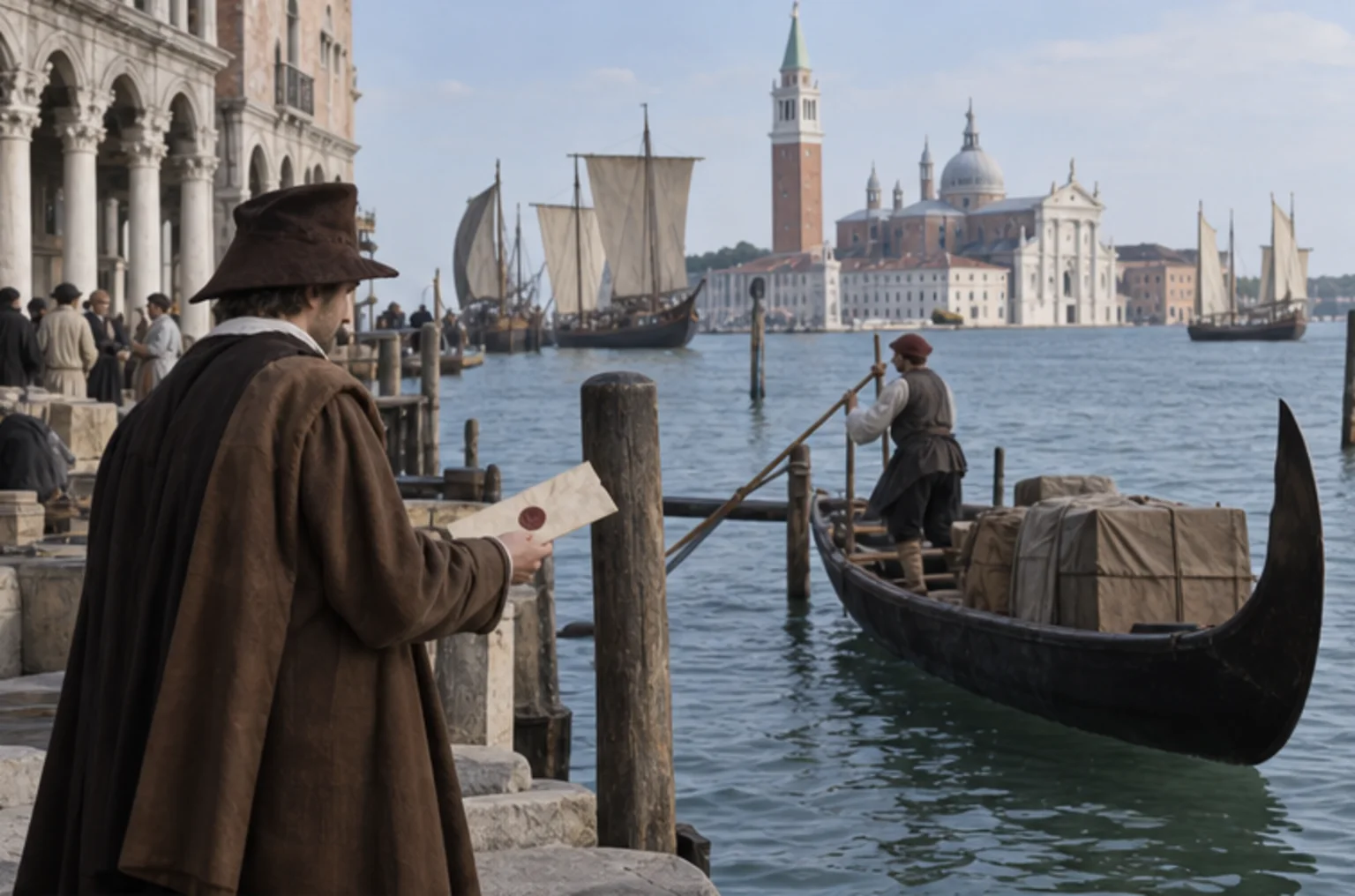
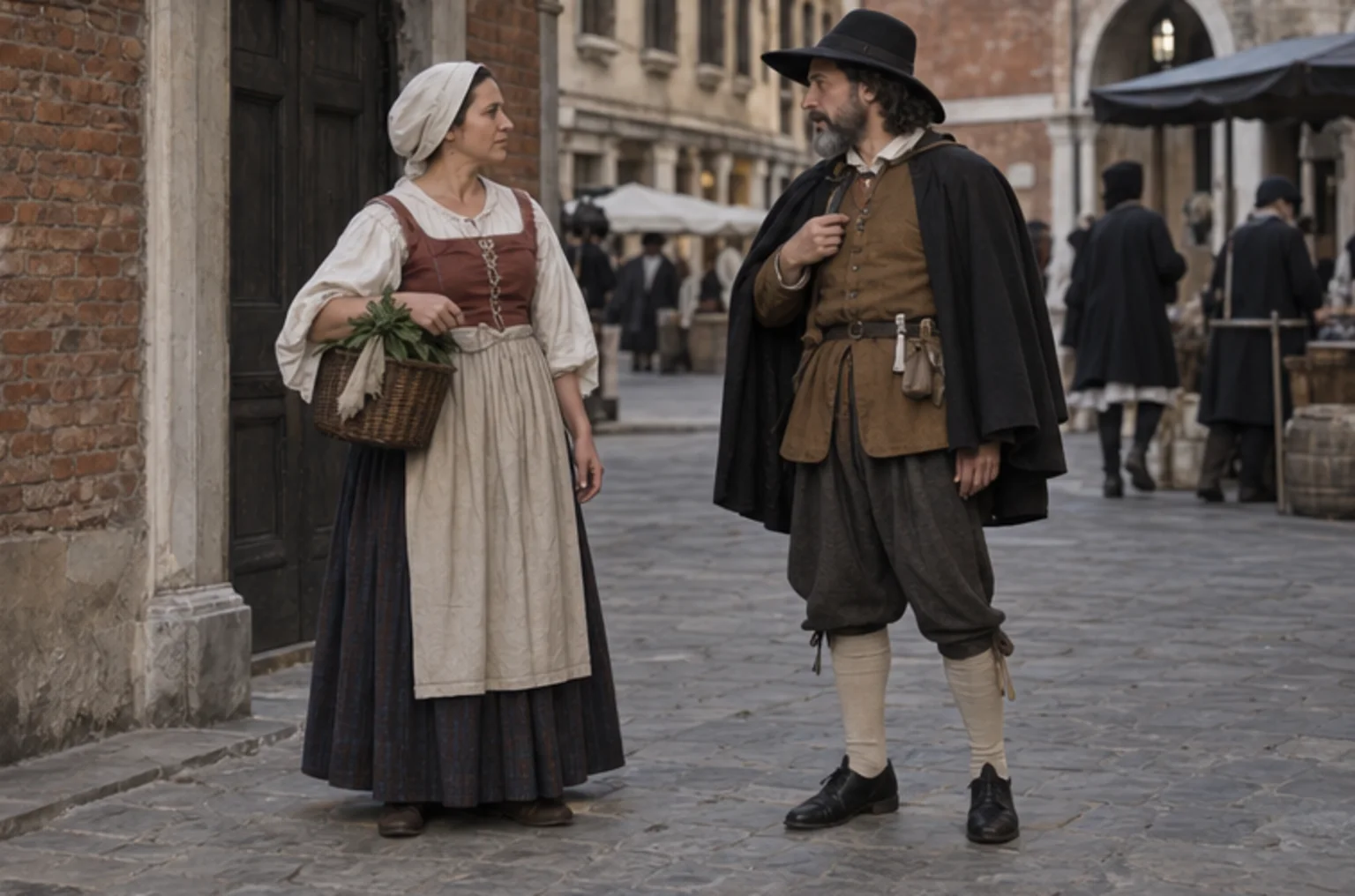
The corpus manifests do not yet establish the precise place and circumstances of composition. The images below document the author’s world or the text’s transmission. They do not claim to show the exact scene of writing.
These are modern reconstructions. They situate a documented place, practice, or transmission and are not period documents.
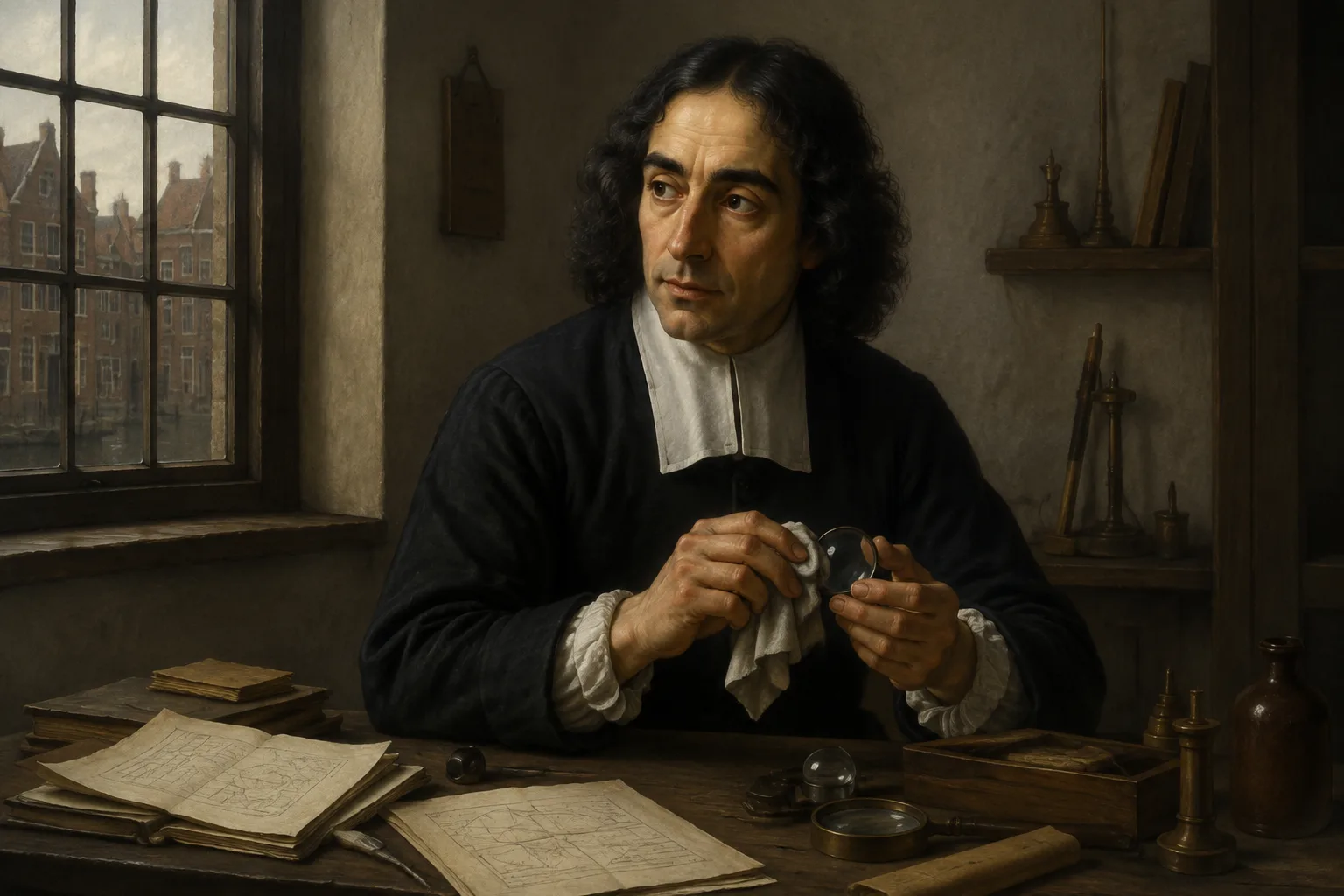
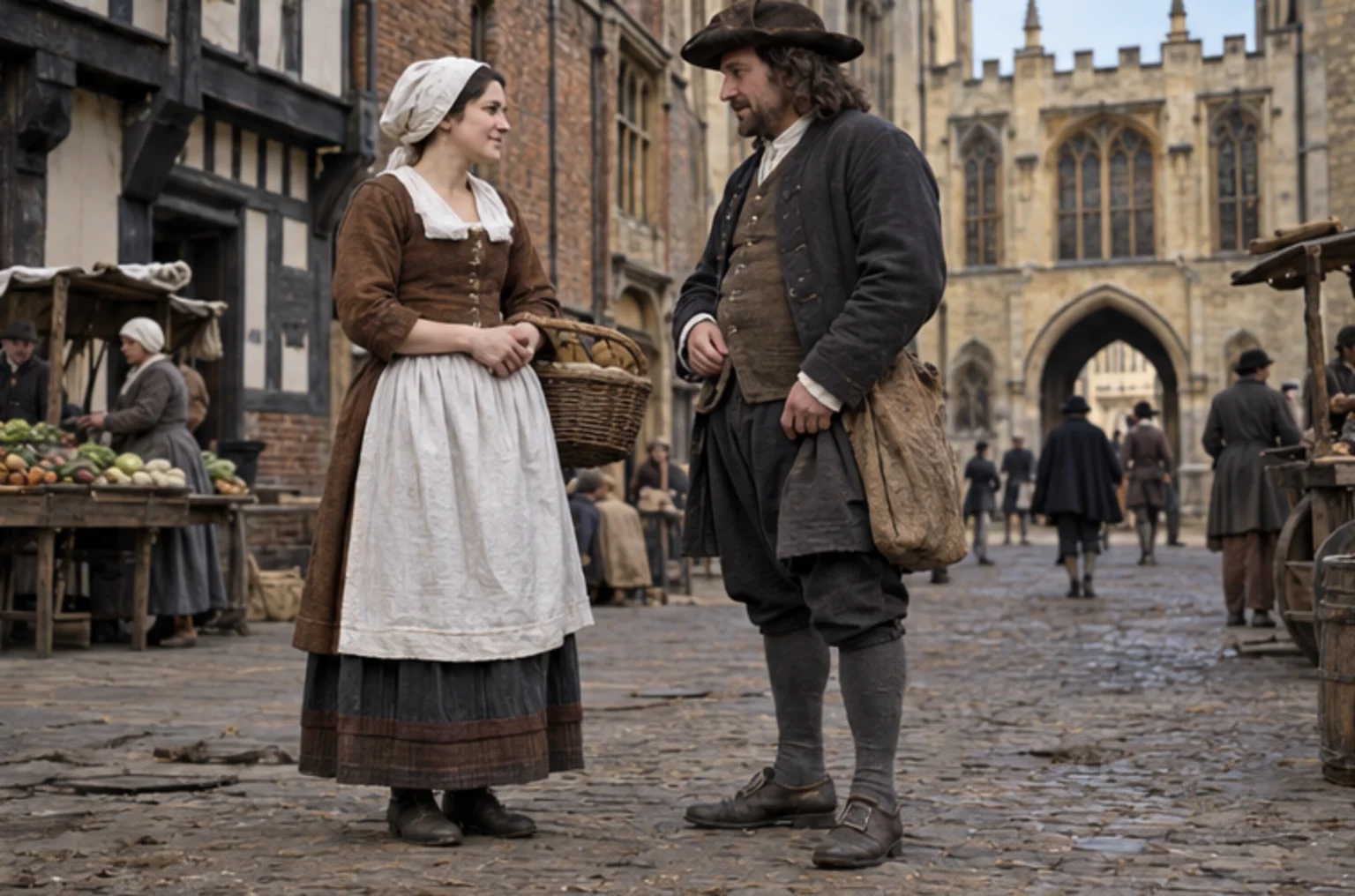
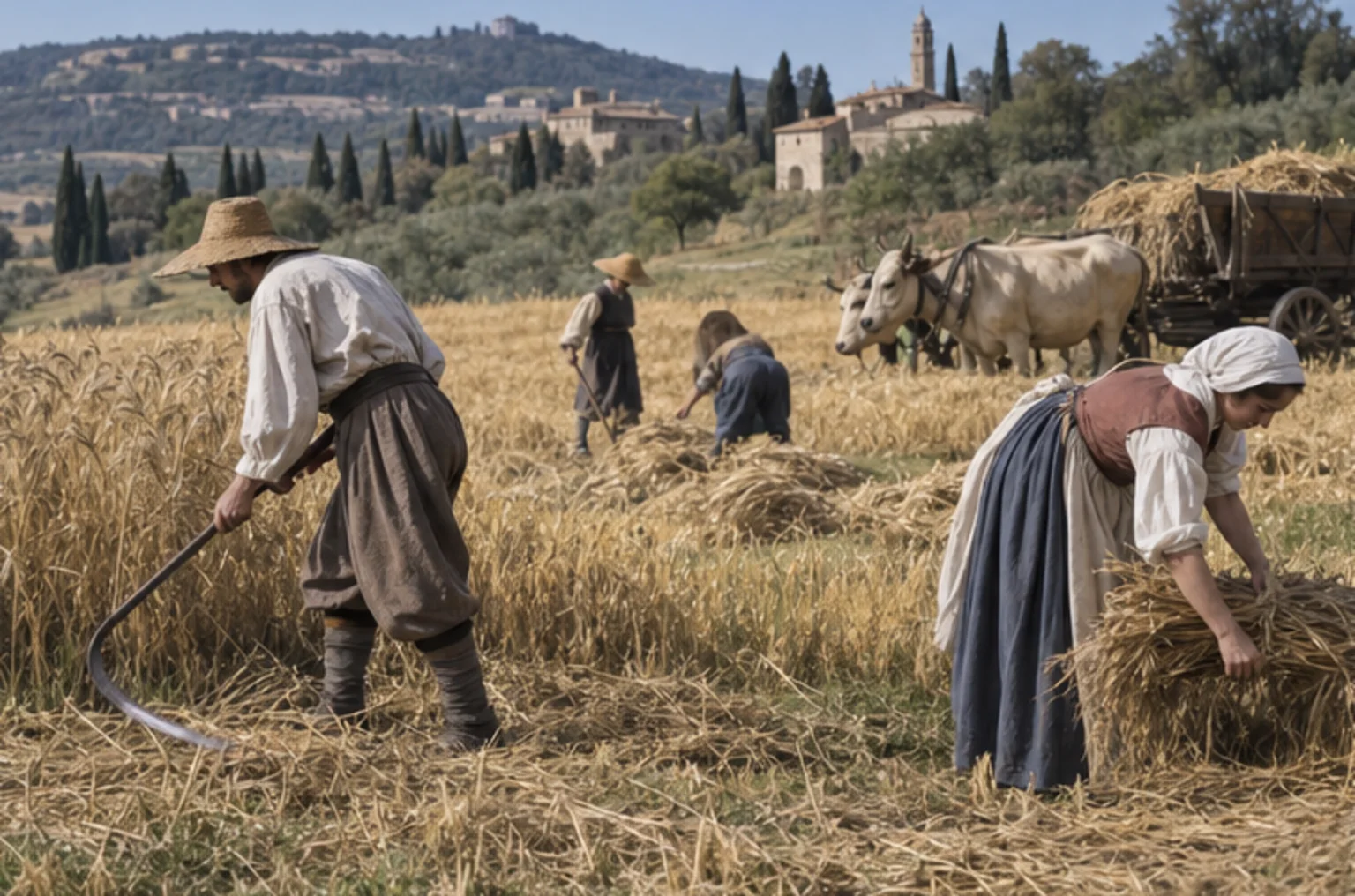
What the world looked like
Europe and the Atlantic, 15th-17th centuries
- State of technology
- Printing, artillery, clocks, ocean-going sail, and navigational instruments change the scale of states, trade, and travel.
- Science and knowledge
- Instrumented observation, calculation, anatomy, and astronomy gradually challenge inherited frameworks. Practice remains mixed with ancient authority.
- Medicine and care
- Dissection, surgery, plants, and pharmacopoeias expand, but infection, pain, and epidemics remain poorly controlled.
- Transport
- Walking, horses, coaches, river boats, and great sailing ships. Crossing an ocean takes weeks or months and remains dangerous.
- Agriculture and food
- Grain, livestock, and gardens predominate; Atlantic exchange moves maize, potatoes, tomatoes, sugar, and animals with major consequences.
- Communication
- Printed books, broadsheets, letters, and regular posts speed circulation without making it instant.
- Clothing and fashion
- Doublets, breeches, structured dresses, caps, ruffs, and cloaks use wool, linen, silk, and lace; rank strongly controls silhouette.
Editions, translations, and provenance
The following carriers represent the text. They do not create new passage identities.
- Frenchcomplete_source_selection
- English AI-generated translation, non-officialCodex gpt-5.6-sol · Non-official working translation · 2026-09-11
Source manifests: spinoza.emendation_fr
Reader
Read page by page
Treatise on the Emendation of the Intellect, Émile Saisset’s French TranslationBaruch Spinoza