
Traceable Library

Explore the corpus of thinkers on prokopton42.com

We do not always look for a work, a text, or a passage in the same way. Browse by work as you would in a traditional library, travel through time, follow a semantic concept, or go straight to a precise excerpt. This Library exists to support practice and deeper study by bringing old texts into contact with daily experience and present questions.

Works
305
Authors
94
Passages
89,767
See more statistics
Corpus works
259
Private works
46
Private records
56
Private excerpts
20,006
Text representations
223,819
Editions and translations
849
Languages
17
Works in French and English
259
Multilingual works
259
Tracked concepts
9
Estimated sentences
1,456,557
Words
27,541,029

A representation is one language version of a canonical passage. Private excerpts come from source files. Sentence count is estimated from punctuation.

By work11
Adequate idea

Works

Books, collections and works from the Private collection share this shelf. Each card keeps its editions and sources.

Photorealistic editorial illustration of Abraham Lincoln Papers: Incoming and Contextual Documents in the Prokopton42.com Library Abraham Lincoln Papers: Incoming and Contextual DocumentsCorrespondents and archival record

Work

Abraham Lincoln Papers: Incoming and Contextual Documents

Incoming letters, petitions, and administrative records preserve the voices of people who petitioned, informed, or challenged Lincoln. The archive reveals the pressures of a wartime presidency without attributing his correspondents’ words to the president.

What you will learn
Composition
1833-1916
Editions / translations
2026
Languages
English · French
Extent
19,210 passages · 7,989,852 words

Photorealistic editorial illustration of Academica in the Prokopton42.com Library AcademicaCicero

Work

Academica

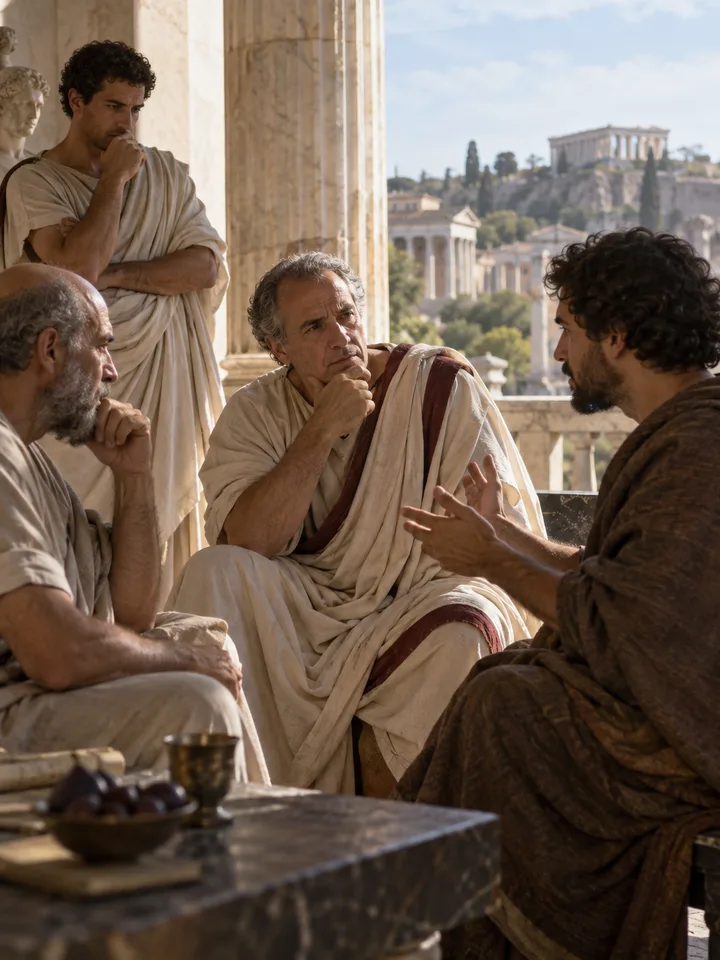
In the surviving fragments of the Academica, Cicero stages the conflict between dogmatic certainty and sceptical inquiry. He asks what criterion can identify a true impression and how action remains possible when secure knowledge is disputed.

What you will learn
Composition
45 BCE
Editions / translations
Dates to be documented
Languages
Latin · English · French
Extent
69 passages · 215,055 words
Photorealistic editorial illustration of An Essay Concerning Human Understanding in the Prokopton42.com Library An Essay Concerning Human UnderstandingJohn Locke

Work

An Essay Concerning Human Understanding

The Essay examines the origin and composition of ideas, personal identity, and the limits of knowledge.

What you will learn
Composition
1689-1700; revised lifetime editions
Editions / translations
Dates to be documented
Languages
English · French
Extent
1,114 passages · 257,071 words
Photorealistic editorial illustration of Collected Papers on Analytical Psychology in the Prokopton42.com Library Collected Papers on Analytical PsychologyCarl Gustav Jung

Work

Collected Papers on Analytical Psychology

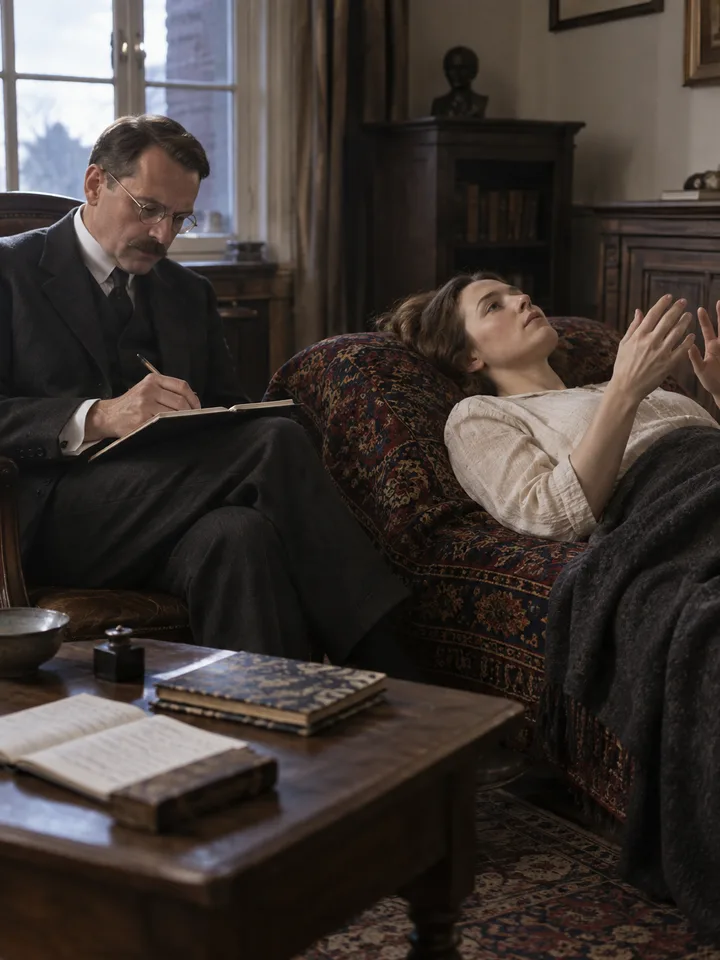
These essays by the early Jung trace the emergence of analytical psychology through word association, complexes, dreams, and the therapeutic relationship. Their collection shows a field in formation, still near Freud yet already developing its own distinctions.

What you will learn
Composition
collected papers, c. 1902-1916
Editions / translations
Dates to be documented
Languages
English · French
Extent
508 passages · 156,362 words
Photorealistic editorial illustration of Ethics, English Manifestation in the Prokopton42.com Library Ethics, English ManifestationBaruch Spinoza

Work

Ethics, English Manifestation

In the Ethics, Spinoza uses definitions, axioms, and demonstrations to construct an account of God or Nature, mind, affects, and freedom. This English manifestation presents a path in which understanding necessity transforms how passions are lived.

What you will learn
Composition
composed c. 1661-1675; published in 1677
Editions / translations
Dates to be documented
Languages
English · French
Extent
261 passages · 88,568 words
Photorealistic editorial illustration of Ethics, Émile Saisset’s French Translation in the Prokopton42.com Library Ethics, Émile Saisset’s French TranslationBaruch Spinoza

Work

Ethics, Émile Saisset’s French Translation

Émile Saisset’s translation gives the demonstrative architecture of Spinoza’s Ethics in French. God identified with Nature, mind-body parallelism, analysis of passions, and intellectual blessedness unfold through nineteenth-century terminology.

What you will learn
Composition
composed c. 1661-1675; published in 1677
Editions / translations
Dates to be documented
Languages
French · English
Extent
300 passages · 92,036 words
Photorealistic editorial illustration of Spinoza’s Correspondence: Spinoza-Authored Letters, English Manifestation in the Prokopton42.com Library Spinoza’s Correspondence: Spinoza-Authored Letters, English ManifestationBaruch Spinoza

Fragments or testimony

Spinoza’s Correspondence: Spinoza-Authored Letters, English Manifestation

These letters written by Spinoza answer questions about God, infinity, freedom, the Bible, optics, and works in progress. Epistolary form reveals thought adjusted to particular correspondents rather than a continuous treatise.

What you will learn
Composition
surviving correspondence, 1661-1676
Editions / translations
Dates to be documented
Languages
English · French
Extent
114 passages · 34,964 words
Photorealistic editorial illustration of The Law and the Word in the Prokopton42.com Library The Law and the WordThomas Troward

Work

The Law and the Word

Eight author chapters connect causal order, personal expression, wholeness, promise, death and the transfer of anxiety to first causes.

What you will learn
Composition
published 1917 from pre-1916 author material
Editions / translations
Dates to be documented
Languages
English · French
Extent
8 passages · 43,218 words
Photorealistic editorial illustration of Treatise on the Emendation of the Intellect, English Manifestation in the Prokopton42.com Library Treatise on the Emendation of the Intellect, English ManifestationBaruch Spinoza

Work

Treatise on the Emendation of the Intellect, English Manifestation

Spinoza opens this unfinished treatise with a decision about life: leave uncertain goods to seek one capable of producing stable joy. He then examines modes of perception and the method by which understanding forms true ideas.

What you will learn
Composition
c. 1661, unfinished
Editions / translations
Dates to be documented
Languages
English · French
Extent
44 passages · 14,176 words
Photorealistic editorial illustration of Treatise on the Emendation of the Intellect, Émile Saisset’s French Translation in the Prokopton42.com Library Treatise on the Emendation of the Intellect, Émile Saisset’s French TranslationBaruch Spinoza

Work

Treatise on the Emendation of the Intellect, Émile Saisset’s French Translation

Émile Saisset translates into French Spinoza’s unfinished inquiry into method, truth, and the highest good. A narrative of intellectual conversion leads toward classification of knowledge and discipline of the adequate idea.

What you will learn
Composition
c. 1661, unfinished
Editions / translations
Dates to be documented
Languages
French · English
Extent
46 passages · 15,989 words
Photorealistic editorial illustration of Tusculan Disputations in the Prokopton42.com Library Tusculan DisputationsCicero

Work

Tusculan Disputations

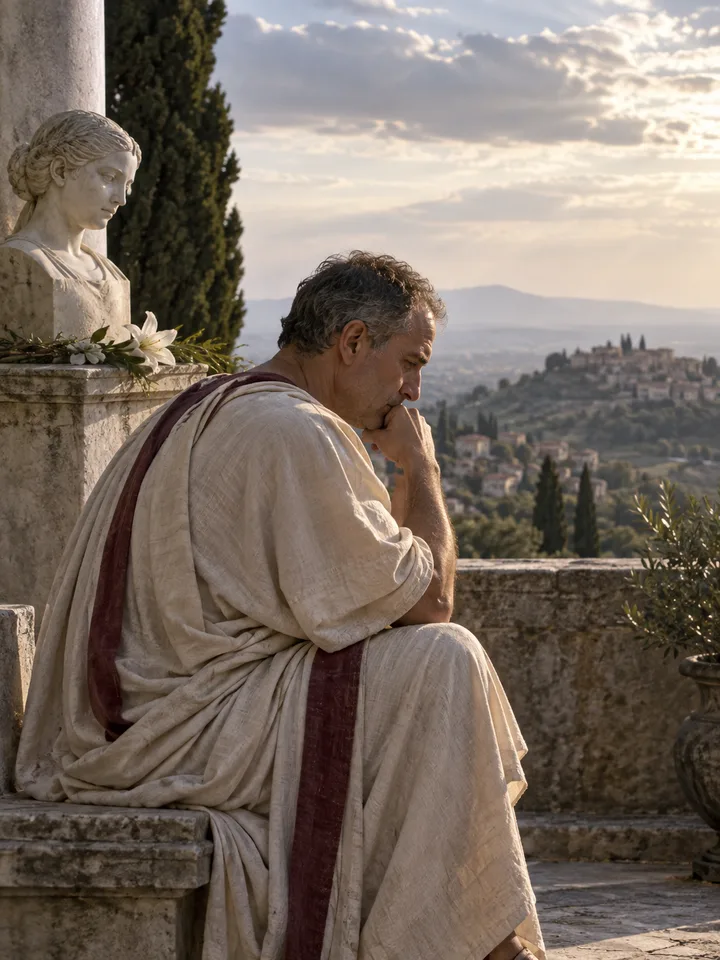
In five debates held at Tusculum, Cicero examines fear of death, pain, grief, passions, and the sufficiency of virtue. Philosophy becomes argumentative therapy against judgements that enslave the mind.

What you will learn
Composition
45 BCE
Editions / translations
Dates to be documented
Languages
Latin · English · French
Extent
475 passages · 182,021 words

Before reading

What you will learn

Open the full record