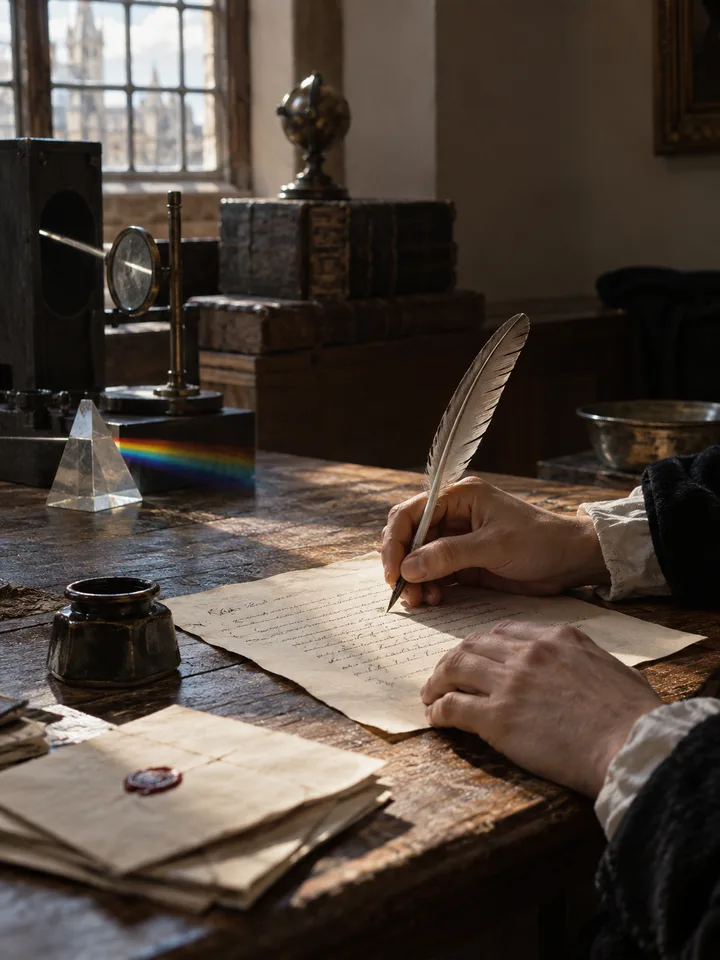
Fragments or testimony
Spinoza’s Correspondence: Spinoza-Authored Letters, English Manifestation
These letters written by Spinoza answer questions about God, infinity, freedom, the Bible, optics, and works in progress. Epistolary form reveals thought adjusted to particular correspondents rather than a continuous treatise.
- Composition
- surviving correspondence, 1661-1676
Sources and precision
The range describes composition or formation of the text, distinct from the dates of the editions held.
Confidence A · direct evidence
- Tradition
- Modern and contemporary philosophy
- Period
- Modern era
- Languages
- English · French
- Extent
- 114 passages · 34,964 words
Before reading
What you will learn
Distinguish Spinoza’s voice from correspondents, contextualize a reply, and compare epistolary formulation cautiously with published work.
Short summary
These letters written by Spinoza answer questions about God, infinity, freedom, the Bible, optics, and works in progress. Epistolary form reveals thought adjusted to particular correspondents rather than a continuous treatise.
Long summary
Spinoza clarifies a definition, refuses an objection, recommends an experiment, or explains disagreement with a friend. Correspondence connects metaphysics, science, and political caution while showing concepts before or after published formulation.
This projection preserves Spinoza’s letters and should not assign correspondents’ questions to him. Absent addressees, documentary loss, and translation limit context. A familiar or polemical sentence does not automatically have the status of a proposition demonstrated in the Ethics.
Inside this work
The table of contents follows the divisions actually carried by the corpus.
Work › Section
- Section section-0001
- Section section-0002
- Section section-0003
- Section section-0004
- Section section-0005
- Section section-0006
- Section section-0007
- Section section-0008
- Section section-0009
- Section section-0010
- Section section-0011
- Section section-0012
- Section section-0013
- Section section-0014
- Section section-0015
- Section section-0016
- Section section-0017
- Section section-0018
- Section section-0019
- Section section-0020
- Section section-0021
- Section section-0022
- Section section-0023
- Section section-0024
- Section section-0025
- Section section-0026
- Section section-0027
- Section section-0028
- Section section-0029
- Section section-0030
- Section section-0031
- Section section-0032
- Section section-0033
- Section section-0034
- Section section-0035
- Section section-0036
- Section section-0037
- Section section-0038
- Section section-0039
- Section section-0040
- Section section-0041
- Section section-0042
- Section section-0043
- Section section-0044
- Section section-0045
- Section section-0046
- Section section-0047
- Section section-0048
- Section section-0049
- Section section-0050
- Section section-0051
- Section section-0052
- Section section-0053
- Section section-0054
- Section section-0055
- Section section-0056
- Section section-0057
- Section section-0058
- Section section-0059
- Section section-0060
- Section section-0061
- Section section-0062
- Section section-0063
- Section section-0064
- Section section-0065
- Section section-0066
- Section section-0067
- Section section-0068
- Section section-0069
- Section section-0070
- Section section-0071
- Section section-0072
- Section section-0073
- Section section-0074
- Section section-0075
- Section section-0076
- Section section-0077
- Section section-0078
- Section section-0079
- Section section-0080
- Section section-0081
- Section section-0082
- Section section-0083
- Section section-0084
- Section section-0085
- Section section-0086
- Section section-0087
- Section section-0088
- Section section-0089
- Section section-0090
- Section section-0091
- Section section-0092
- Section section-0093
- Section section-0094
- Section section-0095
- Section section-0096
- Section section-0097
- Section section-0098
- Section section-0099
- Section section-0100
- Section section-0101
- Section section-0102
- Section section-0103
- Section section-0104
- Section section-0105
- Section section-0106
- Section section-0107
- Section section-0108
- Section section-0109
- Section section-0110
- Section section-0111
- Section section-0112
- Section section-0113
- Section section-0114
Concepts covered
Historical context
The world around the text
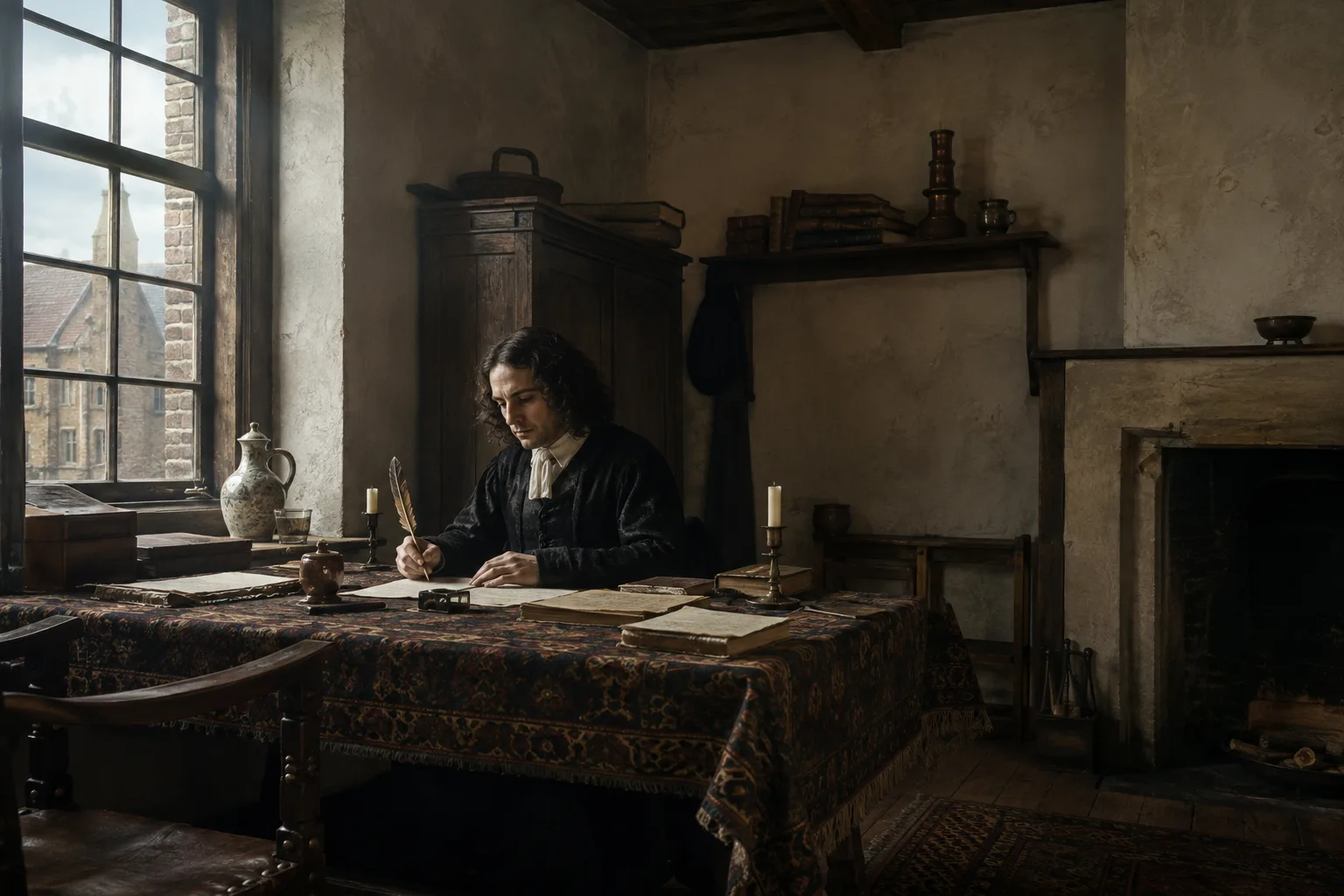
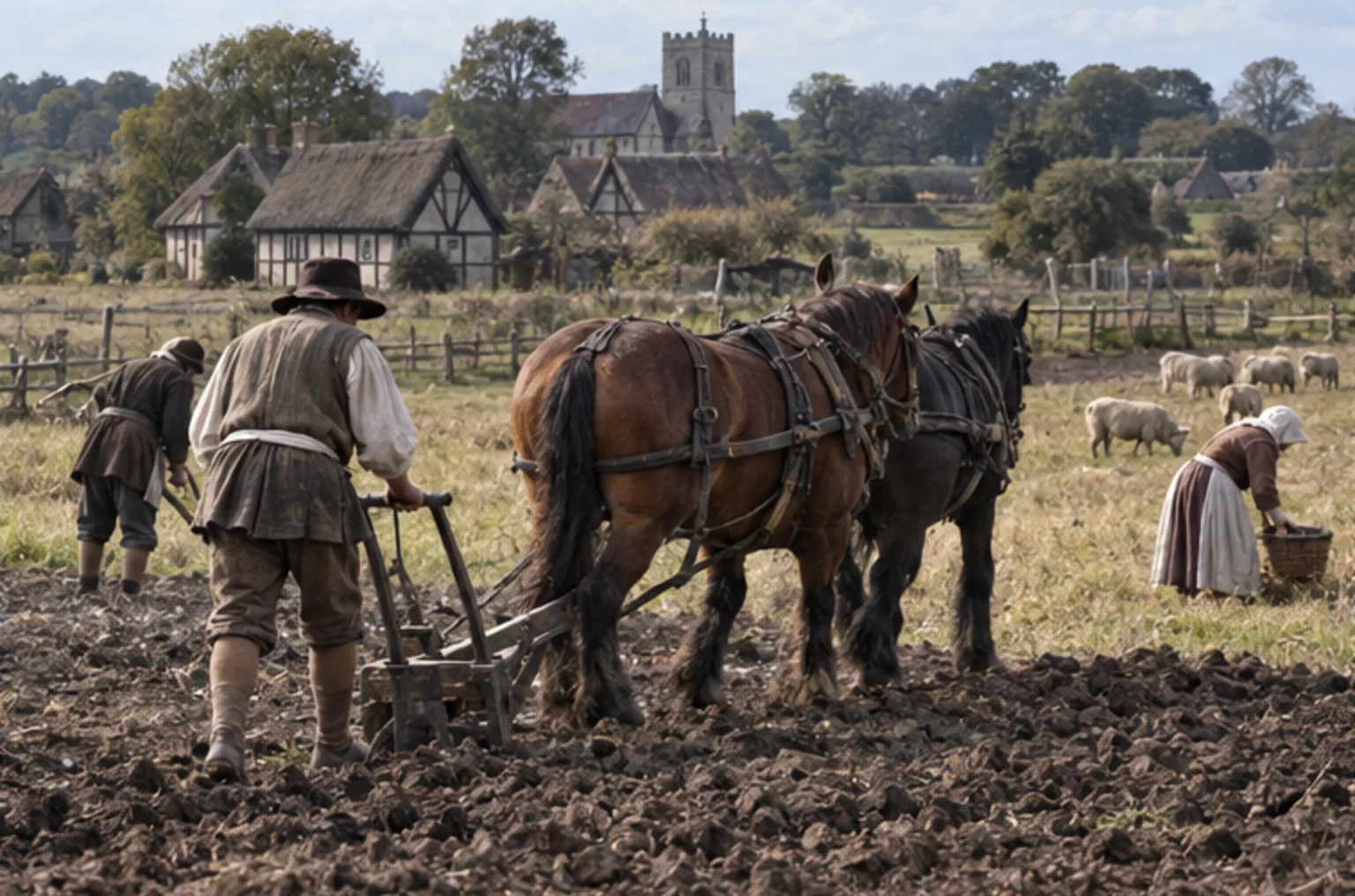
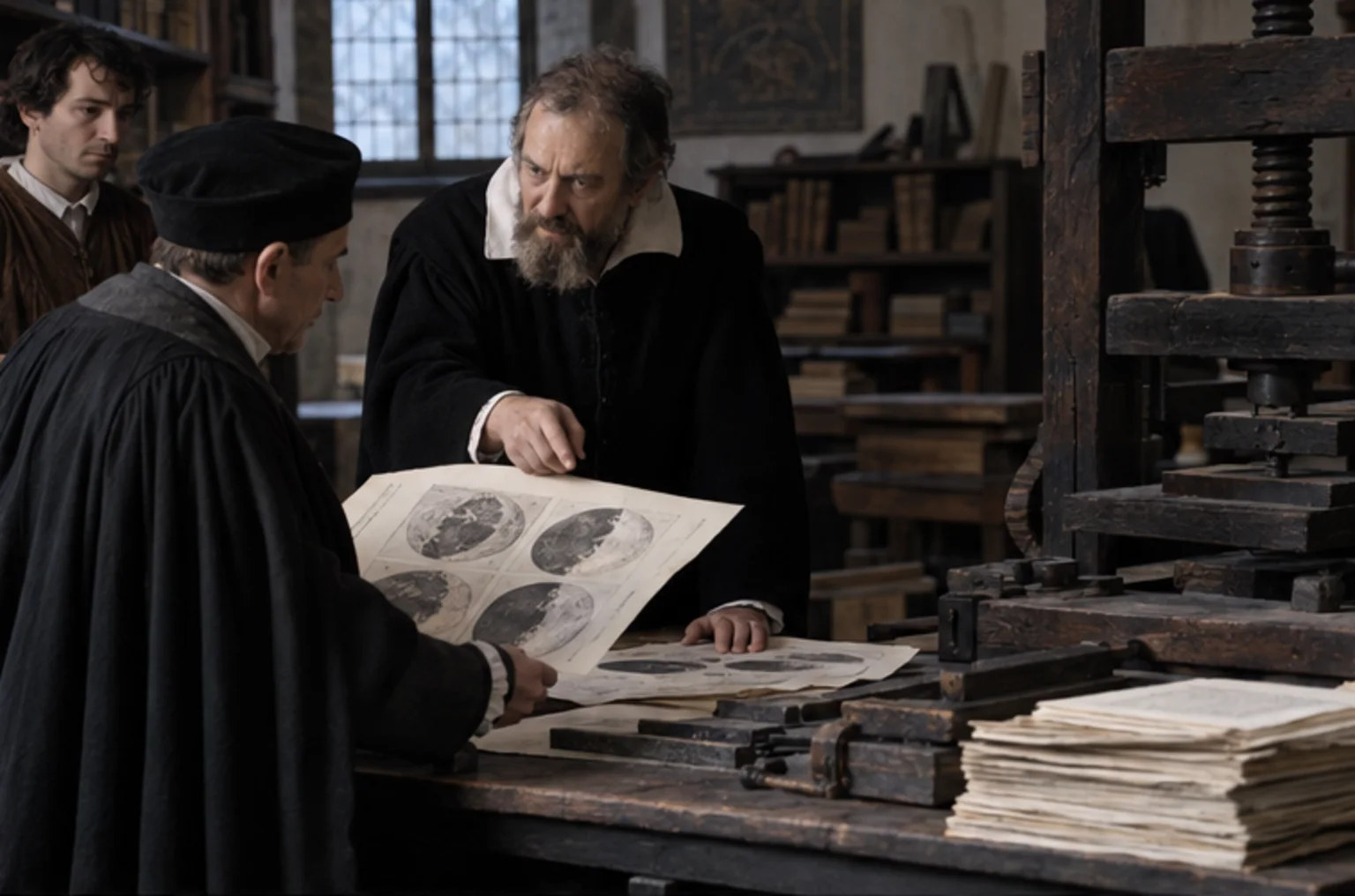
The corpus manifests do not yet establish the precise place and circumstances of composition. The images below document the author’s world or the text’s transmission. They do not claim to show the exact scene of writing.
These are modern reconstructions. They situate a documented place, practice, or transmission and are not period documents.
What the world looked like
Europe and the Atlantic, 15th-17th centuries
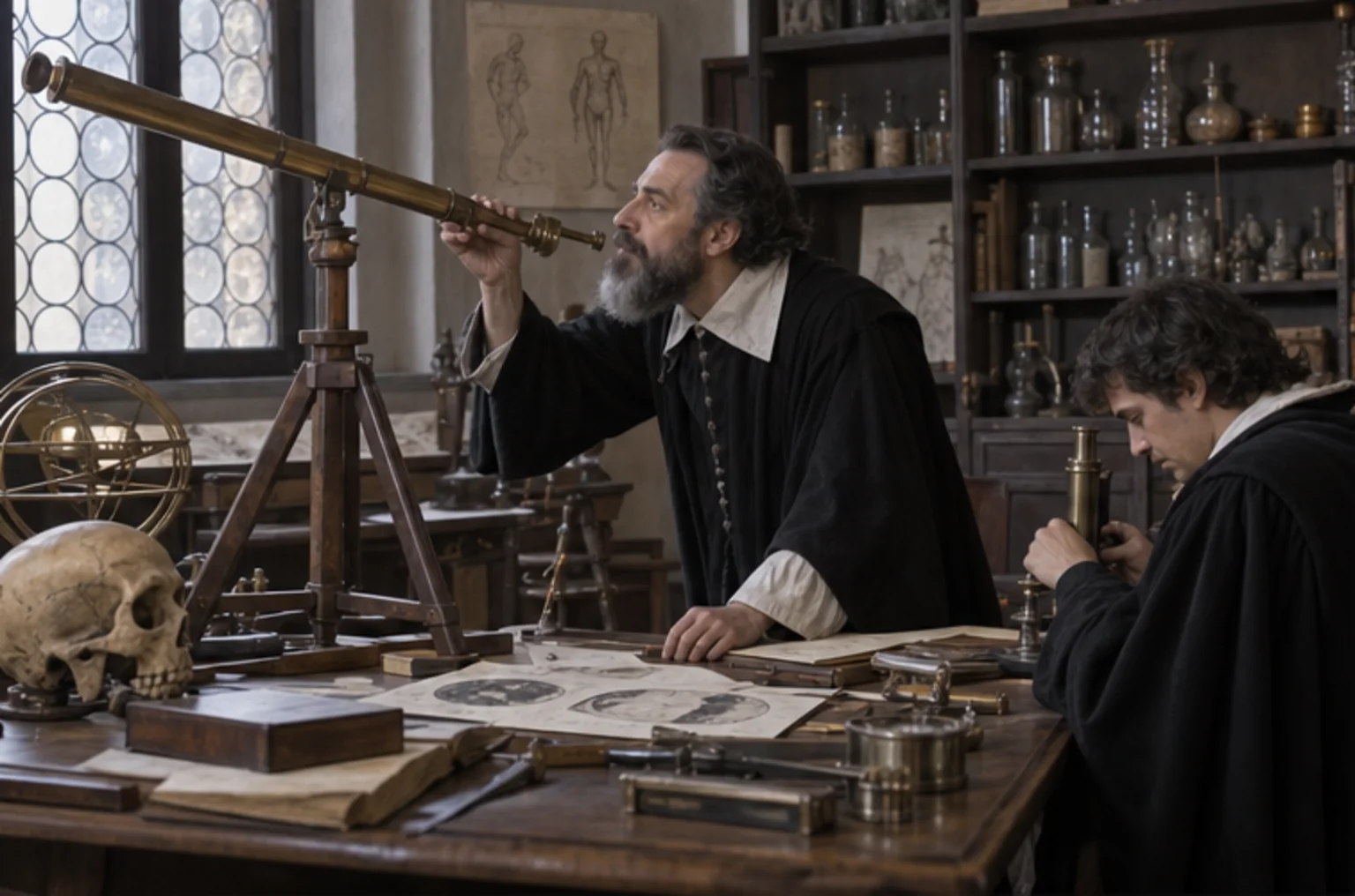
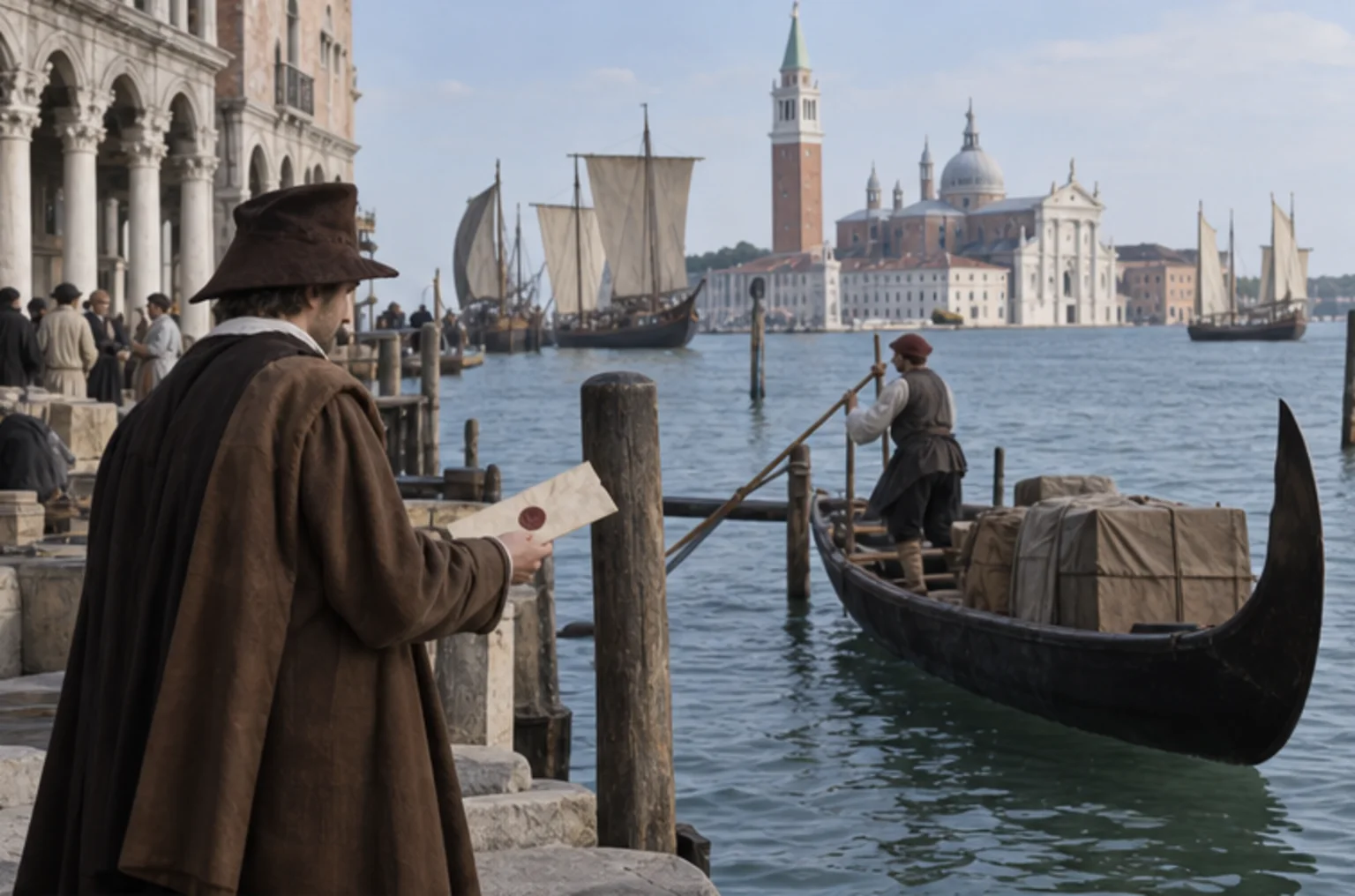
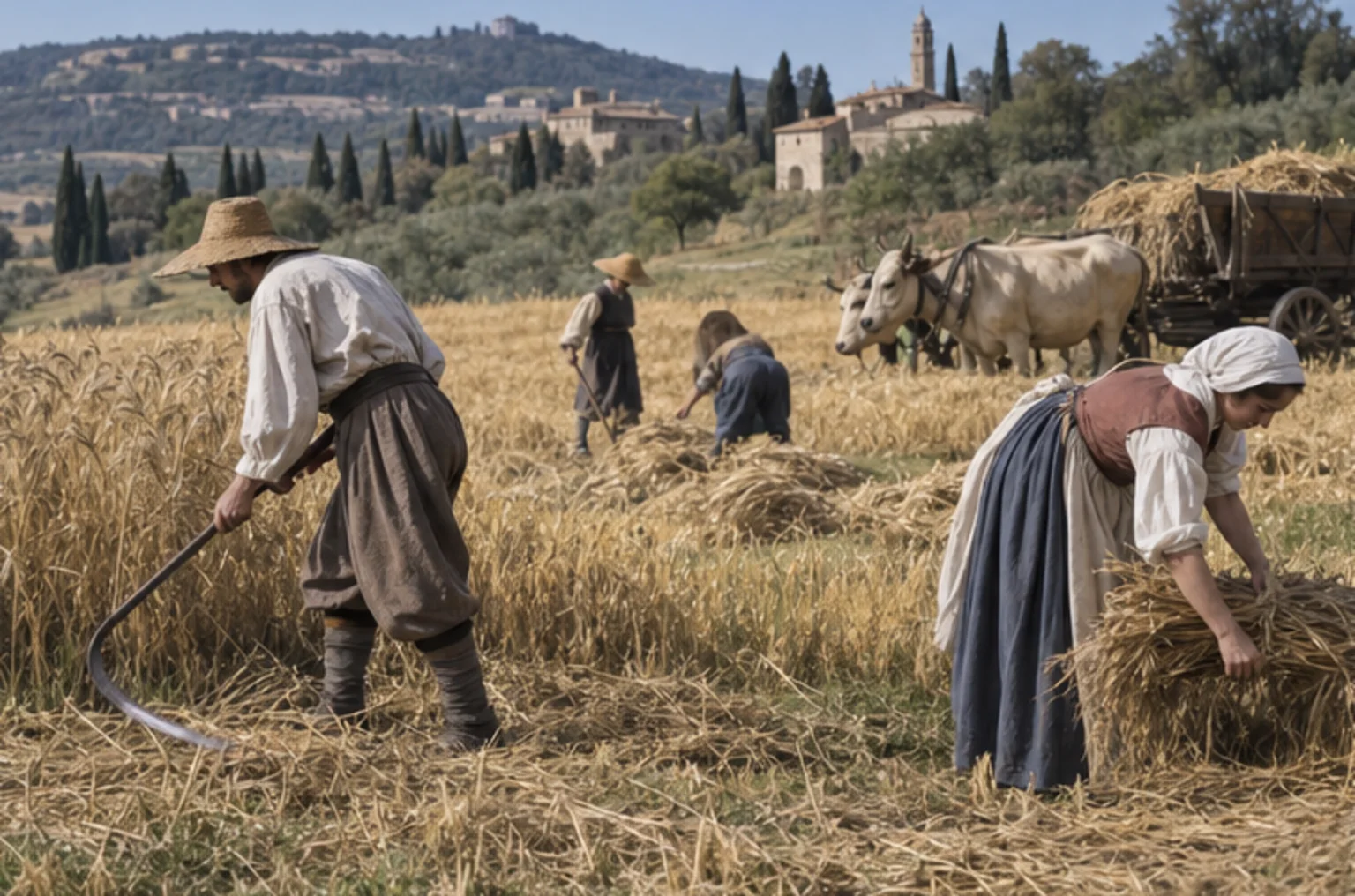
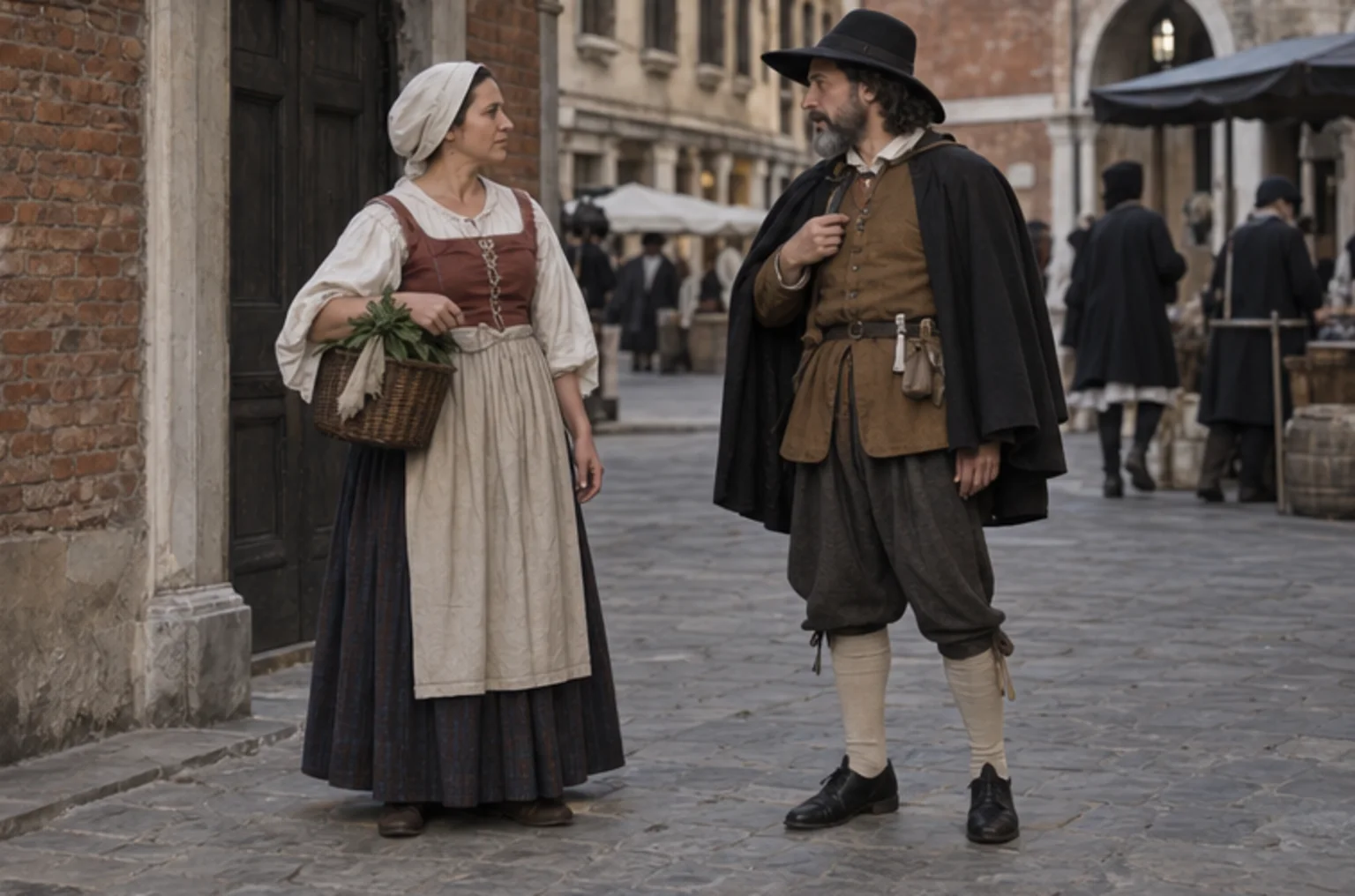
- State of technology
- Printing, artillery, clocks, ocean-going sail, and navigational instruments change the scale of states, trade, and travel.
- Science and knowledge
- Instrumented observation, calculation, anatomy, and astronomy gradually challenge inherited frameworks. Practice remains mixed with ancient authority.
- Medicine and care
- Dissection, surgery, plants, and pharmacopoeias expand, but infection, pain, and epidemics remain poorly controlled.
- Transport
- Walking, horses, coaches, river boats, and great sailing ships. Crossing an ocean takes weeks or months and remains dangerous.
- Agriculture and food
- Grain, livestock, and gardens predominate; Atlantic exchange moves maize, potatoes, tomatoes, sugar, and animals with major consequences.
- Communication
- Printed books, broadsheets, letters, and regular posts speed circulation without making it instant.
- Clothing and fashion
- Doublets, breeches, structured dresses, caps, ruffs, and cloaks use wool, linen, silk, and lace; rank strongly controls silhouette.
Editions, translations, and provenance
The following carriers represent the text. They do not create new passage identities.
- Englishcomplete_source_selection
- French AI-generated translation, non-officialCodex gpt-5.6-sol · Non-official working translation · 2026-09-11
Source manifests: spinoza.letters_en
Reader
Read page by page
Spinoza’s Correspondence: Spinoza-Authored Letters, English ManifestationBaruch Spinoza