Traceable Library

Explore the corpus of thinkers on prokopton42.com

We do not always look for a work, a text, or a passage in the same way. Browse by work as you would in a traditional library, travel through time, follow a semantic concept, or go straight to a precise excerpt. This Library exists to support practice and deeper study by bringing old texts into contact with daily experience and present questions.

Works
305
Authors
94
Passages
89,767
See more statistics
Corpus works
259
Private works
46
Private records
56
Private excerpts
20,006
Text representations
223,819
Editions and translations
849
Languages
17
Works in French and English
259
Multilingual works
259
Tracked concepts
9
Estimated sentences
1,456,557
Words
27,541,029

A representation is one language version of a canonical passage. Private excerpts come from source files. Sentence count is estimated from punctuation.

By work49
Plato

Works

Books, collections and works from the Private collection share this shelf. Each card keeps its editions and sources.

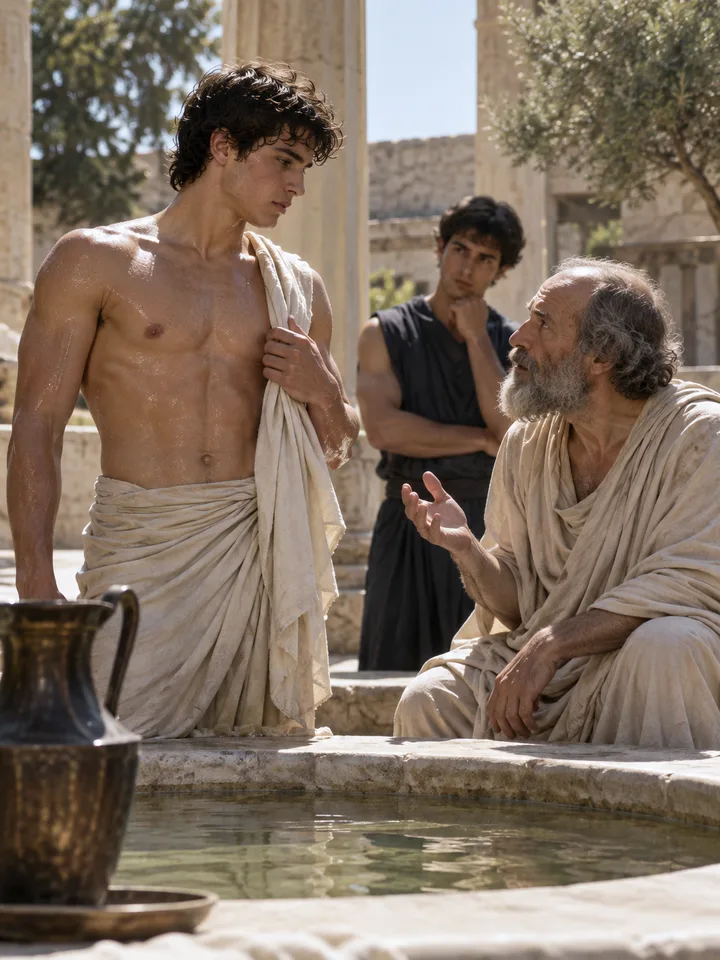
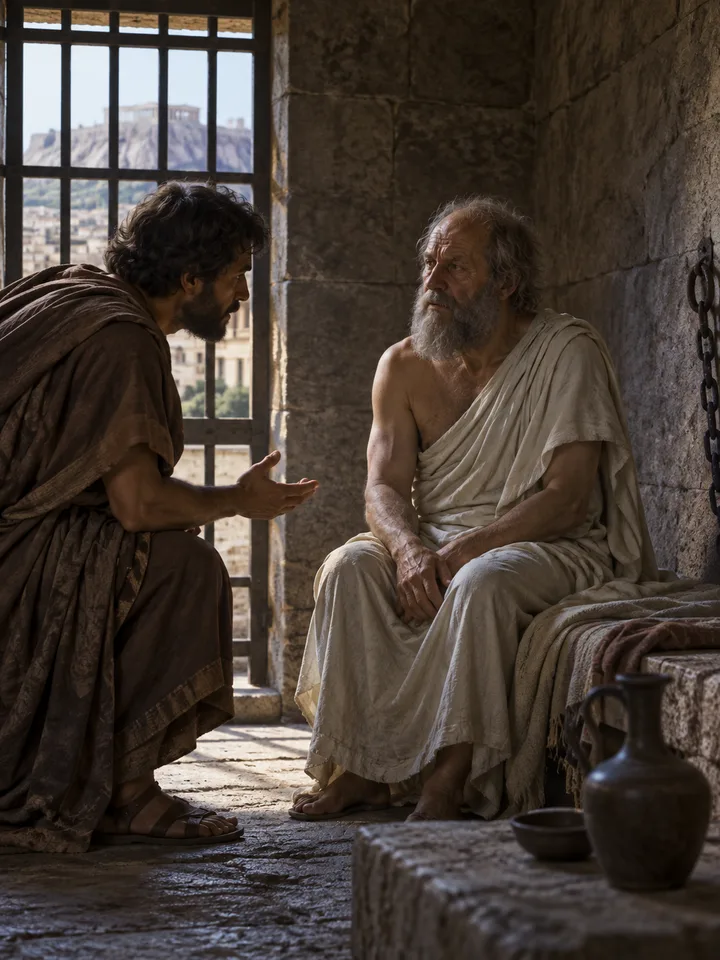
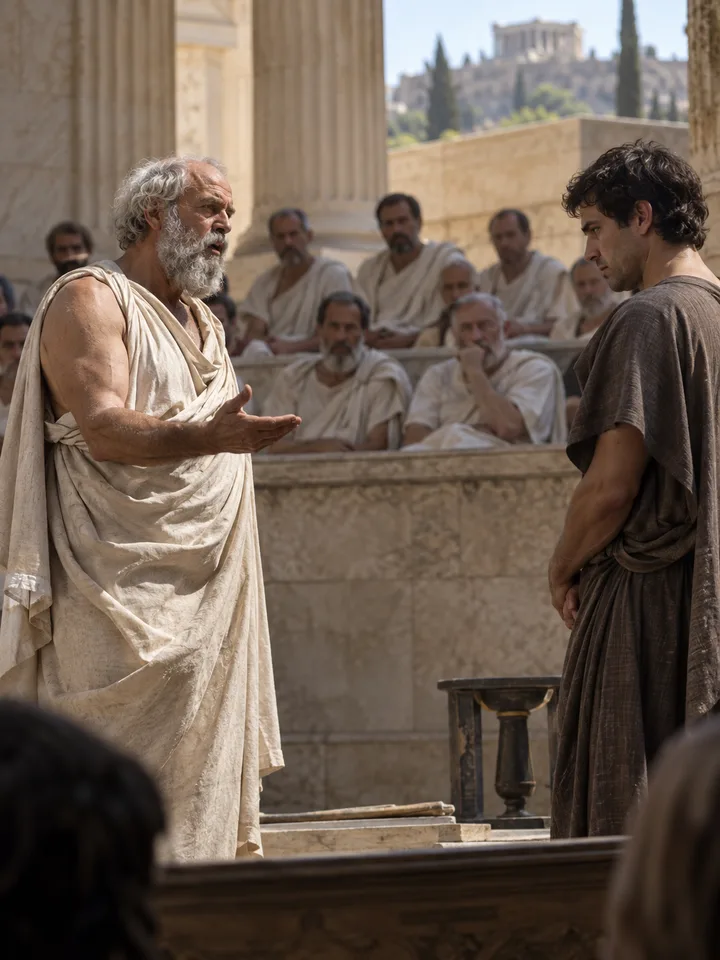
Photorealistic editorial illustration of Apology of Socrates in the Prokopton42.com Library Apology of SocratesPlato

Work

Apology of Socrates

Socrates defends himself before an Athenian jury against charges of impiety and corrupting the young. Plato composes a courtroom speech in which philosophical examination, divine mission, and refusal to flatter the audience put an entire life at stake.

What you will learn
Composition
c. 399-390 BCE
Editions / translations
Dates to be documented
Languages
Ancient Greek · English · French
Extent
26 passages · 11,771 words
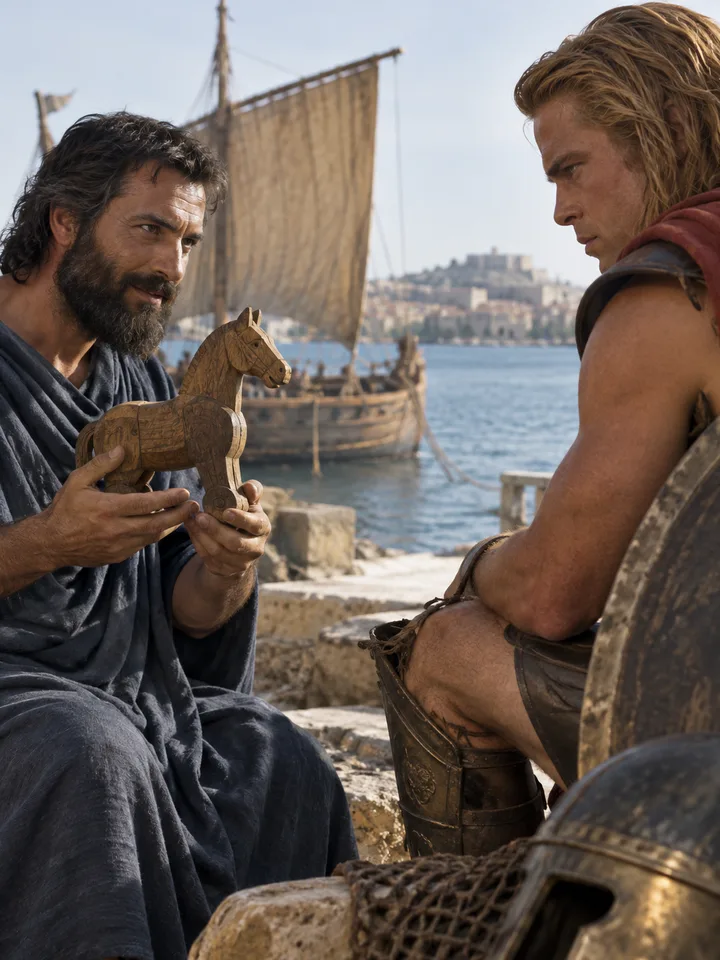
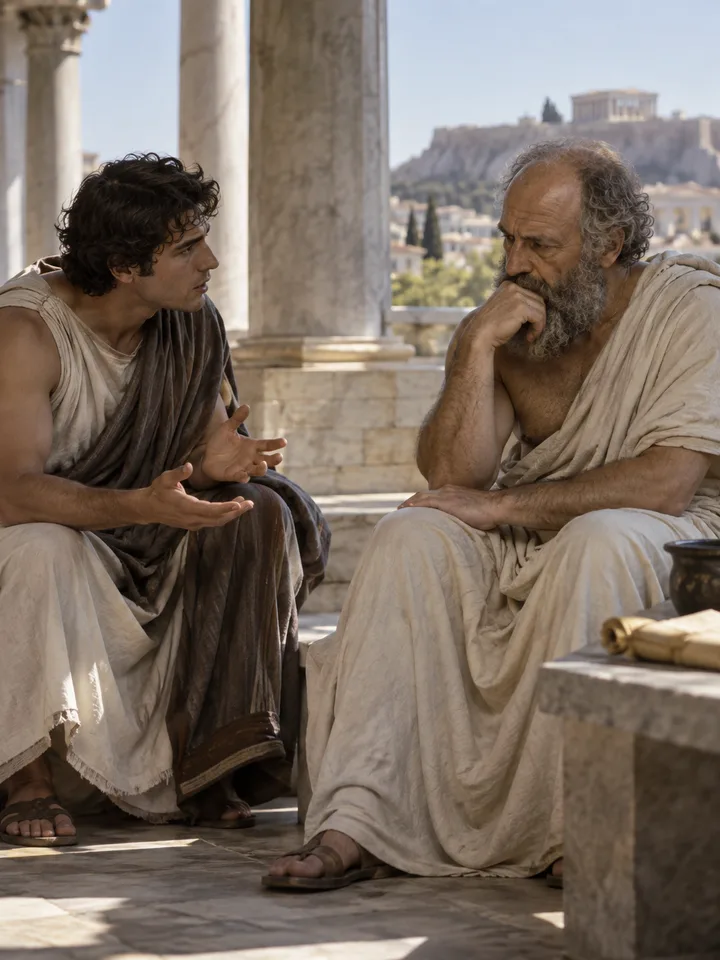
Photorealistic editorial illustration of Charmides in the Prokopton42.com Library CharmidesPlato

Work

Charmides

Returning from military service, Socrates meets Charmides and Critias and asks what temperance is. Quietness, modesty, doing one’s own work, and self-knowledge are proposed in turn and put to the test.

What you will learn
Composition
c. 399-380 BCE
Editions / translations
Dates to be documented
Languages
Ancient Greek · English · French
Extent
24 passages · 11,134 words
Photorealistic editorial illustration of Clitophon in the Prokopton42.com Library ClitophonPlato

Work

Clitophon

Clitophon praises the force of Socrates’ exhortations but faults him for not showing how to practise justice once desire for virtue has awakened. This very short dialogue turns praise into a challenge to Socratic pedagogy’s effectiveness.

What you will learn
Composition
4th century BCE; disputed attribution
Editions / translations
Dates to be documented
Languages
Ancient Greek · English · French
Extent
5 passages · 2,472 words
Photorealistic editorial illustration of Cratylus in the Prokopton42.com Library CratylusPlato

Work

Cratylus

Hermogenes, Cratylus, and Socrates debate the correctness of names: does it arise from convention or natural fit with things? Proliferating etymologies eventually move inquiry from language toward knowledge of reality.

What you will learn
Composition
c. 390-360 BCE
Editions / translations
Dates to be documented
Languages
Ancient Greek · English · French
Extent
58 passages · 24,169 words
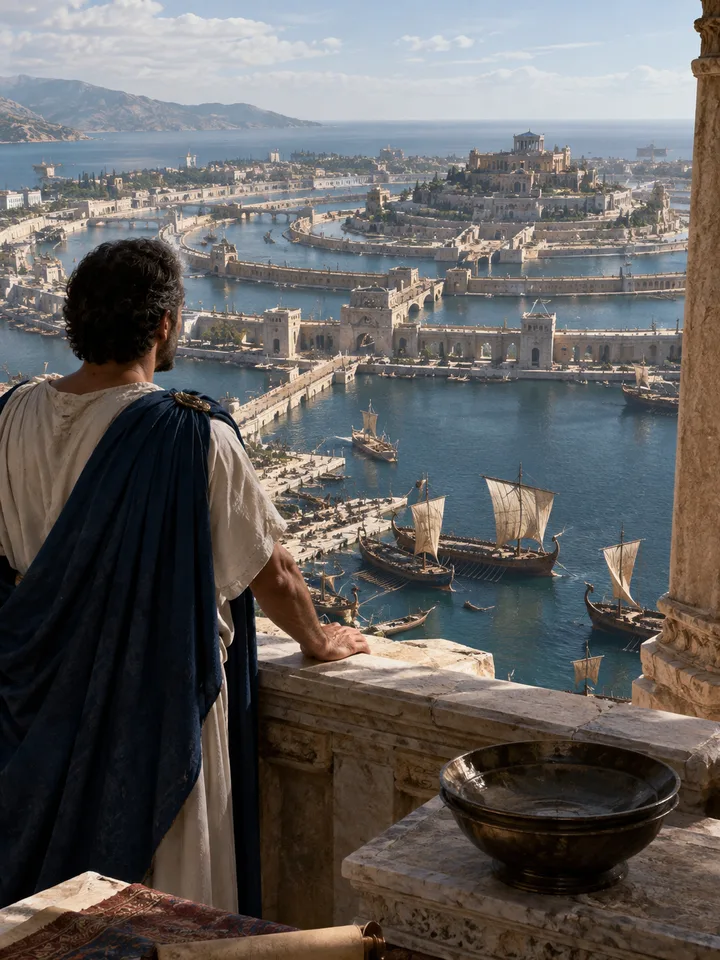
Photorealistic editorial illustration of Critias in the Prokopton42.com Library CritiasPlato

Work

Critias

Critias tells of ancient Athens and Atlantis, an island power whose initial order decays into desire for domination. The narrative continues the Timaeus but breaks off before the announced war and provides no completed conclusion.

What you will learn
Composition
c. 360-347 BCE
Editions / translations
Dates to be documented
Languages
Ancient Greek · English · French
Extent
16 passages · 7,257 words
Photorealistic editorial illustration of Crito in the Prokopton42.com Library CritoPlato

Work

Crito

Crito urges Socrates to escape before execution. Socrates refuses to decide by fear, money, or majority opinion and asks whether flight would violate justice and the commitments binding him to the laws of Athens.

What you will learn
Composition
c. 399-390 BCE
Editions / translations
Dates to be documented
Languages
Ancient Greek · English · French
Extent
12 passages · 5,716 words
Photorealistic editorial illustration of Epinomis, an Ancient Appendix to the Laws in the Prokopton42.com Library Epinomis, an Ancient Appendix to the LawsPlato

Work

Epinomis, an Ancient Appendix to the Laws

The Epinomis returns to the wisdom required by a legislator and directs it toward number, astronomy, and worship of the stars. Transmitted as a sequel to the Laws, it has an ancient but strongly disputed attribution to Plato.

What you will learn
Composition
after 347, c. 347-330 BCE
Editions / translations
Dates to be documented
Languages
Ancient Greek · English · French
Extent
20 passages · 9,251 words
Photorealistic editorial illustration of Euthydemus in the Prokopton42.com Library EuthydemusPlato

Work

Euthydemus

Socrates recounts an encounter in which Euthydemus and Dionysodorus overwhelm a young man with verbal refutations. The dialogue opposes eristic victory to an educational search for knowledge capable of making life flourish.

What you will learn
Composition
c. 390-370 BCE
Editions / translations
Dates to be documented
Languages
Ancient Greek · English · French
Extent
37 passages · 17,127 words
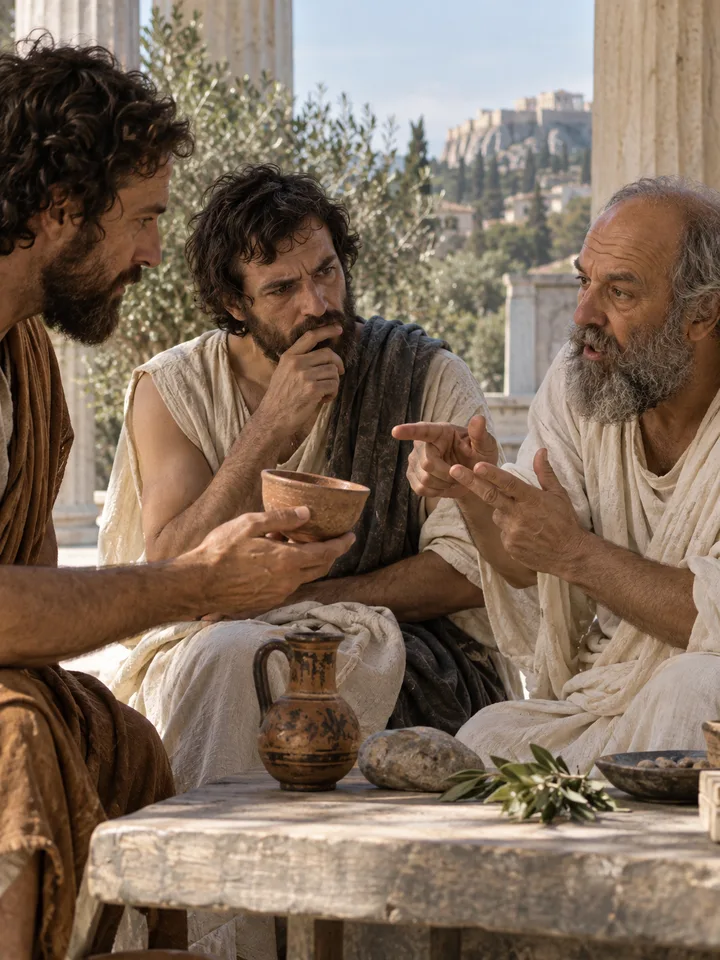
Photorealistic editorial illustration of Euthyphro in the Prokopton42.com Library EuthyphroPlato

Work

Euthyphro

Outside the court Socrates meets Euthyphro, who is prosecuting his own father in the name of piety. Their exchange tests several definitions of holiness and formulates the famous dilemma between divine will and moral value.

What you will learn
Composition
c. 399-390 BCE
Editions / translations
Dates to be documented
Languages
Ancient Greek · English · French
Extent
15 passages · 6,994 words
Photorealistic editorial illustration of First Alcibiades in the Prokopton42.com Library First AlcibiadesPlato

Work

First Alcibiades

Socrates questions the young Alcibiades as he prepares to enter Athenian politics. The dialogue turns political confidence into self-examination: how can one advise a city without knowing justice, common interest, and the self requiring formation?

What you will learn
Composition
c. 350-330 BCE
Editions / translations
Dates to be documented
Languages
Ancient Greek · English · French
Extent
33 passages · 15,272 words
Photorealistic editorial illustration of Gorgias in the Prokopton42.com Library GorgiasPlato

Work

Gorgias

Socrates questions Gorgias, Polus, and then Callicles about rhetorical power and the life one should lead. The dialogue opposes persuasion without knowledge, justice, and self-command to an ideal of power released from every limit.

What you will learn
Composition
c. 390-380 BCE
Editions / translations
Dates to be documented
Languages
Ancient Greek · English · French
Extent
81 passages · 38,053 words
Photorealistic editorial illustration of Hipparchus, a Pseudo-Platonic Dialogue in the Prokopton42.com Library Hipparchus, a Pseudo-Platonic DialoguePlato

Work

Hipparchus, a Pseudo-Platonic Dialogue

Socrates and an unnamed interlocutor ask what it means to love gain. By arguing that no one truly desires what is judged worthless, the dialogue moves a moral accusation toward the problem of error about goodness.

What you will learn
Composition
4th-3rd centuries BCE; pseudo-Platonic attribution
Editions / translations
Dates to be documented
Languages
Ancient Greek · English · French
Extent
8 passages · 3,301 words
Photorealistic editorial illustration of Hippias Major in the Prokopton42.com Library Hippias MajorPlato

Work

Hippias Major

Socrates asks the sophist Hippias not which things are beautiful but what beauty itself is. A young woman, gold, appropriateness, utility, and sensory pleasure each fail to provide a definition without counterexample.

What you will learn
Composition
4th century BCE; authenticity disputed
Editions / translations
Dates to be documented
Languages
Ancient Greek · English · French
Extent
24 passages · 11,859 words
Photorealistic editorial illustration of Hippias Minor in the Prokopton42.com Library Hippias MinorPlato

Work

Hippias Minor

Beginning with Homer’s Achilles and Odysseus, Socrates leads Hippias toward a paradox: the voluntary deceiver seems to possess more knowledge than someone mistaken unwillingly. The conclusion unsettles ordinary categories of fault and competence.

What you will learn
Composition
c. 399-390 BCE
Editions / translations
Dates to be documented
Languages
Ancient Greek · English · French
Extent
14 passages · 5,950 words
Photorealistic editorial illustration of Ion in the Prokopton42.com Library IonPlato

Work

Ion

Socrates questions Ion, a rhapsode specializing in Homer, about the source of his talent. The exchange opposes a craft grounded in explainable knowledge to inspiration passing through poet, performer, and audience like a magnetic chain.

What you will learn
Composition
c. 399-390 BCE
Editions / translations
Dates to be documented
Languages
Ancient Greek · English · French
Extent
13 passages · 5,399 words
Photorealistic editorial illustration of Laches in the Prokopton42.com Library LachesPlato

Work

Laches

Two fathers consult Nicias and Laches about military education for their sons; Socrates returns the decision to a definition of courage. Endurance, knowledge of dangers, and battlefield conduct are tested without a final answer.

What you will learn
Composition
c. 399-380 BCE
Editions / translations
Dates to be documented
Languages
Ancient Greek · English · French
Extent
24 passages · 11,014 words
Photorealistic editorial illustration of Laws in the Prokopton42.com Library LawsPlato

Work

Laws

An Athenian, a Cretan, and a Spartan design institutions for a new city. Without Socrates, the dialogue examines legislation, education, worship, property, family, and punishment, asking how law can form citizens rather than merely constrain them.

What you will learn
Composition
c. 360-347 BCE; late work left unfinished
Editions / translations
Dates to be documented
Languages
Ancient Greek · English · French
Extent
327 passages · 148,152 words
Photorealistic editorial illustration of Letters Attributed to Plato in the Prokopton42.com Library Letters Attributed to PlatoPlato

Fragments or testimony

Letters Attributed to Plato

Letters transmitted under Plato’s name discuss Syracuse, political counsel, friendship, and life around the Academy. Authenticity is debated item by item; the collection should not be read as uniformly secure personal correspondence.

What you will learn
Composition
4th-3rd centuries BCE; authenticity varies by letter
Editions / translations
Dates to be documented
Languages
Ancient Greek · English · French
Extent
55 passages · 23,675 words

Before reading

What you will learn

Open the full record