
Work
The Essays
The Essays test a changing life against customs, books, and the body. Montaigne revises his judgment instead of hiding its contradictions.
- Composition
- 1580-1592; authorial layers, posthumous 1595 edition
Sources and precision
Montaigne’s manuscript additions and revisions must remain distinct from Marie de Gournay’s posthumous textual presentation.
Confidence A · direct evidence
- Tradition
- Skepticism
- Period
- Medieval and Renaissance
- Languages
- French · English
- Extent
- 106 passages · 458,785 words
Before reading
What you will learn
Choose an everyday certainty, identify the custom that makes it obvious, seek a counterexample, then state a judgment precise enough for action and modest enough for revision.
Short summary
The Essays test a changing life against customs, books, and the body. Montaigne revises his judgment instead of hiding its contradictions.
Long summary
The three books do not deliver a finished system. Each chapter tries a question through an experience, reading, anecdote, or embarrassment, then allows the inquiry to move its starting point.
Canonical identity follows book and chapter. The French preserves a posthumous carrier of authorial layers; Charles Cotton’s English remains a distinct historical translation. Chapter I.28 is excluded because that page transmits La Boétie’s sonnets.
Inside this work
The table of contents follows the divisions actually carried by the corpus.
Work › Book › Chapter
Book 156 passages
- Chapter 1
- Chapter 2
- Chapter 3
- Chapter 4
- Chapter 5
- Chapter 6
- Chapter 7
- Chapter 8
- Chapter 9
- Chapter 10
- Chapter 11
- Chapter 12
- Chapter 13
- Chapter 14
- Chapter 15
- Chapter 16
- Chapter 17
- Chapter 18
- Chapter 19
- Chapter 20
- Chapter 21
- Chapter 22
- Chapter 23
- Chapter 24
- Chapter 25
- Chapter 26
- Chapter 27
- Chapter 29
- Chapter 30
- Chapter 31
- Chapter 32
- Chapter 33
- Chapter 34
- Chapter 35
- Chapter 36
- Chapter 37
- Chapter 38
- Chapter 39
- Chapter 40
- Chapter 41
- Chapter 42
- Chapter 43
- Chapter 44
- Chapter 45
- Chapter 46
- Chapter 47
- Chapter 48
- Chapter 49
- Chapter 50
- Chapter 51
- Chapter 52
- Chapter 53
- Chapter 54
- Chapter 55
- Chapter 56
- Chapter 57
Book 237 passages
- Chapter 1
- Chapter 2
- Chapter 3
- Chapter 4
- Chapter 5
- Chapter 6
- Chapter 7
- Chapter 8
- Chapter 9
- Chapter 10
- Chapter 11
- Chapter 12
- Chapter 13
- Chapter 14
- Chapter 15
- Chapter 16
- Chapter 17
- Chapter 18
- Chapter 19
- Chapter 20
- Chapter 21
- Chapter 22
- Chapter 23
- Chapter 24
- Chapter 25
- Chapter 26
- Chapter 27
- Chapter 28
- Chapter 29
- Chapter 30
- Chapter 31
- Chapter 32
- Chapter 33
- Chapter 34
- Chapter 35
- Chapter 36
- Chapter 37
Concepts covered
Historical context
The world around the text
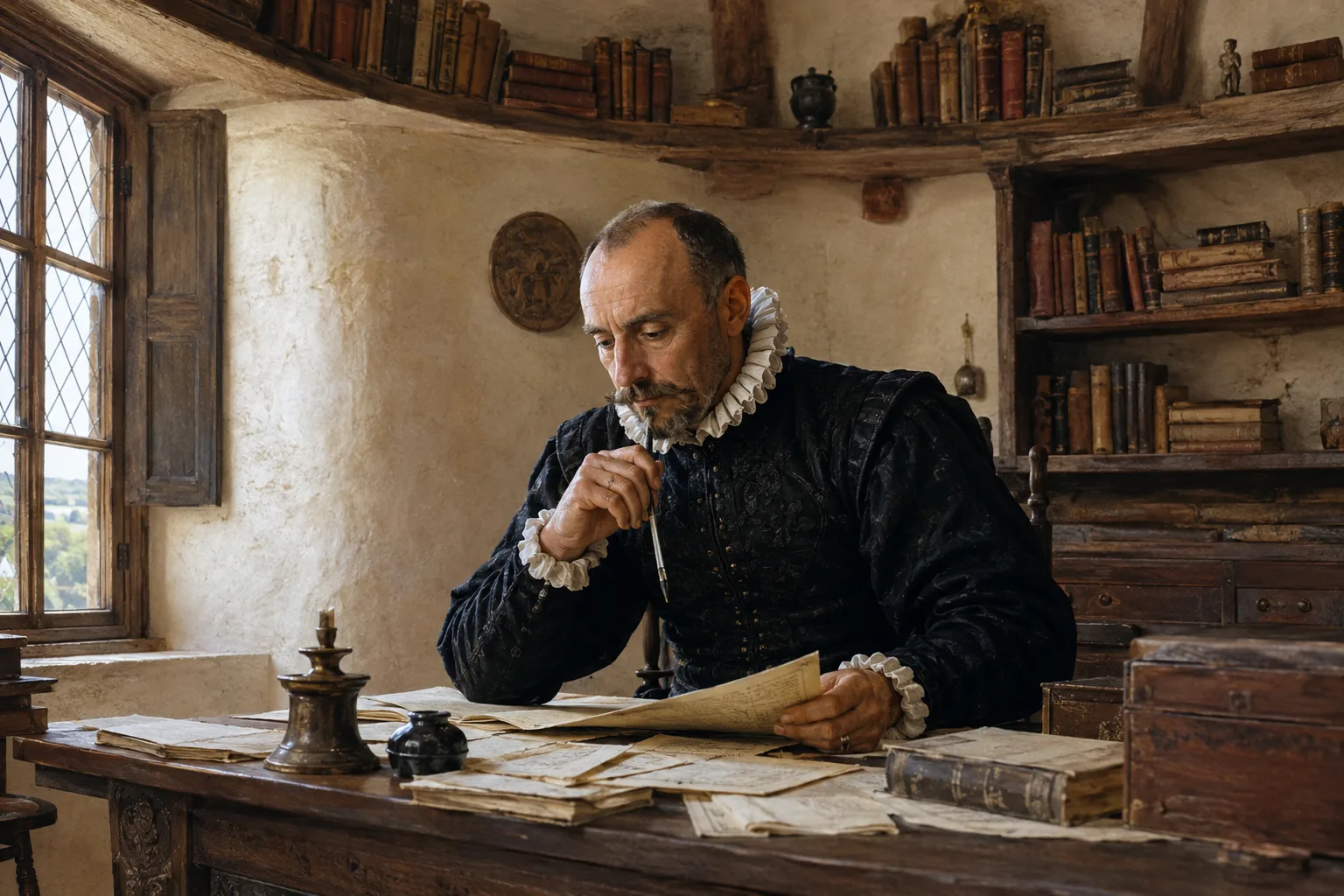
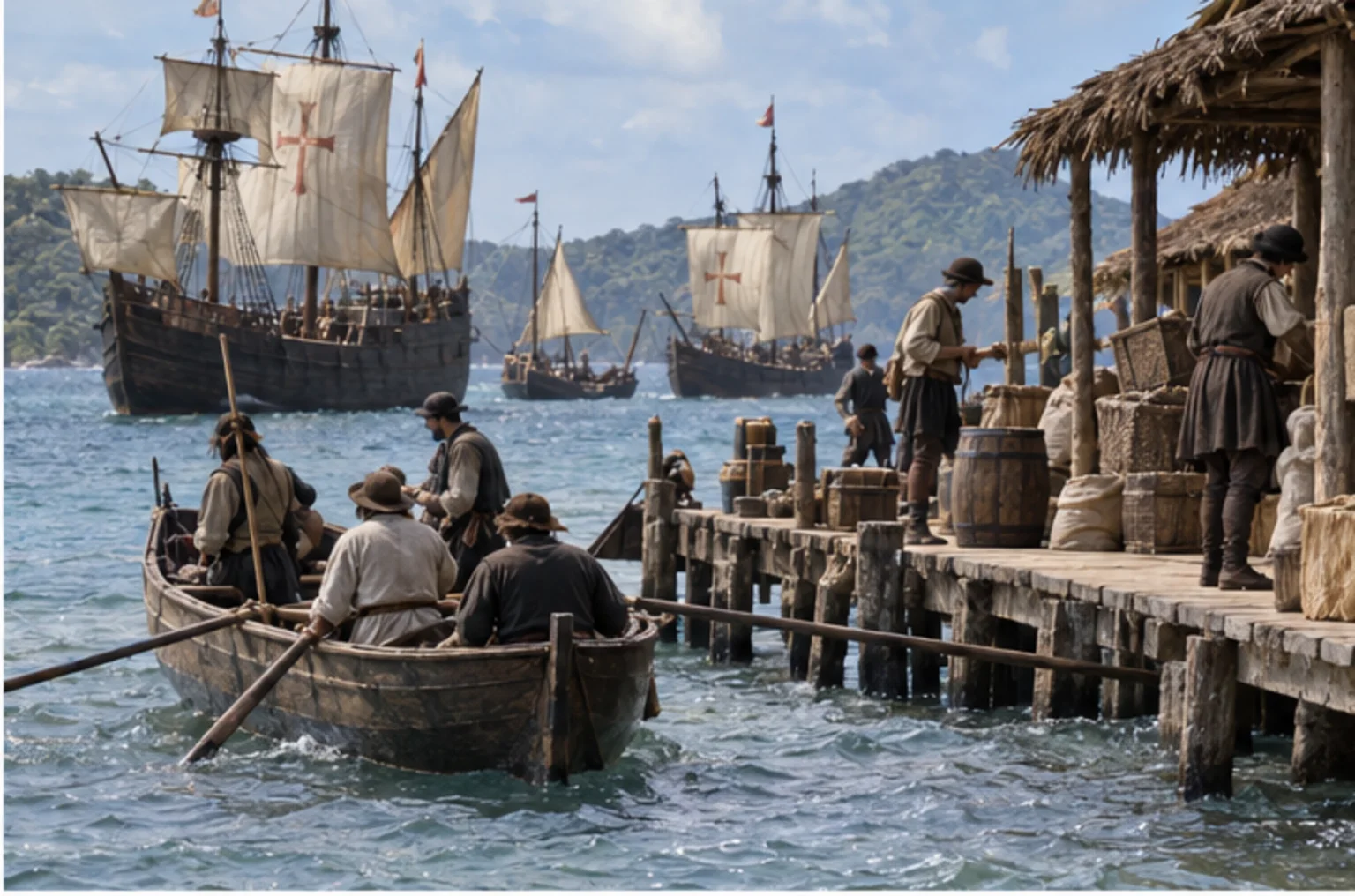
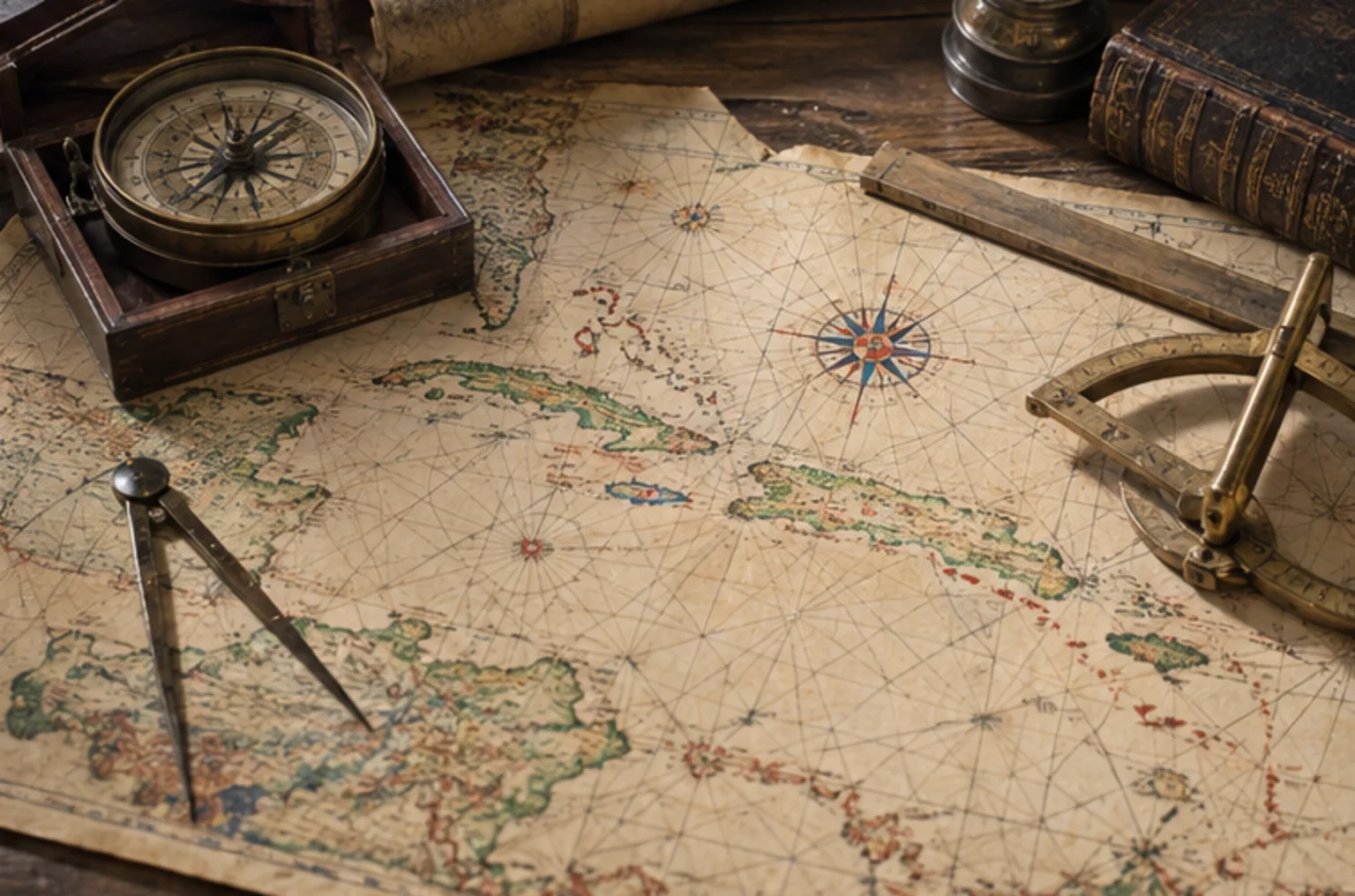
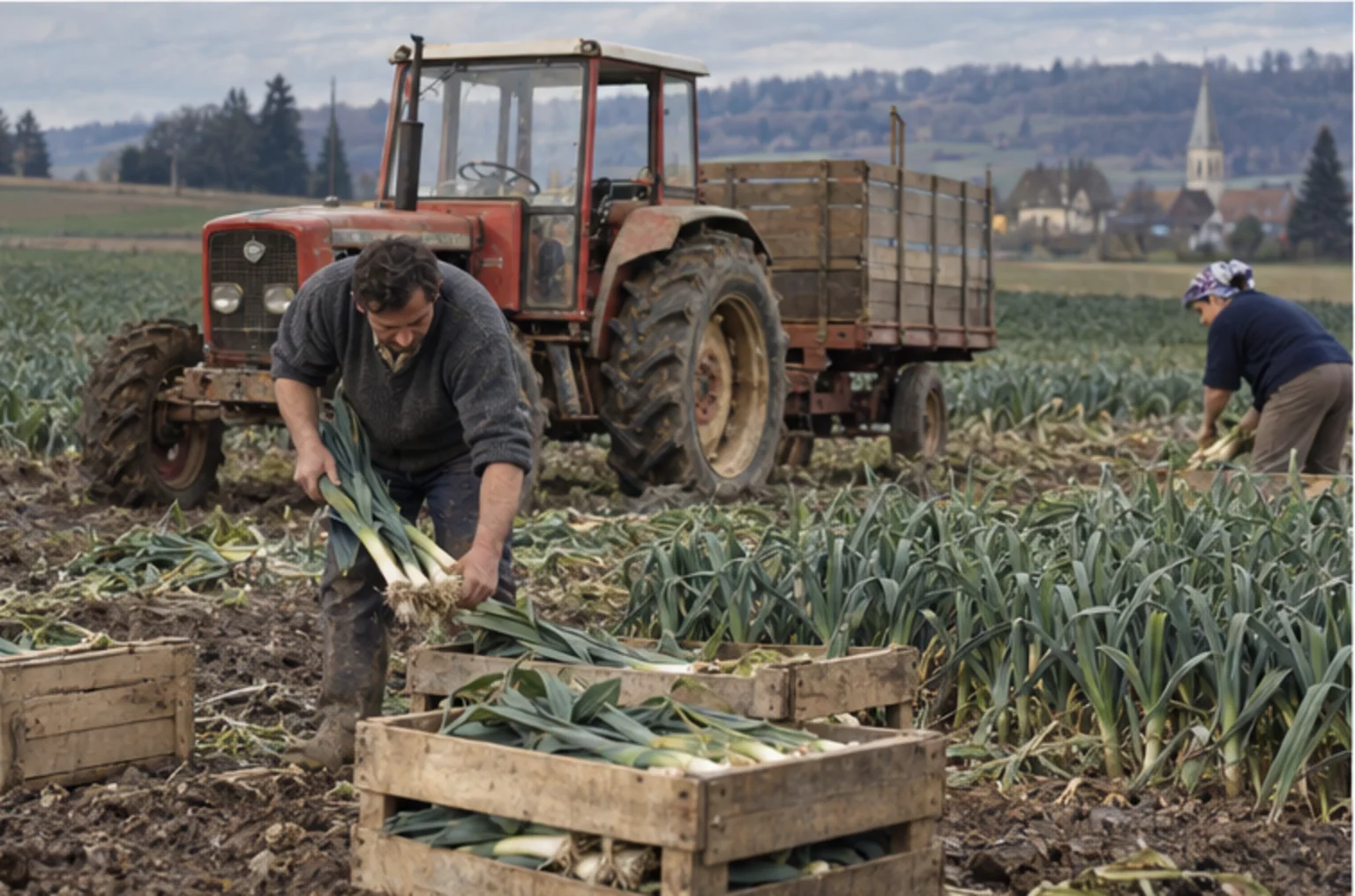
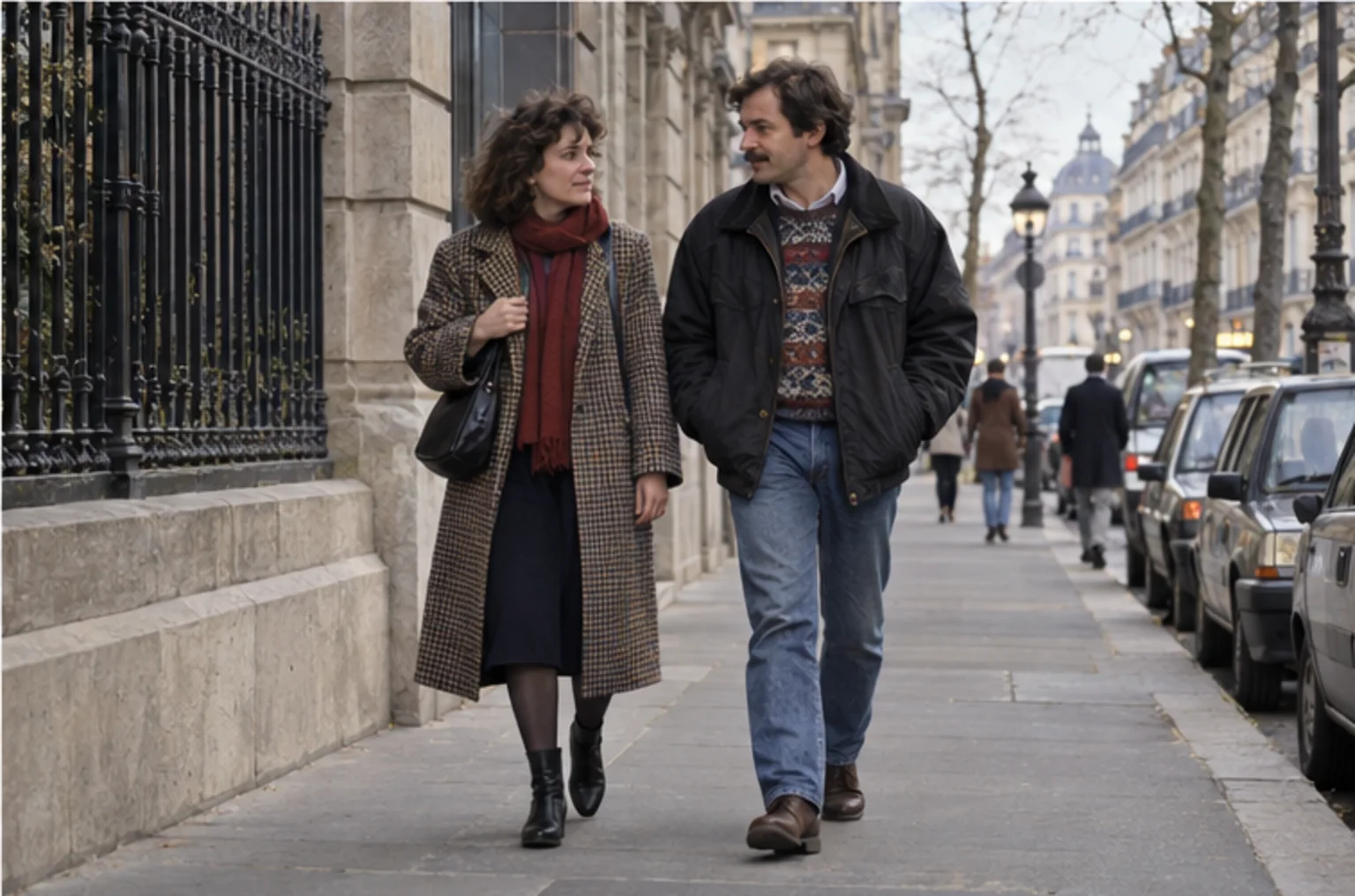
The corpus manifests do not yet establish the precise place and circumstances of composition. The images below document the author’s world or the text’s transmission. They do not claim to show the exact scene of writing.
These are modern reconstructions. They situate a documented place, practice, or transmission and are not period documents.
What the world looked like
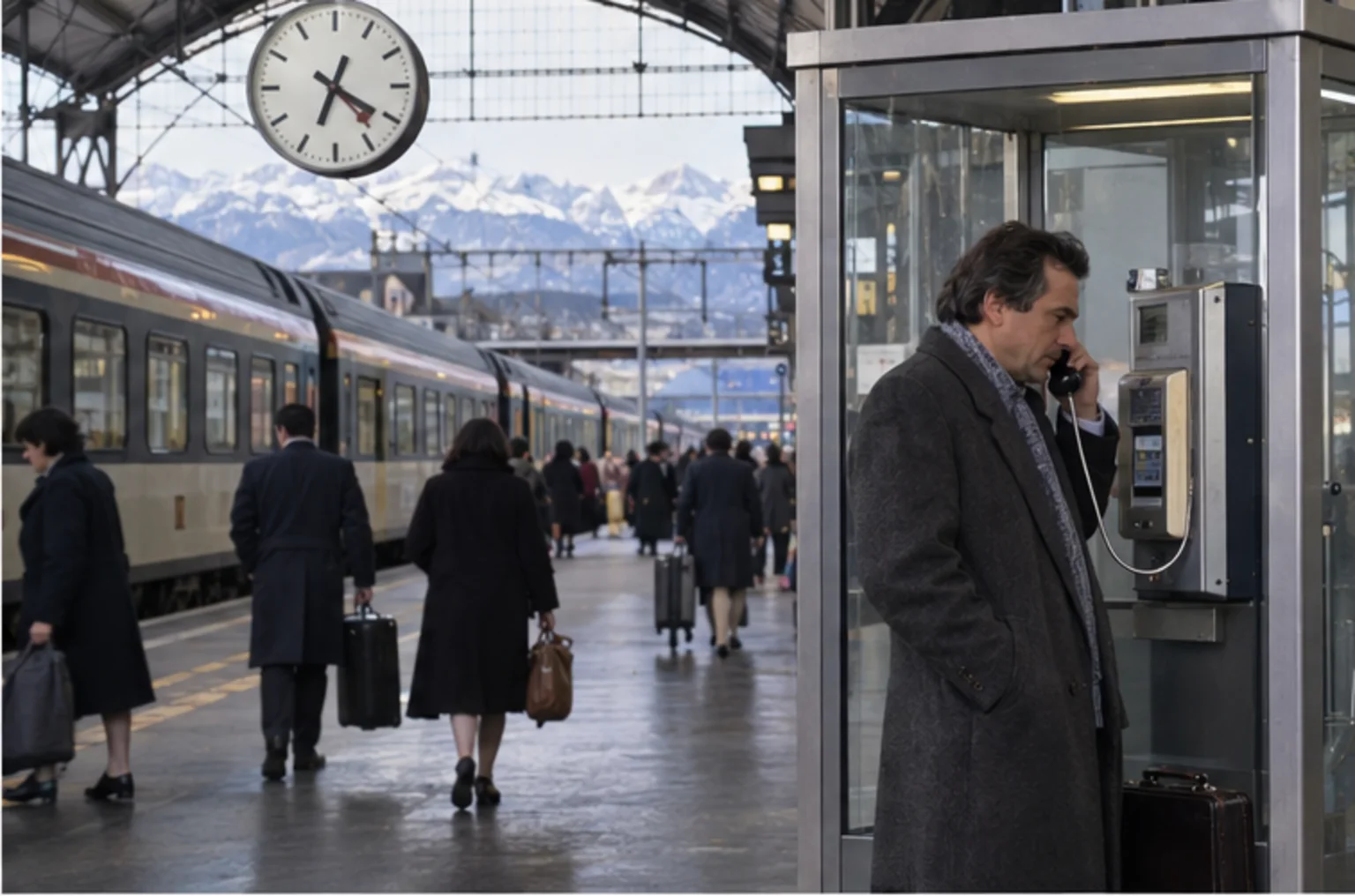
World of 1989

- State of technology
- Personal computers, satellites, video, industrial robots, and expensive mobile phones exist, but the public Web does not yet.
- Science and knowledge
- Computing, genetics, climate science, cosmology, and medical imaging produce growing data and international collaboration.
- Medicine and care
- CT, MRI, transplantation, vaccines, and intensive care advance; the AIDS epidemic exposes both medical capacity and its limits.
- Transport
- Cars, high-speed rail, metros, aircraft, and containers globalize people and goods.
- Agriculture and food
- Machinery, chemical inputs, breeding, and cold chains support high yields with increasingly debated social and environmental costs.
- Communication
- Fixed telephones, fax, television, radio, and newspapers predominate. Email and computer networks remain mainly professional or academic.
- Clothing and fashion
- Loose suits, jeans, trainers, women’s power suits, sportswear, and urban subcultures create highly varied silhouettes.
Editions, translations, and provenance
The following carriers represent the text. They do not create new passage identities.
- Frenchauthorial_french_posthumous_print_carrier
- Englishhistorical_translation · Charles Cotton
Source manifests: montaigne.essais
Reader
Read page by page
The EssaysMichel de Montaigne