
Work
Relativity: The Special and General Theory, German Edition
In this German exposition for nonspecialists, Einstein builds relativity through trains, clocks, measuring rods, and elevators. Thought experiments replace some formalism without concealing the transformation of space, time, and gravitation.
- Composition
- 1916
Sources and precision
The range describes composition or formation of the text, distinct from the dates of the editions held.
Confidence A · direct evidence
- Prokopton42 corpus manifestation manifests
- Tradition
- Science and scientific thought
- Period
- Contemporary era
- Languages
- German · English · French
- Extent
- 76 passages · 21,317 words
Before reading
What you will learn
Reconstruct the relativity of simultaneity, use thought experiments as arguments, and follow the extension from inertial frames to gravitational fields.
Short summary
In this German exposition for nonspecialists, Einstein builds relativity through trains, clocks, measuring rods, and elevators. Thought experiments replace some formalism without concealing the transformation of space, time, and gravitation.
Long summary
The first part shows why simultaneity, length, and duration depend on the state of motion while physical laws and light speed remain invariant. The second extends the reasoning to accelerated frames and presents gravitation geometrically.
The pedagogical style begins with idealized situations and then corrects classical intuition. This German manifestation preserves Einstein’s linguistic formulation; it is an exposition of theory, not a complete mathematical textbook or a diary of invention.
Inside this work
The table of contents follows the divisions actually carried by the corpus.
Work › Section
- Section section-0001
- Section section-0002
- Section section-0003
- Section section-0004
- Section section-0005
- Section section-0006
- Section section-0007
- Section section-0008
- Section section-0009
- Section section-0010
- Section section-0011
- Section section-0012
- Section section-0013
- Section section-0014
- Section section-0015
- Section section-0016
- Section section-0017
- Section section-0018
- Section section-0019
- Section section-0020
- Section section-0021
- Section section-0022
- Section section-0023
- Section section-0024
- Section section-0025
- Section section-0026
- Section section-0027
- Section section-0028
- Section section-0029
- Section section-0030
- Section section-0031
- Section section-0032
- Section section-0033
- Section section-0034
- Section section-0035
- Section section-0036
- Section section-0037
- Section section-0038
- Section section-0039
- Section section-0040
- Section section-0041
- Section section-0042
- Section section-0043
- Section section-0044
- Section section-0045
- Section section-0046
- Section section-0047
- Section section-0048
- Section section-0049
- Section section-0050
- Section section-0051
- Section section-0052
- Section section-0053
- Section section-0054
- Section section-0055
- Section section-0056
- Section section-0057
- Section section-0058
- Section section-0059
- Section section-0060
- Section section-0061
- Section section-0062
- Section section-0063
- Section section-0064
- Section section-0065
- Section section-0066
- Section section-0067
- Section section-0068
- Section section-0069
- Section section-0070
- Section section-0071
- Section section-0072
- Section section-0073
- Section section-0074
- Section section-0075
- Section section-0076
Concepts covered
Historical context
The world around the text
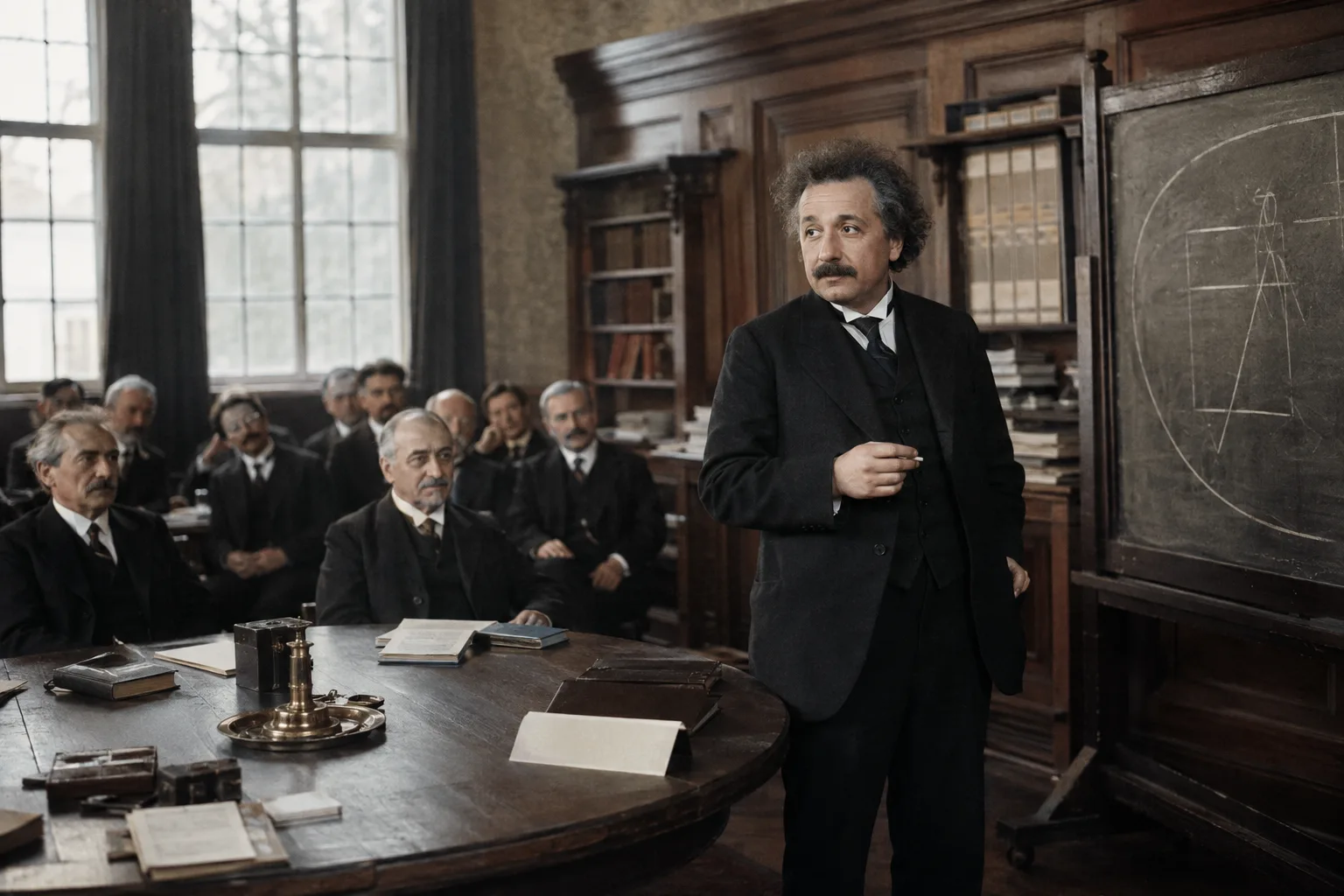
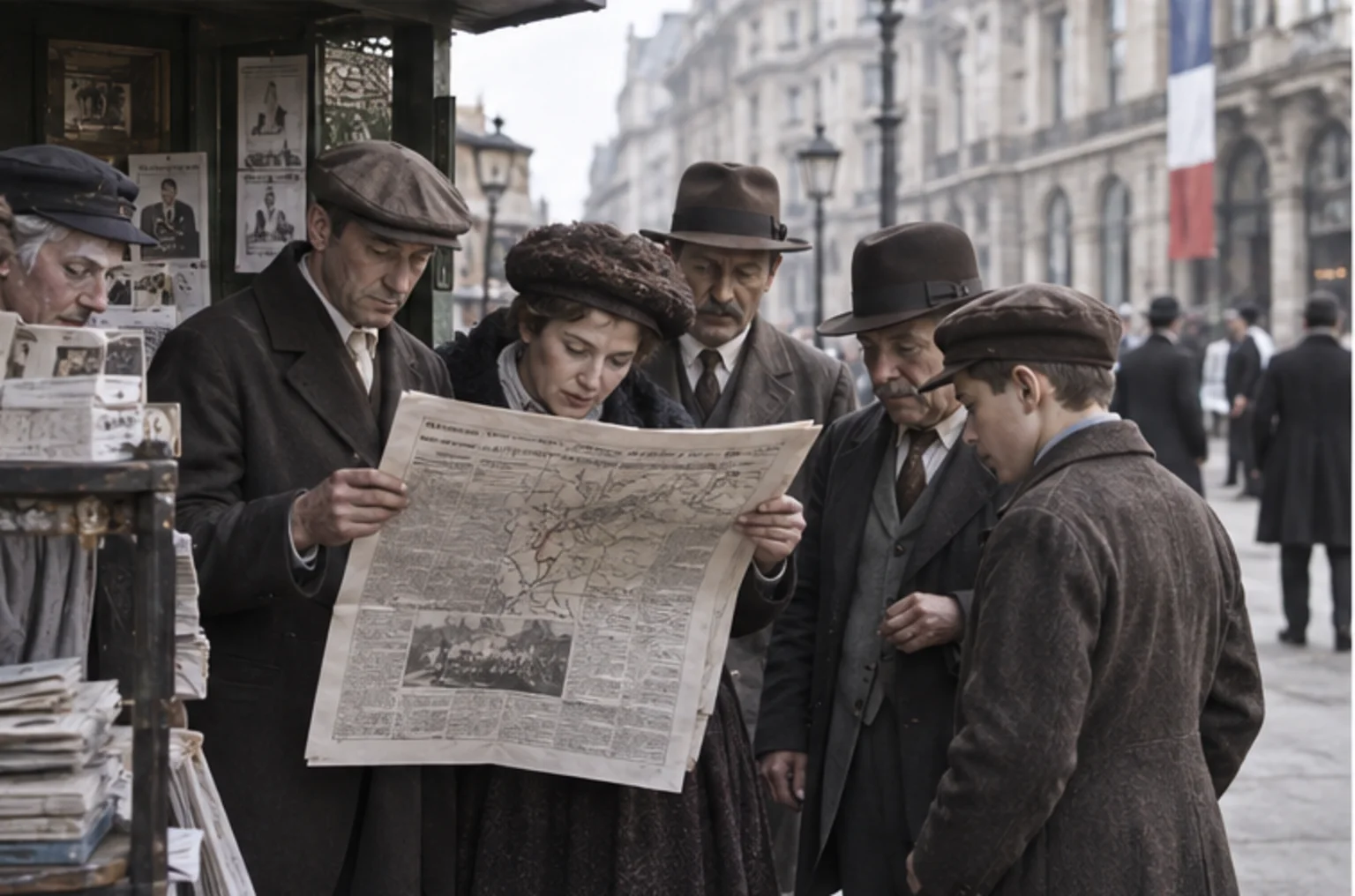
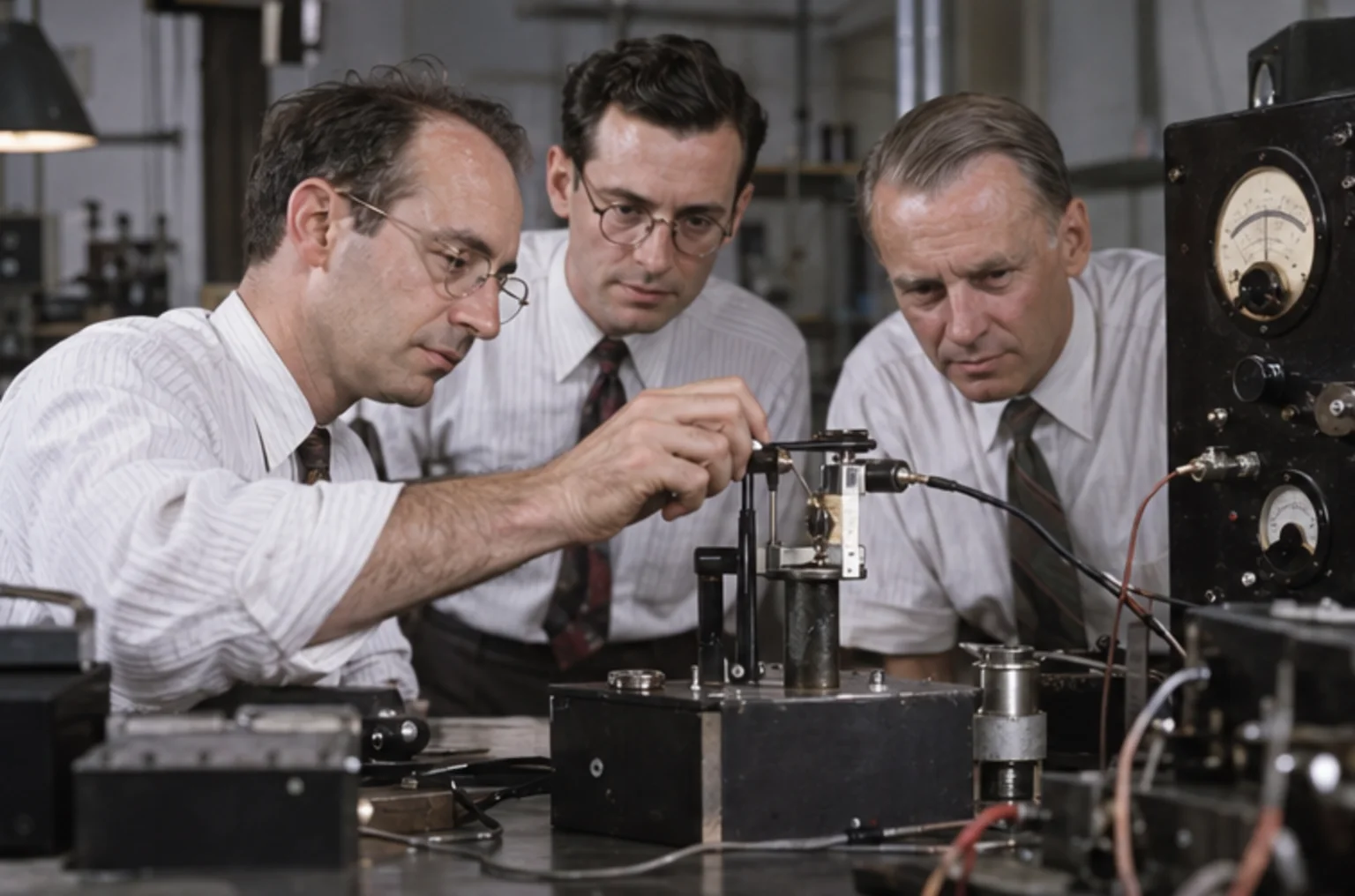
The corpus manifests do not yet establish the precise place and circumstances of composition. The images below document the author’s world or the text’s transmission. They do not claim to show the exact scene of writing.
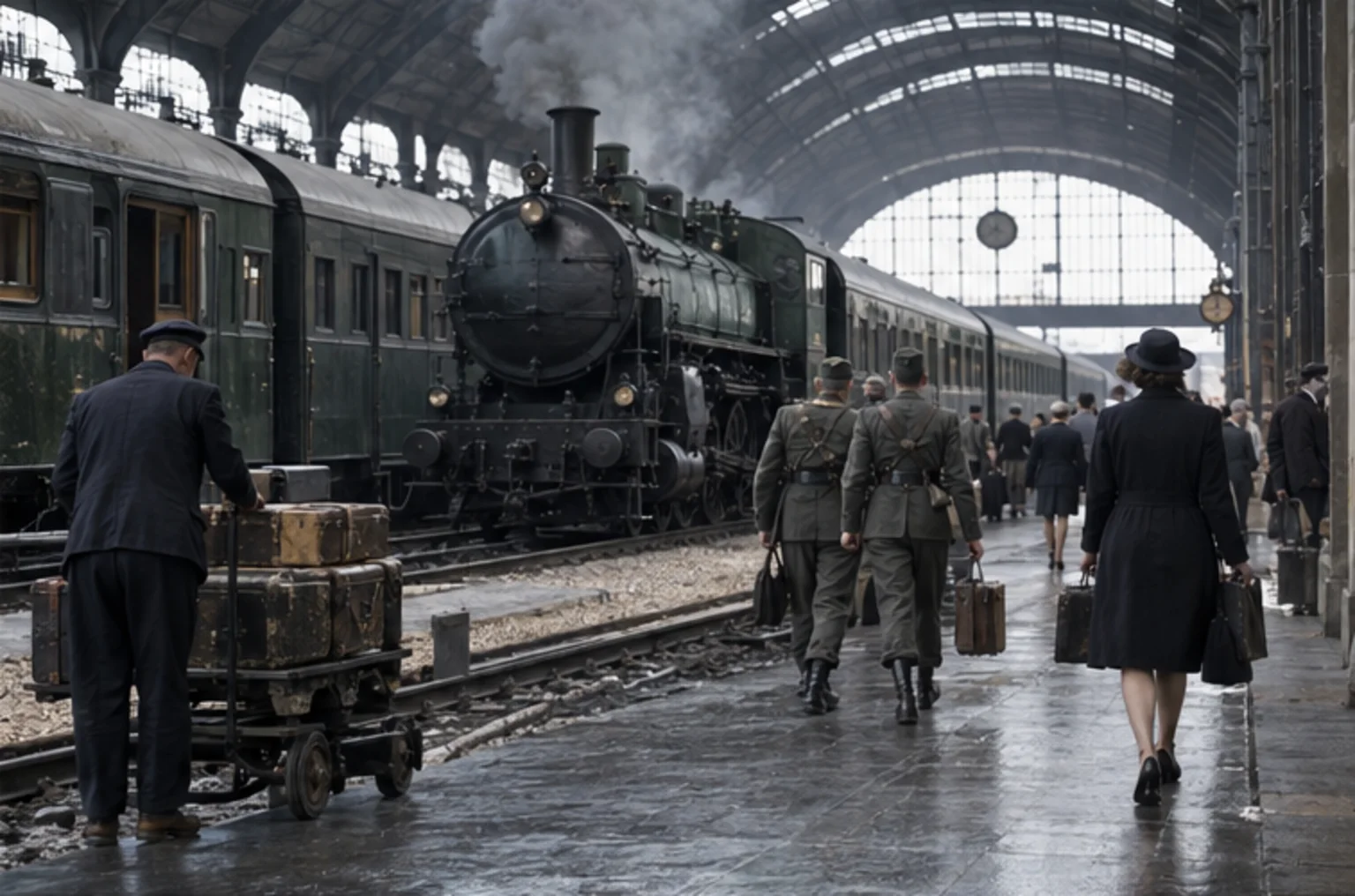
These are modern reconstructions. They situate a documented place, practice, or transmission and are not period documents.
What the world looked like
World of the world wars, 1914-1945



- State of technology
- Electricity, internal combustion, steel, aviation, radio, cinema, and mass production transform civilian life and warfare.
- Science and knowledge
- Relativity, quantum physics, chemistry, psychology, and genetics reshape knowledge within powerful institutions that are sometimes militarized.
- Medicine and care
- X-rays, surgery, transfusion, antisepsis, and early antibiotics save more lives without universal access.
- Transport
- Rail, cars, trams, ocean liners, and aircraft coexist. Armies mechanize mobility rapidly.
- Agriculture and food
- Tractors, fertilizers, and breeding advance; rationing, blockade, and requisition expose fragile supplies.
- Communication
- Telephone, telegraph, radio, newsreels, and newspapers reach mass audiences; propaganda and censorship use the same networks.
- Clothing and fashion
- Suits, shorter dresses, coats, and hats coexist with uniforms and workwear. Shortages simplify cuts and materials.
Editions, translations, and provenance
The following carriers represent the text. They do not create new passage identities.
- Germancomplete_source_selection
- English AI-generated translation, non-officialCodex gpt-5.6-sol · Non-official working translation · 2026-09-11
- French AI-generated translation, non-officialCodex gpt-5.6-sol · Non-official working translation · 2026-09-11
Source manifests: einstein.relativity_popular_de
Reader
Read page by page
The present text has been reproduced from the 1917 book edition as faithfully to the original as possible. Obvious printing errors have been silently corrected. Depending on the typeface installed on the particular reading device, passages originally printed with letter spacing may appear letter-spaced, in sans-serif type, or both sans-serif and letter-spaced. Relativity: The Special and the General Theory. Printed and published by Friedr. Vieweg & Sohn. The editor of this volume is Privy Government Councillor Professor Dr. Karl Scheel.
This little book is intended to give as exact an insight into the theory of relativity as possible to readers who are interested in the theory from the general scientific and philosophical point of view, but who do not command the mathematical apparatus [1] of theoretical physics. The reading presupposes approximately the education required for a school-leaving certificate and, despite the brevity of the book, a fair amount of patience and willpower on the reader's part. The author has taken the greatest pains to present the principal ideas as clearly and simply as possible, on the whole in the sequence and context in which they actually arose. In the interest of clarity, it seemed unavoidable to me that I should often repeat myself, without paying the slightest regard to elegance of presentation. I conscientiously adhered [p. iv] to the precept of the brilliant theorist L. Boltzmann that elegance should be left to tailors and shoemakers. I believe I have not withheld from the reader any difficulties inherent in the subject itself. On the other hand, I have deliberately treated the theory's empirical physical foundations rather like a stepchild, so that the reader less familiar with physics should not fare like the wanderer who cannot see the forest for the trees. May this little book bring some readers a few happy and stimulating hours!