Fragments or testimony
Testimonies on Posidonius
Twenty-eight witnesses locate Apamea, Rhodes, travel, and reported relationships without performing them as memories.
- Composition
- 1st century BCE; testimonia about Posidonius written later
Sources and precision
The position locates Posidonius’ life. These testimonia, some posthumous, are not his own writings. The admitted Eulogikon collection comes from the 10 September 2026 commit.
Confidence D · disputed range
- Eulogikon: Posidonius carrier collections
- Prokopton42 corpus manifestation manifests
- Tradition
- Stoicism
- Period
- Antiquity
- Languages
- Ancient Greek · Latin · English · French
- Extent
- 28 passages · 1,096 words
Before reading
What you will learn
Distinguish the reported fact, its carrier, and what that testimony does not permit us to reconstruct.
Short summary
Twenty-eight witnesses locate Apamea, Rhodes, travel, and reported relationships without performing them as memories.
Long summary
These testimonia are neither autobiography nor stenography. The Suda, Strabo, Plutarch, Cicero, and other carriers inform an Apamean birth, a Rhodian career, a stay at Gades, and reported encounters. Every fact therefore retains its confidence grade.
Dialogue may use this biographical frame to locate an inquiry, but it may not invent a conversation with Pompey, Cicero, or Panaetius.
Inside this work
The table of contents follows the divisions actually carried by the corpus.
Work › Eulogikon collection › Fragment or testimony
Eulogikon collection msa-aa28 passages
- Carrier unit 1
- Carrier unit 2
- Carrier unit 3
- Carrier unit 4
- Carrier unit 5a
- Carrier unit 5b
- Carrier unit 6
- Carrier unit 7
- Carrier unit 8a
- Carrier unit 8b
- Carrier unit 9
- Carrier unit 10a
- Carrier unit 10b
- Carrier unit 11
- Carrier unit 12a
- Carrier unit 12b
- Carrier unit 13
- Carrier unit 14
- Carrier unit 15a
- Carrier unit 15b
- Carrier unit 16
- Carrier unit 17a
- Carrier unit 17b
- Carrier unit 18
- Carrier unit 19a
- Carrier unit 19b
- Carrier unit 19c
- Carrier unit 19d
Concepts covered
Historical context
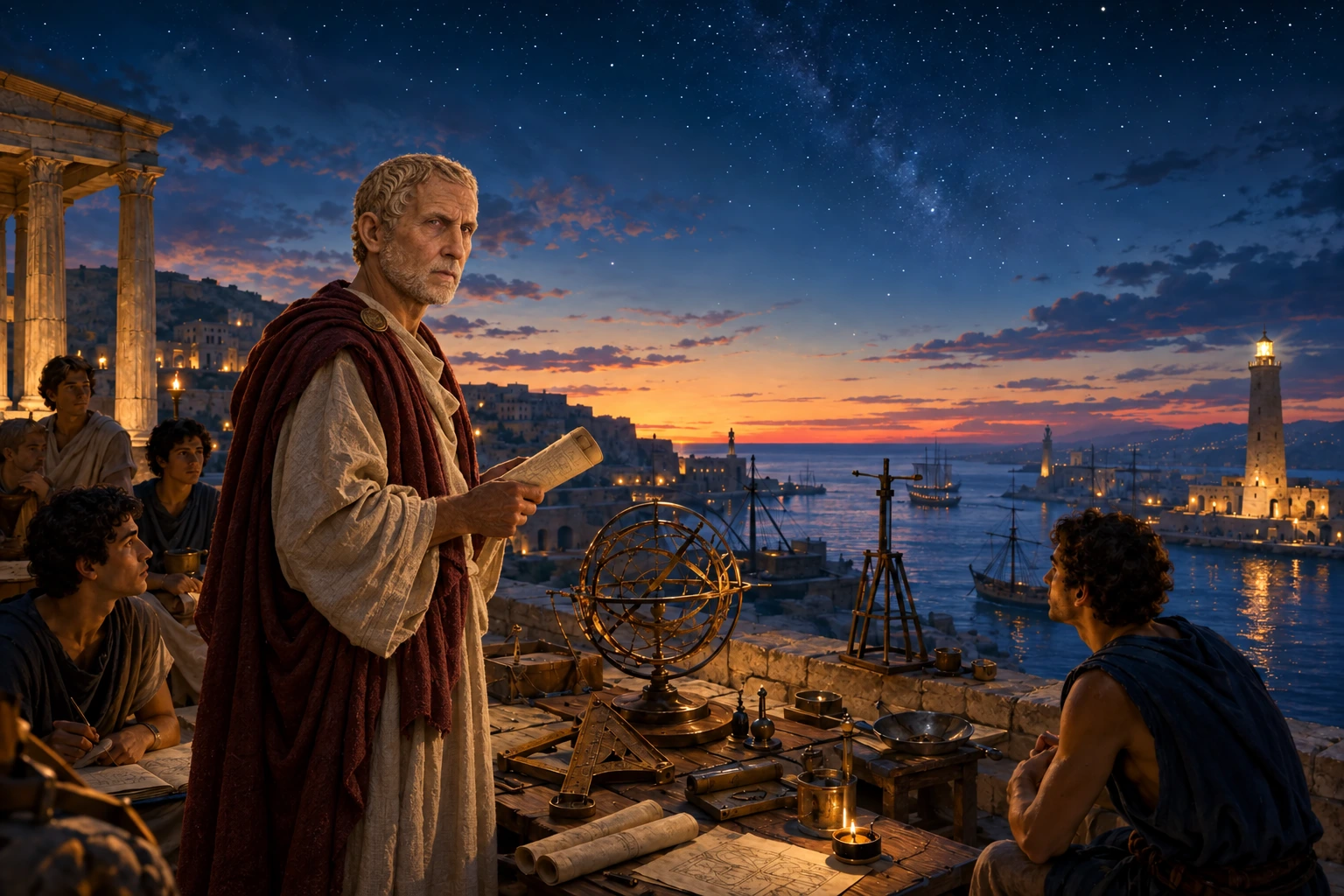
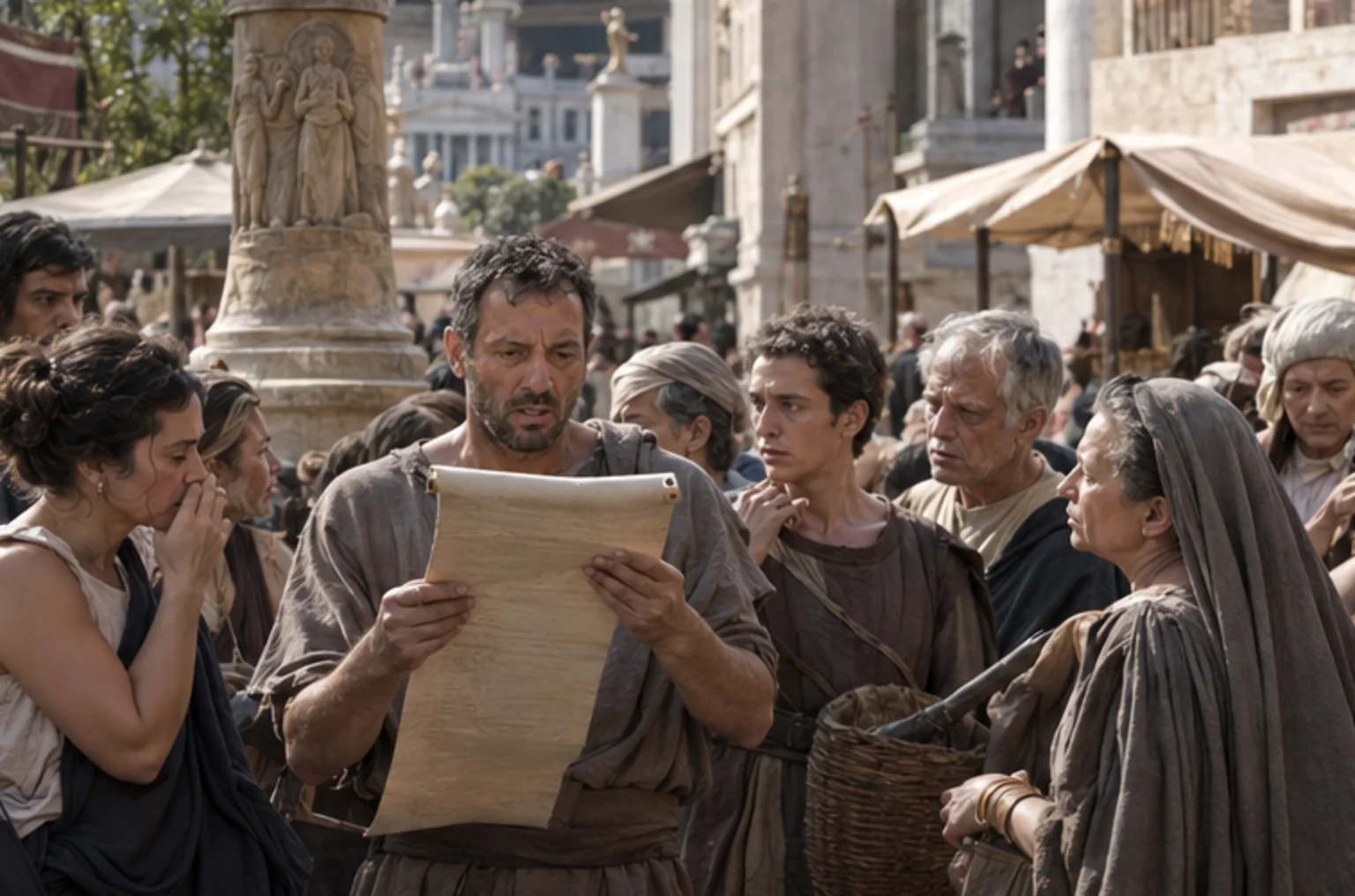
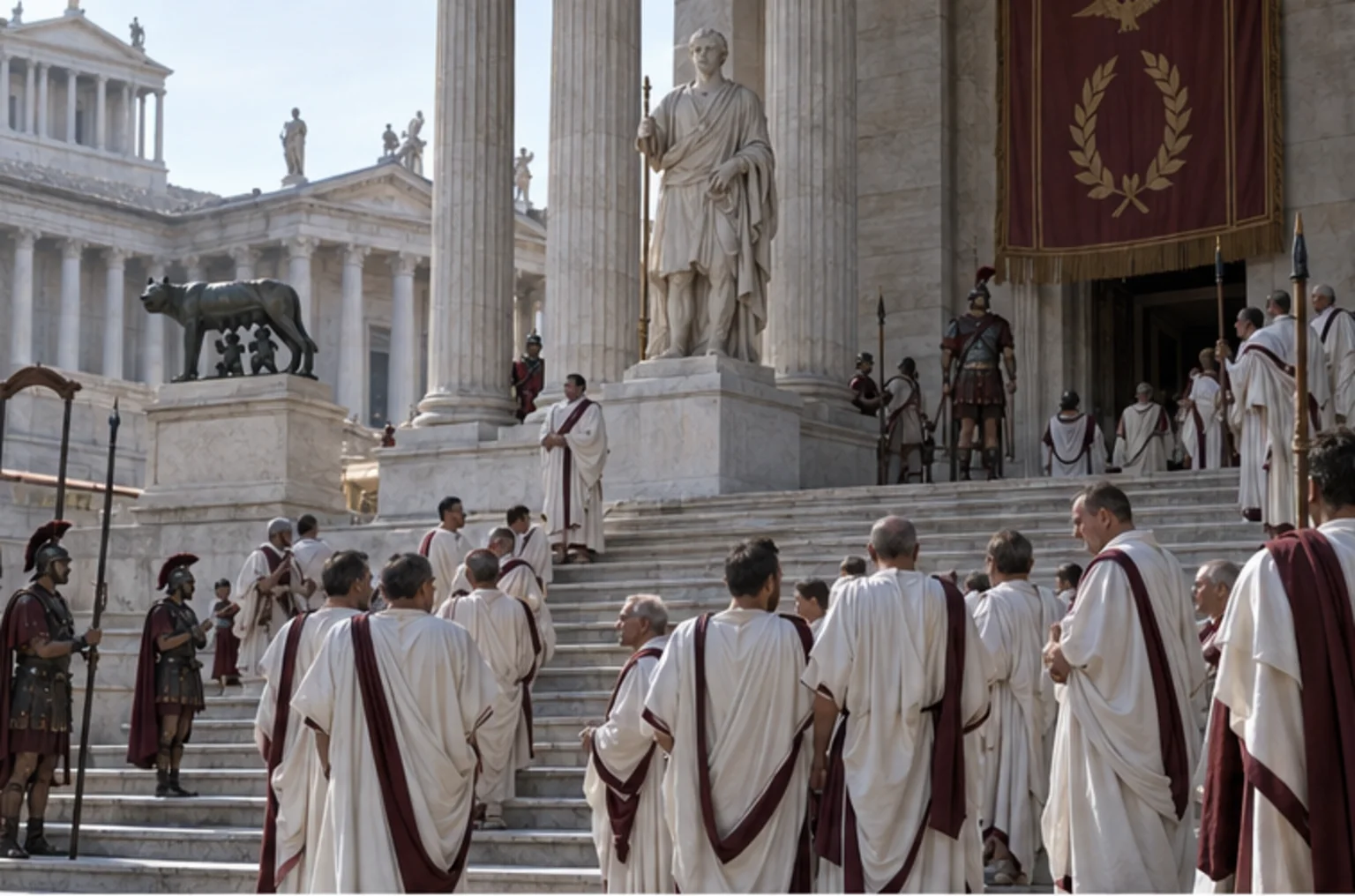
The world around the text
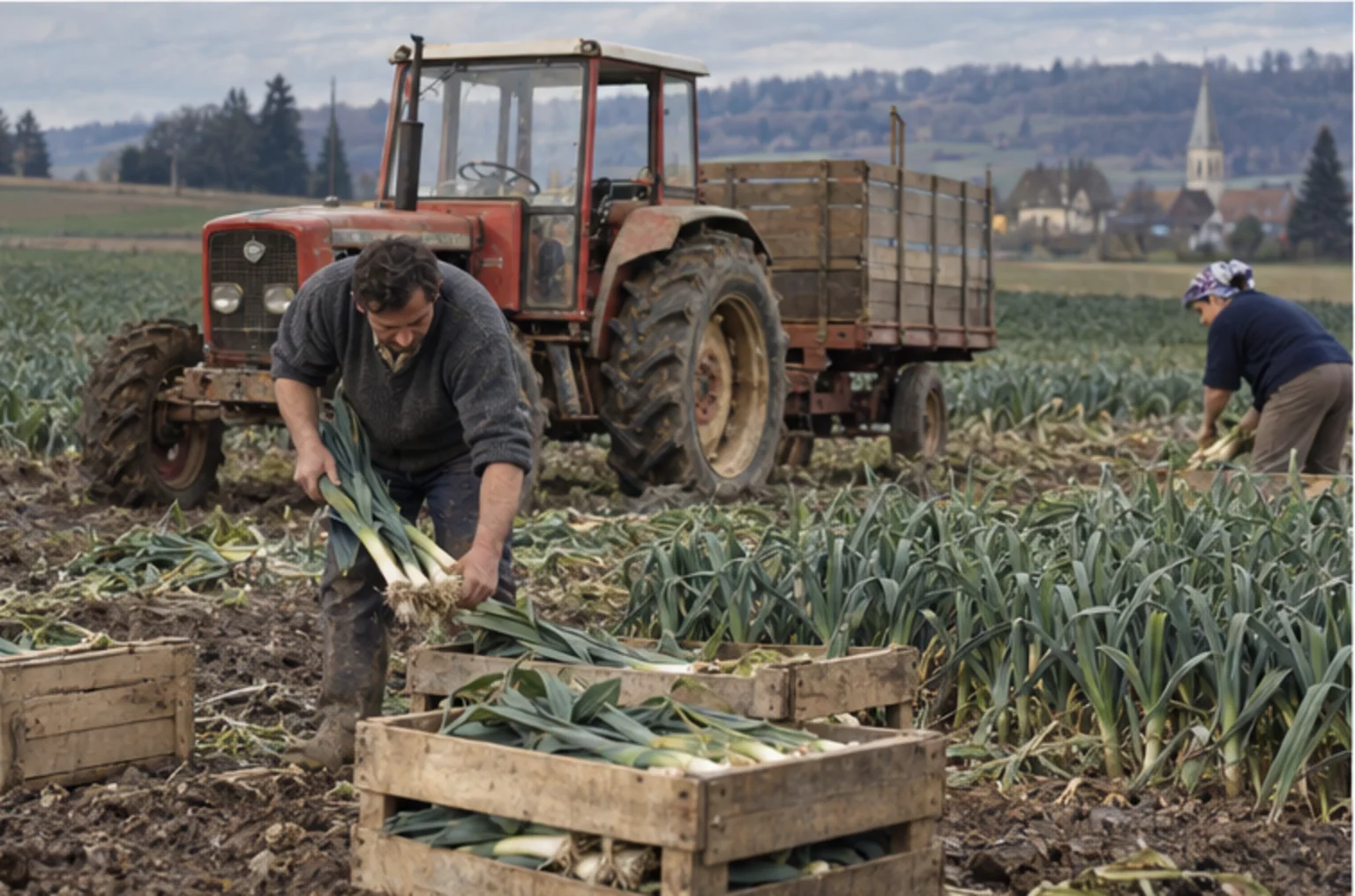
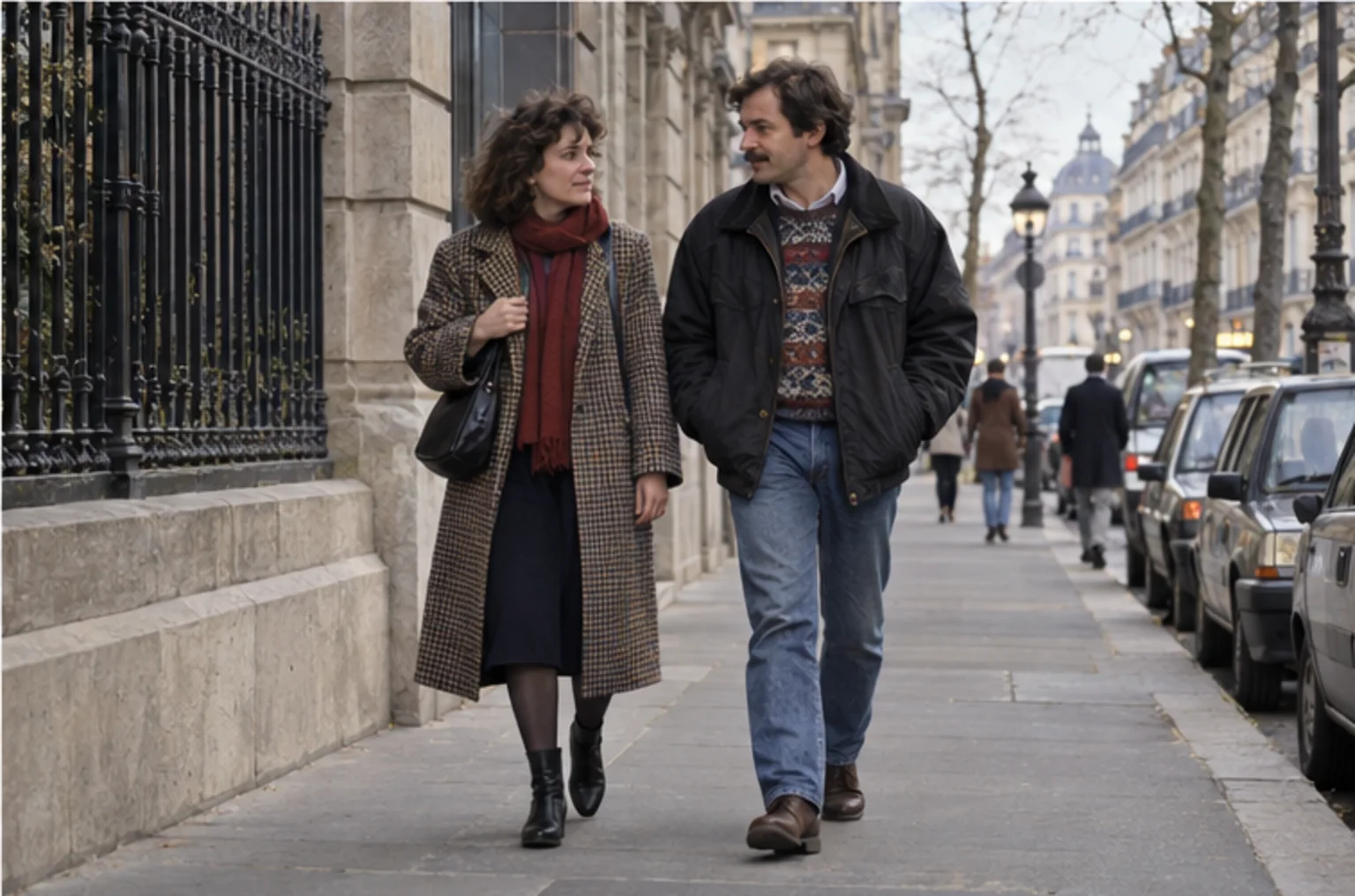
The corpus manifests do not yet establish the precise place and circumstances of composition. The images below document the author’s world or the text’s transmission. They do not claim to show the exact scene of writing.
These are modern reconstructions. They situate a documented place, practice, or transmission and are not period documents.
What the world looked like
World of 1989


- State of technology
- Personal computers, satellites, video, industrial robots, and expensive mobile phones exist, but the public Web does not yet.
- Science and knowledge
- Computing, genetics, climate science, cosmology, and medical imaging produce growing data and international collaboration.
- Medicine and care
- CT, MRI, transplantation, vaccines, and intensive care advance; the AIDS epidemic exposes both medical capacity and its limits.
- Transport
- Cars, high-speed rail, metros, aircraft, and containers globalize people and goods.
- Agriculture and food
- Machinery, chemical inputs, breeding, and cold chains support high yields with increasingly debated social and environmental costs.
- Communication
- Fixed telephones, fax, television, radio, and newspapers predominate. Email and computer networks remain mainly professional or academic.
- Clothing and fashion
- Loose suits, jeans, trainers, women’s power suits, sportswear, and urban subcultures create highly varied silhouettes.
Editions, translations, and provenance
The following carriers represent the text. They do not create new passage identities.
- Ancient Greekpublic_domain_fragment_carrier_transcription
- Latinpublic_domain_fragment_carrier_transcription
- English AI-generated translation, non-officialCodex gpt-5.6-sol · Non-official working translation · 2026-09-15
- French AI-generated translation, non-officialCodex gpt-5.6-sol · Non-official working translation · 2026-09-15
Source manifests: posidonius.testimonia
Reader
Read page by page
SUIDAS, s.v. “Posidonius”: An Apamean from Syria, or a Rhodian; a Stoic philosopher, surnamed the Athlete. He maintained a school on Rhodes, having become the successor and pupil of Panaetius. He also came to Rome in the consulship of Marcus Marcellus (51 BC). He wrote many works. ;Posidonius of Alexandria: a Stoic philosopher, a pupil of Zeno of Citium. He wrote the History after Polybius (T 12b), in fifty-two books, down to the war involving Cyrene and Ptolemy; also Rhetorical Exercises; Outlines for Demosthenes. And I think these works belong rather to Posidonius the sophist of Olbia. ;Posidonius of Olbia (III): sophist and historian. On the Ocean and the Things Pertaining to It; On the Region Called Tyrian; Histories of Attica in four books; Libyan History in eleven books; and certain other works.