Traceable Library

Explore the corpus of thinkers on prokopton42.com

We do not always look for a work, a text, or a passage in the same way. Browse by work as you would in a traditional library, travel through time, follow a semantic concept, or go straight to a precise excerpt. This Library exists to support practice and deeper study by bringing old texts into contact with daily experience and present questions.

Works
305
Authors
94
Passages
89,767
See more statistics
Corpus works
259
Private works
46
Private records
56
Private excerpts
20,006
Text representations
223,819
Editions and translations
849
Languages
17
Works in French and English
259
Multilingual works
259
Tracked concepts
9
Estimated sentences
1,456,557
Words
27,541,029

A representation is one language version of a canonical passage. Private excerpts come from source files. Sentence count is estimated from punctuation.

By work45
Junzi, exemplary person

Works

Books, collections and works from the Private collection share this shelf. Each card keeps its editions and sources.

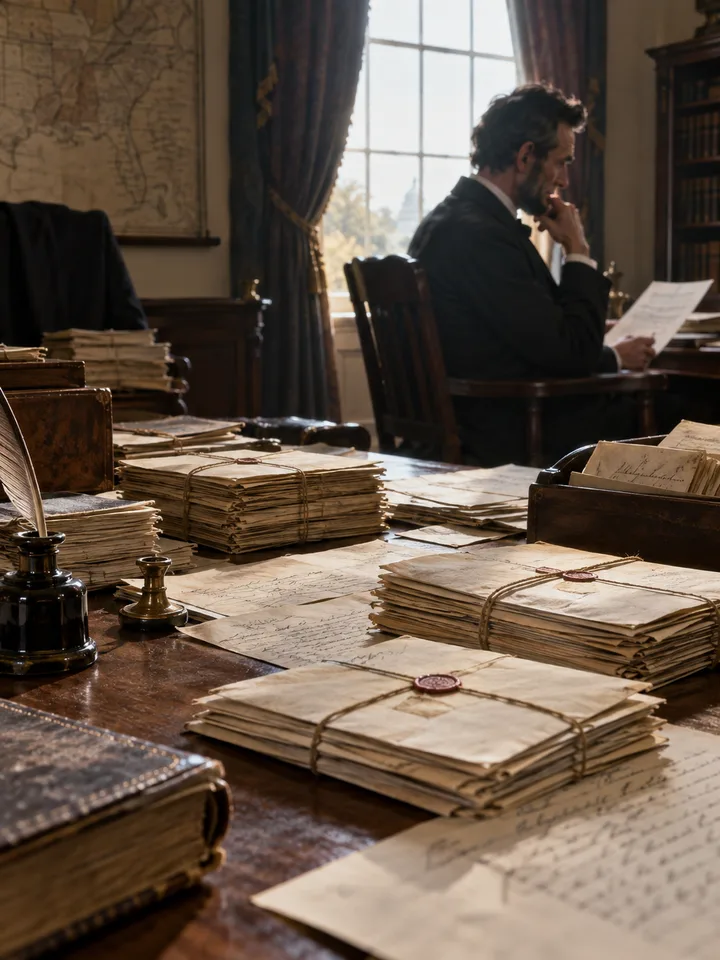
Photorealistic editorial illustration of Abraham Lincoln Papers: Incoming and Contextual Documents in the Prokopton42.com Library Abraham Lincoln Papers: Incoming and Contextual DocumentsCorrespondents and archival record

Work

Abraham Lincoln Papers: Incoming and Contextual Documents

Incoming letters, petitions, and administrative records preserve the voices of people who petitioned, informed, or challenged Lincoln. The archive reveals the pressures of a wartime presidency without attributing his correspondents’ words to the president.

What you will learn
Composition
1833-1916
Editions / translations
2026
Languages
English · French
Extent
19,210 passages · 7,989,852 words
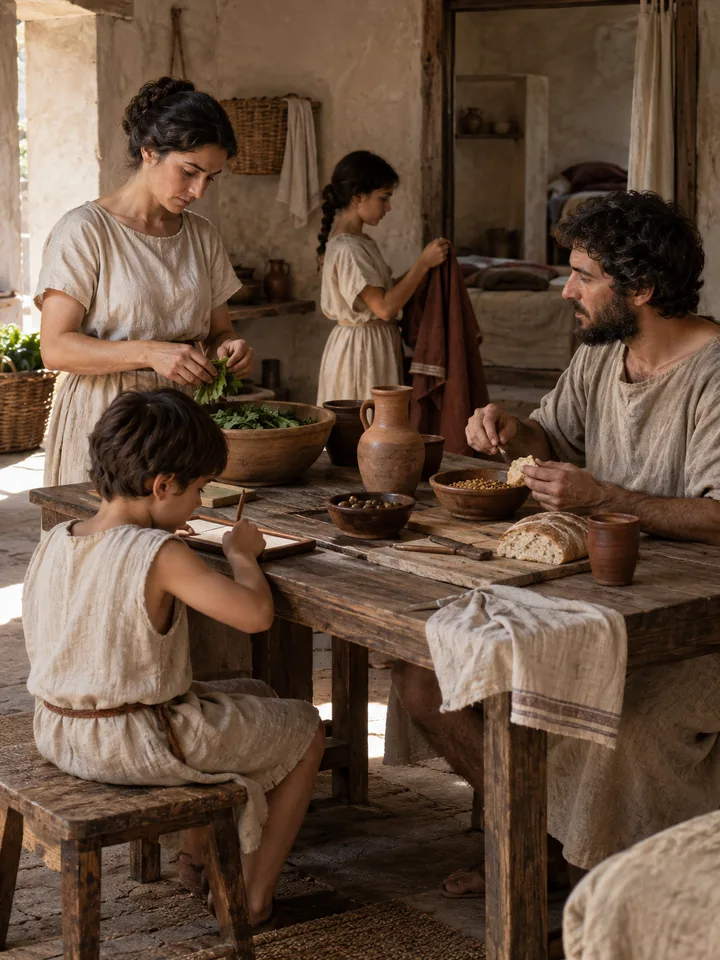
Photorealistic editorial illustration of Ancient testimonia on Carneades in the Prokopton42.com Library Ancient testimonia on CarneadesCarneades

Fragments or testimony

Ancient testimonia on Carneades

One hundred carrier passages follow Carneades from criticism of certain apprehension to probable judgment without inventing a book for him.

What you will learn
Composition
carriers from the 1st century BCE to the 3rd century CE; testimonia on Carneades
Editions / translations
Dates to be documented
Languages
Ancient Greek · Latin · French · English
Extent
100 passages · 35,730 words
Photorealistic editorial illustration of An Essay Concerning Human Understanding in the Prokopton42.com Library An Essay Concerning Human UnderstandingJohn Locke

Work

An Essay Concerning Human Understanding

The Essay examines the origin and composition of ideas, personal identity, and the limits of knowledge.

What you will learn
Composition
1689-1700; revised lifetime editions
Editions / translations
Dates to be documented
Languages
English · French
Extent
1,114 passages · 257,071 words
Photorealistic editorial illustration of Aṅguttara Nikāya: Numerical Discourses in the Prokopton42.com Library Aṅguttara Nikāya: Numerical DiscoursesSiddhartha Gautama / Buddha

Work

Aṅguttara Nikāya: Numerical Discourses

The Aṅguttara Nikāya arranges teachings attributed to the Buddha in ascending numbered sets, from one item to eleven. Its mnemonic structure brings together conduct, mental training, communal life, and stages of awakening.

What you will learn
Composition
oral strata, late 5th to 3rd centuries BCE; later Pali organization
Editions / translations
Dates to be documented
Languages
English · French · Pali
Extent
1,408 passages · 443,916 words
Photorealistic editorial illustration of Daodejing, Book of the Way and Virtue in the Prokopton42.com Library Daodejing, Book of the Way and VirtueLaozi

Work

Daodejing, Book of the Way and Virtue

The Daodejing explores a Way that cannot be possessed by names and an action that avoids needless force. Its compressed sayings join government, simplicity, withdrawal, and the power of what appears weak.

What you will learn
Composition
layered composition, 4th-3rd centuries BCE
Editions / translations
1842 · 1891
Languages
Classical Chinese · English · French
Extent
81 passages · 10,432 words
Photorealistic editorial illustration of Discourses of Epictetus, Recorded by Arrian in the Prokopton42.com Library Discourses of Epictetus, Recorded by ArrianEpictetus

Work

Discourses of Epictetus, Recorded by Arrian

Arrian transmits Epictetus’ oral teaching as lively exchanges with students. The teacher confronts their ambitions, fears, and inconsistencies with a central demand: govern assent, desire, and action rather than claim command over events.

What you will learn
Composition
teaching recorded by Arrian, c. 108-125 CE
Editions / translations
Dates to be documented
Languages
Ancient Greek · English · French
Extent
95 passages · 118,661 words
Photorealistic editorial illustration of Discourses of Musonius Rufus Reported by Lucius in the Prokopton42.com Library Discourses of Musonius Rufus Reported by LuciusMusonius Rufus

Work

Discourses of Musonius Rufus Reported by Lucius

Lucius reports teachings in which Musonius applies philosophy to food, housing, marriage, education, and exile. Virtue is tested in ordinary habits and must be practised by women as well as men.

What you will learn
Composition
late 1st or early 2nd century CE
Editions / translations
Dates to be documented
Languages
Ancient Greek · English · French
Extent
21 passages · 21,330 words
Photorealistic editorial illustration of Epinomis, an Ancient Appendix to the Laws in the Prokopton42.com Library Epinomis, an Ancient Appendix to the LawsPlato

Work

Epinomis, an Ancient Appendix to the Laws

The Epinomis returns to the wisdom required by a legislator and directs it toward number, astronomy, and worship of the stars. Transmitted as a sequel to the Laws, it has an ancient but strongly disputed attribution to Plato.

What you will learn
Composition
after 347, c. 347-330 BCE
Editions / translations
Dates to be documented
Languages
Ancient Greek · English · French
Extent
20 passages · 9,251 words
Photorealistic editorial illustration of Euthydemus in the Prokopton42.com Library EuthydemusPlato

Work

Euthydemus

Socrates recounts an encounter in which Euthydemus and Dionysodorus overwhelm a young man with verbal refutations. The dialogue opposes eristic victory to an educational search for knowledge capable of making life flourish.

What you will learn
Composition
c. 390-370 BCE
Editions / translations
Dates to be documented
Languages
Ancient Greek · English · French
Extent
37 passages · 17,127 words
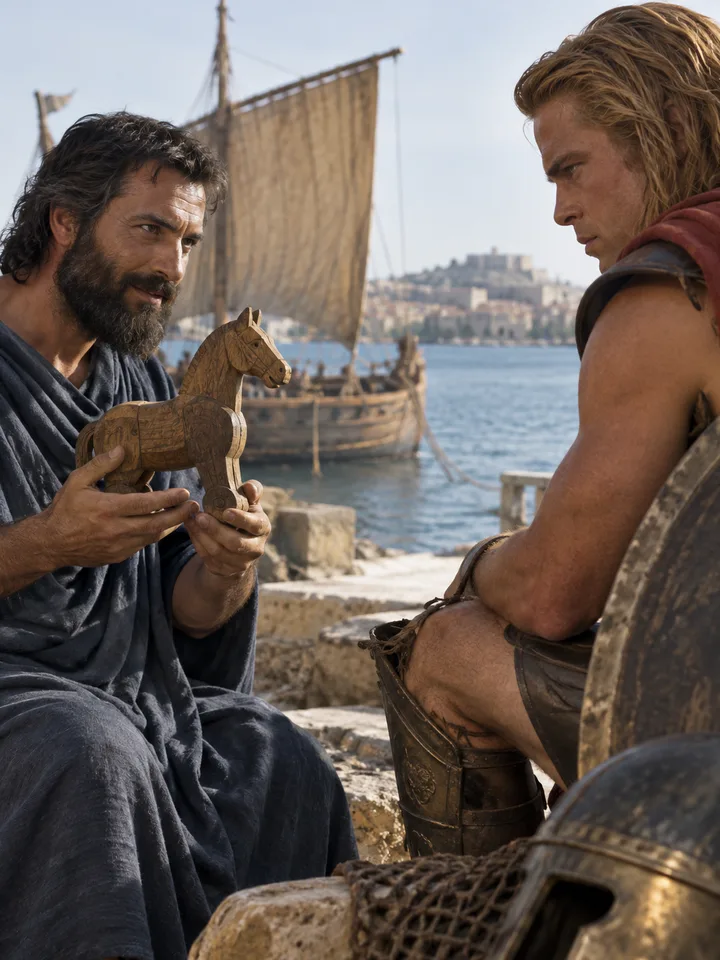
Photorealistic editorial illustration of Hippias Minor in the Prokopton42.com Library Hippias MinorPlato

Work

Hippias Minor

Beginning with Homer’s Achilles and Odysseus, Socrates leads Hippias toward a paradox: the voluntary deceiver seems to possess more knowledge than someone mistaken unwillingly. The conclusion unsettles ordinary categories of fault and competence.

What you will learn
Composition
c. 399-390 BCE
Editions / translations
Dates to be documented
Languages
Ancient Greek · English · French
Extent
14 passages · 5,950 words
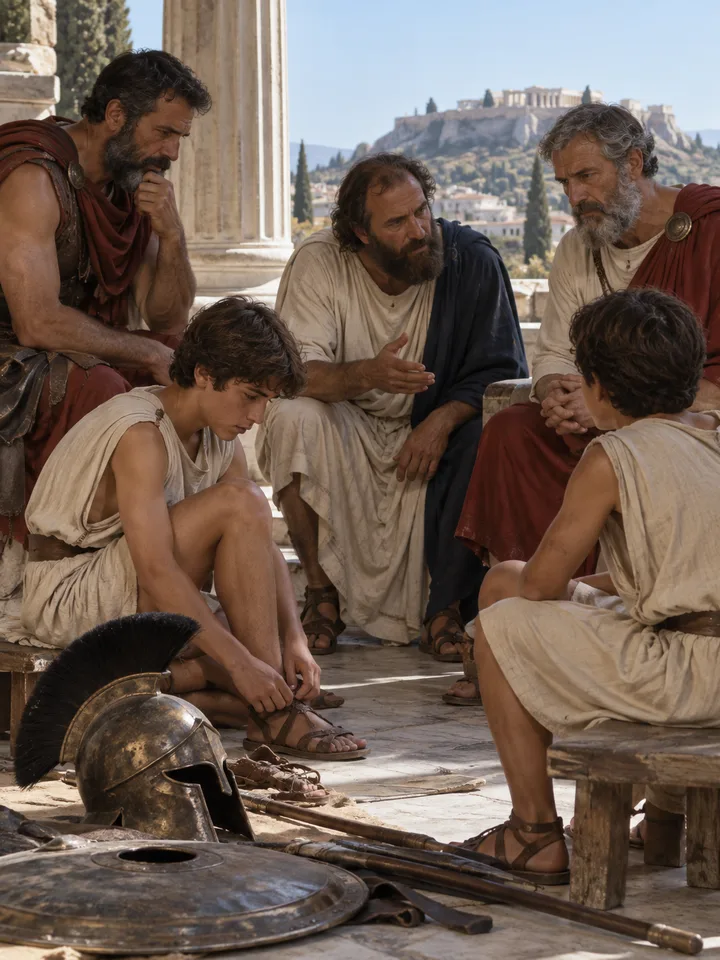
Photorealistic editorial illustration of Laches in the Prokopton42.com Library LachesPlato

Work

Laches

Two fathers consult Nicias and Laches about military education for their sons; Socrates returns the decision to a definition of courage. Endurance, knowledge of dangers, and battlefield conduct are tested without a final answer.

What you will learn
Composition
c. 399-380 BCE
Editions / translations
Dates to be documented
Languages
Ancient Greek · English · French
Extent
24 passages · 11,014 words
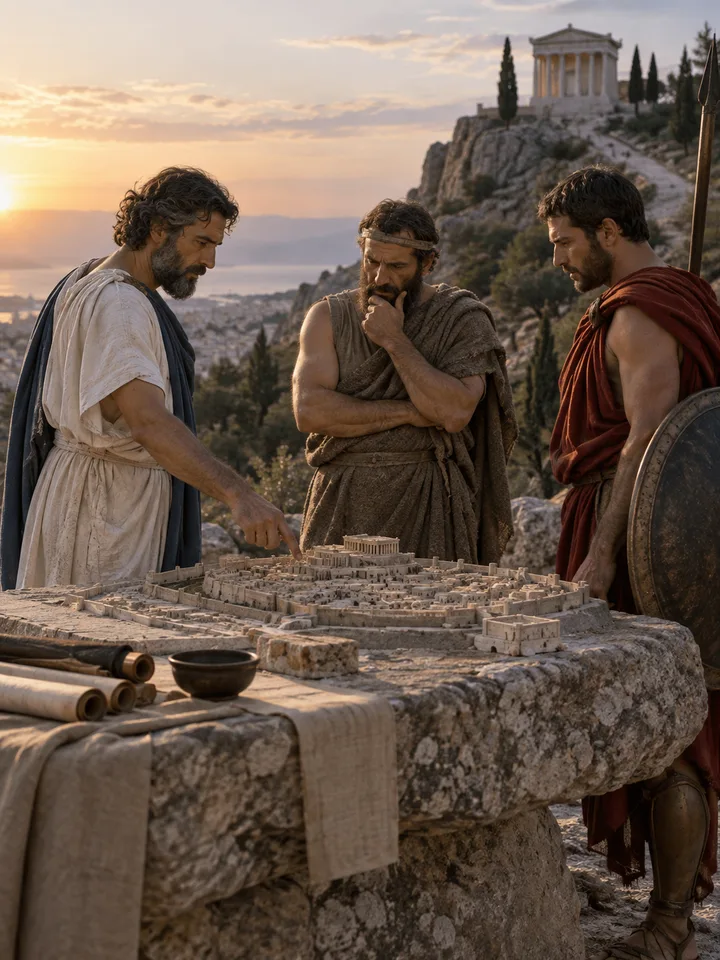
Photorealistic editorial illustration of Laws in the Prokopton42.com Library LawsPlato

Work

Laws

An Athenian, a Cretan, and a Spartan design institutions for a new city. Without Socrates, the dialogue examines legislation, education, worship, property, family, and punishment, asking how law can form citizens rather than merely constrain them.

What you will learn
Composition
c. 360-347 BCE; late work left unfinished
Editions / translations
Dates to be documented
Languages
Ancient Greek · English · French
Extent
327 passages · 148,152 words
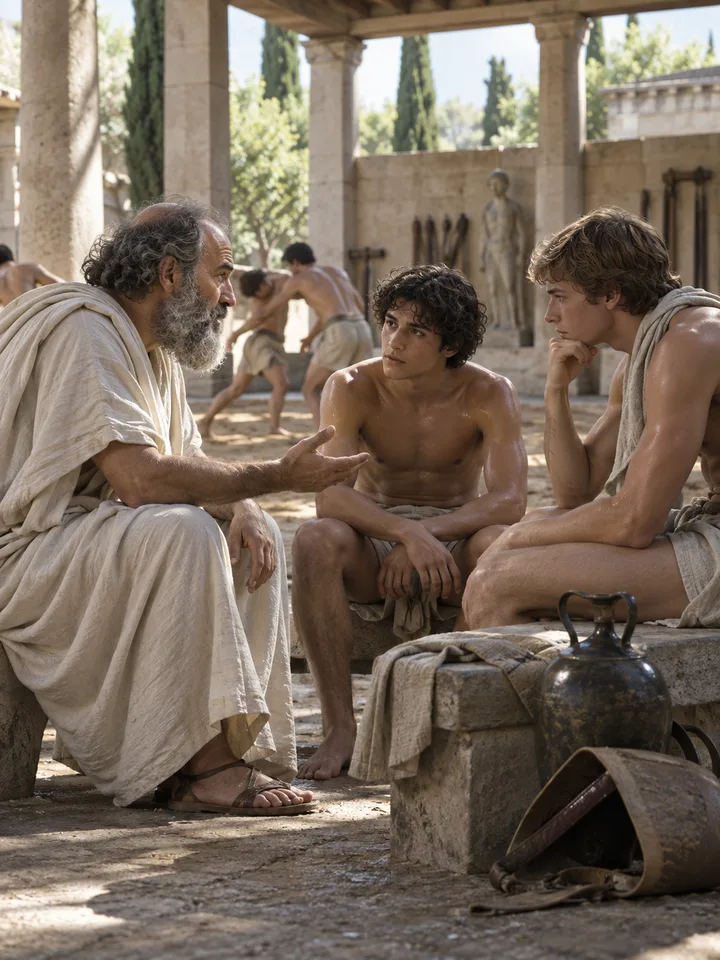
Photorealistic editorial illustration of Lysis in the Prokopton42.com Library LysisPlato

Work

Lysis

In a wrestling school, Socrates converses with Lysis and Menexenus about friendship. Like with like, opposite with opposite, need, and desire are proposed as principles of attachment, and each encounters a difficulty.

What you will learn
Composition
c. 399-380 BCE
Editions / translations
Dates to be documented
Languages
Ancient Greek · English · French
Extent
21 passages · 9,764 words
Photorealistic editorial illustration of Meditations in the Prokopton42.com Library MeditationsMarcus Aurelius

Work

Meditations

Marcus Aurelius records private reminders for governing judgement, desire, and action under the pressure of power. The text repeatedly sets life’s brevity against the duty to act justly.

What you will learn
Composition
c. 170-180 CE
Editions / translations
1876 · 1889 · 1902
Languages
Ancient Greek · French · English
Extent
487 passages · 45,694 words
Photorealistic editorial illustration of Meno in the Prokopton42.com Library MenoPlato

Work

Meno

Meno asks whether virtue can be taught. Socrates first requires a definition, then introduces recollection, geometrical inquiry with an enslaved boy, and the difference between true opinion and knowledge secured by an account.

What you will learn
Composition
c. 390-380 BCE
Editions / translations
Dates to be documented
Languages
Ancient Greek · English · French
Extent
31 passages · 13,779 words
Photorealistic editorial illustration of Minos, a Pseudo-Platonic Dialogue in the Prokopton42.com Library Minos, a Pseudo-Platonic DialoguePlato

Work

Minos, a Pseudo-Platonic Dialogue

Socrates and a companion ask what law is: a city’s decision, an opinion, or discovery of what is genuinely just. King Minos then becomes the example of a legislator educated by Zeus in a praise whose implications remain disputed.

What you will learn
Composition
4th-3rd centuries BCE; pseudo-Platonic attribution
Editions / translations
Dates to be documented
Languages
Ancient Greek · English · French
Extent
9 passages · 3,960 words
Photorealistic editorial illustration of Moral Letters to Lucilius in the Prokopton42.com Library Moral Letters to LuciliusSeneca

Fragments or testimony

Moral Letters to Lucilius

Seneca turns the letter into a moral workshop: ordinary situations become tests of judgement, time, and freedom. Lucilius is both addressee and partner in a course of practice the reader is invited to continue.

What you will learn
Composition
c. 62-65 CE
Editions / translations
Dates to be documented
Languages
Latin · French · English
Extent
2,141 passages · 209,173 words
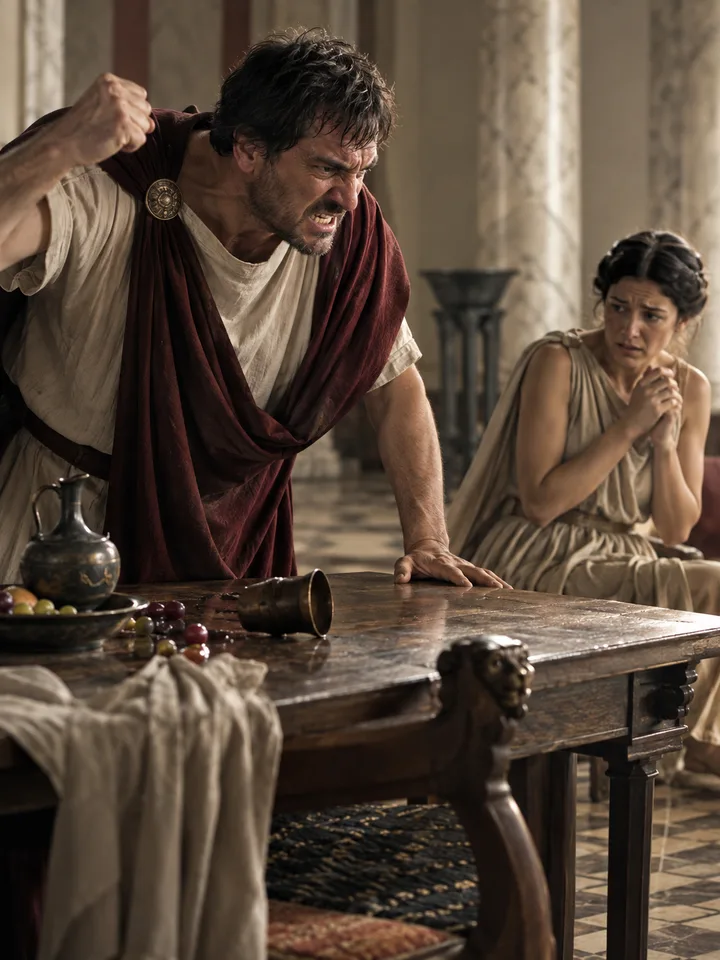
Photorealistic editorial illustration of On Anger in the Prokopton42.com Library On AngerSeneca

Work

On Anger

Seneca analyzes anger as a desire to punish a perceived wrong and denies that it is useful energy for virtue. The treatise examines its causes, political and domestic damage, and exercises for preventing or slowing its onset.

What you will learn
Composition
c. 41-52 CE
Editions / translations
Dates to be documented
Languages
Latin · English · French
Extent
100 passages · 40,088 words

Before reading

What you will learn

Open the full record