
Work
Introduction to the Works of Epictetus, by Elizabeth Carter
Elizabeth Carter opens her translation of Epictetus with an account of Stoicism, its three fields of exercise, and its moral vocabulary. She provides readers with orientation while comparing some ancient claims with her Christian commitments.
- Composition
- c. 1749-1758; published in 1759
Sources and precision
The range describes composition or formation of the text, distinct from the dates of the editions held.
Confidence B · strong consensus
- Elizabeth Montagu Correspondence Online: Elizabeth Carter
- Prokopton42 corpus manifestation manifests
- Tradition
- Stoicism
- Period
- Modern era
- Languages
- English · French
- Extent
- 37 passages · 8,770 words
Before reading
What you will learn
Understand Carter’s map of Stoicism, distinguish introduction from translated text, and identify where her Christian interpretation directs the account.
Short summary
Elizabeth Carter opens her translation of Epictetus with an account of Stoicism, its three fields of exercise, and its moral vocabulary. She provides readers with orientation while comparing some ancient claims with her Christian commitments.
Long summary
The introduction presents desires and aversions, impulses to act, and assent as fields of progressive training. Carter explains the distinction between what is up to us and external events, then situates duty, providence, and freedom within the Stoic system.
This paratext is critical work by the translator, not speech by Epictetus. It makes the Discourses accessible to an eighteenth-century English audience while evaluating antiquity from Carter’s own theological horizon. Comparisons and reservations must therefore be attributed to her.
Inside this work
The table of contents follows the divisions actually carried by the corpus.
Work › Unit
Concepts covered
Historical context
The world around the text
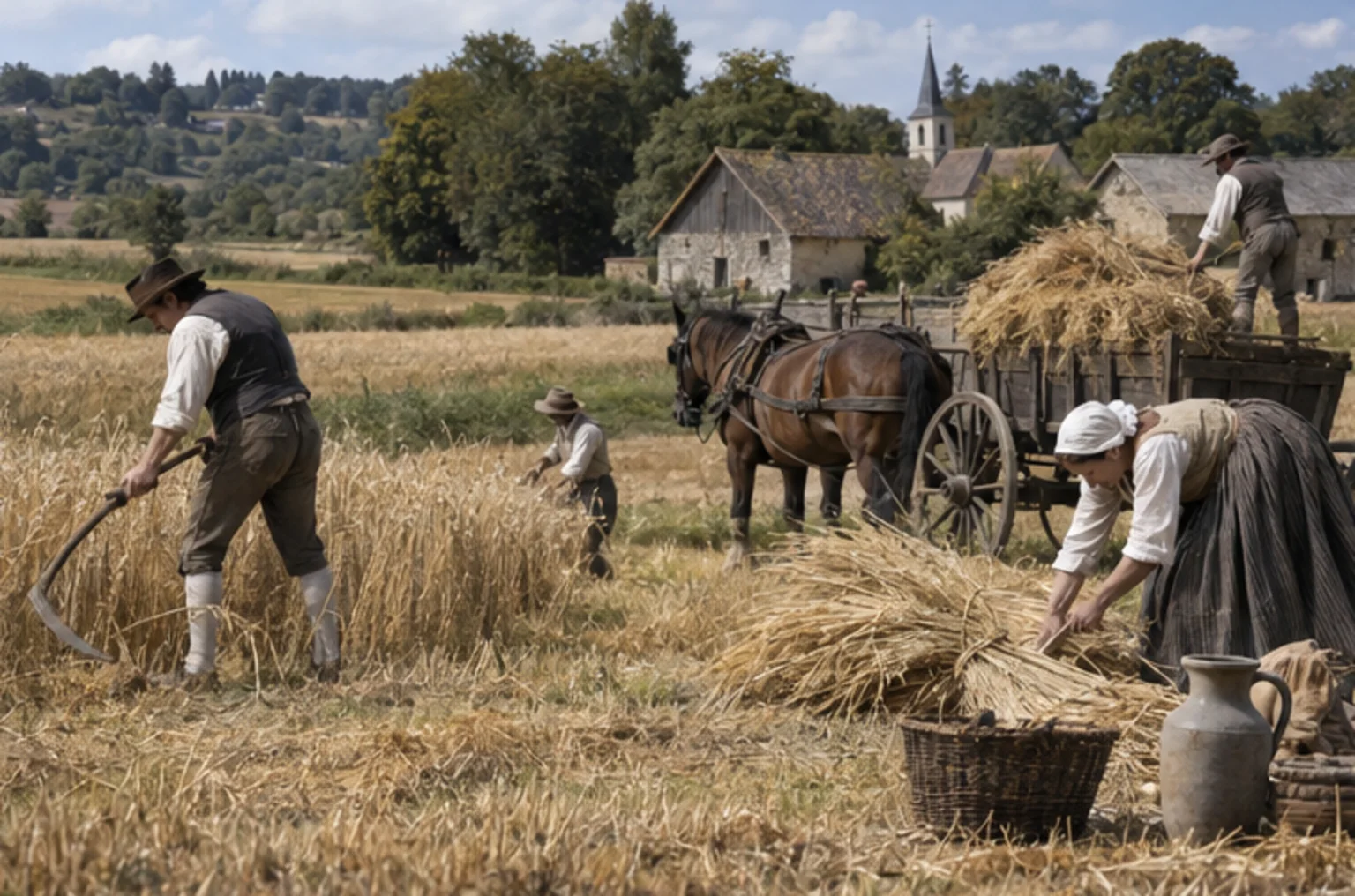
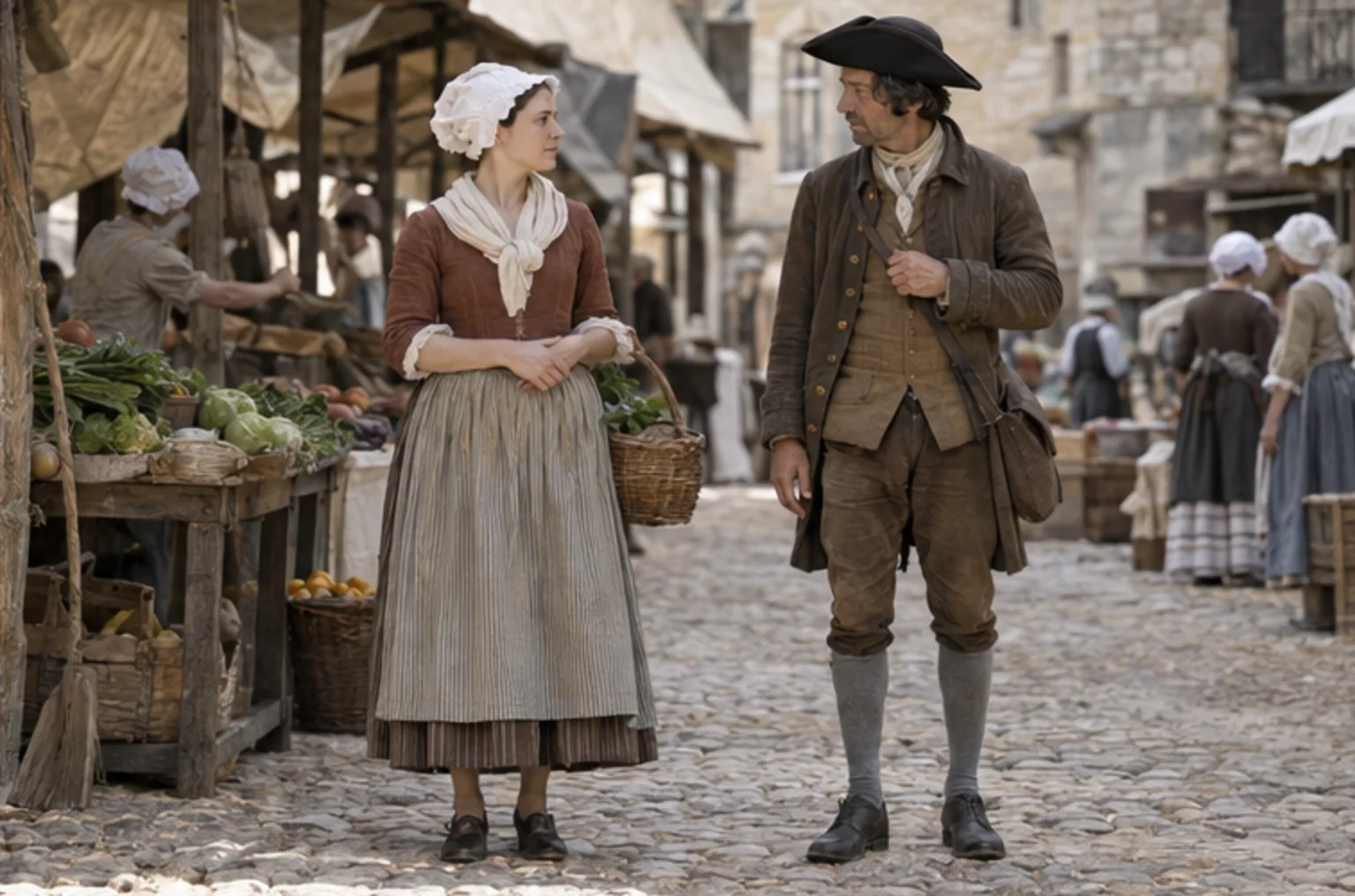
The corpus manifests do not yet establish the precise place and circumstances of composition. The images below document the author’s world or the text’s transmission. They do not claim to show the exact scene of writing.
These are modern reconstructions. They situate a documented place, practice, or transmission and are not period documents.
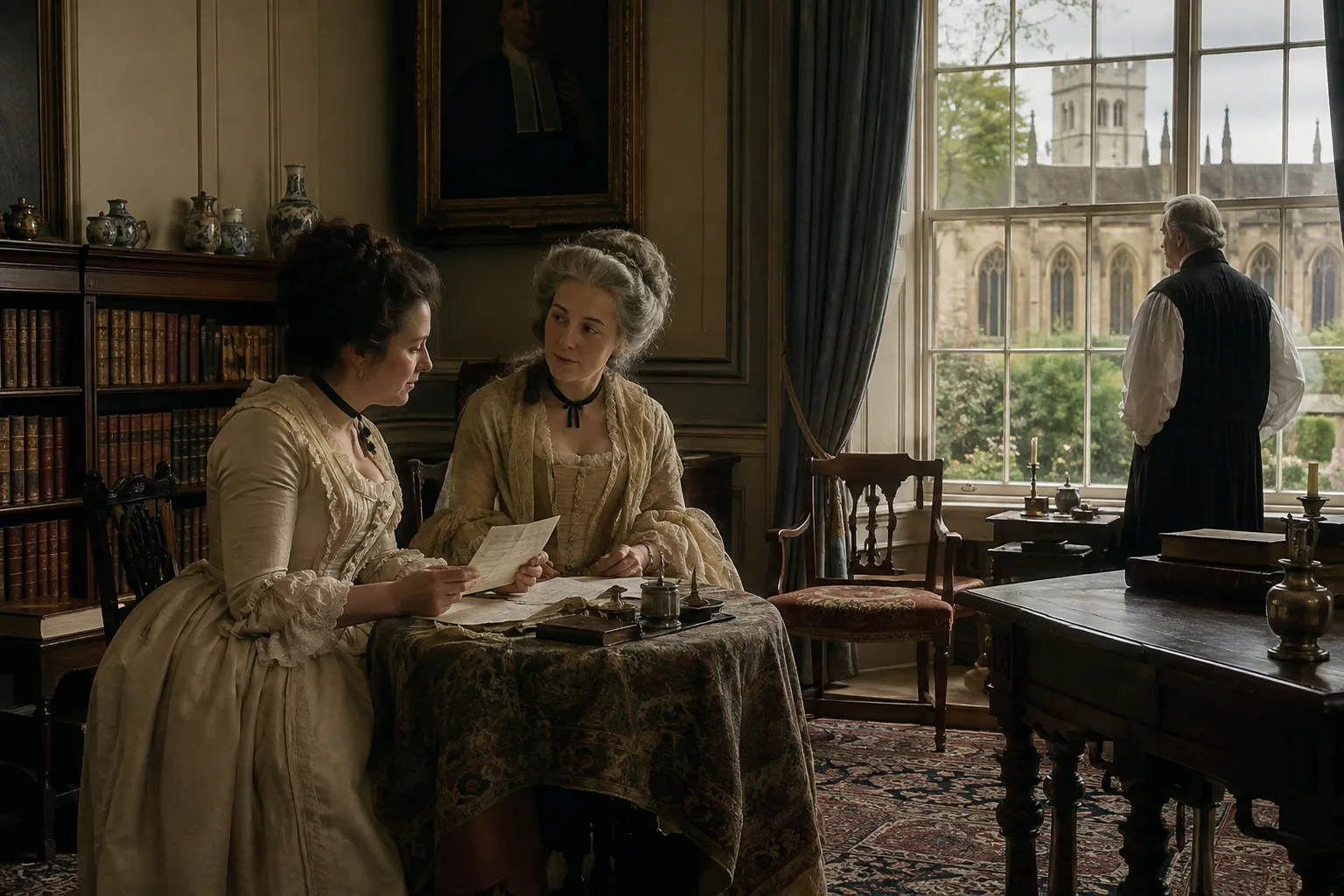
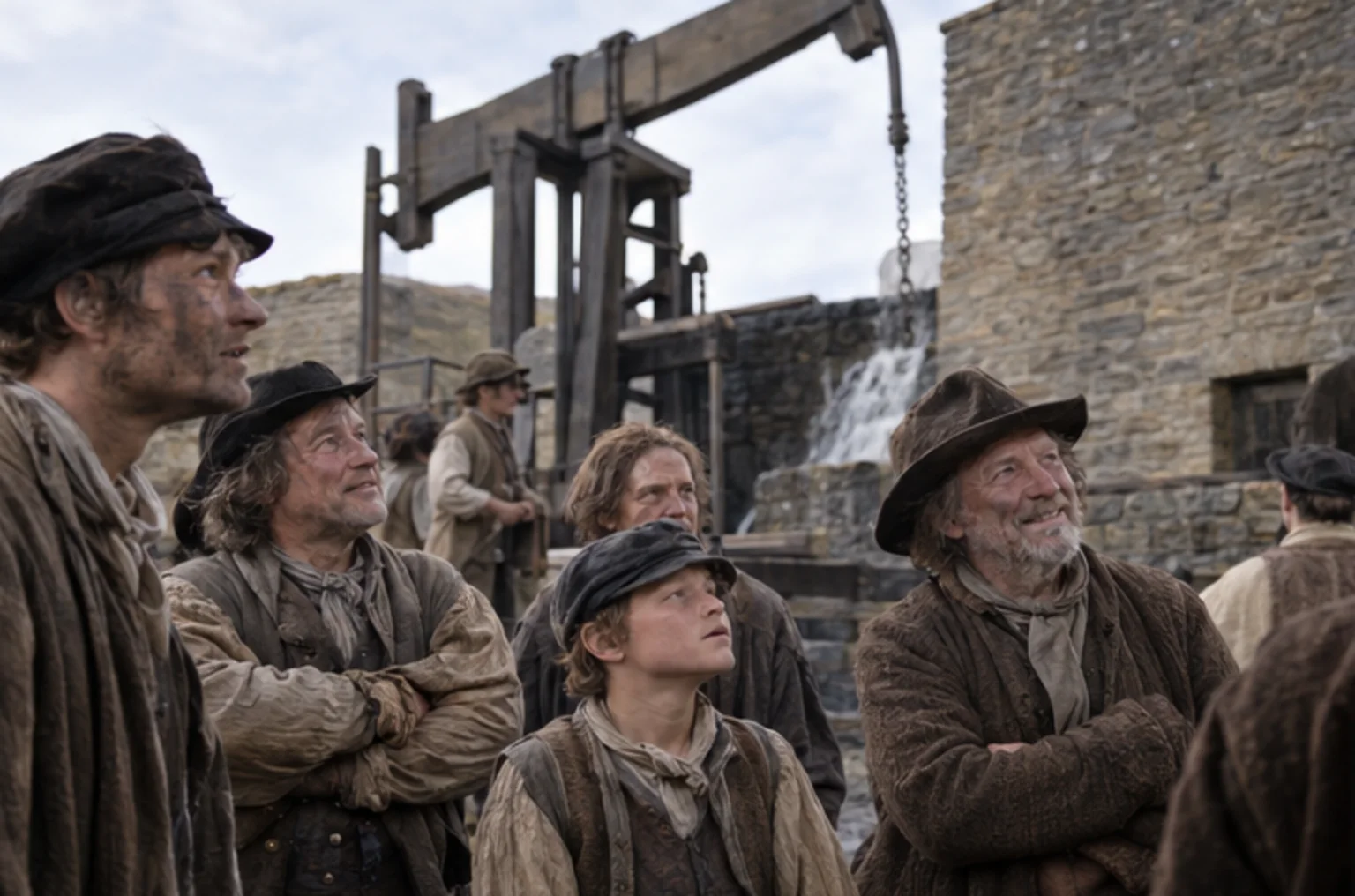

What the world looked like
18th-century Europe
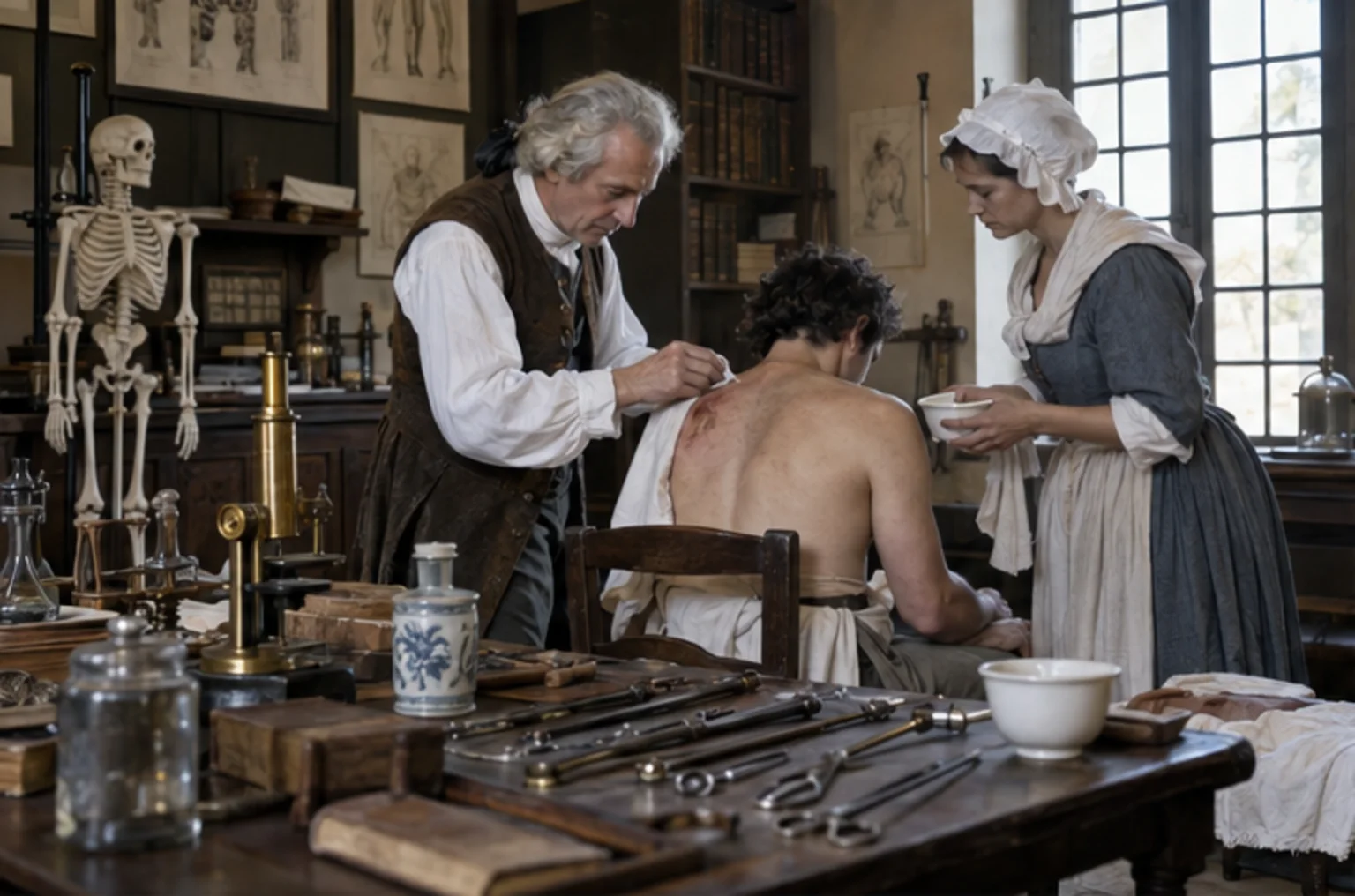
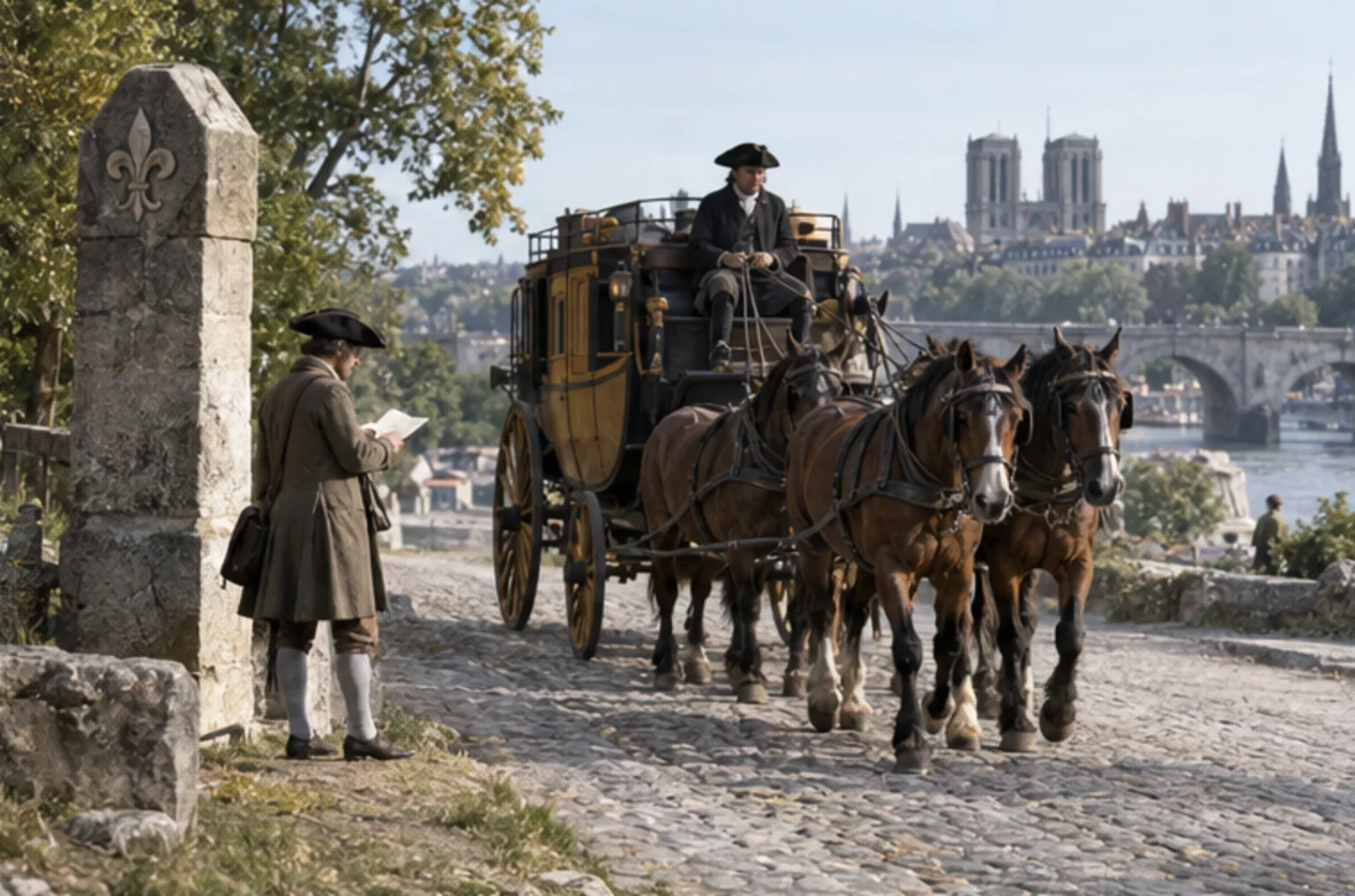
- State of technology
- Printing presses, early steam engines, textile machinery, clockmaking, and metalwork begin an uneven mechanization.
- Science and knowledge
- Learned societies, collections, measurement, public experiments, and classification make science more collective and testable.
- Medicine and care
- Anatomy and clinical observation advance; variolation and then vaccination appear, but anaesthesia, antisepsis, and microbes are not yet mastered.
- Transport
- Walking, horses, stagecoaches, barges, and sailing ships. Roads and relays improve, but travel remains slow.
- Agriculture and food
- Rotations, animal breeding, drainage, and new foods raise some yields while much labour remains manual.
- Communication
- Newspapers, books, pamphlets, salons, and post move ideas at a new speed measured in days or weeks.
- Clothing and fashion
- Coats, waistcoats, and breeches dress prosperous men; bodices, skirts, and gowns structure women’s fashion. Working people wear simpler, repeatedly repaired forms.
Editions, translations, and provenance
The following carriers represent the text. They do not create new passage identities.
- Englishoriginal
- French AI-generated translation, non-officialCodex gpt-5.6-sol · Non-official working translation · 2026-09-11
Source manifests: elizabeth_carter.epictetus_introduction
Reader
Read page by page
Introduction to the Works of Epictetus, by Elizabeth CarterElizabeth Carter