
Traceable Library

Explore the corpus of thinkers on prokopton42.com

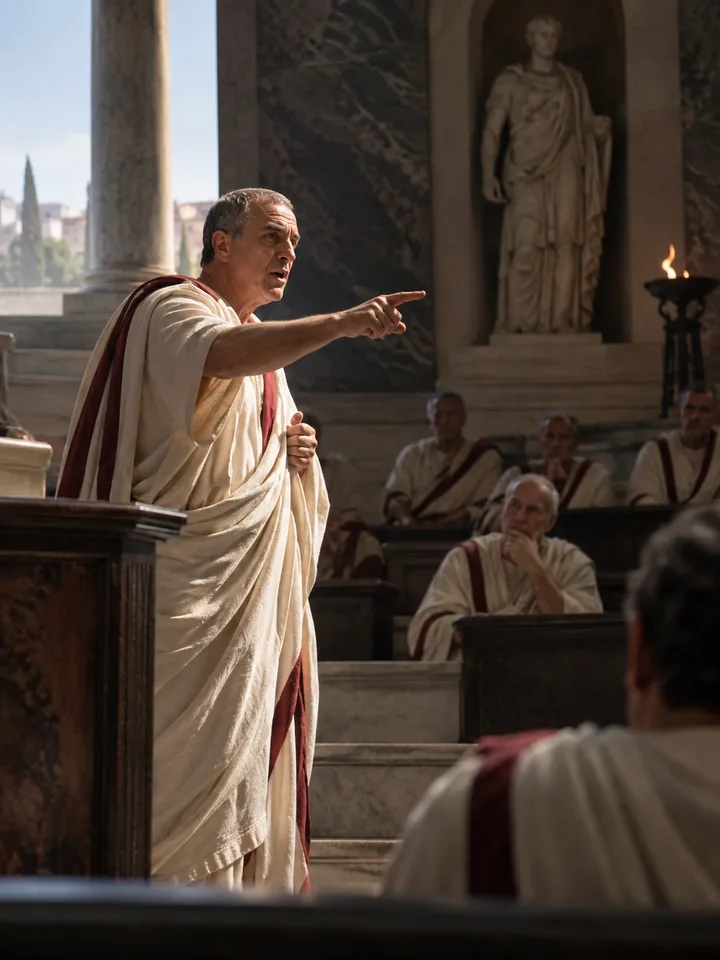
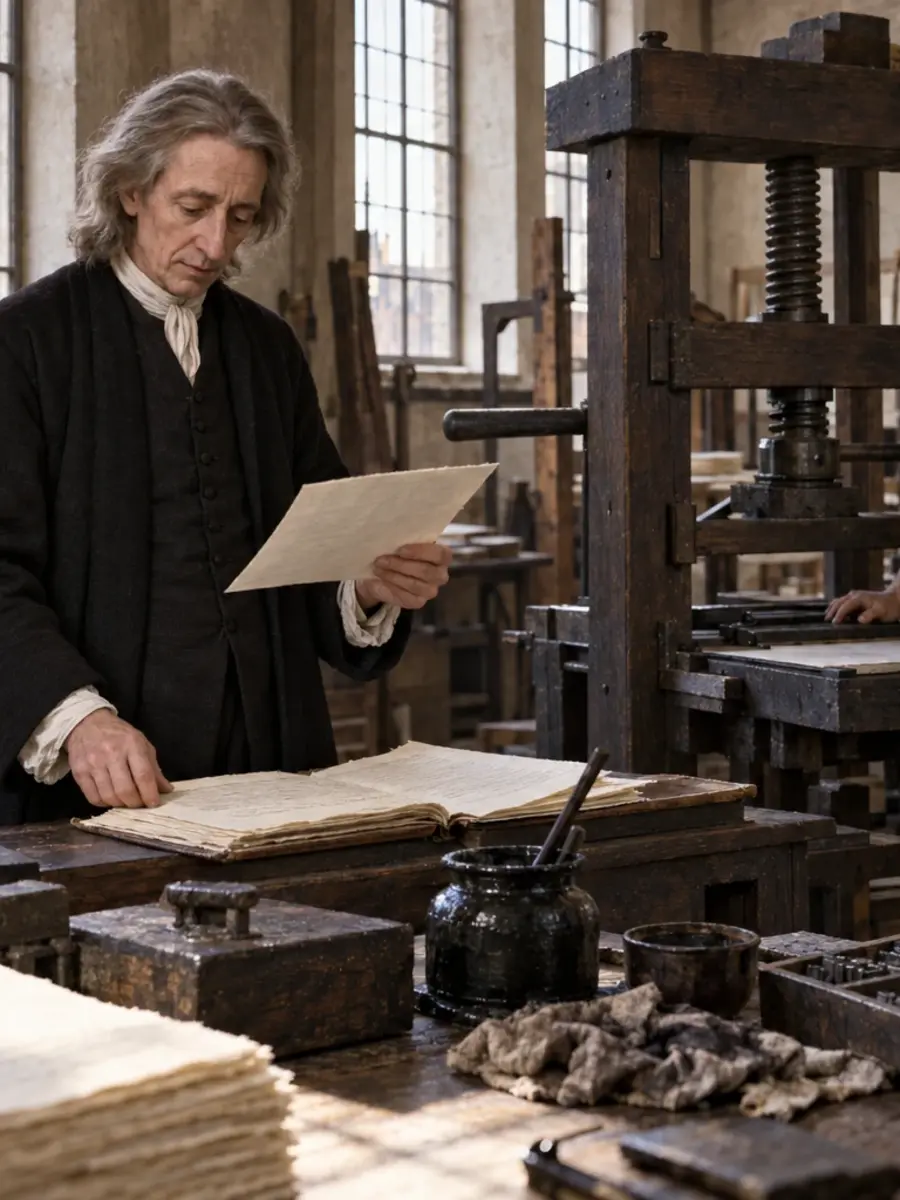
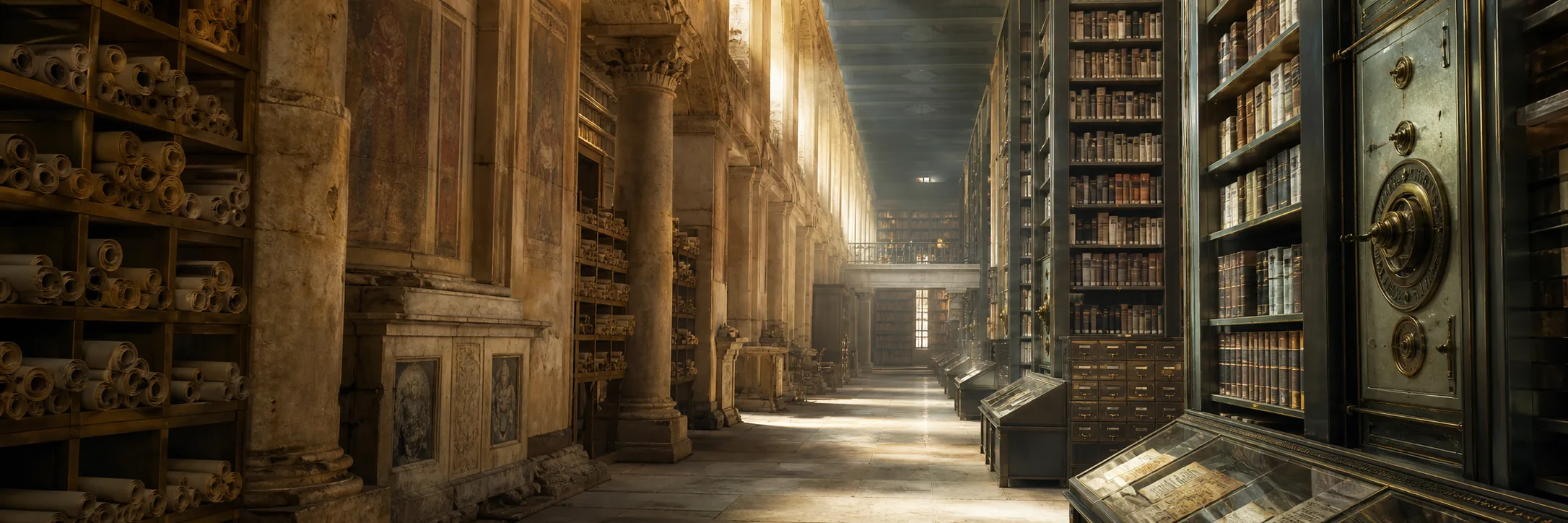
We do not always look for a work, a text, or a passage in the same way. Browse by work as you would in a traditional library, travel through time, follow a semantic concept, or go straight to a precise excerpt. This Library exists to support practice and deeper study by bringing old texts into contact with daily experience and present questions.

Works
305
Authors
94
Passages
89,767
See more statistics
Corpus works
259
Private works
46
Private records
56
Private excerpts
20,006
Text representations
223,819
Editions and translations
849
Languages
17
Works in French and English
259
Multilingual works
259
Tracked concepts
9
Estimated sentences
1,456,557
Words
27,541,029

A representation is one language version of a canonical passage. Private excerpts come from source files. Sentence count is estimated from punctuation.

By work25
Xiao, filial conduct

Works

Books, collections and works from the Private collection share this shelf. Each card keeps its editions and sources.

Photorealistic editorial illustration of Abraham Lincoln Papers: Incoming and Contextual Documents in the Prokopton42.com Library Abraham Lincoln Papers: Incoming and Contextual DocumentsCorrespondents and archival record

Work

Abraham Lincoln Papers: Incoming and Contextual Documents

Incoming letters, petitions, and administrative records preserve the voices of people who petitioned, informed, or challenged Lincoln. The archive reveals the pressures of a wartime presidency without attributing his correspondents’ words to the president.

What you will learn
Composition
1833-1916
Editions / translations
2026
Languages
English · French
Extent
19,210 passages · 7,989,852 words
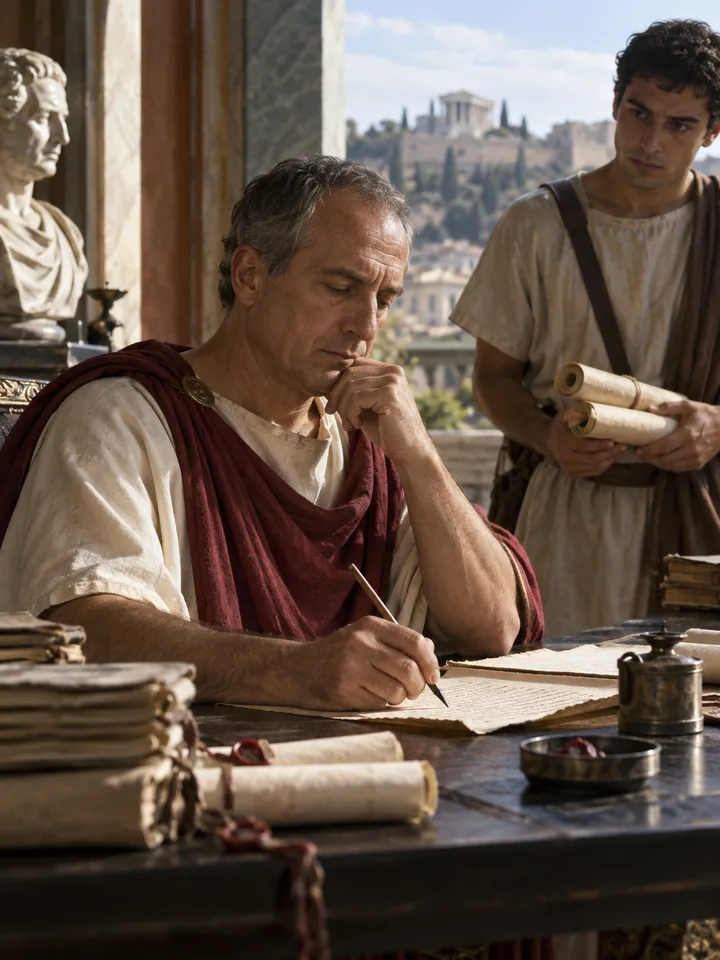
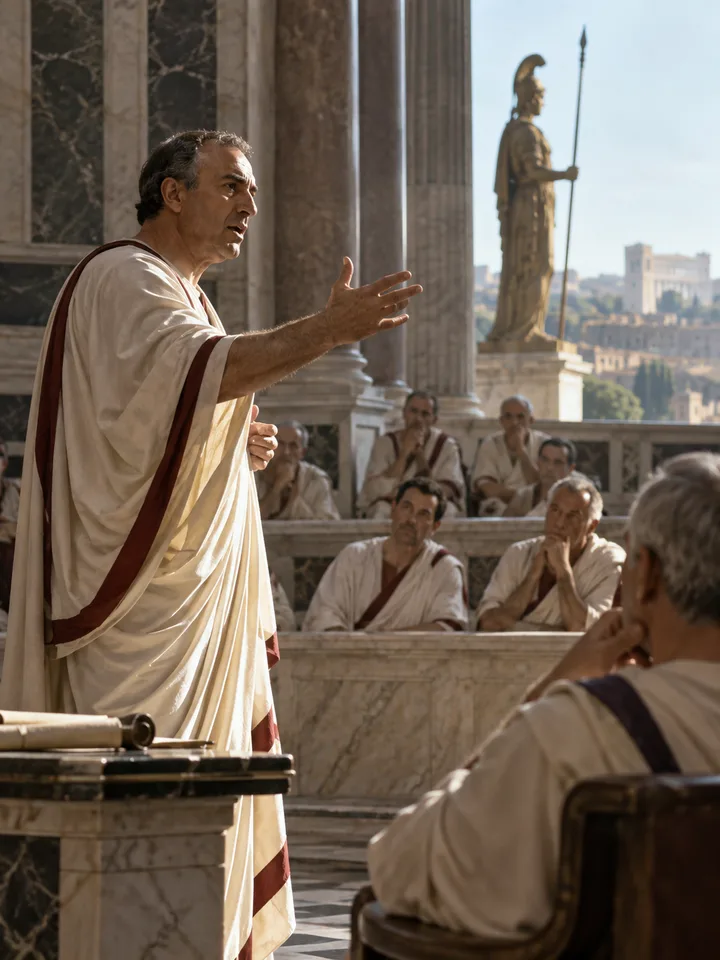
Photorealistic editorial illustration of Brutus, or On Eminent Orators in the Prokopton42.com Library Brutus, or On Eminent OratorsCicero

Work

Brutus, or On Eminent Orators

Cicero traces the history of Roman eloquence through the speakers who shaped it. The dialogue combines criticism, portraiture, and an anxious reflection on public speech at a moment when the Republic is losing its freedom.

What you will learn
Composition
46 BCE
Editions / translations
Dates to be documented
Languages
Latin · English · French
Extent
334 passages · 79,995 words
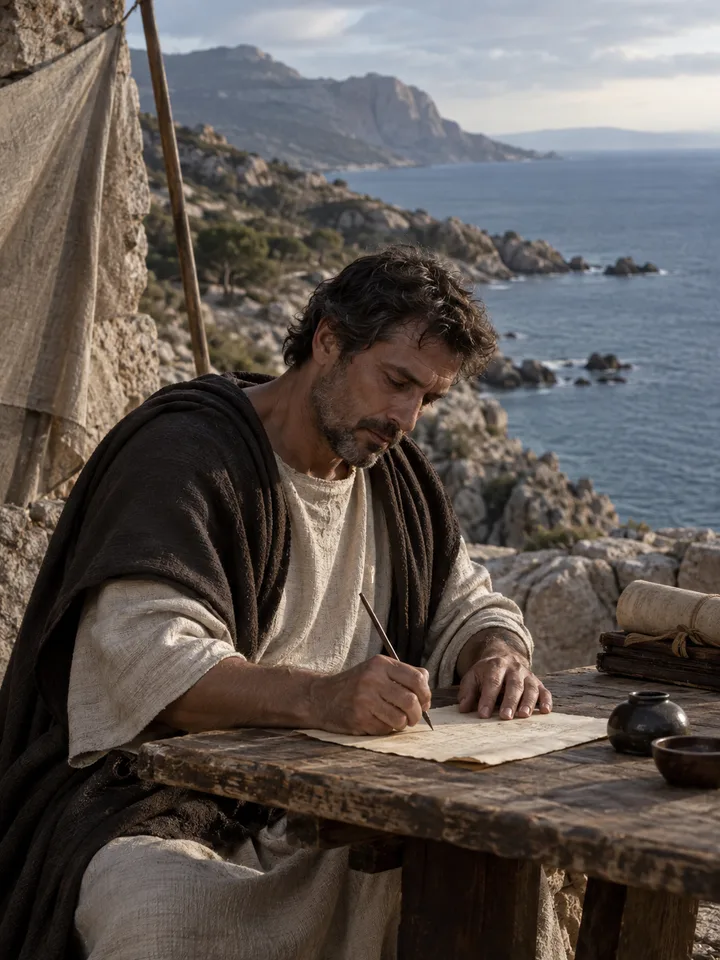
Photorealistic editorial illustration of Consolation to Helvia, His Mother in the Prokopton42.com Library Consolation to Helvia, His MotherSeneca

Work

Consolation to Helvia, His Mother

From exile in Corsica, Seneca consoles his mother Helvia for his absence. He turns displacement, loss of status, and family concern into an exercise in self-sufficiency, study, and the wise person’s belonging to the whole world.

What you will learn
Composition
c. 42-43 CE
Editions / translations
Dates to be documented
Languages
Latin · English · French
Extent
20 passages · 11,358 words
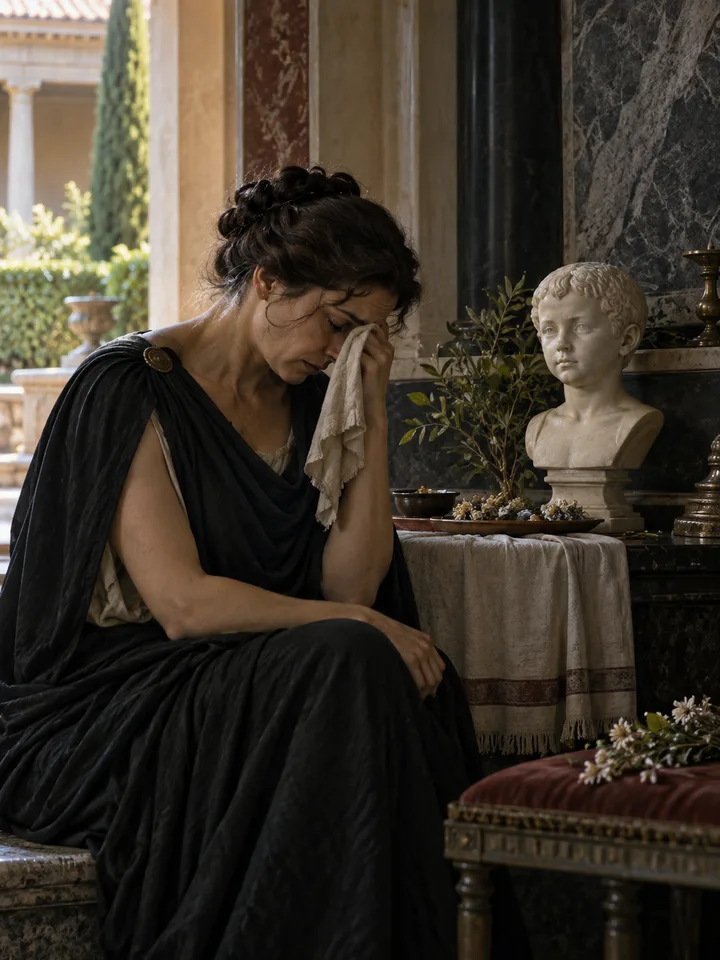
Photorealistic editorial illustration of Consolation to Marcia in the Prokopton42.com Library Consolation to MarciaSeneca

Work

Consolation to Marcia

Seneca addresses Marcia, long overwhelmed by the death of her son. He contrasts models of mourning, recalls the vulnerability of every life, and seeks a memory that honours the dead without indefinitely sustaining the wound.

What you will learn
Composition
c. 39-40 CE
Editions / translations
Dates to be documented
Languages
Latin · English · French
Extent
26 passages · 14,991 words
Photorealistic editorial illustration of Daodejing, Book of the Way and Virtue in the Prokopton42.com Library Daodejing, Book of the Way and VirtueLaozi

Work

Daodejing, Book of the Way and Virtue

The Daodejing explores a Way that cannot be possessed by names and an action that avoids needless force. Its compressed sayings join government, simplicity, withdrawal, and the power of what appears weak.

What you will learn
Composition
layered composition, 4th-3rd centuries BCE
Editions / translations
1842 · 1891
Languages
Classical Chinese · English · French
Extent
81 passages · 10,432 words
Photorealistic editorial illustration of Letters to Atticus in the Prokopton42.com Library Letters to AtticusCicero

Fragments or testimony

Letters to Atticus

In letters to Atticus, Cicero shares calculations, fears, and reversals with his closest political confidant. The correspondence preserves a voice less polished than the speeches, caught within the crises of the late Republic.

What you will learn
Composition
68-44 BCE
Editions / translations
Dates to be documented
Languages
Latin · English · French
Extent
1,479 passages · 211,714 words
Photorealistic editorial illustration of Letters to Friends in the Prokopton42.com Library Letters to FriendsCicero

Fragments or testimony

Letters to Friends

The Letters to Friends gather Cicero’s exchanges with magistrates, allies, relatives, and protégés. Recommendations, intelligence, and political appeals reveal the Republic as a fabric of personal obligations, negotiation, and fragile loyalties.

What you will learn
Composition
62-43 BCE
Editions / translations
Dates to be documented
Languages
Latin · English · French
Extent
1,342 passages · 225,910 words
Photorealistic editorial illustration of Miscellaneous Prose by Elizabeth Carter in the Prokopton42.com Library Miscellaneous Prose by Elizabeth CarterElizabeth Carter

Work

Miscellaneous Prose by Elizabeth Carter

This dossier gathers Carter’s prose ranging from philological criticism to moral and religious reflection. Debates over Greek translation, scholarly remarks, and detached essays reveal a precise practice of reading rather than a unified treatise.

What you will learn
Composition
texts composed before 1806; posthumous 1807 collection
Editions / translations
Dates to be documented
Languages
English · French
Extent
45 passages · 10,934 words
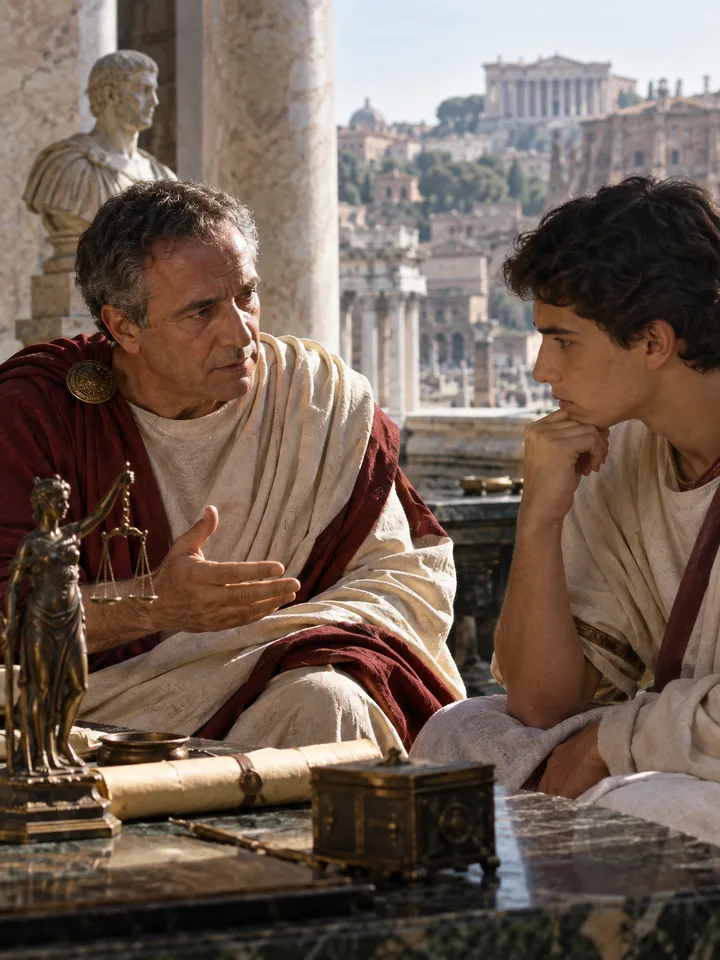
Photorealistic editorial illustration of Moral Letters to Lucilius in the Prokopton42.com Library Moral Letters to LuciliusSeneca

Fragments or testimony

Moral Letters to Lucilius

Seneca turns the letter into a moral workshop: ordinary situations become tests of judgement, time, and freedom. Lucilius is both addressee and partner in a course of practice the reader is invited to continue.

What you will learn
Composition
c. 62-65 CE
Editions / translations
Dates to be documented
Languages
Latin · French · English
Extent
2,141 passages · 209,173 words
Photorealistic editorial illustration of Nicomachean Ethics in the Prokopton42.com Library Nicomachean EthicsAristotle

Work

Nicomachean Ethics

Nicomachean Ethics proceeds through distinctions, objections, and causal inquiry. The surviving text has the density of a school treatise, not a transcribed conversation.

What you will learn
Composition
4th century BCE; internal chronology disputed
Editions / translations
Dates to be documented
Languages
Ancient Greek · English · French
Extent
116 passages · 89,657 words
Photorealistic editorial illustration of On Anger in the Prokopton42.com Library On AngerSeneca

Work

On Anger

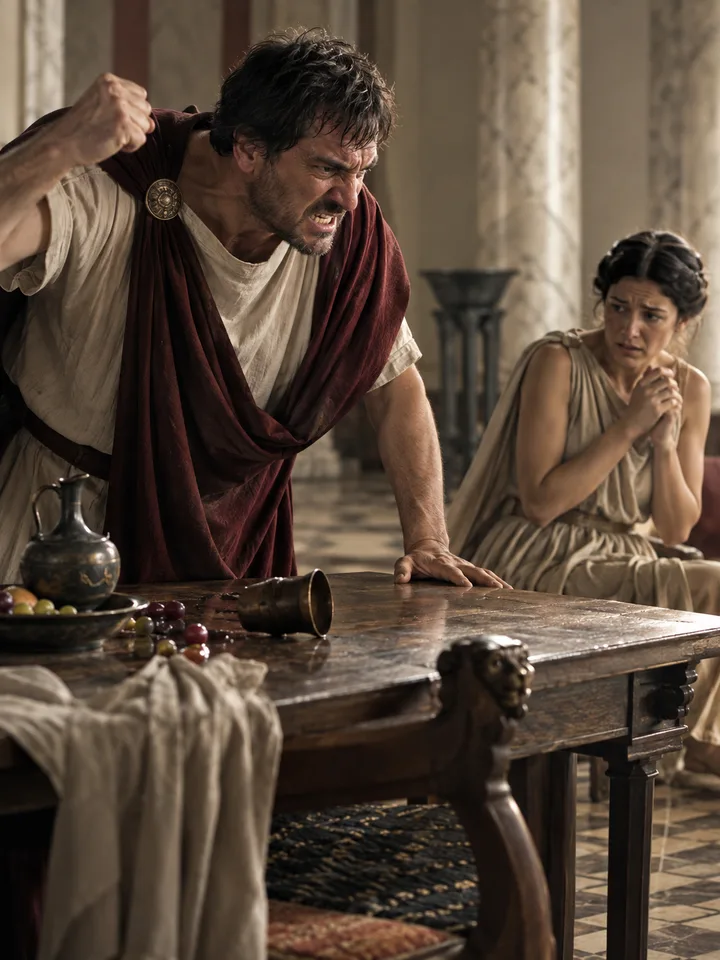
Seneca analyzes anger as a desire to punish a perceived wrong and denies that it is useful energy for virtue. The treatise examines its causes, political and domestic damage, and exercises for preventing or slowing its onset.

What you will learn
Composition
c. 41-52 CE
Editions / translations
Dates to be documented
Languages
Latin · English · French
Extent
100 passages · 40,088 words
Photorealistic editorial illustration of On Benefits in the Prokopton42.com Library On BenefitsSeneca

Work

On Benefits

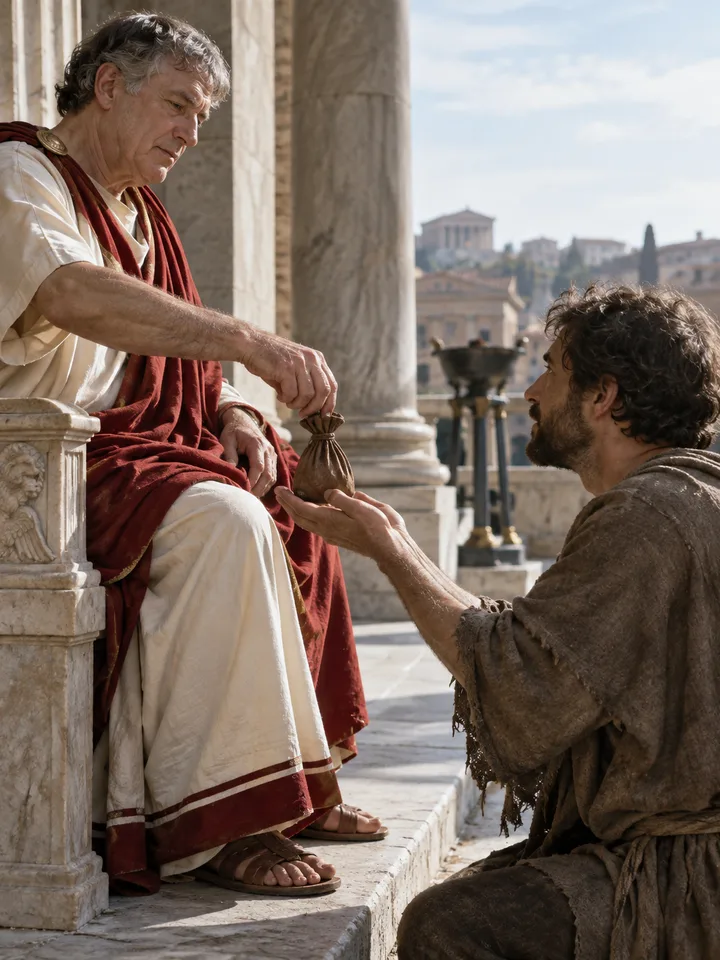
Seneca examines the art of giving, receiving, and returning a benefit in a society structured by obligation. Intention, gratitude, debt, and freedom distinguish moral exchange from commercial calculation and humiliating power.

What you will learn
Composition
c. 56-64 CE
Editions / translations
Dates to be documented
Languages
Latin · English · French
Extent
228 passages · 81,267 words
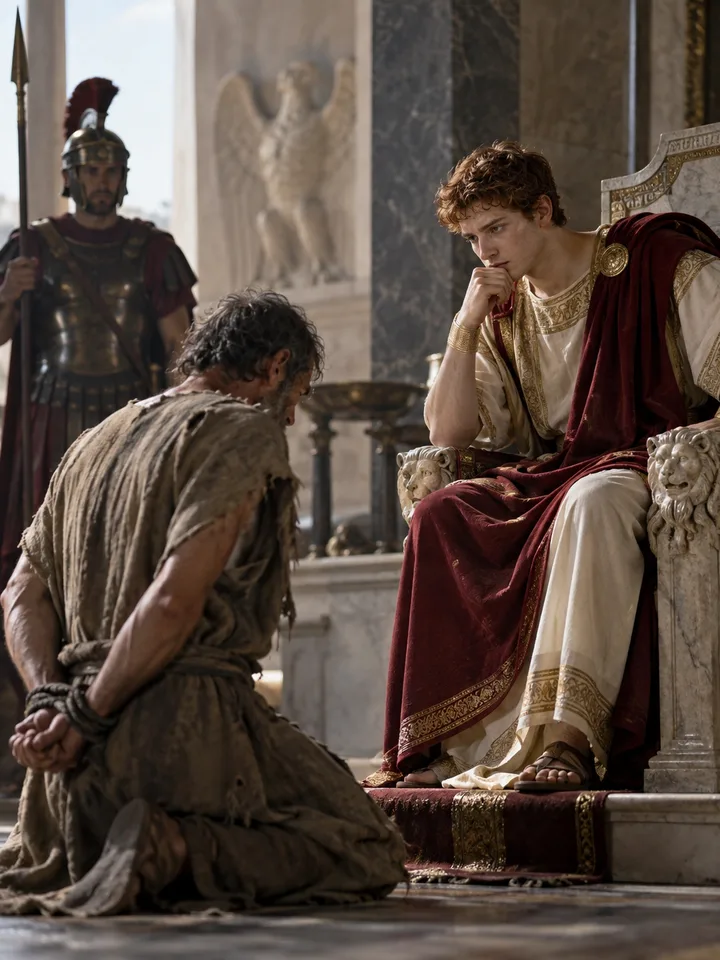
Photorealistic editorial illustration of On Clemency in the Prokopton42.com Library On ClemencySeneca

Work

On Clemency

Addressed to the young Nero, the treatise presents clemency as rational governance of the power to punish. Seneca constructs a mirror for princes in which imperial authority differs from cruelty, weakness, and undiscriminating pardon.

What you will learn
Composition
55-56 CE
Editions / translations
Dates to be documented
Languages
Latin · English · French
Extent
33 passages · 14,902 words
Photorealistic editorial illustration of On Duties in the Prokopton42.com Library On DutiesCicero

Work

On Duties

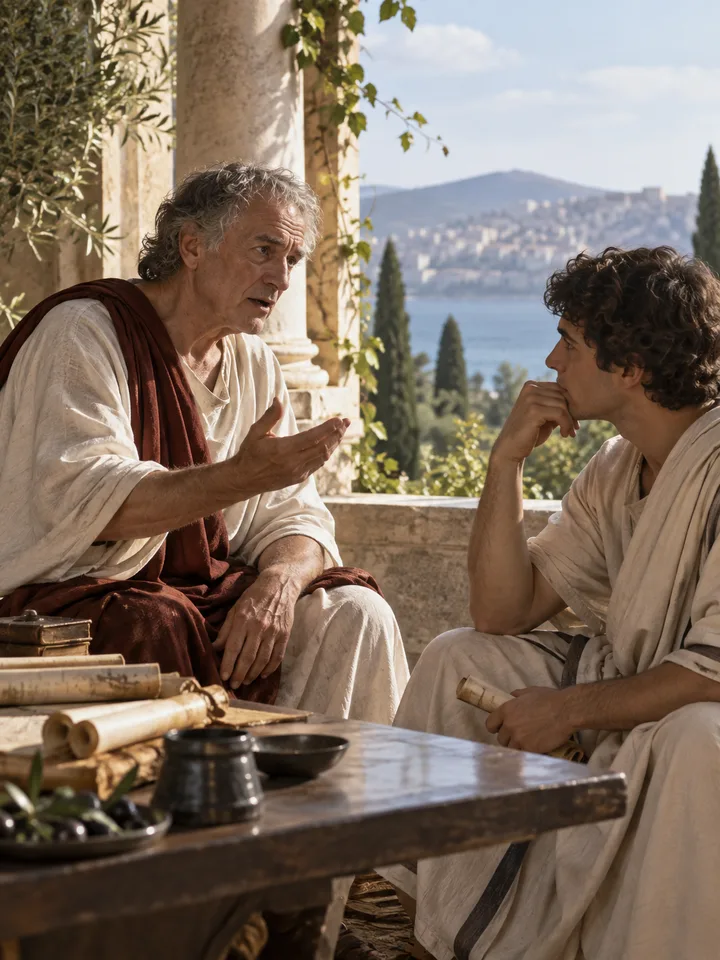
Addressed to his son Marcus, the treatise examines what honour demands, what advantage recommends, and why their conflict is only apparent when utility is rightly understood. Cicero translates Greek ethics into Roman responsibilities.

What you will learn
Composition
44 BCE
Editions / translations
Dates to be documented
Languages
Latin · English · French
Extent
371 passages · 114,758 words
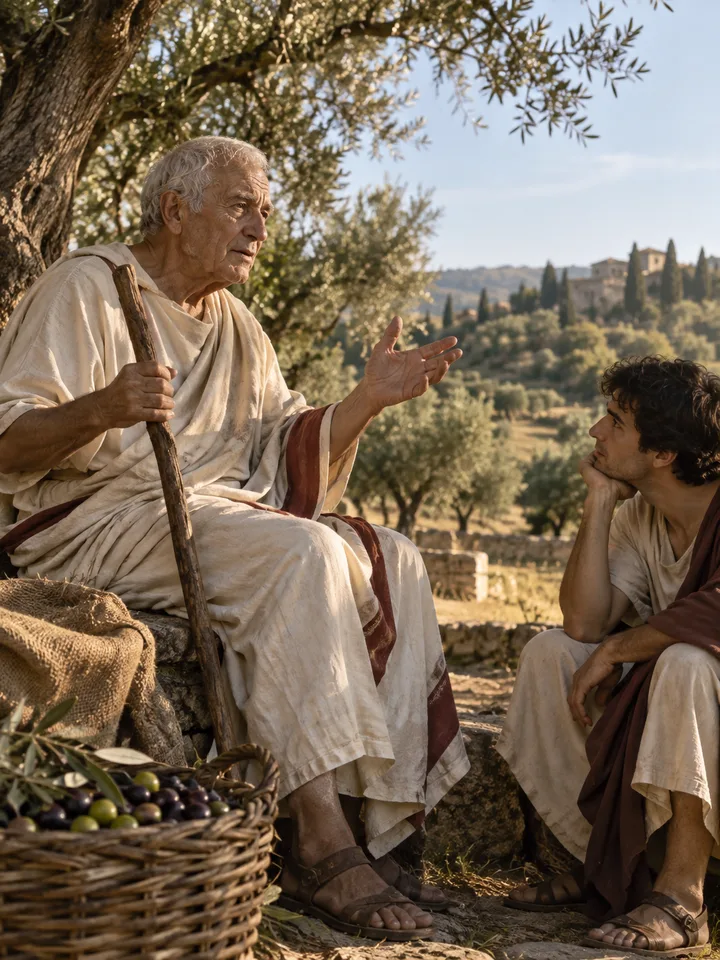
Photorealistic editorial illustration of On Old Age in the Prokopton42.com Library On Old AgeCicero

Work

On Old Age

Through the voice of Cato the Elder, Cicero answers charges against old age: withdrawal from affairs, weakness, loss of pleasures, and proximity to death. The dialogue defends adapted activity rather than denying decline.

What you will learn
Composition
44 BCE
Editions / translations
Dates to be documented
Languages
Latin · English · French
Extent
85 passages · 13,563 words
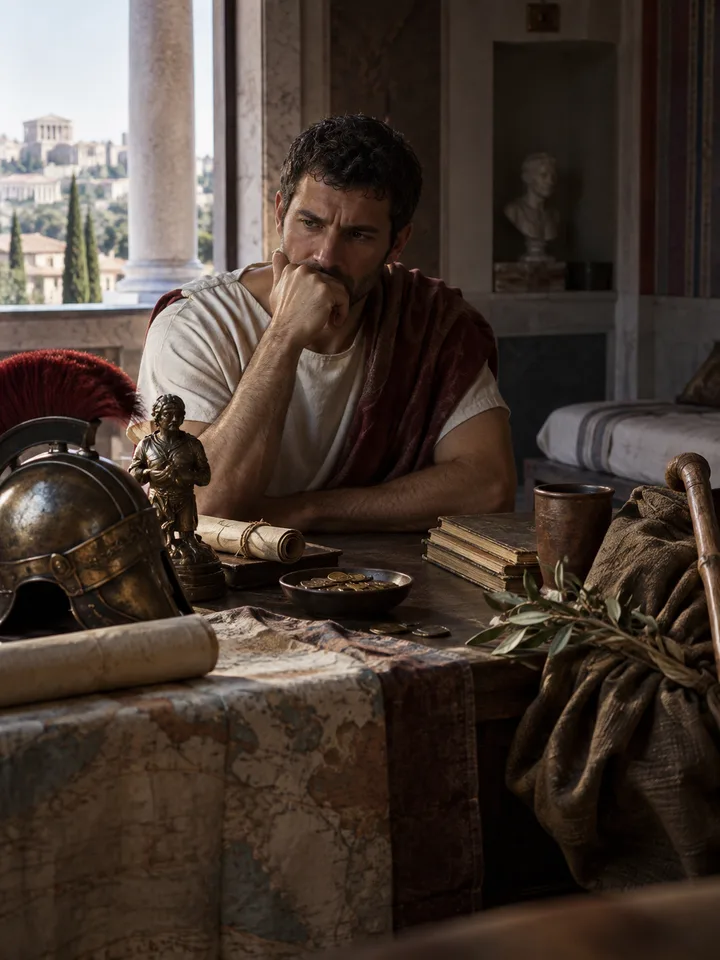
Photorealistic editorial illustration of On Tranquillity of Mind in the Prokopton42.com Library On Tranquillity of MindSeneca

Work

On Tranquillity of Mind

Serenus describes an instability making him alternate among ambition, simplicity, engagement, and retreat. Seneca’s reply seeks practical steadiness: choose fitting work, limit agitation, and retain flexibility able to face reversals.

What you will learn
Composition
c. 55-62 CE
Editions / translations
Dates to be documented
Languages
Latin · English · French
Extent
17 passages · 13,372 words
Photorealistic editorial illustration of Philippics in the Prokopton42.com Library PhilippicsCicero

Work

Philippics

In the Philippics, Cicero attacks Mark Antony and tries to rally the Senate to resistance after Caesar’s death. The speeches combine invective, constitutional argument, and alliance-building in a Republic already under threat.

What you will learn
Composition
44-43 BCE
Editions / translations
Dates to be documented
Languages
Latin · English · French
Extent
544 passages · 100,289 words
Photorealistic editorial illustration of Second Treatise of Government in the Prokopton42.com Library Second Treatise of GovernmentJohn Locke

Work

Second Treatise of Government

The Second Treatise distinguishes the state of nature from war and grounds legitimate power in consent, trust and public good.

What you will learn
Composition
1689-1690; anonymous publication
Editions / translations
Dates to be documented
Languages
English · French
Extent
19 passages · 55,336 words

Before reading

What you will learn

Open the full record