Work
On Duties
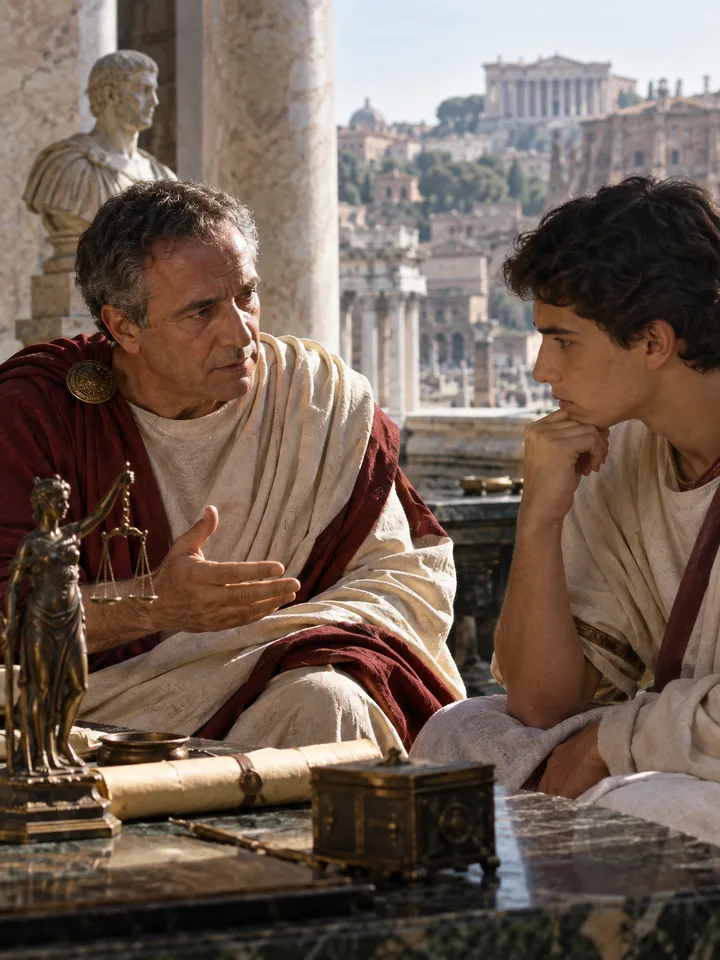
Addressed to his son Marcus, the treatise examines what honour demands, what advantage recommends, and why their conflict is only apparent when utility is rightly understood. Cicero translates Greek ethics into Roman responsibilities.
- Composition
- 44 BCE
Sources and precision
The range describes composition or formation of the text, distinct from the dates of the editions held.
Confidence B · strong consensus
- Tradition
- Greek and Roman traditions
- Period
- Antiquity
- Languages
- Latin · English · French
- Extent
- 371 passages · 114,758 words
Before reading
What you will learn
Distinguish the honourable from apparent advantage, analyze a conflict of duties, and follow the Roman adaptation of Greek ethical categories.
Short summary
Addressed to his son Marcus, the treatise examines what honour demands, what advantage recommends, and why their conflict is only apparent when utility is rightly understood. Cicero translates Greek ethics into Roman responsibilities.
Long summary
The books examine sources of duty, kinds of advantage, and cases where profit, loyalty, justice, or reputation seem to conflict. Historical examples and concrete dilemmas give doctrine a political, familial, and economic field.
The pedagogical argument maintains that injustice never becomes truly advantageous. That normative coherence is tested by the republican crisis in which Cicero writes and by the accommodations his own examples force readers to discuss.
Inside this work
The table of contents follows the divisions actually carried by the corpus.
Work › Division
- Passage 1
- Passage 2
- Passage 3
- Passage 4
- Passage 5
- Passage 6
- Passage 7
- Passage 8
- Passage 9
- Passage 10
- Passage 11
- Passage 12
- Passage 13
- Passage 14
- Passage 15
- Passage 16
- Passage 17
- Passage 18
- Passage 19
- Passage 20
- Passage 21
- Passage 22
- Passage 23
- Passage 24
- Passage 25
- Passage 26
- Passage 27
- Passage 28
- Passage 29
- Passage 30
- Passage 31
- Passage 32
- Passage 33
- Passage 34
- Passage 35
- Passage 36
- Passage 37
- Passage 38
- Passage 39
- Passage 40
- Passage 41
- Passage 42
- Passage 43
- Passage 44
- Passage 45
- Passage 46
- Passage 47
- Passage 48
- Passage 49
- Passage 50
- Passage 51
- Passage 52
- Passage 53
- Passage 54
- Passage 55
- Passage 56
- Passage 57
- Passage 58
- Passage 59
- Passage 60
- Passage 61
- Passage 62
- Passage 63
- Passage 64
- Passage 65
- Passage 66
- Passage 67
- Passage 68
- Passage 69
- Passage 70
- Passage 71
- Passage 72
- Passage 73
- Passage 74
- Passage 75
- Passage 76
- Passage 77
- Passage 78
- Passage 79
- Passage 80
- Passage 81
- Passage 82
- Passage 83
- Passage 84
- Passage 85
- Passage 86
- Passage 87
- Passage 88
- Passage 89
- Passage 90
- Passage 91
- Passage 92
- Passage 93
- Passage 94
- Passage 95
- Passage 96
- Passage 97
- Passage 98
- Passage 99
- Passage 100
- Passage 101
- Passage 102
- Passage 103
- Passage 104
- Passage 105
- Passage 106
- Passage 107
- Passage 108
- Passage 109
- Passage 110
- Passage 111
- Passage 112
- Passage 113
- Passage 114
- Passage 115
- Passage 116
- Passage 117
- Passage 118
- Passage 119
- Passage 120
- Passage 121
- Passage 122
- Passage 123
- Passage 124
- Passage 125
- Passage 126
- Passage 127
- Passage 128
- Passage 129
- Passage 130
- Passage 131
- Passage 132
- Passage 133
- Passage 134
- Passage 135
- Passage 136
- Passage 137
- Passage 138
- Passage 139
- Passage 140
- Passage 141
- Passage 142
- Passage 143
- Passage 144
- Passage 145
- Passage 146
- Passage 147
- Passage 148
- Passage 149
- Passage 150
- Passage 151
- Passage 152
- Passage 153
- Passage 154
- Passage 155
- Passage 156
- Passage 157
- Passage 158
- Passage 159
- Passage 160
- Passage 161
- Passage 1
- Passage 2
- Passage 3
- Passage 4
- Passage 5
- Passage 6
- Passage 7
- Passage 8
- Passage 9
- Passage 10
- Passage 11
- Passage 12
- Passage 13
- Passage 14
- Passage 15
- Passage 16
- Passage 17
- Passage 18
- Passage 19
- Passage 20
- Passage 21
- Passage 22
- Passage 23
- Passage 24
- Passage 25
- Passage 26
- Passage 27
- Passage 28
- Passage 29
- Passage 30
- Passage 31
- Passage 32
- Passage 33
- Passage 34
- Passage 35
- Passage 36
- Passage 37
- Passage 38
- Passage 39
- Passage 40
- Passage 41
- Passage 42
- Passage 43
- Passage 44
- Passage 45
- Passage 46
- Passage 47
- Passage 48
- Passage 49
- Passage 50
- Passage 51
- Passage 52
- Passage 53
- Passage 54
- Passage 55
- Passage 56
- Passage 57
- Passage 58
- Passage 59
- Passage 60
- Passage 61
- Passage 62
- Passage 63
- Passage 64
- Passage 65
- Passage 66
- Passage 67
- Passage 68
- Passage 69
- Passage 70
- Passage 71
- Passage 72
- Passage 73
- Passage 74
- Passage 75
- Passage 76
- Passage 77
- Passage 78
- Passage 79
All 371 references remain accessible through the reader and search. This table shows the first 240 to remain manageable.
Concepts covered
Historical context
The world around the text
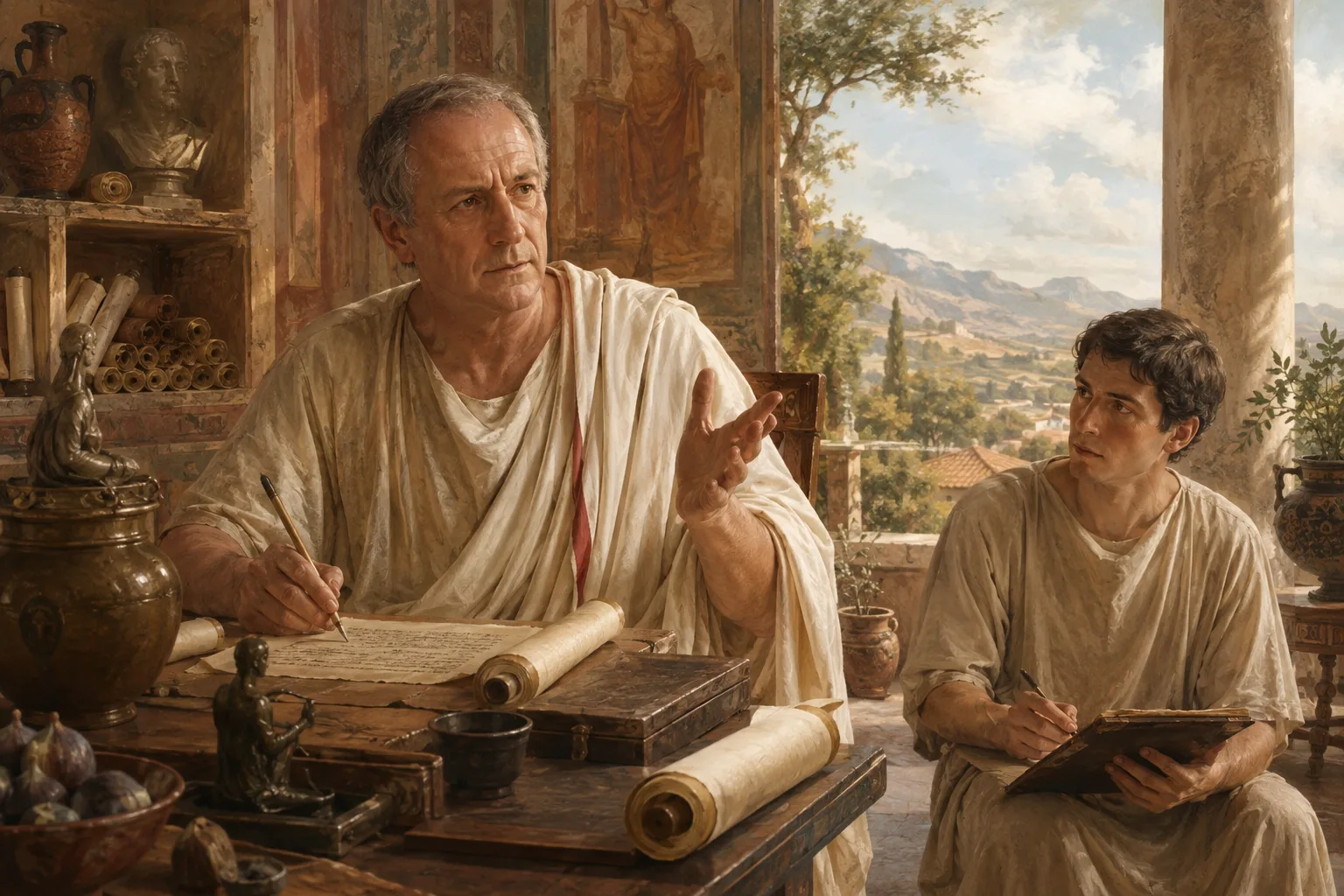
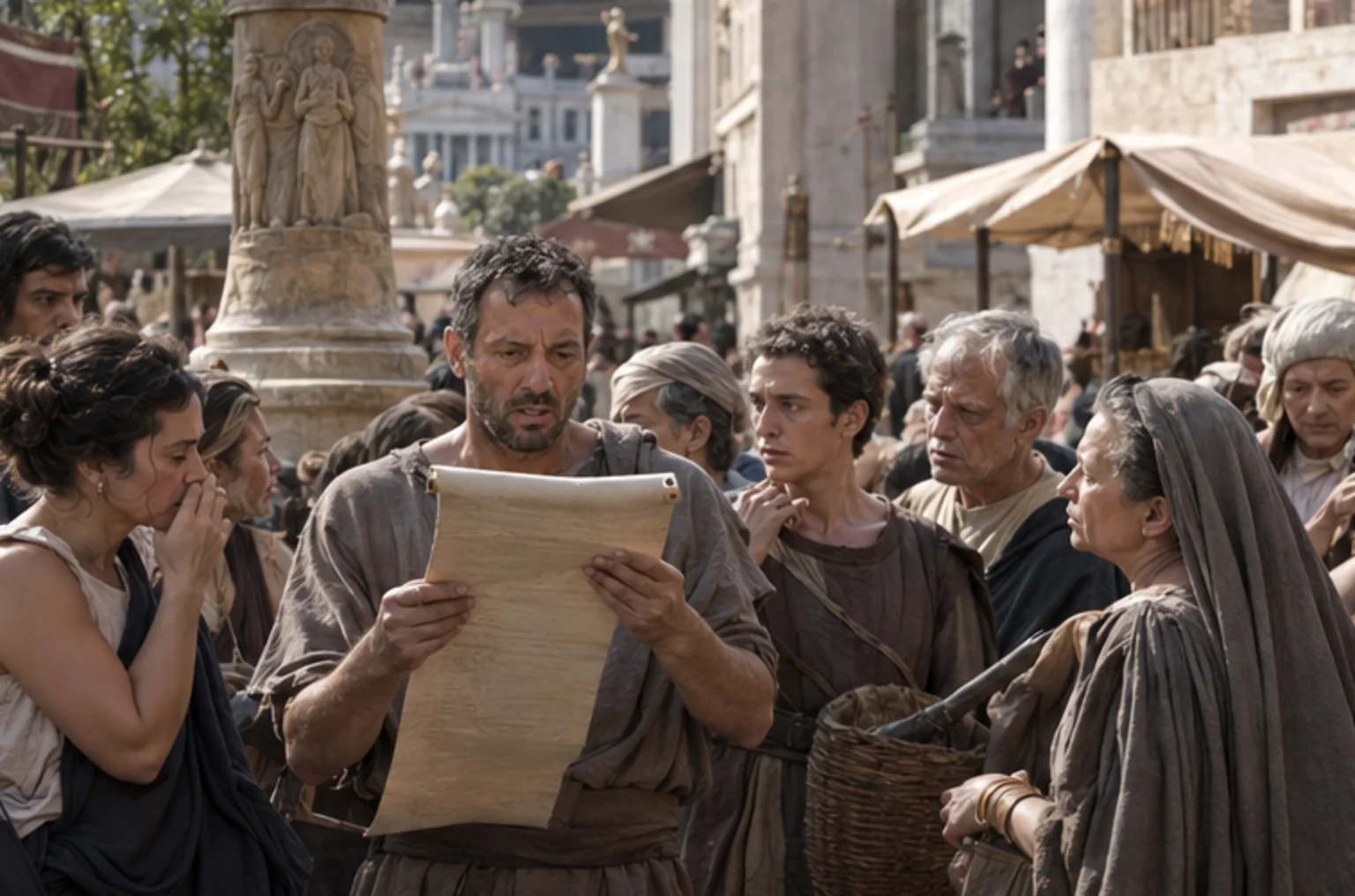
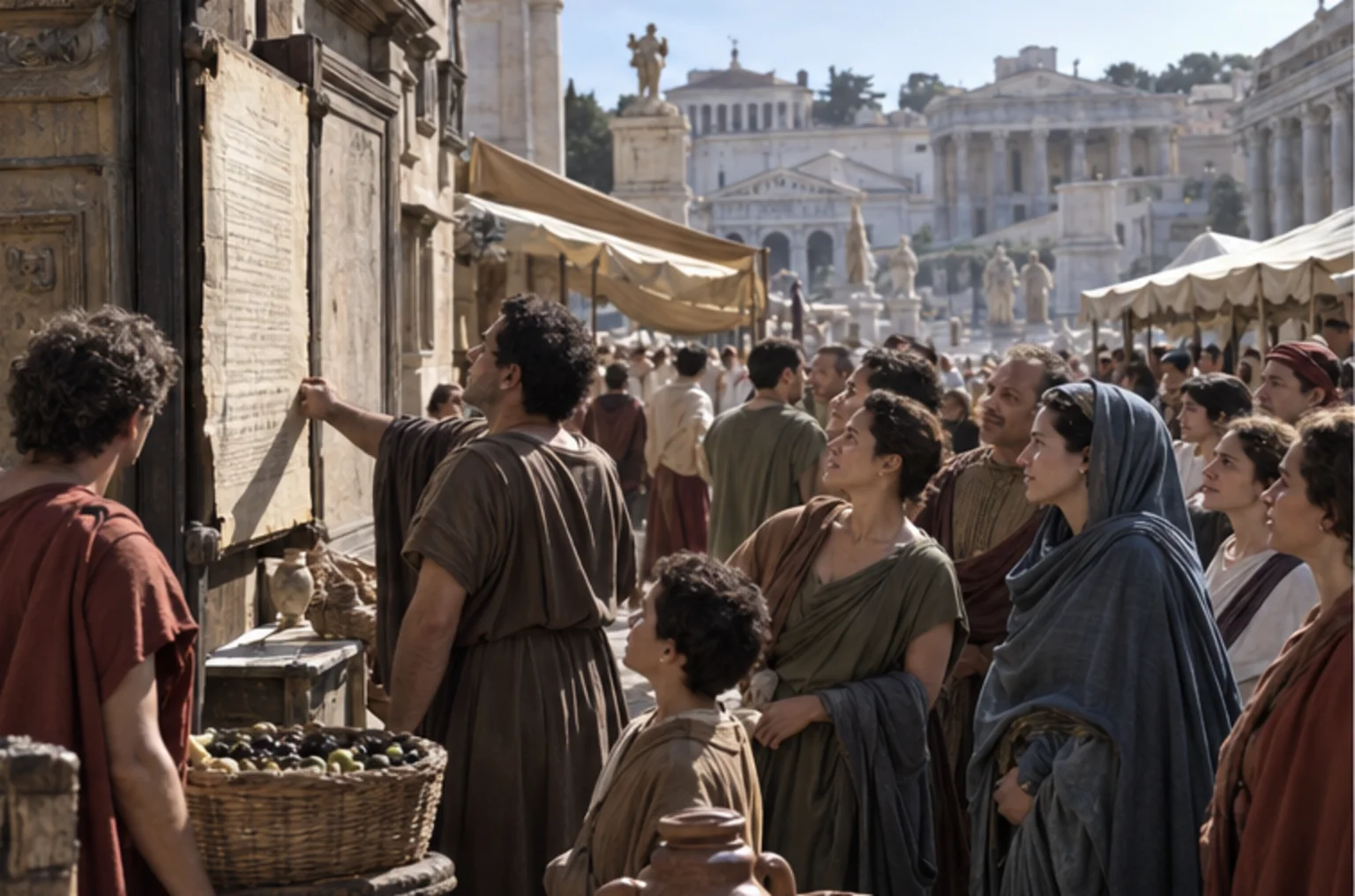
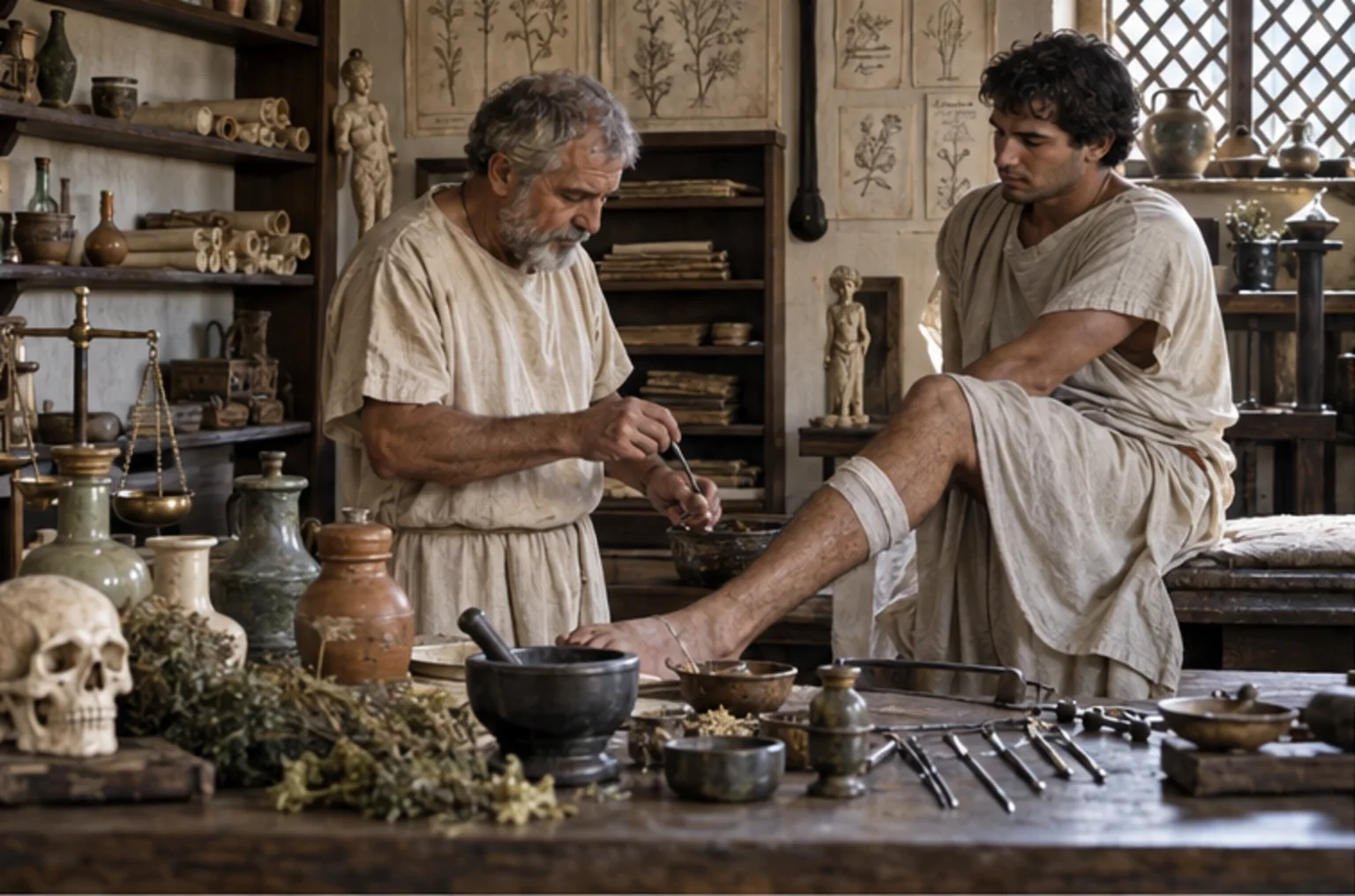
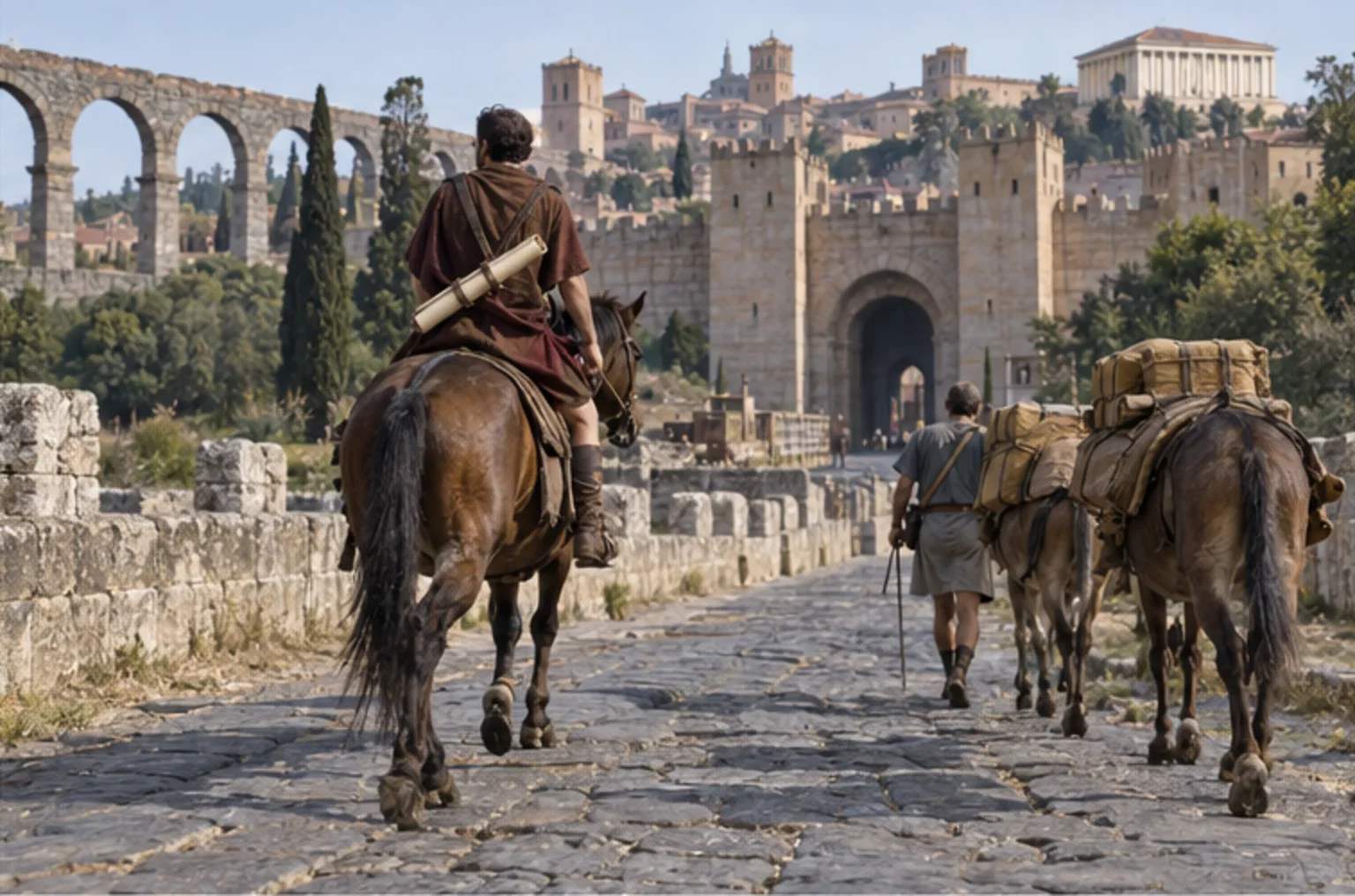
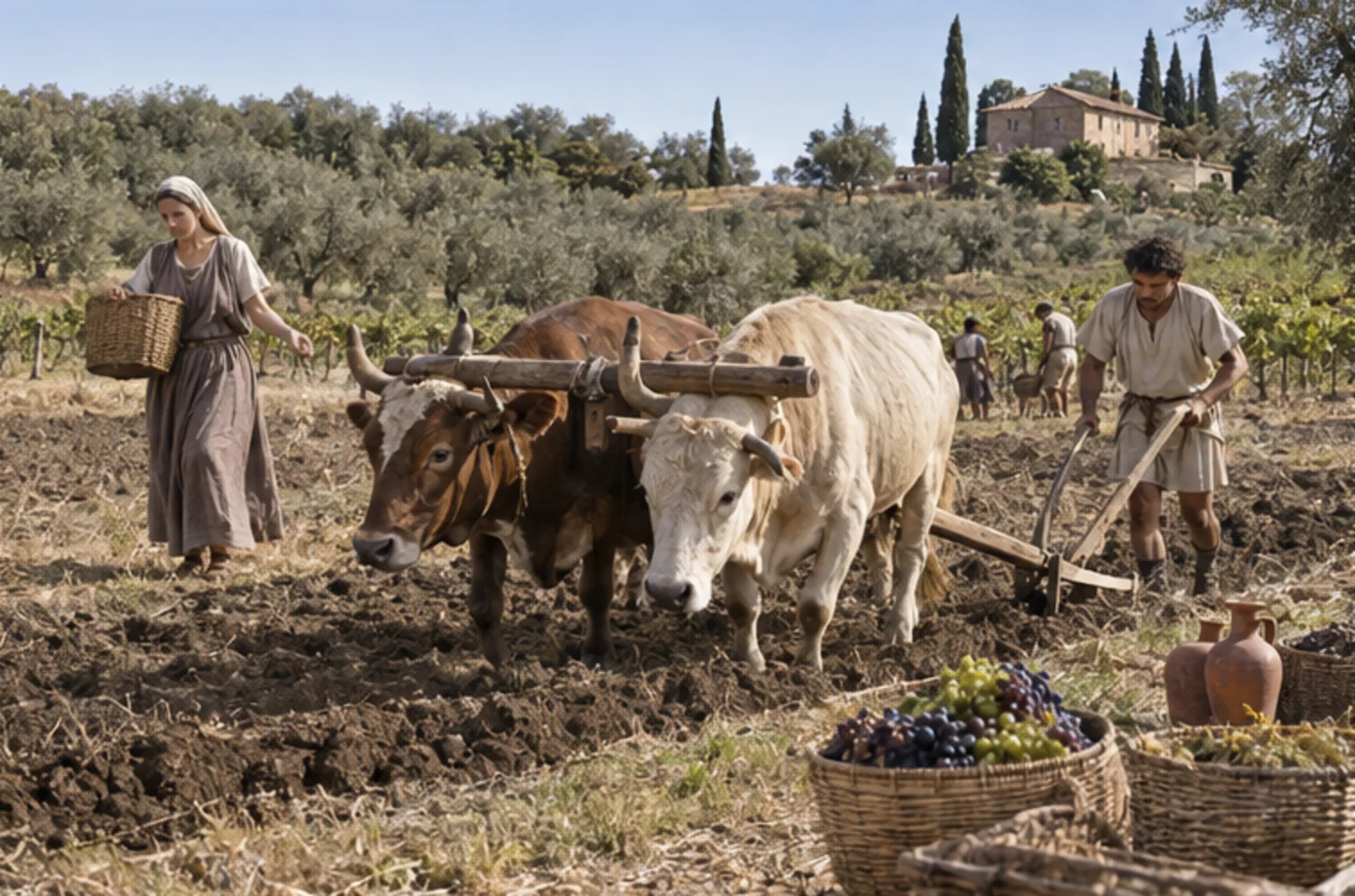
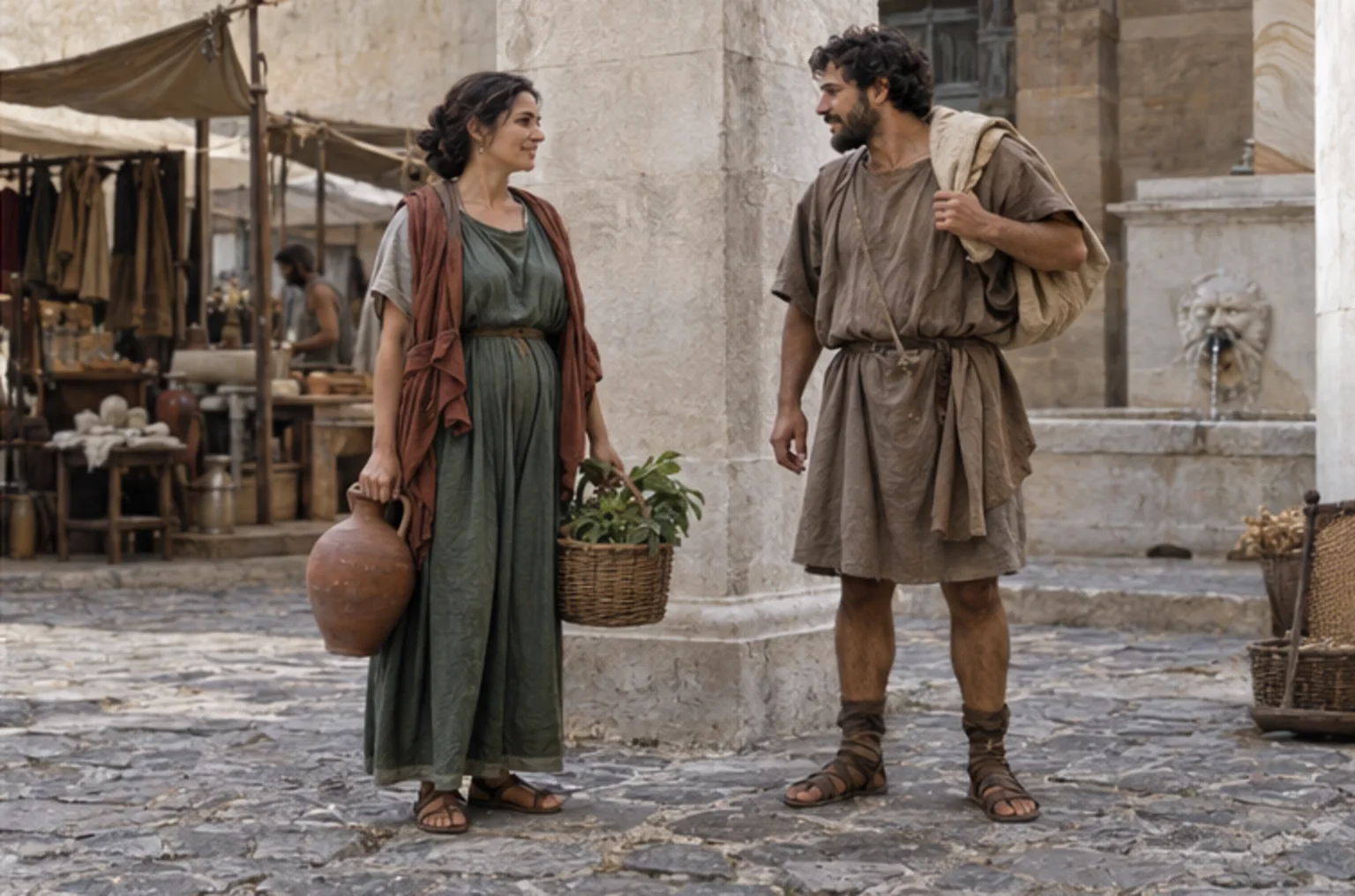
The corpus manifests do not yet establish the precise place and circumstances of composition. The images below document the author’s world or the text’s transmission. They do not claim to show the exact scene of writing.
These are modern reconstructions. They situate a documented place, practice, or transmission and are not period documents.
What the world looked like
Roman world, 1st century BCE to 3rd century CE
- State of technology
- Paved roads, aqueducts, concrete, glassware, mills, and hypocaust heating equip some cities, but energy comes mainly from bodies, animals, water, and wood.
- Science and knowledge
- Astronomy, geometry, natural history, and engineering compile Greek, Egyptian, and Roman knowledge. Measurement exists without a modern laboratory.
- Medicine and care
- Physicians, midwives, baths, plants, and rudimentary surgery can help; reliable anaesthesia, antisepsis, and antibiotics do not exist.
- Transport
- On foot, horseback, cart, or ship, road and sea networks connect the Empire. Travel remains slow, costly, and risky.
- Agriculture and food
- Grain, vines, olives, pulses, and livestock supply cities and armies; estates, slavery, and tenancy organize part of the labour.
- Communication
- Imperial couriers, letters on papyrus or tablets, inscriptions, and oral proclamations spread information. Everything is copied by hand.
- Clothing and fashion
- Tunics and cloaks are common to both sexes; the stola, toga, footwear, colours, and jewellery mark citizenship, office, wealth, and origin.
Editions, translations, and provenance
The following carriers represent the text. They do not create new passage identities.
- Latinoriginal
- English AI-generated translation, non-officialCodex gpt-5.6-sol · Non-official working translation · 2026-09-11
- French AI-generated translation, non-officialCodex gpt-5.6-sol · Non-official working translation · 2026-09-11
- Frenchhistorical_translation
- English AI-generated translation, non-officialCodex gpt-5.6-sol · Non-official working translation · 2026-09-11
- Englishhistorical_translation
- French AI-generated translation, non-officialCodex gpt-5.6-sol · Non-official working translation · 2026-09-11
- Englishhistorical_translation
- French AI-generated translation, non-officialCodex gpt-5.6-sol · Non-official working translation · 2026-09-11
Source manifests: cicero.de_officiis, cicero.translation_carrier_fr_25, cicero.translation_carrier_en_02, cicero.translation_carrier_en_13
Reader
Read page by page
On DutiesCicero