Work
Philippics
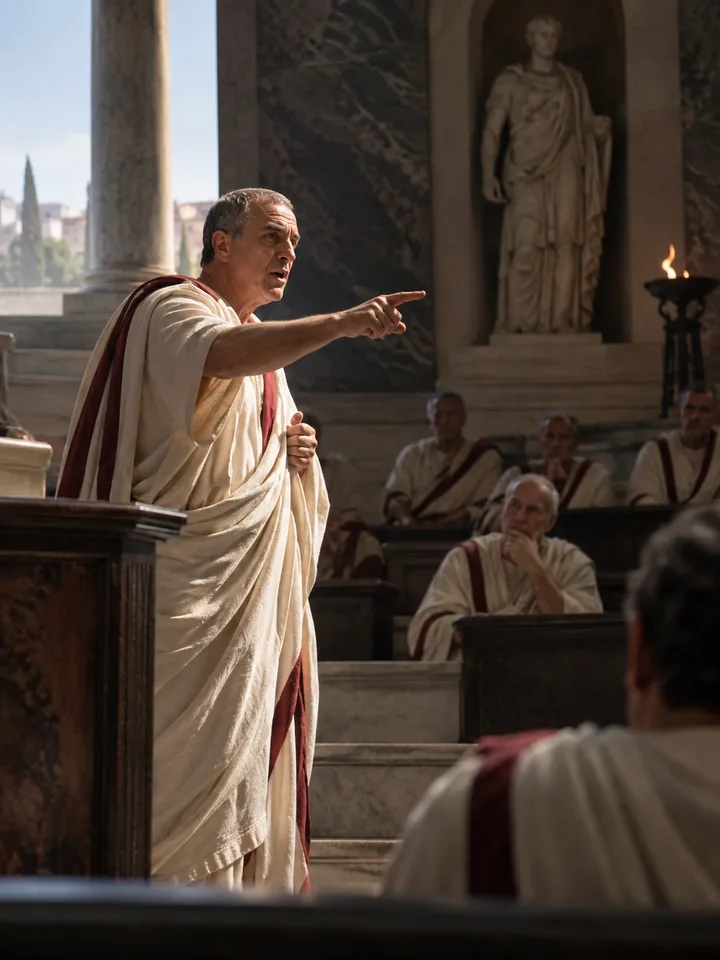
In the Philippics, Cicero attacks Mark Antony and tries to rally the Senate to resistance after Caesar’s death. The speeches combine invective, constitutional argument, and alliance-building in a Republic already under threat.
- Composition
- 44-43 BCE
Sources and precision
The range describes composition or formation of the text, distinct from the dates of the editions held.
Confidence B · strong consensus
- Tradition
- Greek and Roman traditions
- Period
- Antiquity
- Languages
- Latin · English · French
- Extent
- 544 passages · 100,289 words
Before reading
What you will learn
Trace the development of an oratorical campaign, distinguish invective from institutional argument, and assess Cicero’s choices of alliance.
Short summary
In the Philippics, Cicero attacks Mark Antony and tries to rally the Senate to resistance after Caesar’s death. The speeches combine invective, constitutional argument, and alliance-building in a Republic already under threat.
Long summary
Across the speeches Cicero constructs Antony as a public enemy, interprets Caesar’s acts, and negotiates the place of Octavian, the consuls, and the armies. Repeated accusations serve a political campaign whose situation changes quickly.
Eloquence intervenes directly in conflict and exposes its author. The dossier requires information, hostile portraiture, and strategic proposal to be distinguished, then the gap between proclaimed defence of liberty and alliances needed for survival to be measured.
Inside this work
The table of contents follows the divisions actually carried by the corpus.
Work › Division
- Passage 1
- Passage 2
- Passage 3
- Passage 4
- Passage 5
- Passage 6
- Passage 7
- Passage 8
- Passage 9
- Passage 10
- Passage 11
- Passage 12
- Passage 13
- Passage 14
- Passage 15
- Passage 16
- Passage 17
- Passage 18
- Passage 19
- Passage 20
- Passage 21
- Passage 22
- Passage 23
- Passage 24
- Passage 25
- Passage 26
- Passage 27
- Passage 28
- Passage 29
- Passage 30
- Passage 31
- Passage 32
- Passage 33
- Passage 34
- Passage 35
- Passage 36
- Passage 37
- Passage 38
- Passage 1
- Passage 2
- Passage 3
- Passage 4
- Passage 5
- Passage 6
- Passage 7
- Passage 8
- Passage 9
- Passage 10
- Passage 11
- Passage 12
- Passage 13
- Passage 14
- Passage 15
- Passage 16
- Passage 17
- Passage 18
- Passage 19
- Passage 20
- Passage 21
- Passage 22
- Passage 23
- Passage 24
- Passage 25
- Passage 26
- Passage 27
- Passage 28
- Passage 29
- Passage 30
- Passage 31
- Passage 32
- Passage 33
- Passage 34
- Passage 35
- Passage 36
- Passage 37
- Passage 38
- Passage 39
- Passage 40
- Passage 41
- Passage 42
- Passage 43
- Passage 44
- Passage 45
- Passage 46
- Passage 47
- Passage 48
- Passage 49
- Passage 50
- Passage 51
- Passage 52
- Passage 53
- Passage 54
- Passage 55
- Passage 56
- Passage 57
- Passage 58
- Passage 59
- Passage 60
- Passage 61
- Passage 62
- Passage 63
- Passage 64
- Passage 65
- Passage 66
- Passage 67
- Passage 68
- Passage 69
- Passage 70
- Passage 71
- Passage 72
- Passage 73
- Passage 74
- Passage 75
- Passage 76
- Passage 77
- Passage 78
- Passage 79
- Passage 80
- Passage 81
- Passage 82
- Passage 83
- Passage 84
- Passage 85
- Passage 86
- Passage 87
- Passage 88
- Passage 89
- Passage 90
- Passage 91
- Passage 92
- Passage 93
- Passage 94
- Passage 95
- Passage 96
- Passage 97
- Passage 98
- Passage 99
- Passage 100
- Passage 101
- Passage 102
- Passage 103
- Passage 104
- Passage 105
- Passage 106
- Passage 107
- Passage 108
- Passage 109
- Passage 110
- Passage 111
- Passage 112
- Passage 113
- Passage 114
- Passage 115
- Passage 116
- Passage 117
- Passage 118
- Passage 1
- Passage 2
- Passage 3
- Passage 4
- Passage 5
- Passage 6
- Passage 7
- Passage 8
- Passage 9
- Passage 10
- Passage 11
- Passage 12
- Passage 13
- Passage 14
- Passage 15
- Passage 16
- Passage 17
- Passage 18
- Passage 19
- Passage 20
- Passage 21
- Passage 22
- Passage 23
- Passage 24
- Passage 25
- Passage 26
- Passage 27
- Passage 28
- Passage 29
- Passage 30
- Passage 31
- Passage 32
- Passage 33
- Passage 34
- Passage 35
- Passage 36
- Passage 37
- Passage 38
- Passage 39
- Passage 1
- Passage 2
- Passage 3
- Passage 4
- Passage 5
- Passage 6
- Passage 7
- Passage 8
- Passage 9
- Passage 10
- Passage 11
- Passage 12
- Passage 13
- Passage 14
- Passage 15
- Passage 16
- Passage 1
- Passage 2
- Passage 3
- Passage 4
- Passage 5
- Passage 6
- Passage 7
- Passage 8
- Passage 9
- Passage 10
- Passage 11
- Passage 12
- Passage 13
- Passage 14
- Passage 15
- Passage 16
- Passage 17
- Passage 18
- Passage 19
- Passage 20
- Passage 21
- Passage 22
- Passage 23
- Passage 24
- Passage 25
- Passage 26
- Passage 27
- Passage 28
- Passage 29
All 544 references remain accessible through the reader and search. This table shows the first 240 to remain manageable.
Concepts covered
Historical context
The world around the text
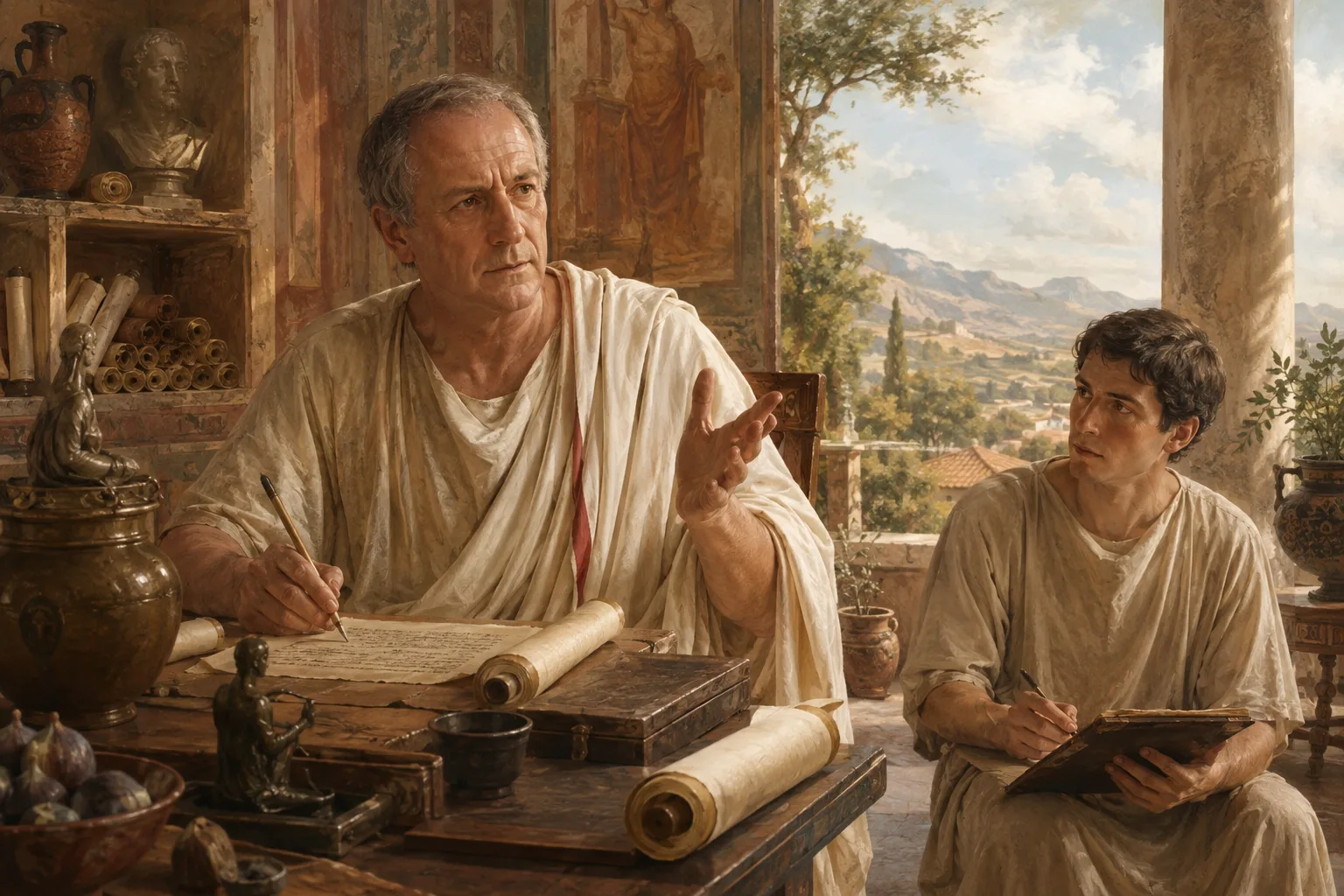
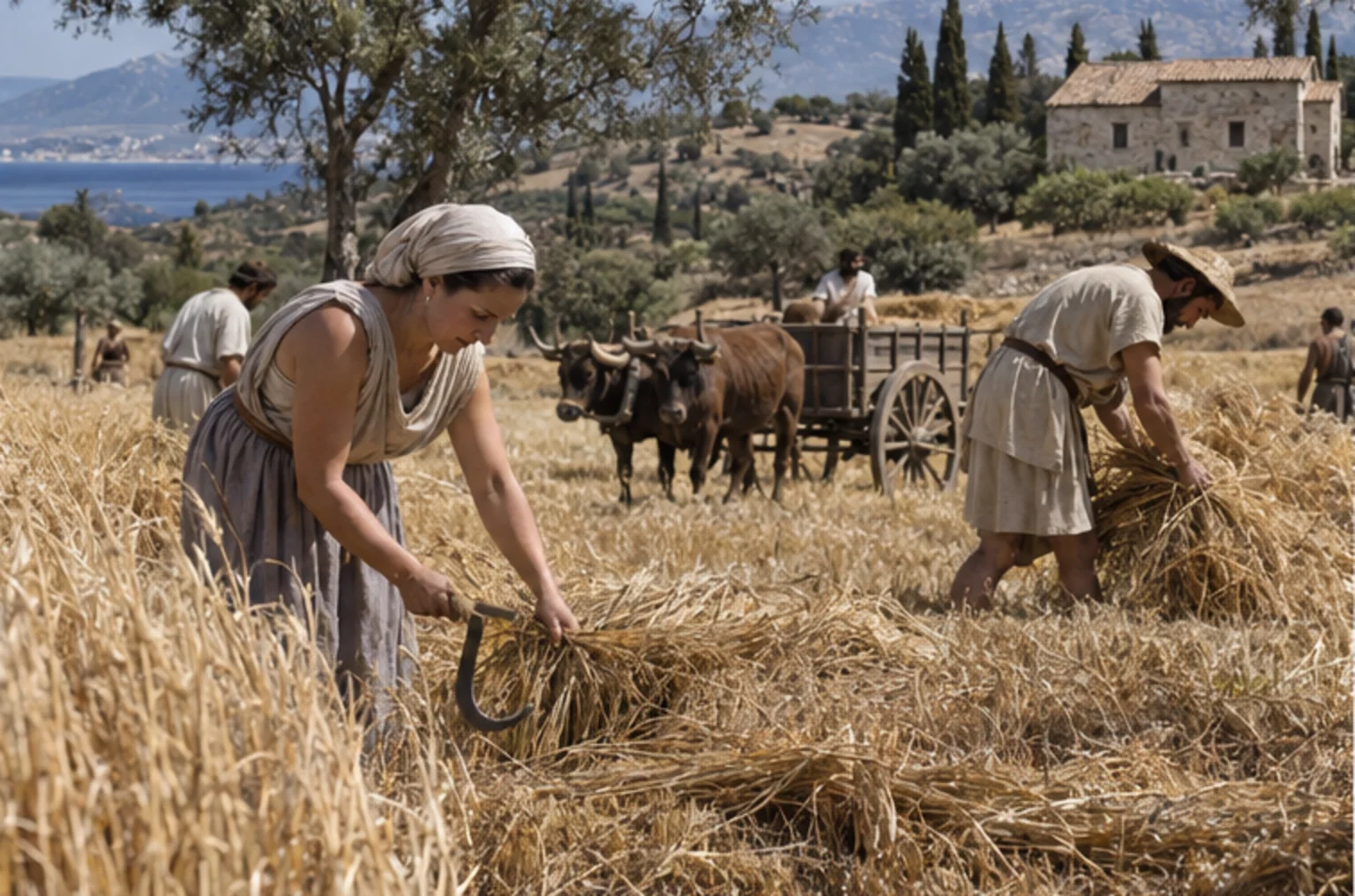
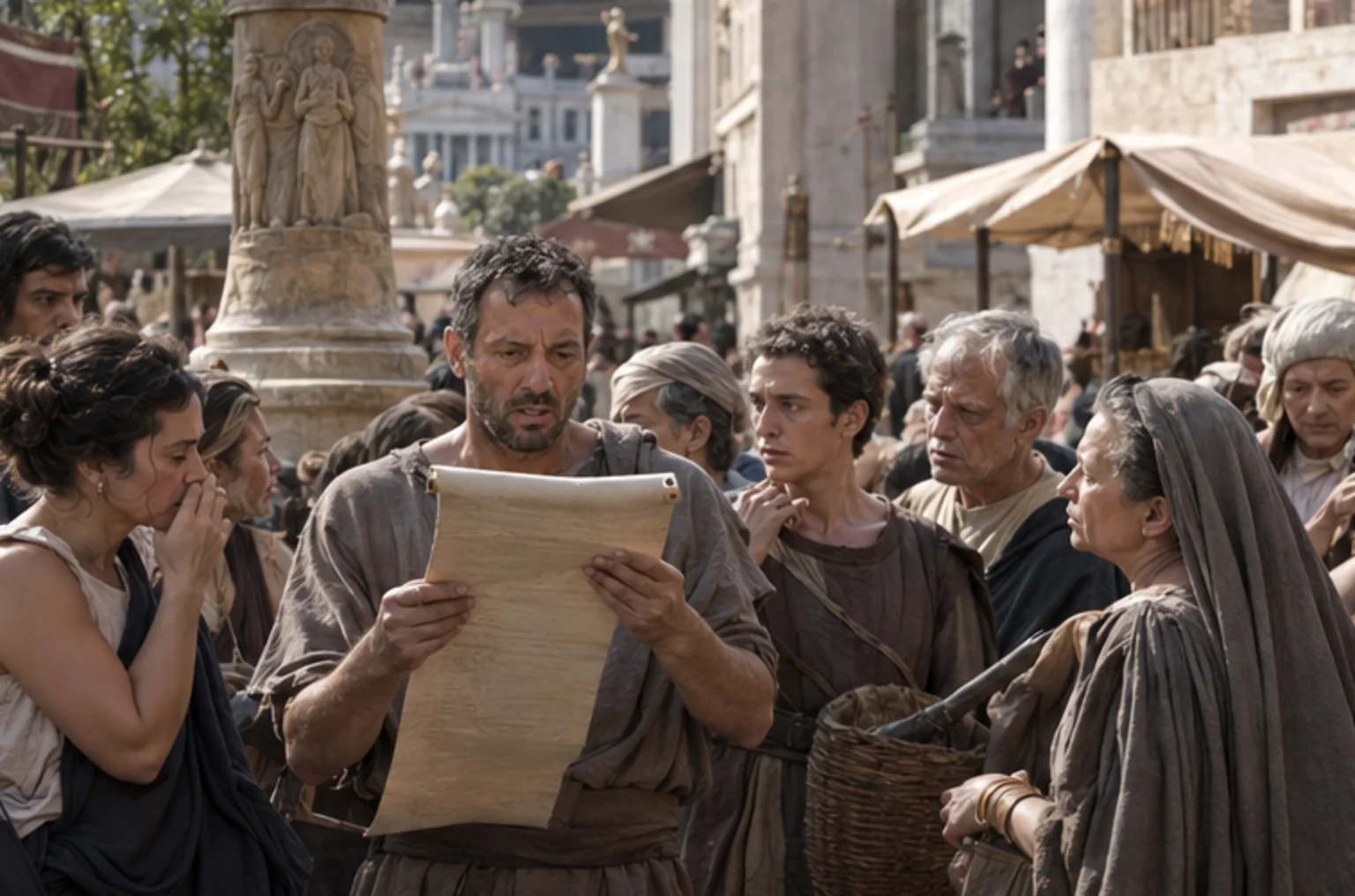
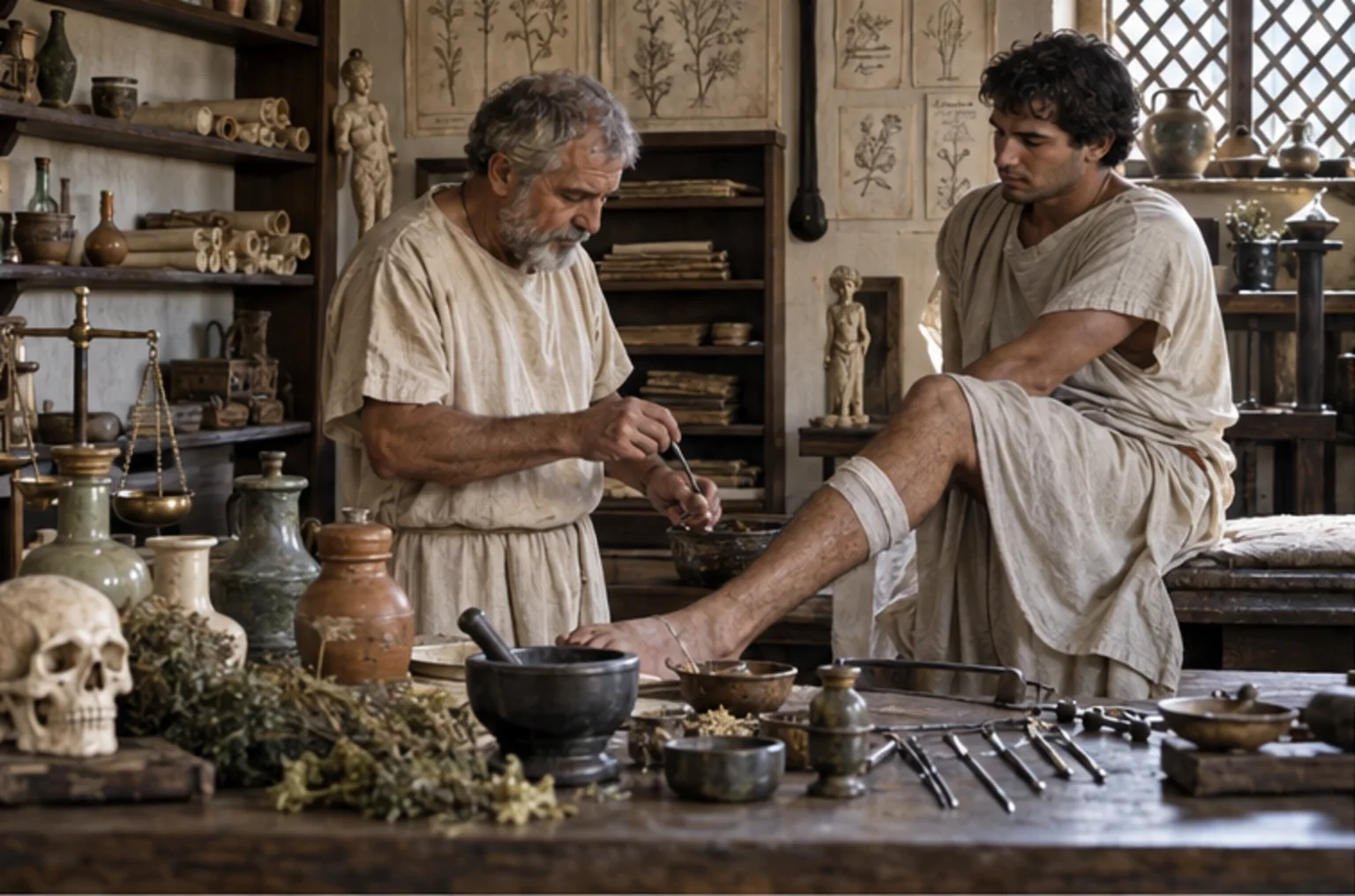
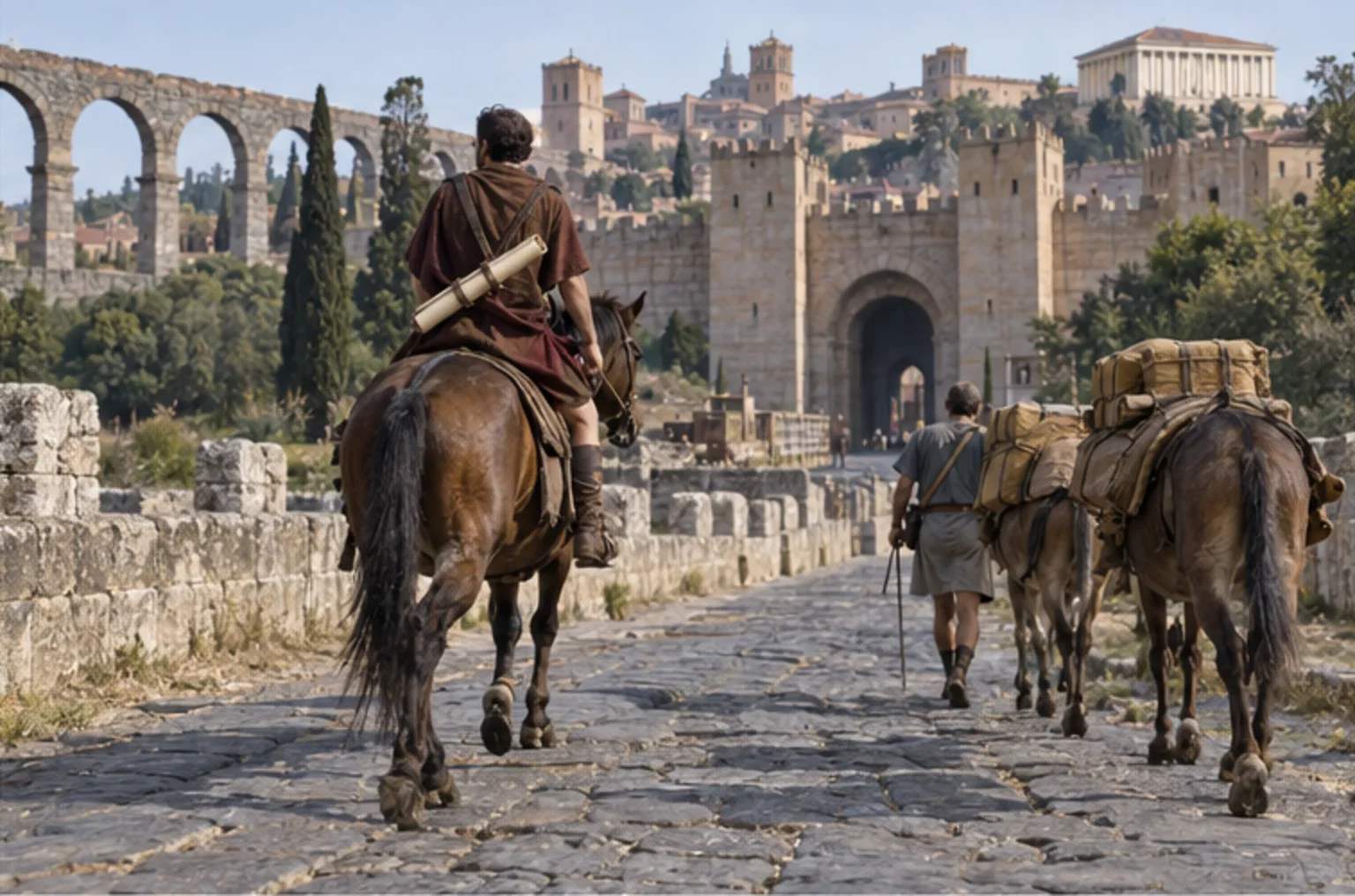
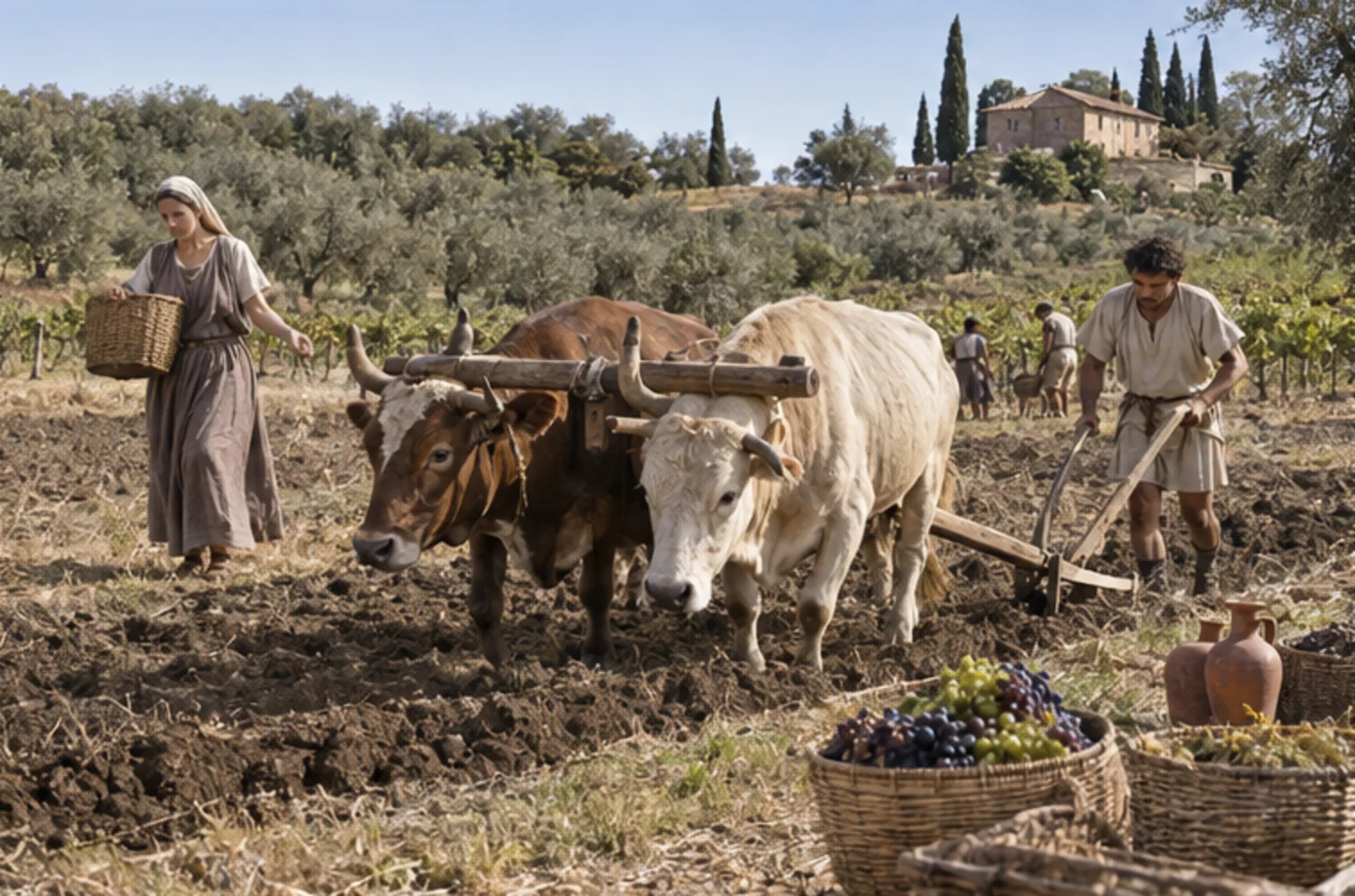
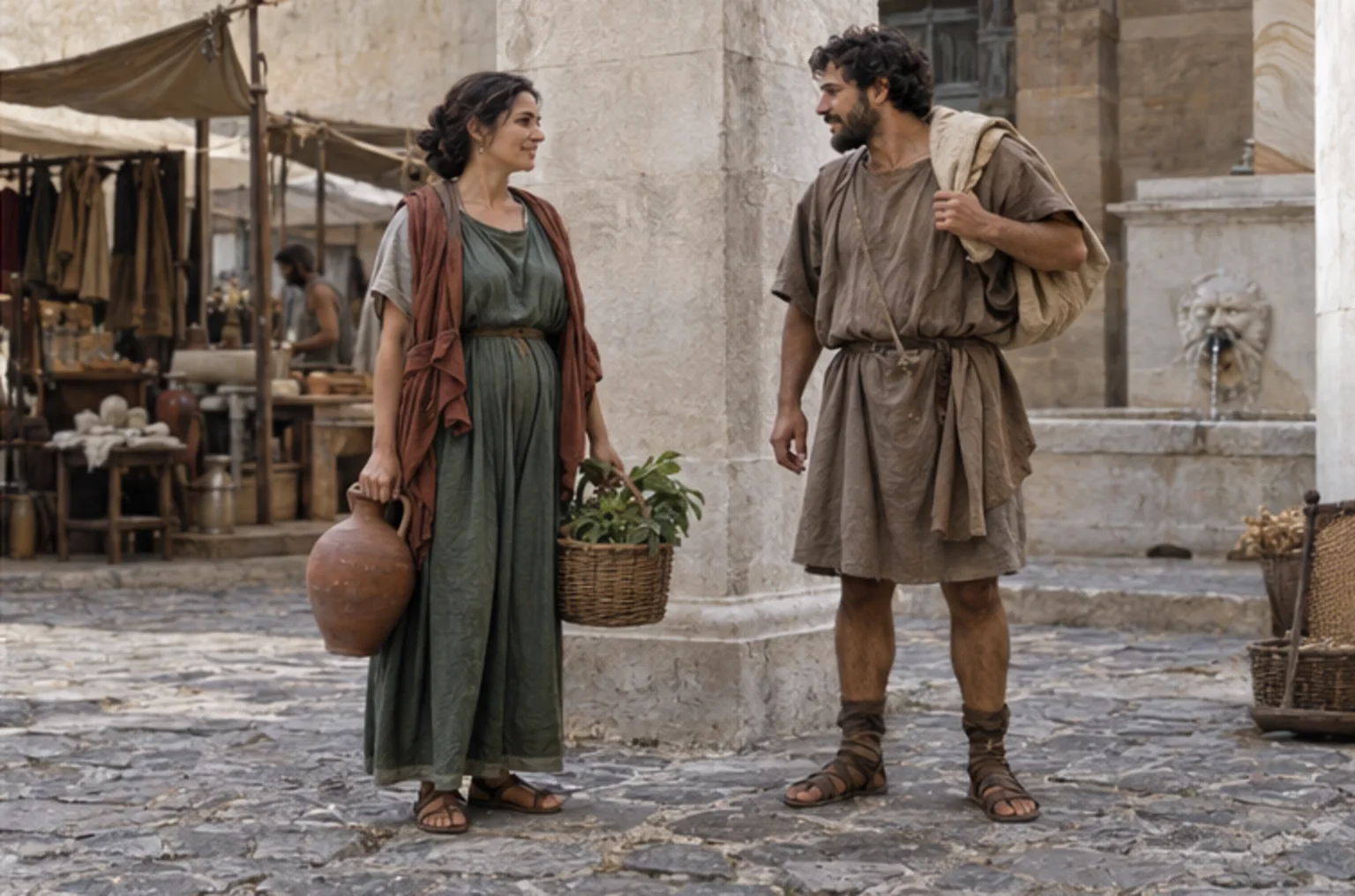
The corpus manifests do not yet establish the precise place and circumstances of composition. The images below document the author’s world or the text’s transmission. They do not claim to show the exact scene of writing.
These are modern reconstructions. They situate a documented place, practice, or transmission and are not period documents.
What the world looked like
Roman world, 1st century BCE to 3rd century CE
- State of technology
- Paved roads, aqueducts, concrete, glassware, mills, and hypocaust heating equip some cities, but energy comes mainly from bodies, animals, water, and wood.
- Science and knowledge
- Astronomy, geometry, natural history, and engineering compile Greek, Egyptian, and Roman knowledge. Measurement exists without a modern laboratory.
- Medicine and care
- Physicians, midwives, baths, plants, and rudimentary surgery can help; reliable anaesthesia, antisepsis, and antibiotics do not exist.
- Transport
- On foot, horseback, cart, or ship, road and sea networks connect the Empire. Travel remains slow, costly, and risky.
- Agriculture and food
- Grain, vines, olives, pulses, and livestock supply cities and armies; estates, slavery, and tenancy organize part of the labour.
- Communication
- Imperial couriers, letters on papyrus or tablets, inscriptions, and oral proclamations spread information. Everything is copied by hand.
- Clothing and fashion
- Tunics and cloaks are common to both sexes; the stola, toga, footwear, colours, and jewellery mark citizenship, office, wealth, and origin.
Editions, translations, and provenance
The following carriers represent the text. They do not create new passage identities.
- Latinoriginal
- English AI-generated translation, non-officialCodex gpt-5.6-sol · Non-official working translation · 2026-09-11
- French AI-generated translation, non-officialCodex gpt-5.6-sol · Non-official working translation · 2026-09-11
- Englishhistorical_translation
- French AI-generated translation, non-officialCodex gpt-5.6-sol · Non-official working translation · 2026-09-11
Source manifests: cicero.philippics, cicero.translation_carrier_en_08
Reader
Read page by page
PhilippicsCicero