Work
How One May Know One’s Progress in Virtue
How One May Know One’s Progress in Virtue observes character in action and tests moral rules against concrete situations.
- Composition
- late 1st to early 2nd century CE; internal order uncertain
Sources and precision
The range locates Plutarch’s literary activity without inventing a composition year for each work.
Confidence C · probable range
- Tradition
- Socratic and Platonic thought
- Period
- Antiquity
- Languages
- Ancient Greek · English · French
- Extent
- 17 passages · 9,684 words
Before reading
What you will learn
To read How One May Know One’s Progress in Virtue, isolate the decisive action, distinguish character from fortune, then compare its consequence with that of a neighboring course of conduct.
Short summary
How One May Know One’s Progress in Virtue observes character in action and tests moral rules against concrete situations.
Long summary
The essay connects philosophical examination with ordinary actions, relationships, and habits in which character becomes visible.
Canonical identity follows the critical Greek CTS divisions. The historical English translation and AI-generated French remain distinct, labeled manifestations. Progress appears through modest signs: continuity, less vanity, quicker admission, and less divided conduct.
Inside this work
The table of contents follows the divisions actually carried by the corpus.
Work › Section
Concepts covered
Historical context
The world around the text
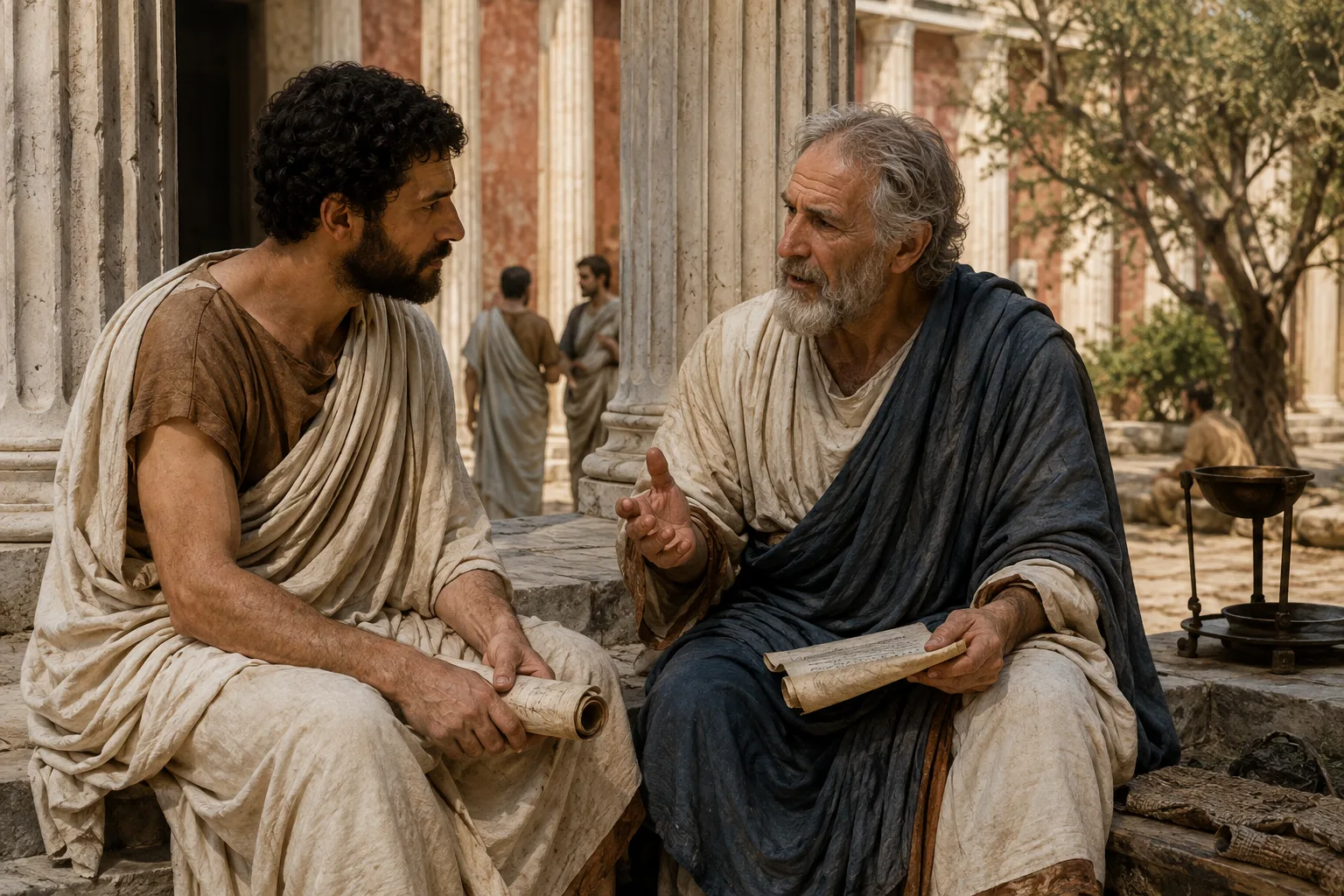
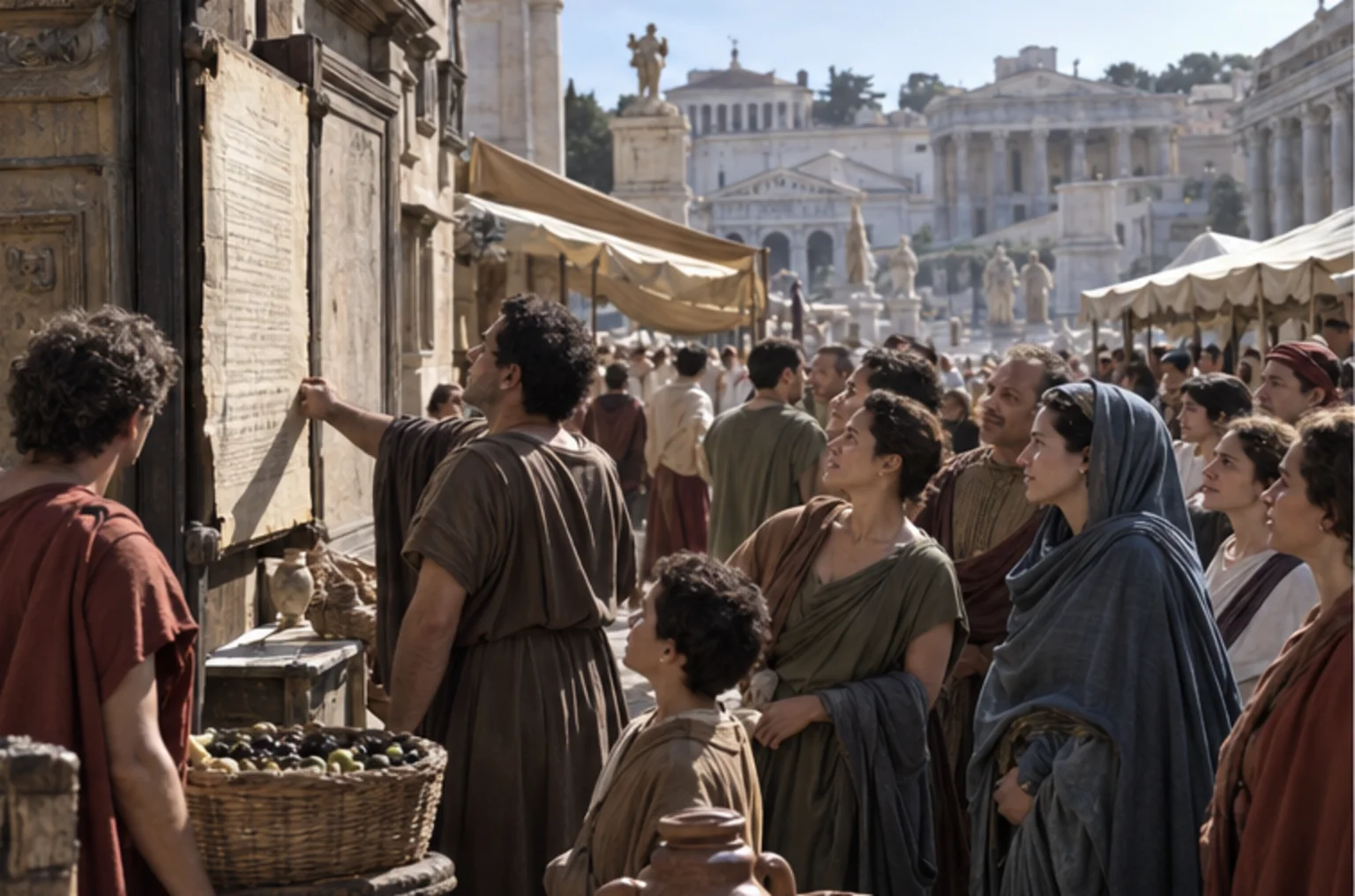
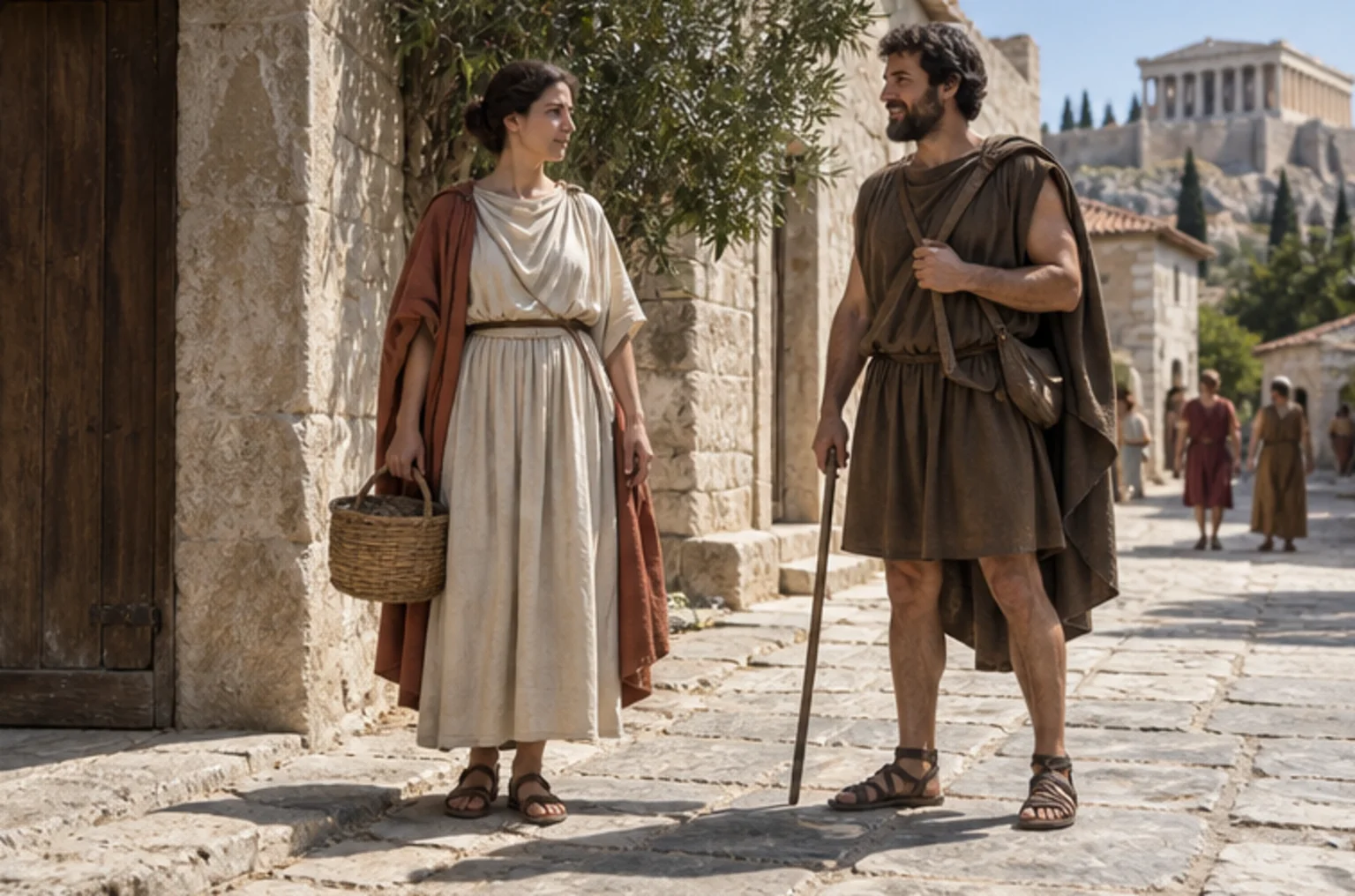
The corpus manifests do not yet establish the precise place and circumstances of composition. The images below document the author’s world or the text’s transmission. They do not claim to show the exact scene of writing.
These are modern reconstructions. They situate a documented place, practice, or transmission and are not period documents.
What the world looked like
World of 1989
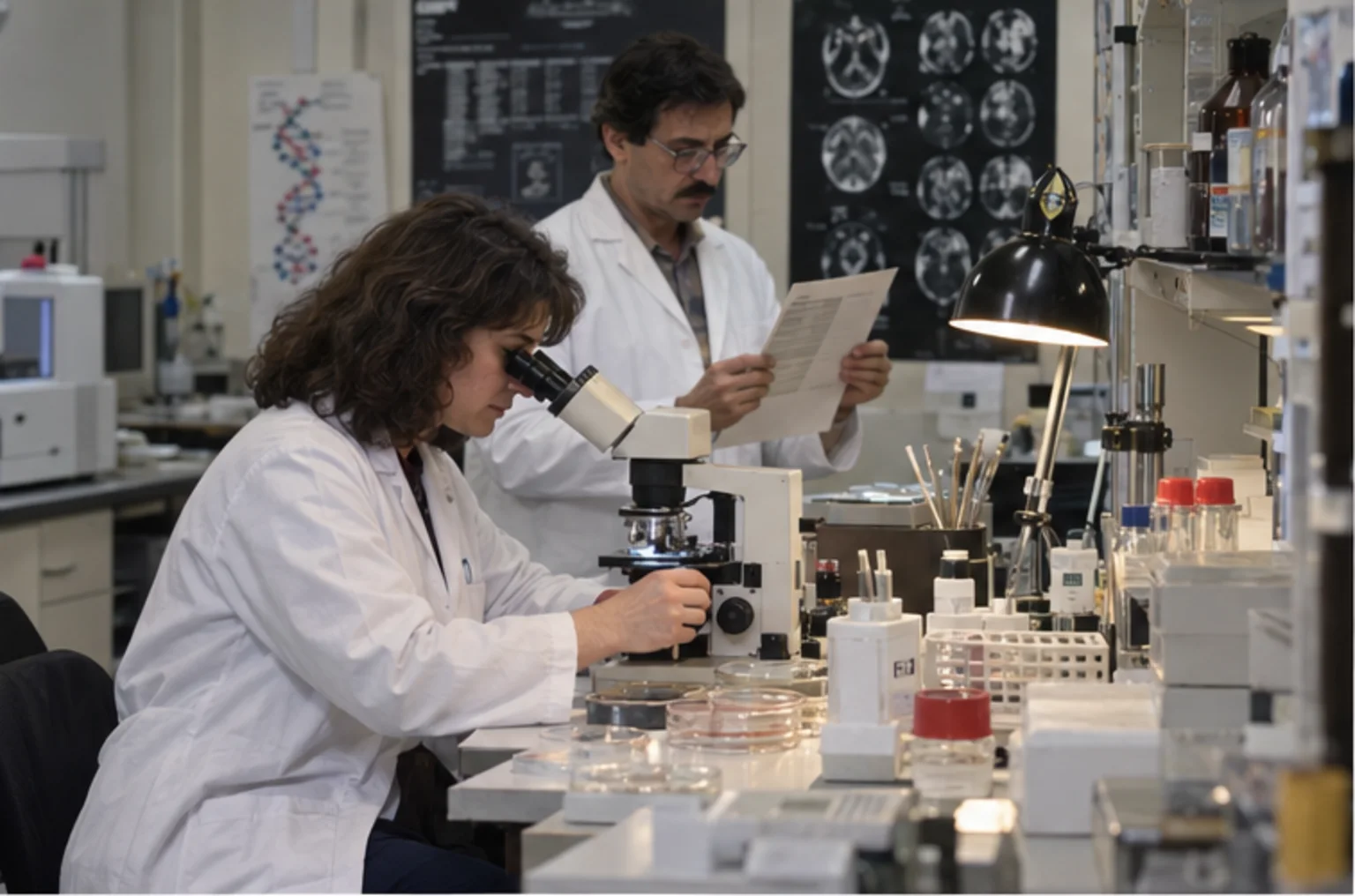

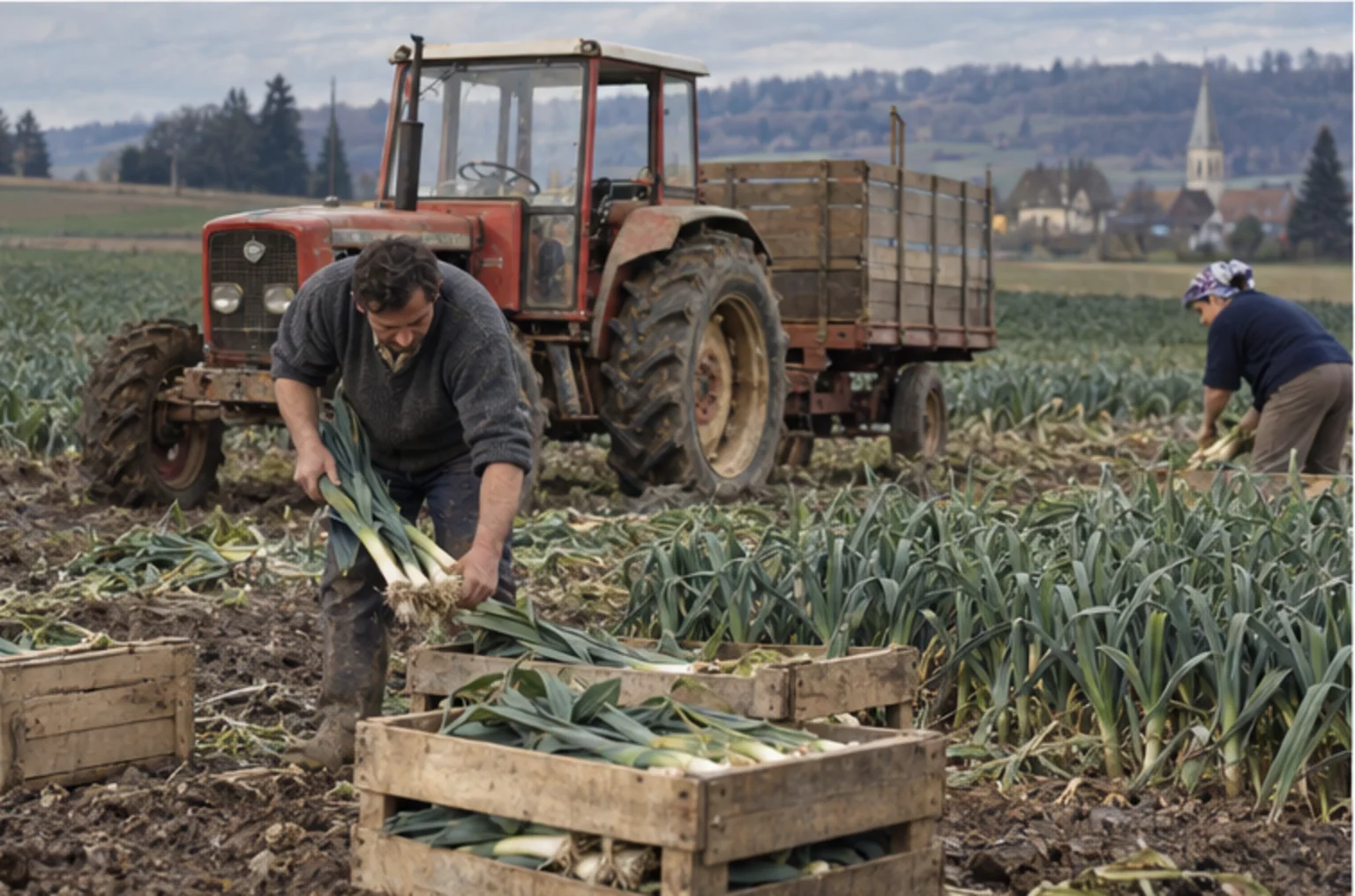
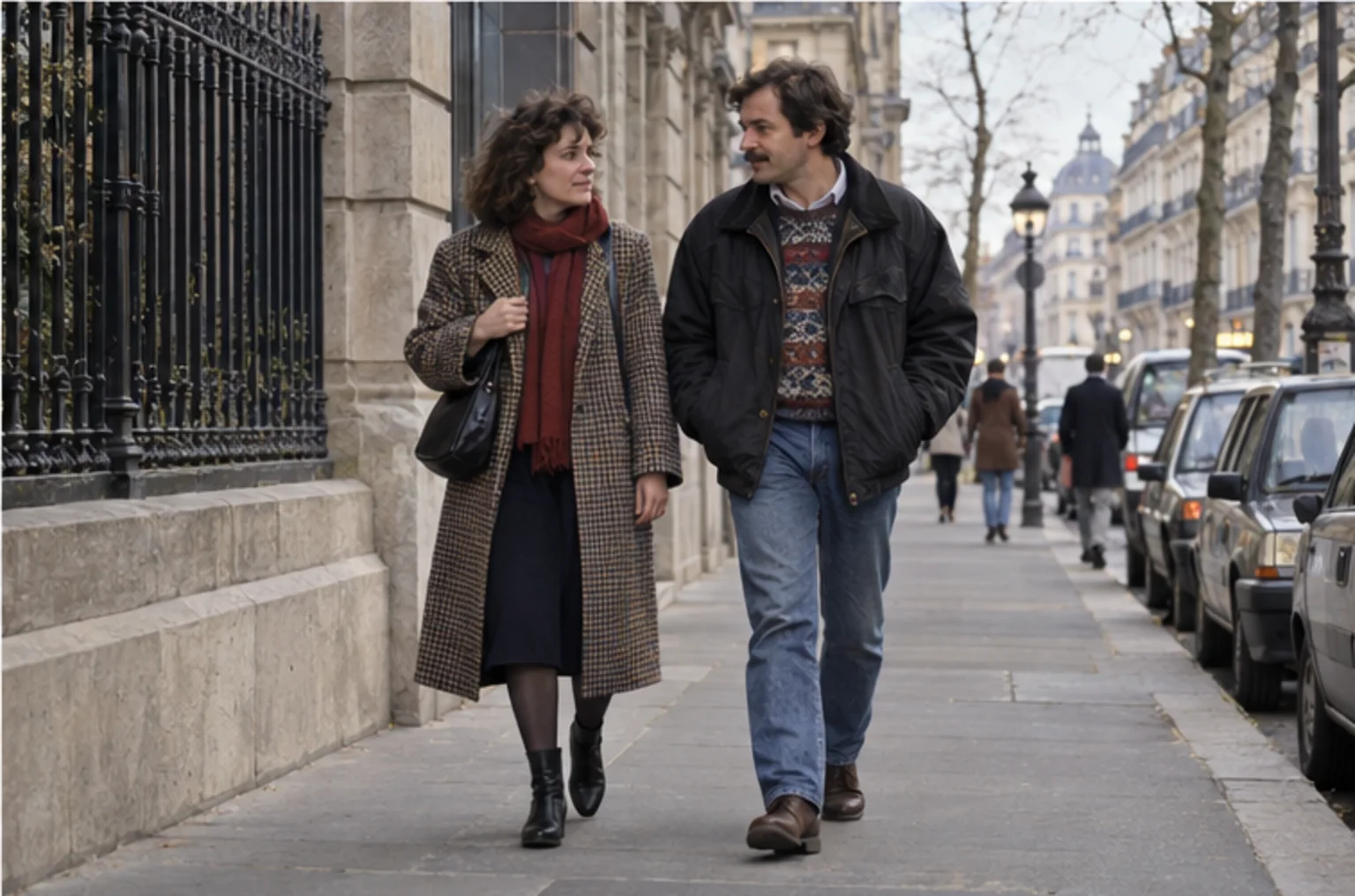
- State of technology
- Personal computers, satellites, video, industrial robots, and expensive mobile phones exist, but the public Web does not yet.
- Science and knowledge
- Computing, genetics, climate science, cosmology, and medical imaging produce growing data and international collaboration.
- Medicine and care
- CT, MRI, transplantation, vaccines, and intensive care advance; the AIDS epidemic exposes both medical capacity and its limits.
- Transport
- Cars, high-speed rail, metros, aircraft, and containers globalize people and goods.
- Agriculture and food
- Machinery, chemical inputs, breeding, and cold chains support high yields with increasingly debated social and environmental costs.
- Communication
- Fixed telephones, fax, television, radio, and newspapers predominate. Email and computer networks remain mainly professional or academic.
- Clothing and fashion
- Loose suits, jeans, trainers, women’s power suits, sportswear, and urban subcultures create highly varied silhouettes.
Editions, translations, and provenance
The following carriers represent the text. They do not create new passage identities.
- Ancient Greekcomplete_aligned_work
- Englishcomplete_aligned_work
- French AI-generated translation, non-officialCodex gpt-5.6-sol · Non-official working translation · 2026-09-13
Source manifests: plutarch.progress_in_virtue
Reader
Read page by page
How One May Know One’s Progress in VirtuePlutarch