Traceable Library

Explore the corpus of thinkers on prokopton42.com

We do not always look for a work, a text, or a passage in the same way. Browse by work as you would in a traditional library, travel through time, follow a semantic concept, or go straight to a precise excerpt. This Library exists to support practice and deeper study by bringing old texts into contact with daily experience and present questions.

Works
305
Authors
94
Passages
89,767
See more statistics
Corpus works
259
Private works
46
Private records
56
Private excerpts
20,006
Text representations
223,819
Editions and translations
849
Languages
17
Works in French and English
259
Multilingual works
259
Tracked concepts
9
Estimated sentences
1,456,557
Words
27,541,029

A representation is one language version of a canonical passage. Private excerpts come from source files. Sentence count is estimated from punctuation.

By work305

Works

Books, collections and works from the Private collection share this shelf. Each card keeps its editions and sources. Browse the 46 private works →

Cover extracted from the PDF of A Small Treatise on the Great Virtues, by André Comte-Sponville, Translated by Catherine Temerson

Private collection · 2 sources · PDF cover

A Small Treatise on the Great Virtues, by André Comte-Sponville, Translated by Catherine Temerson

André Comte-Sponville, translated by Catherine Temerson

From politeness to love, André Comte-Sponville examines eighteen virtues as concrete powers of willing and acting. Catherine Temerson’s English translation follows an ethics that seeks to understand fidelity, prudence, justice, humour, and gentleness instead of compiling a catalogue of vices.

Languages
French · English
Indexed excerpts
1,112

By consulting this text, you confirm that you may use it for personal and educational purposes. Do not reproduce its content. If the book helps you, buy it to support the author or rights holders.

Open the record and choose an edition →


Photorealistic editorial illustration of Aṅguttara Nikāya: Numerical Discourses in the Prokopton42.com Library Aṅguttara Nikāya: Numerical DiscoursesSiddhartha Gautama / Buddha

Work

Aṅguttara Nikāya: Numerical Discourses

The Aṅguttara Nikāya arranges teachings attributed to the Buddha in ascending numbered sets, from one item to eleven. Its mnemonic structure brings together conduct, mental training, communal life, and stages of awakening.

What you will learn
Composition
oral strata, late 5th to 3rd centuries BCE; later Pali organization
Editions / translations
Dates to be documented
Languages
English · French · Pali
Extent
1,408 passages · 443,916 words
Cover extracted from the PDF of Being-Time: Reflections on the Time of Consciousness, by André Comte-Sponville, French Edition

Private collection · 1 source · PDF cover

Being-Time: Reflections on the Time of Consciousness, by André Comte-Sponville, French Edition

André Comte-Sponville

Developed from a lecture for physicists, this essay advances a precise thesis: only the present exists, yet the present is not a durationless instant. André Comte-Sponville confronts conscious time with the time of the world in order to connect metaphysics, memory, and the conduct of life.

Languages
French · English
Indexed excerpts
177

By consulting this text, you confirm that you may use it for personal and educational purposes. Do not reproduce its content. If the book helps you, buy it to support the author or rights holders.

Open the record and choose an edition →

Photorealistic editorial illustration of Beyond Good and Evil in the Prokopton42.com Library Beyond Good and EvilFriedrich Nietzsche

Work

Beyond Good and Evil

Beyond Good and Evil must be read through its period, genre, and precise polemical target. Its striking formulations do not replace the movement of the text.

What you will learn
Composition
1886
Editions / translations
Dates to be documented
Languages
German · English · French
Extent
302 passages · 62,008 words
Photorealistic editorial illustration of Beyond the Pleasure Principle in the Prokopton42.com Library Beyond the Pleasure PrincipleSigmund Freud

Work

Beyond the Pleasure Principle

Faced with painful repetitions that pleasure-seeking does not explain, Freud advances new hypotheses about repetition compulsion and drives. The text shows a theory risking a step beyond its evidence.

What you will learn
Composition
1920
Editions / translations
Dates to be documented
Languages
German · English · French
Extent
60 passages · 18,851 words
Photorealistic editorial illustration of Brutus, or On Eminent Orators in the Prokopton42.com Library Brutus, or On Eminent OratorsCicero

Work

Brutus, or On Eminent Orators

Cicero traces the history of Roman eloquence through the speakers who shaped it. The dialogue combines criticism, portraiture, and an anxious reflection on public speech at a moment when the Republic is losing its freedom.

What you will learn
Composition
46 BCE
Editions / translations
Dates to be documented
Languages
Latin · English · French
Extent
334 passages · 79,995 words
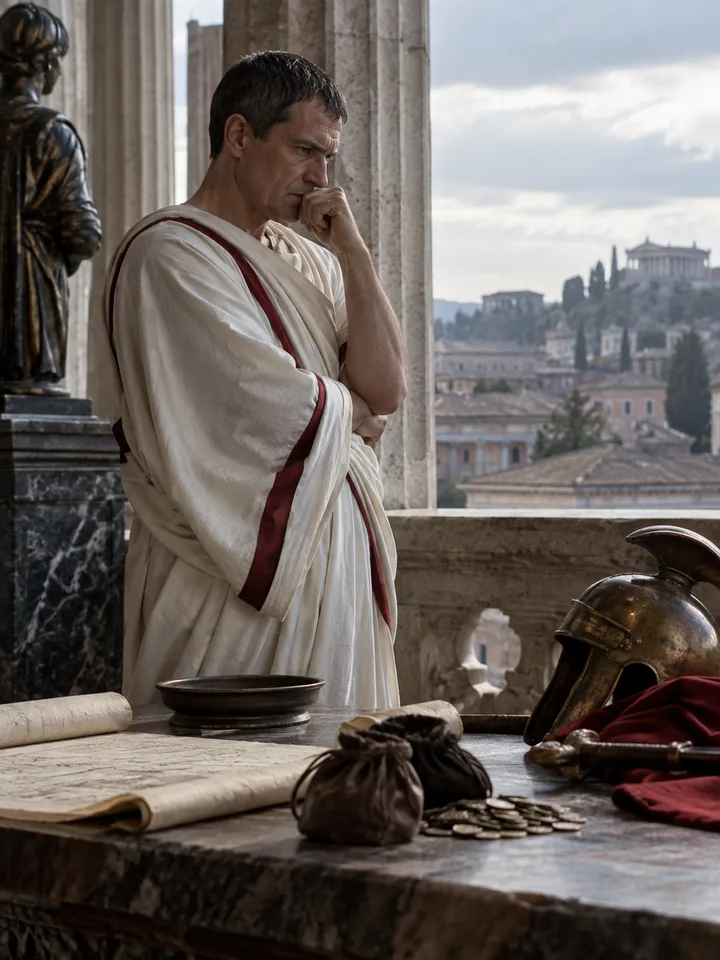
Photorealistic editorial illustration of Caesar in the Prokopton42.com Library CaesarPlutarch

Work

Caesar

Caesar observes character in action and tests moral rules against concrete situations.

What you will learn
Composition
late 1st to early 2nd century CE; internal order uncertain
Editions / translations
Dates to be documented
Languages
Ancient Greek · English · French
Extent
288 passages · 23,818 words
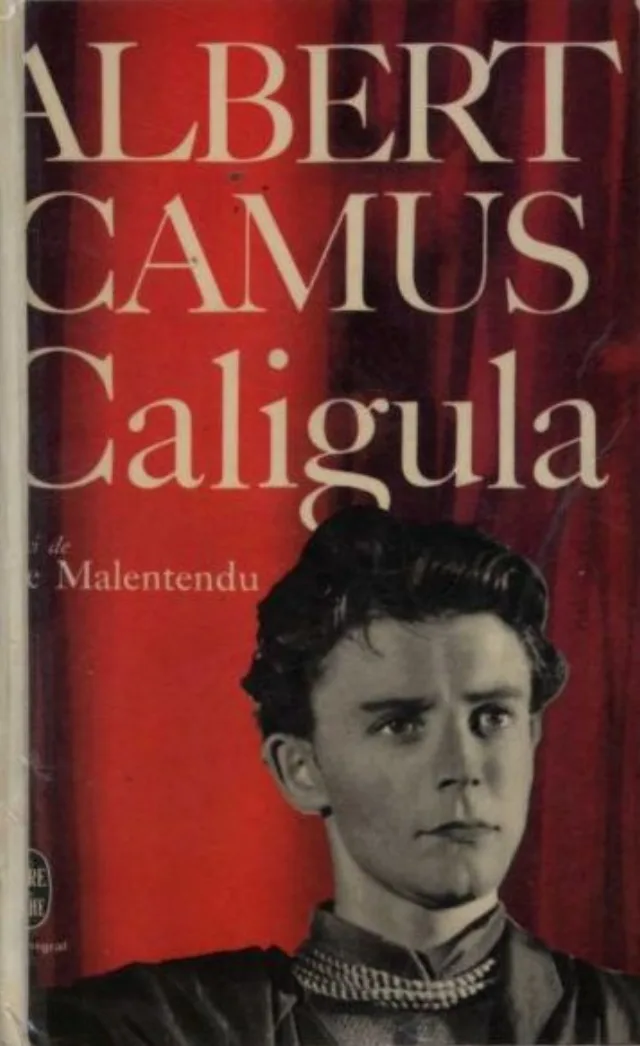
Photorealistic editorial illustration of Caligula in the Prokopton42.com Library CaligulaAlbert Camus

Work

Caligula

The play tests unlimited freedom after loss turns it into arbitrary and murderous power.

What you will learn
Composition
1944
Editions / translations
Dates to be documented
Languages
French · English
Extent
4 passages · 18,161 words
Photorealistic editorial illustration of Catilinarian Orations in the Prokopton42.com Library Catilinarian OrationsCicero

Work

Catilinarian Orations

Delivered during Catiline’s conspiracy, these four speeches accuse, mobilize, and justify the actions of the consul Cicero. They show eloquence turning a political threat into a public narrative of the Republic’s rescue.

What you will learn
Composition
63 BCE
Editions / translations
Dates to be documented
Languages
Latin · English · French
Extent
115 passages · 22,400 words
Photorealistic editorial illustration of Cato the Younger in the Prokopton42.com Library Cato the YoungerPlutarch

Work

Cato the Younger

Cato the Younger observes character in action and tests moral rules against concrete situations.

What you will learn
Composition
late 1st to early 2nd century CE; internal order uncertain
Editions / translations
Dates to be documented
Languages
Ancient Greek · English · French
Extent
318 passages · 25,464 words
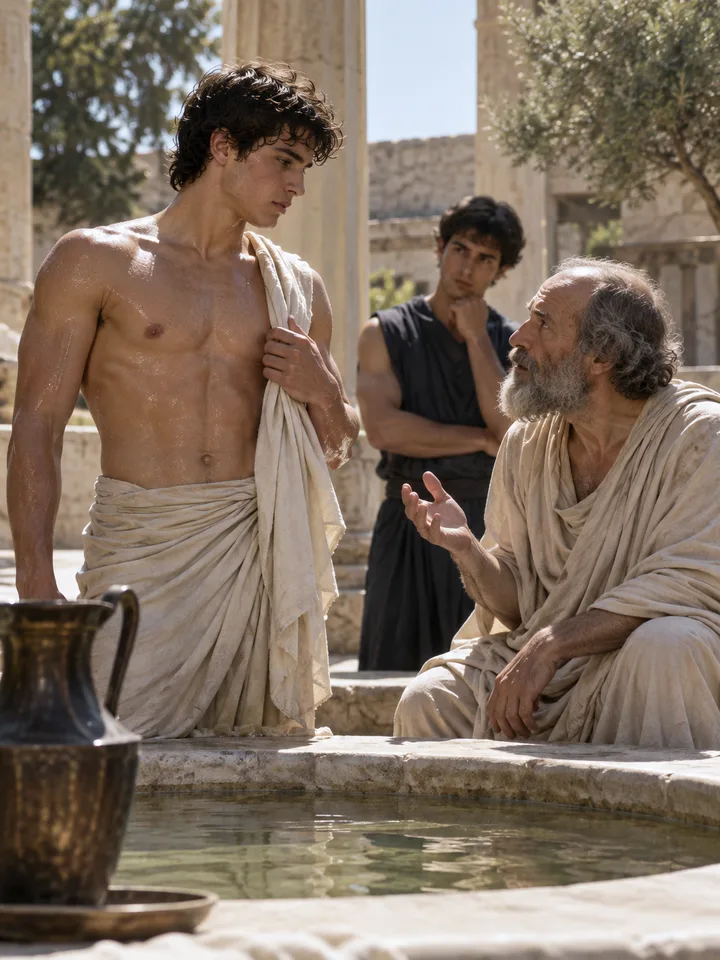
Photorealistic editorial illustration of Charmides in the Prokopton42.com Library CharmidesPlato

Work

Charmides

Returning from military service, Socrates meets Charmides and Critias and asks what temperance is. Quietness, modesty, doing one’s own work, and self-knowledge are proposed in turn and put to the test.

What you will learn
Composition
c. 399-380 BCE
Editions / translations
Dates to be documented
Languages
Ancient Greek · English · French
Extent
24 passages · 11,134 words
Photorealistic editorial illustration of Clitophon in the Prokopton42.com Library ClitophonPlato

Work

Clitophon

Clitophon praises the force of Socrates’ exhortations but faults him for not showing how to practise justice once desire for virtue has awakened. This very short dialogue turns praise into a challenge to Socratic pedagogy’s effectiveness.

What you will learn
Composition
4th century BCE; disputed attribution
Editions / translations
Dates to be documented
Languages
Ancient Greek · English · French
Extent
5 passages · 2,472 words
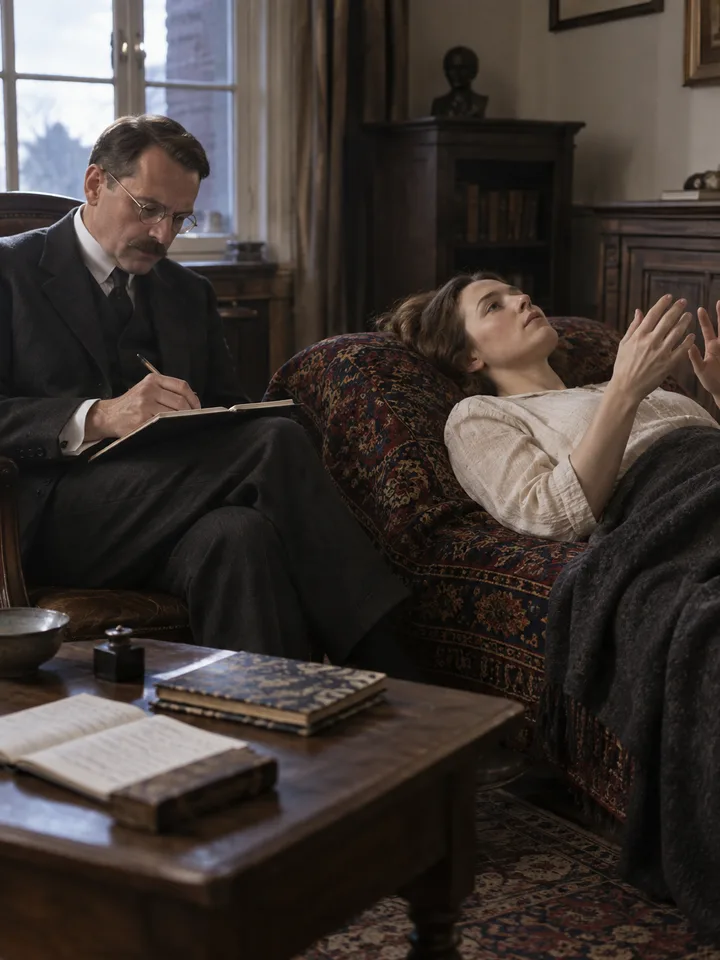
Photorealistic editorial illustration of Collected Papers on Analytical Psychology in the Prokopton42.com Library Collected Papers on Analytical PsychologyCarl Gustav Jung

Work

Collected Papers on Analytical Psychology

These essays by the early Jung trace the emergence of analytical psychology through word association, complexes, dreams, and the therapeutic relationship. Their collection shows a field in formation, still near Freud yet already developing its own distinctions.

What you will learn
Composition
collected papers, c. 1902-1916
Editions / translations
Dates to be documented
Languages
English · French
Extent
508 passages · 156,362 words
Photorealistic editorial illustration of Consolation to Helvia, His Mother in the Prokopton42.com Library Consolation to Helvia, His MotherSeneca

Work

Consolation to Helvia, His Mother

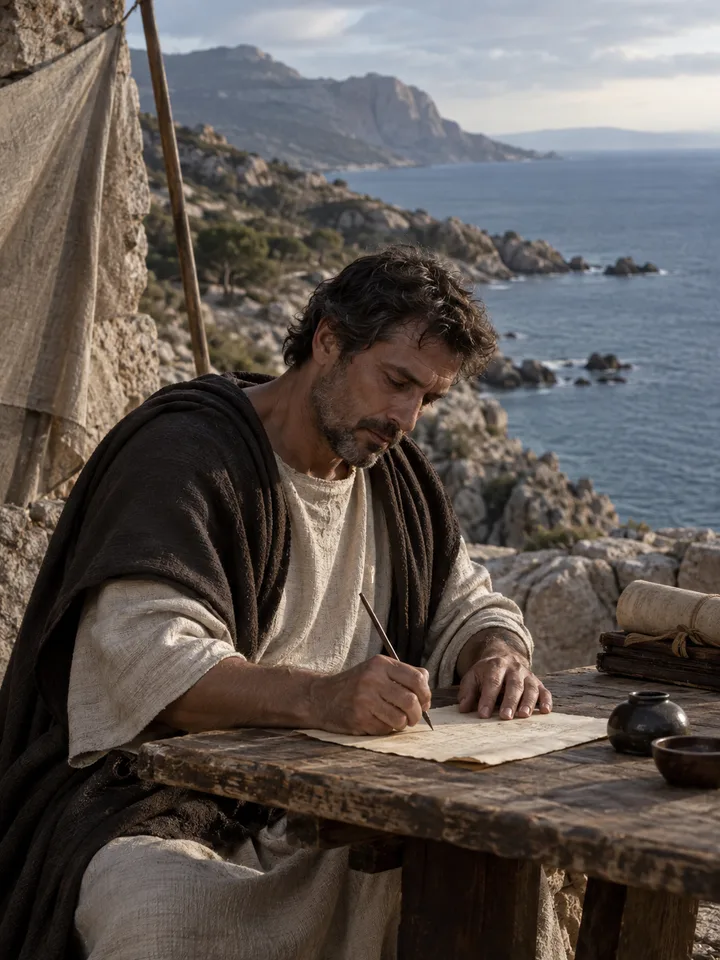
From exile in Corsica, Seneca consoles his mother Helvia for his absence. He turns displacement, loss of status, and family concern into an exercise in self-sufficiency, study, and the wise person’s belonging to the whole world.

What you will learn
Composition
c. 42-43 CE
Editions / translations
Dates to be documented
Languages
Latin · English · French
Extent
20 passages · 11,358 words
Photorealistic editorial illustration of Consolation to Marcia in the Prokopton42.com Library Consolation to MarciaSeneca

Work

Consolation to Marcia

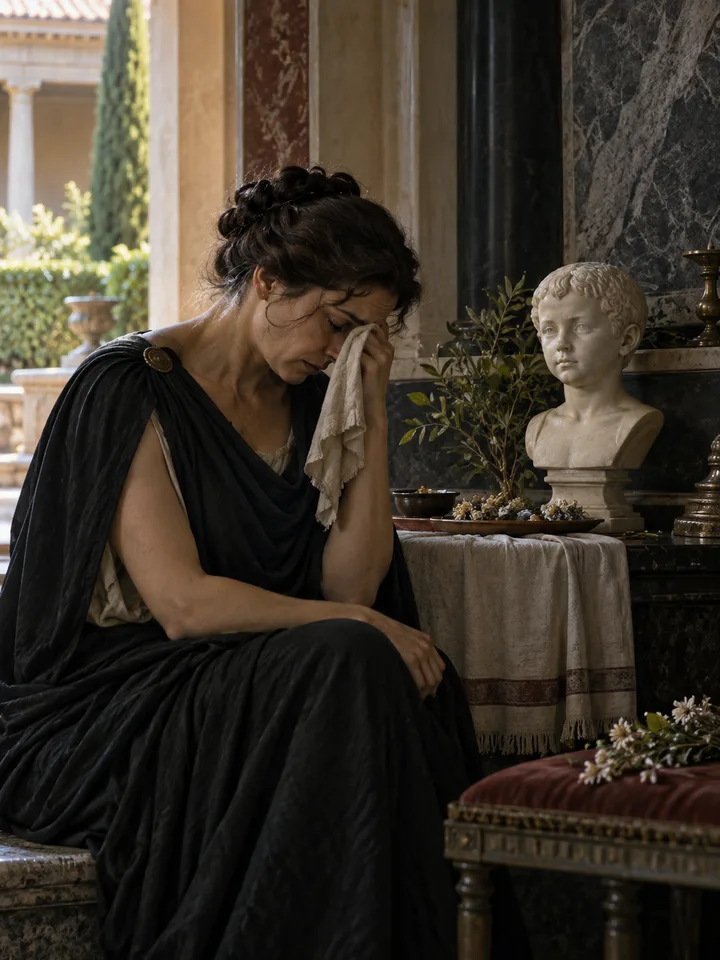
Seneca addresses Marcia, long overwhelmed by the death of her son. He contrasts models of mourning, recalls the vulnerability of every life, and seeks a memory that honours the dead without indefinitely sustaining the wound.

What you will learn
Composition
c. 39-40 CE
Editions / translations
Dates to be documented
Languages
Latin · English · French
Extent
26 passages · 14,991 words
Photorealistic editorial illustration of Consolation to Polybius in the Prokopton42.com Library Consolation to PolybiusSeneca

Work

Consolation to Polybius

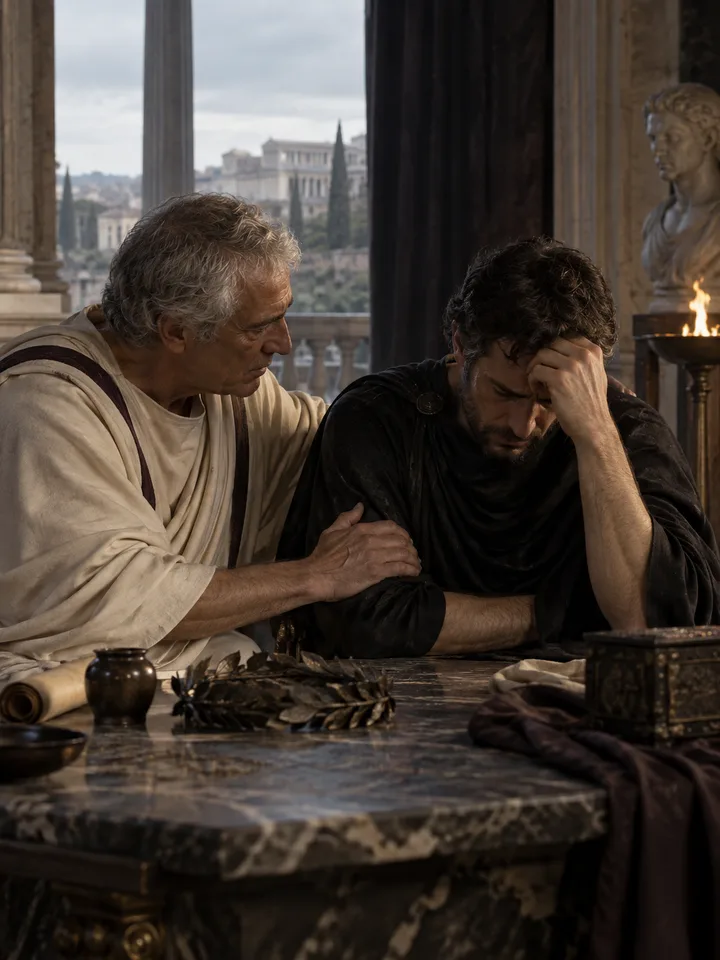
Seneca consoles Polybius after his brother’s death while indirectly seeking Emperor Claudius’ clemency. Reflection on grief and courtly praise mingle in a text where the exile also seeks conditions for his return.

What you will learn
Composition
c. 43-44 CE
Editions / translations
Dates to be documented
Languages
Latin · English · French
Extent
18 passages · 9,564 words
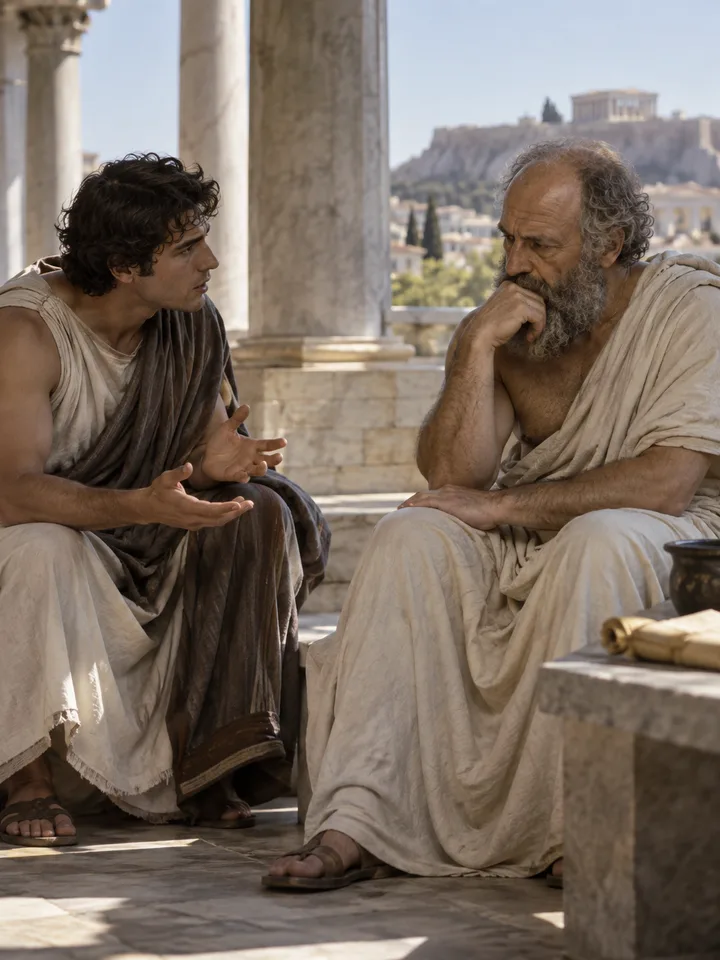
Photorealistic editorial illustration of Cratylus in the Prokopton42.com Library CratylusPlato

Work

Cratylus

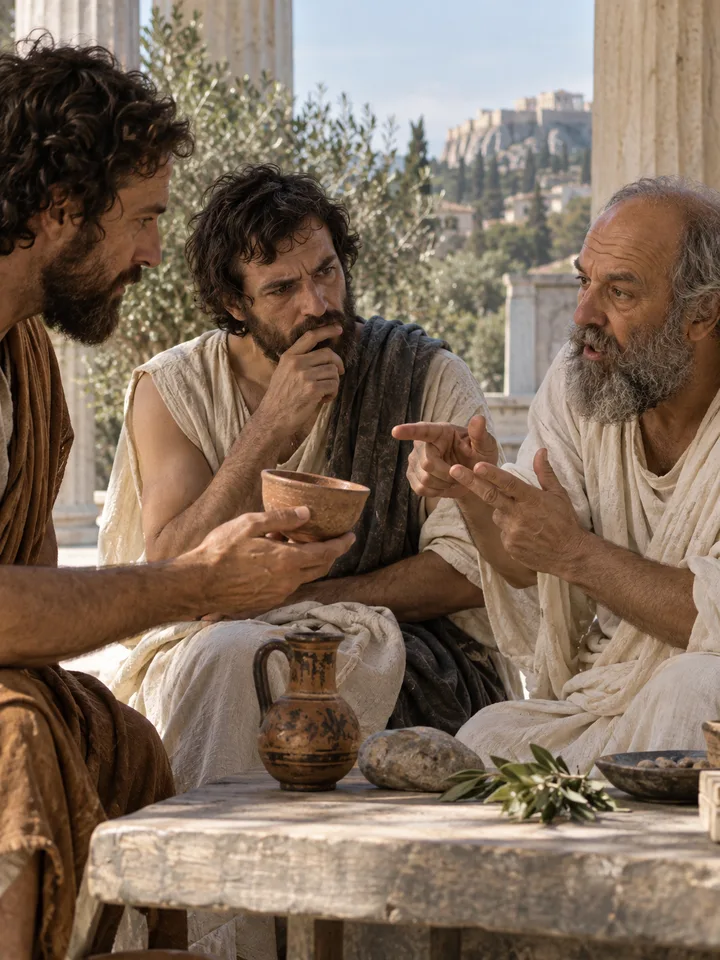
Hermogenes, Cratylus, and Socrates debate the correctness of names: does it arise from convention or natural fit with things? Proliferating etymologies eventually move inquiry from language toward knowledge of reality.

What you will learn
Composition
c. 390-360 BCE
Editions / translations
Dates to be documented
Languages
Ancient Greek · English · French
Extent
58 passages · 24,169 words
Photorealistic editorial illustration of Critias in the Prokopton42.com Library CritiasPlato

Work

Critias

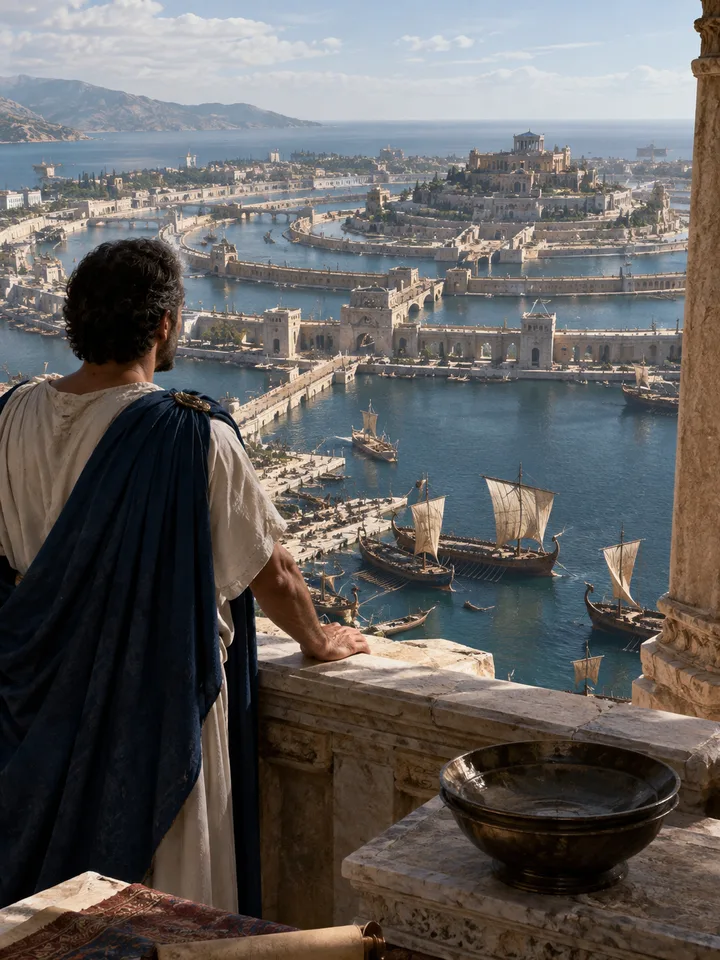
Critias tells of ancient Athens and Atlantis, an island power whose initial order decays into desire for domination. The narrative continues the Timaeus but breaks off before the announced war and provides no completed conclusion.

What you will learn
Composition
c. 360-347 BCE
Editions / translations
Dates to be documented
Languages
Ancient Greek · English · French
Extent
16 passages · 7,257 words

Before reading

What you will learn

Open the full record