Work
Answers to Objections Concerning the Christian Religion, by Elizabeth Carter
Elizabeth Carter answers a friend’s doubts after a close rereading of the Gospels. She defends Christianity’s credibility while freely stating the moral and textual difficulties that, in her view, require reasoned answers.
- Composition
- before 1806; published posthumously in 1807
Sources and precision
The range describes composition or formation of the text, distinct from the dates of the editions held.
Confidence D · disputed range
- Elizabeth Montagu Correspondence Online: Elizabeth Carter
- Prokopton42 corpus manifestation manifests
- Tradition
- Stoicism
- Period
- Modern era
- Languages
- English · French
- Extent
- 69 passages · 18,442 words
Before reading
What you will learn
Follow a defence of Christianity built objection by objection, distinguish limits of knowledge from contradiction, and observe the argumentative function of friendly address.
Short summary
Elizabeth Carter answers a friend’s doubts after a close rereading of the Gospels. She defends Christianity’s credibility while freely stating the moral and textual difficulties that, in her view, require reasoned answers.
Long summary
The text begins from concrete objections about revelation, the limits of human understanding, and several New Testament episodes. Carter denies that unanswered curiosity alone can refute a religion, then tests each difficulty against its context and the wider Christian narrative.
The work addresses a particular correspondent rather than an abstract opponent. Apology and personal examination remain connected: the author states her own uncertainties before arguing. This setting requires religious conviction, evidential reasoning, and care for the addressee to be distinguished.
Inside this work
The table of contents follows the divisions actually carried by the corpus.
Work › Unit
- Unit 1
- Unit 2
- Unit 3
- Unit 4
- Unit 5
- Unit 6
- Unit 7
- Unit 8
- Unit 9
- Unit 10
- Unit 11
- Unit 12
- Unit 13
- Unit 14
- Unit 15
- Unit 16
- Unit 17
- Unit 18
- Unit 19
- Unit 20
- Unit 21
- Unit 22
- Unit 23
- Unit 24
- Unit 25
- Unit 26
- Unit 27
- Unit 28
- Unit 29
- Unit 30
- Unit 31
- Unit 32
- Unit 33
- Unit 34
- Unit 35
- Unit 36
- Unit 37
- Unit 38
- Unit 39
- Unit 40
- Unit 41
- Unit 42
- Unit 43
- Unit 44
- Unit 45
- Unit 46
- Unit 47
- Unit 48
- Unit 49
- Unit 50
- Unit 51
- Unit 52
- Unit 53
- Unit 54
- Unit 55
- Unit 56
- Unit 57
- Unit 58
- Unit 59
- Unit 60
- Unit 61
- Unit 62
- Unit 63
- Unit 64
- Unit 65
- Unit 66
- Unit 67
- Unit 68
- Unit 69
Concepts covered
Historical context
The world around the text
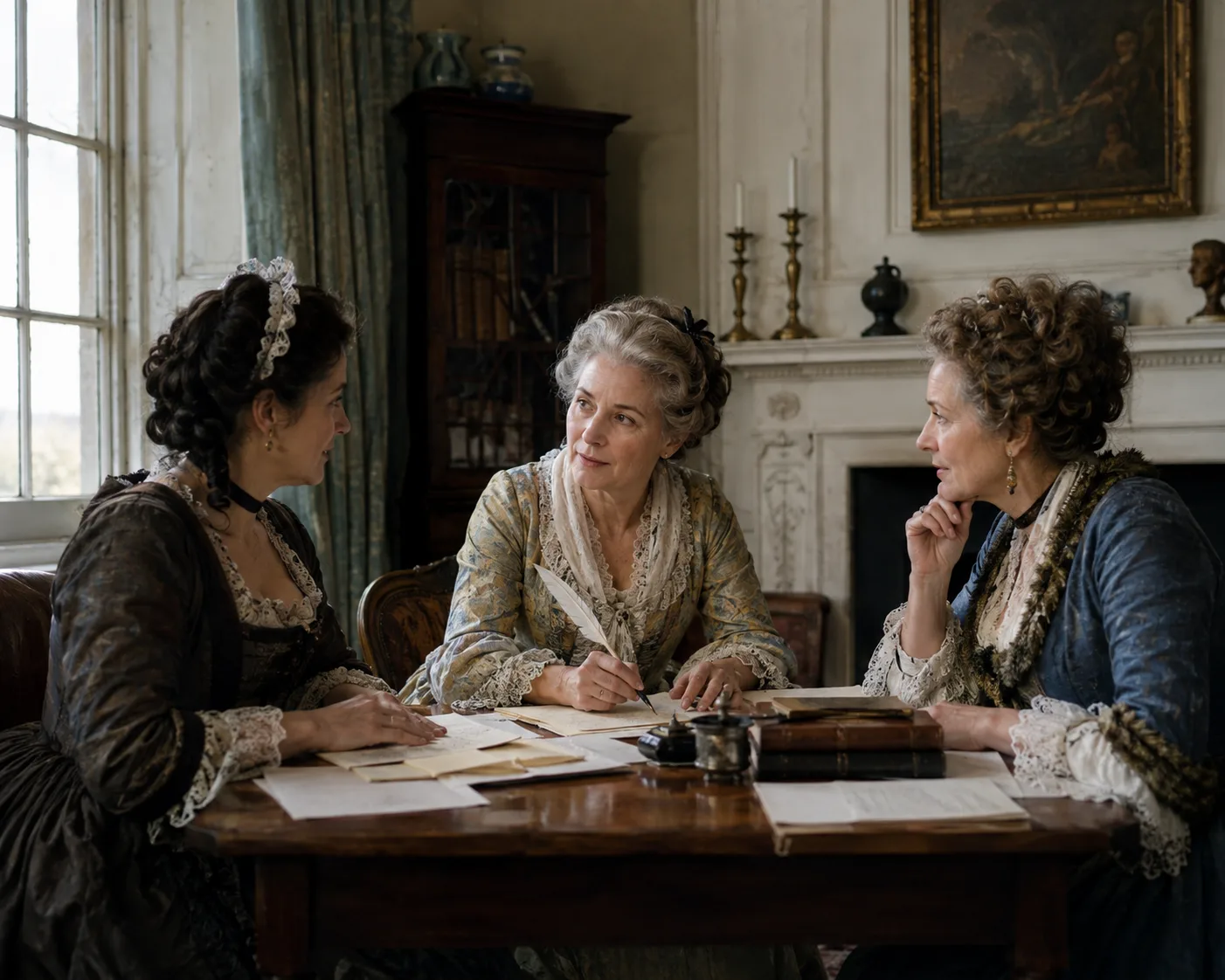
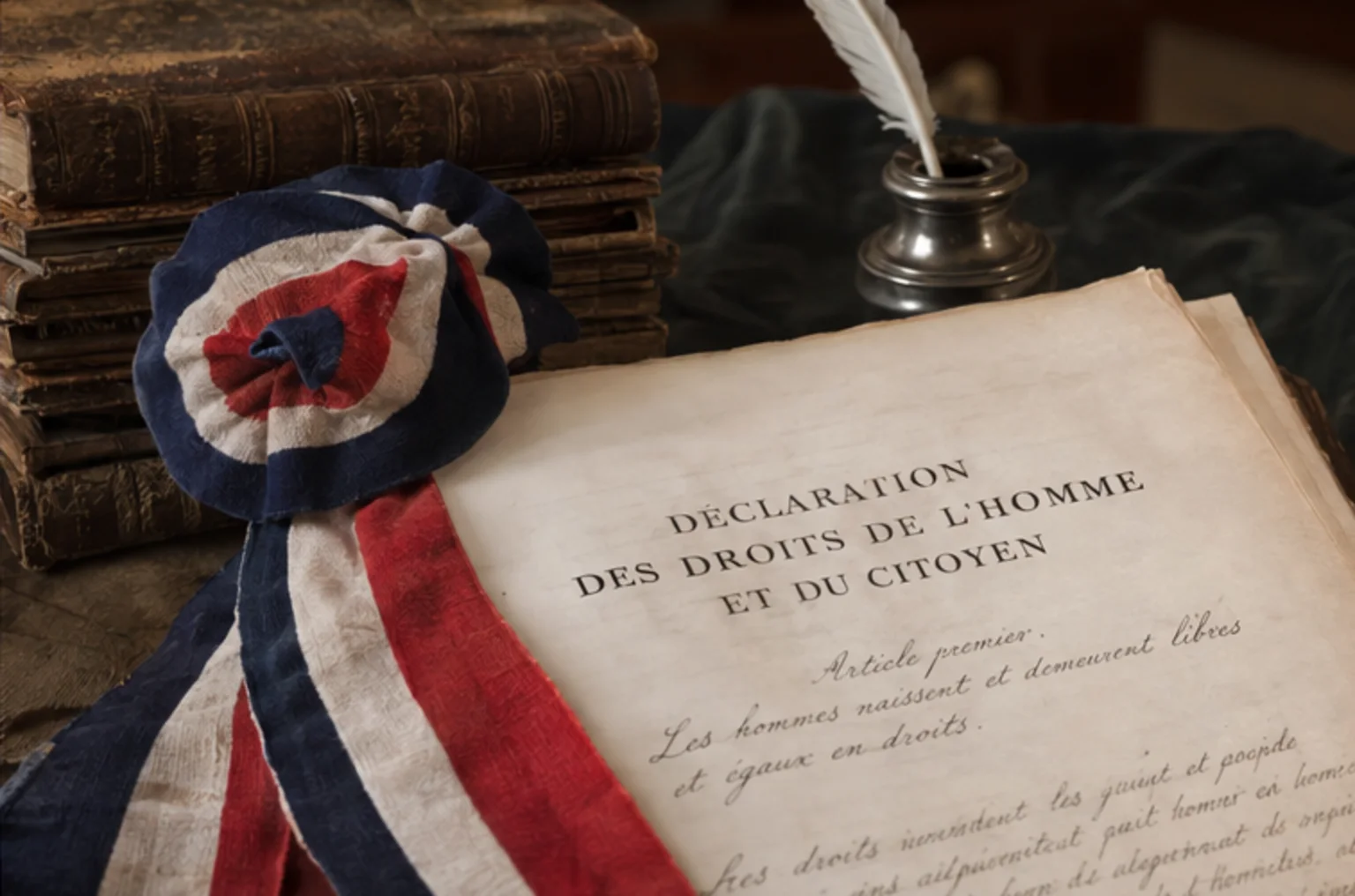
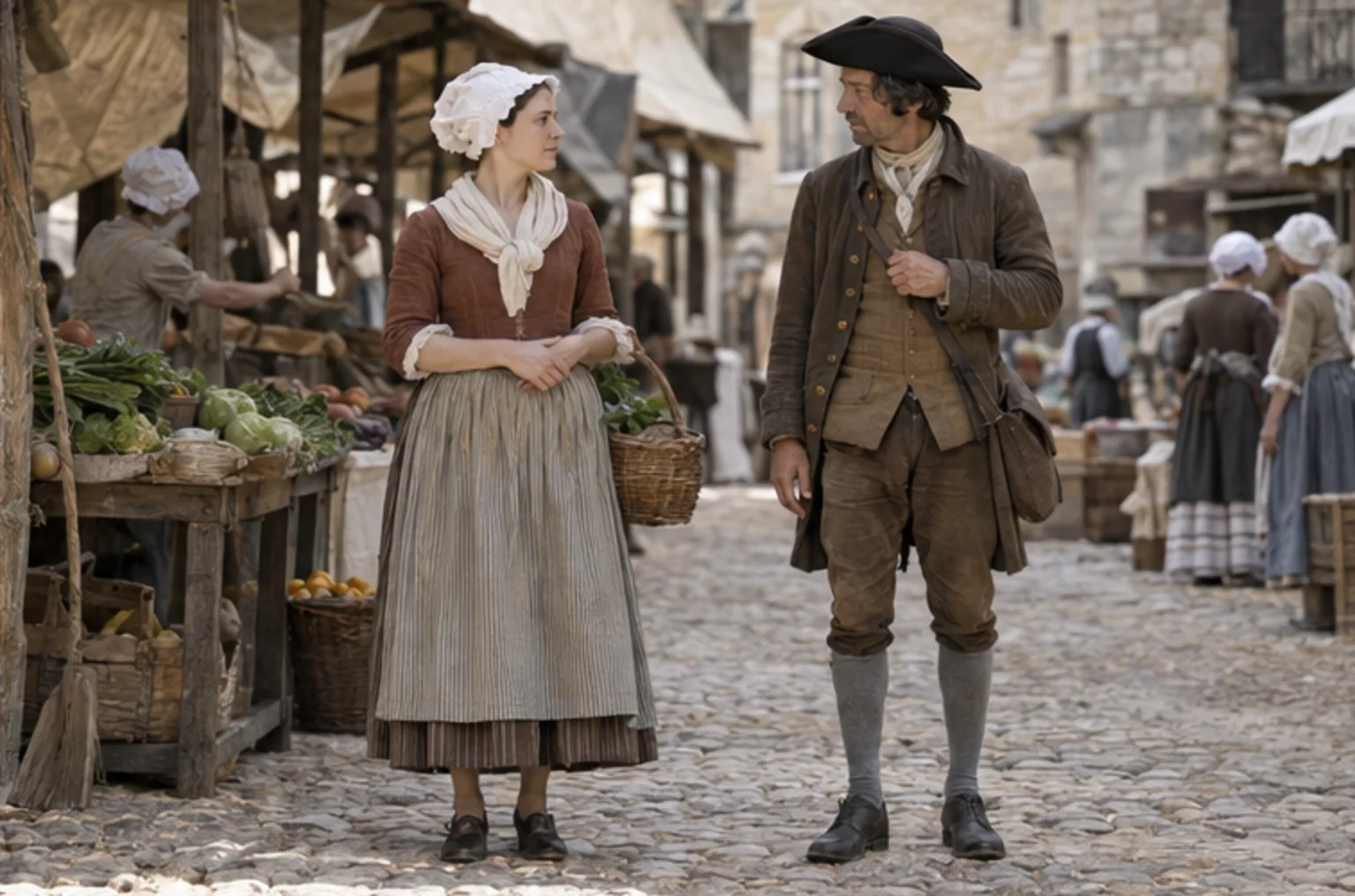
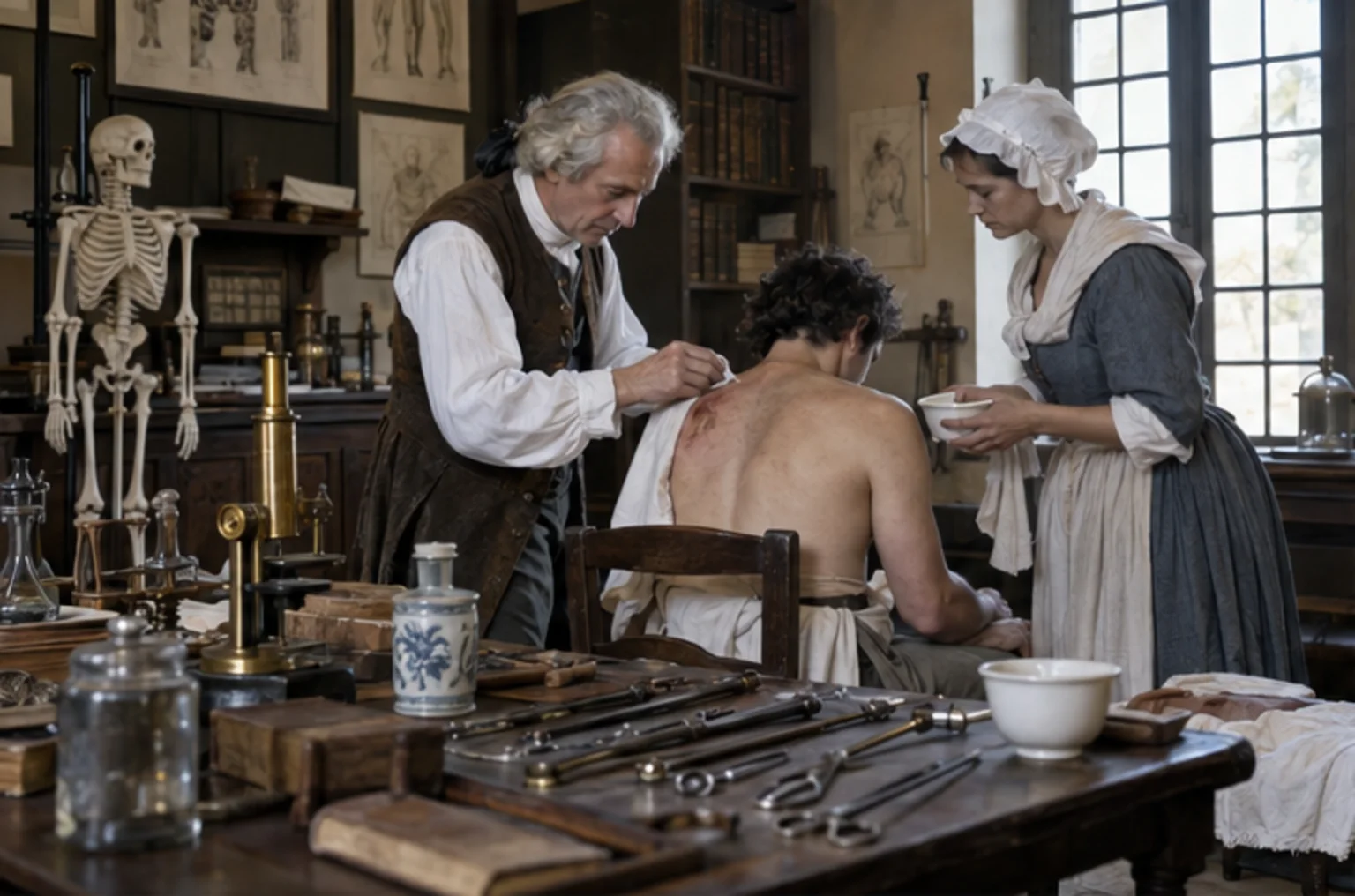
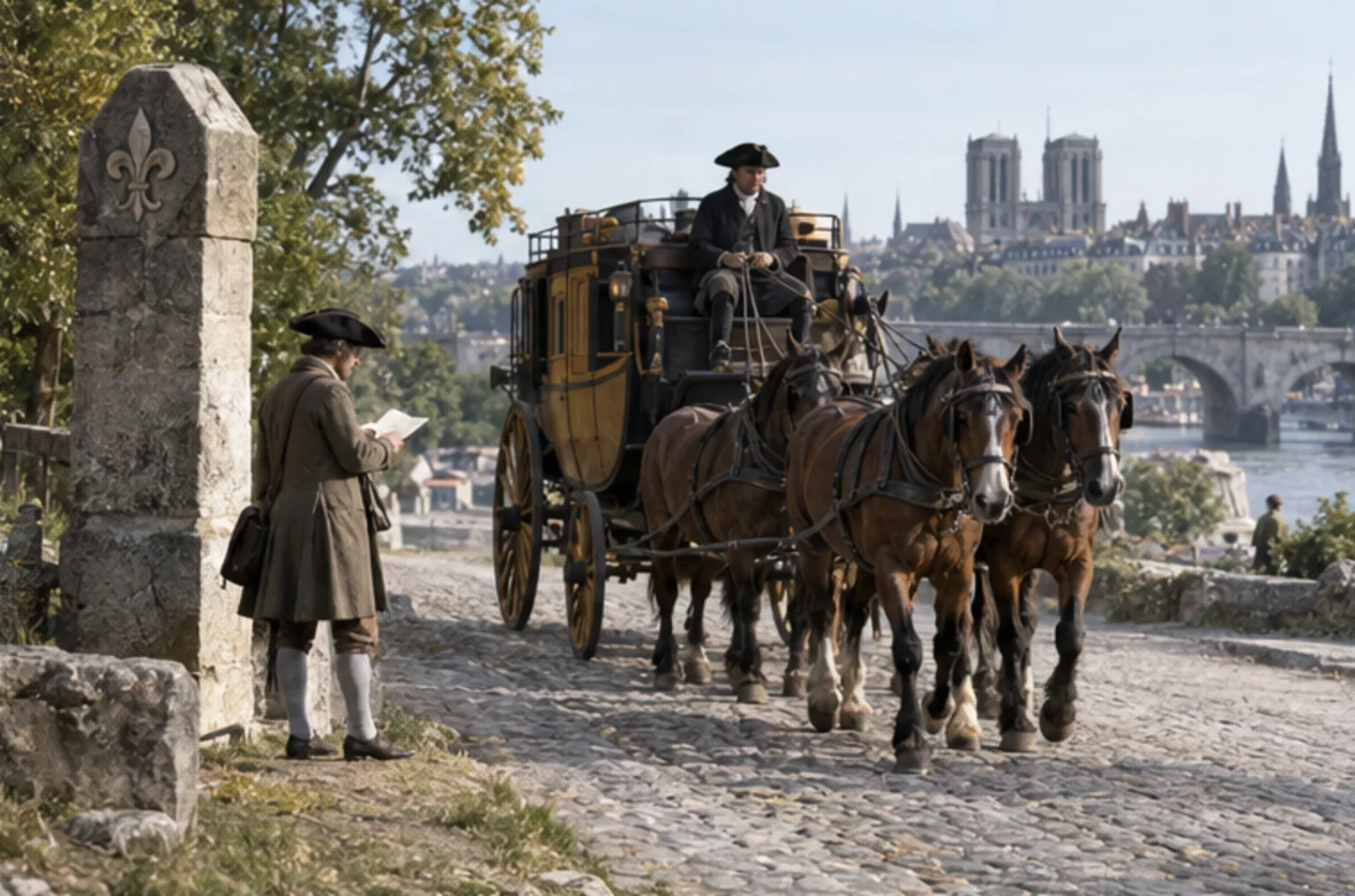
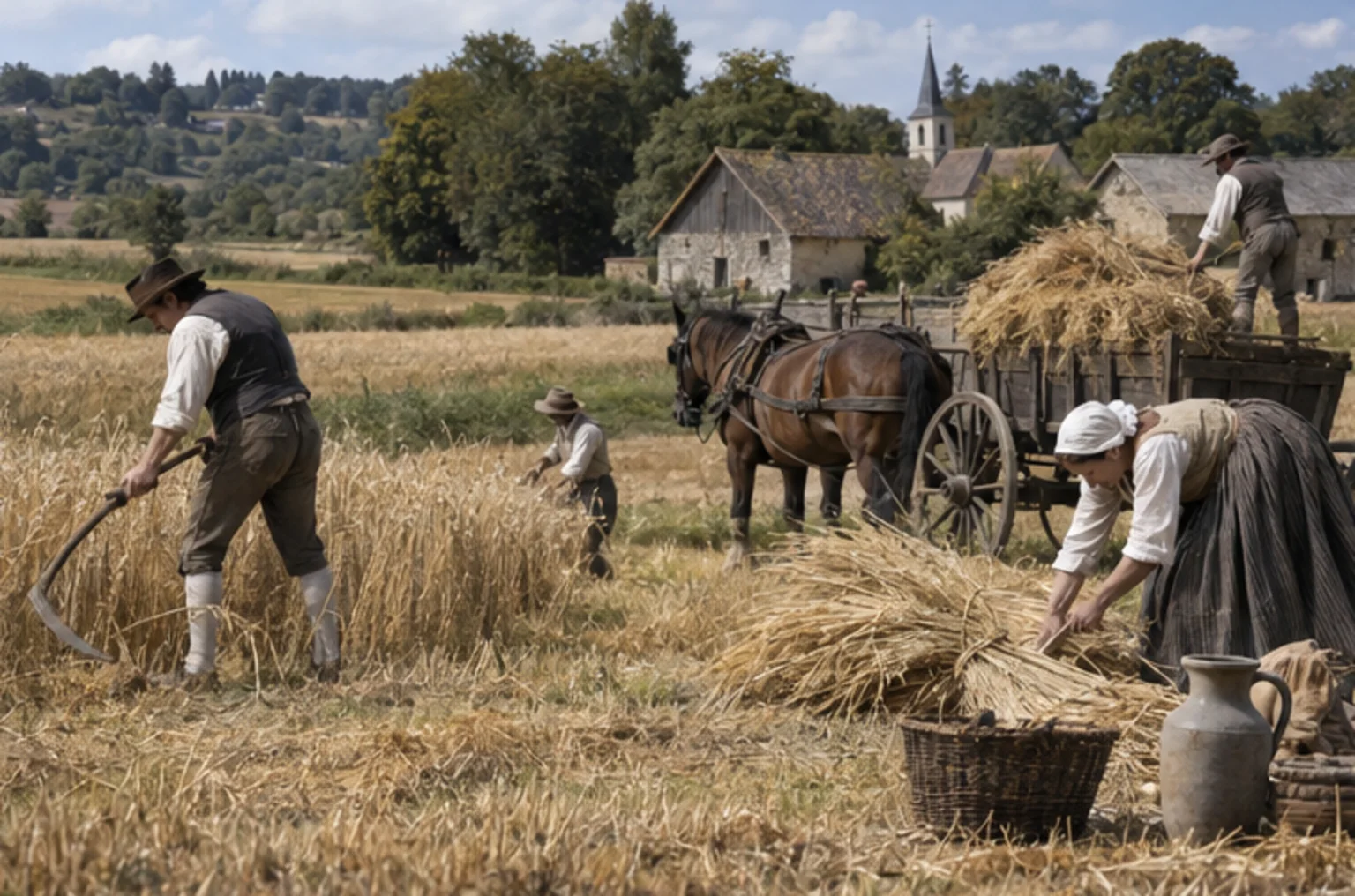
The corpus manifests do not yet establish the precise place and circumstances of composition. The images below document the author’s world or the text’s transmission. They do not claim to show the exact scene of writing.
These are modern reconstructions. They situate a documented place, practice, or transmission and are not period documents.
What the world looked like
18th-century Europe
- State of technology
- Printing presses, early steam engines, textile machinery, clockmaking, and metalwork begin an uneven mechanization.
- Science and knowledge
- Learned societies, collections, measurement, public experiments, and classification make science more collective and testable.
- Medicine and care
- Anatomy and clinical observation advance; variolation and then vaccination appear, but anaesthesia, antisepsis, and microbes are not yet mastered.
- Transport
- Walking, horses, stagecoaches, barges, and sailing ships. Roads and relays improve, but travel remains slow.
- Agriculture and food
- Rotations, animal breeding, drainage, and new foods raise some yields while much labour remains manual.
- Communication
- Newspapers, books, pamphlets, salons, and post move ideas at a new speed measured in days or weeks.
- Clothing and fashion
- Coats, waistcoats, and breeches dress prosperous men; bodices, skirts, and gowns structure women’s fashion. Working people wear simpler, repeatedly repaired forms.
Editions, translations, and provenance
The following carriers represent the text. They do not create new passage identities.
- Englishoriginal
- French AI-generated translation, non-officialCodex gpt-5.6-sol · Non-official working translation · 2026-09-11
Source manifests: elizabeth_carter.answers_to_objections
Reader
Read page by page
Answers to Objections Concerning the Christian Religion, by Elizabeth CarterElizabeth Carter