Work
SVF I: Cleanthes
This von Arnim section gathers ancient witnesses to Cleanthes without turning them into a continuous book.
- Composition
- 3rd century BCE; fragments and testimonia transmitted later
Sources and precision
The position locates claims attributed to Cleanthes. Von Arnim’s collection dates from 1905; each witness has its own date.
Confidence D · disputed range
- Tradition
- Stoicism
- Period
- Antiquity
- Languages
- Ancient Greek · English · French
- Extent
- 36 passages · 16,537 words
Before reading
What you will learn
Compare von Arnim's ordering with Pearson's division, recover each claim's carrier, then test agreement among order, judgment, and action.
Short summary
This von Arnim section gathers ancient witnesses to Cleanthes without turning them into a continuous book.
Long summary
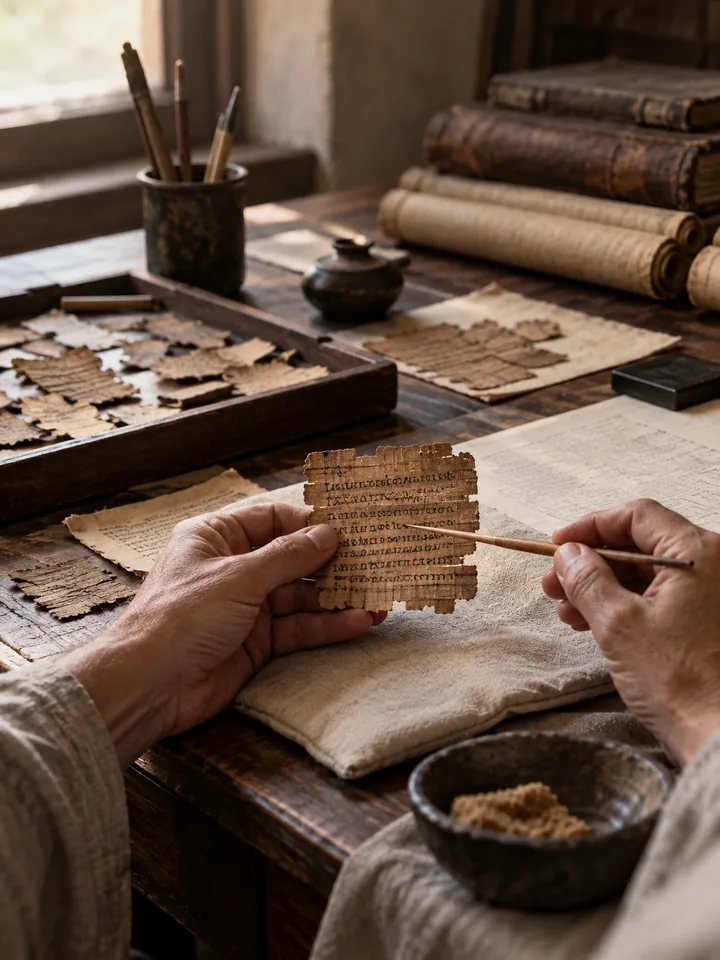
Cleanthes’ prose books are lost. These von Arnim pages mix Greek or Latin quotations, paraphrases, testimony, objections, and modern apparatus.
The canonical unit remains the SVF I page, retaining its own carriers and editorial composition. OCR and labeled AI translations support controlled paraphrase; verbatim quotation still requires facsimile collation.
Inside this work
The table of contents follows the divisions actually carried by the corpus.
Work › Scan page
- Page scan-153
- Page scan-154
- Page scan-155
- Page scan-156
- Page scan-157
- Page scan-158
- Page scan-159
- Page scan-160
- Page scan-161
- Page scan-162
- Page scan-163
- Page scan-164
- Page scan-165
- Page scan-166
- Page scan-167
- Page scan-168
- Page scan-169
- Page scan-170
- Page scan-171
- Page scan-172
- Page scan-173
- Page scan-174
- Page scan-175
- Page scan-176
- Page scan-177
- Page scan-178
- Page scan-179
- Page scan-180
- Page scan-181
- Page scan-182
- Page scan-183
- Page scan-184
- Page scan-185
- Page scan-186
- Page scan-187
- Page scan-188
Concepts covered
Historical context
The world around the text
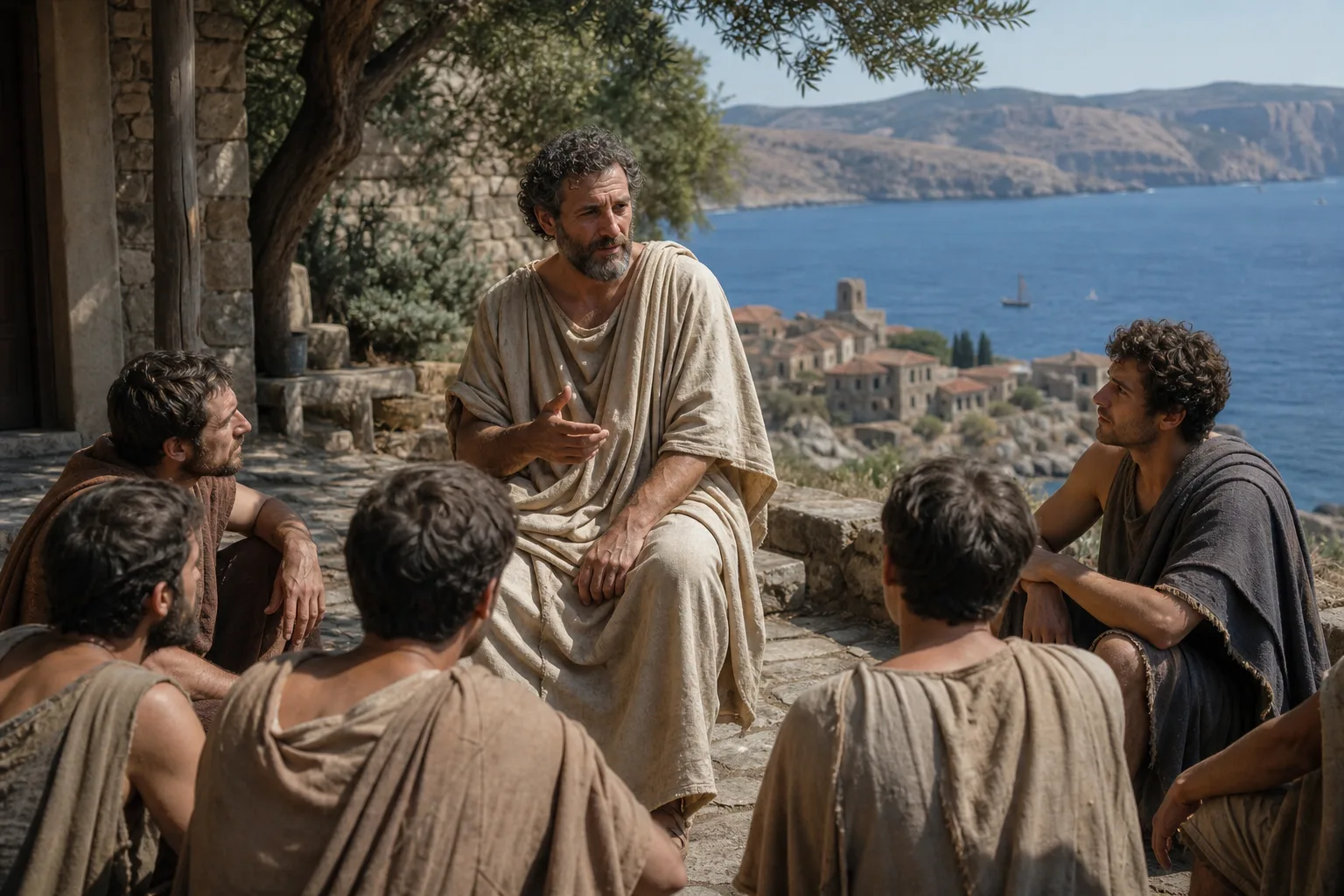
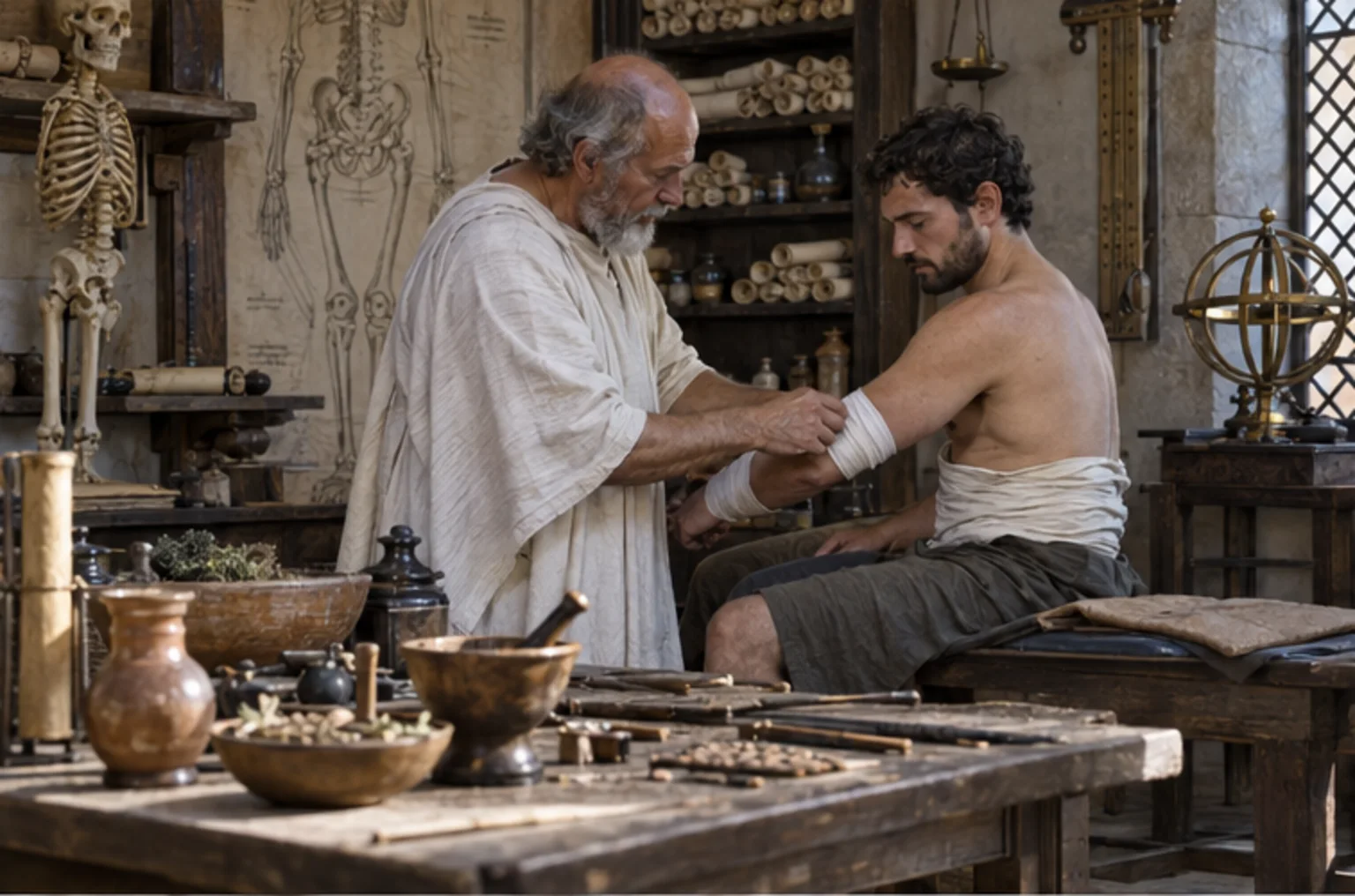
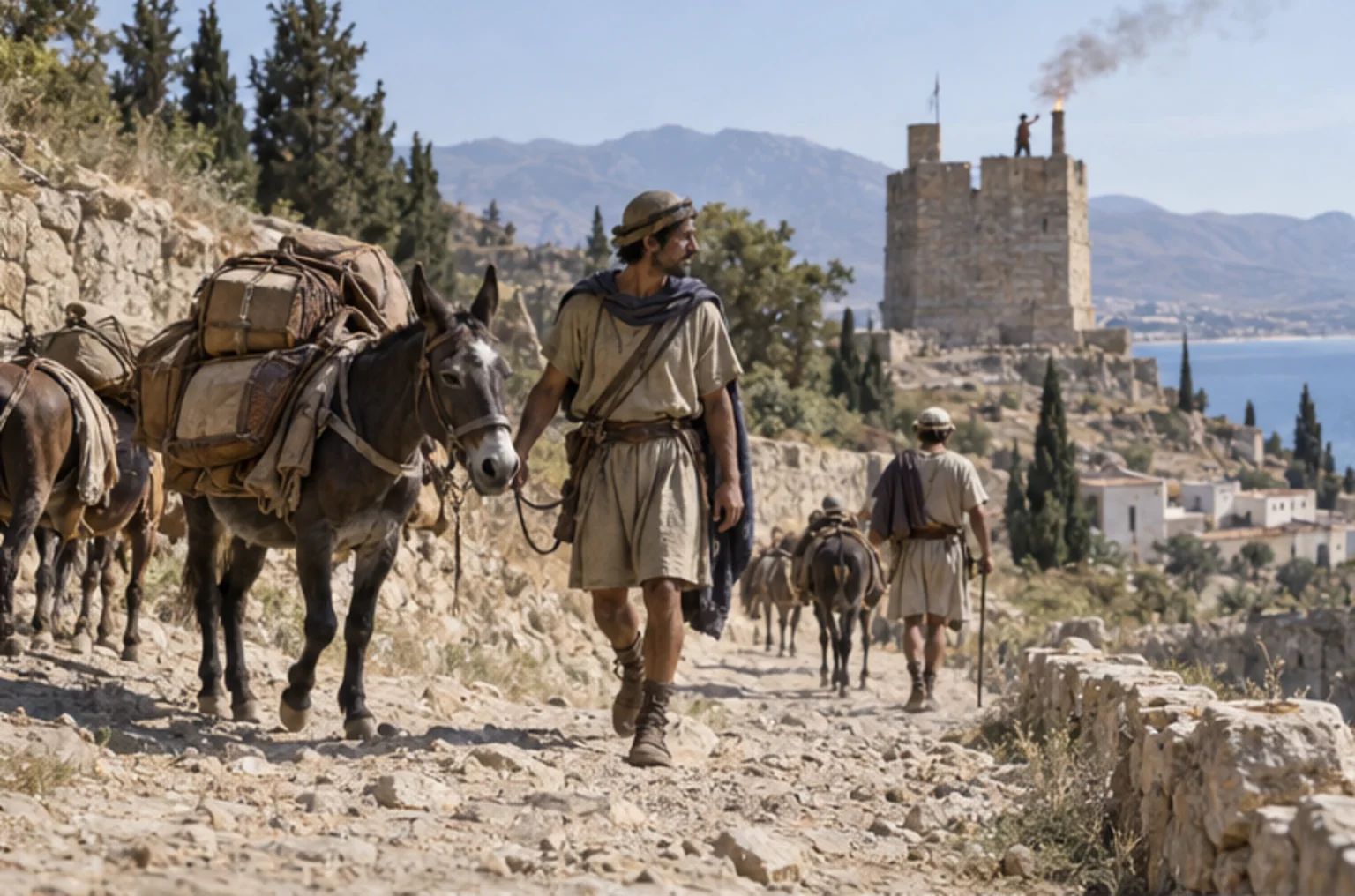
The corpus manifests do not yet establish the precise place and circumstances of composition. The images below document the author’s world or the text’s transmission. They do not claim to show the exact scene of writing.
These are modern reconstructions. They situate a documented place, practice, or transmission and are not period documents.
What the world looked like
World of 1989
- State of technology
- Personal computers, satellites, video, industrial robots, and expensive mobile phones exist, but the public Web does not yet.
- Science and knowledge
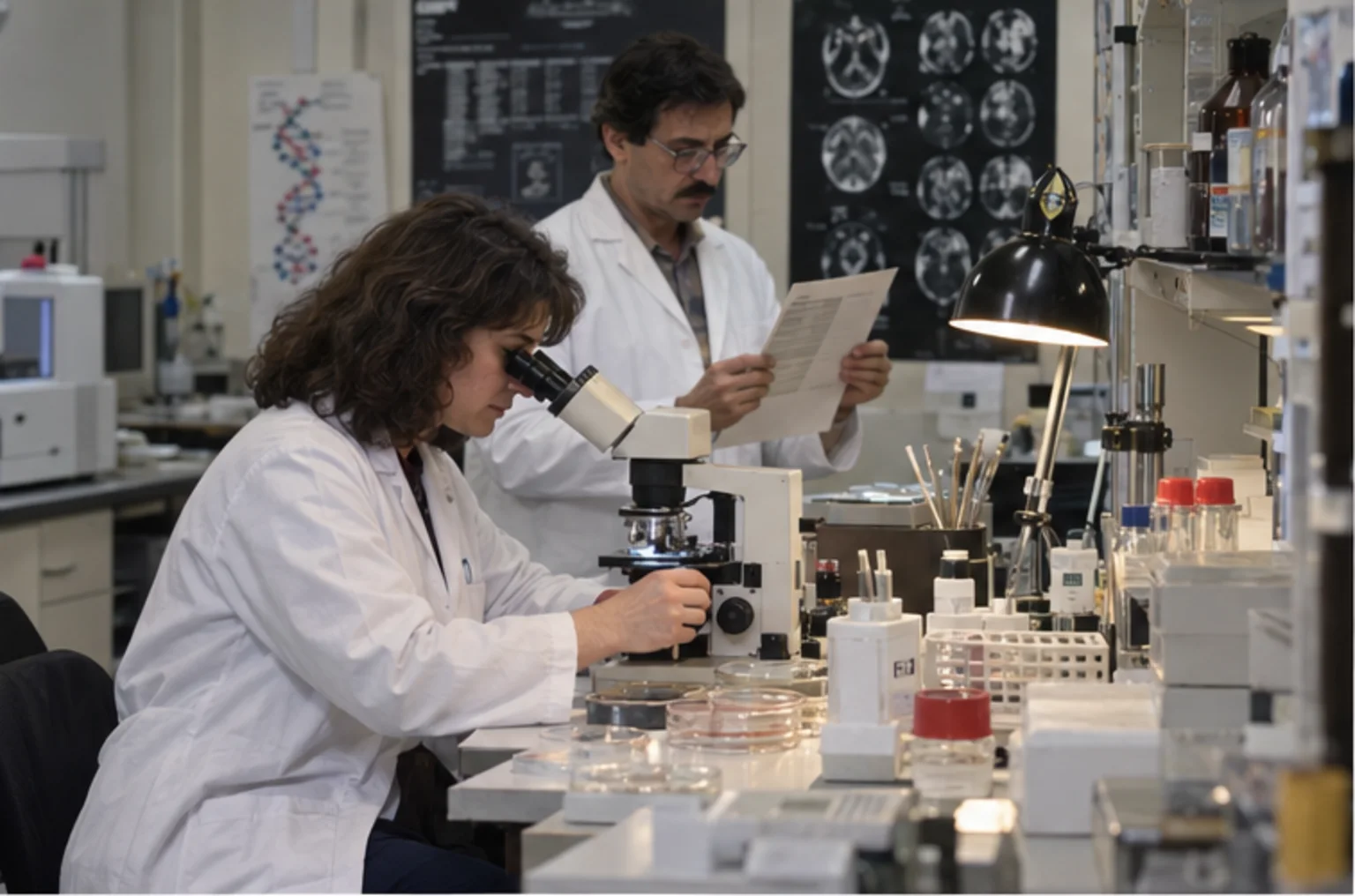
- Computing, genetics, climate science, cosmology, and medical imaging produce growing data and international collaboration.
- Medicine and care
- CT, MRI, transplantation, vaccines, and intensive care advance; the AIDS epidemic exposes both medical capacity and its limits.
- Transport
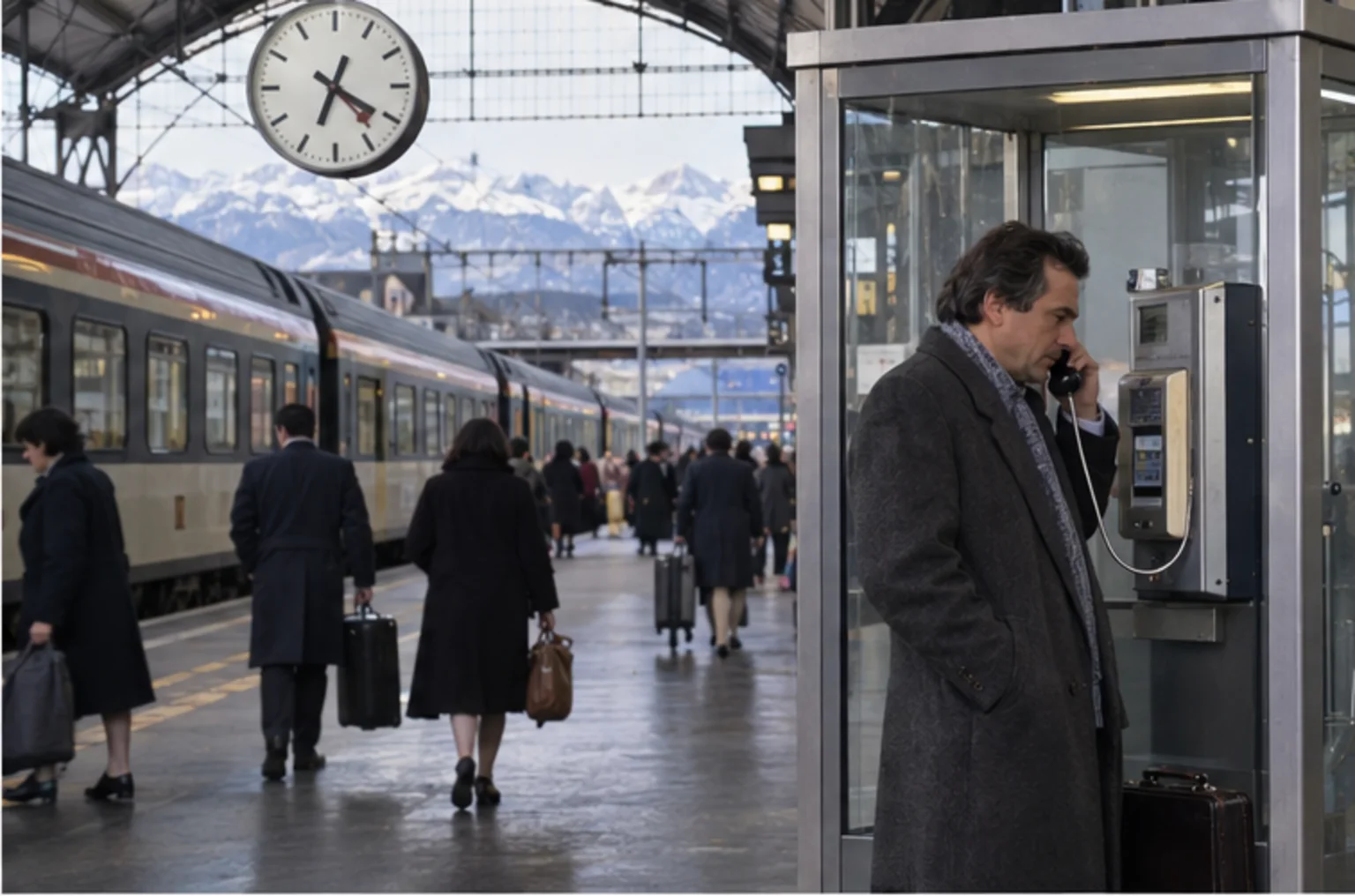
- Cars, high-speed rail, metros, aircraft, and containers globalize people and goods.
- Agriculture and food
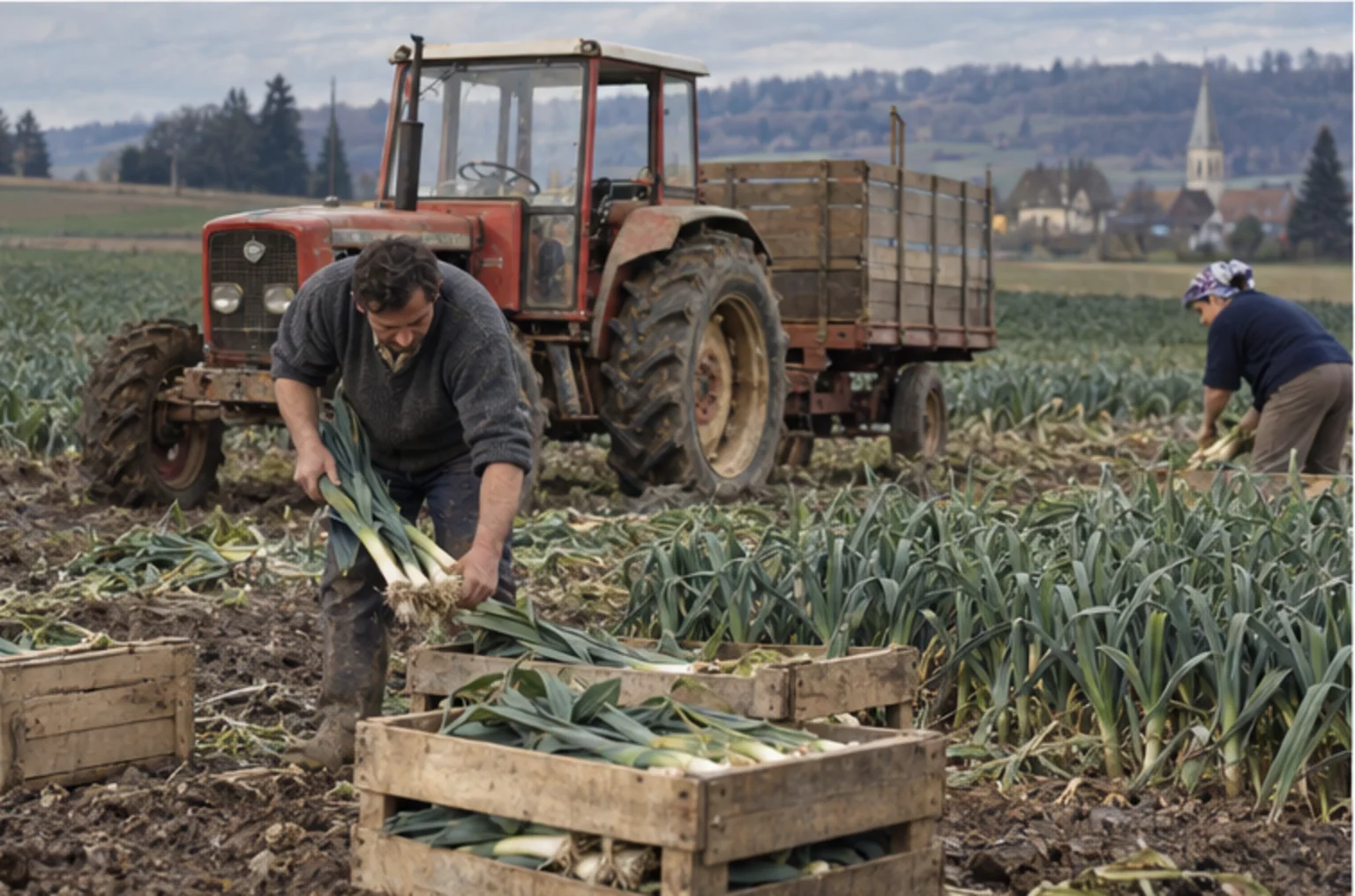
- Machinery, chemical inputs, breeding, and cold chains support high yields with increasingly debated social and environmental costs.
- Communication
- Fixed telephones, fax, television, radio, and newspapers predominate. Email and computer networks remain mainly professional or academic.
- Clothing and fashion
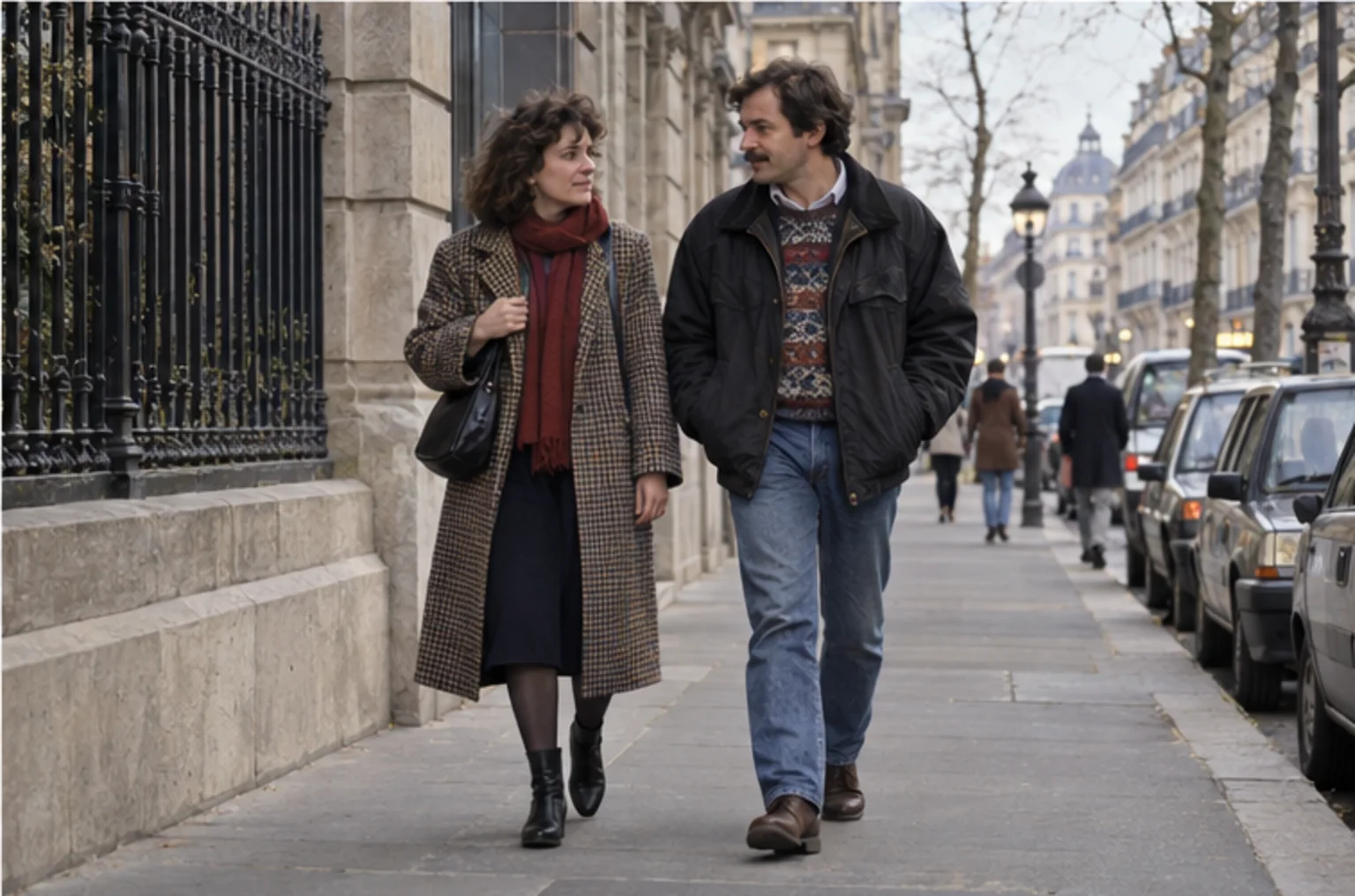
- Loose suits, jeans, trainers, women’s power suits, sportswear, and urban subcultures create highly varied silhouettes.
Editions, translations, and provenance
The following carriers represent the text. They do not create new passage identities.
- Ancient Greekcritical_fragment_carrier_greek_latin_ocr
- English AI-generated translation, non-officialCodex gpt-5.6-sol · Non-official working translation · 2026-09-14
- French AI-generated translation, non-officialCodex gpt-5.6-sol · Non-official working translation · 2026-09-14
Source manifests: cleanthes.svf_1
Reader
Read page by page
SVF I: CleanthesCleanthes