Work
The World As I See It
This compilation of essays, speeches, and letters presents Einstein on science, education, religion, pacifism, Jewish identity, and public responsibility. It reveals an intellectual orientation without forming a continuous treatise or private diary.
- Composition
- essays from the 1920s-1930s; collection published in 1934
Sources and precision
The range describes composition or formation of the text, distinct from the dates of the editions held.
Confidence A · direct evidence
- Prokopton42 corpus manifestation manifests
- Tradition
- Science and scientific thought
- Period
- Contemporary era
- Languages
- English · French
- Extent
- 169 passages · 53,809 words
Before reading
What you will learn
Distinguish the collection’s genres, trace the connection between science and civic responsibility, and contextualize changes in Einstein’s political thought.
Short summary
This compilation of essays, speeches, and letters presents Einstein on science, education, religion, pacifism, Jewish identity, and public responsibility. It reveals an intellectual orientation without forming a continuous treatise or private diary.
Long summary
The texts move from portraits of scientists to positions on nationalism, war, academic freedom, and the value of research. Einstein often connects independence of judgement with responsibility toward a humanity wider than the state.
The collection joins different occasions and dates. Formulations change with audience and political context and should be read as situated interventions. Unity comes from recurring concerns rather than an architecture designed in advance by the author.
Inside this work
The table of contents follows the divisions actually carried by the corpus.
Work › Section
- Section section-0001
- Section section-0002
- Section section-0003
- Section section-0004
- Section section-0005
- Section section-0006
- Section section-0007
- Section section-0008
- Section section-0009
- Section section-0010
- Section section-0011
- Section section-0012
- Section section-0013
- Section section-0014
- Section section-0015
- Section section-0016
- Section section-0017
- Section section-0018
- Section section-0019
- Section section-0020
- Section section-0021
- Section section-0022
- Section section-0023
- Section section-0024
- Section section-0025
- Section section-0026
- Section section-0027
- Section section-0028
- Section section-0029
- Section section-0030
- Section section-0031
- Section section-0032
- Section section-0033
- Section section-0034
- Section section-0035
- Section section-0036
- Section section-0037
- Section section-0038
- Section section-0039
- Section section-0040
- Section section-0041
- Section section-0042
- Section section-0043
- Section section-0044
- Section section-0045
- Section section-0046
- Section section-0047
- Section section-0048
- Section section-0049
- Section section-0050
- Section section-0051
- Section section-0052
- Section section-0053
- Section section-0054
- Section section-0055
- Section section-0056
- Section section-0057
- Section section-0058
- Section section-0059
- Section section-0060
- Section section-0061
- Section section-0062
- Section section-0063
- Section section-0064
- Section section-0065
- Section section-0066
- Section section-0067
- Section section-0068
- Section section-0069
- Section section-0070
- Section section-0071
- Section section-0072
- Section section-0073
- Section section-0074
- Section section-0075
- Section section-0076
- Section section-0077
- Section section-0078
- Section section-0079
- Section section-0080
- Section section-0081
- Section section-0082
- Section section-0083
- Section section-0084
- Section section-0085
- Section section-0086
- Section section-0087
- Section section-0088
- Section section-0089
- Section section-0090
- Section section-0091
- Section section-0092
- Section section-0093
- Section section-0094
- Section section-0095
- Section section-0096
- Section section-0097
- Section section-0098
- Section section-0099
- Section section-0100
- Section section-0101
- Section section-0102
- Section section-0103
- Section section-0104
- Section section-0105
- Section section-0106
- Section section-0107
- Section section-0108
- Section section-0109
- Section section-0110
- Section section-0111
- Section section-0112
- Section section-0113
- Section section-0114
- Section section-0115
- Section section-0116
- Section section-0117
- Section section-0118
- Section section-0119
- Section section-0120
- Section section-0121
- Section section-0122
- Section section-0123
- Section section-0124
- Section section-0125
- Section section-0126
- Section section-0127
- Section section-0128
- Section section-0129
- Section section-0130
- Section section-0131
- Section section-0132
- Section section-0133
- Section section-0134
- Section section-0135
- Section section-0136
- Section section-0137
- Section section-0138
- Section section-0139
- Section section-0140
- Section section-0141
- Section section-0142
- Section section-0143
- Section section-0144
- Section section-0145
- Section section-0146
- Section section-0147
- Section section-0148
- Section section-0149
- Section section-0150
- Section section-0151
- Section section-0152
- Section section-0153
- Section section-0154
- Section section-0155
- Section section-0156
- Section section-0157
- Section section-0158
- Section section-0159
- Section section-0160
- Section section-0161
- Section section-0162
- Section section-0163
- Section section-0164
- Section section-0165
- Section section-0166
- Section section-0167
- Section section-0168
- Section section-0169
Concepts covered
Historical context
The world around the text
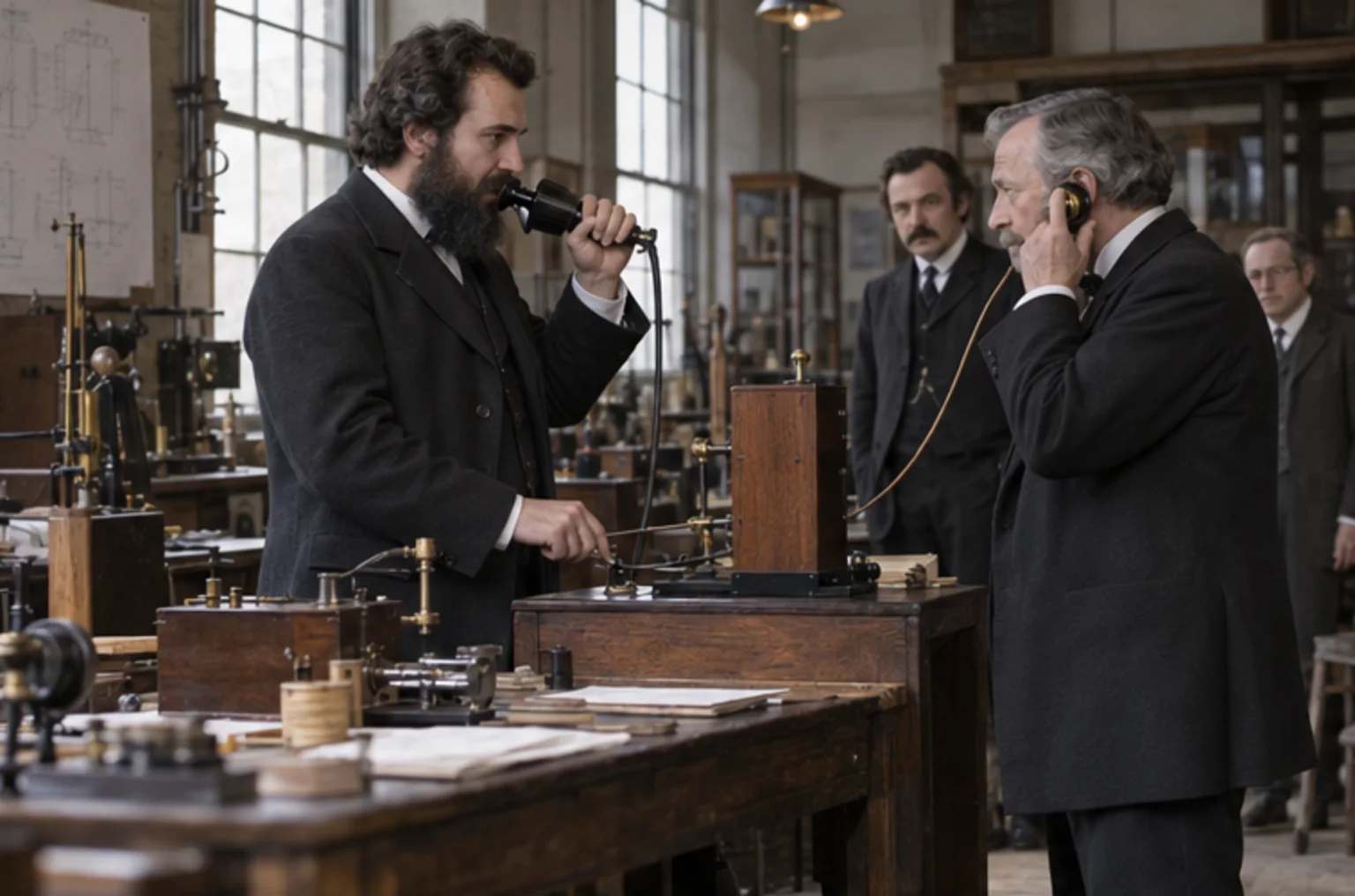
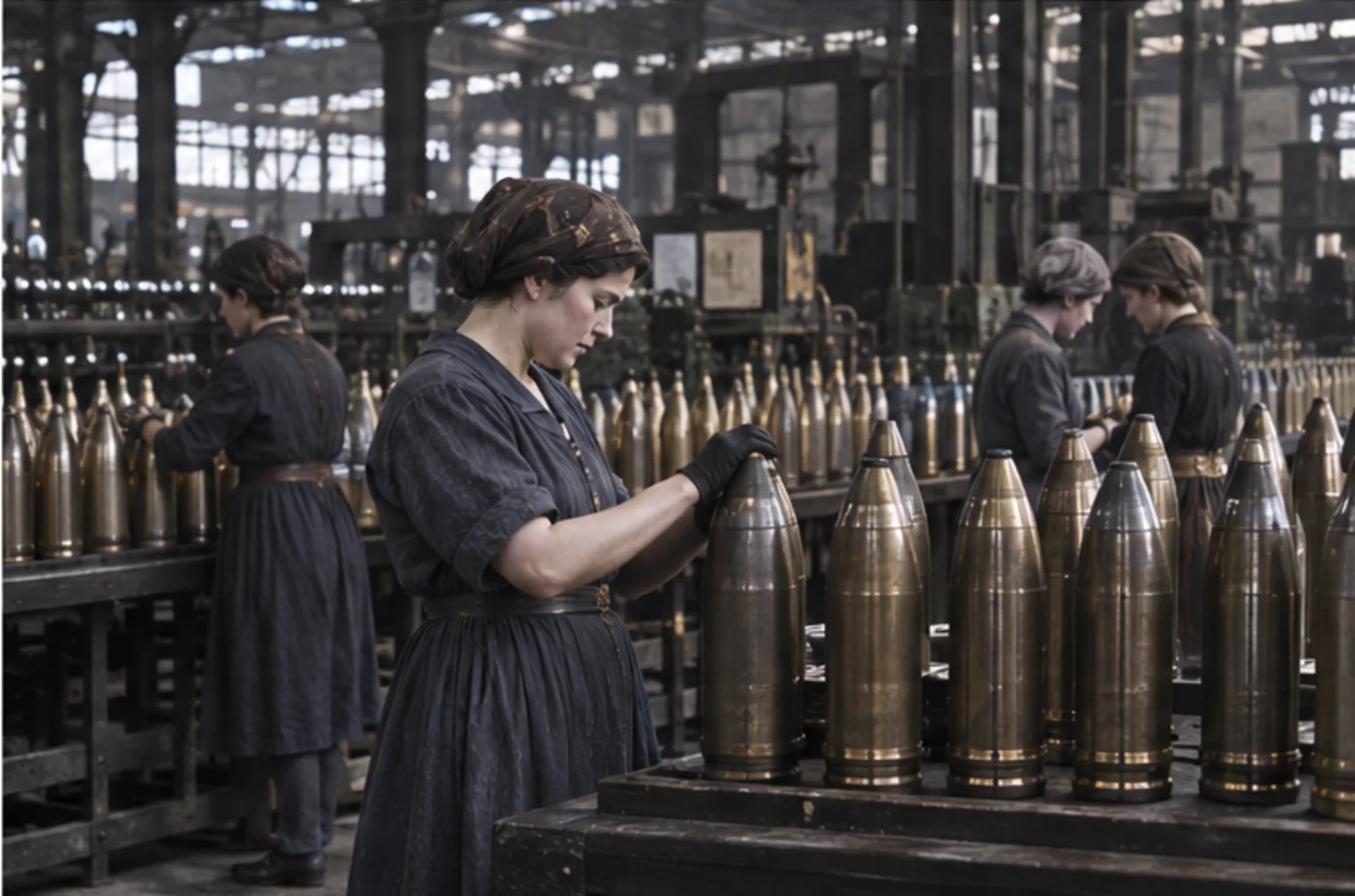
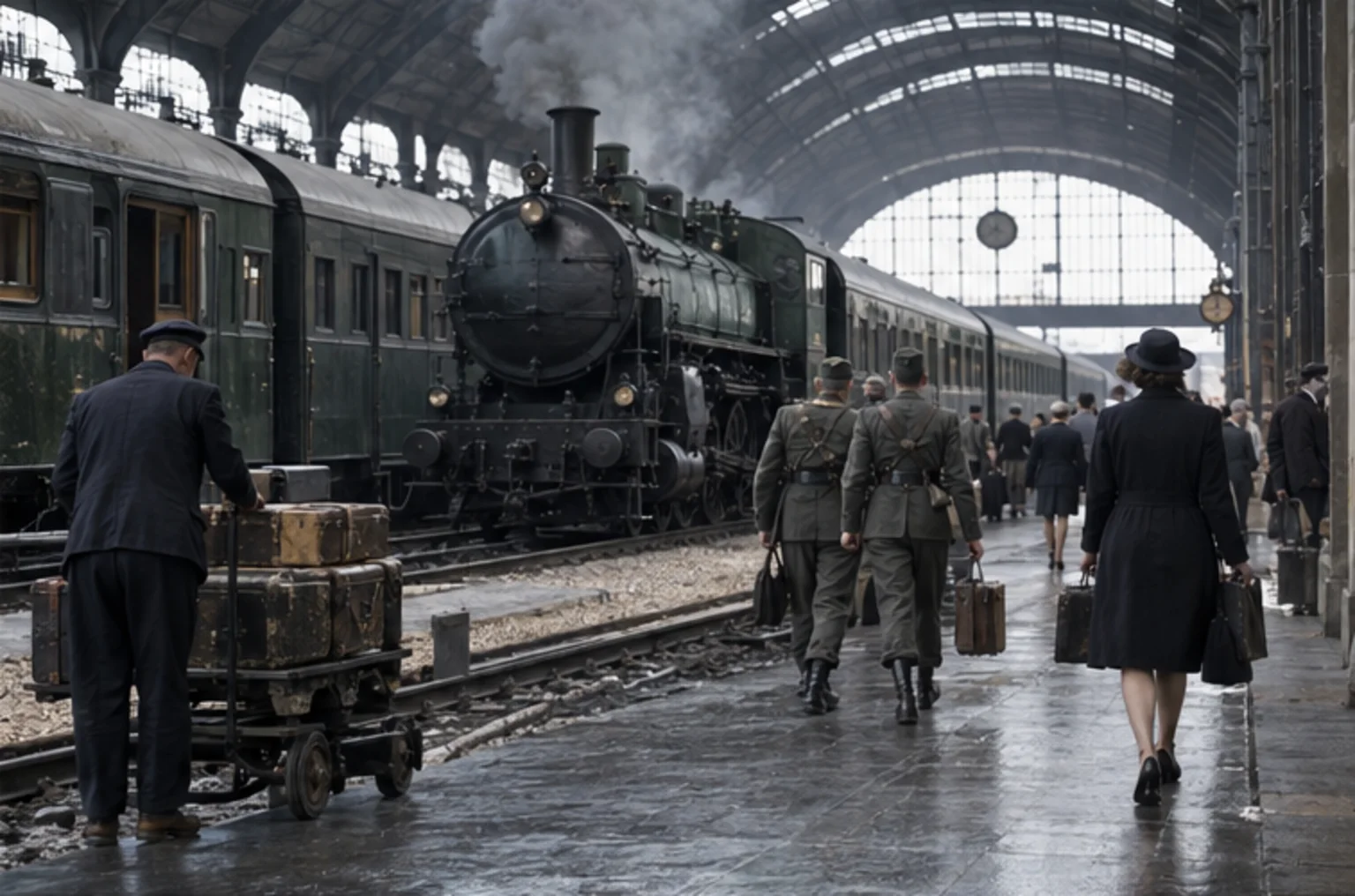
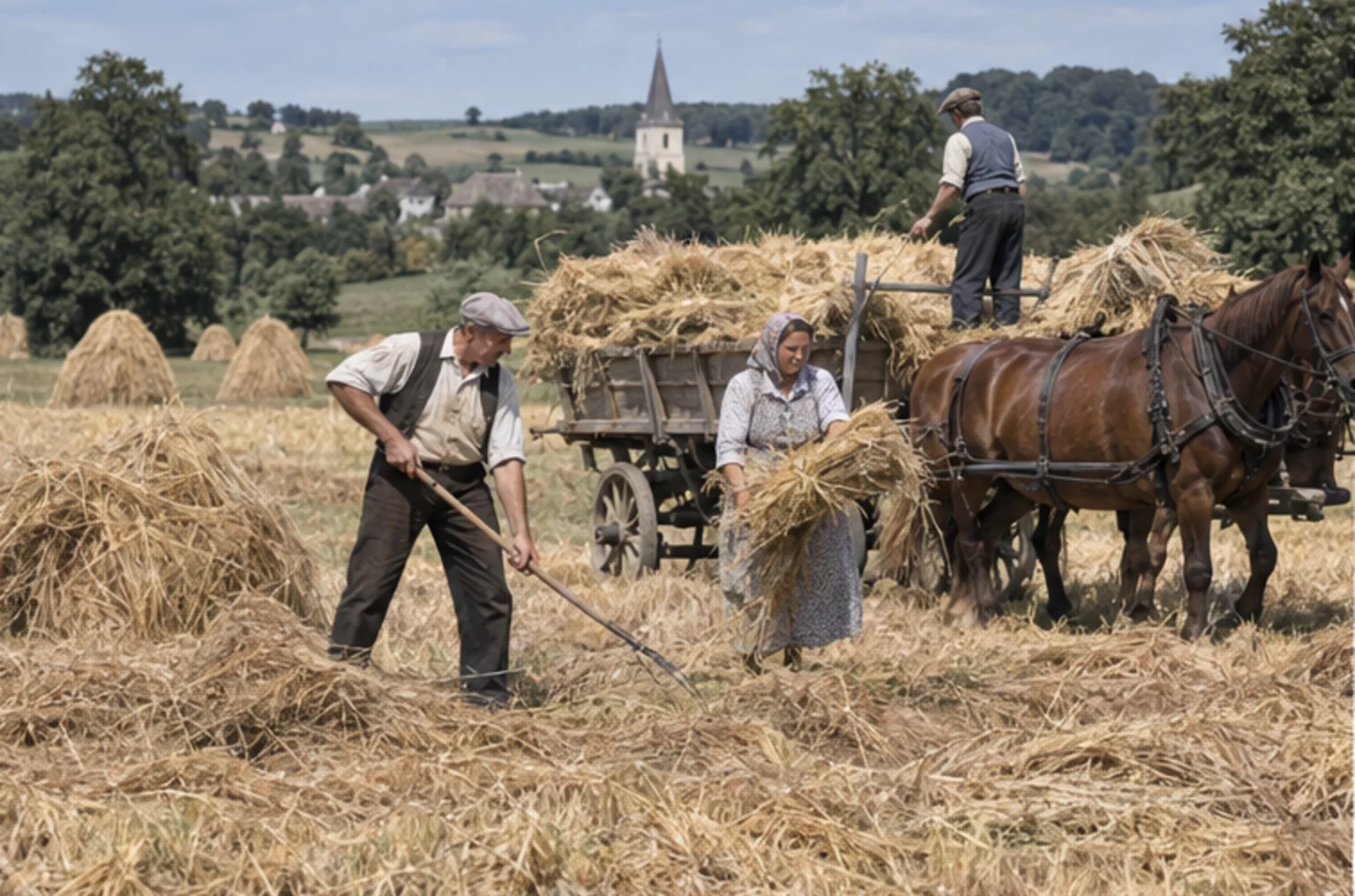
The corpus manifests do not yet establish the precise place and circumstances of composition. The images below document the author’s world or the text’s transmission. They do not claim to show the exact scene of writing.
These are modern reconstructions. They situate a documented place, practice, or transmission and are not period documents.

What the world looked like
World of the world wars, 1914-1945


- State of technology
- Electricity, internal combustion, steel, aviation, radio, cinema, and mass production transform civilian life and warfare.
- Science and knowledge
- Relativity, quantum physics, chemistry, psychology, and genetics reshape knowledge within powerful institutions that are sometimes militarized.
- Medicine and care
- X-rays, surgery, transfusion, antisepsis, and early antibiotics save more lives without universal access.
- Transport
- Rail, cars, trams, ocean liners, and aircraft coexist. Armies mechanize mobility rapidly.
- Agriculture and food
- Tractors, fertilizers, and breeding advance; rationing, blockade, and requisition expose fragile supplies.
- Communication
- Telephone, telegraph, radio, newsreels, and newspapers reach mass audiences; propaganda and censorship use the same networks.
- Clothing and fashion
- Suits, shorter dresses, coats, and hats coexist with uniforms and workwear. Shortages simplify cuts and materials.
Editions, translations, and provenance
The following carriers represent the text. They do not create new passage identities.
- Englishcomplete_source_selection
- French AI-generated translation, non-officialCodex gpt-5.6-sol · Non-official working translation · 2026-09-11
Source manifests: einstein.world_as_i_see_it
Reader
Read page by page
The World As I See ItAlbert Einstein