Work
Timaeus
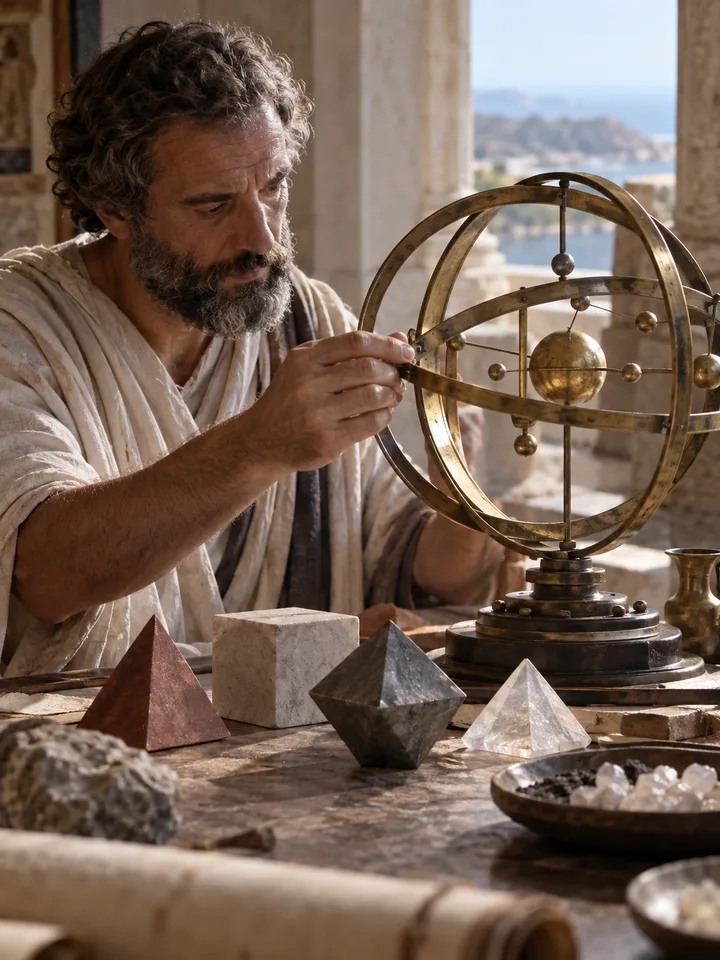
Timaeus offers a likely account of the formation of cosmos, world soul, elements, and human body. The demiurge orders receptive material according to intelligible models before Critias resumes the announced political narrative.
- Composition
- c. 360-350 BCE
Sources and precision
The internal chronology remains disputed. This range is a qualified reference point, not a certain year.
Confidence B · strong consensus
- Tradition
- Socratic and Platonic thought
- Period
- Antiquity
- Languages
- Ancient Greek · English · French
- Extent
- 76 passages · 35,159 words
Before reading
What you will learn
Understand demiurge, receptacle, and necessity, follow correspondences between cosmos and body, and interpret the status of a likely story.
Short summary
Timaeus offers a likely account of the formation of cosmos, world soul, elements, and human body. The demiurge orders receptive material according to intelligible models before Critias resumes the announced political narrative.
Long summary
The speech distinguishes becoming from what remains and seeks a rational cause for visible order. Mathematical proportions, celestial movements, and elemental triangles connect cosmology, sensation, disease, and human composition. Necessity nevertheless resists the persuasion of intelligence.
Timaeus calls his account a likely story, defining its status without making it arbitrary. The principal voice belongs to a learned character within Plato’s composition. Literary device, explanatory model, and doctrinal commitment therefore require distinction.
Inside this work
The table of contents follows the divisions actually carried by the corpus.
Work › Stephanus page
- Passage 17
- Passage 18
- Passage 19
- Passage 20
- Passage 21
- Passage 22
- Passage 23
- Passage 24
- Passage 25
- Passage 26
- Passage 27
- Passage 28
- Passage 29
- Passage 30
- Passage 31
- Passage 32
- Passage 33
- Passage 34
- Passage 35
- Passage 36
- Passage 37
- Passage 38
- Passage 39
- Passage 40
- Passage 41
- Passage 42
- Passage 43
- Passage 44
- Passage 45
- Passage 46
- Passage 47
- Passage 48
- Passage 49
- Passage 50
- Passage 51
- Passage 52
- Passage 53
- Passage 54
- Passage 55
- Passage 56
- Passage 57
- Passage 58
- Passage 59
- Passage 60
- Passage 61
- Passage 62
- Passage 63
- Passage 64
- Passage 65
- Passage 66
- Passage 67
- Passage 68
- Passage 69
- Passage 70
- Passage 71
- Passage 72
- Passage 73
- Passage 74
- Passage 75
- Passage 76
- Passage 77
- Passage 78
- Passage 79
- Passage 80
- Passage 81
- Passage 82
- Passage 83
- Passage 84
- Passage 85
- Passage 86
- Passage 87
- Passage 88
- Passage 89
- Passage 90
- Passage 91
- Passage 92
Concepts covered
Historical context
The world around the text
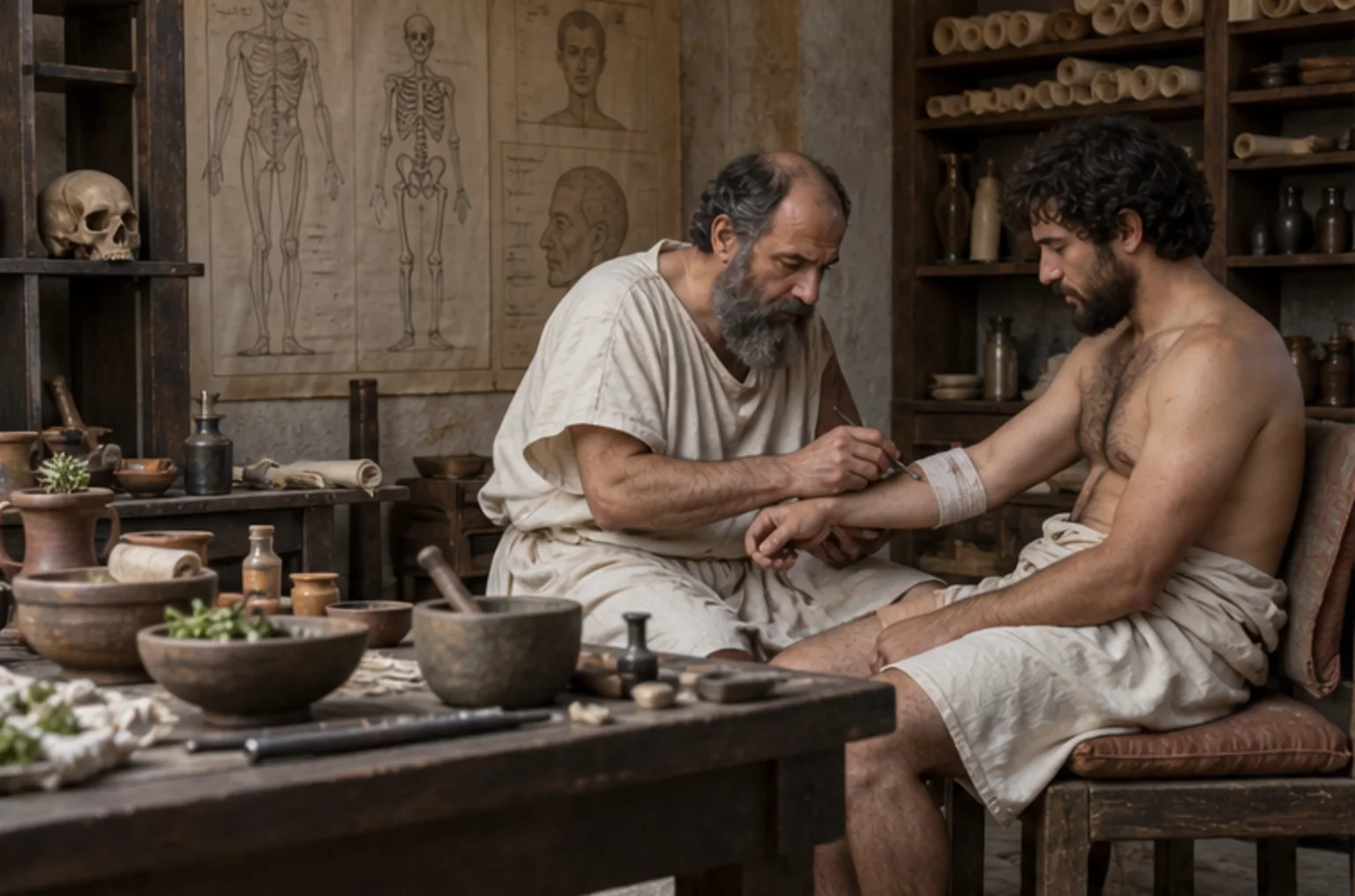
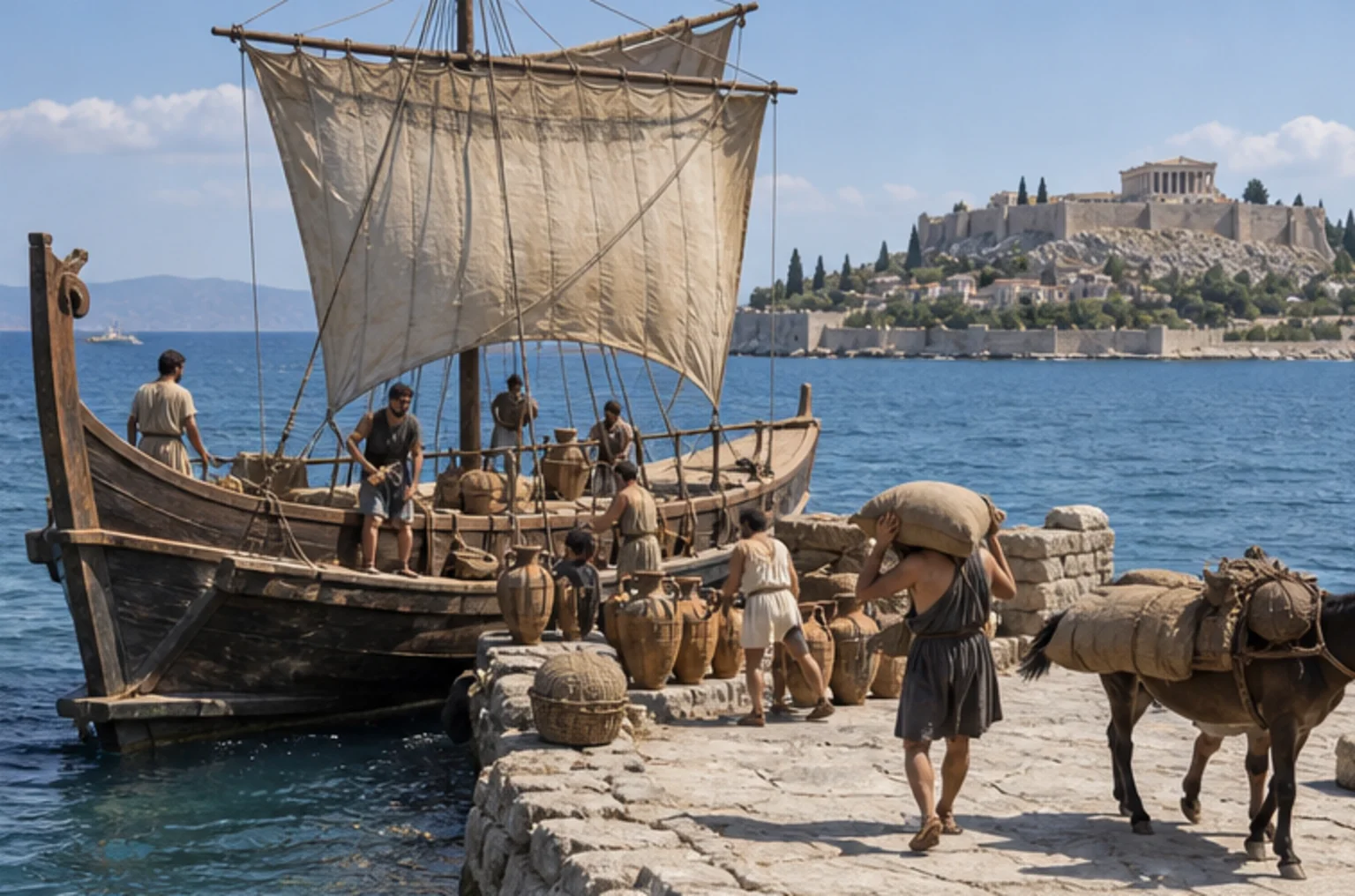
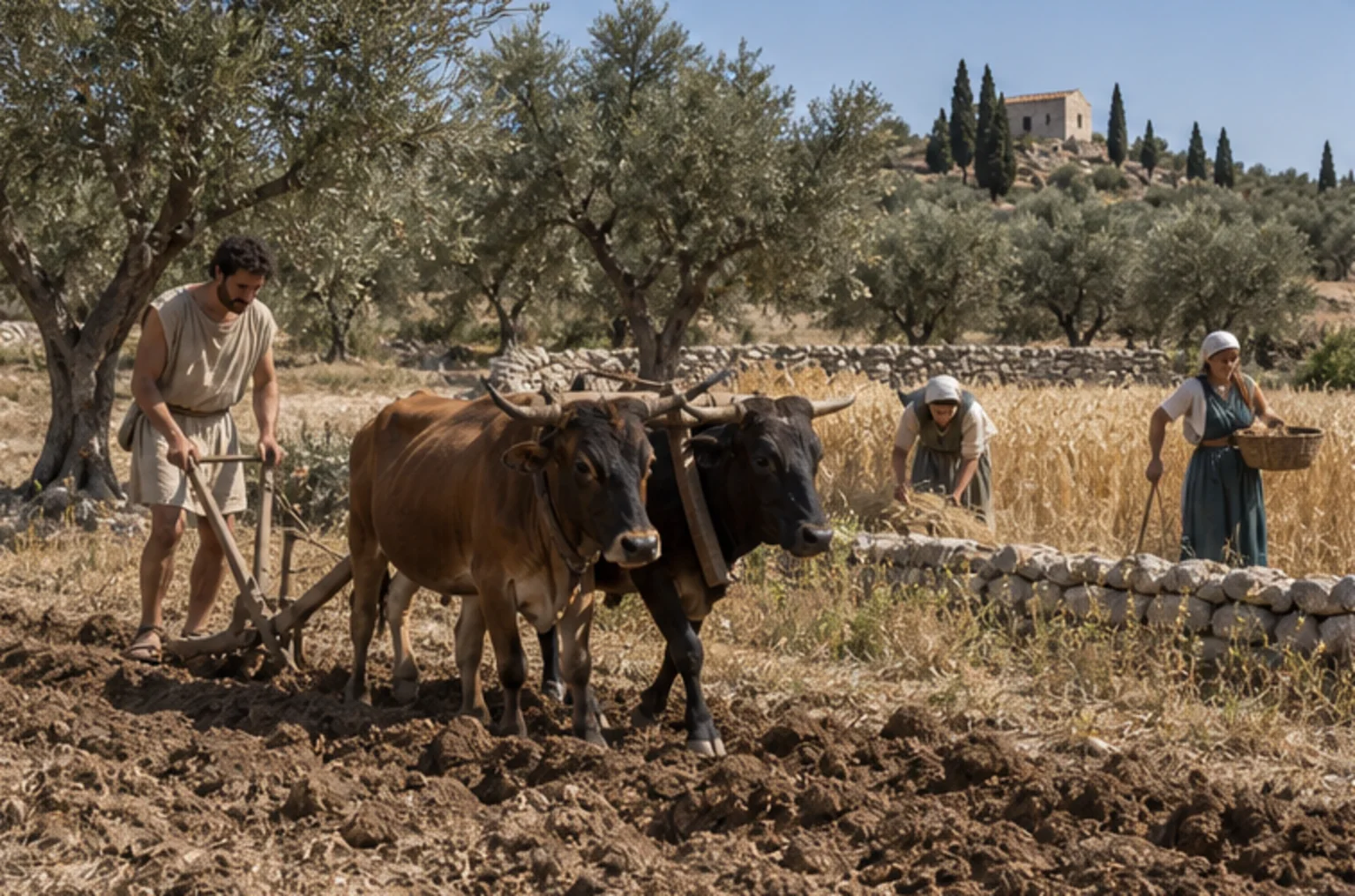
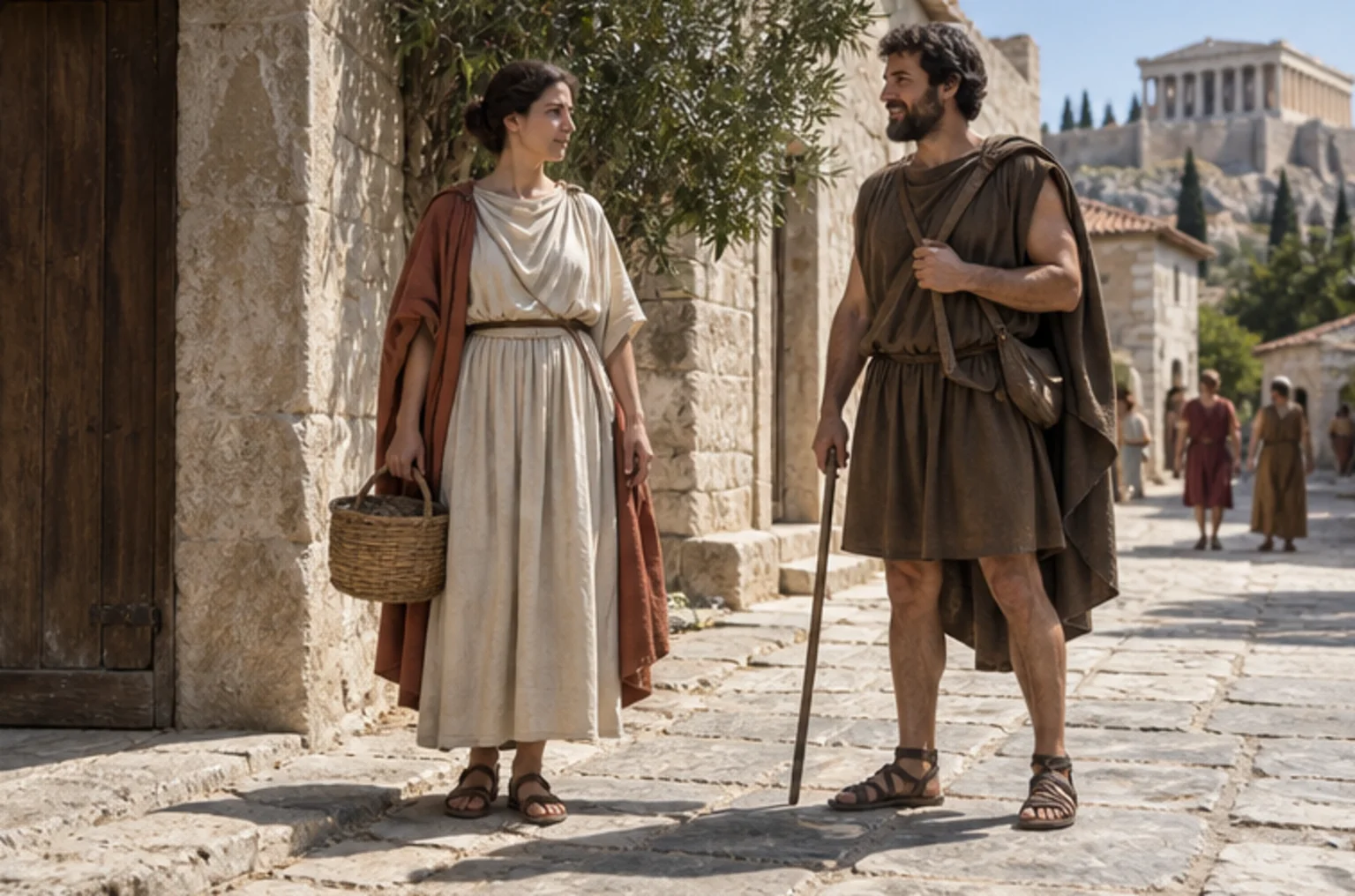
The corpus manifests do not yet establish the precise place and circumstances of composition. The images below document the author’s world or the text’s transmission. They do not claim to show the exact scene of writing.
These are modern reconstructions. They situate a documented place, practice, or transmission and are not period documents.
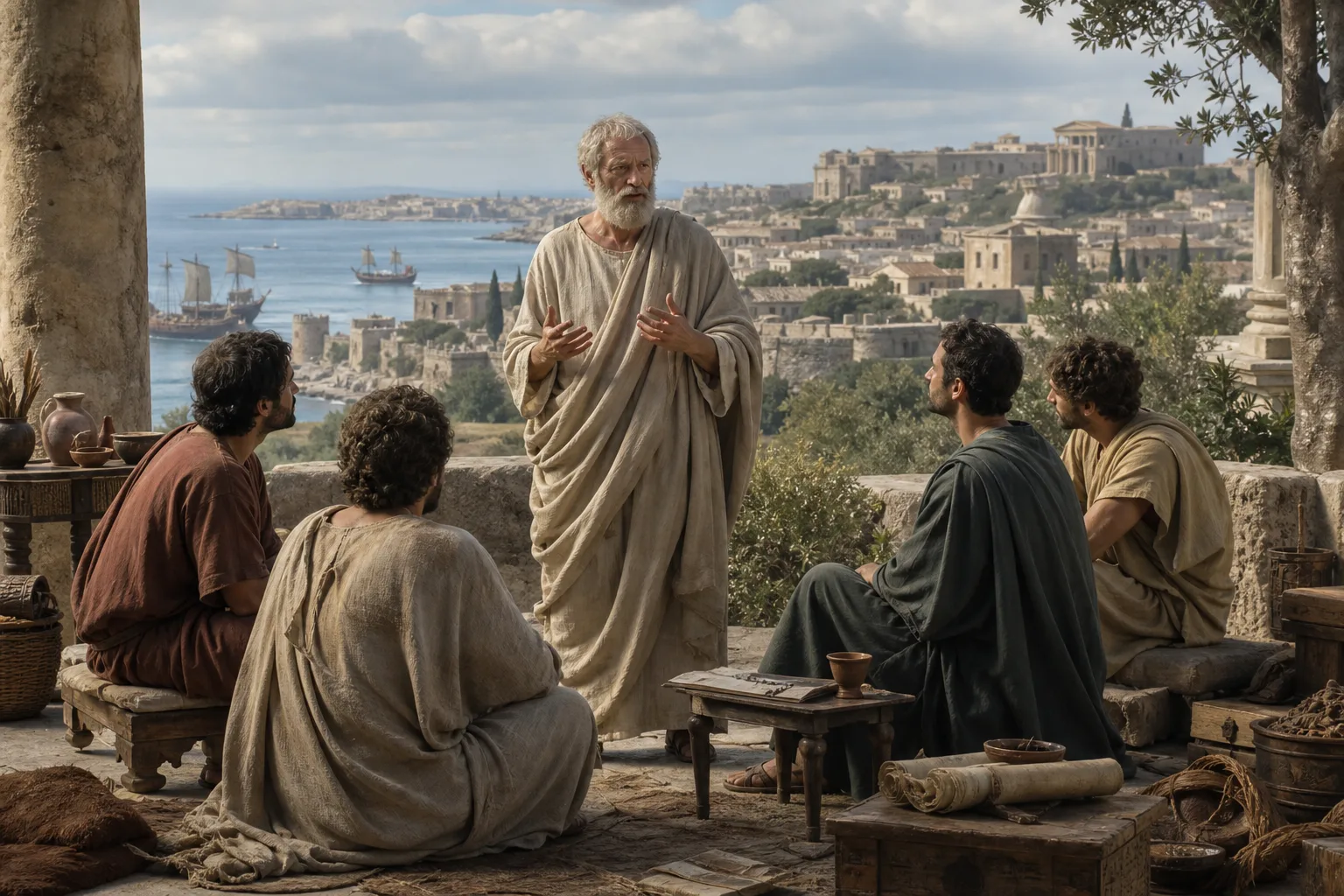
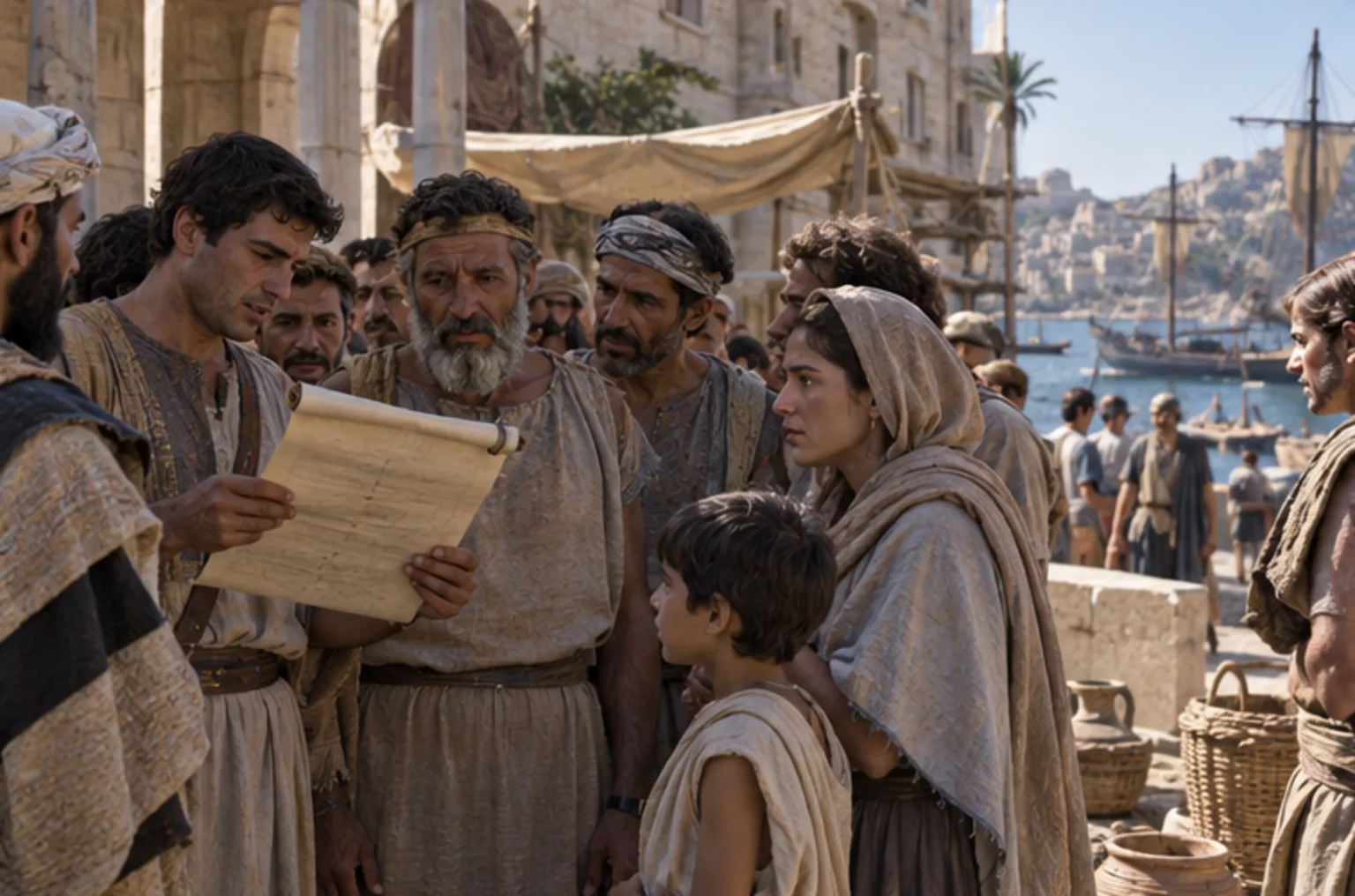
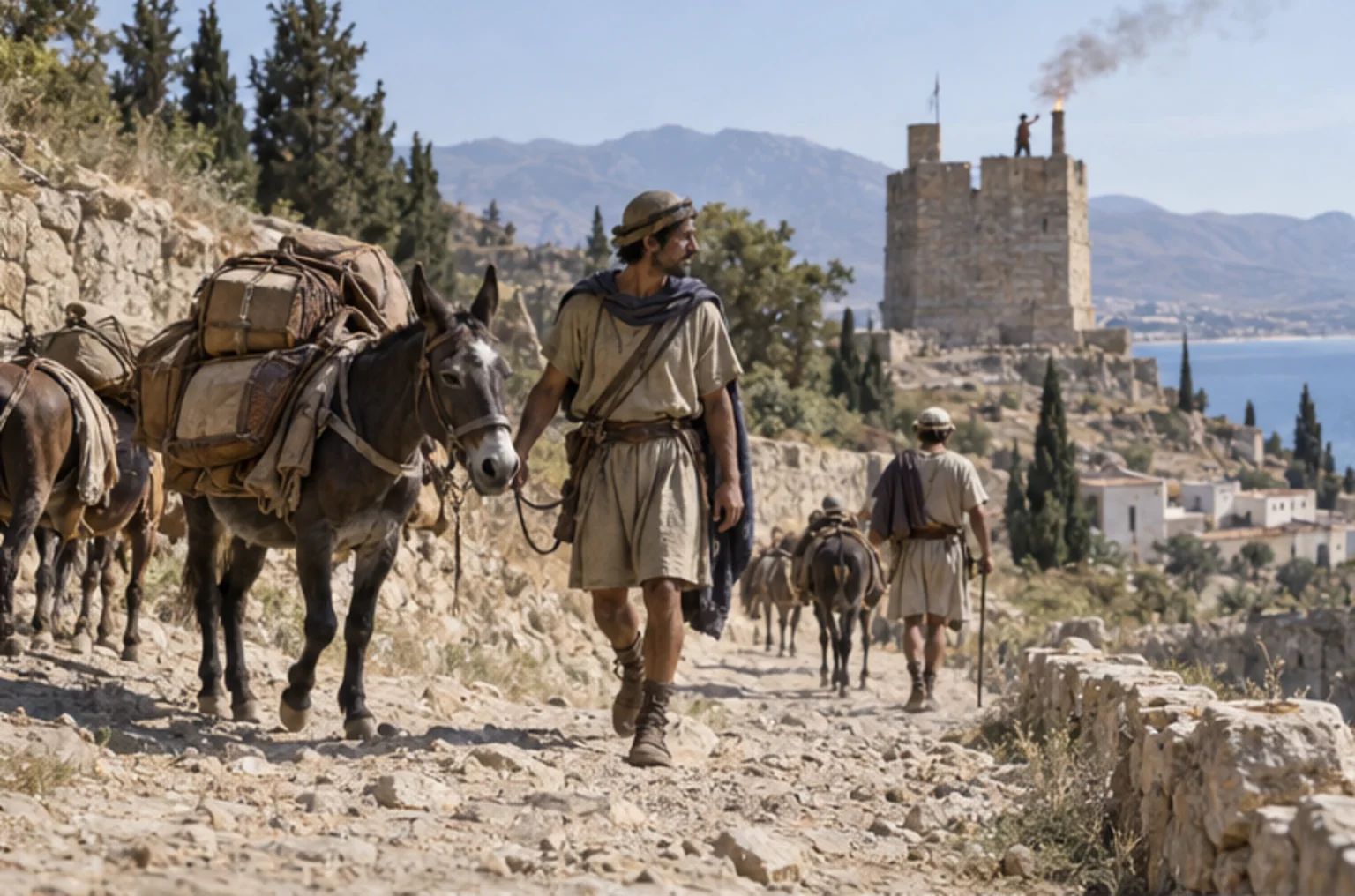
What the world looked like
Classical Greek world, 5th century BCE
- State of technology
- Bronze, iron, pottery, simple cranes, and shipbuilding sustain cities. Power still comes mainly from people, animals, wind, and water.
- Science and knowledge
- Geometry, astronomy, inquiry into nature, and rational argument advance without modern measuring instruments or standardized experiments.
- Medicine and care
- Practitioners observe symptoms, diet, and seasons; healing sanctuaries and ritual treatment also remain common.
- Transport
- Walking and animals dominate on land. Sailing ships and triremes connect islands, ports, and colonies.
- Agriculture and food
- Small farms, grain, vines, olives, goats, and sheep shape the diet; harvests remain vulnerable to weather and war.
- Communication
- Public speech, messengers, and handwritten letters carry news. Theatre, the civic square, and the banquet are major social media.
- Clothing and fashion
- Women and men drape wool or linen as chitons, peploi, and cloaks. Garments are pinned, belted, and shaped by status rather than tailored like modern clothes.
Editions, translations, and provenance
The following carriers represent the text. They do not create new passage identities.
- Ancient Greekoriginal
- Englishhistorical_translation
- French AI-generated translation, non-officialCodex gpt-5.6-sol · Non-official working translation · 2026-09-11
- Frenchhistorical_translation
- English AI-generated translation, non-officialCodex gpt-5.6-sol · Non-official working translation · 2026-09-11
Source manifests: plato.timaeus, plato.timaeus_fr_carrier
Reader
Read page by page
TimaeusPlato