Work
Socrates in Plato’s Gorgias
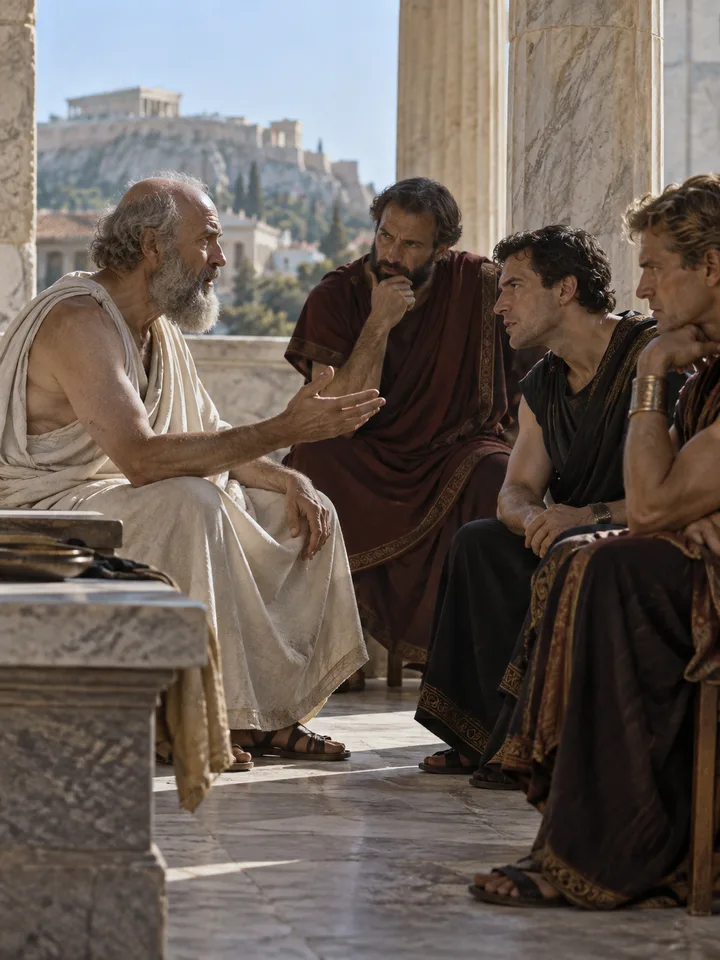
Facing three defenders of rhetoric and power, Plato’s Socrates argues that speech without knowledge of justice is flattery. He prefers suffering injustice to deforming his soul by committing it.
- Composition
- c. 390-380 BCE
Sources and precision
The internal chronology remains disputed. This range is a qualified reference point, not a certain year.
Confidence C · probable range
- Tradition
- Socratic and Platonic thought
- Period
- Antiquity
- Languages
- Ancient Greek · English · French
- Extent
- 81 passages · 42,811 words
Before reading
What you will learn
Compare Socrates’ strategies with three interlocutors, connect justice with the soul’s condition, and qualify Plato’s polemical mediation.
Short summary
Facing three defenders of rhetoric and power, Plato’s Socrates argues that speech without knowledge of justice is flattery. He prefers suffering injustice to deforming his soul by committing it.
Long summary
With Gorgias Socrates asks what object and knowledge belong to rhetoric; with Polus he denies that a tyrant truly does what he wants; with Callicles he opposes ordered desire to justice claimed by the stronger.
The exchange’s increasing harshness constructs a Socrates ready to stand alone against opinion. Plato gives him arguments, medical analogies, and the final myth. This philosophical portrait reveals a Socratic ideal within dialogue, not an independent recording of controversies.
Inside this work
The table of contents follows the divisions actually carried by the corpus.
Work › Reference
- Passage 447
- Passage 448
- Passage 449
- Passage 450
- Passage 451
- Passage 452
- Passage 453
- Passage 454
- Passage 455
- Passage 456
- Passage 457
- Passage 458
- Passage 459
- Passage 460
- Passage 461
- Passage 462
- Passage 463
- Passage 464
- Passage 465
- Passage 466
- Passage 467
- Passage 468
- Passage 469
- Passage 470
- Passage 471
- Passage 472
- Passage 473
- Passage 474
- Passage 475
- Passage 476
- Passage 477
- Passage 478
- Passage 479
- Passage 480
- Passage 481
- Passage 482
- Passage 483
- Passage 484
- Passage 485
- Passage 486
- Passage 487
- Passage 488
- Passage 489
- Passage 490
- Passage 491
- Passage 492
- Passage 493
- Passage 494
- Passage 495
- Passage 496
- Passage 497
- Passage 498
- Passage 499
- Passage 500
- Passage 501
- Passage 502
- Passage 503
- Passage 504
- Passage 505
- Passage 506
- Passage 507
- Passage 508
- Passage 509
- Passage 510
- Passage 511
- Passage 512
- Passage 513
- Passage 514
- Passage 515
- Passage 516
- Passage 517
- Passage 518
- Passage 519
- Passage 520
- Passage 521
- Passage 522
- Passage 523
- Passage 524
- Passage 525
- Passage 526
- Passage 527
Concepts covered
Historical context
The world around the text
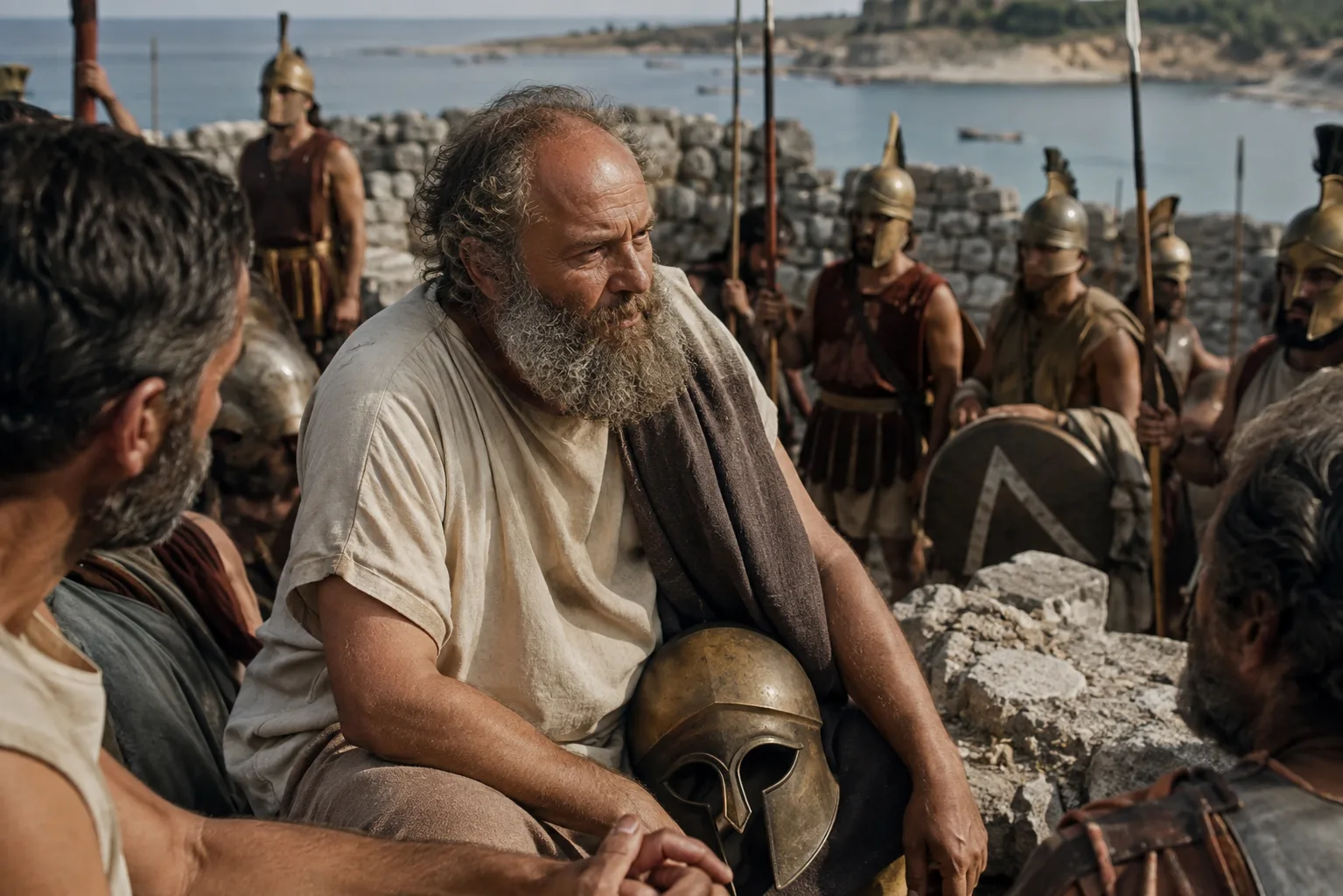
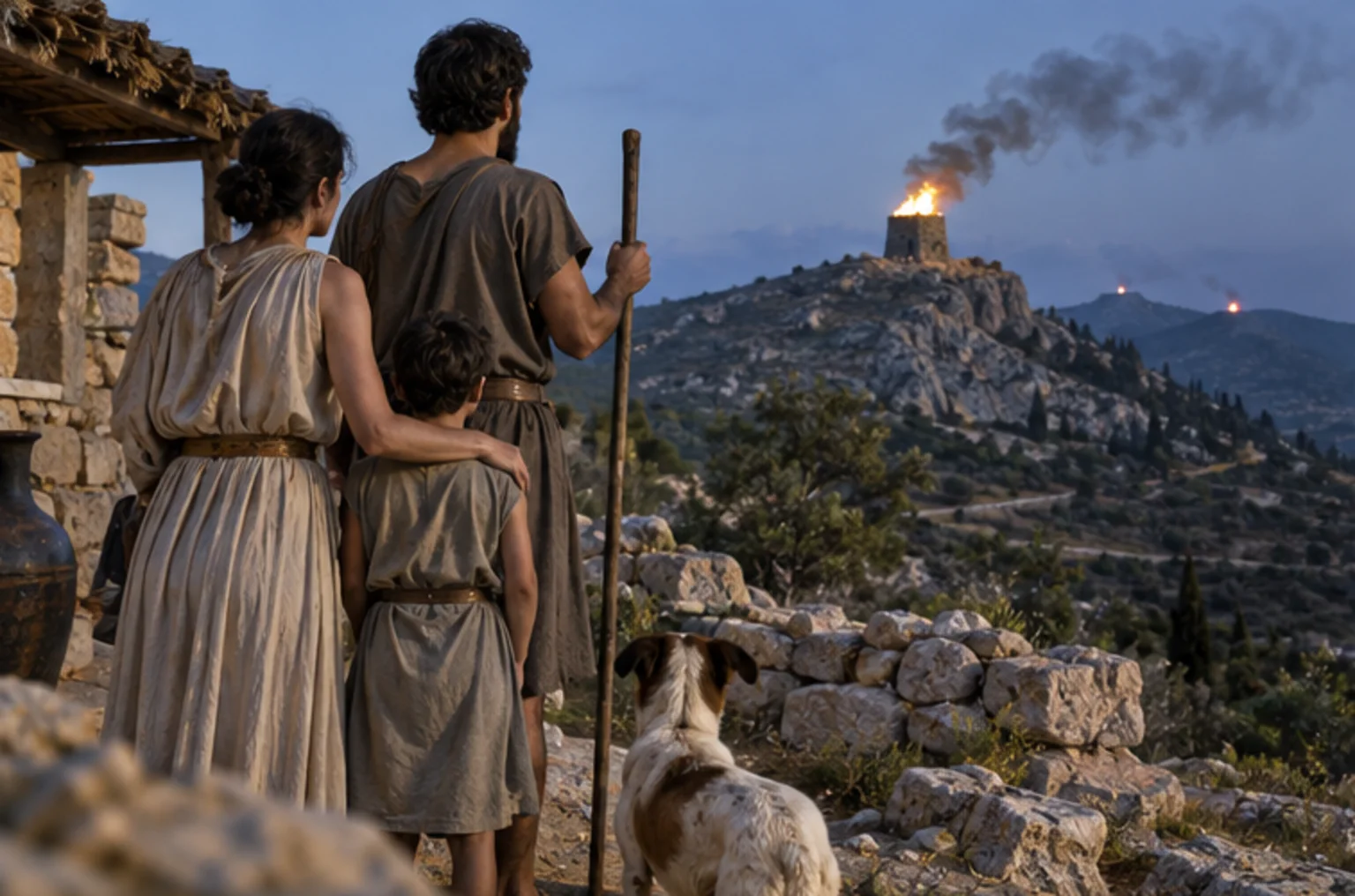
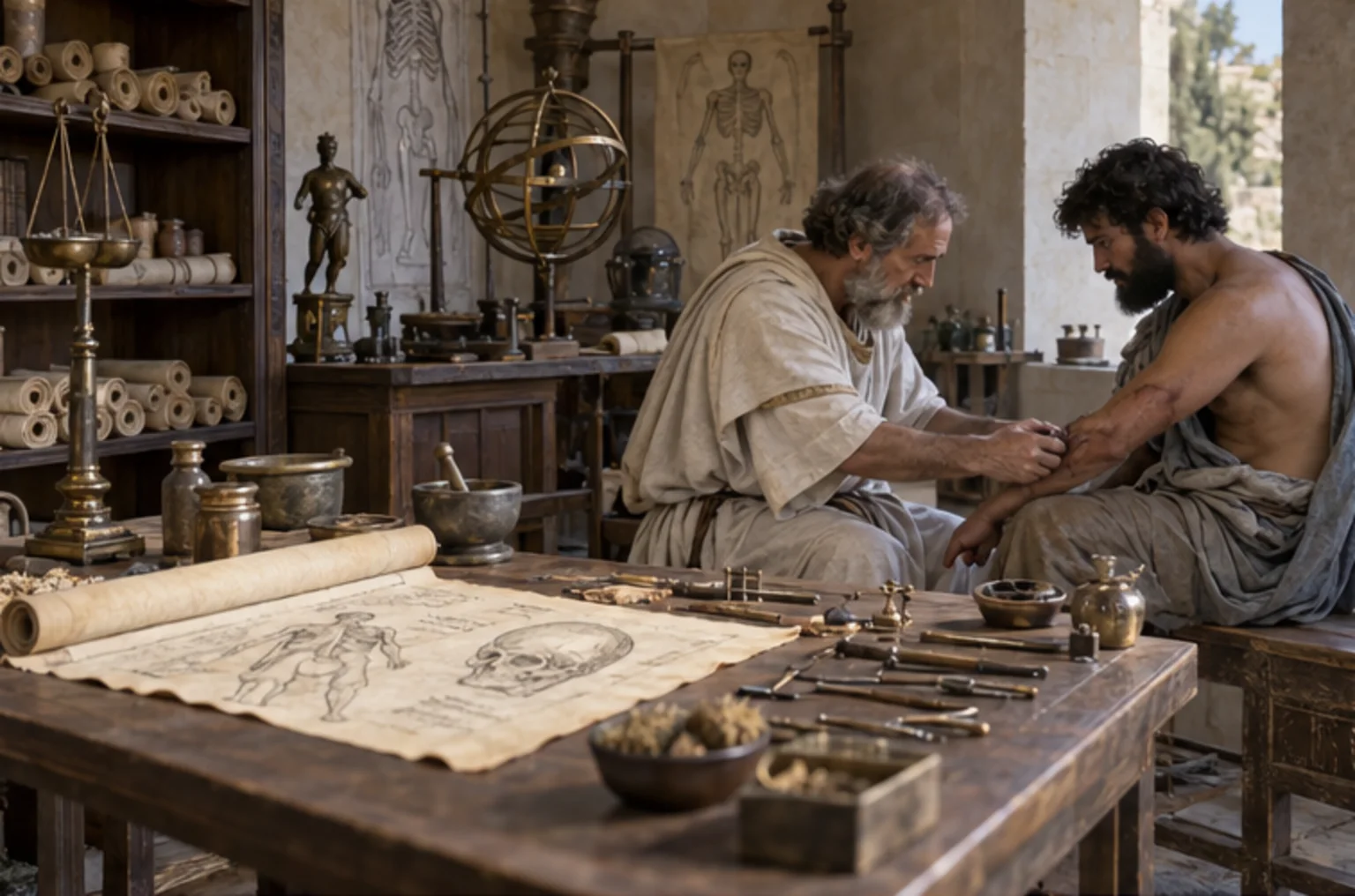
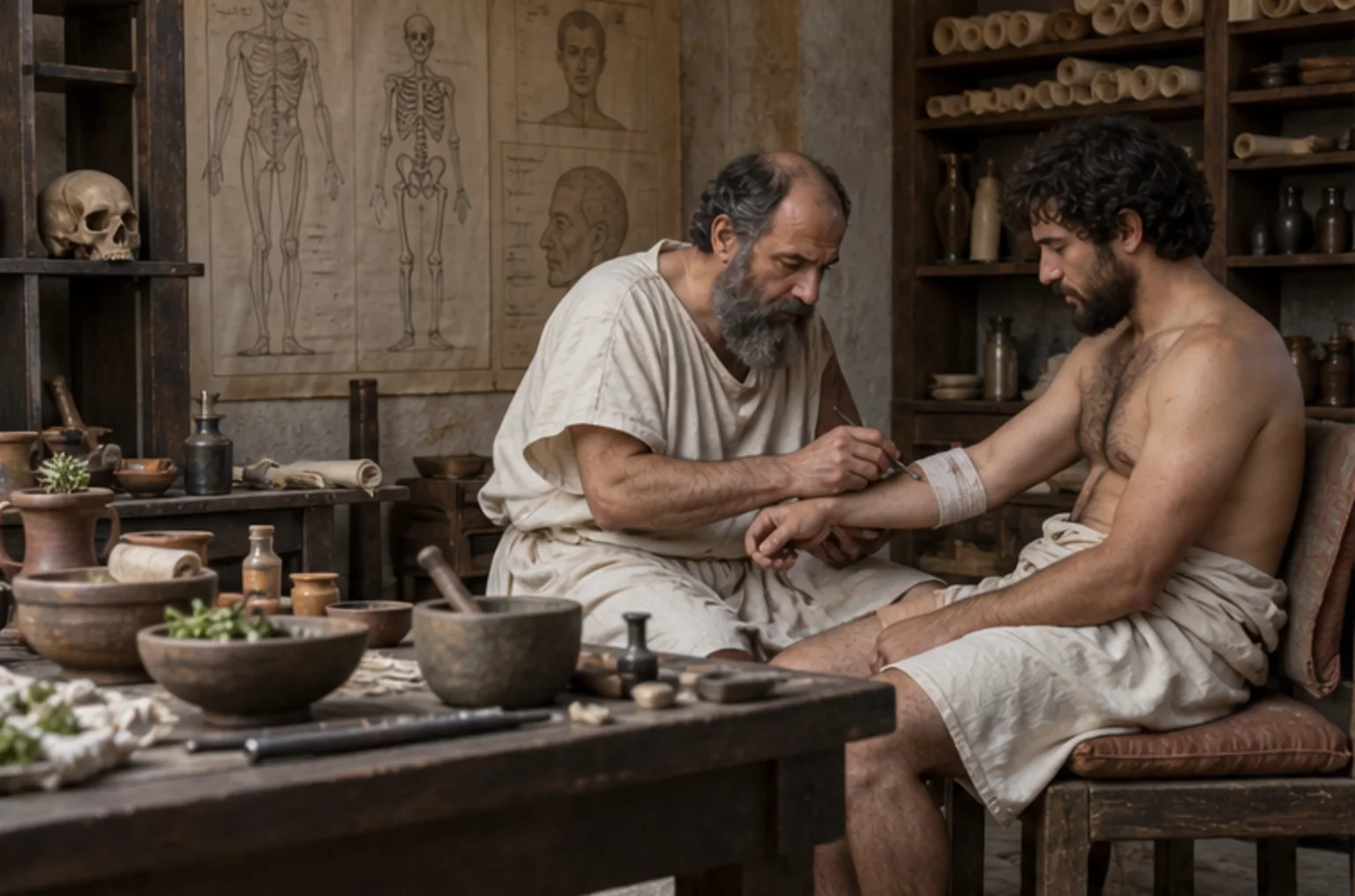
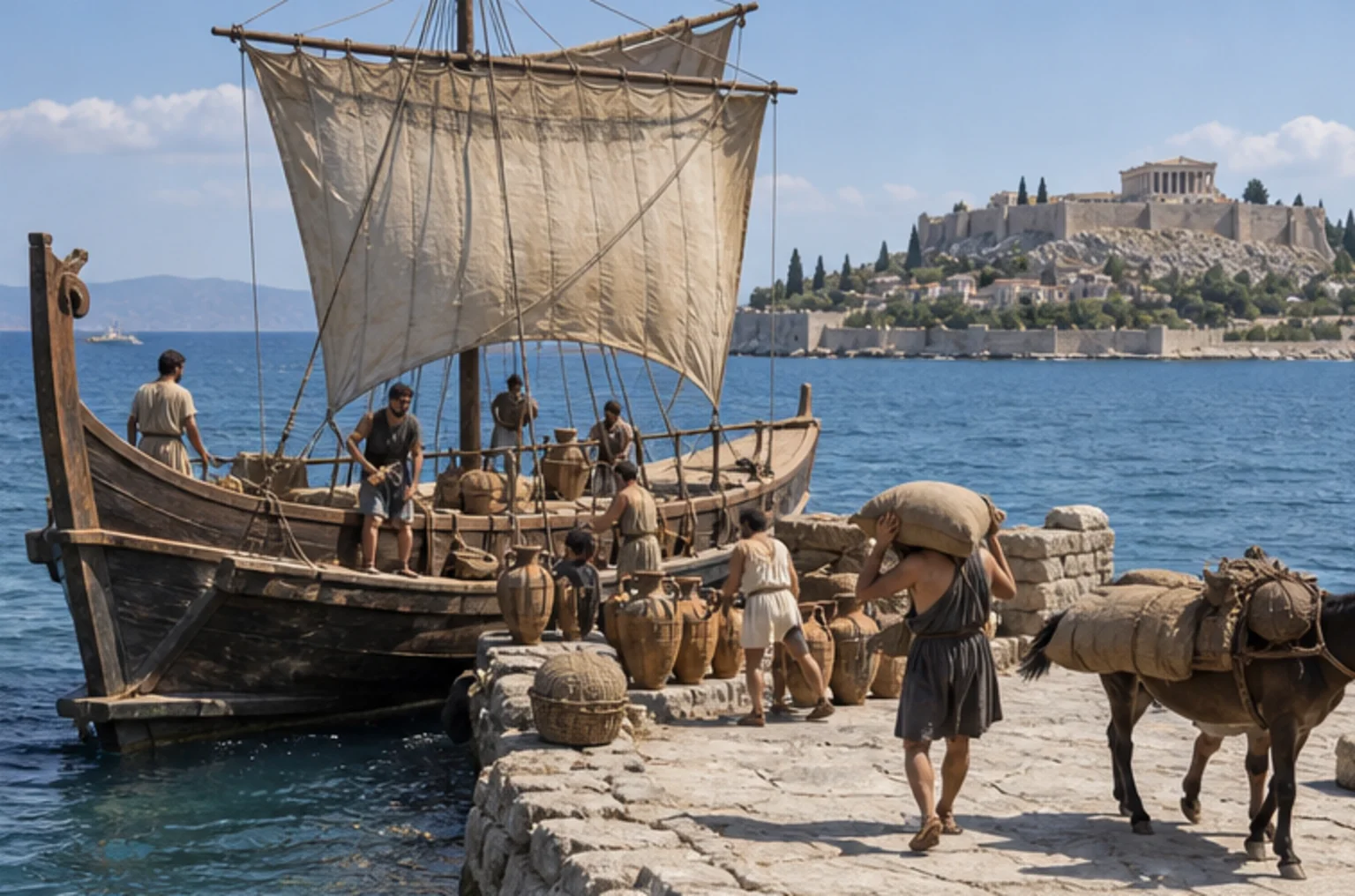
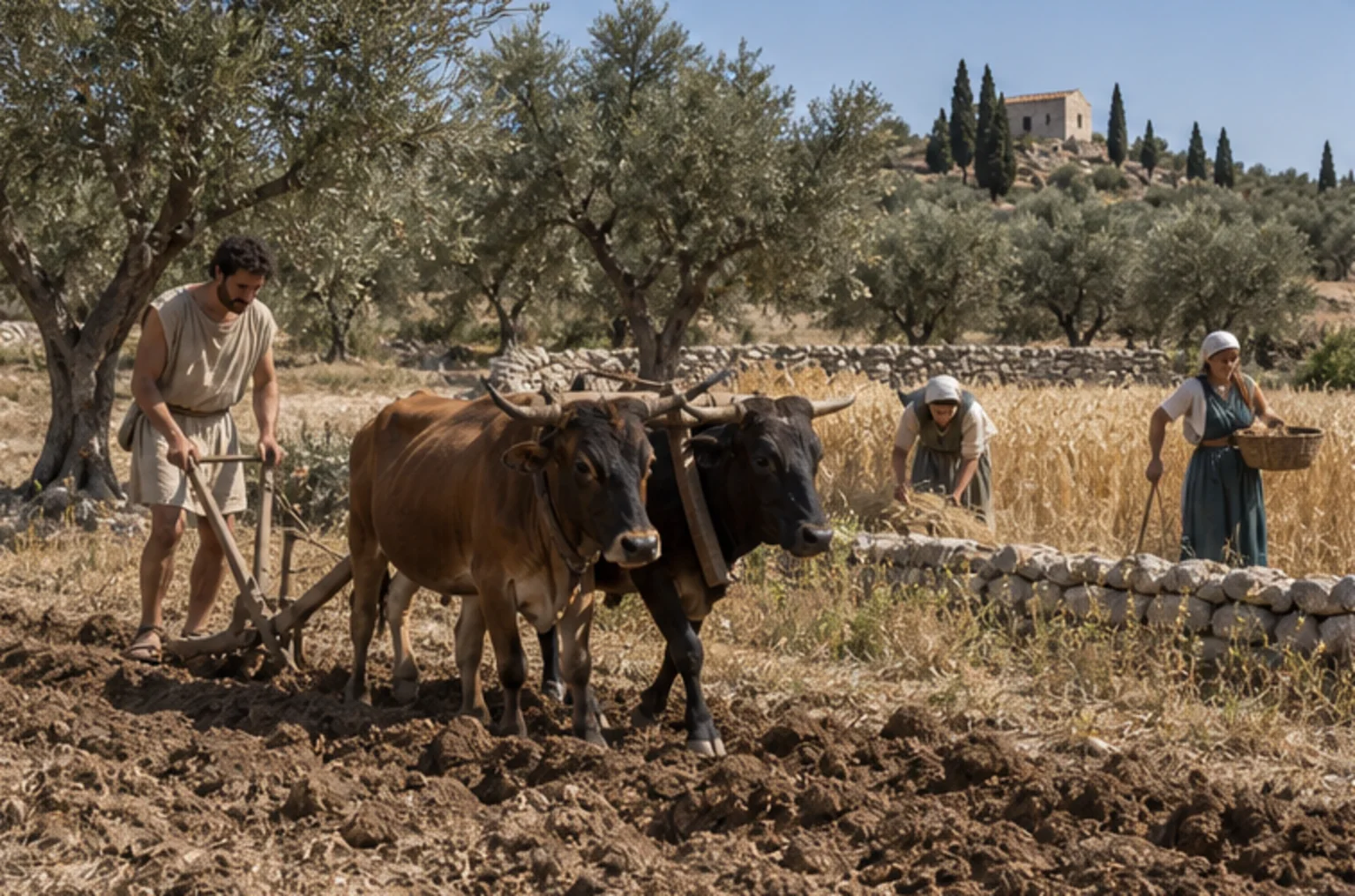
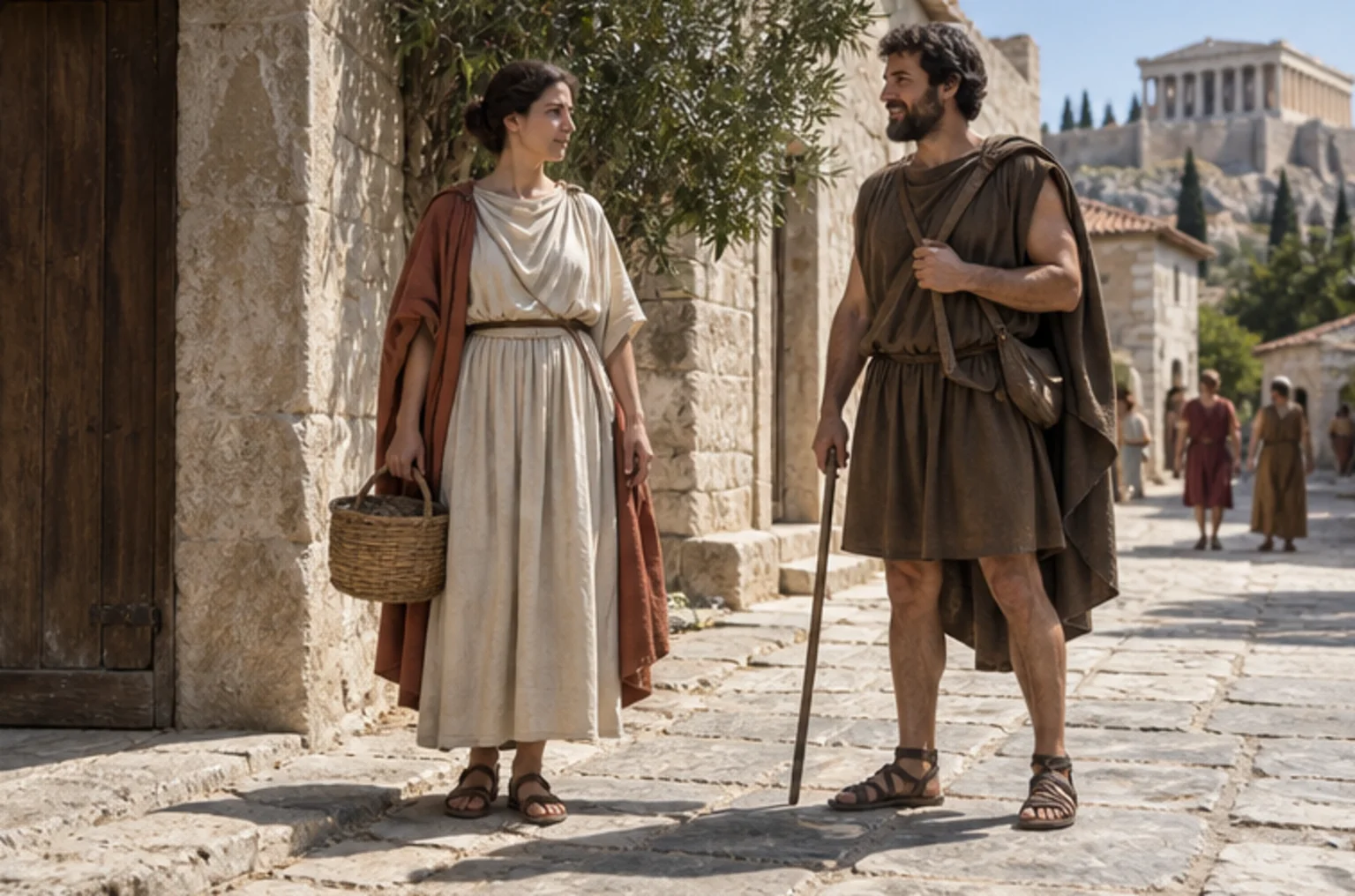
The corpus manifests do not yet establish the precise place and circumstances of composition. The images below document the author’s world or the text’s transmission. They do not claim to show the exact scene of writing.
These are modern reconstructions. They situate a documented place, practice, or transmission and are not period documents.
What the world looked like
Classical Greek world, 5th century BCE
- State of technology
- Bronze, iron, pottery, simple cranes, and shipbuilding sustain cities. Power still comes mainly from people, animals, wind, and water.
- Science and knowledge
- Geometry, astronomy, inquiry into nature, and rational argument advance without modern measuring instruments or standardized experiments.
- Medicine and care
- Practitioners observe symptoms, diet, and seasons; healing sanctuaries and ritual treatment also remain common.
- Transport
- Walking and animals dominate on land. Sailing ships and triremes connect islands, ports, and colonies.
- Agriculture and food
- Small farms, grain, vines, olives, goats, and sheep shape the diet; harvests remain vulnerable to weather and war.
- Communication
- Public speech, messengers, and handwritten letters carry news. Theatre, the civic square, and the banquet are major social media.
- Clothing and fashion
- Women and men drape wool or linen as chitons, peploi, and cloaks. Garments are pinned, belted, and shaped by status rather than tailored like modern clothes.
Editions, translations, and provenance
The following carriers represent the text. They do not create new passage identities.
- Ancient Greekoriginal_carrier
- Englishhistorical_translation
- French AI-generated translation, non-officialCodex gpt-5.6-sol · Non-official working translation · 2026-09-11
- Frenchhistorical_translation
- English AI-generated translation, non-officialCodex gpt-5.6-sol · Non-official working translation · 2026-09-11
Source manifests: socrates.plato_gorgias, socrates.plato_gorgias_fr_carrier
Reader
Read page by page
Socrates in Plato’s GorgiasPlato