
Edition or translation awaiting alignment
The Works of Epictetus, Translated into English by Elizabeth Carter
Elizabeth Carter translates the Discourses recorded by Arrian, the Enchiridion, and fragments of Epictetus for English readers. The volume transmits the philosopher’s teaching through lexical choices, notes, and an introduction belonging to the translator.
- Composition
- translation undertaken c. 1749-1758; published in 1759
Sources and precision
The range describes composition or formation of the text, distinct from the dates of the editions held.
Confidence B · strong consensus
- Elizabeth Montagu Correspondence Online: Elizabeth Carter
- Prokopton42 corpus manifestation manifests
- Tradition
- Stoicism
- Period
- Modern era
- Languages
- English · French
- Extent
- 492 passages · 136,535 words
Before reading
What you will learn
Compare Discourses, Enchiridion, and fragments, identify the mediations of Arrian and Carter, and observe how translation choices shape Stoic concepts.
Short summary
Elizabeth Carter translates the Discourses recorded by Arrian, the Enchiridion, and fragments of Epictetus for English readers. The volume transmits the philosopher’s teaching through lexical choices, notes, and an introduction belonging to the translator.
Long summary
The texts examine what is up to us, the use of impressions, social roles, providence, and the exercise of freedom. The liveliness of the Discourses contrasts with the compression of the Enchiridion, while fragments carry varying degrees of attribution.
Carter is not the author of this teaching, and Arrian remains its principal ancient mediator. Her translation is nevertheless a major intellectual intervention: it stabilizes English terminology, explains the Stoic system, and marks agreements or tensions with her Christian context.
Inside this work
The table of contents follows the divisions actually carried by the corpus.
Work › Editorial unit
- Editorial unit 1
- Editorial unit 2
- Editorial unit 3
- Editorial unit 4
- Editorial unit 5
- Editorial unit 6
- Editorial unit 7
- Editorial unit 8
- Editorial unit 9
- Editorial unit 10
- Editorial unit 11
- Editorial unit 12
- Editorial unit 13
- Editorial unit 14
- Editorial unit 15
- Editorial unit 16
- Editorial unit 17
- Editorial unit 18
- Editorial unit 19
- Editorial unit 20
- Editorial unit 21
- Editorial unit 22
- Editorial unit 23
- Editorial unit 24
- Editorial unit 25
- Editorial unit 26
- Editorial unit 27
- Editorial unit 28
- Editorial unit 29
- Editorial unit 30
- Editorial unit 31
- Editorial unit 32
- Editorial unit 33
- Editorial unit 34
- Editorial unit 35
- Editorial unit 36
- Editorial unit 37
- Editorial unit 38
- Editorial unit 39
- Editorial unit 40
- Editorial unit 41
- Editorial unit 42
- Editorial unit 43
- Editorial unit 44
- Editorial unit 45
- Editorial unit 46
- Editorial unit 47
- Editorial unit 48
- Editorial unit 49
- Editorial unit 50
- Editorial unit 51
- Editorial unit 52
- Editorial unit 53
- Editorial unit 54
- Editorial unit 55
- Editorial unit 56
- Editorial unit 57
- Editorial unit 58
- Editorial unit 59
- Editorial unit 60
- Editorial unit 61
- Editorial unit 62
- Editorial unit 63
- Editorial unit 64
- Editorial unit 65
- Editorial unit 66
- Editorial unit 67
- Editorial unit 68
- Editorial unit 69
- Editorial unit 70
- Editorial unit 71
- Editorial unit 72
- Editorial unit 73
- Editorial unit 74
- Editorial unit 75
- Editorial unit 76
- Editorial unit 77
- Editorial unit 78
- Editorial unit 79
- Editorial unit 80
- Editorial unit 81
- Editorial unit 82
- Editorial unit 83
- Editorial unit 84
- Editorial unit 85
- Editorial unit 86
- Editorial unit 87
- Editorial unit 88
- Editorial unit 89
- Editorial unit 90
- Editorial unit 91
- Editorial unit 92
- Editorial unit 93
- Editorial unit 94
- Editorial unit 95
- Editorial unit 96
- Editorial unit 97
- Editorial unit 98
- Editorial unit 99
- Editorial unit 100
- Editorial unit 101
- Editorial unit 102
- Editorial unit 103
- Editorial unit 104
- Editorial unit 105
- Editorial unit 106
- Editorial unit 107
- Editorial unit 108
- Editorial unit 109
- Editorial unit 110
- Editorial unit 111
- Editorial unit 112
- Editorial unit 113
- Editorial unit 114
- Editorial unit 115
- Editorial unit 116
- Editorial unit 117
- Editorial unit 118
- Editorial unit 119
- Editorial unit 120
- Editorial unit 121
- Editorial unit 122
- Editorial unit 123
- Editorial unit 124
- Editorial unit 125
- Editorial unit 126
- Editorial unit 127
- Editorial unit 128
- Editorial unit 129
- Editorial unit 130
- Editorial unit 131
- Editorial unit 132
- Editorial unit 133
- Editorial unit 134
- Editorial unit 135
- Editorial unit 136
- Editorial unit 137
- Editorial unit 138
- Editorial unit 139
- Editorial unit 140
- Editorial unit 141
- Editorial unit 142
- Editorial unit 143
- Editorial unit 144
- Editorial unit 145
- Editorial unit 146
- Editorial unit 147
- Editorial unit 148
- Editorial unit 149
- Editorial unit 150
- Editorial unit 151
- Editorial unit 152
- Editorial unit 153
- Editorial unit 154
- Editorial unit 155
- Editorial unit 156
- Editorial unit 157
- Editorial unit 158
- Editorial unit 159
- Editorial unit 160
- Editorial unit 161
- Editorial unit 162
- Editorial unit 163
- Editorial unit 164
- Editorial unit 165
- Editorial unit 166
- Editorial unit 167
- Editorial unit 168
- Editorial unit 169
- Editorial unit 170
- Editorial unit 171
- Editorial unit 172
- Editorial unit 173
- Editorial unit 174
- Editorial unit 175
- Editorial unit 176
- Editorial unit 177
- Editorial unit 178
- Editorial unit 179
- Editorial unit 180
- Editorial unit 181
- Editorial unit 182
- Editorial unit 183
- Editorial unit 184
- Editorial unit 185
- Editorial unit 186
- Editorial unit 187
- Editorial unit 188
- Editorial unit 189
- Editorial unit 190
- Editorial unit 191
- Editorial unit 192
- Editorial unit 193
- Editorial unit 194
- Editorial unit 195
- Editorial unit 196
- Editorial unit 197
- Editorial unit 198
- Editorial unit 199
- Editorial unit 200
- Editorial unit 201
- Editorial unit 202
- Editorial unit 203
- Editorial unit 204
- Editorial unit 205
- Editorial unit 206
- Editorial unit 207
- Editorial unit 208
- Editorial unit 209
- Editorial unit 210
- Editorial unit 211
- Editorial unit 212
- Editorial unit 213
- Editorial unit 214
- Editorial unit 215
- Editorial unit 216
- Editorial unit 217
- Editorial unit 218
- Editorial unit 219
- Editorial unit 220
- Editorial unit 221
- Editorial unit 222
- Editorial unit 223
- Editorial unit 224
- Editorial unit 225
- Editorial unit 226
- Editorial unit 227
- Editorial unit 228
- Editorial unit 229
- Editorial unit 230
- Editorial unit 231
- Editorial unit 232
- Editorial unit 233
- Editorial unit 234
- Editorial unit 235
- Editorial unit 236
- Editorial unit 237
- Editorial unit 238
- Editorial unit 239
- Editorial unit 240
All 492 references remain accessible through the reader and search. This table shows the first 240 to remain manageable.
Concepts covered
Historical context
The world around the text
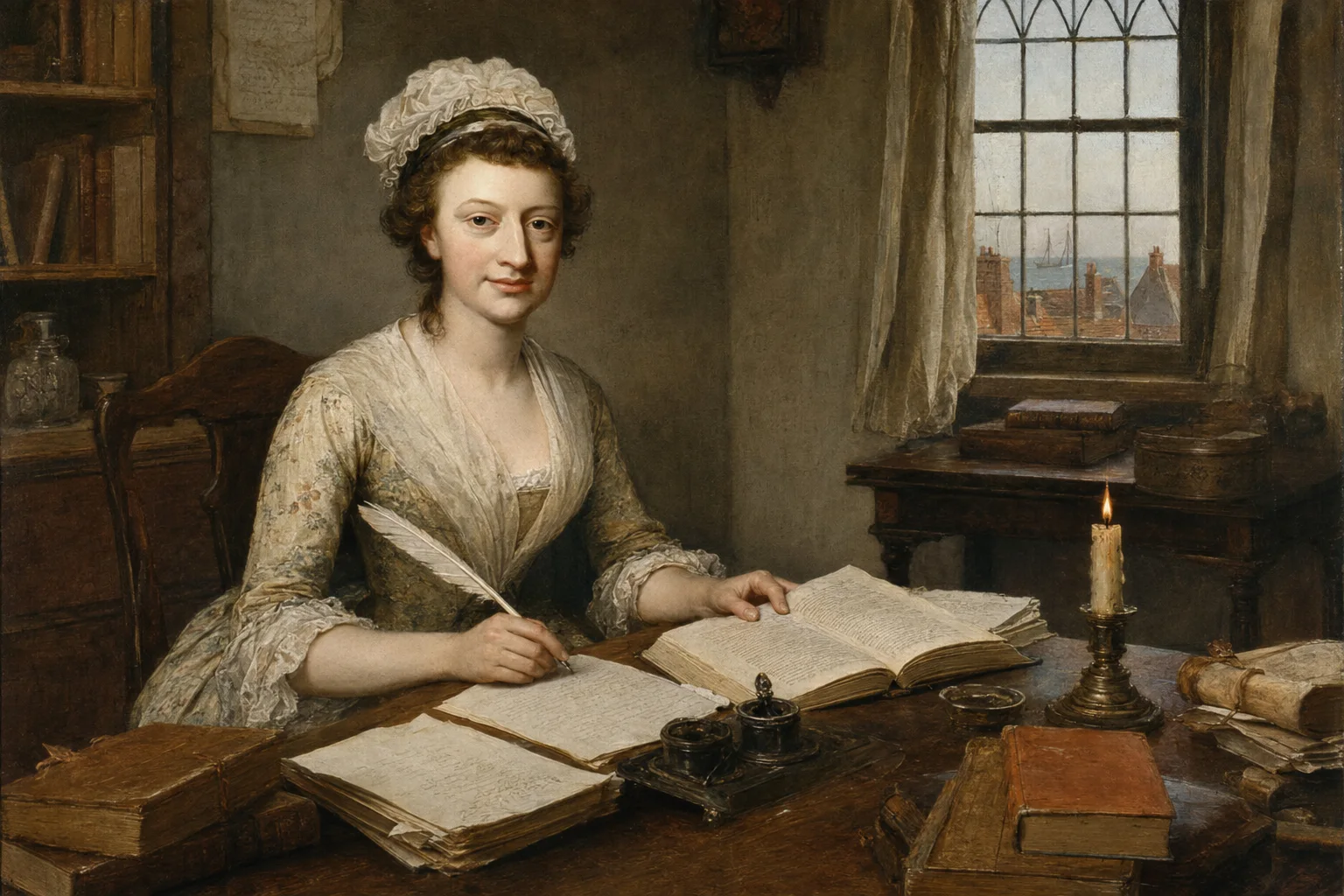
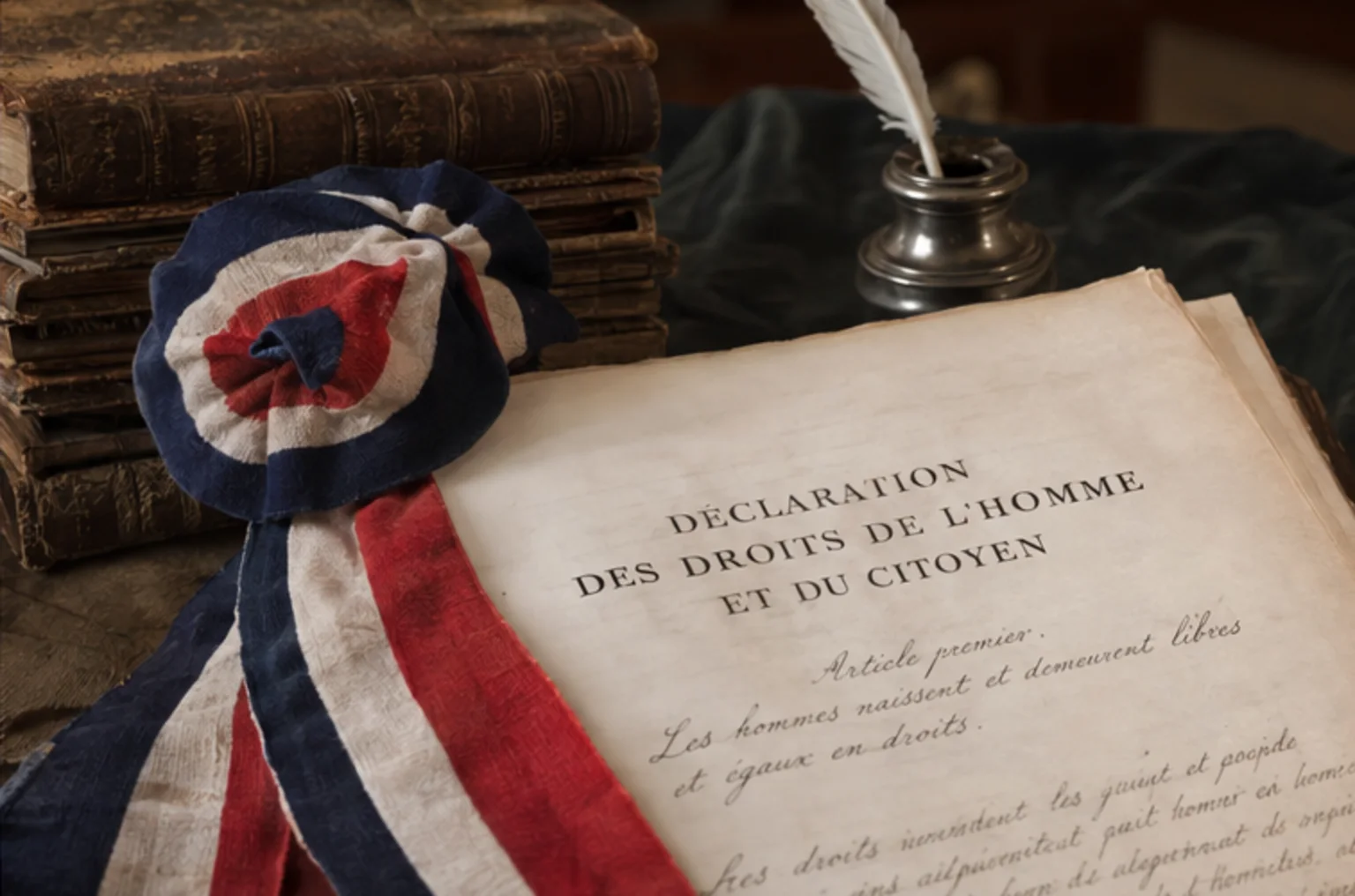
The corpus manifests do not yet establish the precise place and circumstances of composition. The images below document the author’s world or the text’s transmission. They do not claim to show the exact scene of writing.
These are modern reconstructions. They situate a documented place, practice, or transmission and are not period documents.

What the world looked like
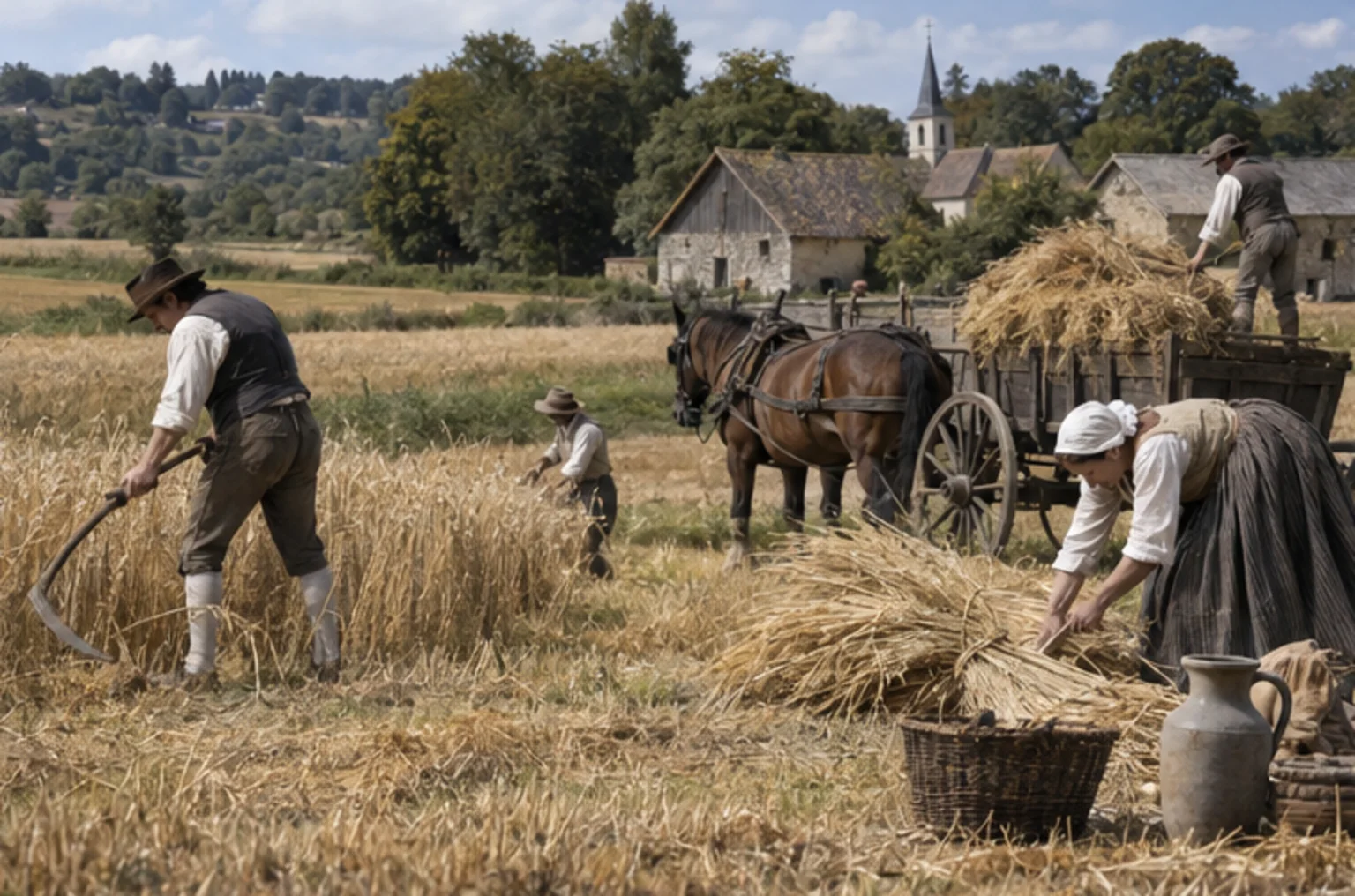
18th-century Europe


- State of technology
- Printing presses, early steam engines, textile machinery, clockmaking, and metalwork begin an uneven mechanization.
- Science and knowledge
- Learned societies, collections, measurement, public experiments, and classification make science more collective and testable.
- Medicine and care
- Anatomy and clinical observation advance; variolation and then vaccination appear, but anaesthesia, antisepsis, and microbes are not yet mastered.
- Transport
- Walking, horses, stagecoaches, barges, and sailing ships. Roads and relays improve, but travel remains slow.
- Agriculture and food
- Rotations, animal breeding, drainage, and new foods raise some yields while much labour remains manual.
- Communication
- Newspapers, books, pamphlets, salons, and post move ideas at a new speed measured in days or weeks.
- Clothing and fashion
- Coats, waistcoats, and breeches dress prosperous men; bodices, skirts, and gowns structure women’s fashion. Working people wear simpler, repeatedly repaired forms.
Editions, translations, and provenance
The following carriers represent the text. They do not create new passage identities.
- Englishtranslated_or_edited_carrier
- French AI-generated translation, non-officialCodex gpt-5.6-sol · Non-official working translation · 2026-09-20
Source manifests: elizabeth_carter.epictetus_translation
Reader
Read page by page
The Works of Epictetus, Translated into English by Elizabeth CarterEpictetus