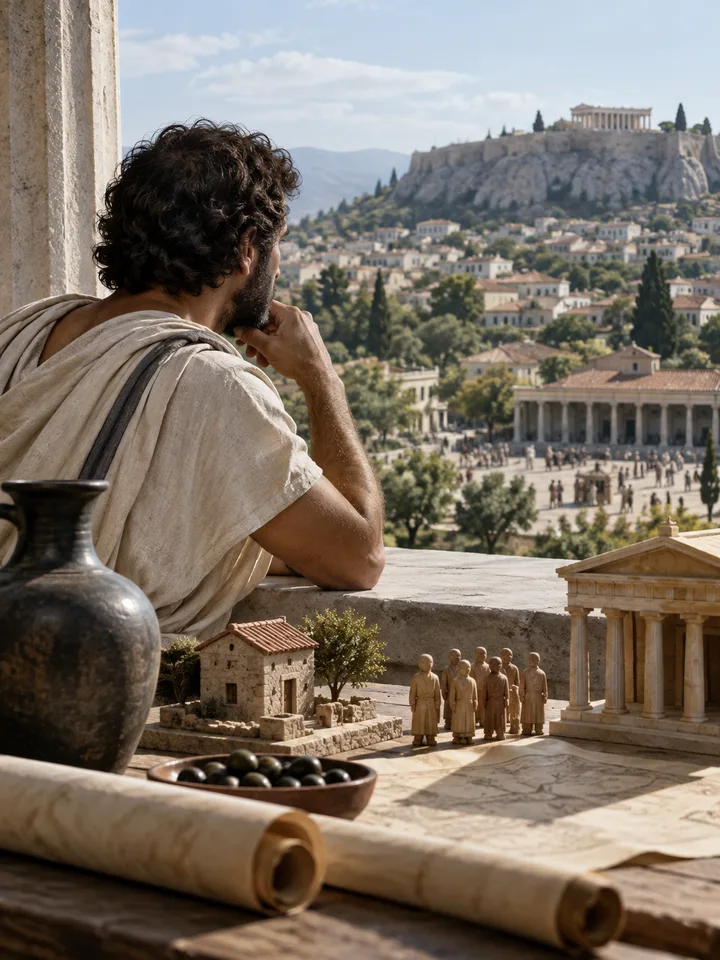
Work
Politics
Politics proceeds through distinctions, objections, and causal inquiry. The surviving text has the density of a school treatise, not a transcribed conversation.
- Composition
- work attested c. 335-323 BCE; earlier layers possible
Sources and precision
The transmitted corpus does not support a secure internal chronology. The text may combine distinct layers of composition or revision.
Confidence C · probable range
- Tradition
- Greek and Roman traditions
- Period
- Antiquity
- Languages
- Ancient Greek · English · French
- Extent
- 189 passages · 98,973 words
Before reading
What you will learn
Compare the good claimed by a regime with those it actually governs, then distinguish stability, justice, and the mere preservation of power.
Short summary
Politics proceeds through distinctions, objections, and causal inquiry. The surviving text has the density of a school treatise, not a transcribed conversation.
Long summary
Canonical identity follows the CTS book and section. The critical Greek, historical English translation, and AI-generated French translation remain three aligned manifestations.
The inquiry moves from household to city, then compares citizenship, constitutions, education, and causes of revolution. Its historical hierarchies must be examined, not repeated as present prescriptions.
Inside this work
The table of contents follows the divisions actually carried by the corpus.
Work › Book › Section
Book 118 passages
Book 229 passages
- Section 1260b
- Section 1261a
- Section 1261b
- Section 1262a
- Section 1262b
- Section 1263a
- Section 1263b
- Section 1264a
- Section 1264b
- Section 1265a
- Section 1265b
- Section 1266a
- Section 1266b
- Section 1267a
- Section 1267b
- Section 1268a
- Section 1268b
- Section 1269a
- Section 1269b
- Section 1270a
- Section 1270b
- Section 1271a
- Section 1271b
- Section 1272a
- Section 1272b
- Section 1273a
- Section 1273b
- Section 1274a
- Section 1274b
Book 329 passages
- Section 1274b
- Section 1275a
- Section 1275b
- Section 1276a
- Section 1276b
- Section 1277a
- Section 1277b
- Section 1278a
- Section 1278b
- Section 1279a
- Section 1279b
- Section 1280a
- Section 1280b
- Section 1281a
- Section 1281b
- Section 1282a
- Section 1282b
- Section 1283a
- Section 1283b
- Section 1284a
- Section 1284b
- Section 1285a
- Section 1285b
- Section 1286a
- Section 1286b
- Section 1287a
- Section 1287b
- Section 1288a
- Section 1288b
Book 426 passages
- Section 1288b
- Section 1289a
- Section 1289b
- Section 1290a
- Section 1290b
- Section 1291a
- Section 1291b
- Section 1292a
- Section 1292b
- Section 1293a
- Section 1293b
- Section 1294a
- Section 1294b
- Section 1295a
- Section 1295b
- Section 1296a
- Section 1296b
- Section 1297a
- Section 1297b
- Section 1298a
- Section 1298b
- Section 1299a
- Section 1299b
- Section 1300a
- Section 1300b
- Section 1301a
Book 532 passages
- Section 1301a
- Section 1301b
- Section 1302a
- Section 1302b
- Section 1303a
- Section 1303b
- Section 1304a
- Section 1304b
- Section 1305a
- Section 1305b
- Section 1306a
- Section 1306b
- Section 1307a
- Section 1307b
- Section 1308a
- Section 1308b
- Section 1309a
- Section 1309b
- Section 1310a
- Section 1310b
- Section 1311a
- Section 1311b
- Section 1312a
- Section 1312b
- Section 1313a
- Section 1313b
- Section 1314a
- Section 1314b
- Section 1315a
- Section 1315b
- Section 1316a
- Section 1316b
Book 614 passages
Book 729 passages
- Section 1323a
- Section 1323b
- Section 1324a
- Section 1324b
- Section 1325a
- Section 1325b
- Section 1326a
- Section 1326b
- Section 1327a
- Section 1327b
- Section 1328a
- Section 1328b
- Section 1329a
- Section 1329b
- Section 1330a
- Section 1330b
- Section 1331a
- Section 1331b
- Section 1332a
- Section 1332b
- Section 1333a
- Section 1333b
- Section 1334a
- Section 1334b
- Section 1335a
- Section 1335b
- Section 1336a
- Section 1336b
- Section 1337a
Concepts covered
Historical context
The world around the text
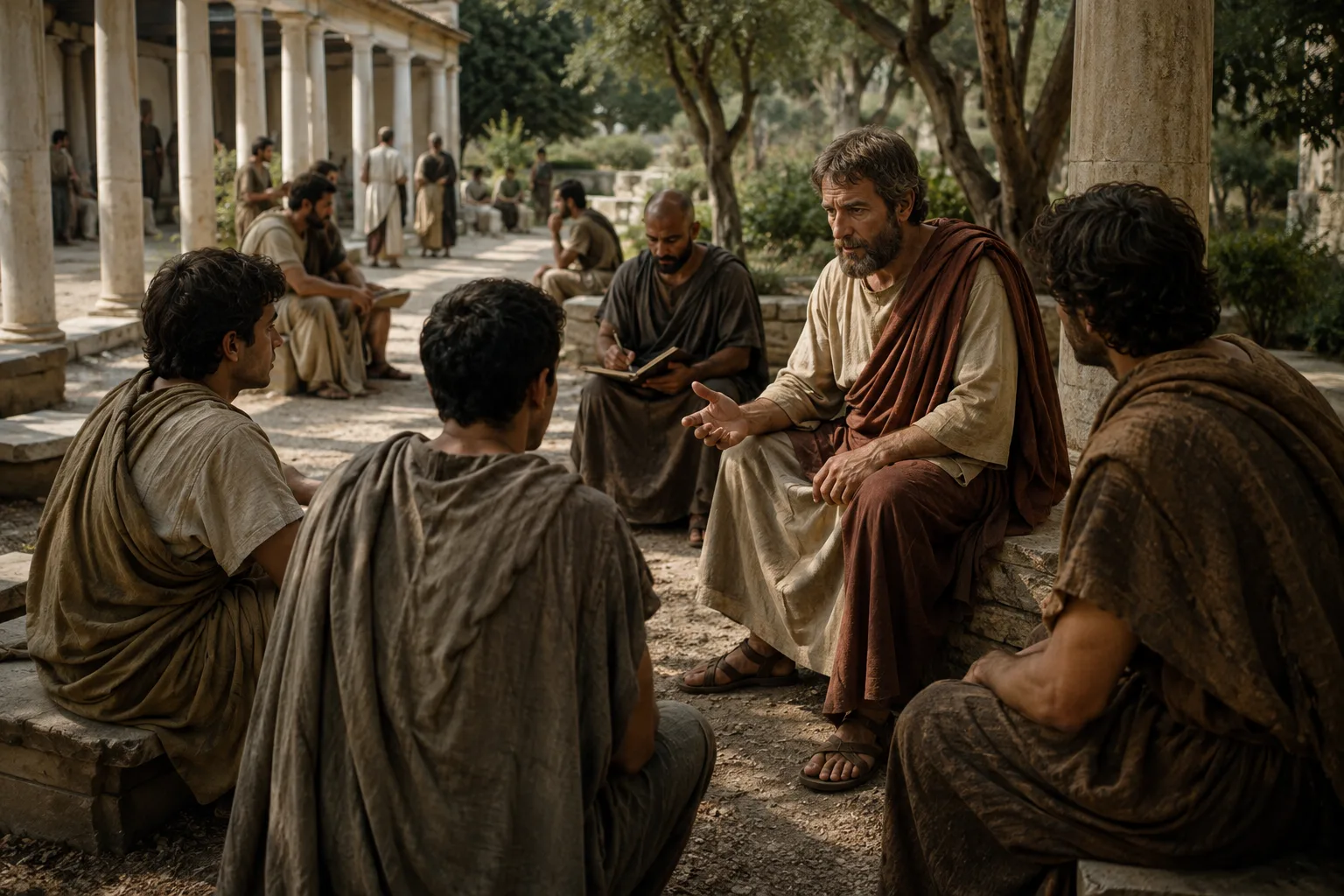
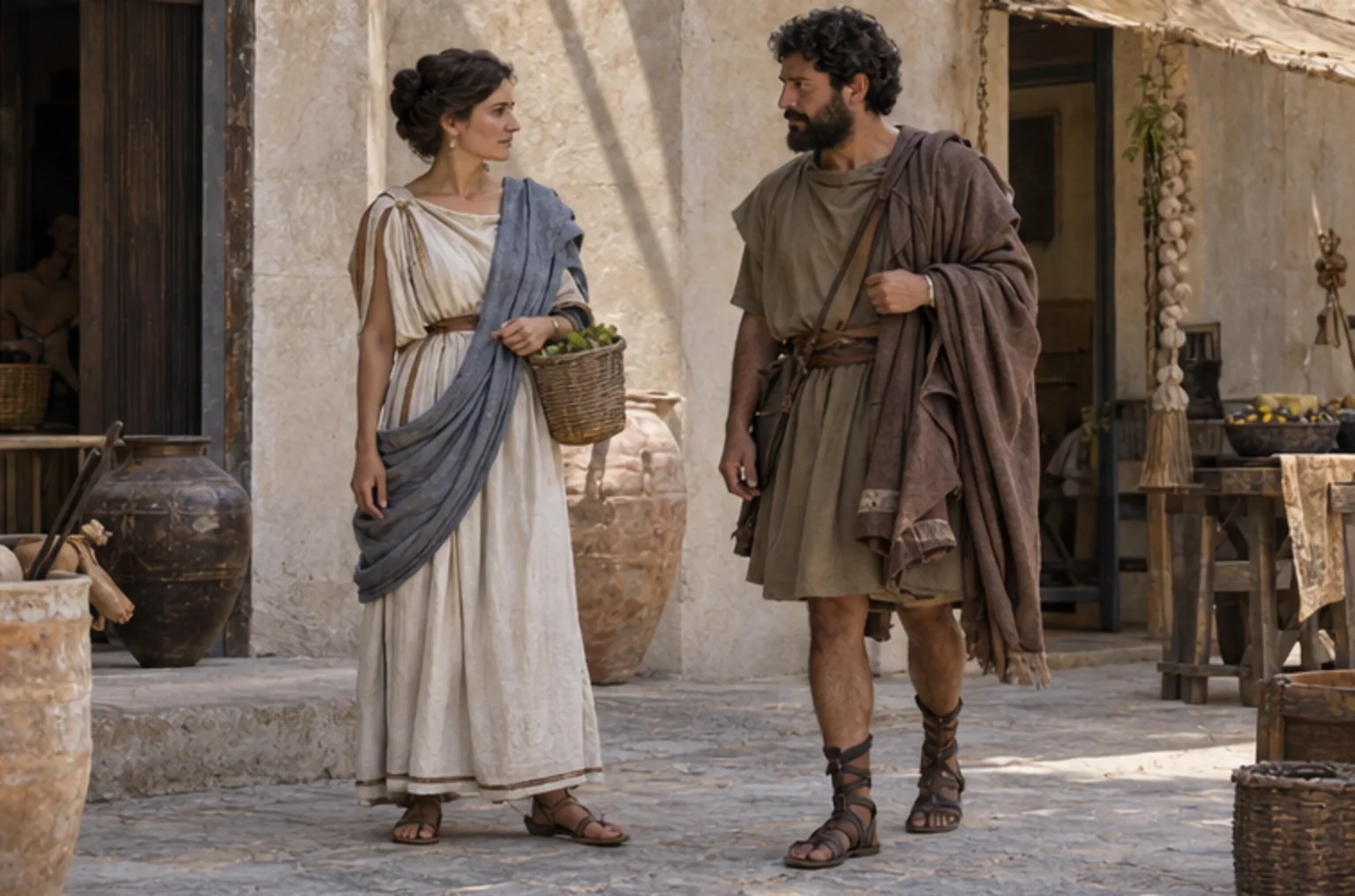
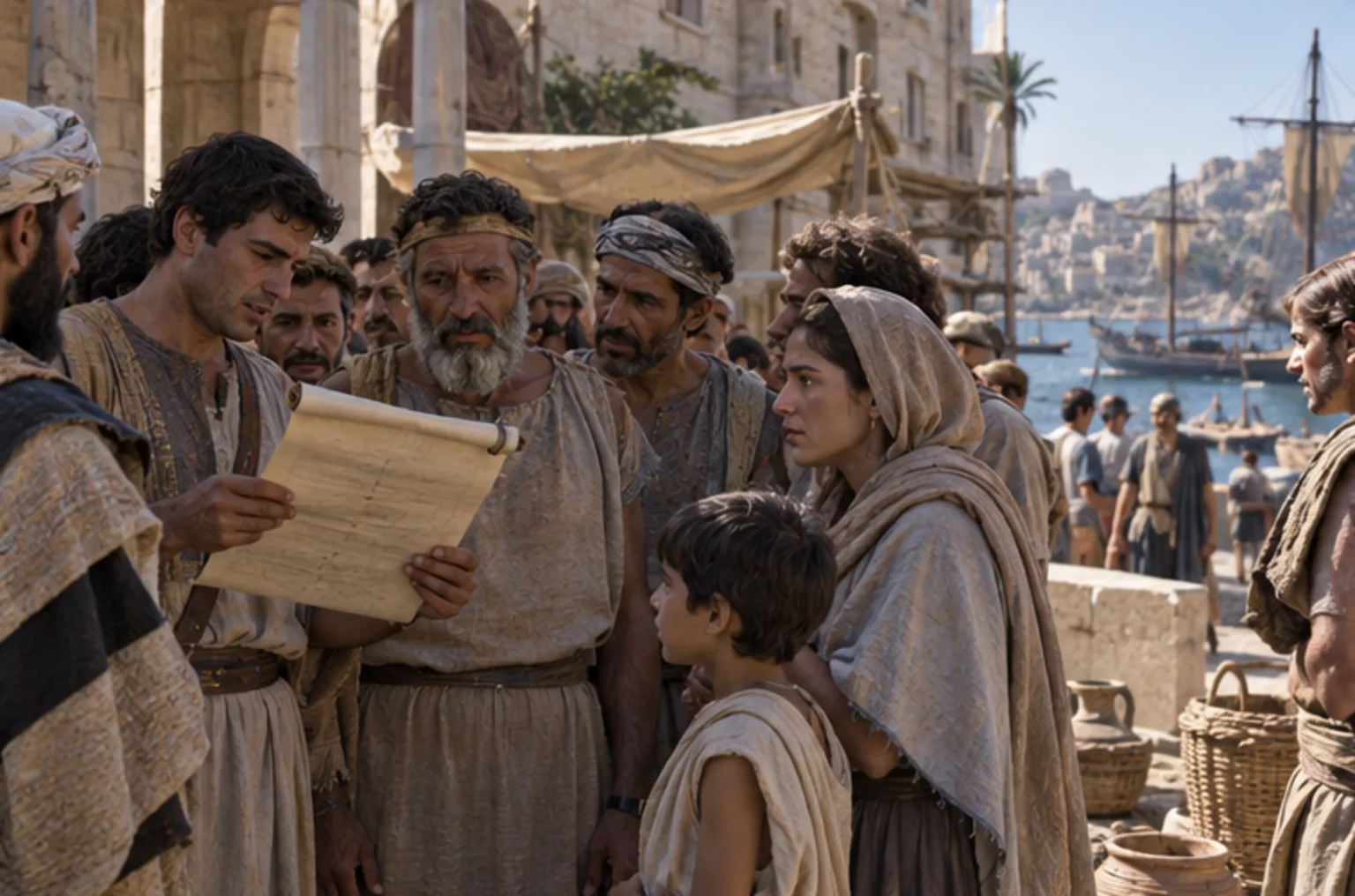
The corpus manifests do not yet establish the precise place and circumstances of composition. The images below document the author’s world or the text’s transmission. They do not claim to show the exact scene of writing.
These are modern reconstructions. They situate a documented place, practice, or transmission and are not period documents.
What the world looked like
World of 1989
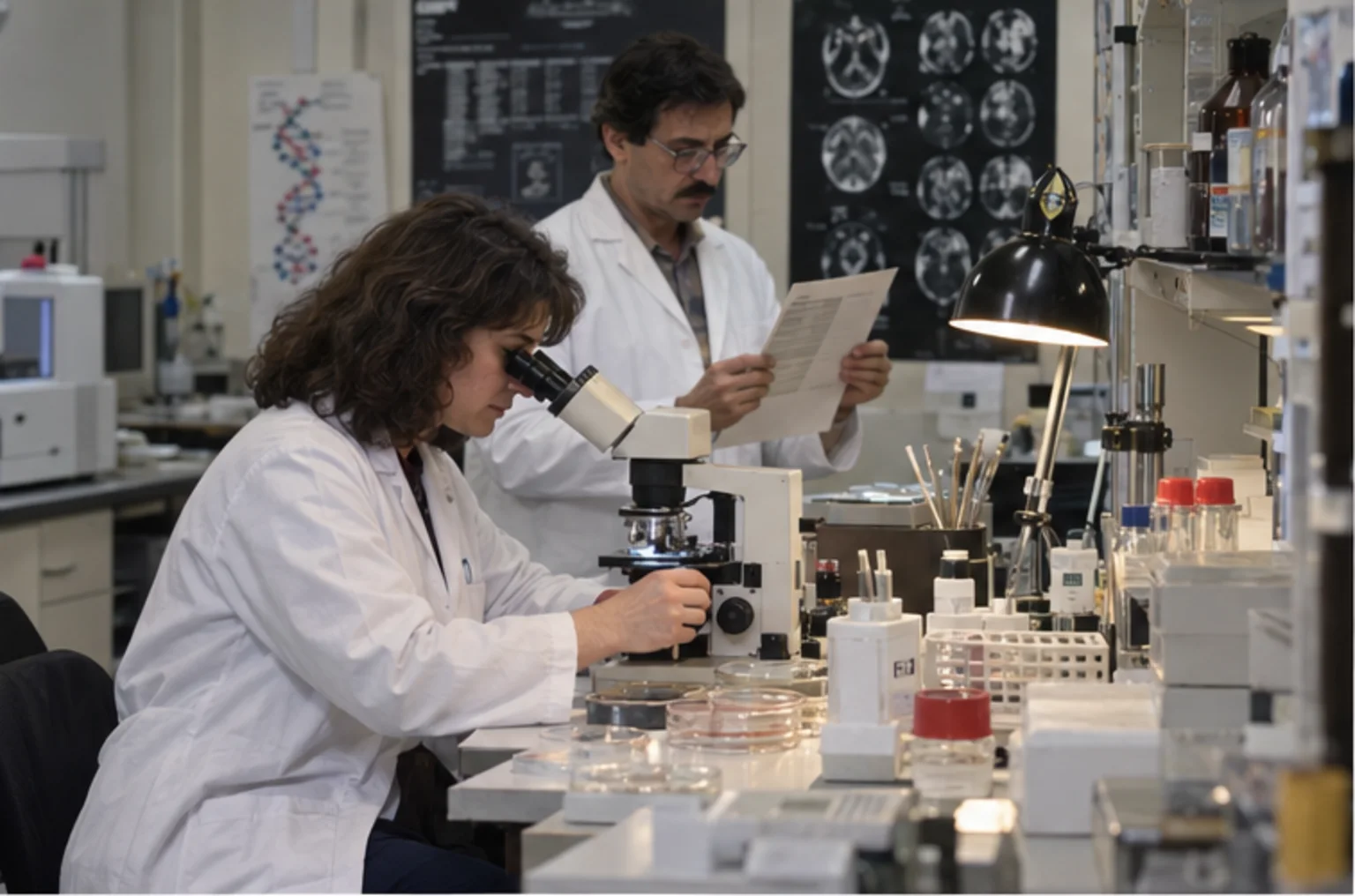
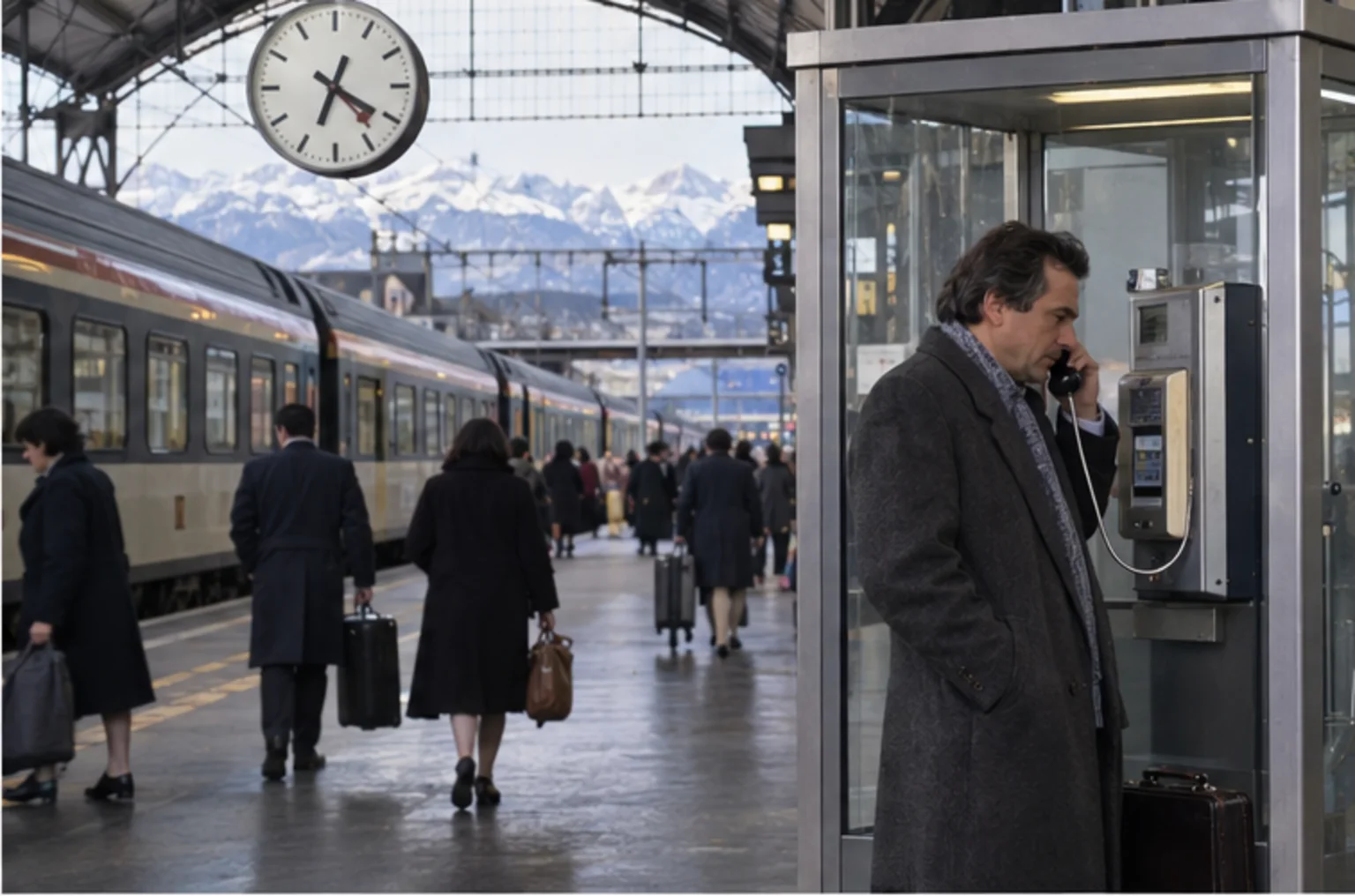
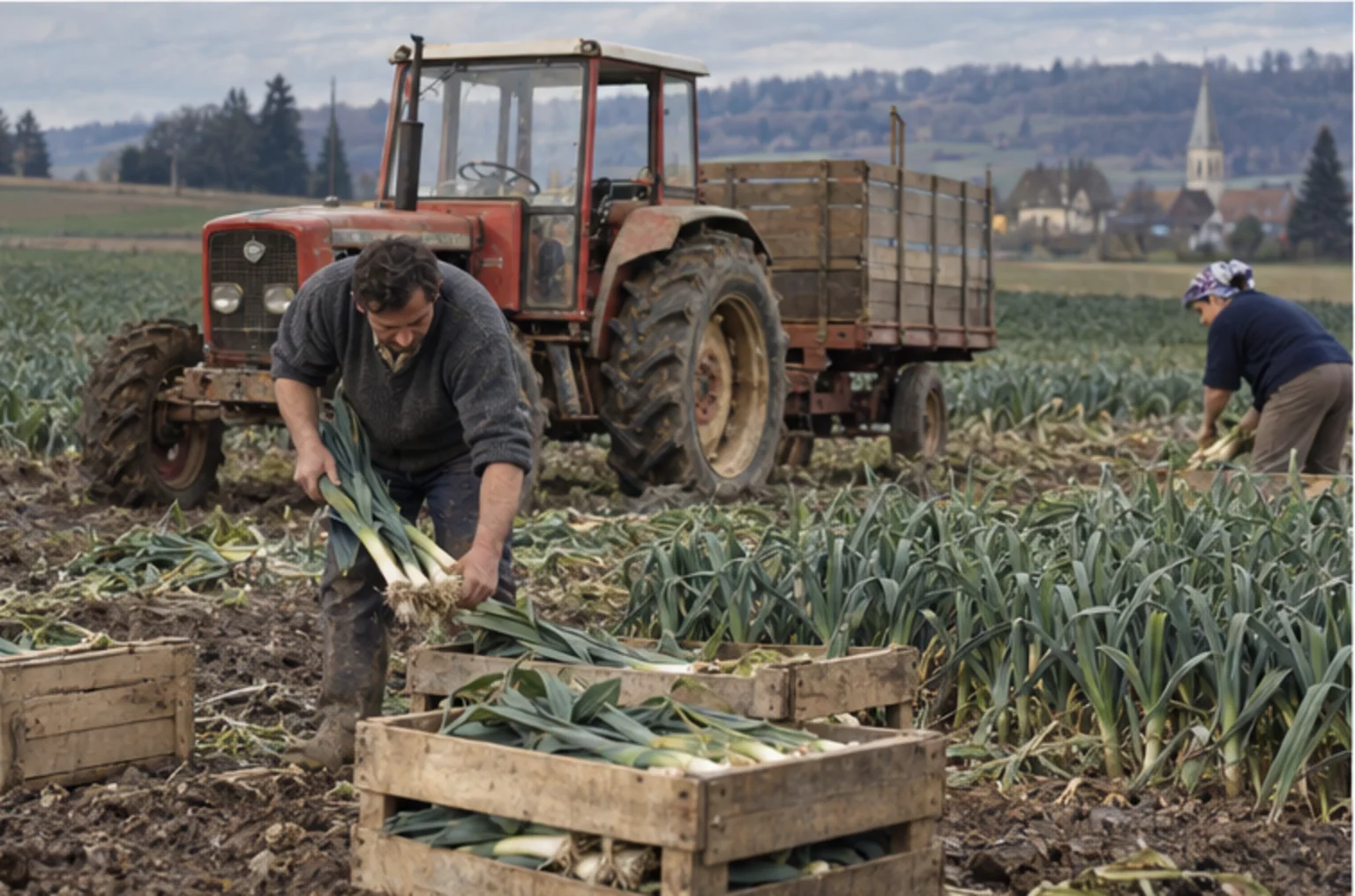
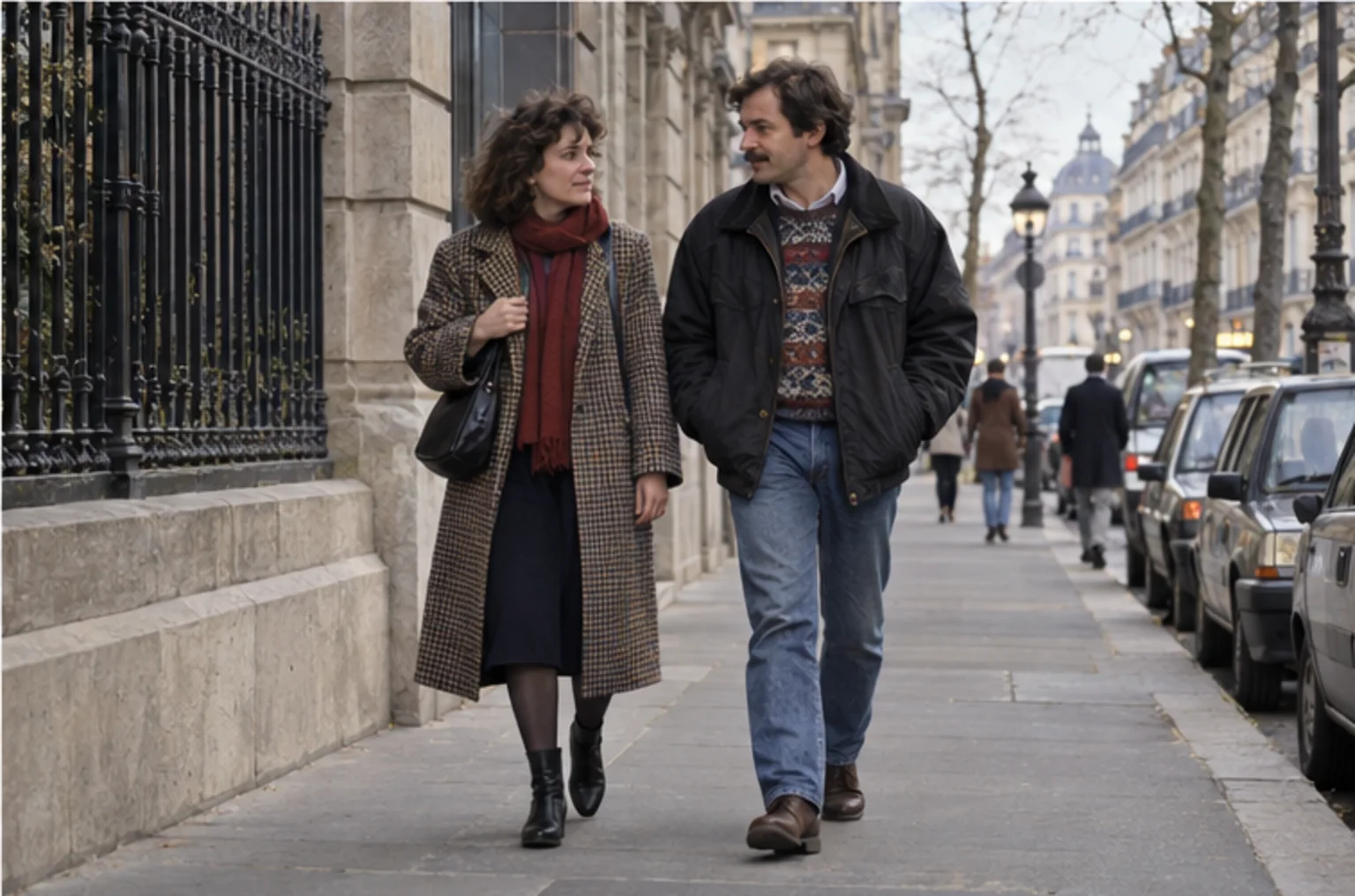
- State of technology
- Personal computers, satellites, video, industrial robots, and expensive mobile phones exist, but the public Web does not yet.
- Science and knowledge
- Computing, genetics, climate science, cosmology, and medical imaging produce growing data and international collaboration.
- Medicine and care
- CT, MRI, transplantation, vaccines, and intensive care advance; the AIDS epidemic exposes both medical capacity and its limits.
- Transport
- Cars, high-speed rail, metros, aircraft, and containers globalize people and goods.
- Agriculture and food
- Machinery, chemical inputs, breeding, and cold chains support high yields with increasingly debated social and environmental costs.
- Communication
- Fixed telephones, fax, television, radio, and newspapers predominate. Email and computer networks remain mainly professional or academic.
- Clothing and fashion
- Loose suits, jeans, trainers, women’s power suits, sportswear, and urban subcultures create highly varied silhouettes.
Editions, translations, and provenance
The following carriers represent the text. They do not create new passage identities.
- Ancient Greekcomplete_aligned_treatise
- Englishcomplete_aligned_treatise
- French AI-generated translation, non-officialCodex gpt-5.6-sol · Non-official working translation · 2026-09-13
Source manifests: aristotle.politics
Reader
Read page by page
PoliticsAristotle