Fragments or testimony
Letters from Elizabeth Carter to Elizabeth Montagu
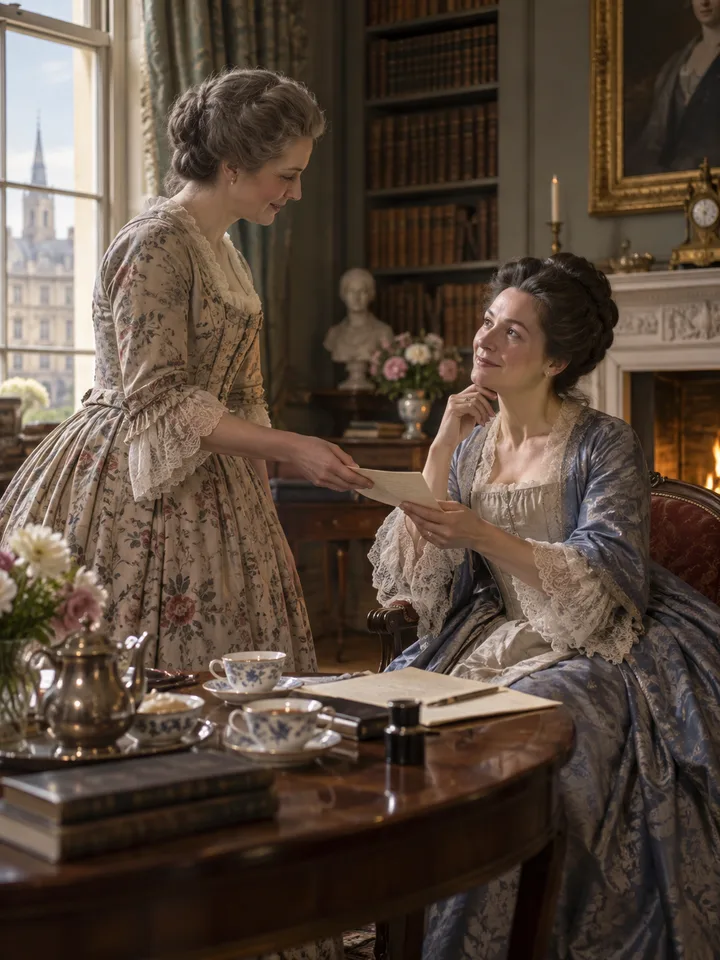
In letters to Elizabeth Montagu, Carter combines friendship, social observation, and literary life. Publications, travel, bereavement, and networks of sociability show two women negotiating intellectual authority, reputation, and mutual support.
- Composition
- correspondence, 1758-1805
Sources and precision
The range describes composition or formation of the text, distinct from the dates of the editions held.
Confidence A · direct evidence
- Elizabeth Montagu Correspondence Online: Elizabeth Carter
- Prokopton42 corpus manifestation manifests
- Tradition
- Stoicism
- Period
- Modern era
- Languages
- English · French
- Extent
- 232 passages · 227,104 words
Before reading
What you will learn
Analyze the relation between friendship and patronage, recognize epistolary self-fashioning, and understand women’s networks in literary life.
Short summary
In letters to Elizabeth Montagu, Carter combines friendship, social observation, and literary life. Publications, travel, bereavement, and networks of sociability show two women negotiating intellectual authority, reputation, and mutual support.
Long summary
The correspondence moves among personal affairs, reading, editorial projects, and portraits of fashionable society. Carter addresses a friend who is also a patron, salon organizer, and public figure, giving the exchange both affectionate and strategic dimensions.
The letters do not provide raw autobiography. They select news and judgements to sustain a relationship over time. Their interest lies in this labour of closeness, where humour and reserve reveal the social conditions of a literary career.
Inside this work
The table of contents follows the divisions actually carried by the corpus.
Work › Unit
- Unit 1
- Unit 2
- Unit 3
- Unit 4
- Unit 5
- Unit 6
- Unit 7
- Unit 8
- Unit 9
- Unit 10
- Unit 11
- Unit 12
- Unit 13
- Unit 14
- Unit 15
- Unit 16
- Unit 18
- Unit 19
- Unit 20
- Unit 21
- Unit 22
- Unit 24
- Unit 25
- Unit 26
- Unit 27
- Unit 28
- Unit 30
- Unit 31
- Unit 33
- Unit 34
- Unit 35
- Unit 36
- Unit 37
- Unit 38
- Unit 39
- Unit 41
- Unit 42
- Unit 43
- Unit 44
- Unit 45
- Unit 47
- Unit 49
- Unit 50
- Unit 51
- Unit 52
- Unit 53
- Unit 54
- Unit 55
- Unit 56
- Unit 58
- Unit 59
- Unit 60
- Unit 61
- Unit 62
- Unit 64
- Unit 65
- Unit 66
- Unit 67
- Unit 68
- Unit 69
- Unit 70
- Unit 71
- Unit 72
- Unit 73
- Unit 74
- Unit 75
- Unit 79
- Unit 80
- Unit 81
- Unit 82
- Unit 85
- Unit 86
- Unit 87
- Unit 90
- Unit 91
- Unit 92
- Unit 93
- Unit 94
- Unit 95
- Unit 97
- Unit 98
- Unit 99
- Unit 100
- Unit 101
- Unit 106
- Unit 107
- Unit 108
- Unit 109
- Unit 110
- Unit 111
- Unit 112
- Unit 113
- Unit 114
- Unit 115
- Unit 118
- Unit 119
- Unit 120
- Unit 121
- Unit 122
- Unit 123
- Unit 124
- Unit 125
- Unit 126
- Unit 128
- Unit 129
- Unit 130
- Unit 131
- Unit 133
- Unit 134
- Unit 135
- Unit 136
- Unit 137
- Unit 138
- Unit 139
- Unit 140
- Unit 141
- Unit 142
- Unit 143
- Unit 144
- Unit 145
- Unit 146
- Unit 148
- Unit 149
- Unit 150
- Unit 151
- Unit 152
- Unit 153
- Unit 155
- Unit 157
- Unit 159
- Unit 160
- Unit 162
- Unit 163
- Unit 164
- Unit 165
- Unit 166
- Unit 167
- Unit 168
- Unit 169
- Unit 170
- Unit 171
- Unit 172
- Unit 173
- Unit 174
- Unit 175
- Unit 176
- Unit 177
- Unit 179
- Unit 180
- Unit 181
- Unit 182
- Unit 184
- Unit 185
- Unit 186
- Unit 189
- Unit 190
- Unit 191
- Unit 192
- Unit 193
- Unit 195
- Unit 196
- Unit 197
- Unit 198
- Unit 199
- Unit 200
- Unit 201
- Unit 202
- Unit 203
- Unit 204
- Unit 205
- Unit 206
- Unit 208
- Unit 209
- Unit 210
- Unit 211
- Unit 213
- Unit 214
- Unit 215
- Unit 216
- Unit 217
- Unit 218
- Unit 219
- Unit 222
- Unit 223
- Unit 224
- Unit 225
- Unit 227
- Unit 231
- Unit 235
- Unit 236
- Unit 237
- Unit 240
- Unit 242
- Unit 243
- Unit 244
- Unit 245
- Unit 246
- Unit 248
- Unit 249
- Unit 250
- Unit 251
- Unit 252
- Unit 254
- Unit 255
- Unit 257
- Unit 258
- Unit 259
- Unit 260
- Unit 261
- Unit 262
- Unit 263
- Unit 264
- Unit 265
- Unit 267
- Unit 268
- Unit 269
- Unit 270
- Unit 271
- Unit 272
- Unit 274
- Unit 275
- Unit 276
- Unit 277
- Unit 279
- Unit 280
- Unit 281
- Unit 282
- Unit 284
- Unit 285
- Unit 286
- Unit 289
- Unit 290
Concepts covered
Historical context
The world around the text
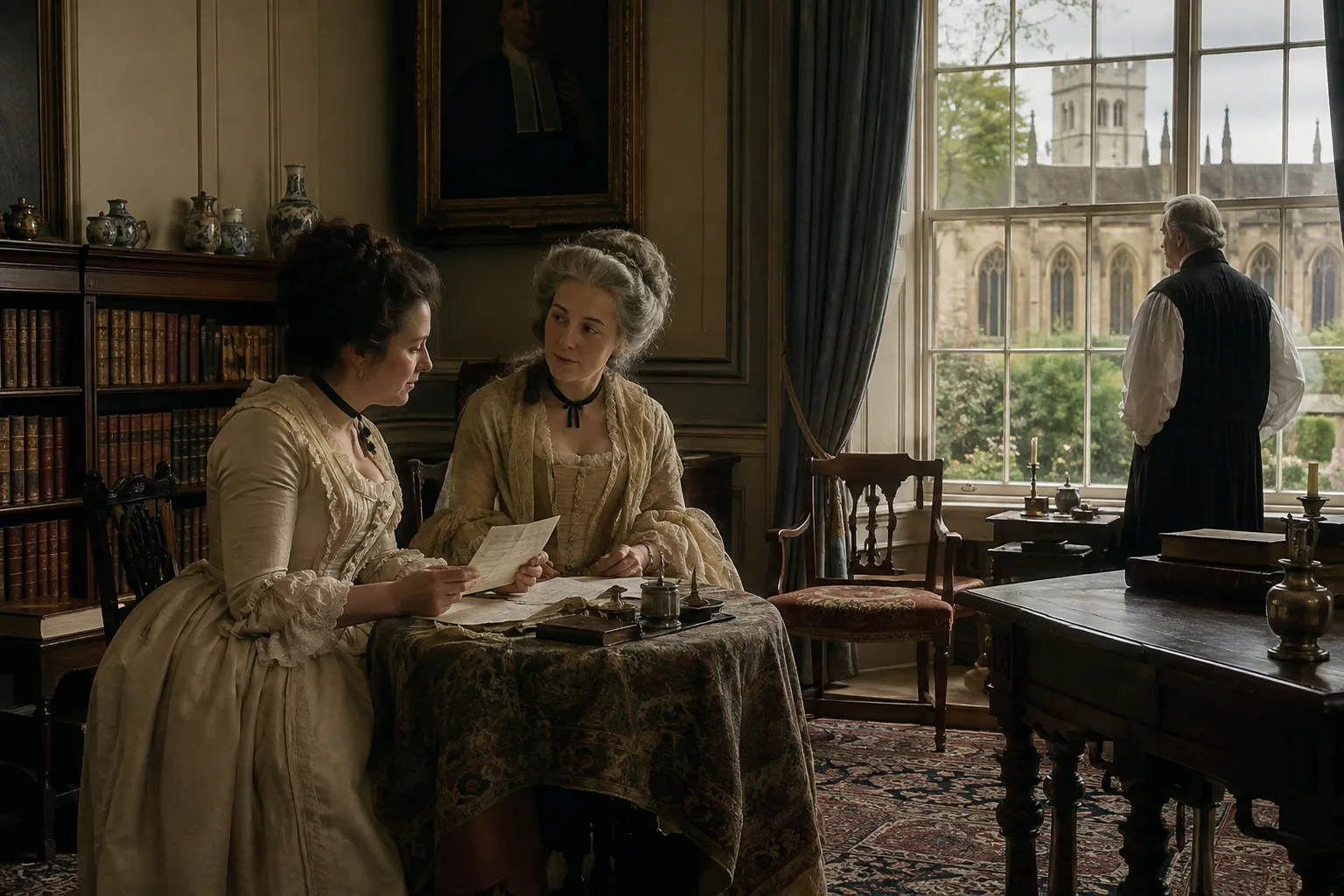
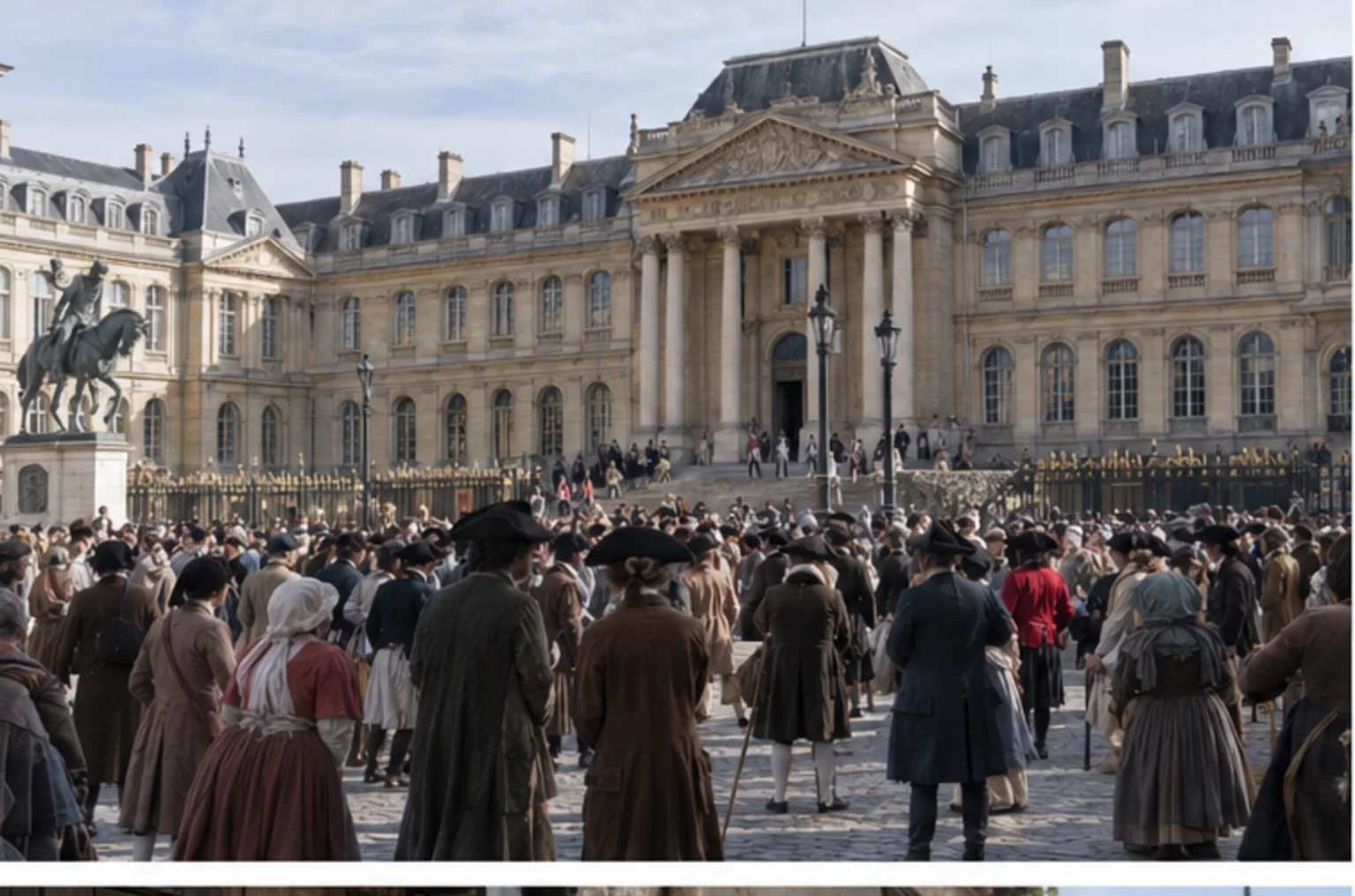
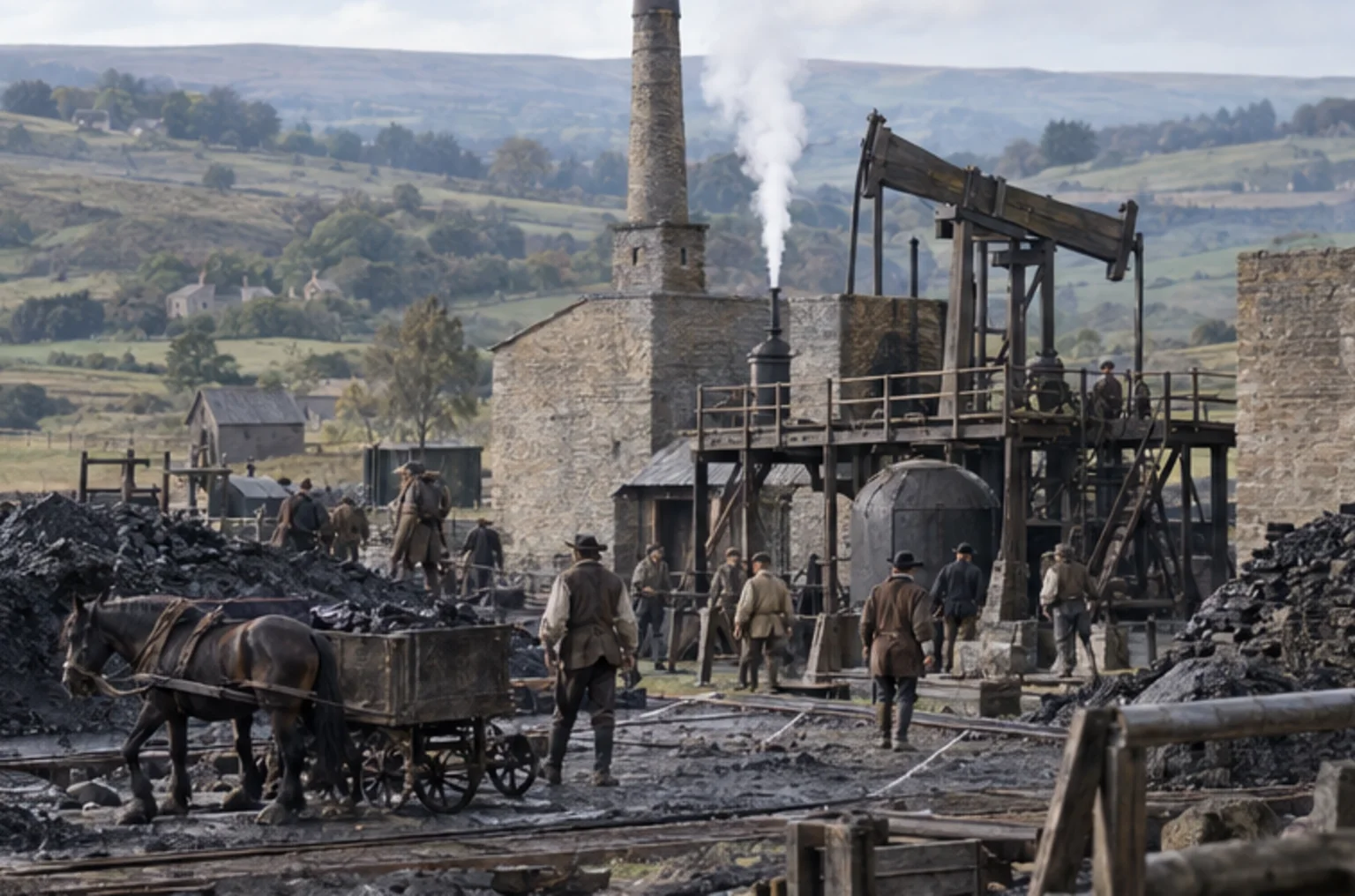
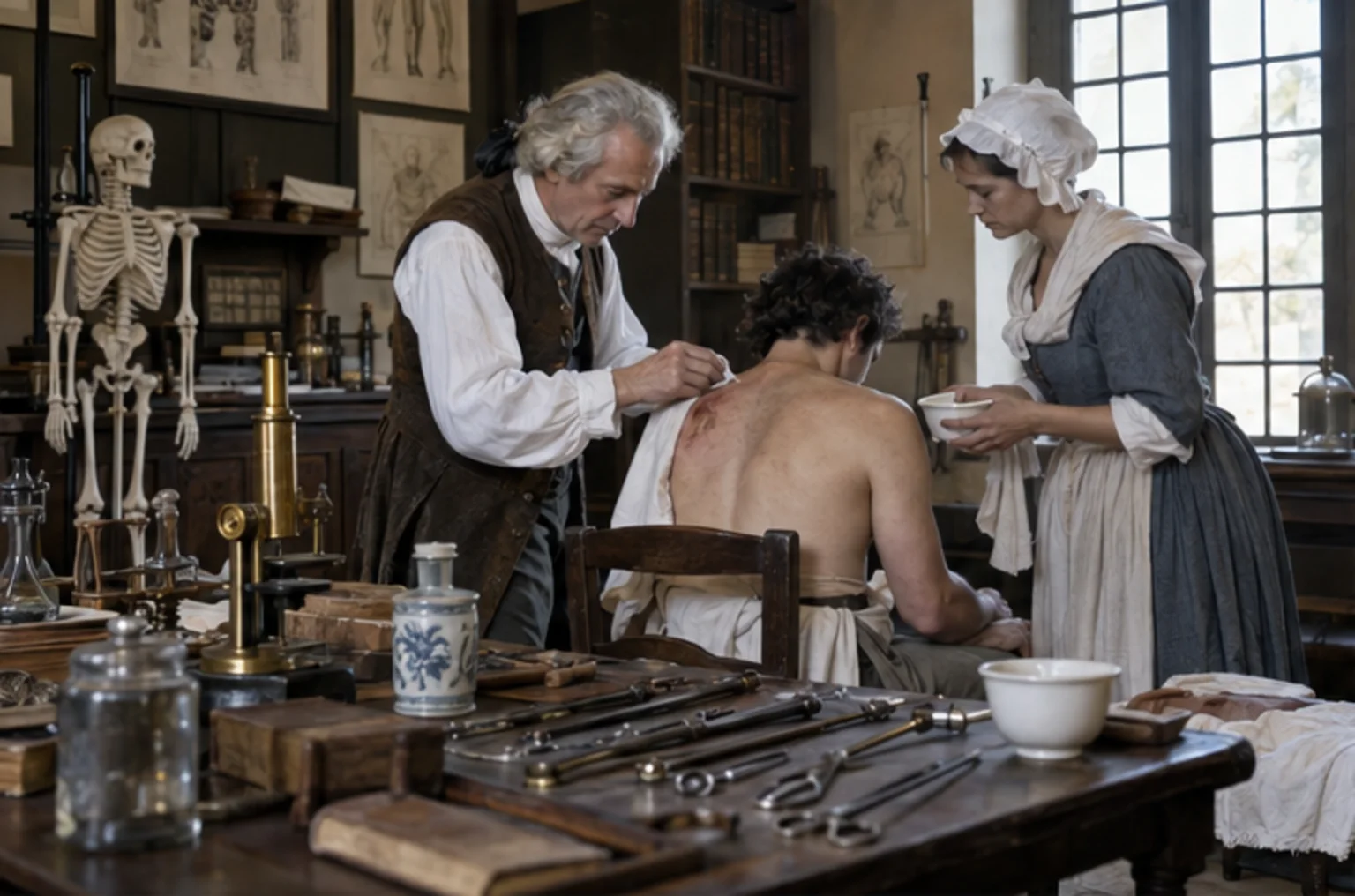
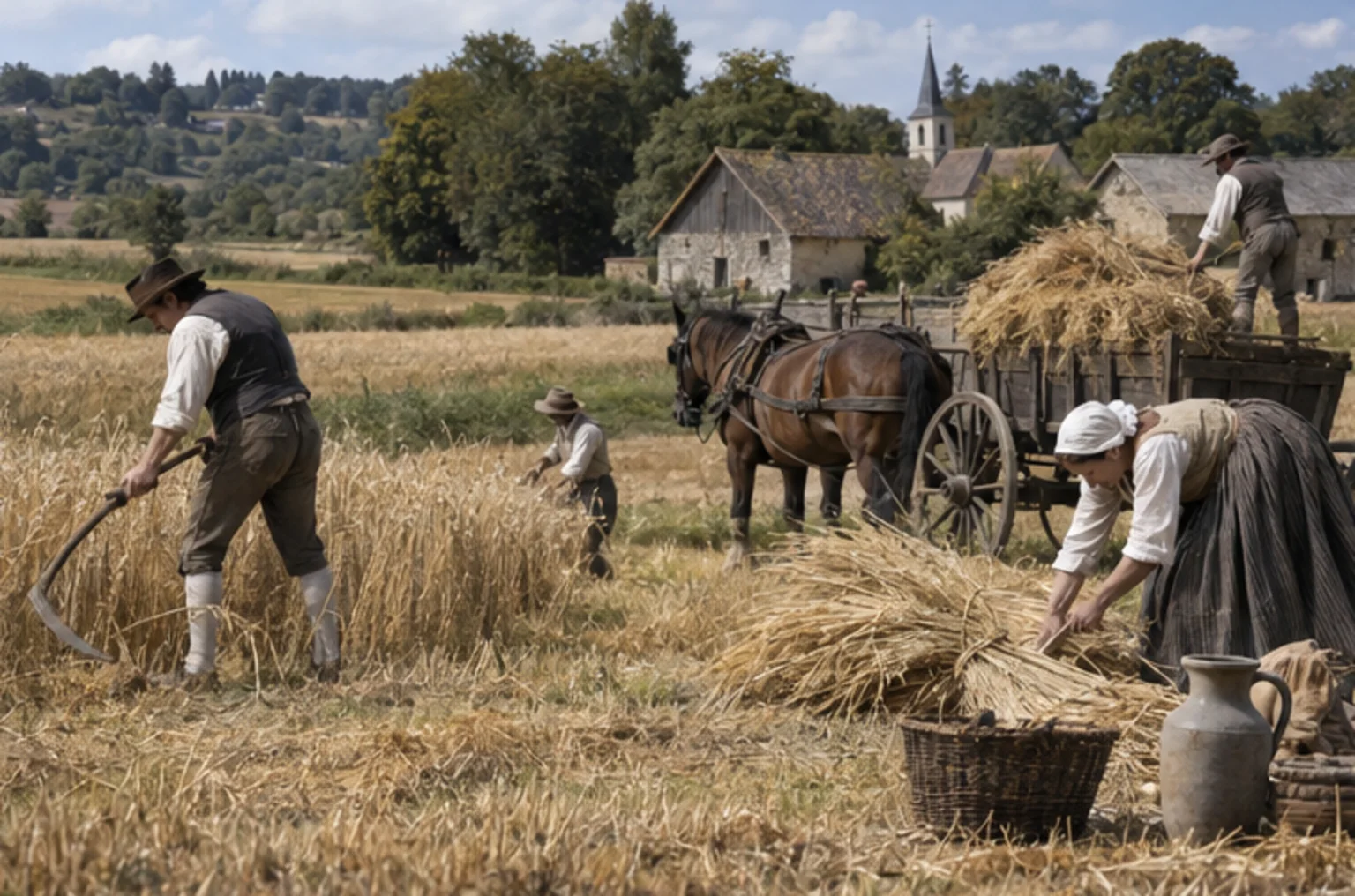
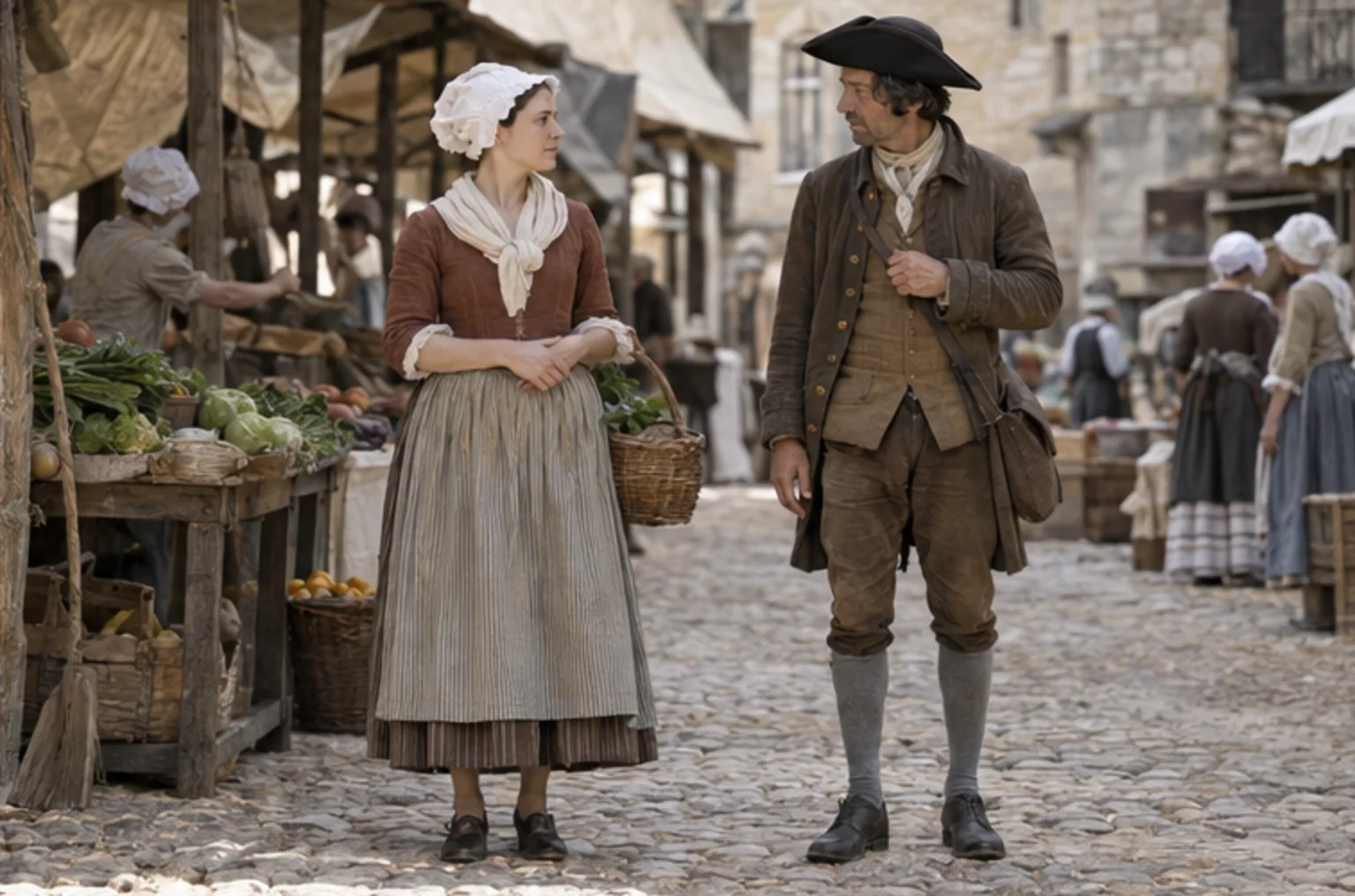
The corpus manifests do not yet establish the precise place and circumstances of composition. The images below document the author’s world or the text’s transmission. They do not claim to show the exact scene of writing.
These are modern reconstructions. They situate a documented place, practice, or transmission and are not period documents.
What the world looked like
18th-century Europe

- State of technology
- Printing presses, early steam engines, textile machinery, clockmaking, and metalwork begin an uneven mechanization.
- Science and knowledge
- Learned societies, collections, measurement, public experiments, and classification make science more collective and testable.
- Medicine and care
- Anatomy and clinical observation advance; variolation and then vaccination appear, but anaesthesia, antisepsis, and microbes are not yet mastered.
- Transport
- Walking, horses, stagecoaches, barges, and sailing ships. Roads and relays improve, but travel remains slow.
- Agriculture and food
- Rotations, animal breeding, drainage, and new foods raise some yields while much labour remains manual.
- Communication
- Newspapers, books, pamphlets, salons, and post move ideas at a new speed measured in days or weeks.
- Clothing and fashion
- Coats, waistcoats, and breeches dress prosperous men; bodices, skirts, and gowns structure women’s fashion. Working people wear simpler, repeatedly repaired forms.
Editions, translations, and provenance
The following carriers represent the text. They do not create new passage identities.
- Englishoriginal
- French AI-generated translation, non-officialCodex gpt-5.6-sol · Non-official working translation · 2026-09-20
Source manifests: elizabeth_carter.montagu_letters
Reader
Read page by page
Letters from Elizabeth Carter to Elizabeth MontaguElizabeth Carter