Edition or translation awaiting alignment
Jean-Pierre de Crousaz’s Examination of Mr. Pope’s Essay on Man, Translated by Elizabeth Carter
Jean-Pierre de Crousaz subjects Alexander Pope’s Essay on Man to philosophical and theological criticism. Elizabeth Carter’s English translation carries his debate about providence, freedom, evil, and cosmic order without making her the original author.
- Composition
- 1738-1739
Sources and precision
The range describes composition or formation of the text, distinct from the dates of the editions held.
Confidence A · direct evidence
- Prokopton42 corpus manifestation manifests
- Tradition
- Stoicism
- Period
- Modern era
- Languages
- English · French
- Extent
- 157 passages · 42,668 words
Before reading
What you will learn
Reconstruct the criticism of Pope’s optimism, distinguish poetic image from philosophical proposition, and attribute argument, translation, and target text separately.
Short summary
Jean-Pierre de Crousaz subjects Alexander Pope’s Essay on Man to philosophical and theological criticism. Elizabeth Carter’s English translation carries his debate about providence, freedom, evil, and cosmic order without making her the original author.
Long summary
Crousaz examines Pope’s poetic formulas as propositions capable of being true, ambiguous, or dangerous. He refuses to let universal harmony, the scale of beings, or human limitation excuse evil or weaken freedom and responsibility.
The move from verse to argumentative prose creates a central tension: a powerful image is not yet an exact distinction. Carter translates the controversy for English readers and contributes to its circulation, but the structure and doctrinal commitments of the refutation belong to Crousaz.
Inside this work
The table of contents follows the divisions actually carried by the corpus.
Work › Editorial unit
- Editorial unit 1
- Editorial unit 2
- Editorial unit 3
- Editorial unit 4
- Editorial unit 5
- Editorial unit 6
- Editorial unit 7
- Editorial unit 8
- Editorial unit 9
- Editorial unit 10
- Editorial unit 11
- Editorial unit 12
- Editorial unit 13
- Editorial unit 14
- Editorial unit 15
- Editorial unit 16
- Editorial unit 17
- Editorial unit 18
- Editorial unit 19
- Editorial unit 20
- Editorial unit 21
- Editorial unit 22
- Editorial unit 23
- Editorial unit 24
- Editorial unit 25
- Editorial unit 26
- Editorial unit 27
- Editorial unit 28
- Editorial unit 29
- Editorial unit 30
- Editorial unit 31
- Editorial unit 32
- Editorial unit 33
- Editorial unit 34
- Editorial unit 35
- Editorial unit 36
- Editorial unit 37
- Editorial unit 38
- Editorial unit 39
- Editorial unit 40
- Editorial unit 41
- Editorial unit 42
- Editorial unit 43
- Editorial unit 44
- Editorial unit 45
- Editorial unit 46
- Editorial unit 47
- Editorial unit 48
- Editorial unit 49
- Editorial unit 50
- Editorial unit 51
- Editorial unit 52
- Editorial unit 53
- Editorial unit 54
- Editorial unit 55
- Editorial unit 56
- Editorial unit 57
- Editorial unit 58
- Editorial unit 59
- Editorial unit 60
- Editorial unit 61
- Editorial unit 62
- Editorial unit 63
- Editorial unit 64
- Editorial unit 65
- Editorial unit 66
- Editorial unit 67
- Editorial unit 68
- Editorial unit 69
- Editorial unit 70
- Editorial unit 71
- Editorial unit 72
- Editorial unit 73
- Editorial unit 74
- Editorial unit 75
- Editorial unit 76
- Editorial unit 77
- Editorial unit 78
- Editorial unit 79
- Editorial unit 80
- Editorial unit 81
- Editorial unit 82
- Editorial unit 83
- Editorial unit 84
- Editorial unit 85
- Editorial unit 86
- Editorial unit 87
- Editorial unit 88
- Editorial unit 89
- Editorial unit 90
- Editorial unit 91
- Editorial unit 92
- Editorial unit 93
- Editorial unit 94
- Editorial unit 95
- Editorial unit 96
- Editorial unit 97
- Editorial unit 98
- Editorial unit 99
- Editorial unit 100
- Editorial unit 101
- Editorial unit 102
- Editorial unit 103
- Editorial unit 104
- Editorial unit 105
- Editorial unit 106
- Editorial unit 107
- Editorial unit 108
- Editorial unit 109
- Editorial unit 110
- Editorial unit 111
- Editorial unit 112
- Editorial unit 113
- Editorial unit 114
- Editorial unit 115
- Editorial unit 116
- Editorial unit 117
- Editorial unit 118
- Editorial unit 119
- Editorial unit 120
- Editorial unit 121
- Editorial unit 122
- Editorial unit 123
- Editorial unit 124
- Editorial unit 125
- Editorial unit 126
- Editorial unit 127
- Editorial unit 128
- Editorial unit 129
- Editorial unit 130
- Editorial unit 131
- Editorial unit 132
- Editorial unit 133
- Editorial unit 134
- Editorial unit 135
- Editorial unit 136
- Editorial unit 137
- Editorial unit 138
- Editorial unit 139
- Editorial unit 140
- Editorial unit 141
- Editorial unit 142
- Editorial unit 143
- Editorial unit 144
- Editorial unit 145
- Editorial unit 146
- Editorial unit 147
- Editorial unit 148
- Editorial unit 149
- Editorial unit 150
- Editorial unit 151
- Editorial unit 152
- Editorial unit 153
- Editorial unit 154
- Editorial unit 155
- Editorial unit 156
- Editorial unit 157
Concepts covered
Historical context
The world around the text
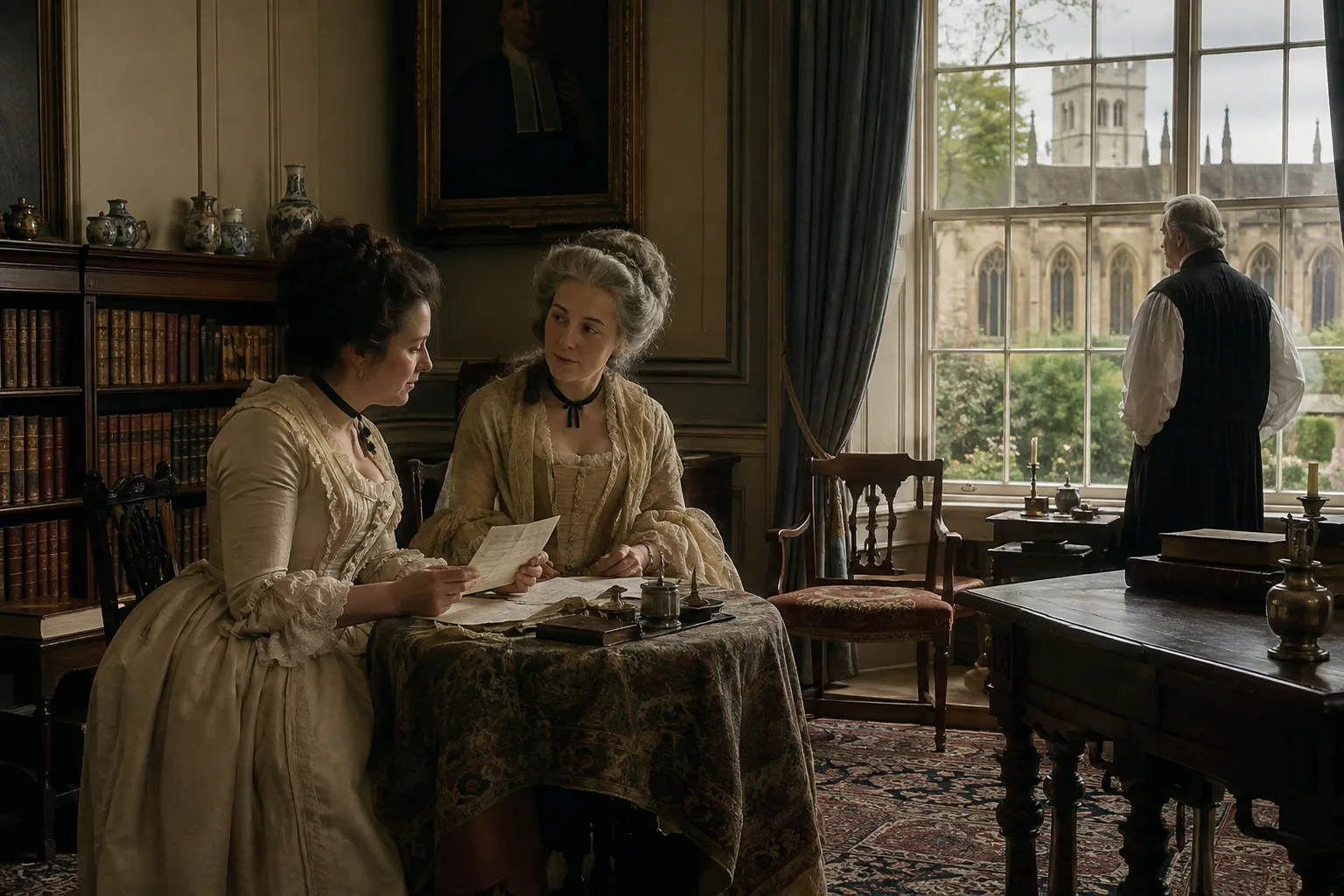
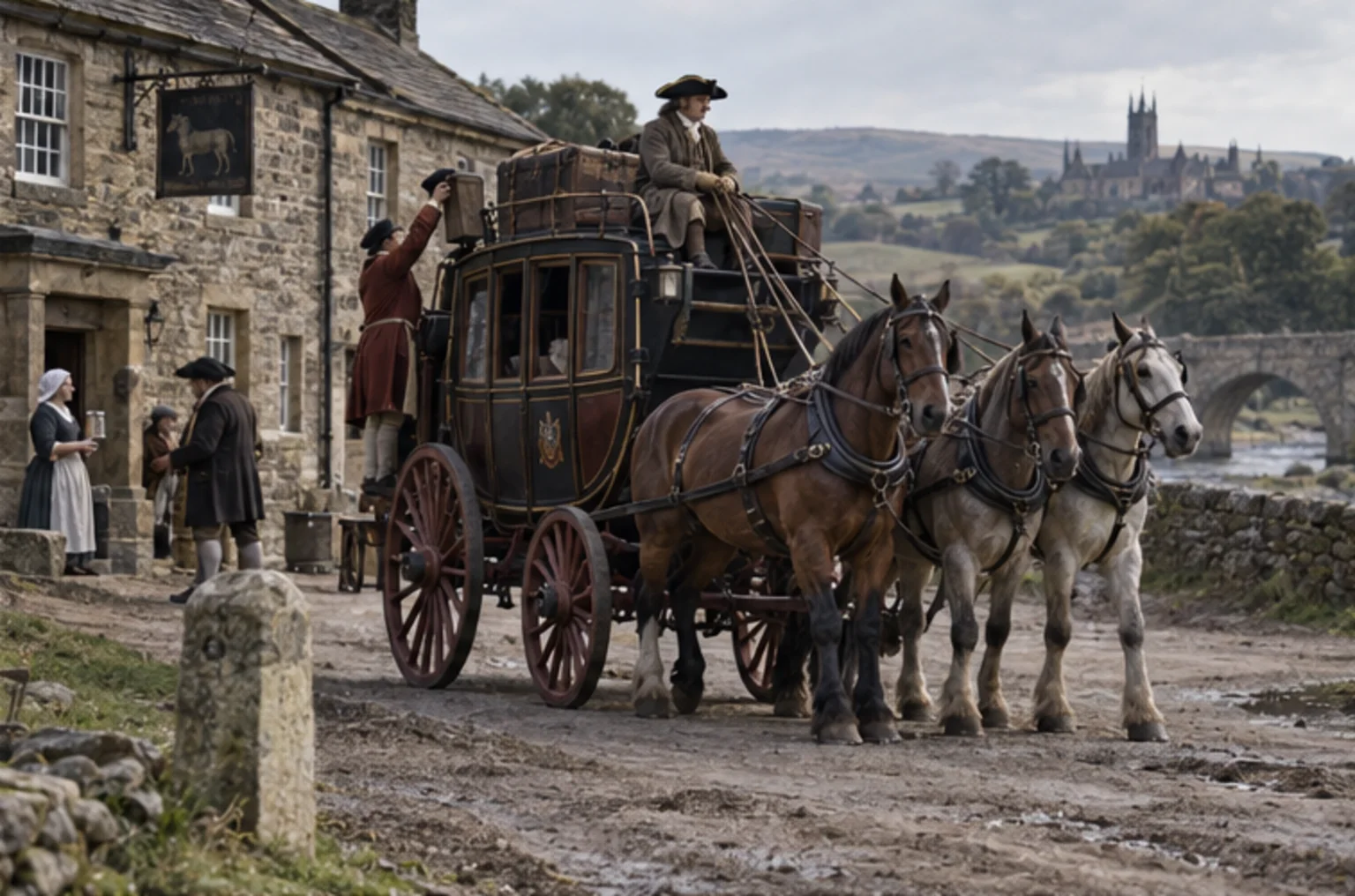
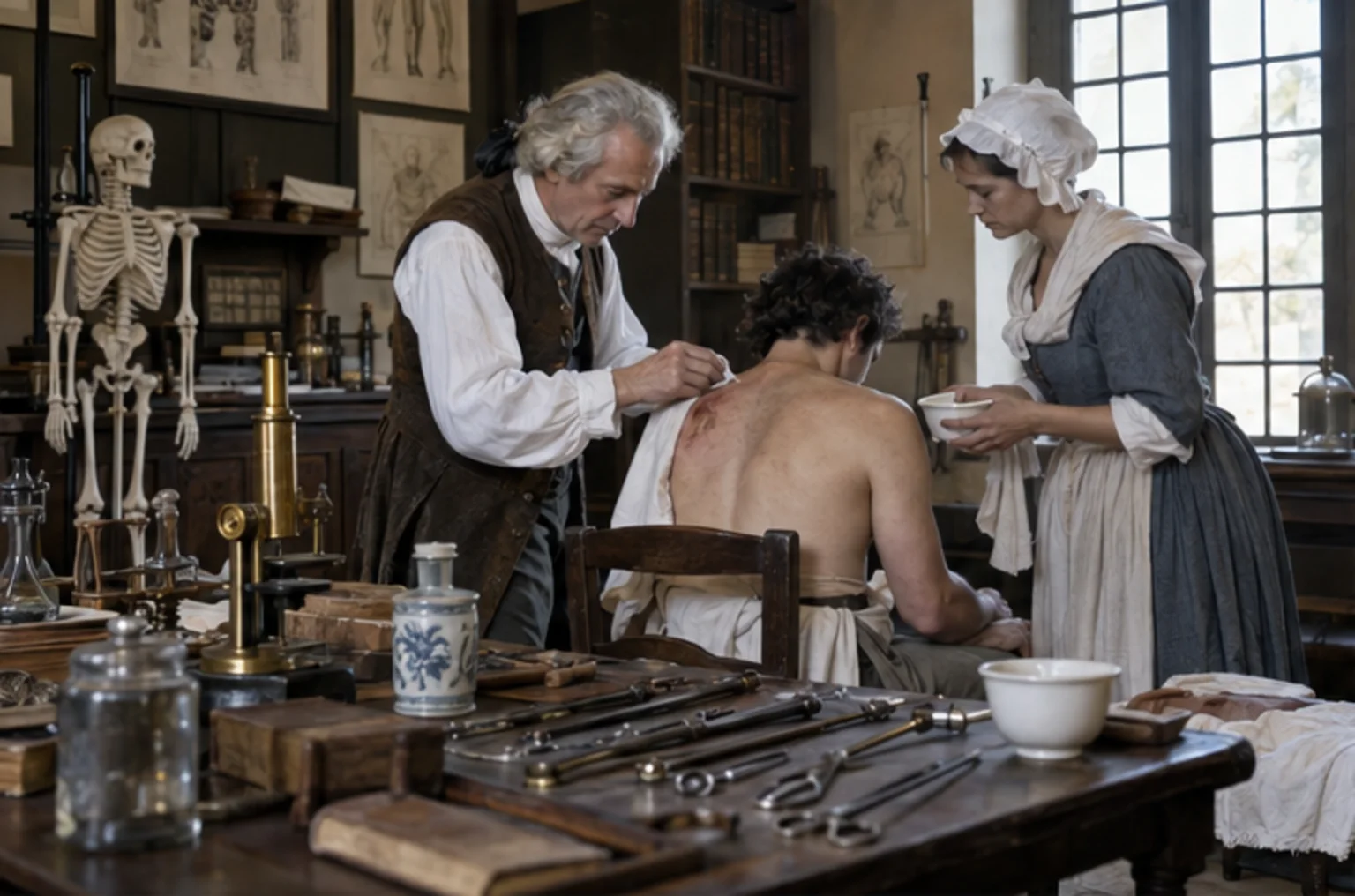
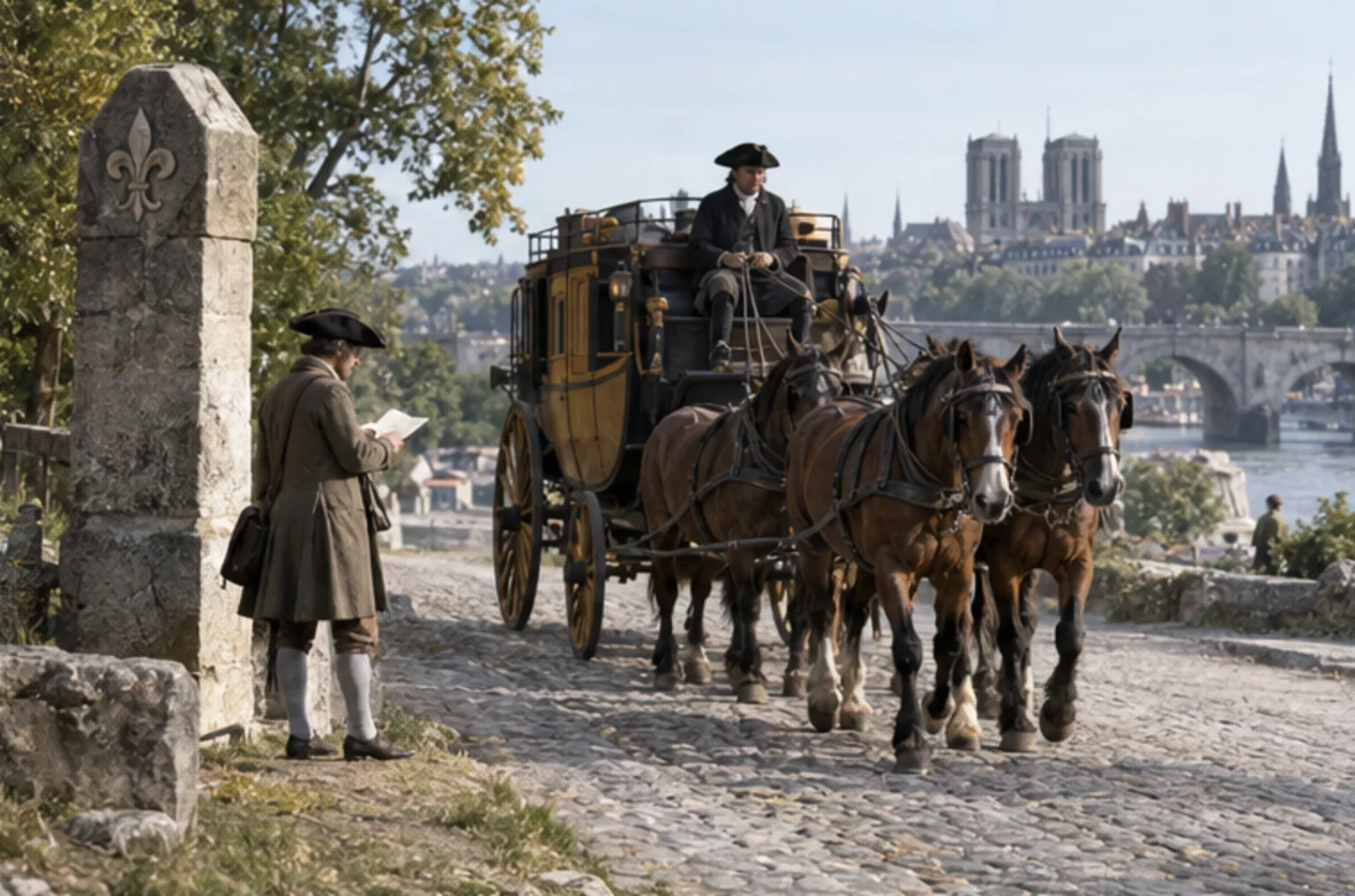
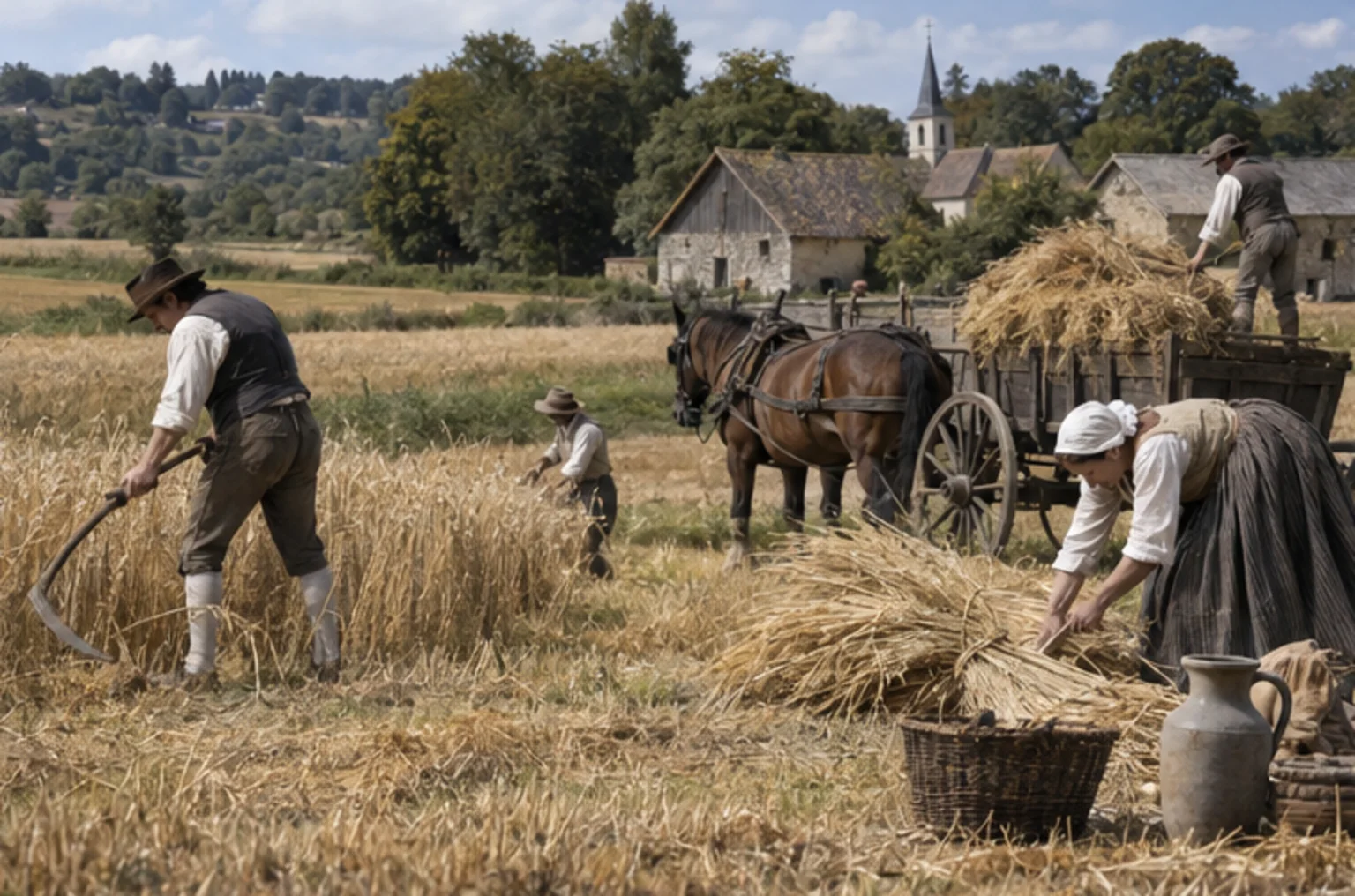
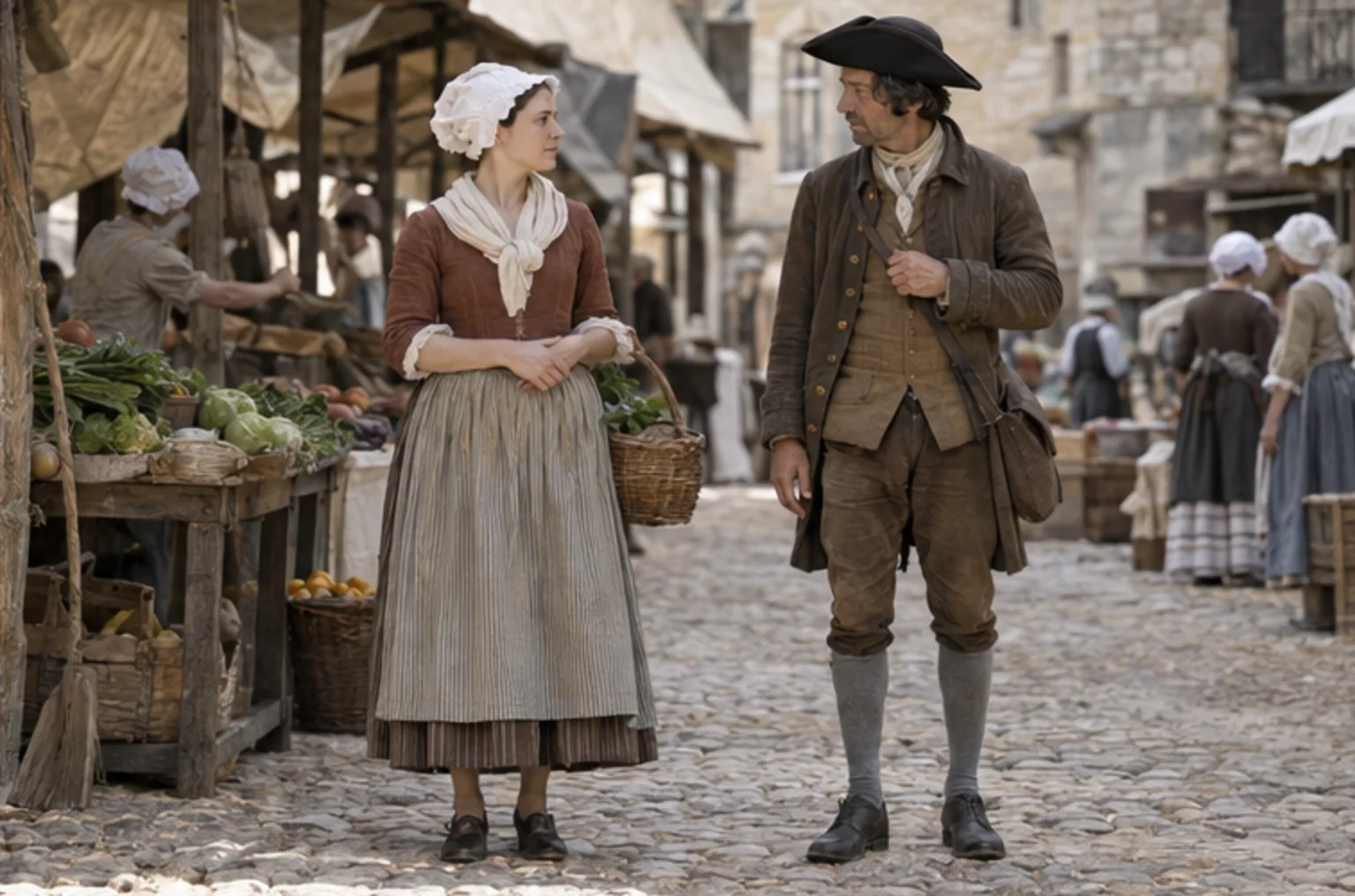
The corpus manifests do not yet establish the precise place and circumstances of composition. The images below document the author’s world or the text’s transmission. They do not claim to show the exact scene of writing.
These are modern reconstructions. They situate a documented place, practice, or transmission and are not period documents.

What the world looked like
18th-century Europe
- State of technology
- Printing presses, early steam engines, textile machinery, clockmaking, and metalwork begin an uneven mechanization.
- Science and knowledge
- Learned societies, collections, measurement, public experiments, and classification make science more collective and testable.
- Medicine and care
- Anatomy and clinical observation advance; variolation and then vaccination appear, but anaesthesia, antisepsis, and microbes are not yet mastered.
- Transport
- Walking, horses, stagecoaches, barges, and sailing ships. Roads and relays improve, but travel remains slow.
- Agriculture and food
- Rotations, animal breeding, drainage, and new foods raise some yields while much labour remains manual.
- Communication
- Newspapers, books, pamphlets, salons, and post move ideas at a new speed measured in days or weeks.
- Clothing and fashion
- Coats, waistcoats, and breeches dress prosperous men; bodices, skirts, and gowns structure women’s fashion. Working people wear simpler, repeatedly repaired forms.
Editions, translations, and provenance
The following carriers represent the text. They do not create new passage identities.
- Englishtranslated_or_edited_carrier
- French AI-generated translation, non-officialCodex gpt-5.6-sol · Non-official working translation · 2026-09-11
Source manifests: elizabeth_carter.translated_crousaz
Reader
Read page by page
Jean-Pierre de Crousaz’s Examination of Mr. Pope’s Essay on Man, Translated by Elizabeth CarterJean-Pierre de Crousaz