Work
Ethics, Émile Saisset’s French Translation
Émile Saisset’s translation gives the demonstrative architecture of Spinoza’s Ethics in French. God identified with Nature, mind-body parallelism, analysis of passions, and intellectual blessedness unfold through nineteenth-century terminology.
- Composition
- composed c. 1661-1675; published in 1677
Sources and precision
The range describes composition or formation of the text, distinct from the dates of the editions held.
Confidence B · strong consensus
- Tradition
- Modern and contemporary philosophy
- Period
- Modern era
- Languages
- French · English
- Extent
- 300 passages · 92,036 words
Before reading
What you will learn
Understand the Ethics’ five movements, recognize Saisset’s lexical mediation, and compare a proposition with its proof and scholium.
Short summary
Émile Saisset’s translation gives the demonstrative architecture of Spinoza’s Ethics in French. God identified with Nature, mind-body parallelism, analysis of passions, and intellectual blessedness unfold through nineteenth-century terminology.
Long summary
Definitions, propositions, proofs, and scholia construct a system in which everything follows from divine and natural necessity. The individual strives to persist, encounters other powers, forms more or less adequate ideas, and can convert some passive affects into rational activity.
This manifestation is not a separate work composed in French by Spinoza. Saisset interprets the Latin through choices concerning substance, soul, understanding, and freedom. Comparing representations reveals mediation without assigning demonstrated claims to the translator.
Inside this work
The table of contents follows the divisions actually carried by the corpus.
Work › Section
- Section section-0001
- Section section-0002
- Section section-0003
- Section section-0004
- Section section-0005
- Section section-0006
- Section section-0007
- Section section-0008
- Section section-0009
- Section section-0010
- Section section-0011
- Section section-0012
- Section section-0013
- Section section-0014
- Section section-0015
- Section section-0016
- Section section-0017
- Section section-0018
- Section section-0019
- Section section-0020
- Section section-0021
- Section section-0022
- Section section-0023
- Section section-0024
- Section section-0025
- Section section-0026
- Section section-0027
- Section section-0028
- Section section-0029
- Section section-0030
- Section section-0031
- Section section-0032
- Section section-0033
- Section section-0034
- Section section-0035
- Section section-0036
- Section section-0037
- Section section-0038
- Section section-0039
- Section section-0040
- Section section-0041
- Section section-0042
- Section section-0043
- Section section-0044
- Section section-0045
- Section section-0046
- Section section-0047
- Section section-0048
- Section section-0049
- Section section-0050
- Section section-0051
- Section section-0052
- Section section-0053
- Section section-0054
- Section section-0055
- Section section-0056
- Section section-0057
- Section section-0058
- Section section-0059
- Section section-0060
- Section section-0061
- Section section-0062
- Section section-0063
- Section section-0064
- Section section-0065
- Section section-0066
- Section section-0067
- Section section-0068
- Section section-0069
- Section section-0070
- Section section-0071
- Section section-0072
- Section section-0073
- Section section-0074
- Section section-0075
- Section section-0076
- Section section-0077
- Section section-0078
- Section section-0079
- Section section-0080
- Section section-0081
- Section section-0082
- Section section-0083
- Section section-0084
- Section section-0085
- Section section-0086
- Section section-0087
- Section section-0088
- Section section-0089
- Section section-0090
- Section section-0091
- Section section-0092
- Section section-0093
- Section section-0094
- Section section-0095
- Section section-0096
- Section section-0097
- Section section-0098
- Section section-0099
- Section section-0100
- Section section-0101
- Section section-0102
- Section section-0103
- Section section-0104
- Section section-0105
- Section section-0106
- Section section-0107
- Section section-0108
- Section section-0109
- Section section-0110
- Section section-0111
- Section section-0112
- Section section-0113
- Section section-0114
- Section section-0115
- Section section-0116
- Section section-0117
- Section section-0118
- Section section-0119
- Section section-0120
- Section section-0121
- Section section-0122
- Section section-0123
- Section section-0124
- Section section-0125
- Section section-0126
- Section section-0127
- Section section-0128
- Section section-0129
- Section section-0130
- Section section-0131
- Section section-0132
- Section section-0133
- Section section-0134
- Section section-0135
- Section section-0136
- Section section-0137
- Section section-0138
- Section section-0139
- Section section-0140
- Section section-0141
- Section section-0142
- Section section-0143
- Section section-0144
- Section section-0145
- Section section-0146
- Section section-0147
- Section section-0148
- Section section-0149
- Section section-0150
- Section section-0151
- Section section-0152
- Section section-0153
- Section section-0154
- Section section-0155
- Section section-0156
- Section section-0157
- Section section-0158
- Section section-0159
- Section section-0160
- Section section-0161
- Section section-0162
- Section section-0163
- Section section-0164
- Section section-0165
- Section section-0166
- Section section-0167
- Section section-0168
- Section section-0169
- Section section-0170
- Section section-0171
- Section section-0172
- Section section-0173
- Section section-0174
- Section section-0175
- Section section-0176
- Section section-0177
- Section section-0178
- Section section-0179
- Section section-0180
- Section section-0181
- Section section-0182
- Section section-0183
- Section section-0184
- Section section-0185
- Section section-0186
- Section section-0187
- Section section-0188
- Section section-0189
- Section section-0190
- Section section-0191
- Section section-0192
- Section section-0193
- Section section-0194
- Section section-0195
- Section section-0196
- Section section-0197
- Section section-0198
- Section section-0199
- Section section-0200
- Section section-0201
- Section section-0202
- Section section-0203
- Section section-0204
- Section section-0205
- Section section-0206
- Section section-0207
- Section section-0208
- Section section-0209
- Section section-0210
- Section section-0211
- Section section-0212
- Section section-0213
- Section section-0214
- Section section-0215
- Section section-0216
- Section section-0217
- Section section-0218
- Section section-0219
- Section section-0220
- Section section-0221
- Section section-0222
- Section section-0223
- Section section-0224
- Section section-0225
- Section section-0226
- Section section-0227
- Section section-0228
- Section section-0229
- Section section-0230
- Section section-0231
- Section section-0232
- Section section-0233
- Section section-0234
- Section section-0235
- Section section-0236
- Section section-0237
- Section section-0238
- Section section-0239
- Section section-0240
All 300 references remain accessible through the reader and search. This table shows the first 240 to remain manageable.
Concepts covered
Historical context
The world around the text
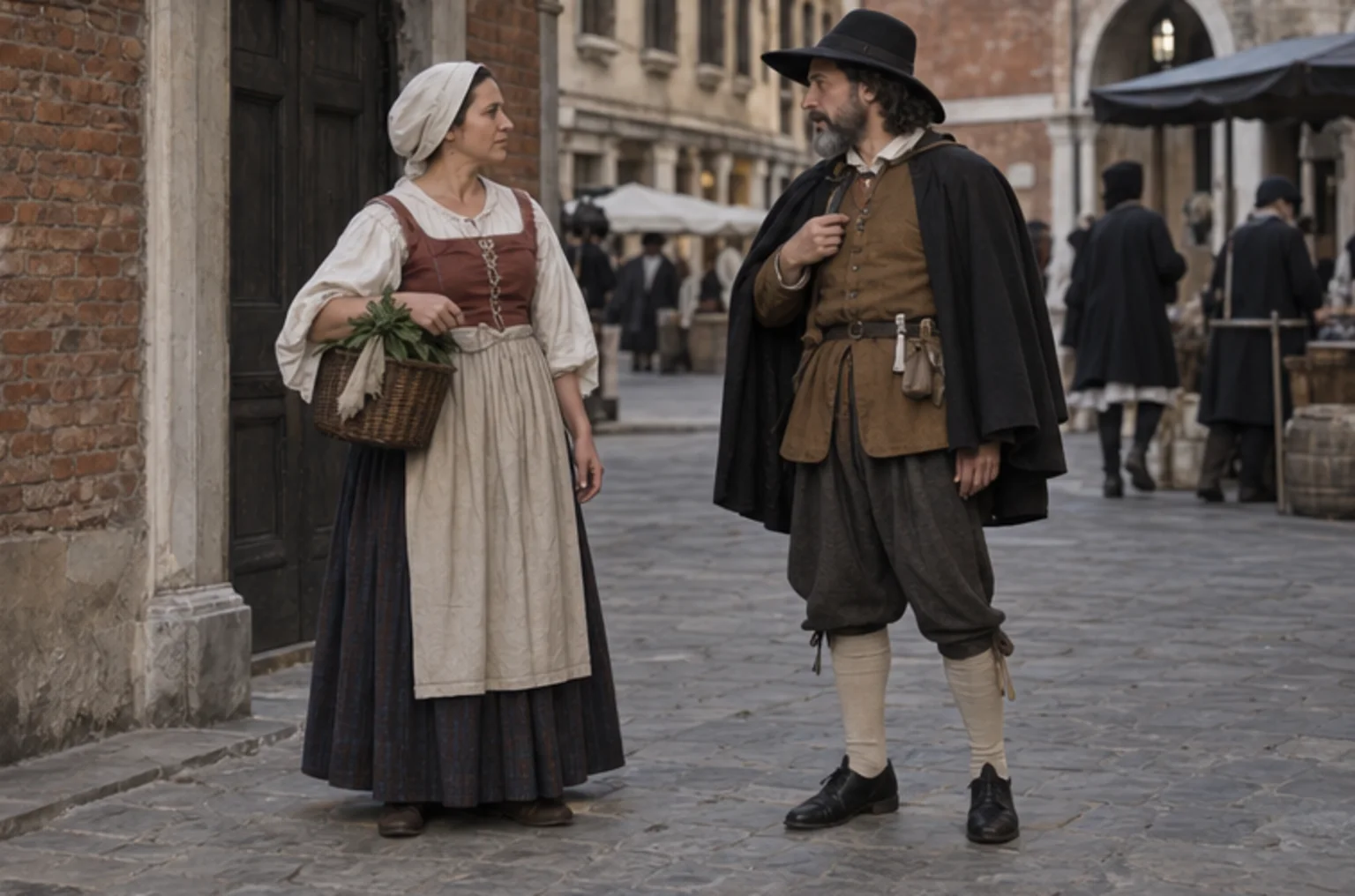
The corpus manifests do not yet establish the precise place and circumstances of composition. The images below document the author’s world or the text’s transmission. They do not claim to show the exact scene of writing.
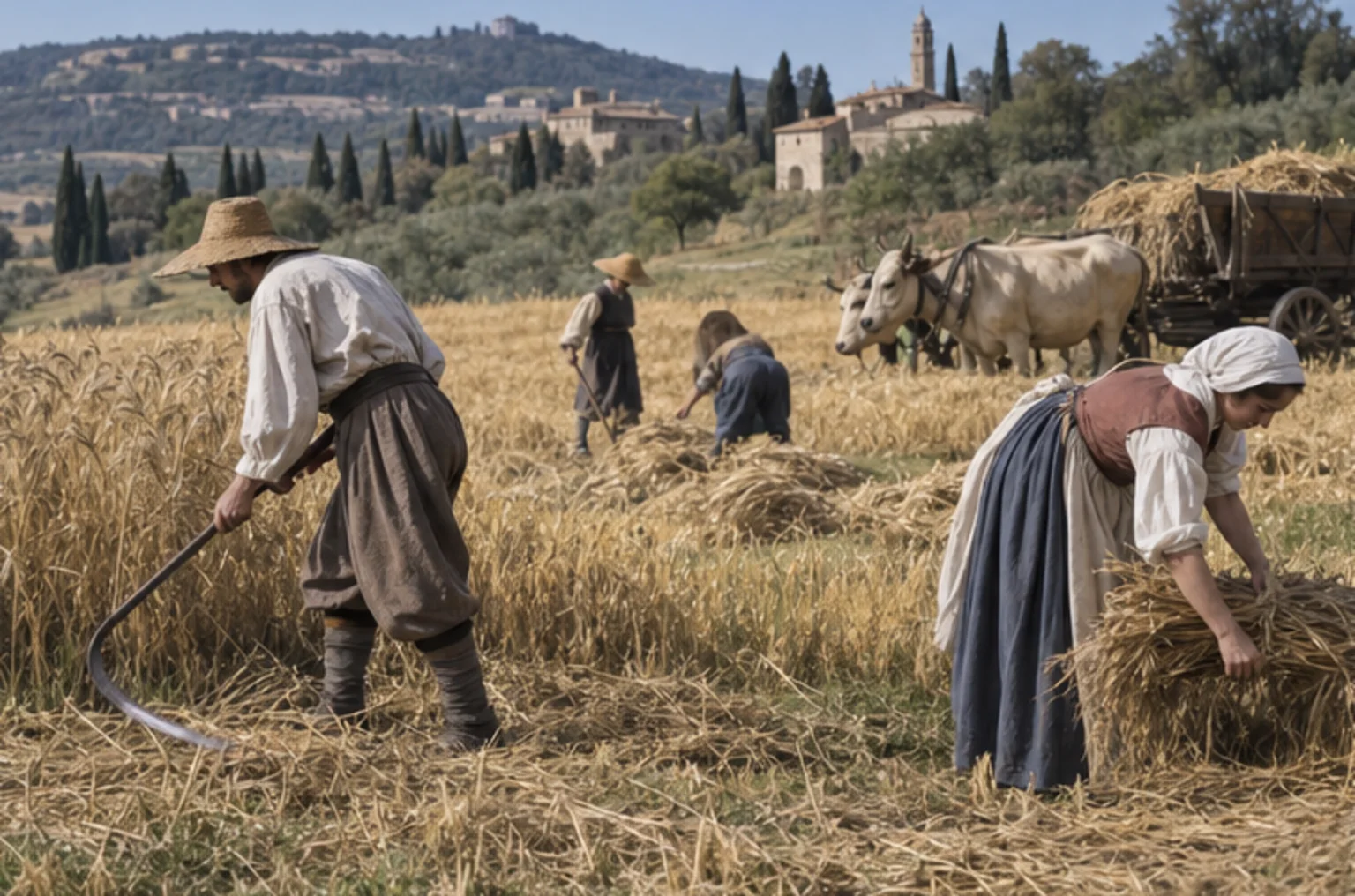
These are modern reconstructions. They situate a documented place, practice, or transmission and are not period documents.

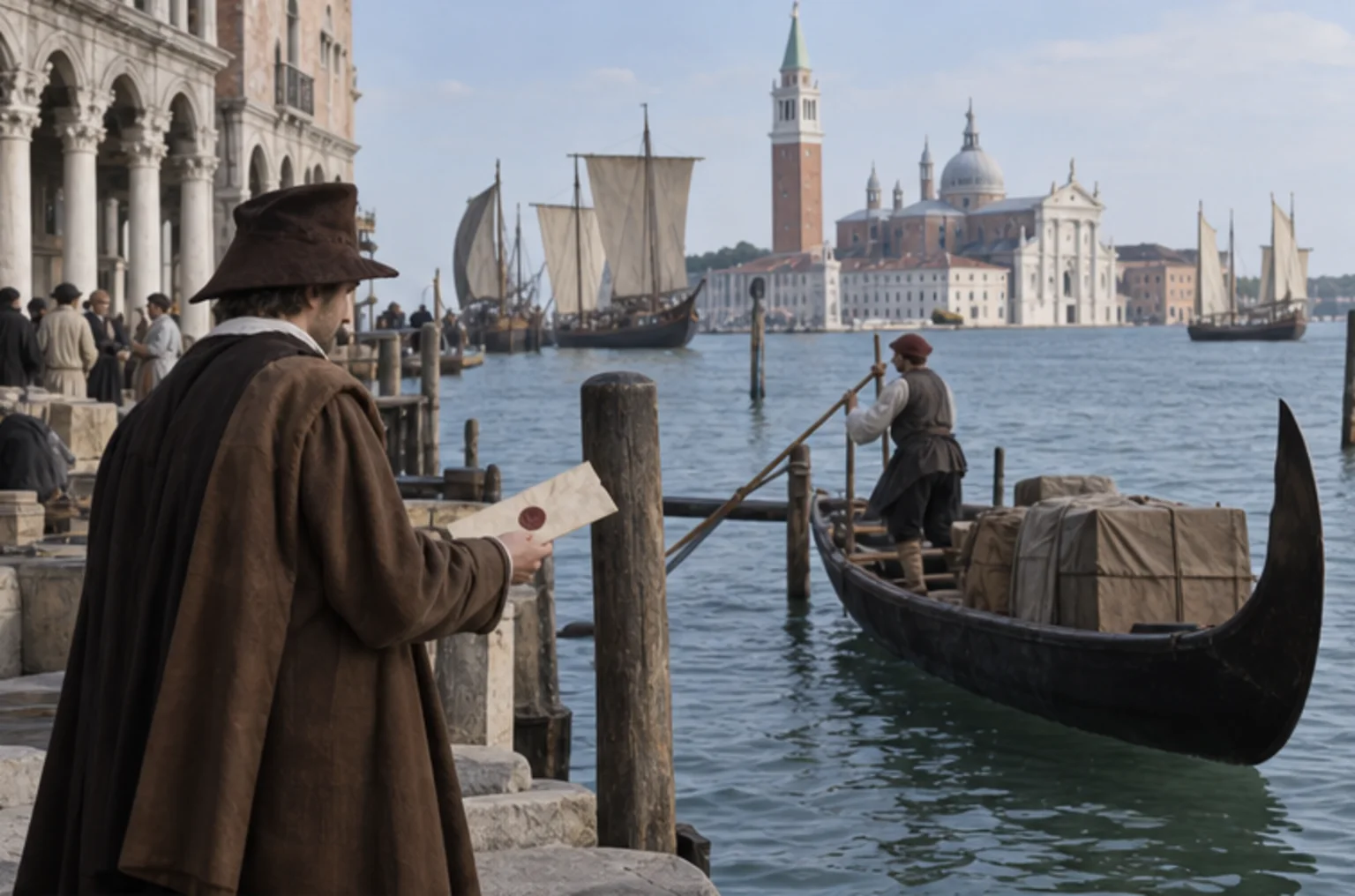

What the world looked like
Europe and the Atlantic, 15th-17th centuries
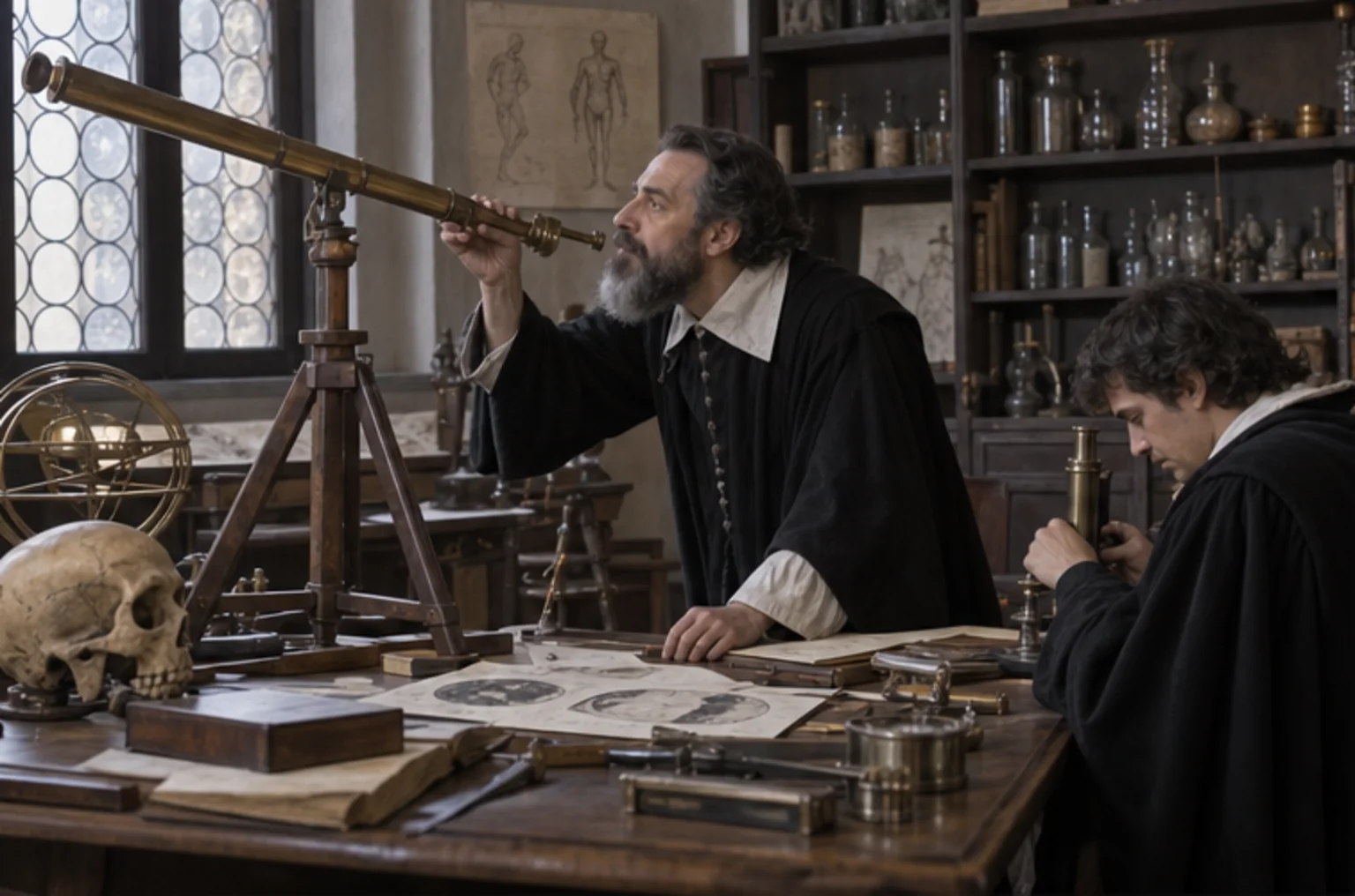
- State of technology
- Printing, artillery, clocks, ocean-going sail, and navigational instruments change the scale of states, trade, and travel.
- Science and knowledge
- Instrumented observation, calculation, anatomy, and astronomy gradually challenge inherited frameworks. Practice remains mixed with ancient authority.
- Medicine and care
- Dissection, surgery, plants, and pharmacopoeias expand, but infection, pain, and epidemics remain poorly controlled.
- Transport
- Walking, horses, coaches, river boats, and great sailing ships. Crossing an ocean takes weeks or months and remains dangerous.
- Agriculture and food
- Grain, livestock, and gardens predominate; Atlantic exchange moves maize, potatoes, tomatoes, sugar, and animals with major consequences.
- Communication
- Printed books, broadsheets, letters, and regular posts speed circulation without making it instant.
- Clothing and fashion
- Doublets, breeches, structured dresses, caps, ruffs, and cloaks use wool, linen, silk, and lace; rank strongly controls silhouette.
Editions, translations, and provenance
The following carriers represent the text. They do not create new passage identities.
- Frenchcomplete_source_selection
- English AI-generated translation, non-officialCodex gpt-5.6-sol · Non-official working translation · 2026-09-11
Source manifests: spinoza.ethics_fr
Reader
Read page by page
PART ONE: OF GOD
By cause of itself I understand that whose essence involves existence, or that whose nature cannot be conceived except as existing.
A thing is said to be finite in its own kind when it can be limited by another thing of the same nature. For example, a body is called a finite thing because we always conceive a greater body; likewise [1], a thought is limited by another thought; but body is not limited by thought, nor thought by body.
By substance I understand what is in itself and is conceived through itself, that is, that whose concept can be formed without requiring the concept of another thing.
By attribute I understand what reason conceives in substance as constituting its essence.
By mode I understand the affections of substance, or that which is in another thing and is conceived through that same thing.
By God I understand an absolutely infinite being, that is, a substance consisting of an infinity of attributes, each of which expresses an eternal and infinite essence.
A thing is free when it exists solely from the necessity of its nature and is determined to act by itself alone; a thing is necessary, or rather constrained, when it is determined by another thing to exist and to act according to a certain determinate law.
By eternity I understand existence itself, insofar as it is conceived as following necessarily from the definition alone of the eternal thing.
Whatever is, is either in itself or in another thing.
A thing that cannot be conceived through another must be conceived through itself.
From a given determinate cause the effect necessarily follows; and conversely, if no determinate cause is given, it is impossible for the effect to follow.
Knowledge of the effect depends on knowledge of the cause and involves it.
Things that have nothing in common with one another cannot be conceived through one another, or, in other words, the concept of one does not involve the concept of the other.
A true idea must agree with its object.
When a thing can be conceived as not existing, its essence does not involve existence.
Substance is prior in nature to its affections.