Ouvrage
Éthique, traduction française d’Émile Saisset
La traduction d’Émile Saisset donne en français l’architecture démonstrative de l’Éthique de Spinoza. Dieu identifié à la Nature, parallélisme de l’esprit et du corps, analyse des passions et béatitude intellectuelle s’y déploient à travers une terminologie du XIXe siècle.
- Rédaction
- composition vers 1661-1675; publication en 1677
Sources et précision
La plage décrit la composition ou la constitution du texte, distincte de la date des éditions présentes.
Confiance B · consensus solide
- Époque
- Époque moderne
- Langues
- Français · Anglais
- Volume
- 300 passages · 96 231 mots
Avant de lire
Ce que vous allez apprendre
Comprendre les cinq mouvements de l’Éthique, repérer la médiation lexicale de Saisset et comparer une proposition avec sa démonstration et son scolie.
Résumé court
La traduction d’Émile Saisset donne en français l’architecture démonstrative de l’Éthique de Spinoza. Dieu identifié à la Nature, parallélisme de l’esprit et du corps, analyse des passions et béatitude intellectuelle s’y déploient à travers une terminologie du XIXe siècle.
Résumé long
Définitions, propositions, preuves et scolies construisent un système où toute chose suit de la nécessité divine et naturelle. L’individu persévère dans son être, rencontre d’autres puissances, forme des idées plus ou moins adéquates et peut convertir certains affects passifs en activité rationnelle.
Cette manifestation n’est pas un ouvrage distinct composé en français par Spinoza. Saisset interprète le latin par ses choix de « substance », « âme », « entendement » ou « liberté ». Comparer les représentations linguistiques permet de mesurer cette médiation sans attribuer au traducteur les thèses démontrées.
Dans cet ouvrage
La table des matières suit les divisions réellement portées par le corpus.
Ouvrage › Section
- Section section-0001
- Section section-0002
- Section section-0003
- Section section-0004
- Section section-0005
- Section section-0006
- Section section-0007
- Section section-0008
- Section section-0009
- Section section-0010
- Section section-0011
- Section section-0012
- Section section-0013
- Section section-0014
- Section section-0015
- Section section-0016
- Section section-0017
- Section section-0018
- Section section-0019
- Section section-0020
- Section section-0021
- Section section-0022
- Section section-0023
- Section section-0024
- Section section-0025
- Section section-0026
- Section section-0027
- Section section-0028
- Section section-0029
- Section section-0030
- Section section-0031
- Section section-0032
- Section section-0033
- Section section-0034
- Section section-0035
- Section section-0036
- Section section-0037
- Section section-0038
- Section section-0039
- Section section-0040
- Section section-0041
- Section section-0042
- Section section-0043
- Section section-0044
- Section section-0045
- Section section-0046
- Section section-0047
- Section section-0048
- Section section-0049
- Section section-0050
- Section section-0051
- Section section-0052
- Section section-0053
- Section section-0054
- Section section-0055
- Section section-0056
- Section section-0057
- Section section-0058
- Section section-0059
- Section section-0060
- Section section-0061
- Section section-0062
- Section section-0063
- Section section-0064
- Section section-0065
- Section section-0066
- Section section-0067
- Section section-0068
- Section section-0069
- Section section-0070
- Section section-0071
- Section section-0072
- Section section-0073
- Section section-0074
- Section section-0075
- Section section-0076
- Section section-0077
- Section section-0078
- Section section-0079
- Section section-0080
- Section section-0081
- Section section-0082
- Section section-0083
- Section section-0084
- Section section-0085
- Section section-0086
- Section section-0087
- Section section-0088
- Section section-0089
- Section section-0090
- Section section-0091
- Section section-0092
- Section section-0093
- Section section-0094
- Section section-0095
- Section section-0096
- Section section-0097
- Section section-0098
- Section section-0099
- Section section-0100
- Section section-0101
- Section section-0102
- Section section-0103
- Section section-0104
- Section section-0105
- Section section-0106
- Section section-0107
- Section section-0108
- Section section-0109
- Section section-0110
- Section section-0111
- Section section-0112
- Section section-0113
- Section section-0114
- Section section-0115
- Section section-0116
- Section section-0117
- Section section-0118
- Section section-0119
- Section section-0120
- Section section-0121
- Section section-0122
- Section section-0123
- Section section-0124
- Section section-0125
- Section section-0126
- Section section-0127
- Section section-0128
- Section section-0129
- Section section-0130
- Section section-0131
- Section section-0132
- Section section-0133
- Section section-0134
- Section section-0135
- Section section-0136
- Section section-0137
- Section section-0138
- Section section-0139
- Section section-0140
- Section section-0141
- Section section-0142
- Section section-0143
- Section section-0144
- Section section-0145
- Section section-0146
- Section section-0147
- Section section-0148
- Section section-0149
- Section section-0150
- Section section-0151
- Section section-0152
- Section section-0153
- Section section-0154
- Section section-0155
- Section section-0156
- Section section-0157
- Section section-0158
- Section section-0159
- Section section-0160
- Section section-0161
- Section section-0162
- Section section-0163
- Section section-0164
- Section section-0165
- Section section-0166
- Section section-0167
- Section section-0168
- Section section-0169
- Section section-0170
- Section section-0171
- Section section-0172
- Section section-0173
- Section section-0174
- Section section-0175
- Section section-0176
- Section section-0177
- Section section-0178
- Section section-0179
- Section section-0180
- Section section-0181
- Section section-0182
- Section section-0183
- Section section-0184
- Section section-0185
- Section section-0186
- Section section-0187
- Section section-0188
- Section section-0189
- Section section-0190
- Section section-0191
- Section section-0192
- Section section-0193
- Section section-0194
- Section section-0195
- Section section-0196
- Section section-0197
- Section section-0198
- Section section-0199
- Section section-0200
- Section section-0201
- Section section-0202
- Section section-0203
- Section section-0204
- Section section-0205
- Section section-0206
- Section section-0207
- Section section-0208
- Section section-0209
- Section section-0210
- Section section-0211
- Section section-0212
- Section section-0213
- Section section-0214
- Section section-0215
- Section section-0216
- Section section-0217
- Section section-0218
- Section section-0219
- Section section-0220
- Section section-0221
- Section section-0222
- Section section-0223
- Section section-0224
- Section section-0225
- Section section-0226
- Section section-0227
- Section section-0228
- Section section-0229
- Section section-0230
- Section section-0231
- Section section-0232
- Section section-0233
- Section section-0234
- Section section-0235
- Section section-0236
- Section section-0237
- Section section-0238
- Section section-0239
- Section section-0240
Les 300 références sont toutes accessibles par le lecteur et la recherche. Cette table en affiche les 240 premières pour rester maniable.
Concepts abordés
Contexte historique
Le monde autour du texte
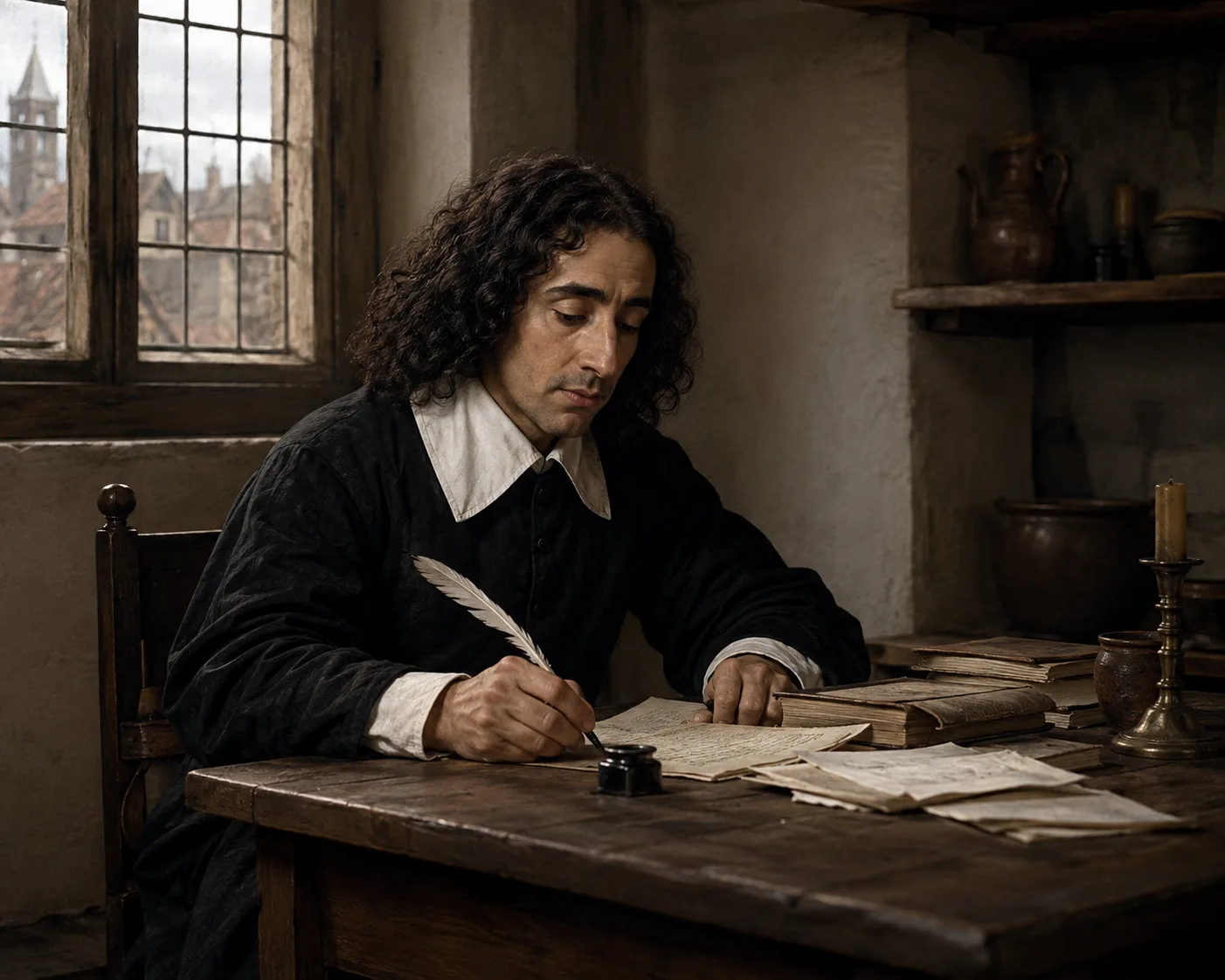
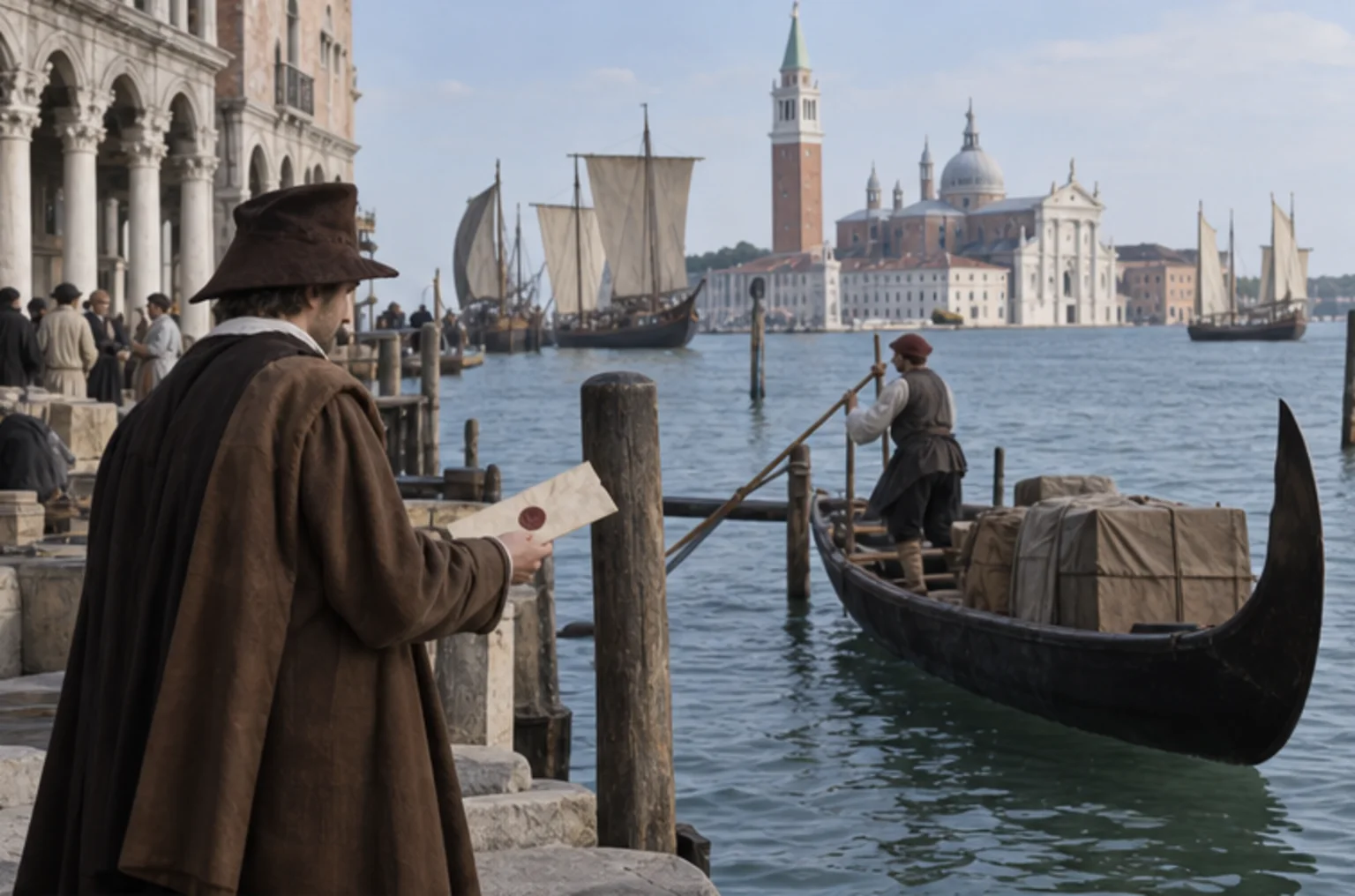
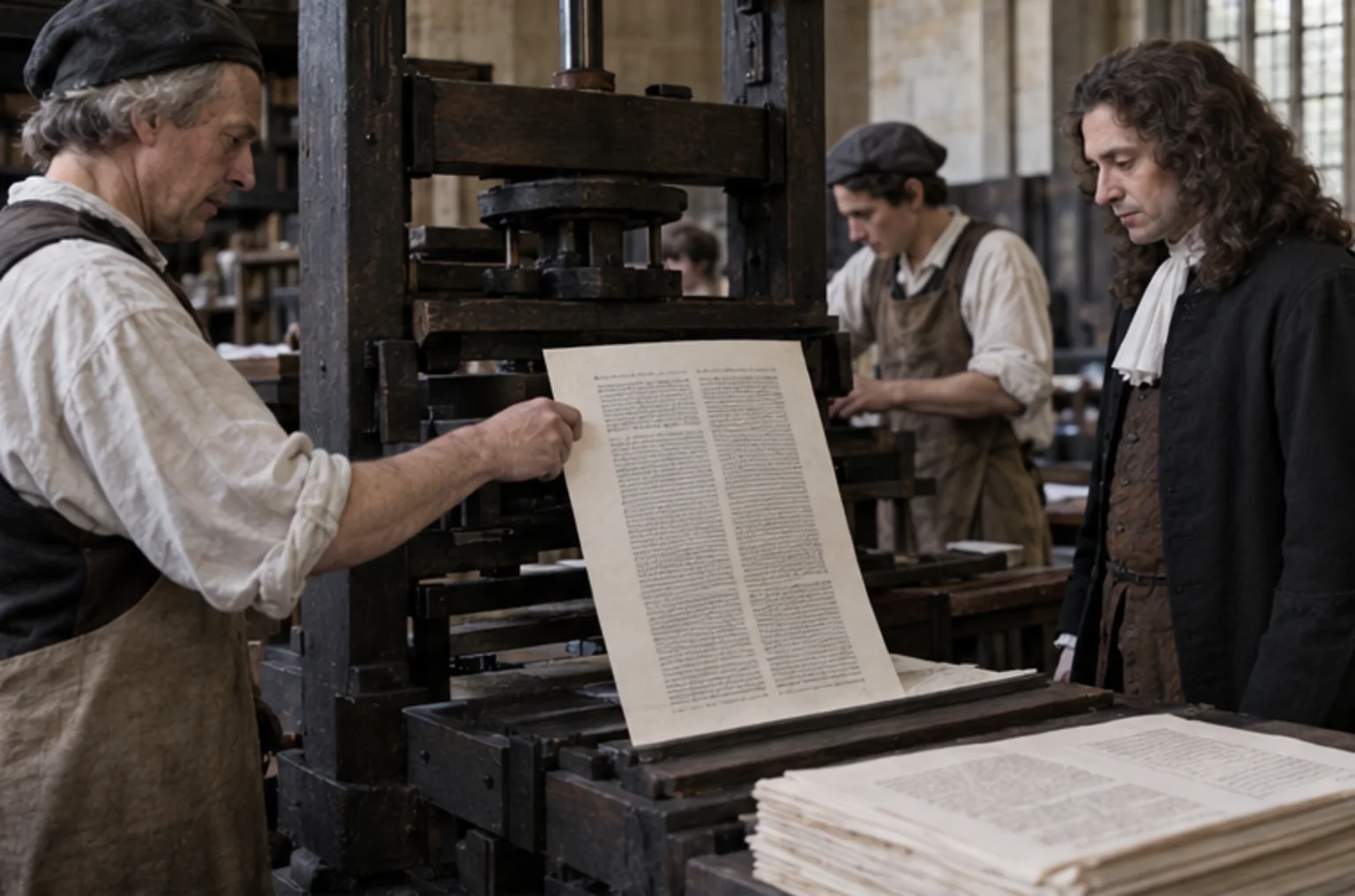
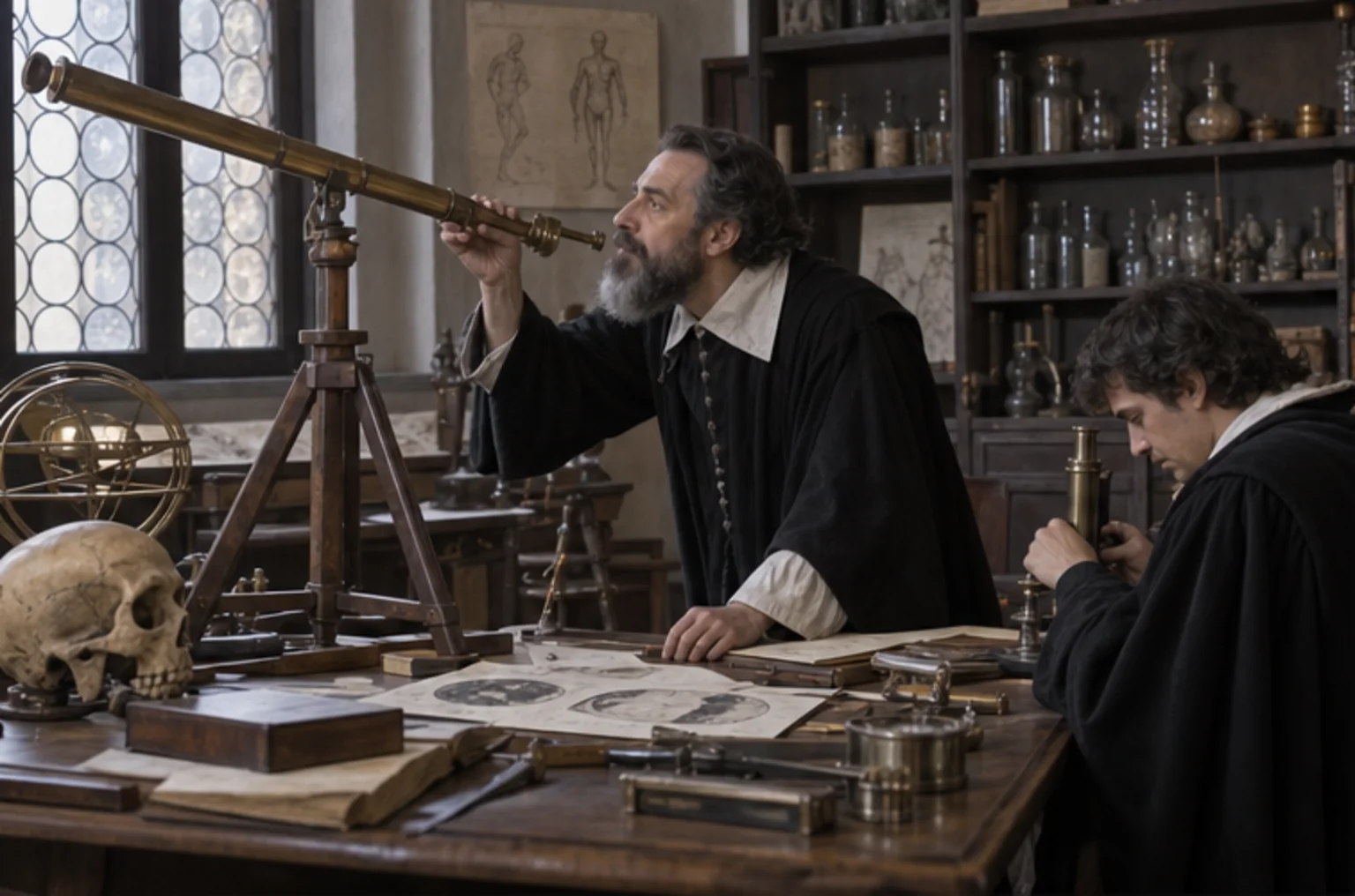
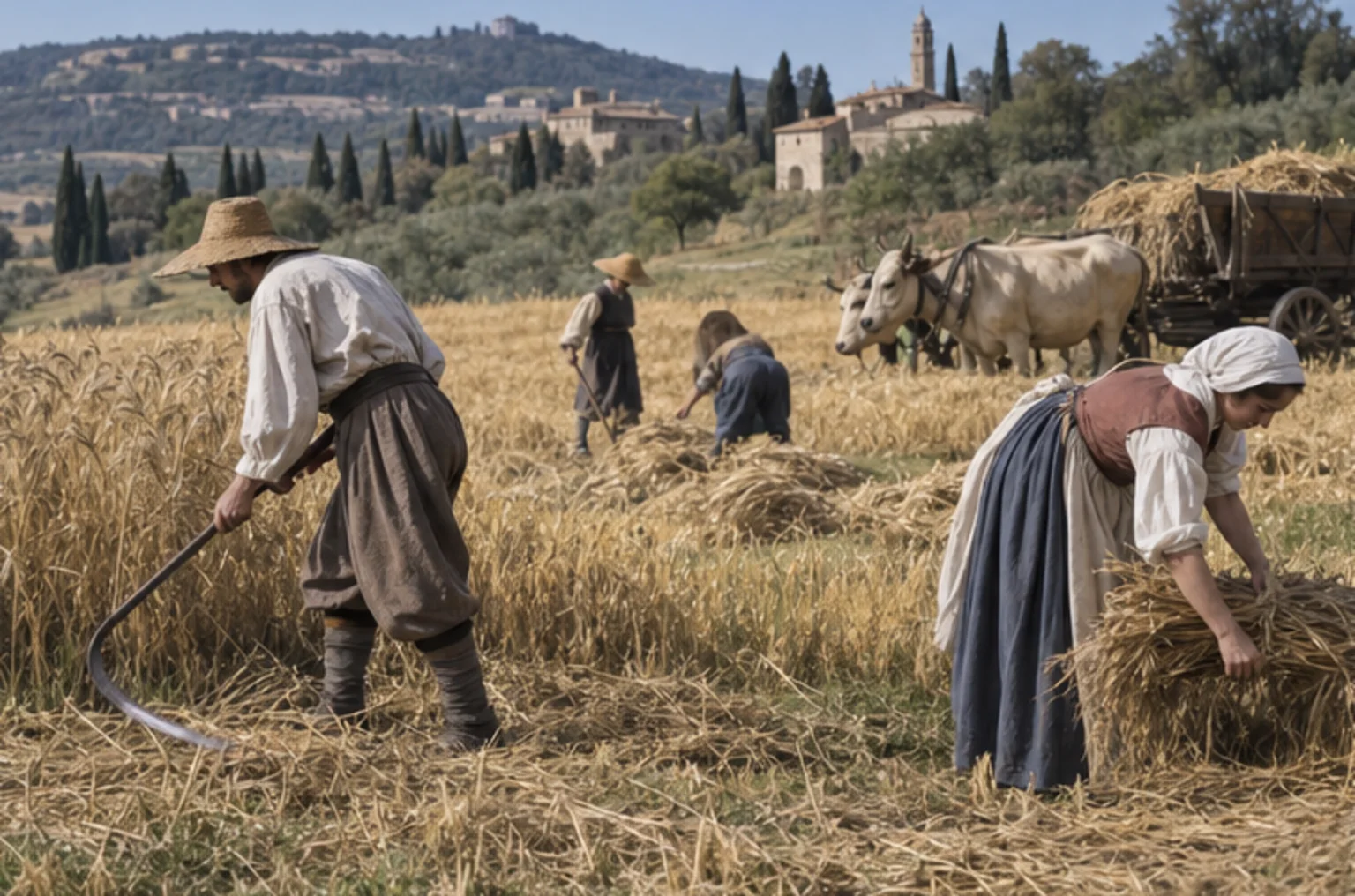
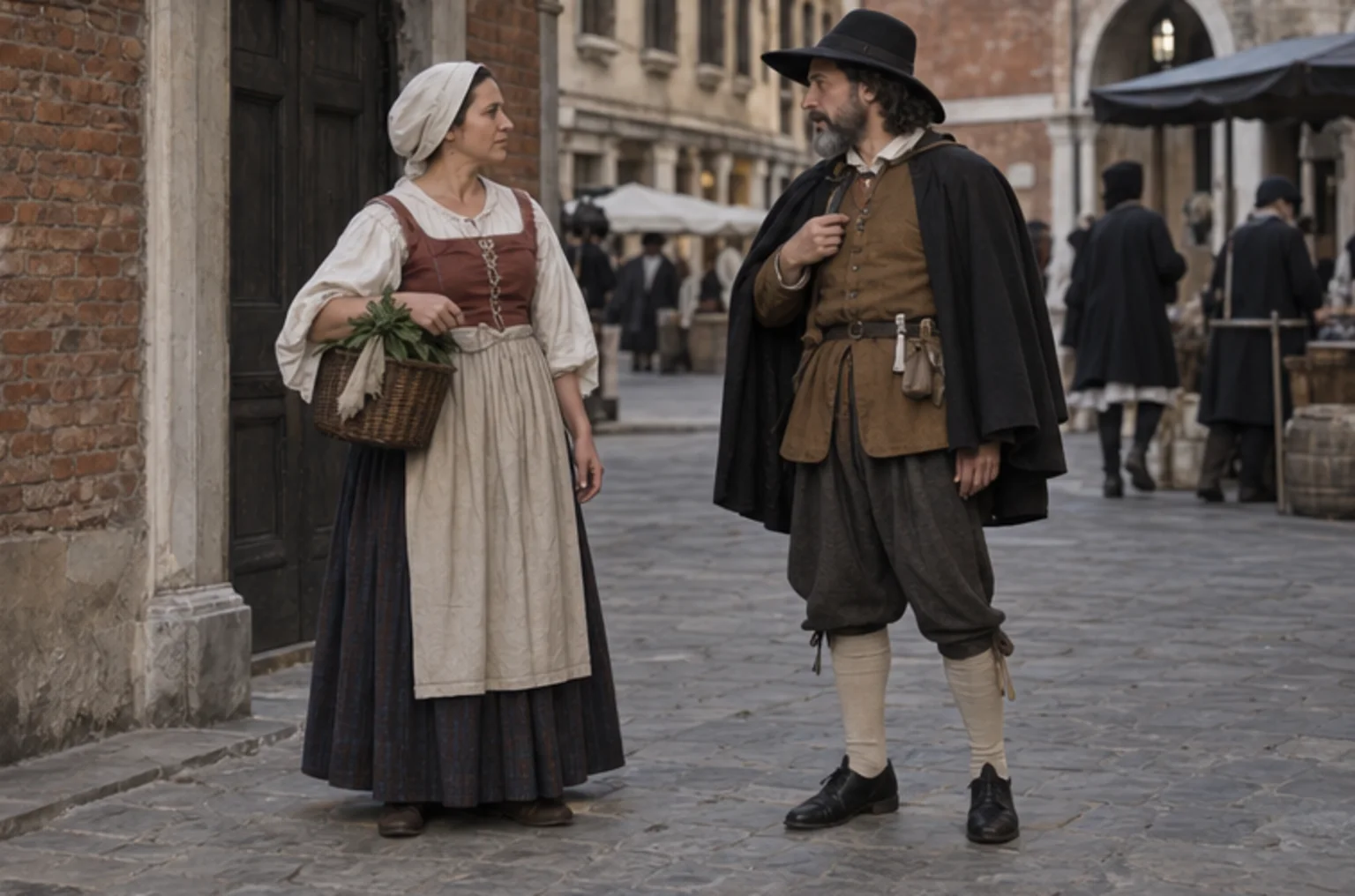
Les manifestes du corpus ne suffisent pas encore à établir précisément le lieu et les circonstances de composition. Les images ci-dessous documentent le monde de l’auteur ou la transmission du texte. Elles ne prétendent pas montrer la scène exacte de son écriture.
Ces images sont des reconstitutions modernes. Elles situent un lieu, une pratique ou une transmission documentée et ne sont pas des documents d’époque.
À quoi ressemblait le monde
Europe et Atlantique, XVe-XVIIe siècles
- État technologique
- Imprimerie, artillerie, horloges, voiliers océaniques et instruments de navigation changent l’échelle des États, du commerce et des voyages.
- Sciences et savoirs
- Observation instrumentée, calcul, anatomie et astronomie contestent progressivement les cadres hérités. La pratique reste mêlée aux autorités anciennes.
- Médecine et soins
- Dissections, chirurgie, plantes et pharmacopées s’enrichissent, mais infection, douleur et épidémies restent très peu maîtrisées.
- Transports
- Marche, cheval, carrosse, coche d’eau et grands voiliers. Traverser un océan prend des semaines ou des mois et demeure dangereux.
- Agriculture et alimentation
- Céréales, élevage et jardins dominent; les échanges atlantiques déplacent maïs, pomme de terre, tomate, sucre et animaux avec des conséquences majeures.
- Communication
- Livres imprimés, feuilles volantes, lettres et postes régulières accélèrent la circulation sans la rendre instantanée.
- Mode vestimentaire
- Pourpoints, culottes, robes structurées, coiffes, collerettes et manteaux utilisent laine, lin, soie et dentelle; le rang commande fortement la silhouette.
Éditions, traductions et provenance
Les supports suivants représentent le texte. Ils ne créent pas de nouvelles identités de passage.
- Françaiscomplete_source_selection
- Anglais Traduction générée par IA, non officielleCodex gpt-5.6-sol · Traduction de travail non officielle · 2026-09-11
Manifestes sources : spinoza.ethics_fr
Lecteur
Lire page par page
Éthique, traduction française d’Émile SaissetBaruch Spinoza